Your Xiaomi Isn't Really Xiaomi: Who Actually Makes Chinese Phones
Many budget Chinese phones aren't designed or manufactured by the brands on their labels. Three invisible ODM giants control nearly half of global smartphone production.
And why are they so cheap?
Many people know that Xiaomi, Honor, Tecno, or Realme don't make their phones themselves. But what if I told you they don't even design them? Many budget models are merely sold under these brand names, while the entire development and manufacturing — from start to finish — is done by completely different companies. These companies aren't household names, but without them there would be no "best bang for your buck." Let's figure out what this all means and how it came to be.
Let's Say You Want to Make Your Own Smartphone. Where Do You Start?
Well, obviously you need to create your own R&D center, build a factory, launch production, set up component supply chains... Or do you?
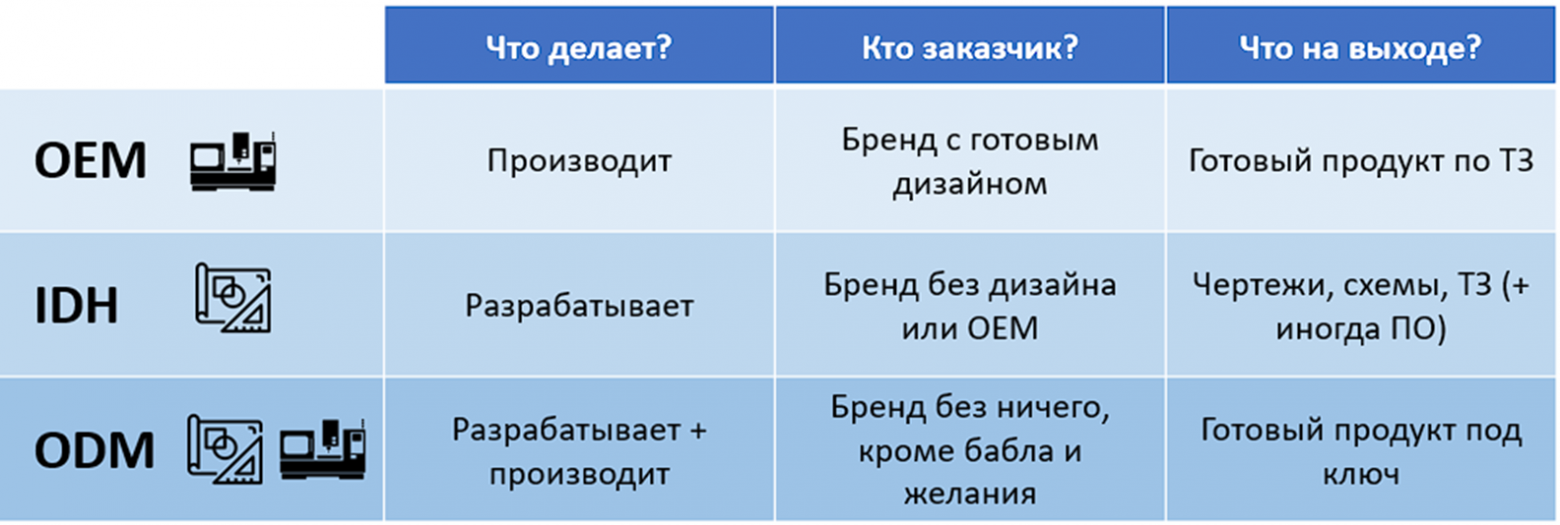
Actually, none of that is necessary. Specially trained people (and robots) will happily do it all for you. These folks will outsource either all of the above tasks, or just some of them. There are three possible formats:
The first is Original Equipment Manufacturer (OEM). This means you design and engineer the smartphone, write up a detailed specification. Then you hand the spec to another company, which manufactures the product for you. This is exactly how Apple works, for example. The folks in Cupertino design the new iPhone, and the Chinese at Foxconn (the OEM) assemble it. As they say: "Designed in California, assembled in China." Samsung and Dell work on a similar model.
But what if you have the opposite situation — you have a factory and a bunch of hardworking Chinese workers with excellent fine motor skills, but no R&D capabilities? No problem — that's what an Independent Design House (IDH) is for. IDH firms will happily design any gadget for you and then hand you the spec for manufacturing. It's like the OEM model, but in reverse.
And if you're manufacturing something mass-market and not particularly exclusive, you can hand the spec to the folks in Electronic Manufacturing Services (EMS). Their focus is on production scalability, optimization, and cost-cutting.
This is how many smartphones, laptops, and even Tesla components are created.
But what if you have nothing at all (besides money, of course) and need a turnkey solution? That's where Original Design Manufacturers (ODM) come in. These companies will do absolutely everything — from drawing the first blueprint to tightening the last screw. You simply go to an ODM and say: "Guys, make us a best-in-class budget phone — 100-megapixel camera, processor, NFC, price tag $150." The ODM says "No problem, we'll ship in six months" and builds the product to your specs, then manufactures however many units you need. All you have to do is sell the product under your brand.
Confused? Don't worry, the acronym tour is over.
This brief overview was needed to understand how the whole thing works. And to answer the question in the title, we only need the last three letters: ODM.
What If Xiaomi Isn't Really Xiaomi?
Confession time — do you own anything from Xiaomi? I've got all sorts of stuff: a fitness band, a kettle, an irrigator, a robot vacuum... I haven't gotten the smart ear-cleaning stick yet, but that's only a matter of time. A couple of years ago I was even rocking their budget Redmi Note 8 Pro.
That phone was hard to call outstanding, but it was decent enough. The main thing was something else. When I bought it, I was blown away by the combination of the price (around 14,000 rubles) and what you got for that price. "Is this not the ultimate bang for your buck?" I exclaimed, and my finger pressed "Order" on its own.
But WHY EXACTLY was this smartphone so cheap?
In short, the secret is that the Xiaomi Redmi Note 8 Pro isn't really Xiaomi. Just like the rest of the Redmi lineup starting from the Redmi 3. Legally it's Xiaomi, and de facto it's Xiaomi too. But in essence, there's nothing from Xiaomi in it. The exact same story applies to many other Chinese budget brands: Tecno, Realme, Meizu (rest in microchips), budget lines from Honor, Lenovo, OPPO, Vivo, and so on.
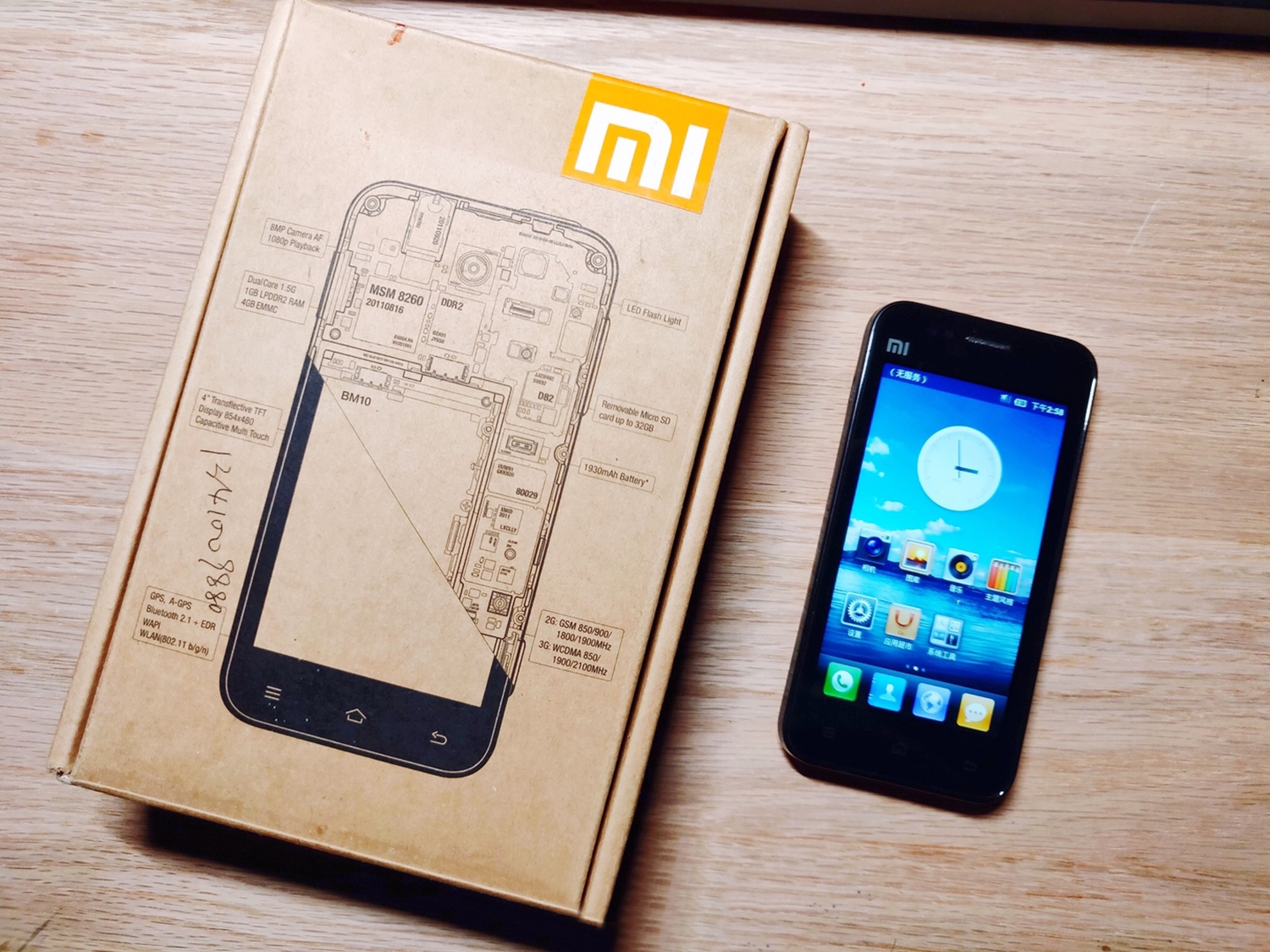
Let's rewind 14 years. Back then, Xiaomi wasn't a massive ecosystem with a hodgepodge of electronics — it was a promising startup with exactly one product: a version of the Android operating system called MIUI. The OS turned out great, and the company logically decided to "build a home for it." Thus, in 2011, the first Xiaomi Mi 1 was born.
A year later came the Mi 2, and a year after that the Mi 3. The market received these models warmly. Near-flagship specs at a $300 price tag from a young, vibey Chinese startup. Xiaomi started establishing itself in its segment, its brand became recognizable, fans began to appear.
However, Xiaomi founder Lei Jun and his team thought: 10-20 million phones sold per year is nice, but for China, those are trivial numbers. Real growth is buried in the mass market — we need to go there!
But how do you quickly roll out a decent budget phone for $150 when you only know how to make "near-flagships" for $300-400? Simple — get some help.
The first Redmi smartphone used blueprints (and some internals like the processor) from the Taiwanese company MediaTek, and it was manufactured by various OEMs and ODMs. Xiaomi's role was limited to managing the project, installing their MIUI operating system, and then marketing and selling the whole thing.
The second Redmi had a similar story, but instead of MediaTek, the partner was the American company Qualcomm — likely to make it easier to enter international markets.
However, the first Redmis still couldn't match the budget models from other companies like ZTE, Meizu, Huawei, and Lenovo's sub-brands. Xiaomi needed a quantum leap, or they risked missing the departing train and losing the mass market.
The Invisible Giant
Fortunately for Lei Jun, by the early 2010s China already had several top-tier smartphone ODMs. The largest and most powerful was called Wingtech Technologies, and that's exactly where the Xiaomi team headed.
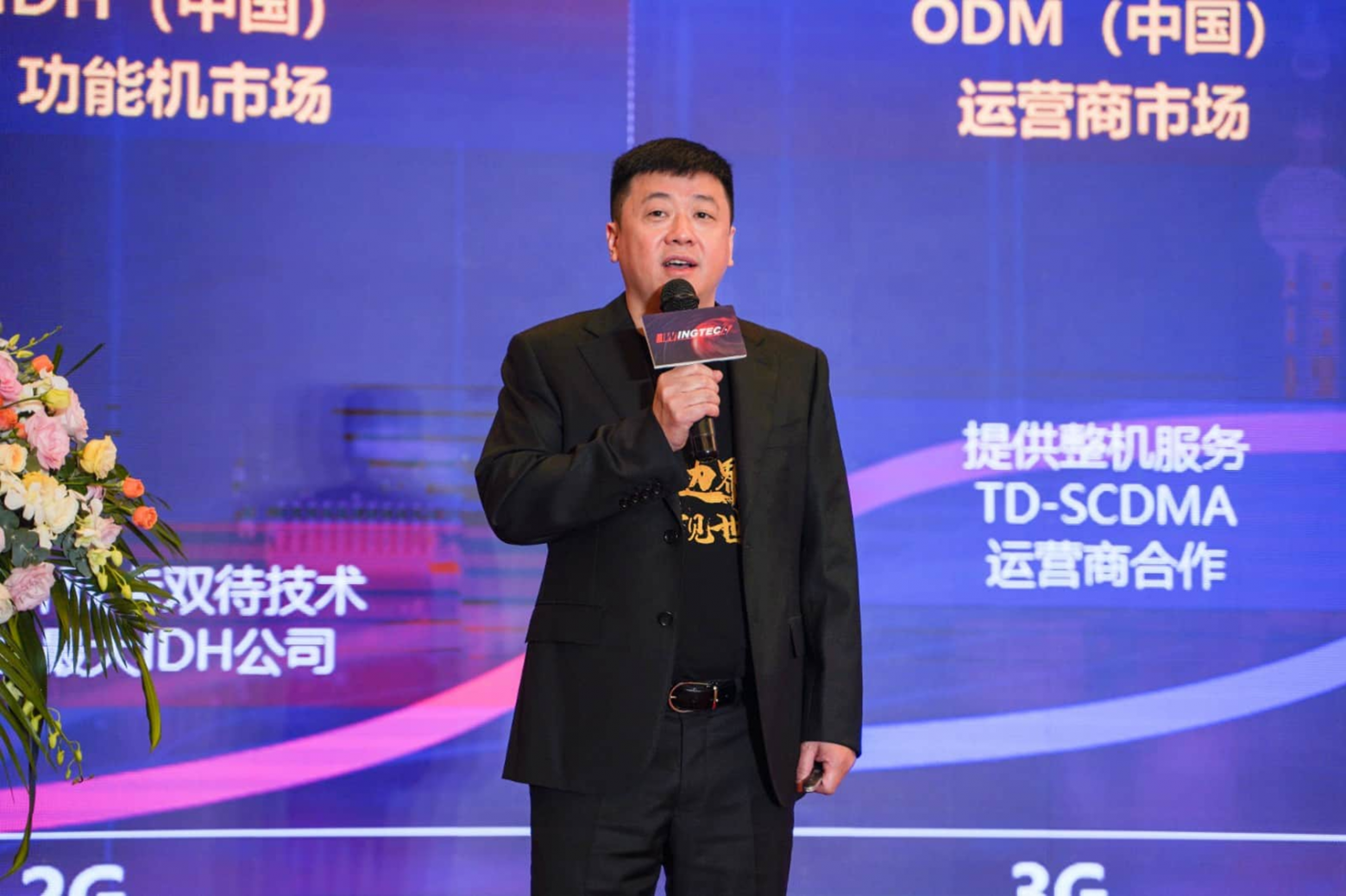
Wingtech was born in 2006 in Zhejiang province, founded by Zhang Xuezheng, a former ZTE engineer. The company soon launched a factory and opened a research center in Shenzhen — the heart of Chinese innovation, a "local Silicon Valley."
In 2008, Wingtech began ODM smartphone production. Initially these were small orders from little-known companies that probably didn't survive to the present day. But in the early 2010s, a smartphone boom hit China, and the ODM market blossomed in all the colors of the Chinese rainbow. Major players started coming to Wingtech — companies that didn't want to build yet another phone themselves. So when Xiaomi came to them in 2015 looking for an upgrade to their Redmi, Wingtech had plenty to offer Lei Jun. By then, Wingtech had:
- A fully ready turnkey smartphone platform. Essentially, Xiaomi only needed to choose specs and customize their MIUI.
- A complete R&D cycle — from board and case design to component testing and certification.
- Component sourcing, assembly, and mass production end-to-end. Of course, Xiaomi could participate — for example, joining the supplier selection process or approving specific components.
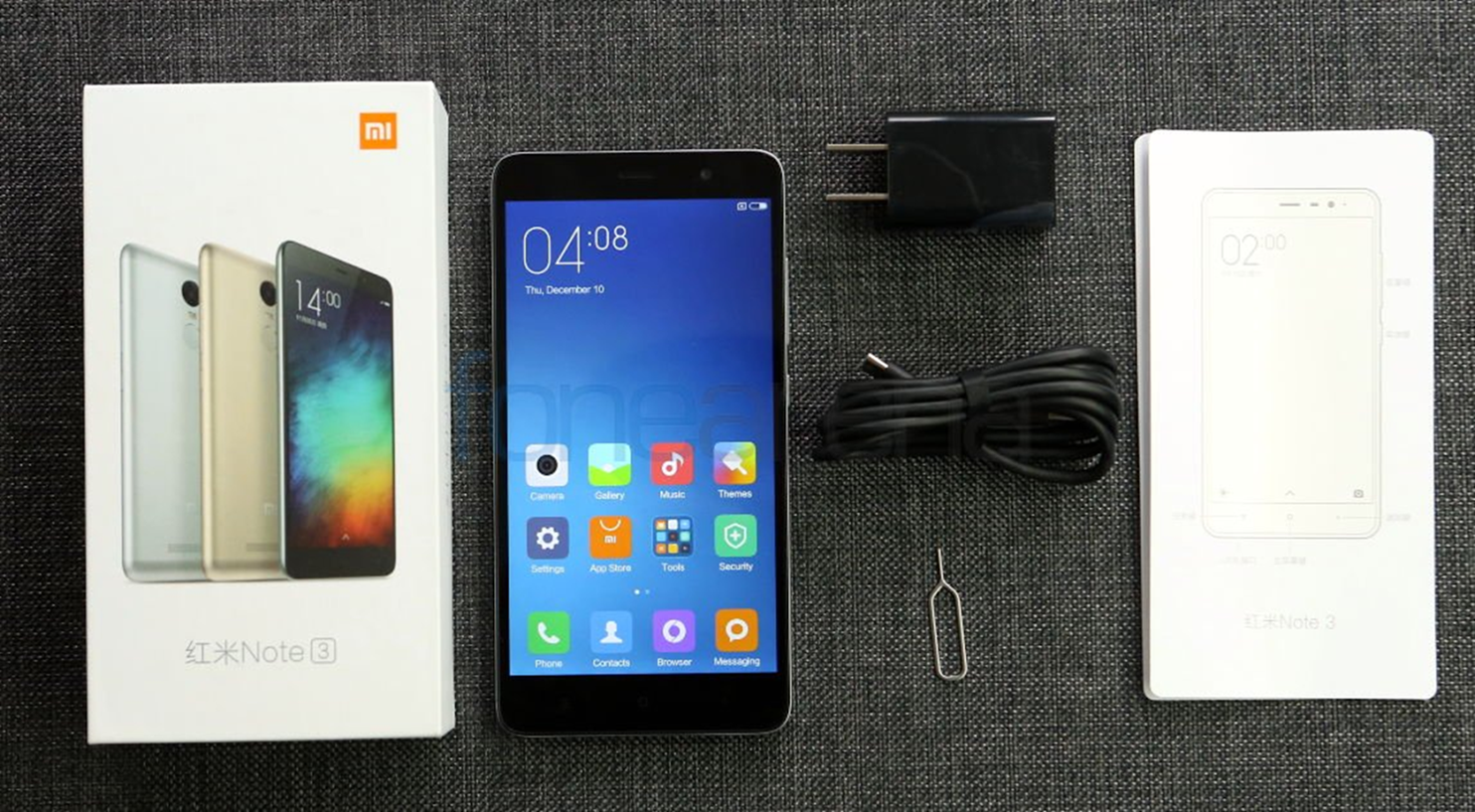
In 2015, the Xiaomi Redmi Note 3 emerged from Wingtech's wing:
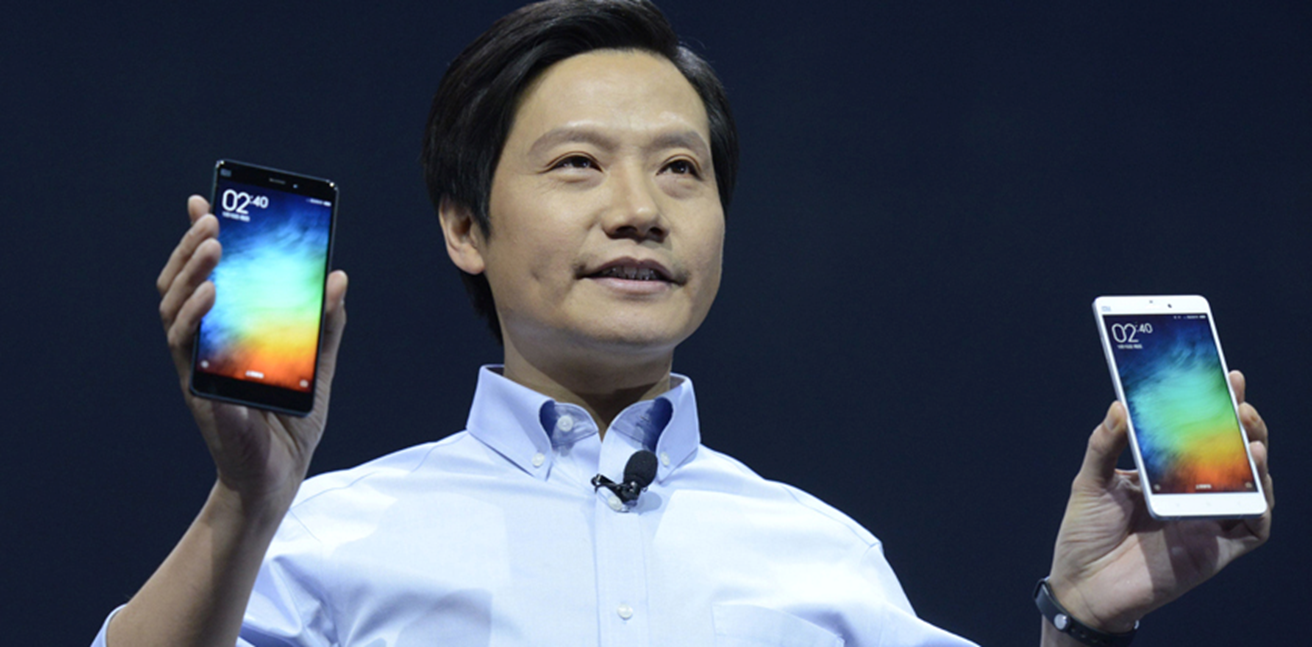
And it was a completely different phone. Compared to the plastic bar of soap called "Redmi Note 2," this was practically a flagship. But for the same $140! That's roughly when the immortal phrase "best bang for your buck" became permanently attached to Xiaomi.
In 2016, the third Redmi became one of the best-selling smartphones in China and India. For Xiaomi, it was a triumph. Even though this phone was actually Wingtech's creation from start to finish.
Since then, Wingtech has served as the ODM manufacturer for all Redmi models. My old Redmi Note 8 Pro was no exception. The same goes for the POCO lineup (a mid-budget spin-off of Redmi that became its own brand). Only since the early 2020s, having grown into a truly massive corporation, has Xiaomi become more actively involved in design and development — though the bulk of R&D and manufacturing is still done by the ODM.
Important note: Xiaomi designs its flagship "Mi" smartphone line in-house and manufactures through OEMs like Foxconn and BYD Electronics. The Wingtech story specifically concerns Redmi and POCO.
Other Chinese smartphone brands use the exact same trick. They develop flagship models themselves and either manufacture them in-house (a minority — Huawei, partially OPPO and Vivo, and some Transsion models, which owns the Tecno, Infinix, and Itel brands), or hand them off to OEMs. But cheap and mid-budget "mass market" lines are delegated to companies like Wingtech. And nearly every Chinese manufacturer does this!
But Why Is It Cheaper Through an ODM?
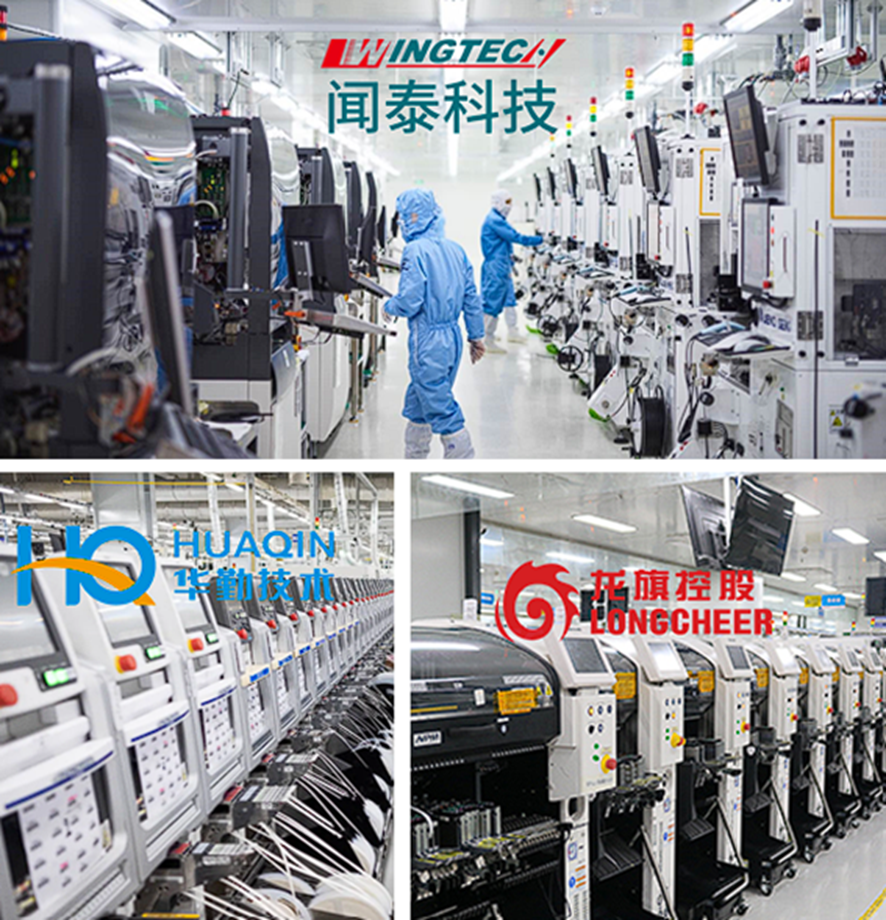
Let's start with the fact that China has three major smartphone ODMs: the already-mentioned Wingtech, plus Huaqin and Longcheer.
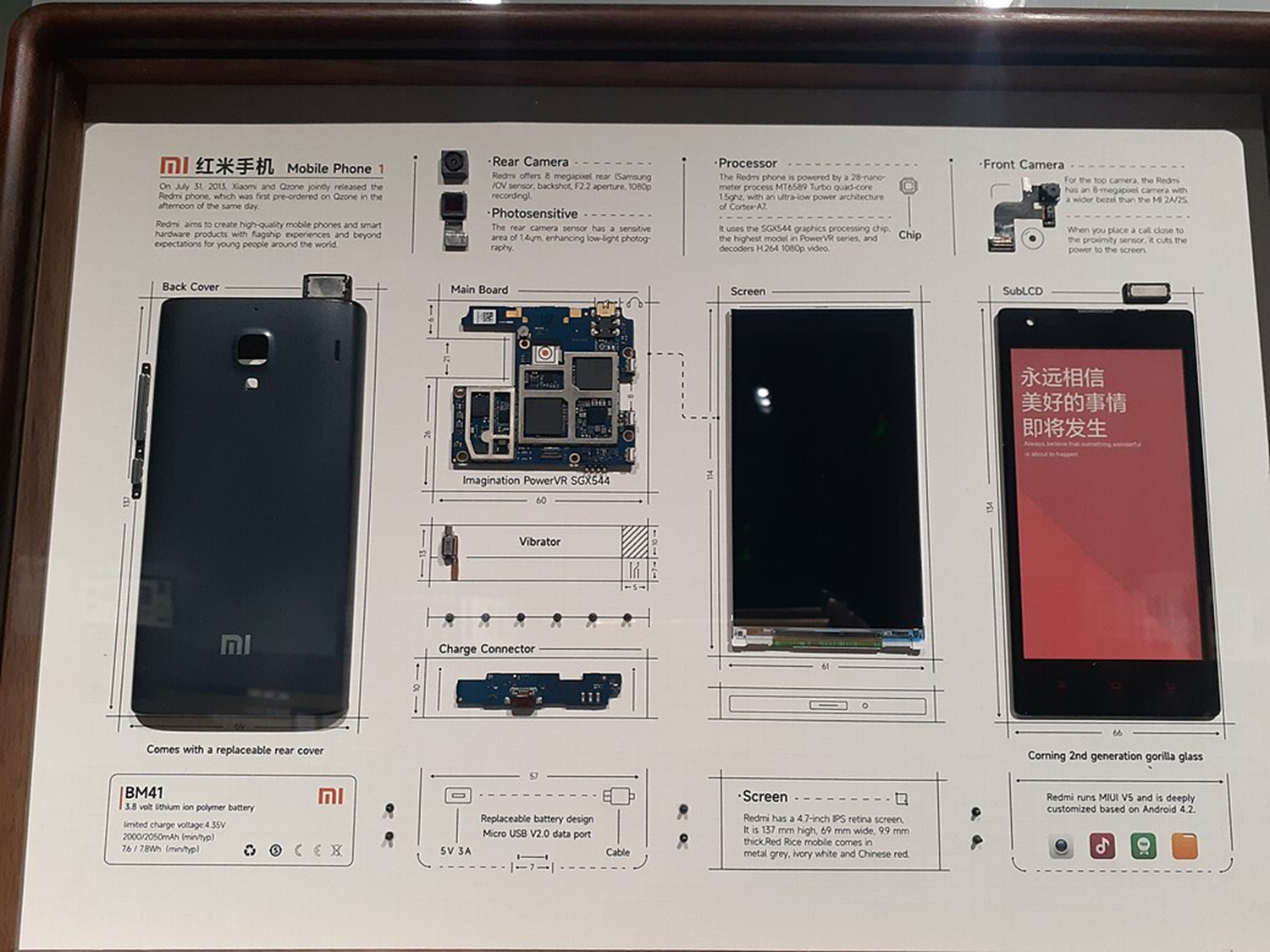
All three serve not only Chinese manufacturers but global companies as well — Samsung, Amazon, Tesla, and others. They take orders not just for smartphones but for practically any electronics (though smartphones account for a large share of their output).
Here's the breakdown. In 2024, 44% of all smartphones sold worldwide were produced by ODMs. And these three Chinese companies control approximately 70-80% of the entire global ODM market (their shares are roughly equal — around 25-30% each). Apply some advanced mathematics and you get: every 3rd or 4th smartphone in the world is made by these three companies! "Xiaomi, Huawei, Honor," they said. Sure.
So let's figure out why it's cheaper this way:
If you're a big, established ODM, you already have factories and machinery, logistics and warehouses, a research center. Capital expenditures were made and recouped long ago. You have virtually zero CapEx. Sure, there's new capacity construction and equipment depreciation. But compared to "building R&D and production from scratch," it's nothing.
Plus, you serve many large clients simultaneously. Your production and R&D operate at scale. This means you can (a) easily ramp up output and produce a new large batch, and (b) achieve economies of scale. This is a basic law of economics, and large ODMs leverage it effortlessly. The brand companies themselves? Not always.
Furthermore, if you're producing nearly identical products (smartphones, mostly budget ones) for a bunch of different clients, you can pool purchases and squeeze suppliers on price and terms for materials and components. Like: "Li, buddy, I'm buying 10 million chips from you! Give me a massive discount!"
Moreover, large ODMs have genuinely good access to technologies and the component base. For example, Wingtech acquired Nexperia, a major Dutch semiconductor manufacturer, along with several Chinese companies (chipsets, boards, electronics, etc.). Huaqin and Longcheer have made their own important acquisitions too.
And there's one more important point. Imagine that every year Xiaomi, Lenovo, Huawei, OPPO, Vivo, and other companies come to you. And Samsung drops by occasionally too. And they all ask for roughly the same thing: "Make us a good smartphone, cheap!"
This task repeats over and over (with minor variations: these guys want a better camera, those want a bigger battery, etc.). And since it does, firstly, your experience and expertise let you solve it (and its subtasks) more efficiently. Which means cheaper. And secondly, you eventually create standard solutions.
For example, Wingtech and Huaqin have their own mobile platforms. Simply put, a ready-made smartphone framework where only the camera, case, firmware, and a few other details change. Then everything is manufactured using well-established templates — fast, precise, serial. And cheap. It's roughly like a Volkswagen automotive platform used by a ton of European brands, but in the smartphone world.
And by the way, this approach accelerates the entire product creation cycle. Xiaomi can come in and order a new Redmi, and Wingtech will ship the batch within six months. Very useful in China's hyper-competitive, dynamic market!
But this coin has a flip side:
The Dark Side
Attention, here's a question for the Chinese sages:
What happens when one large ODM takes very similar orders from a bunch of different companies?
That's right — it starts creating standard solutions (because it's both cheaper and faster) and offering them to all its clients. The result is a peculiar thing:
Budget Chinese phones even look alike on the outside. And this is despite every brand wanting its design to be as unique and recognizable as possible. But the standard "platform solutions" from ODMs are so seductively fast and cheap... You can imagine for yourself how similar these phones are on the inside.
And here's another interesting point. ODM dominance creates a peculiar vicious cycle. Companies order entire product lines from ODMs year after year. Model after model. The ODM builds up series of know-how and turns them into platforms and boxed solutions. And ultimately, these solutions are used by all of that ODM's clients!
It turns out that through the ODM, you automatically enrich your competitors' technological capabilities, and they enrich yours. What kind of uniqueness can we even talk about? You can perhaps play around with positioning, marketing, and creative advertising — nothing more.
However, abandoning ODMs is also dangerous. Because your competitor won't abandon them and will outpace you through cheaper prices and faster release cycles. In short, ODMs are a peculiar addiction for Chinese smartphone companies. Their personal variety of pu-erh tea.
Personally, I think such deep ODM involvement in creating budget smartphones is a good thing. Yes, what you get is nearly identical slabs for $150. But it's precisely thanks to the scale and expertise of these companies that so much gets packed into those $150.
If you have a Chinese (or any non-Apple) smartphone, google who actually gave birth to it, and write in the comments — let's see which of the three ODM monsters wins.



