Why Soviet Computers Lost to the ZX Spectrum
A deep dive into why domestically developed Soviet personal computers failed to compete with Western imports, examining planned economy constraints, tiny production volumes, lack of software ecosystems, and the ironic triumph of pirate ZX Spectrum clones.
A Personal Story
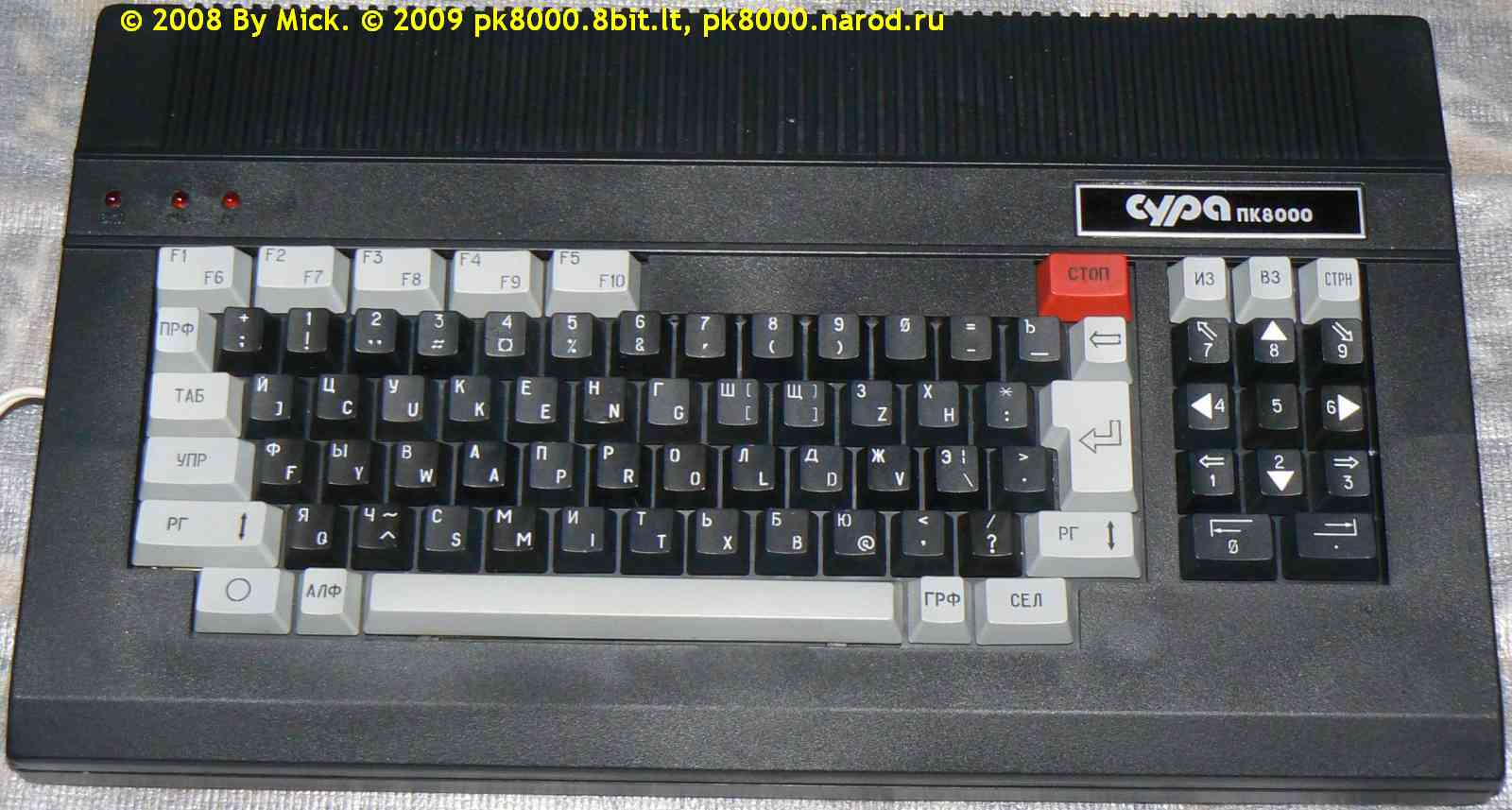
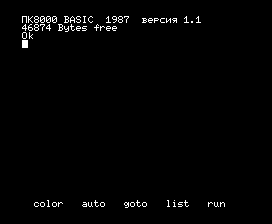
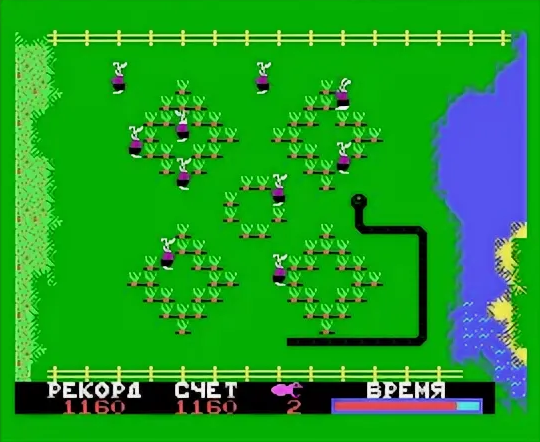
The author describes how in 1987 they got a "Sura PK8000" -- the first computer that came to live in their home. Later they encountered ZX Spectrum clones and noticed a substantial difference in graphics quality and gameplay. Subsequently, their father assembled a Spectrum for them in the Sura's case, and the author never looked back at domestic alternatives.
The Plan vs. the Market
In the USSR, PC production was a task for Gosplan (the State Planning Committee), not a response to market demand. "Factories produced goods not because there was demand for them, but because it was prescribed from above."
Production Scale
The data demonstrates a striking disparity:
Western computers:
- ZX Spectrum: ~5 million officially, tens of millions including clones
- Commodore 64: 12-17 million
- Atari 8-bit: ~4 million
Soviet computers:
- BK-0010/0011 (1985-1993): 150,000-160,000
- Agat (1984-1993): 12,000-15,000
- Sura (1987-1991): 6,000-8,000
- Vector-06C (1987-1991): 15,000-20,000
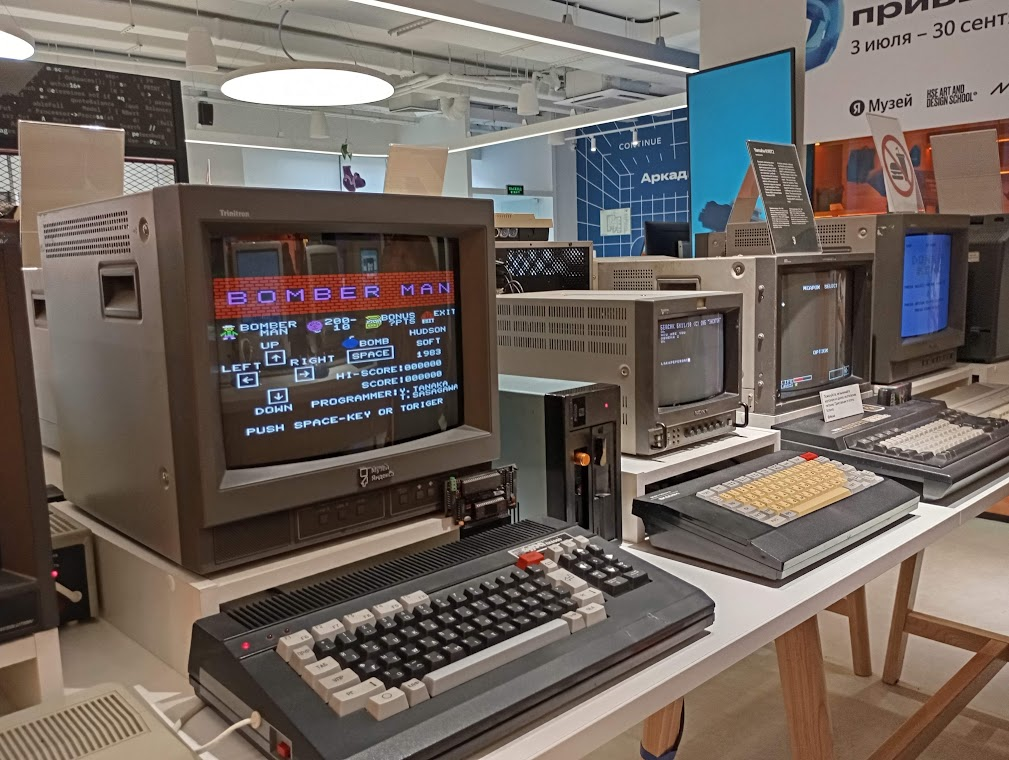
Total Soviet PC output was measured in the hundreds of thousands; Western -- in the tens of millions.
The Software Industry
In the West, there were publishers (Ocean, Codemasters, Imagine) who paid developers. Over 24,000 games were created for the ZX Spectrum, and 10,000+ for the C64.
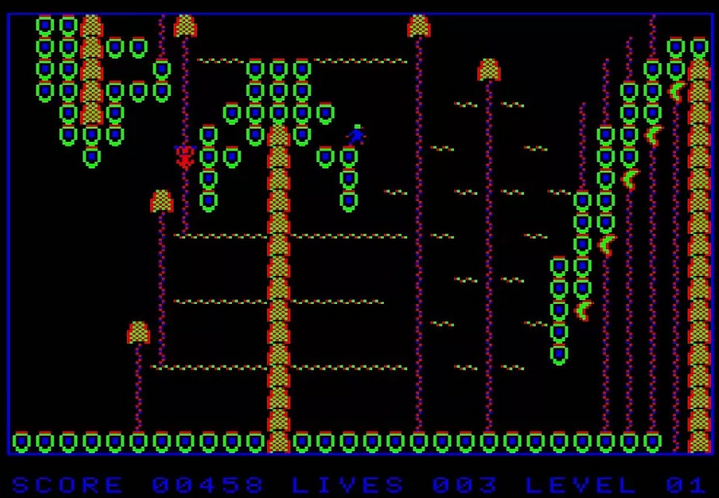
In the USSR, development was the domain of enthusiasts who received no payment. By the early 1990s: about 300 games for the BK, around 150 for the Vector, and a few dozen for the Sura. Programs were distributed by copying from cassettes or through listings in magazines.
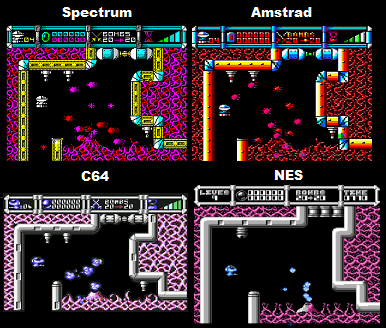
Cultural Context
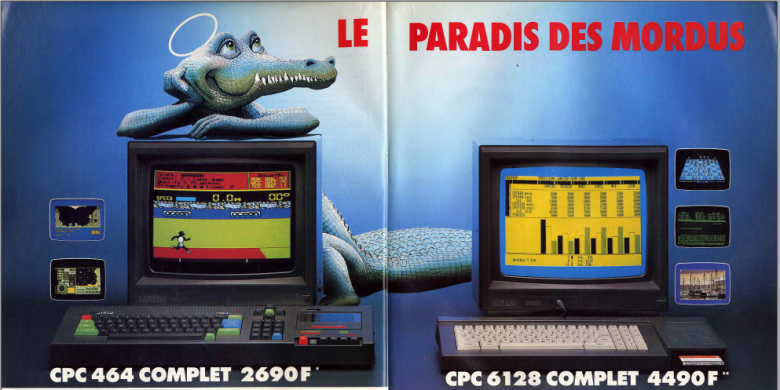
In the West, computers were mainstream -- they were advertised, magazines like Computer & Video Games, Crash, and Your Sinclair wrote about them. Hundreds of accessible books for beginners were published.
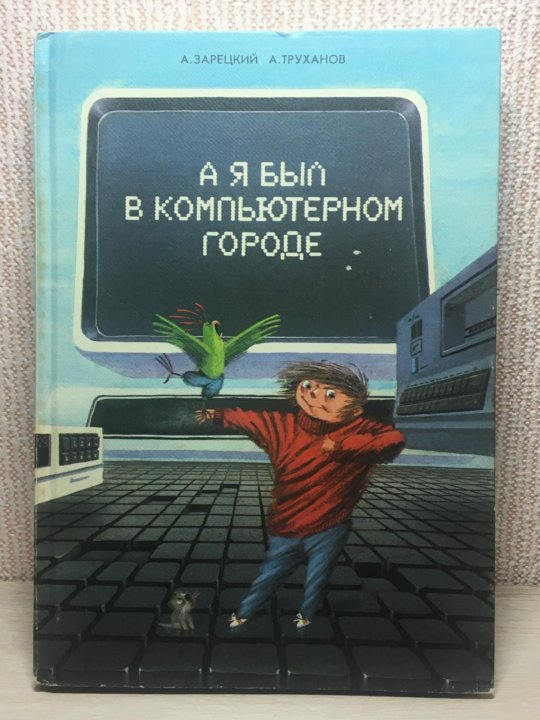
In the USSR, computers remained "hardware not for everyone." Literature was technical and academic, often in the form of official documentation. Self-study guides were a rarity and only appeared in the 1990s.
The Paradox of the Pirate Clone
The most popular "Soviet" computer turned out to be not an originally designed domestic PC, but ZX Spectrum clones ("Pentagon," "Symbol," "Dubna," "Scorpion," "Byte"). They offered affordability, access to a vast library of Western games, and a single understandable standard.
Conclusion
The large population of the USSR proved insufficient for creating a competitive PC market because:
- There was no economic mechanism for turning people into consumers
- There was no goal of saturating the market with goods
- There was no competition to drive innovation and lower prices
Soviet computers remained "a monument to an alternative digital world that stayed the reality of enthusiasts and never became the property of the masses."