Why Simply Selling a Stadium Ticket Is So Damn Hard
A sports IT engineer explains the surprisingly complex world behind stadium ticket sales -- from fighting scalpers and phishing sites to managing wave-based releases, turnstile integration, and filling empty seats.
The author describes his experience working as an IT specialist in sports ticket sales. After an injury playing hockey, he moved into IT and began working with ticketing systems first in Balashikha, then in Omsk with Avangard. He describes this work as "nonlinear hell."
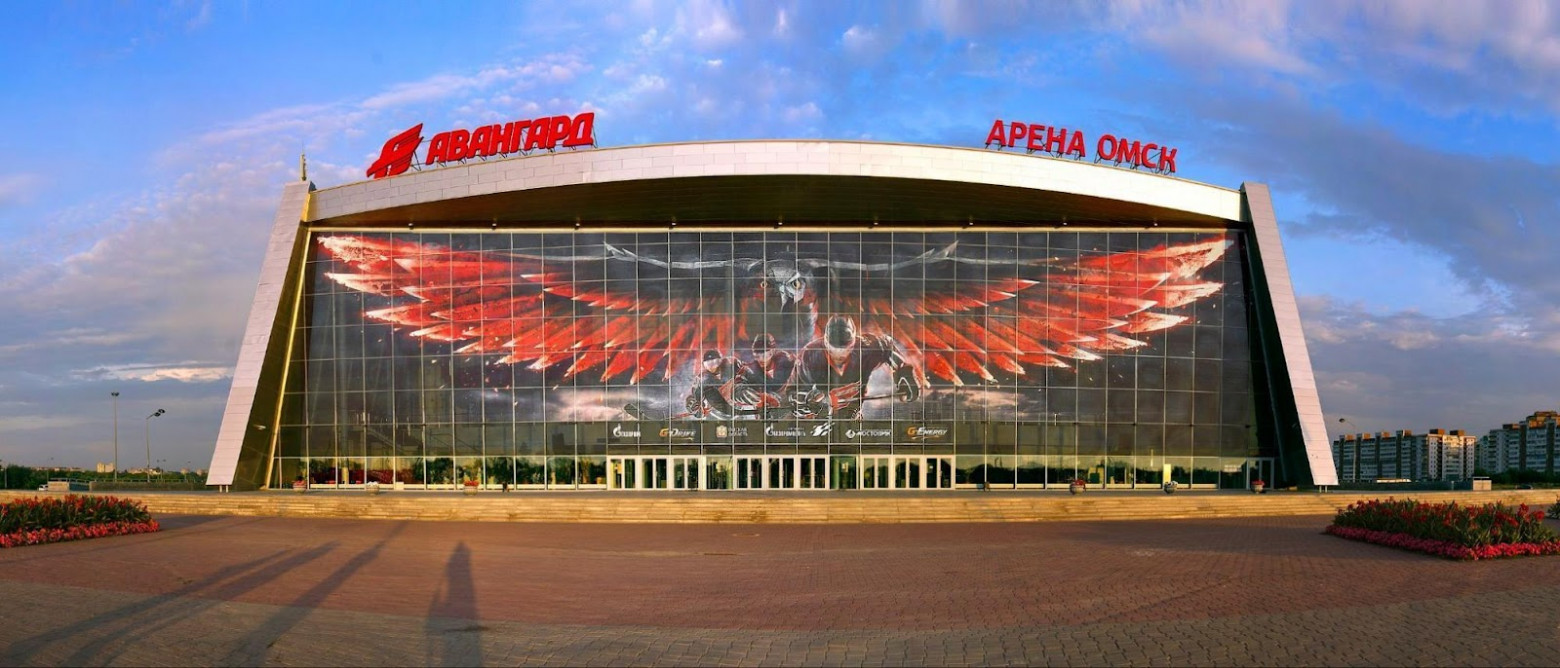
Phishing Sites and Fraud
Even before the official system launches, fake websites appear selling tickets. This results in losses of 1-5% of spectators, who then create problems at the stadium entrance.
Ticket Distribution
Seats must be allocated for:
- Away team fans (in separate sectors)
- Players' families
- Press
- Coaching staff
- Loyalty program members
- Parking allocation
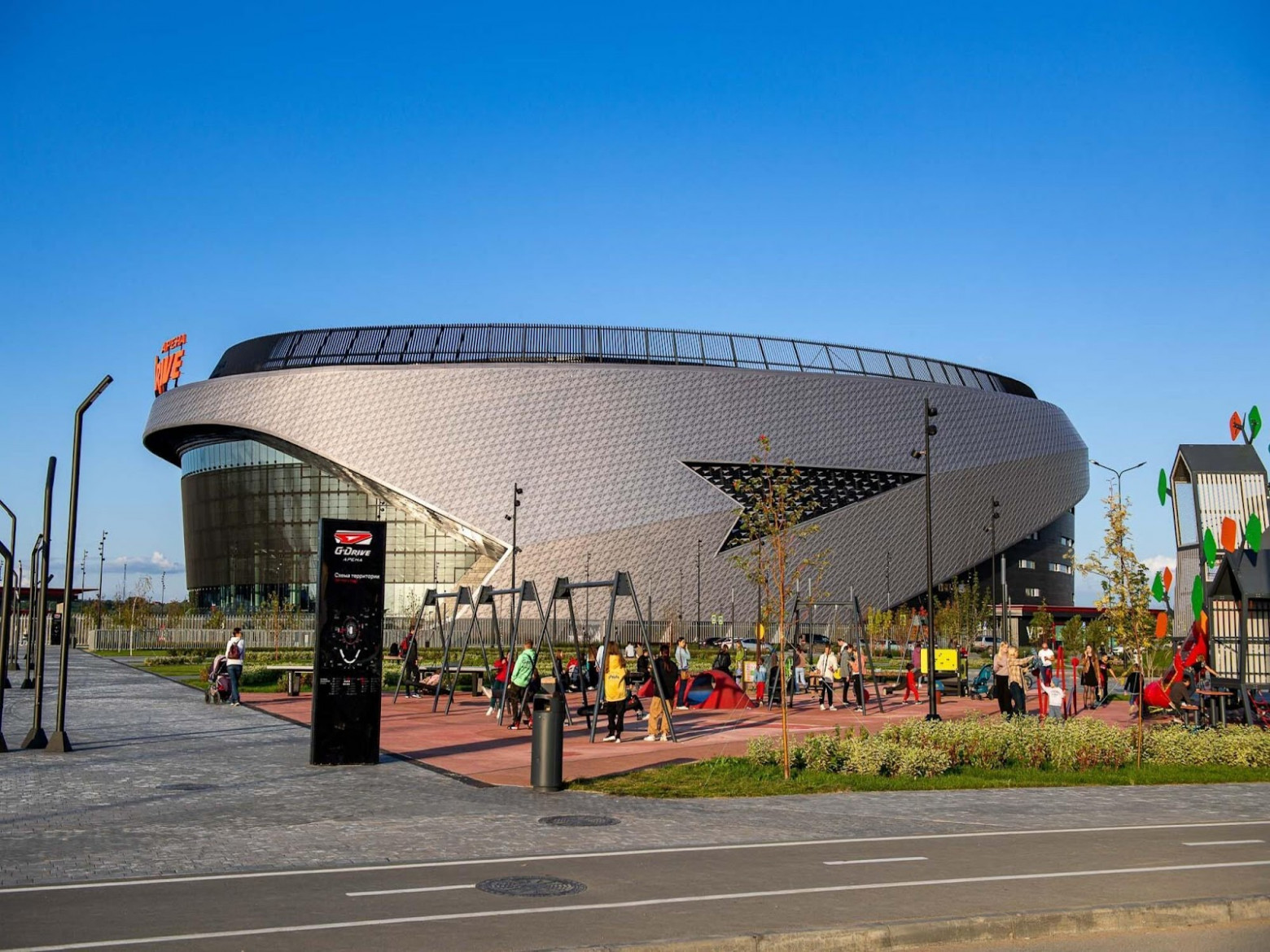
Turnstiles
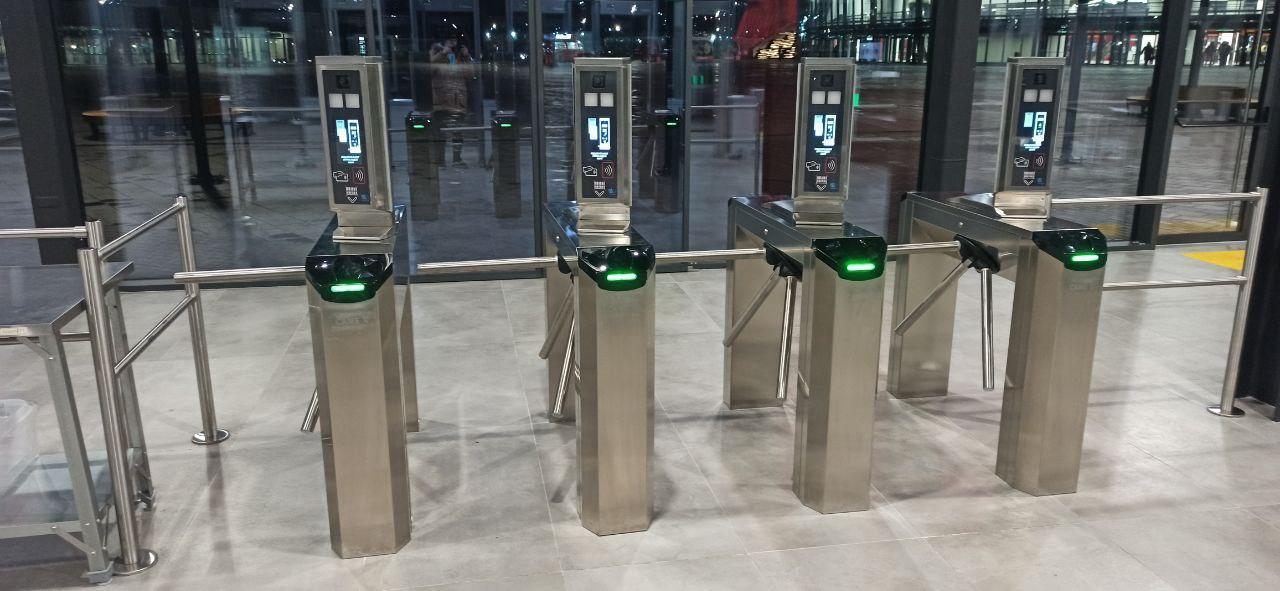
Selling tickets for sporting events requires a special license (unlike concerts). Tickets aren't tied to passports -- they only contain a number for verification.
In football, the FanID system with biometrics is used. In hockey, a barcode is sufficient. Verification is done either manually or through integrated scanners.
"15 minutes before the match, half the arena squeezes through these points." You need lots of turnstiles or handheld scanners integrated with the seat tracking system.
Internal Access Control
- Ultras are placed in different sectors
- VIP boxes have a separate perimeter
- Turnstiles are disabled after the match starts
- Special rules may exist for external systems (e.g., esports tournaments)
Ticketing System Architecture
The system uses legacy code with seat tracking, updated for modern systems but with rigid dependencies between services.
Ticket Pricing
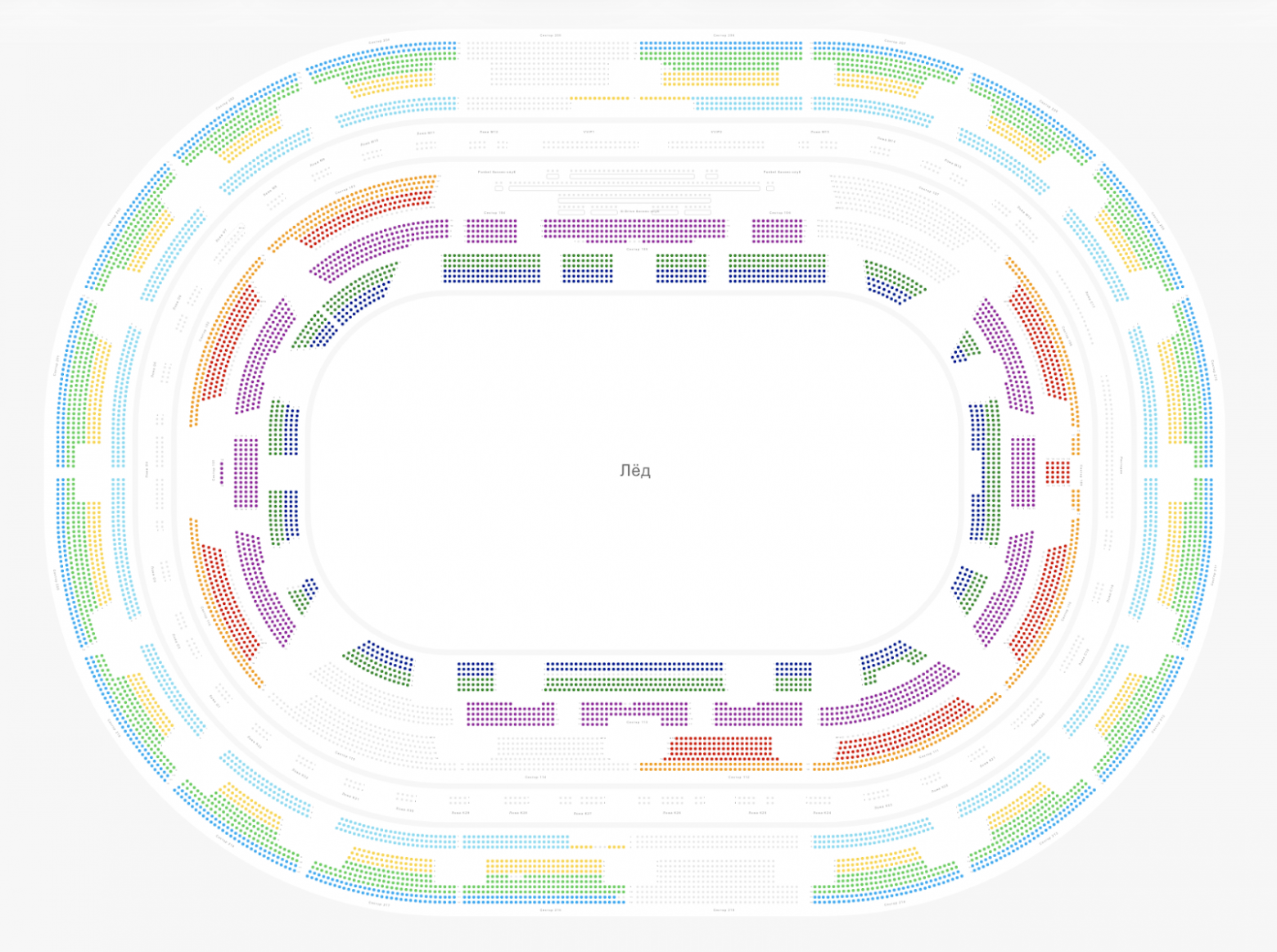
The head cashier (root) assigns prices on an SVG map of the stadium:
- Regular match: ~300 rubles
- Rivalry match: ~1,000 rubles
- Playoffs: ~1,500 rubles
- Finals: ~5,000 rubles
Seat Classification
Seats have classifiers for target groups:
- Press
- Fan sections
- Single middle-aged men
- Families
- Young women (placed in front of cameras)
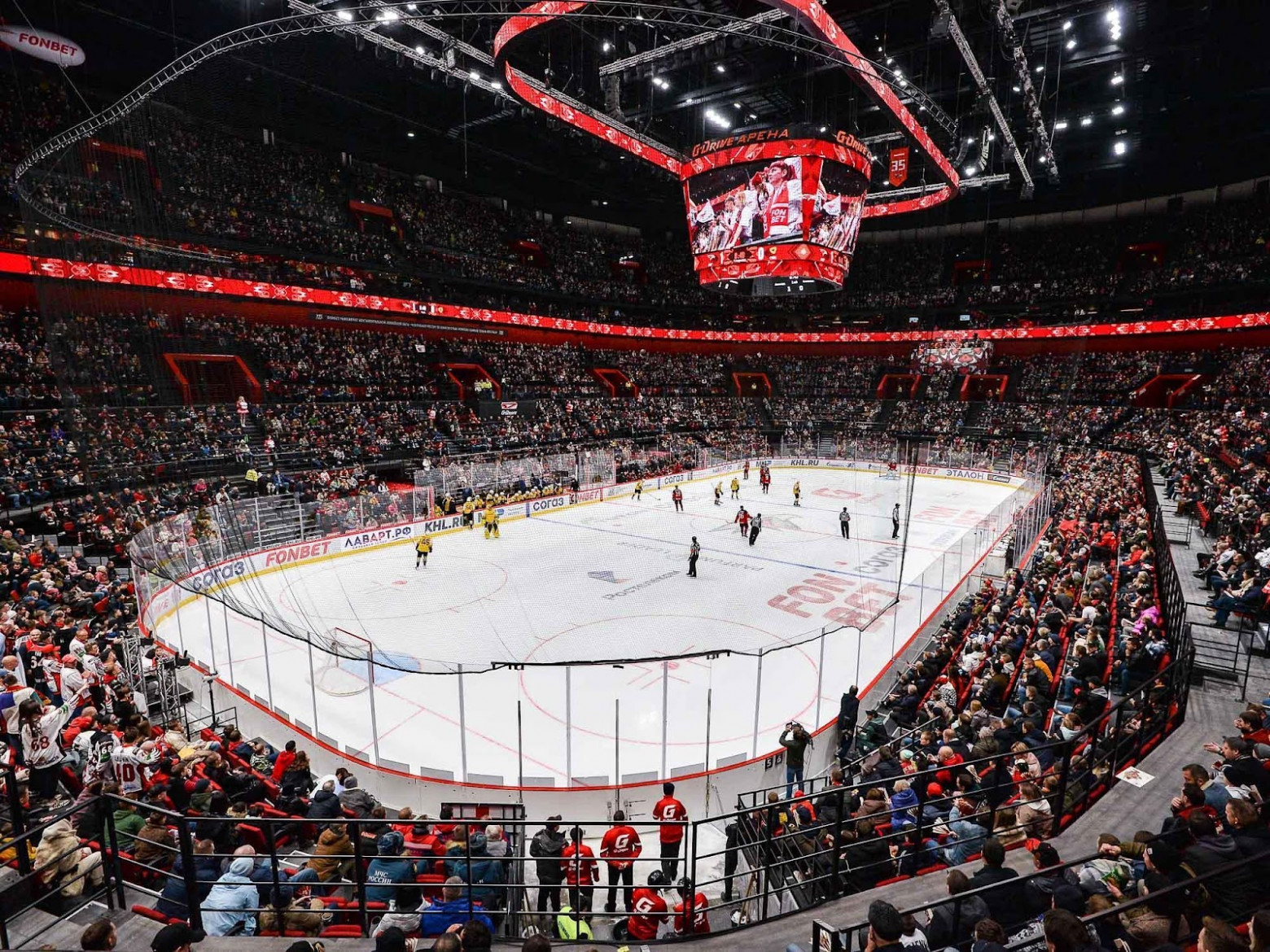
Vendors
There are 4-5 major vendors in Russia (Infotech, Kassir.ru, and others), originally from the theater sector. They support season passes and zone-based divisions.
Sales Channels
- Online (website and app)
- Physical box offices (with passport data)
- Distributors
Release Schedule
Tickets are released in batches (monthly or in groups of 5 matches). During playoffs, they appear 3-4 days before the match.
Fighting Scalpers
Without protection, all tickets are bought up in 8-10 seconds. Scalpers either work online or come to the box office and cut deals with cashiers.
Scalpers hurt regular fans and compete with the club for spectators. A family might choose a restaurant or cinema over the stadium because of inflated prices.
Protective measures:
- Limiting the number of tickets per person (4-10)
- Checking pre-authorization history
- Blocking suspicious IP activity
- Wave-based ticket releases with priority queues
Wave Release System
- Loyal fans (over a year): first 2,000 tickets, one week of access
- Regular but new clients: second wave
- Potential buyers based on big data analysis
- PR tickets for journalists
- Reserved blocks for players' families, clubs, social organizations
- Distributors: placed in the middle of all queues
- Away clubs: receive sector(s) and sell them independently
Media Accreditation
Journalists receive quotas instead of tickets. Recently, a scheme for reselling these quotas was uncovered.
Club Systems and Revenue
Additional revenue sources include:
- Merchandise sales (scarves)
- Food and beverages (tea, beer)
- Sponsor-backed sports activities
- Parking (up to half of finals spectators arrive by car)
Integrations
A fan authenticates in at least 2-3 systems:
- Loyalty program (points)
- Ticket shop
- Parking system
Many systems run on Bitrix, requiring manual integration.
Smart Features
- Recommending adjacent seats for regular customers
- Automatically placing young women in front of cameras
- Seating first-timers behind the goals (increases return rate)
- Loyalty points for sharing and referrals
- Discounts for first visits
Demand Management
At the end, remaining tickets are given away free (especially for regular matches) to avoid empty stands. A full stadium matters for TV channels and sponsors, and also affects the club's end-of-season financial bonuses.
Conclusion
The author notes that selling a ticket is "roughly 10% of the work for an IT specialist who got assigned a stadium." The full process encompasses legal issues, IT infrastructure, fraud prevention, logistics, transportation, and marketing.