Why Plastic Recycling Is a Big Scam
Only 5-6% of plastic actually gets recycled, and the petrochemical industry has known since the 1970s that recycling was economically unviable — yet spent decades and millions promoting the myth.
It seems we all believed it at some point. A bottle bears three green arrows. A trash bin sits nearby for plastic disposal. That's it — you made the right choice. The plastic won't disappear: they'll transport it, clean it, melt it. Then it returns as something new.
In reality, this almost never happened. And remarkably, the industry knew this from the start. As early as the 1970s, internal documents stated: "recycling doesn't work." Not technically, but economically. It's expensive, inconvenient, with broken logistics. Especially when waste is mixed and requires washing.
But this never surfaced publicly.
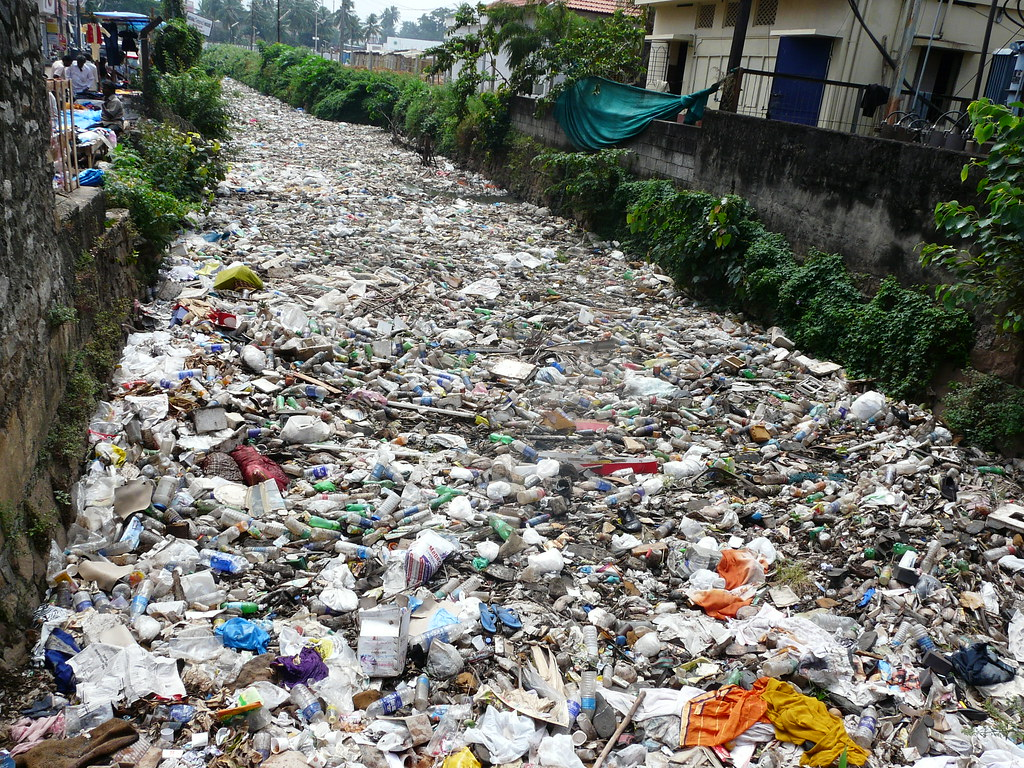
Instead, they launched advertising campaigns, educational films, attractive designs with green logos. Schools held lessons teaching children how important sorting plastic was — though everything went to the same landfill as regular trash. Or, at best, to Southeast Asia, where it was packed into dirty bales, dumped in rivers, or burned.
The companies behind this are well-known: ExxonMobil, Dow, DuPont, and others. Through industry organizations, they ensured that "recyclable" labels appeared even on plastic types nobody ever recycled. Theoretically, recycling was possible. Practically, no one did it.
In 2024, Climate Integrity released a report stating plainly: "the industry deliberately misled society for years — not accidentally, but intentionally."
And strangely, it still works. People toss packaging into special containers believing they've done something good. Yet in the USA, recent data shows only 5 or 6 percent of plastic gets recycled. Worldwide, slightly more. Everything else vanishes. Actually, it remains — just out of sight.
What About the Numbers?
Everyone loves discussing recycling, but few examine the actual data — where everything becomes clear.
Take the USA. According to the EPA — the Environmental Protection Agency — plastic recycling rates have hovered at approximately five to six percent. Not a typo. Five to six out of every hundred. Everything else goes to landfills or incineration.
Consider this: each time you place packaging in a special container, the odds it actually gets recycled are roughly one in twenty.
Europe seems better. Germany leads in recycling efforts. They have bottle deposits, impose fines, sort so meticulously it's breathtaking. Yet even they recycle only roughly 30–35 percent. While this inspires confidence, their global contribution is minimal. And the figure only applies to recyclable waste. Certain categories nobody accepts: food film, polystyrene, pharmaceutical packaging, and so on.
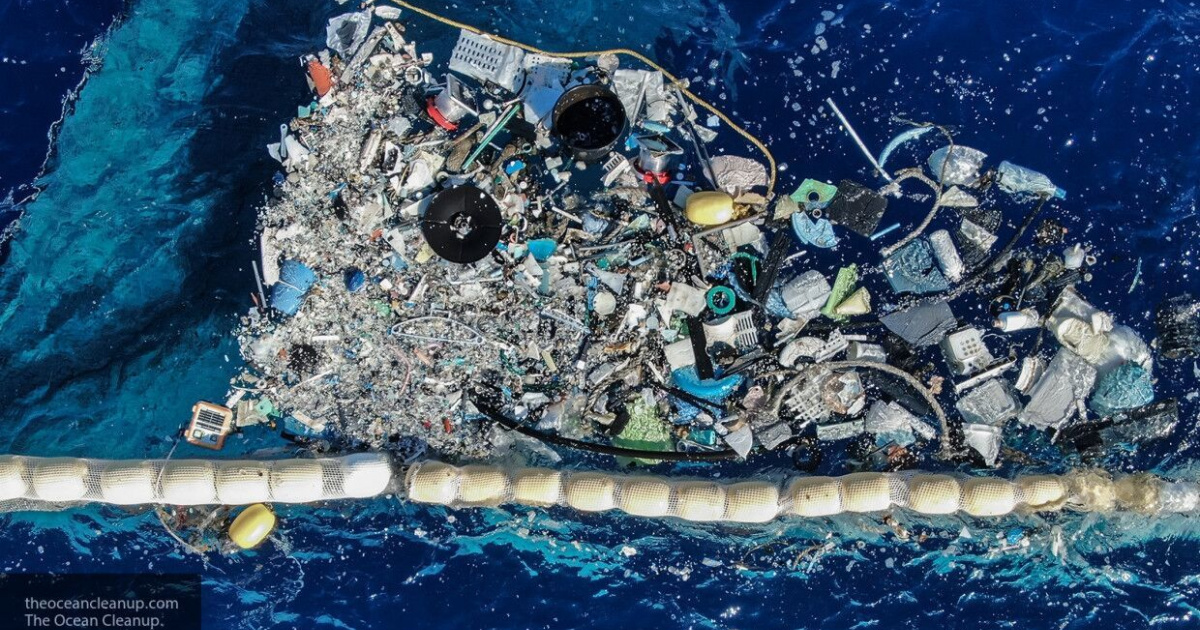
Moving to Asia. Previously, the US and Europe massively exported plastic there — to Malaysia, the Philippines, Indonesia. But genuinely scalable, profitable recycling didn't exist; they simply moved waste elsewhere, which got partially sorted but largely fed the Pacific's garbage patches. In 2018, China said enough and closed its borders to plastic imports. The rest of the world panicked — they had virtually no domestic capacity.
Japan supposedly recycles 80 percent. The figure sounds impressive, except half of it represents incineration with energy generation, called "thermal recovery." Essentially, trash-burning with a heat bonus. Only with closed eyes can you count this as recycling.
What about Russia? Officially, between 7 and 12 percent of plastic is recycled. Though recycling factories are virtually nonexistent.
Globally, nobody is rushing to change things. Recycling plastic proves difficult, expensive, and often pointless — especially when it's dirty, greasy, food-contaminated, mixed with other types, and requires sorting.
To genuinely reintroduce it into circulation demands washing, separating, removing paint, verifying composition — then somehow delivering it to a recycling facility that may not even be operating.
Ultimately, almost everything goes where regular waste does. Just slower, and with a fulfilled sense of conscience.
Advanced Recycling: The Myth's Second Wave
When regular recycling's failure became apparent, the discussion shifted to something supposedly different: chemistry, technology, complex processes. It's called "advanced recycling" — or chemical recycling.
The concept: heating plastic without oxygen — scientifically called pyrolysis, colloquially "gasification." The output is some oil or gas, counted as a secondary product, though it subsequently gets burned anyway. Nobody plans on returning it to plastic.
On paper, a closed loop. In practice, identical to burning — just costlier and slower.
Such projects launched across the US, Canada, and EU. Brightmark invested hundreds of millions, promising tens of thousands of tons recycled. The project is now abandoned. Agilyx claimed to handle various plastics but operated in test mode and achieved no scale. Usually logistics or feedstock halt everything. Plastic is dirty, mixed, unstable — difficult and unprofitable to handle.
Emissions raise many questions too. Chemical facilities operate at extreme temperatures. Data suggests emissions might exceed standard incineration, though nobody is thoroughly investigating.
Yet the discussion continues because it's convenient: no packaging changes needed, no production cuts required. You can claim technology will solve it — just wait a bit longer.
In words — recycling. In reality — another method of keeping things unchanged.

Media Silence and the Role of Lobbying
If you start researching this, you'd logically ask: if recycling is a fraud, why wasn't this a public scandal?
The answer is straightforward: those creating the problem simultaneously invest in concealing it.
Leading plastic producers — ExxonMobil, Dow, BASF, Shell, Chevron Phillips, SABIC, INEOS — directly shape the green agenda. Not toward a sustainable transition, but toward narrative control. They don't merely lobby. They physically participate.
At UN plastic treaty negotiations since 2022 under UNEP, delegations include not just diplomats but industry representatives. According to the Center for International Environmental Law, at the 2024 fifth session in South Korea, 234 petrochemical lobbyists were registered — more than the EU's total delegates. Some were official country representatives disguised as experts. Some spoke for science, others for trade associations. Yet all protected identical interests: continuing massive plastic production.
This isn't isolated; it's systematic. In the US, the American Chemistry Council — the industry's largest lobbying group — spent heavily attempting to block New York's Packaging Reduction and Recycling Act in 2023. Previously, a nationwide campaign invested over $35 million creating an image of plastic as irreplaceable through advertising, educational programs, and schools.
Officially they support recycling, while actually ensuring it stays a comfortable myth. Instead of systemic solutions, technological wrappers like "advanced recycling" get promoted while production-reduction proposals face sabotage. Every negotiation draft shows this: whenever "reduction" appears, lobbyists arrive and reframe everything toward terms like "waste management improvement" or "innovation encouragement."
Reporting on recycling's collapse has existed, but rarely goes viral: in 2024, Reuters and The Guardian published pieces on industry manipulation. Despite actions violating misleading advertising and environmental safety laws, lawsuits were filed in Baltimore and New York. Direct statements emerged: the industry knew recycling didn't work but claimed otherwise.
Now even the G7 cautiously mentions limiting plastic production, yet no mass discussions or political agreement exist. Someone with massive portfolios always sits down and says: "Wait. We've nearly fixed everything. Just need a slight technology tweak." Meanwhile, they're already expanding capacity.
That's why recycling isn't merely a myth. It's a system where the myth is sustained by those who profit from destruction.
The Economics of Plastic: Who Benefits
Recycling was never the primary business — understanding this matters. Presented as an environmental norm and humanity's righteous path, it economically can't compete with primary production, and the entire industry knows this.
Plastic is cheap, universal, and crucially, scalable. Demand grows not just from human needs but from excess capacity. According to the OECD, from 2000 to 2019, global plastic production jumped from 156 to 460 million tons annually. Without changes, by 2060 it will exceed 1.2 billion tons.
Half this volume represents single-use plastic.
Why so much? Because recycling hurts the profit model — it competes with primary materials, which are petrochemistry's revenue foundation.
Manufacturing fresh plastic cups from petroleum proves easier, cheaper, and more predictable than collecting old ones, washing, melting, and recasting them. Especially since new plastic pricing includes zero environmental costs — no pollution charges, no disposal fees, no logistics costs. Pure price-dumping.
For instance, in 2024 the American recycled polyethylene market was priced roughly 10–30 percent higher than primary material, depending on type and region — despite subsidies, tax breaks, and grants. Why buy secondary when new costs less?
Now the crucial part: who profits. According to a Greenpeace report, five major plastic manufacturers — ExxonMobil, Sinopec, Dow, Saudi Aramco, and INEOS — enjoyed combined plastic revenue exceeding 60 billion dollars in 2023.
As petroleum's appeal dims, oil companies are directly staking their futures on plastic — documented in Shell, ExxonMobil, and Aramco investment presentations. They're betting not on green transitions but on single-use plastics and petrochemistry.
Between 2022 and 2024, over 40 new plastic-related chemical facility announcements were made in the US alone. Capacity expands, money flows, and recycling exists somewhere on graphics.
Genuinely efficient, massive recycling would crash the primary-materials market. Nobody permits this. The entire industry model — from extraction through packaging — relies on continuous production. Cycles, reuse, closed economies sound handsome at conventions but devastate annual reports.
Microplastics Are Killing Us
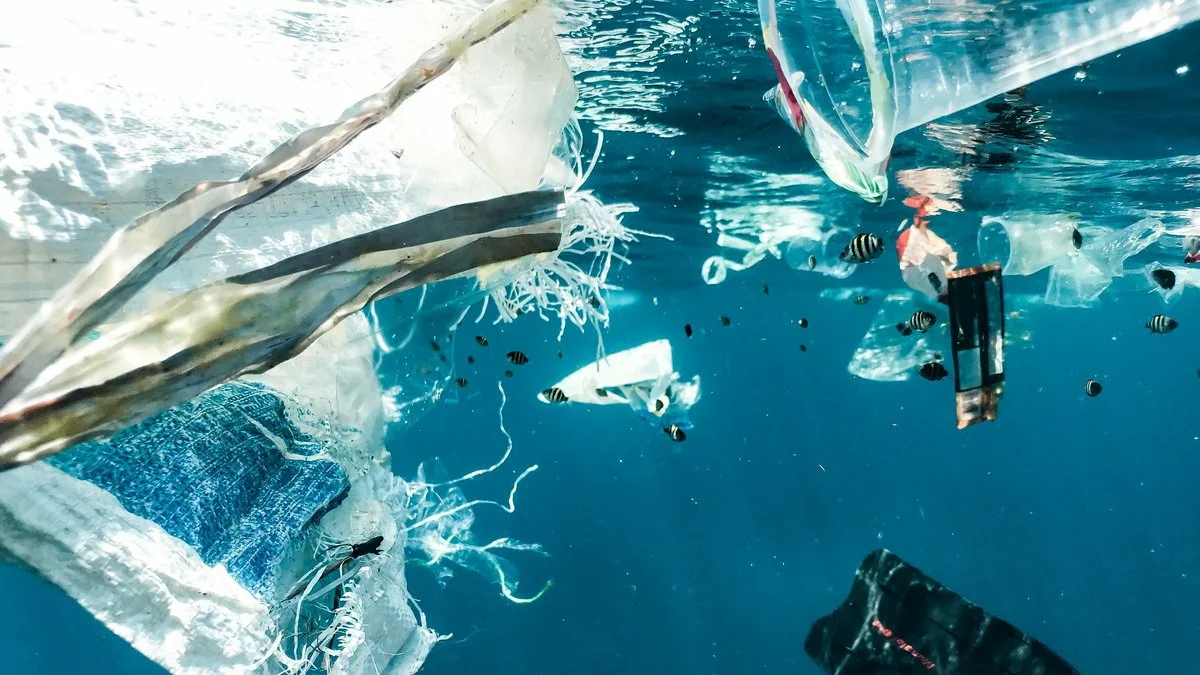
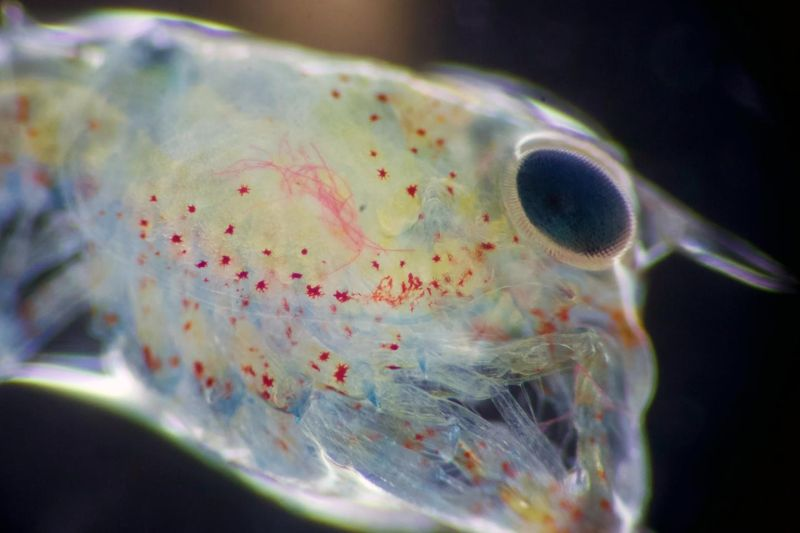
Plastic doesn't just vanish: it fragments into invisible particles measurable in bloodwork. This isn't speculation anymore — it's reality. Microplastics have appeared in lungs, placentas, and shockingly, breast milk. A 2022 Netherlands study found 80 percent of test subjects carried blood polymers, primarily PET and polystyrene. Plastic is already inside us. Simply inside.
It's not digested, not expelled — merely accumulated. We don't fully understand the consequences yet. But initial research links microplastics to inflammation, hormonal shifts, and immune impacts.
And not just in remote zones. Airborne microplastics exist in central Paris, in Antarctic snow, in the Everest region. A 2019 One Earth–One Ocean Baltic expedition found microplastics in all 60 water samples — absolutely every one. It's in rain, salt, fish, beer. And most frighteningly, in us.
It goes further still. Most plastic fragments into microparticles over decades or centuries. Yet these timescales let it transform soil composition, slow seed sprouting, and alter animal microbiome structure. A 2023 Nature study showed that adding microplastics to soil reduced crop yields by up to 25 percent depending on crop type.
Those living near landfills, sorting facilities, and illegal dumps — especially residents of the Global South — are already paying with their health. Indonesia registered 37 percent higher respiratory disease rates in processing zones versus the national average during 2018–2020. Similar statistics exist for the Philippines. Kenya and Ghana have neighborhoods choking on plastic-fire smoke.
Because genuine recycling isn't clean factories. Often it's children washing bottles in acid. Plastic sorted manually without protection. Chlorine vapor, toxic compounds, phenol-poisoned water — then cancer, infertility, chronic coughing from age fifteen.
None of this is coincidental; it's systemic. Wealthy nations exporting plastic to Malaysia and Vietnam shipped not merely garbage but environmental damage. And they're still attempting to export, just more quietly and at higher prices.
The most ironic part: we don't know how much microplastics we've re-imported — in fish, water, fruits, coffee. The cycle has closed. Just not how we hoped.
Real Solutions: Technologies and Startups
The plastic system serves giants. Yet different forces are attempting to move it — small teams, startups, laboratories.
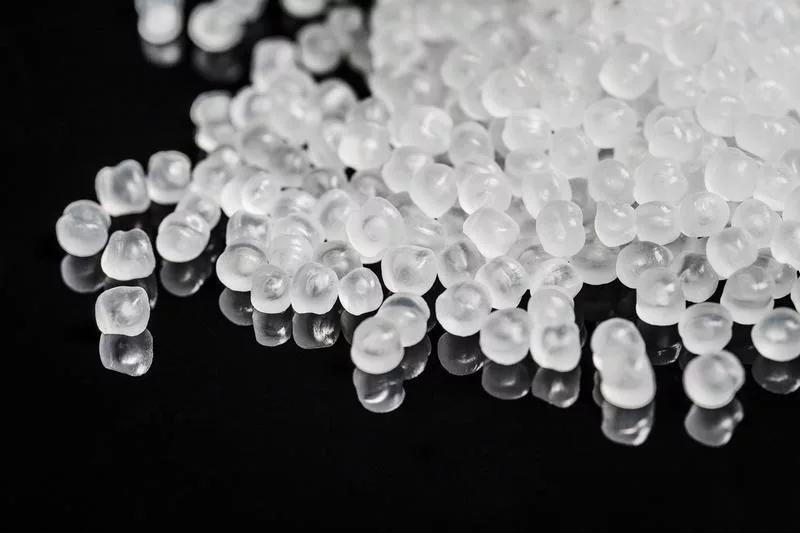
One prominent example: Loop Industries. A Canadian venture depolymerizing PET — the plastic used in bottles and packaging. Their technique breaks polymers into original monomers, reassembling completely fresh material. Not secondary — genuine primary quality. This isn't merely theory: partnerships exist with Danone, SK Global, and major packers. Tens of millions in funding and a US production-line launch have already occurred. Scale remains pilot, but it's no lab experiment.
Next: DePoly, a Swiss startup tackling dirty, mixed plastic that standard sorting rejects. Chemical recovery extracts value from paint-covered, food-contaminated, unknown-composition waste. DePoly attracted $13.8 million from BASF Venture Capital, Wingman, and others in 2023. They're now building a demonstration factory. Potentially Europe's most versatile solution.
American MacroCycle pursues upcycling — turning waste into higher-quality material, opposing typical downgrades. Their developments yield plastic films stronger and thinner than standard. Funded by venture groups, currently expanding their lab platform.
Polymateria, a British venture, takes a different approach: manufacturing biodegradable plastic. Additives trigger breakdown under light, moisture, and oxygen. The plastic genuinely disintegrates into non-toxic compounds. Certain items vanish within 226 days. In 2023–24, partnerships included Puma and UK retailers. Impact VC and university accelerators back it.
A far rawer project from Vancouver is developing wood-pulp and organic-polymer packaging. Currently experimental — just containers and trays tested. Plastic-free approaches might suit niche markets. Funding is at seed stage maximum.
Concurrently, fundamental research continues. PET-degrading enzymes and bacteria — like Ideonella sakaiensis — have been studied since 2016 by Japanese, French, and American teams. Test-tube results exist; initial accelerated-action modifications have appeared. It's still scientific work — commercial deployment remains distant.
Similarly, microalgae, corn-starch, and chitosan packaging — bioplastics — currently can't compete on price or stability.
By stage and scale:
- Loop and DePoly are nearest to commercial scale
- MacroCycle is in the applied phase, on the verge of industry entry
- Polymateria is already market-present but at microscopic volumes
- Everything else is at "hypothesis – prototype – hope" levels
Combined financing for these projects amounts to hundreds of millions — versus tens of billions flowing annually into primary plastic manufacturing.
Currently, it resembles attempts to fix a pipe that's already leaking oil. But at least someone is trying.
Why This Remains Drops in the Ocean
Solutions exist. But scaled up, they barely approach the problem. Fragments operating at separate points in unsuitable environments.
Nearly half a billion tons of plastic are manufactured yearly, over half of it single-use. Under 10 percent enters recycling; even less returns to circulation.
Against this backdrop, startups, labs, and green initiatives matter. Yet they lack sufficient capacity for even a mid-sized city's complete cycle. Technologies don't scale not because they're flawed, but because scaling demands rebuilding everything: economics, logistics, laws, customs.
Instead, the identical scheme from the origins keeps repeating: betting on the opposite of reduction, in fresh promise forms. Now it's not "recycling" but "advanced recycling."
Same essence: don't transform systems, rebrand parts. Create the sensation of forward motion while standing still.
And it appears to me: plastic's world has won.