Why Airships Never Took Off. Part 6: London Under the Bombs
The first Zeppelin raid on Britain, which took place on January 19, 1915, showed that the English skies were practically defenseless against German military airships and their bombs. If army zeppelins attempting to bomb Paris across the Western Front or cities of the Russian Empi
Editor's Context
This article is an English adaptation with additional editorial framing for an international audience.
- Terminology and structure were localized for clarity.
- Examples were rewritten for practical readability.
- Technical claims were preserved with source attribution.
Source: the original publication
Series Navigation
- Why Airships Never Took Off. Part 1: From Montgolfier to a Borodino Bomber
- Why Airships Never Took Off. Part 2: Rise and Fall of French Airships
- Why Airships Never Took Off. Part 3: Birth of the German Zeppelins
- Why Airships Never Took Off. Part 4: The Kaiser's Airships Go to War
- Why Airships Never Took Off. Part 5: Shadows Over Britain
- Why Airships Never Took Off. Part 6: London Under the Bombs (Current)
- Why Airships Never Took Off. Part 7: Fire in the Sky
- Why Airships Never Took Off. Part 8: The End of Wartime Zeppelins
- Why Airships Never Took Off. Part 9: Ashes of War and New Opportunities
- Why Airships Never Took Off. Part 10: The Most Famous and Successful Zeppelin
- Why Airships Never Took Off. Part 11: Aircraft Carriers in the Sky
- Why Airships Never Took Off. Part 12: Italian Semi-Rigid Airships
- Why Airships Never Took Off. Part 13: Through the North Pole aboard the Norge
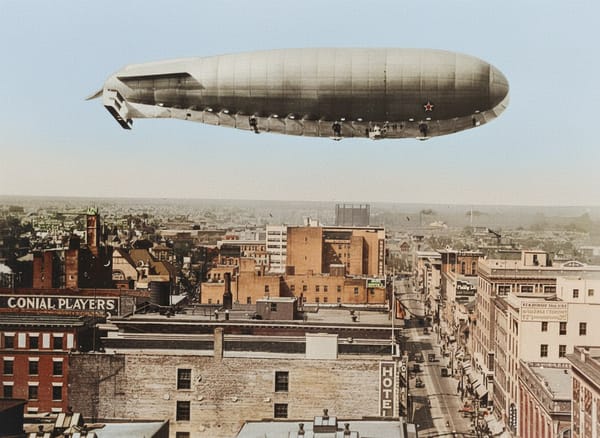
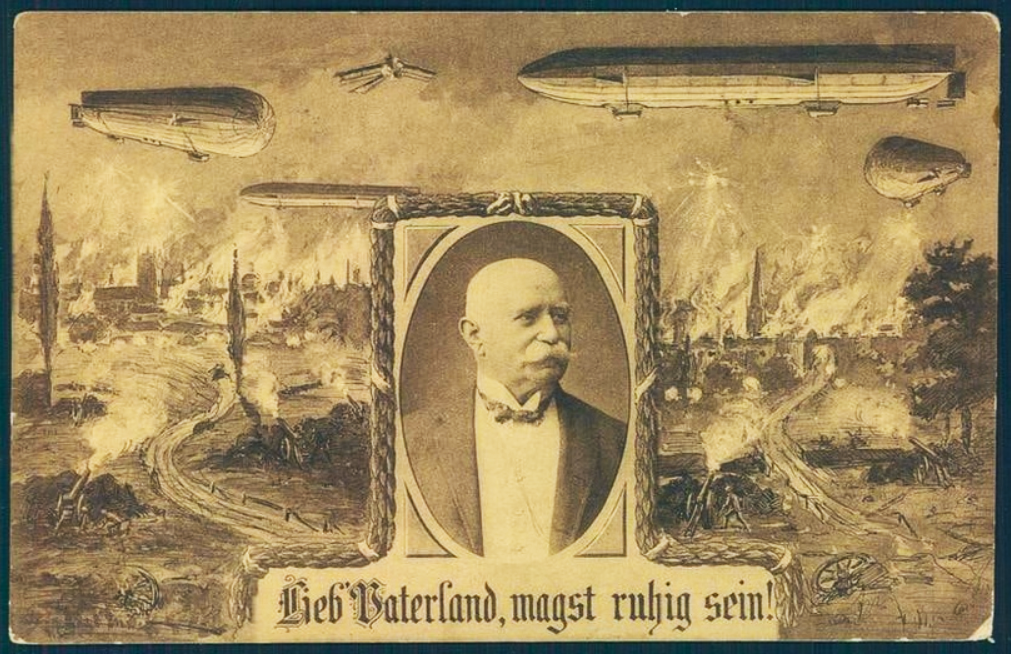
The first Zeppelin raid on Britain, which took place on January 19, 1915, showed that the English skies were practically defenseless against German military airships and their bombs. If army zeppelins attempting to bomb Paris across the Western Front or cities of the Russian Empire were regularly killed or seriously damaged by anti-aircraft fire, then in the raids of naval vehicles on Britain their main enemy was the treacherous weather of the North Sea. The Kaiser initially prohibited the bombing of London because of his kinship with the royal family of his cousin George V, but as the war grew more violent, the restrictions were lifted. The very first raid of the newest LZ-38, which dropped more than a ton of bombs on the British capital, claimed 7 lives and caused property damage worth hundreds of thousands of pounds sterling. At the same time, the British anti-aircraft gunners and pilots were unable to oppose the enemy airship in the skies of London with absolutely nothing. The Kaiser and the military leadership of the German Empire were delighted - and decided to bring down the full power of the bomb load of combat airships on the “damned Albion”.
Part 1: from hot air balloon to bomber for Borodino
Part 2: the birth and death of French airship construction
Part 3: the birth of the German Zeppelins
Part 4: The Kaiser's skyships go to war
Part 5: Shadows over Britain
Part 6: London under the bombs ← you are here
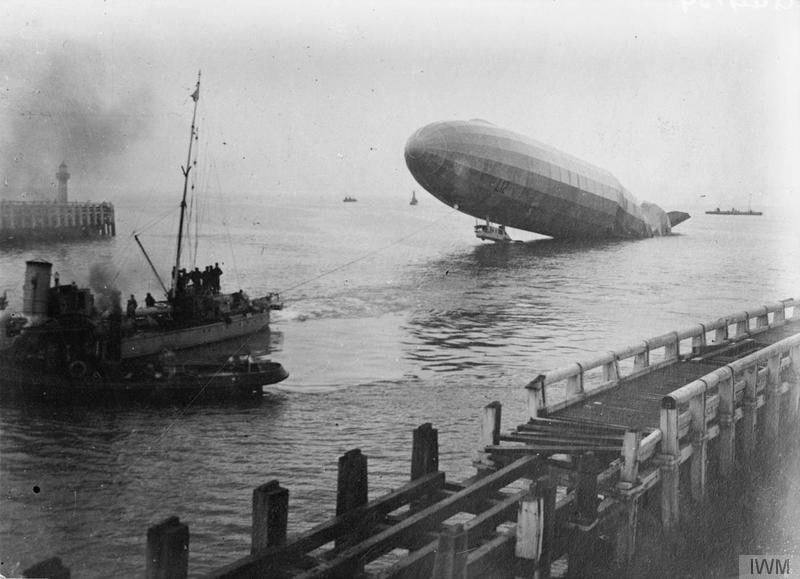
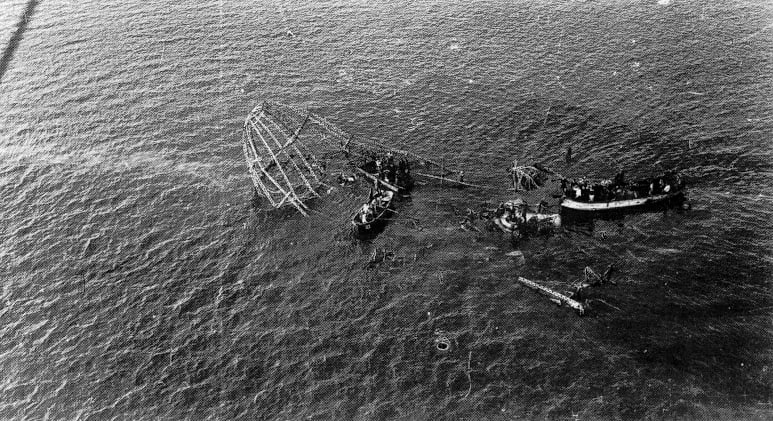
After the destruction of two new LZ-37 and LZ-38 at the beginning of June 1915, the German command considered it best to pause in raids on British cities. And even temporarily removed the zeppelins from the territory of Belgium, which turned out to be too risky a place. However, the pause did not last long. Already on August 9, four naval airships, all of the latest type P from L-10 to L-13, flew to bomb the British capital, but failed to complete the route due to treacherous weather over the North Sea. Moreover, the L-12 was carried to the well-fortified Dover, where the vehicle came under heavy anti-aircraft fire. To urgently gain altitude, the crew dropped a load of bombs down, even managing to damage the pier and bow of one of the trawlers. But this did not help much: the zeppelin was damaged and fell into the sea near Ostend, Belgium. The seaplanes of the Royal Navy tried to attack it - they were driven away by fire from approaching German boats and took the airship lying on the waves in tow. But as soon as it was dragged to the port, hydrogen ignited in the cylinders, and L-10 became the second lost P-type zeppelin.
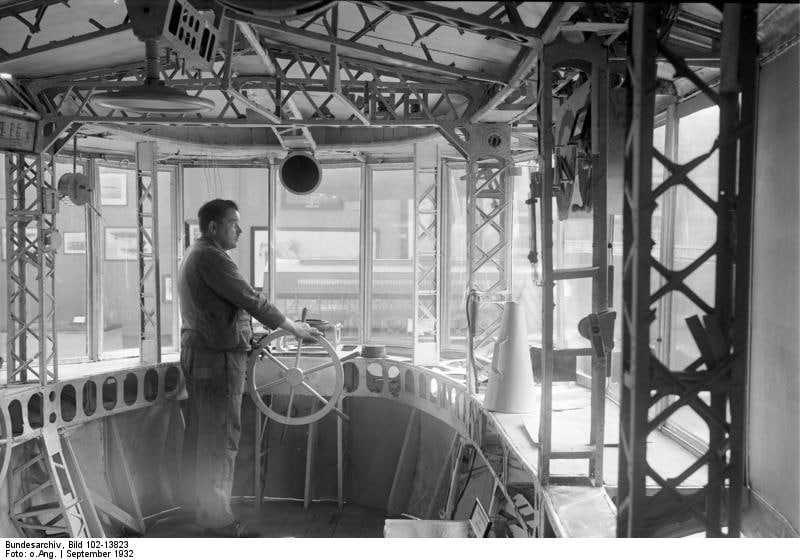
However, production increased, and it was immediately replaced by the L-14 - the luckiest (spoiler) of Germany's Zeppelins, which managed to survive the end of the war. The renewed four naval airships made two more raids on Britain in August, which turned into a military tragicomedy: the Germans desperately lost their way in the sky, confused the cities and dropped all the bombs in the wrong place; the British fired at them with cannons and raised interceptors, but to no avail. Alas, 10 people were killed and 48 were injured. The culprit of most of the casualties turned out to be the L-10, and it is somewhat symbolic that on September 3, over the sea near the base in Cuxhaven, it was hit by a powerful lightning bolt amid another sudden storm. The gas in the cylinders burst into flames, the burning zeppelin crashed into the sea, none of the 19 crew members survived. An officer of the surviving L-11 named Hans von Schiller, the future captain of the Hindenburg, left a description of what the thunderstorm looked like from the airship that hit it:
Wide streaks of lightning flash. A deafening roar hits my ears and fills the airship with a blinding light; lightning strikes the sea very close to the zeppelin. The watchman shouts that his machine gun barrels are sparking. I go upstairs to see what's going on. To my surprise, the platform is brightly lit. A patrolman sits there, soaked to the skin, and a halo literally shines above his head. This phenomenon, known to both climbers and sailors, is called St. Elmo's Fire. The duralumin frame of the shell is electrified, and sparks appear at all joints and ends. Looking into the dome from the control nacelle, we see how electricity is discharged on all protruding surfaces. Wires and cables glow violet-blue—an impressive sight, although not a very calming one. Our people stagger like drunken tightrope walkers up the narrow passage, our lives depending on the hydrogen leaking out as lightning strikes around us every two seconds.
After this, the army men again joined the navy. Already pretty battered and patched up from numerous missions, the SL-2 and the newest LZ-44 (for some reason called the LZ-74 by the military) appeared in the British sky on the evening of September 7. Their bombs in London and other cities killed 18 and injured 28 people. Anti-aircraft guns and interceptor aircraft were again powerless. The next evening, three naval zeppelins arrived at London. And here the British were simply extremely, incredibly lucky. The L-9 bombs fell on more than just the Skinnygrove steel plant. Several landmines and incendiary bombs fell directly on the roof or near the building of the benzene production workshop, where 200 thousand liters of an explosive and highly toxic substance were stored, but nothing more serious than a blackout occurred. Another bomb hit the TNT warehouse, but... did not explode. Had it happened otherwise, the number of victims would probably have been in the hundreds, not to mention the enormous material damage.
L-13 dropped experimental, huge for that time 300-kilogram bombs on London. 22 people were killed, 87 were injured, in addition to destroyed houses, textile warehouses were burned, the damage amounted to more than half a million pounds sterling. The zeppelin flying in the night sky was perfectly visible in the crosshairs of powerful searchlights, 26 guns were fired at it, interceptors took to the air, but again everything was to no avail. Both ordinary Londoners and senior British leaders were furious.
And then Admiral Percy Scott, a huge enthusiast and author of many important inventions for the history of the fleet, comes onto the stage. He was extremely disliked by the majority of British naval commanders, although he enjoyed the support of some very influential individuals. His innovations and inventions were rejected over and over again “on principle”, only to be later put into action with great delay. It reached the point of naval idiocy of the highest rank - when, for hitting targets during shooting in 80% of cases against the background of 30% on average in the Royal Navy, due to inventions and innovations, the authorities not only did not thank him, but removed him from command of the ship and cut his salary in half. “It should not be better, but as it should be.” If Sir Winston Churchill, who was appointed First Lord of the Admiralty in 1914, had not demanded that the admirals stop their retrogression and urgently begin equipping battleships with Scott rangefinders, the war at sea could have turned out completely differently. In 1914, he was the first naval officer—although, as we remember, H.G. Wells wrote about this back in 1908—to predict the realities of World War II and the Cold War: battleships can begin to be scrapped, the future of naval warfare lies with aviation and submarines. Later, in 1919, he would also predict that aircraft carriers would play a key role in the naval strategy and tactics of the future, and would call for their mass construction instead of trying to continue to rivet super-expensive and increasingly pointless battleships.
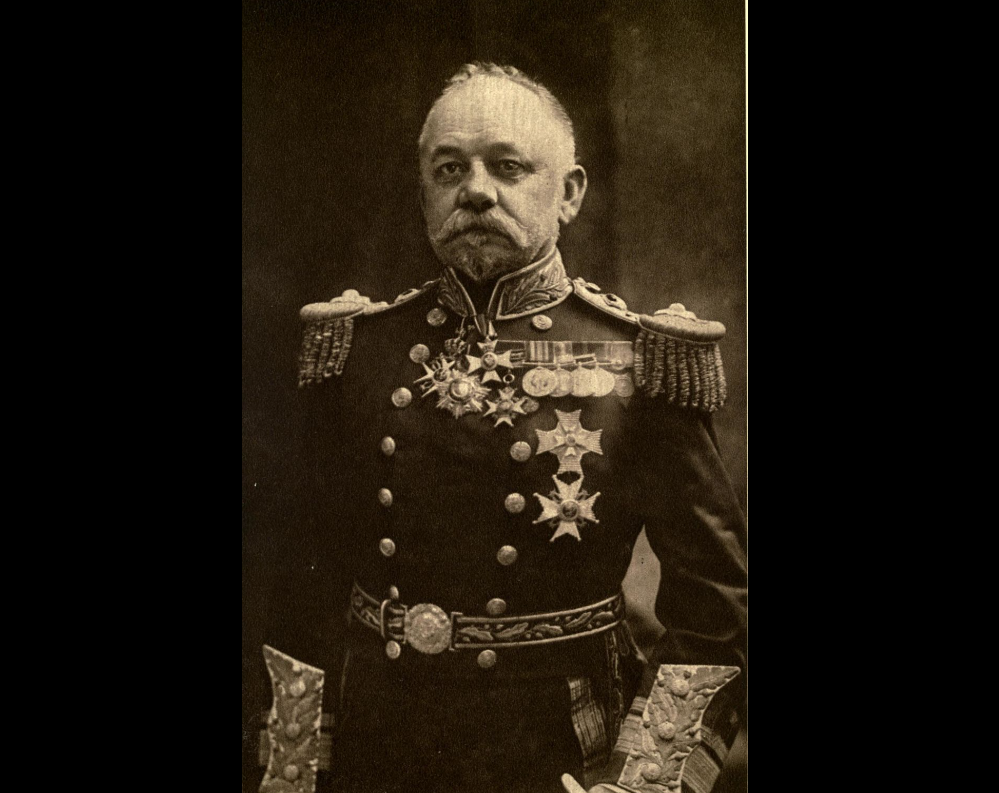
It was he who, in September 1915, was finally tasked by the new First Lord of the Admiralty, Arthur Balfour, to do what he had always been good at: to do something that no one had done before. He was given the task of creating no less than a system for organizing the air defense of Greater London against German Zeppelin raids, the first of its kind in world military history. Percy Scott set to work with great enthusiasm. Due to some inertia, the extreme clumsiness of the then British military bureaucracy and the outright dislike of most admirals for him, he pulled a trick and, in a somewhat cunning manner, purchased from the French several dozen rapid-firing Canon de 75 mm Mle 1897 cannons. And not simple ones, but already adapted for organizing mobile air defense, installed in special installations based on trucks. The first position of a mobile air defense gun was located under the windows of the Admiralty. These vehicles could quickly take up positions convenient for fire and concentrate fire on the zeppelins.
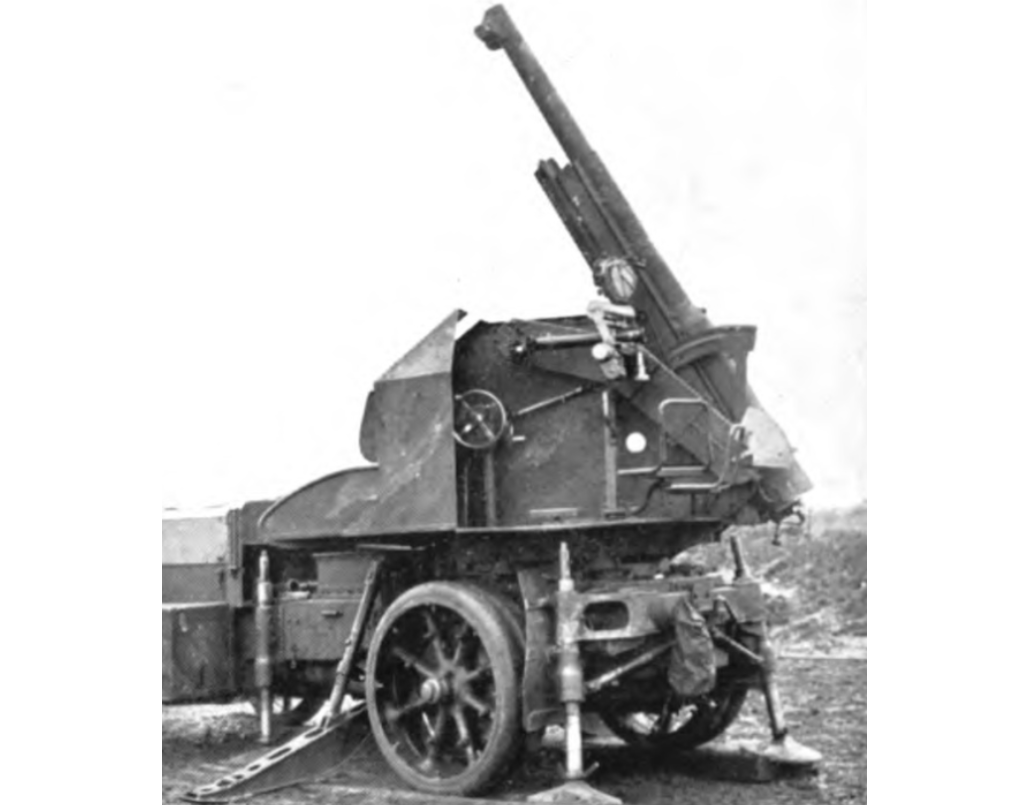
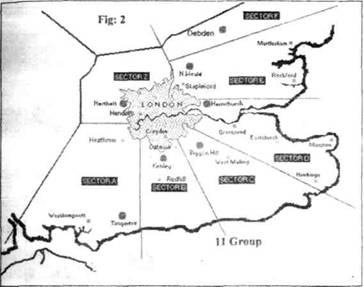
In addition, several additional batteries of 3-inch (76 mm) QF 20 cwt anti-aircraft guns, converted from naval guns to anti-aircraft guns, and 3-inch QF 6 cwt field guns mounted in the back of trucks were deployed in and around the city. The latter turned out to be an extremely unsuccessful design, were transferred to secondary areas and were removed from service after the war - but the former performed well and managed to actively fight at the beginning of World War II. The ranks of observers were expanded and the protocols for urgently informing the Admiralty and army command about the approach of enemy airships were improved, from which orders were to be immediately sent to air defense batteries and airfields with interceptors.
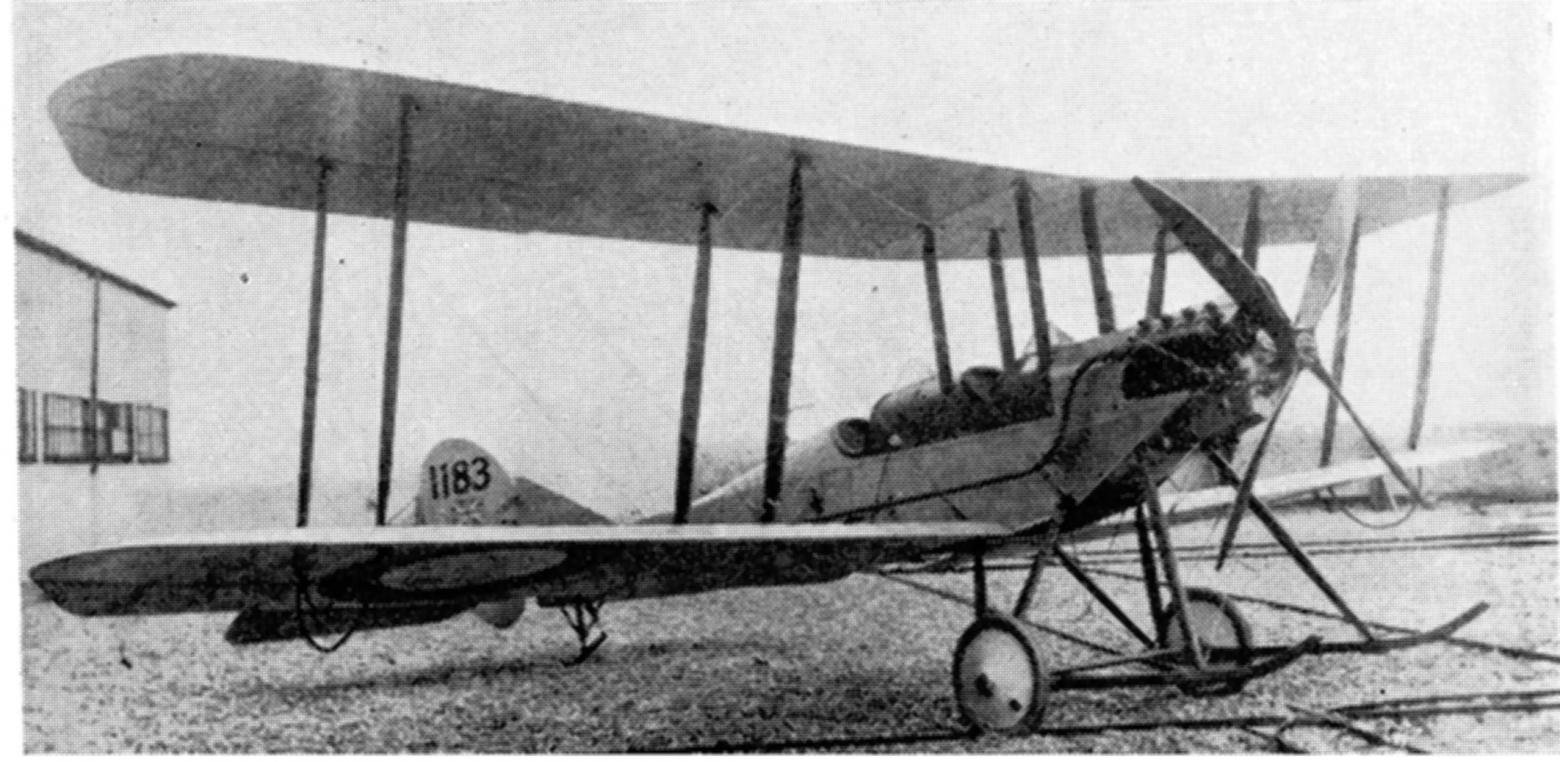
Perhaps the planes would have worked better, but two factors interfered. Firstly, the British and French in the second half of 1915 fell far behind the Germans in fighter aircraft. Their planes were still almost not equipped with machine guns, turrets, or even coursers. The models in service were rather unsuccessful and imperfect, and were mainly used by the French army over the Western Front. At the end of the summer of 1915, the Germans brought onto the stage the Fokker Eindecker monoplanes, the first specialized fighters in the history of aviation, equipped with a machine gun synchronized with the propeller. The Fokkers began to literally clear the skies over the Western Front of Entente planes. Despite quickly realizing the scale of the problem, the French and British were able to put their fighters with front-facing machine guns into production only in March 1916.
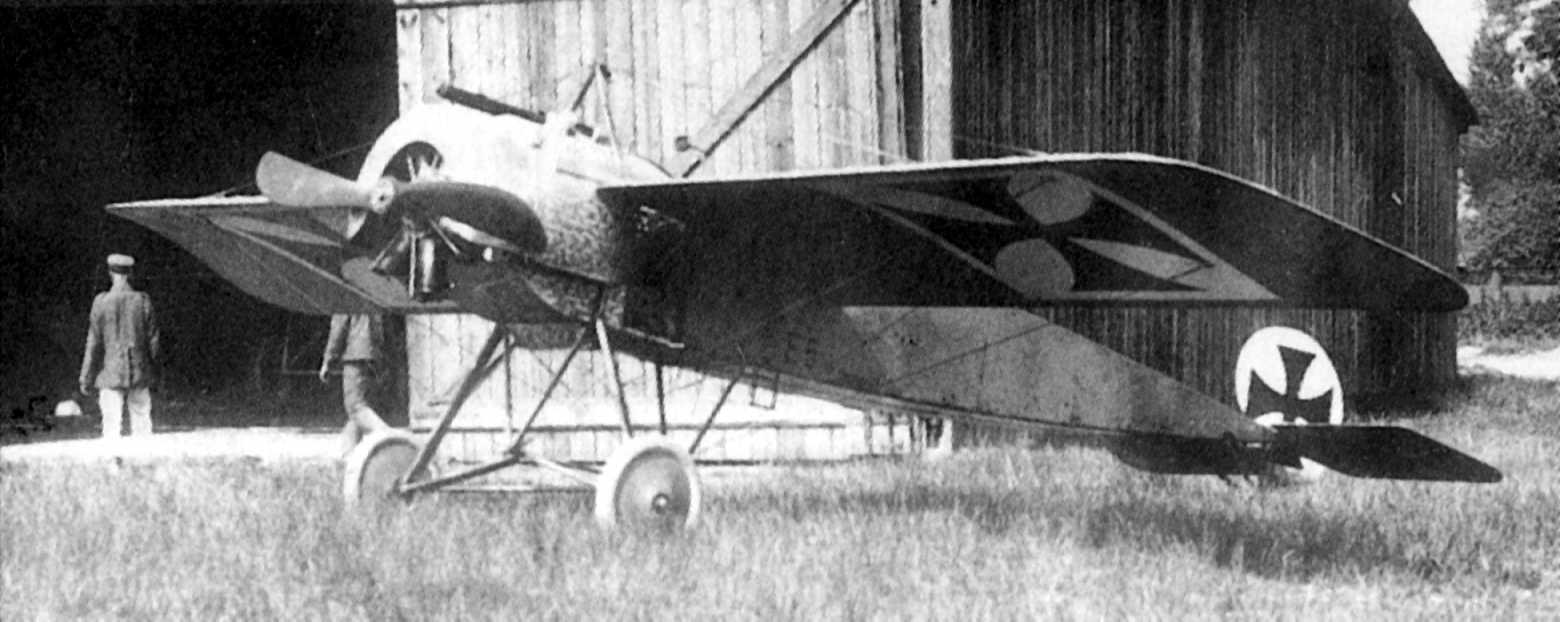
But if the British had such machines already in the summer and autumn of 1915, this would hardly have helped. Military leaders did not believe in the possibility of setting fire to the cylinders of a military zeppelin even with special incendiary bullets, directly prevented the launch of their production, and demanded that the pilots throw small bombs at the zeppelins from a shallow dive. Which was not only dangerous due to the presence of machine gun firing points above and on the tail, but also often difficult to achieve. The airships tried to stay as high as possible in the sky of London, and the obsolete aircraft that provided air defense for the capital - most of the new ones went to the front in France - had difficulty reaching such heights. Only a series of tests in the summer of 1916 convinced people in high ranks that the idea could work, and incendiary bullets went into production.
Three subsequent raid attempts were thwarted by weather. However, on October 13, a group of five naval zeppelins appeared over London, the captains of which noted a noticeably increased anti-aircraft fire and an increased number of search lights. Almost all the shots went to waste: the crews were not very experienced, the experience of anti-aircraft artillery fire itself was just beginning to be developed in principle. Shrapnel shells, which were initially used to shoot down airships, and at times with some success, turned out to be not very effective against the high-altitude and well-protected Zeppelins of the P type. And the newest anti-aircraft shells with a detonation time set depending on the height of the target - at first almost due to the Bickford cord - gave too much variation in the height of operation. Airplane pilots who unsuccessfully attacked Zeppelins in the air noted that most of the gaps were either too high or too low. It was possible to achieve hits from the ground only on L-15, which was forced to urgently leave for base due to engine damage. At the same time, one of the bombs destroyed the QF 6 cwt gun along with its crew and transport vehicle. In total, 71 people were killed and 128 were injured during the raid.
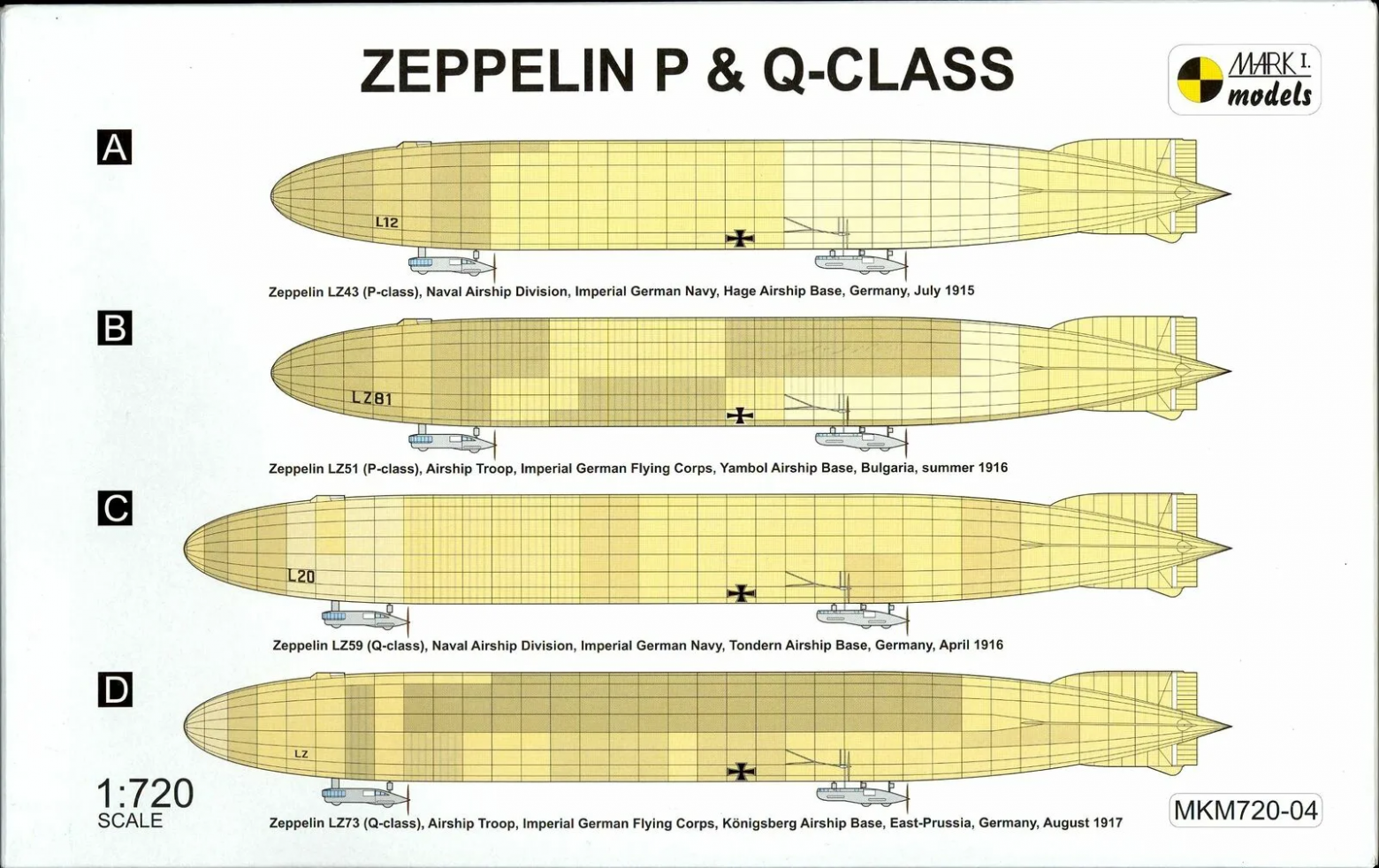
The British then received a respite until early 1916: almost continuous storms began over the North Sea. However, this also gave the Germans the opportunity to significantly increase and accumulate a fleet of combat-ready airships, instead of the constant “turnover” that had hitherto plagued them with the death of a few aircraft from combat damage and the vagaries of the weather. Moreover, from December 1915, new Zeppelins of the Q type began to enter service with the Kaiser's army and navy: they differed little from the P type, except for being enlarged by adding two additional hydrogen tanks. Due to this, both the carrying capacity with a bomb load and the operating altitude have increased. Along the way, Russian anti-aircraft gunners shot down another zeppelin on the Eastern Front: the LZ-39, which at one time escaped Warneford’s attack, bombed Rovno, received several hits from shrapnel and even lost part of the front gondola. He reached the German positions near Lutsk, but was no longer subject to restoration.
The first raid on Britain in the new year took place on the night of January 31 to February 1. This was the largest operation of naval zeppelins hitherto: 9 vehicles took part in the raid, which were personally commanded by Peter Strasser from the L-11. They were given the ambitious task of bombing port and industrial facilities in Liverpool: a city much more distant than London, on the west coast of Britain. During the flight, the airships landed in a zone of dense low clouds, suffered frostbite and proceeded mainly relying on direction finding from radio stations. However, Strasser, somewhat fanatical in his love of unrestrained bombing, ordered that the operation not be interrupted under any circumstances. Naturally, the chaos and confusion that was inevitable in such conditions began, the airships scattered in different directions and dropped bombs on the first cities that came along. 61 people died, 101 were injured.
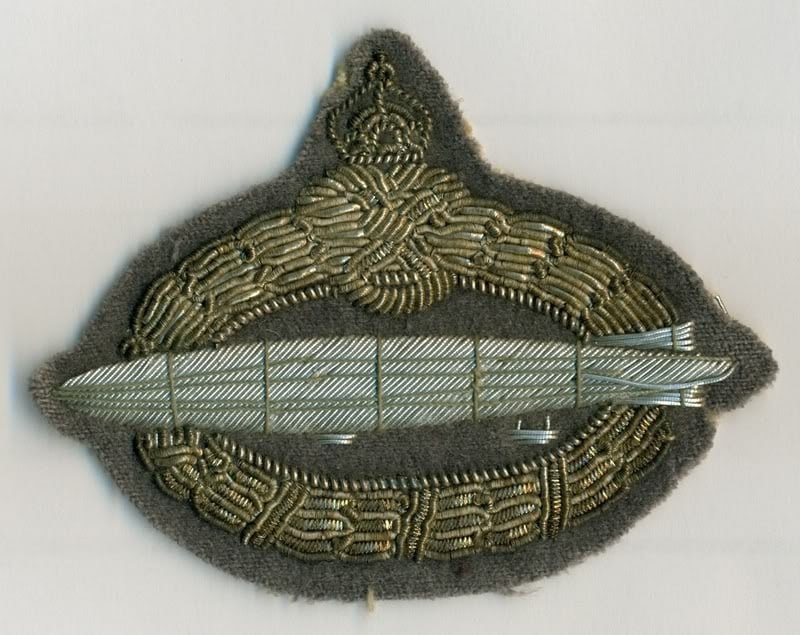
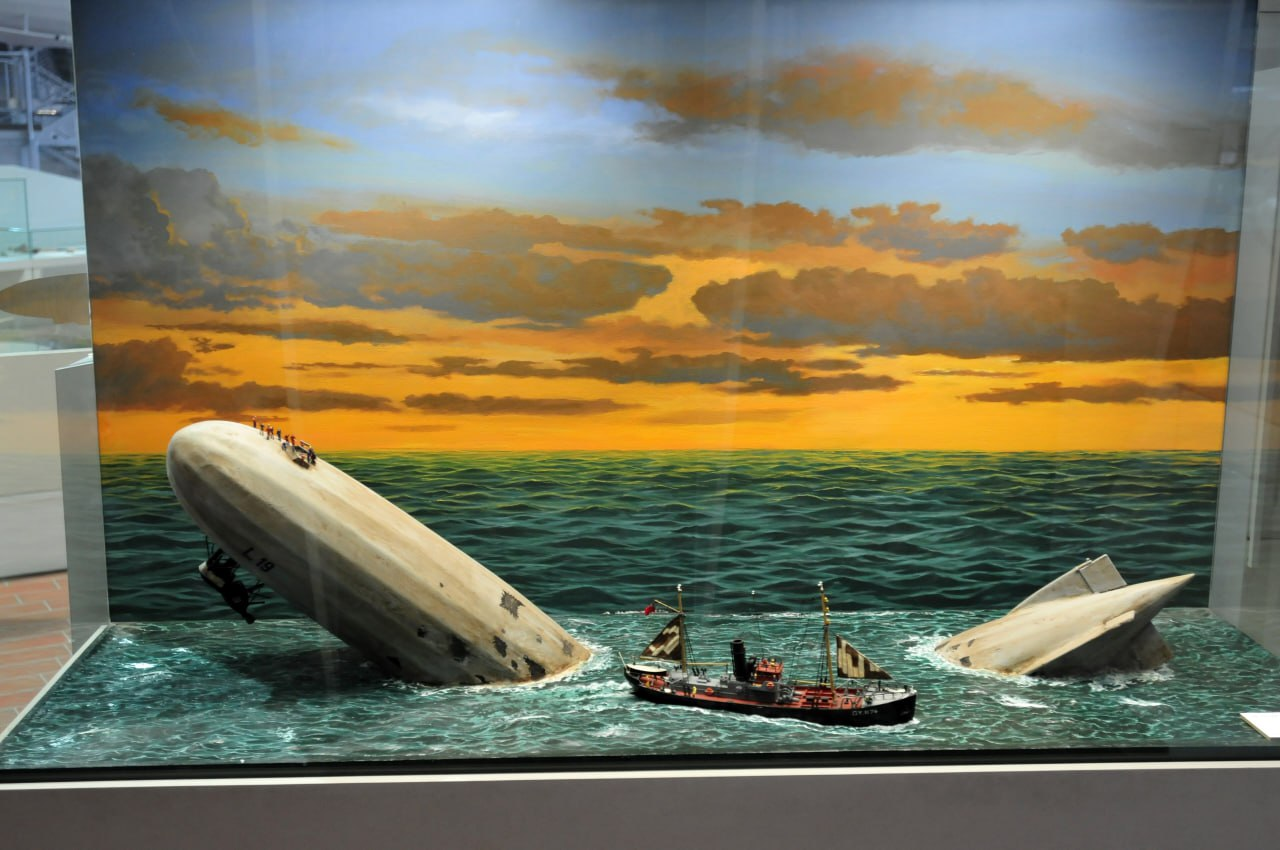
On the way back, the L-19 was carried down at low altitude to the coast of the Netherlands with broken engines and low fuel. As an airspace violator, he came under heavy fire and after some time of uncontrolled flight fell into the sea. The crew drifted on the wreckage for some time, managing to send several radio messages. Both the Germans and the British organized a search using warships and aircraft, but to no avail. At some point, the English trawler King Stephen, which had been poaching a little in Dutch territorial waters, approached those in distress in the fog, but its captain refused to take the Germans on board. He later justified himself by fearing that 16 naval sailors would most likely simply kill his small crew, but the Germans are still offended by the British for this refusal of help. The last message from L-19 captain Odo Löwe was found by Swedish sailors in the form of a traditional note thrown into the sea in a bottle. It briefly described what happened and reported that the frozen and exhausted sailors did not have long to live. No wreckage or bodies were found.
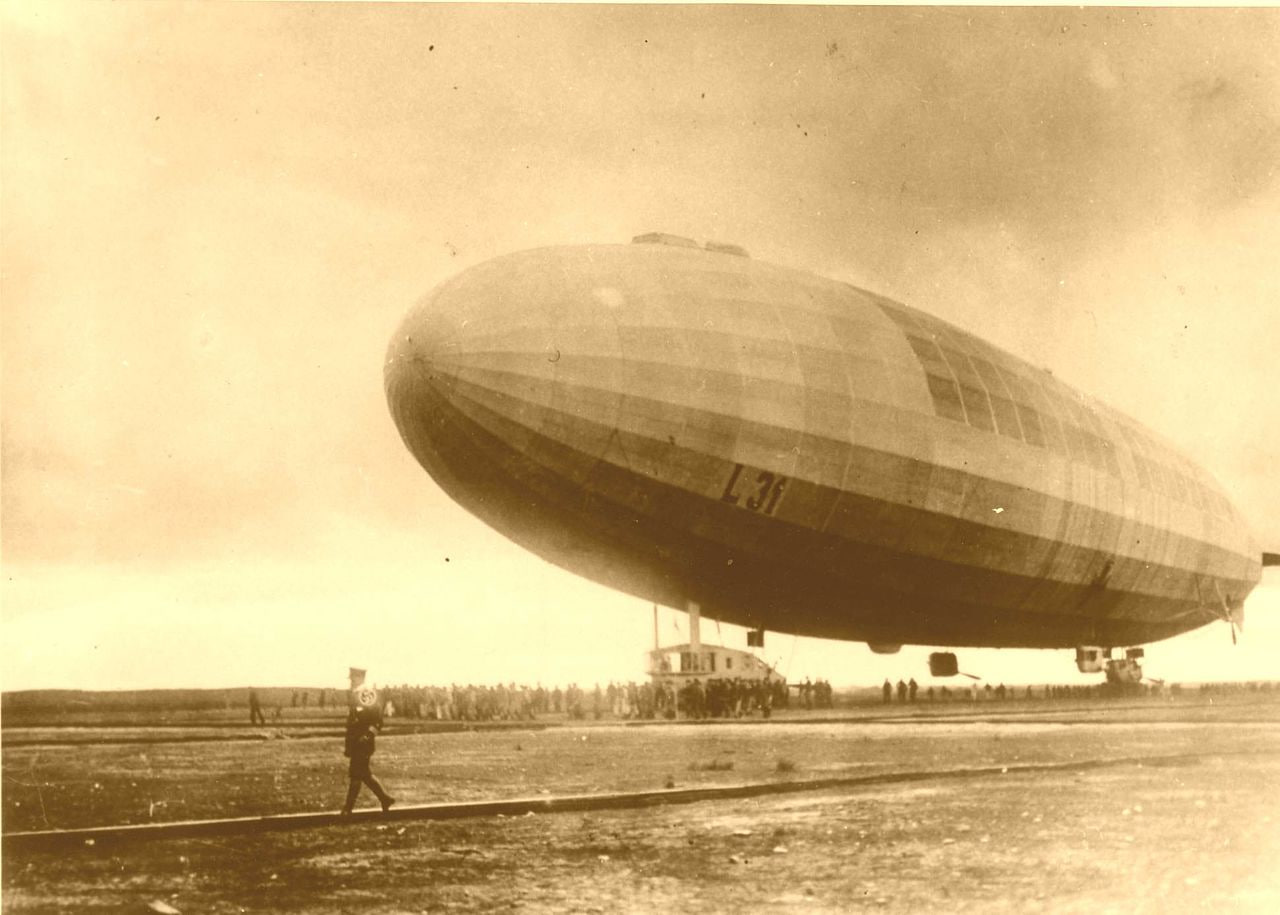
However, a substantial supply of naval and army zeppelins had been accumulated, and from February to early May raids on Britain would become routine. Some airships will be shot down by artillery, some will die due to weather and other reasons, but the overheated German industry will already be able to “bake” heavy airships like Bavarian sausages. If in 1914 a total of 12 zeppelins were put into operation, then in 1915 this figure was already 26, a little more than two per month. Slightly fewer, 23, would be built in 1916, but 9 of them would be the newest R-type “super-zeppelins.” The first of these, the LZ-62/L-30, would fly in May 1916. These were air colossi almost 200 meters long, with a volume of more than 55 thousand cubic meters. 6 engines with a total power of almost 1,500 horsepower were capable of carrying the airship 7,000 kilometers at a speed of more than 100 km/h at an altitude of up to 4 kilometers. They could deliver more than 4 tons of bomb load to the target, and protection from interceptor aircraft was provided by 10 water-cooled machine guns.
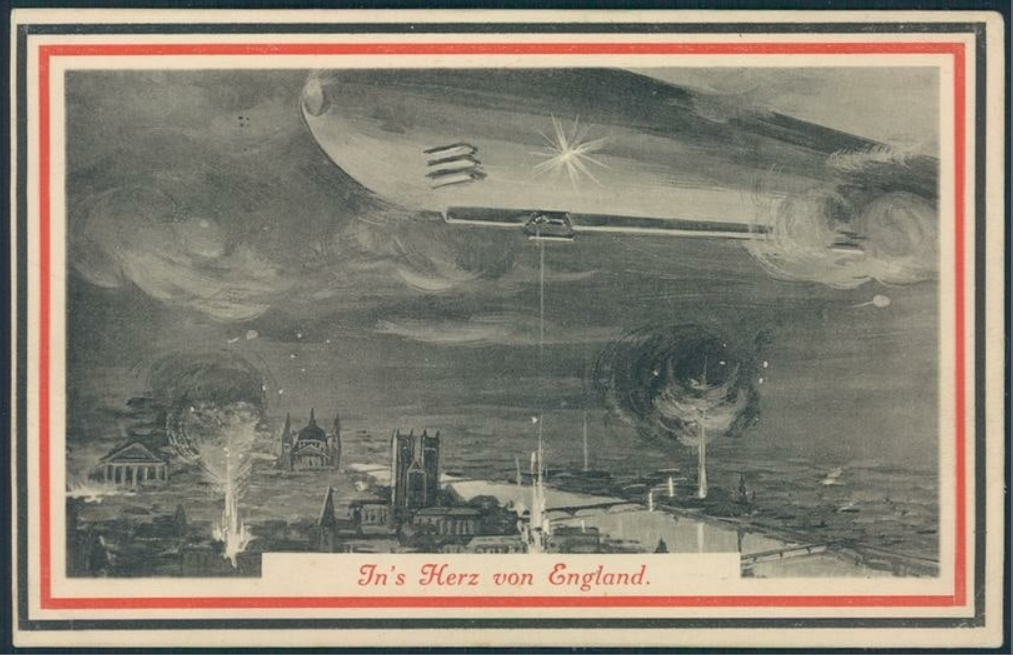
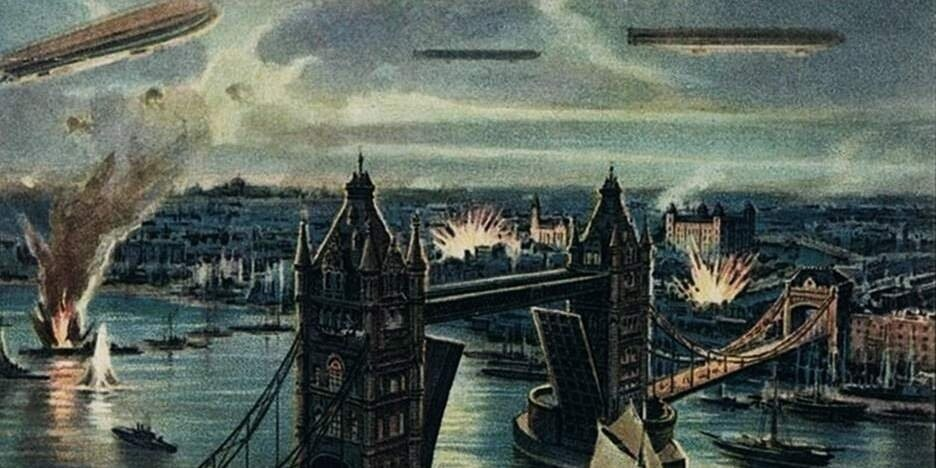
For Londoners and residents of other British cities, 1916 was the darkest time in terms of Zeppelin raids. Night bombings, which now occurred several times a month, finally became a routine part of the war. Tons of bombs claimed dozens of lives and destroyed residential buildings, warehouses and businesses. The photo shows what London will experience during the Second World War: when, from September 1940, hundreds of bombers will appear over the city and drop not tons, but hundreds of tons of bombs per raid, sometimes killing a thousand people a night, and entire neighborhoods will turn into burning ruins, against their background this will seem like a minor inconvenience - but in 1916 what was happening looked like previously unimaginable horror.
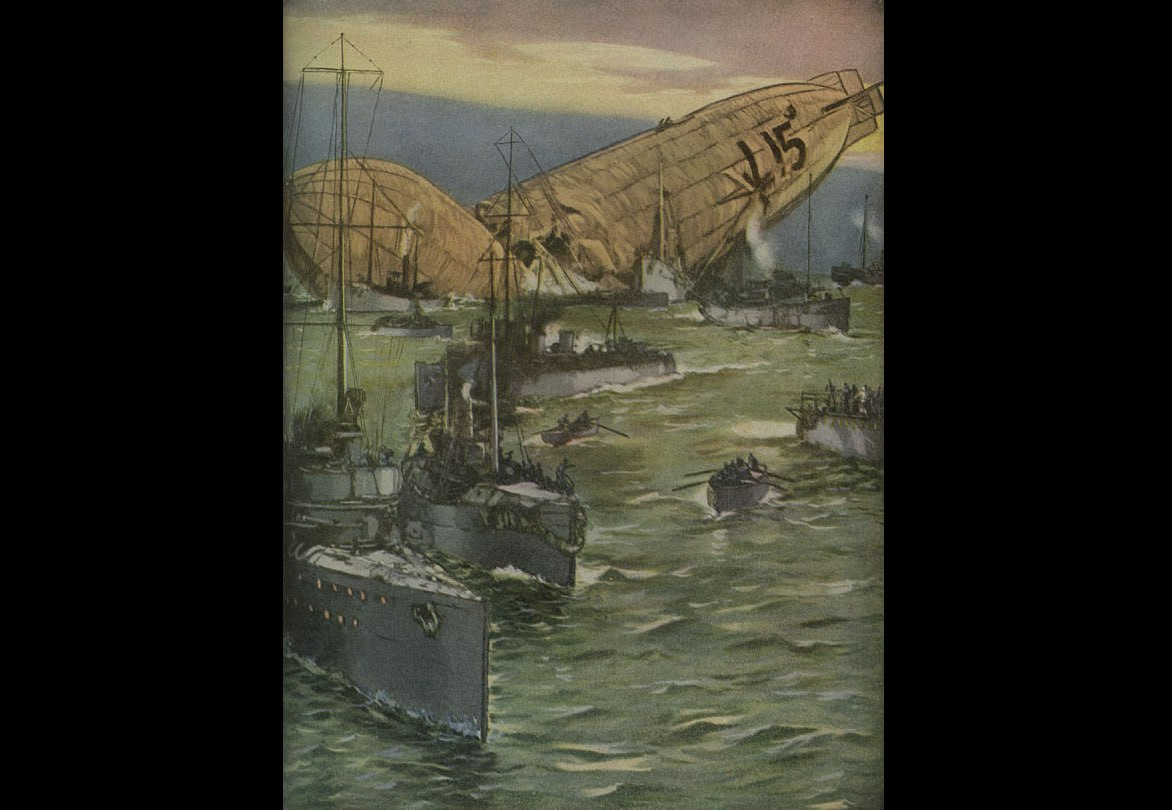
At the same time, the losses of the airships were not too great. Some of the later series of Zeppelins, starting with P, would make dozens of bombing missions, not counting naval patrols, after which they would be written off due to wear and tear or survive until the end of the war. On the one hand, cars got rid of “childhood diseases” and became much more powerful, stronger and more perfect. The crews had accumulated operational experience and worked at high altitudes; the command and captains better understood under what forecasts and weather conditions it was better to change course, return or cancel the flight. On the other hand, the increasingly dense air defense of Greater London was still growing not so much in quality as in quantity. There were more and more gun batteries, interceptors and powerful searchlights - but anti-aircraft shells still poorly maintained the detonation altitude, the planes, following the instructions of the command, tried to attack the airships with bombs. Months passed, the raids became stronger, but Reginald Warnford's only success could not be repeated. Only in May, when the nights became too short, did the Germans pause in raids. During all this time, a single L-15 was lost directly from the efforts of the city’s defenders. During the raid on April 1, its gas cylinders were damaged by successful explosions of anti-aircraft shells and, according to some sources, by experimental darts from one of the interceptors. It made a hard splashdown at the mouth of the Thames and broke up. One of the crew members drowned, the rest were picked up by British ships that arrived in time.
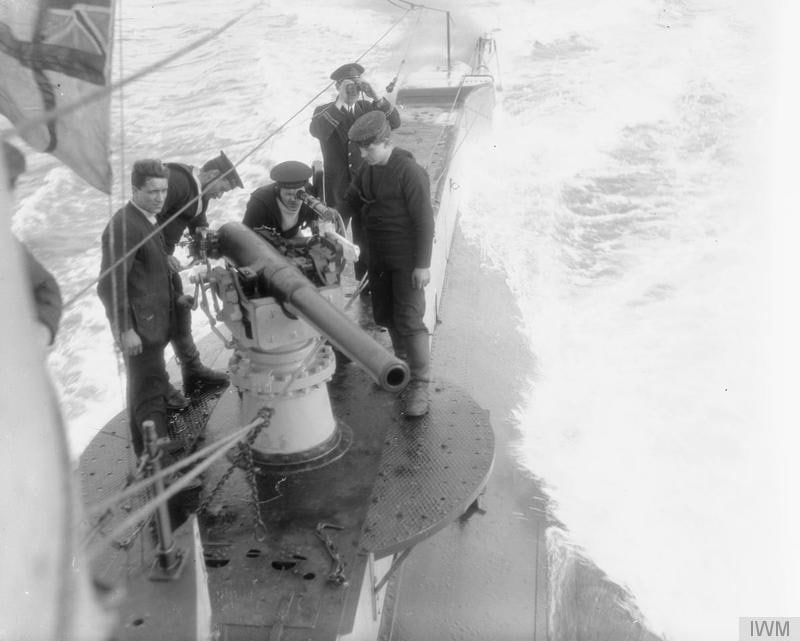
At the same time, the already deeply outdated L-7, which entered service back in November 1914, was lost by them in a particularly outstanding way. On May 4, he was on patrol over the North Sea and noticed a British squadron: the seaplane carrier HMS Engadine, already familiar to us from the raid on Cuxhaven, with the support of light cruisers and a submarine, was going to bomb the Zeppelin boathouses in Tondern (now Danish Tønder). Submarine E31, as expected, made an urgent dive, and the cruisers began to fire at the airship, and quite successfully. The Zeppelin was damaged and headed for the base - but was walking exactly above the place where the submarine was located, the captain of which was watching what was happening through the periscope. Seeing that the damaged zeppelin was moving exactly in his direction, the captain of the submarine ordered to surface and open fire from a three-inch gun. His shots finished off the already damaged vehicle, it fell into the sea, and the crew of the submarine managed to save seven members.
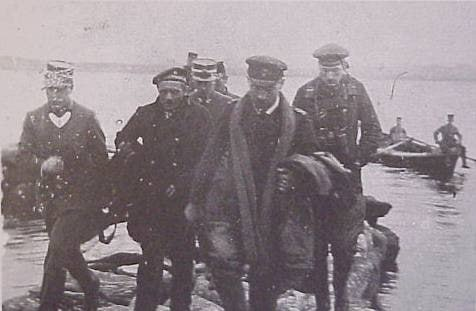
The subsequent attack on the Tondern base did not lead to the destruction of the Zeppelins - since one of them had just been destroyed, and the other, L-20, rather unsuccessfully flew the day before to bomb targets near Edinburgh, Scotland. During the long flight, one of the engines failed, then a storm arose, which carried the zeppelin all the way to Norway. Several attempts to land the car in the Stavangerfjord area ended in failure, and it was decided to jump into the water. As usual, after part of the crew left the gondolas, the lighter airship rushed upward, then caught the released chain on a coastal rock, lost part of the gondolas, and those remaining on board were not immediately able to release the gas and splash down. Three died in the process, the rest were interned in Norway until the end of the war. The zeppelin, broken during landing, was photographed by journalists, after which it was blown up by the Norwegian military so as not to create threats or interfere with navigation in the fjord.
Perhaps, if it had happened in a different theater of operations, over the continent or the Mediterranean Sea, the percentage of airships killed by the vagaries of the weather would have been noticeably lower. Vehicles that fought against the Russian Empire and its allies on the Eastern Front and the Balkans were mostly destroyed by well-aimed anti-aircraft fire. But the merciless winds and storms of the North Sea and the English Channel, dangerous even for ships of the steam era, were too destructive for huge machines with a large sail area and a fire-hazardous filling. However, until 1917, the German Empire had no alternatives to airships for raids across the sea in the form of long-range bomber aircraft. And the bombing of Britain and specifically London had already become no less an obsession for the Kaiser, admirals and generals of the German Empire than for the leadership of the Nazi Reich in the next world war.
However, starting in September 1916, the situation in air battles over Britain began to change. If the first half of the year was hell only for Londoners, and for German military balloonists it turned out to be a “golden time”, then after the introduction of a number of innovations and a change in the leadership of the London air defense zone, more and more zeppelins will turn into flaming torches and fall onto British soil. This would mark the beginning of the end of the era of large bomber airships.
© 2026 MT FINANCE LLC
Why This Matters In Practice
Beyond the original publication, Why Airships Never Took Off. Part 6: London Under the Bombs matters because teams need reusable decision patterns, not one-off anecdotes. The first Zeppelin raid on Britain, which took place on January 19, 1915, showed that the English skies were practically defenseless against...
Operational Takeaways
- Separate core principles from context-specific details before implementation.
- Define measurable success criteria before adopting the approach.
- Validate assumptions on a small scope, then scale based on evidence.
Quick Applicability Checklist
- Can this be reproduced with your current team and constraints?
- Do you have observable signals to confirm improvement?
- What trade-off (speed, cost, complexity, risk) are you accepting?