Why Airships Never Took Off. Part 2: Rise and Fall of French Airships
How do we saw in the first part, aeronautics was invented in France during the Enlightenment, and the idea of a controlled balloon—literally ballon dirigeable in French—appeared the very next year after the first balloons flew. However, the first experiments in creating airship
Editor's Context
This article is an English adaptation with additional editorial framing for an international audience.
- Terminology and structure were localized for clarity.
- Examples were rewritten for practical readability.
- Technical claims were preserved with source attribution.
Source: the original publication
Series Navigation
- Why Airships Never Took Off. Part 1: From Montgolfier to a Borodino Bomber
- Why Airships Never Took Off. Part 2: Rise and Fall of French Airships (Current)
- Why Airships Never Took Off. Part 3: Birth of the German Zeppelins
- Why Airships Never Took Off. Part 4: The Kaiser's Airships Go to War
- Why Airships Never Took Off. Part 5: Shadows Over Britain
- Why Airships Never Took Off. Part 6: London Under the Bombs
- Why Airships Never Took Off. Part 7: Fire in the Sky
- Why Airships Never Took Off. Part 8: The End of Wartime Zeppelins
- Why Airships Never Took Off. Part 9: Ashes of War and New Opportunities
- Why Airships Never Took Off. Part 10: The Most Famous and Successful Zeppelin
- Why Airships Never Took Off. Part 11: Aircraft Carriers in the Sky
- Why Airships Never Took Off. Part 12: Italian Semi-Rigid Airships
- Why Airships Never Took Off. Part 13: Through the North Pole aboard the Norge
How do we saw in the first part, aeronautics was invented in France during the Enlightenment, and the idea of a controlled balloon—literally ballon dirigeable in French—appeared the very next year after the first balloons flew. However, the first experiments in creating airships using manual power (sufficiently compact and light steam engines did not yet exist, even in the draft) ended in failure, including attempts to create an airship-bomber in Russia to repel Napoleon's invasion in 1812. Progress, however, did not stand still, and what was impossible at the end of the 18th century by the middle of the 19th century was already theoretically and constructively feasible. And the idea of making a balloon controllable never left the inquisitive minds of inventors - especially the French, who considered aeronautics a matter of national pride.
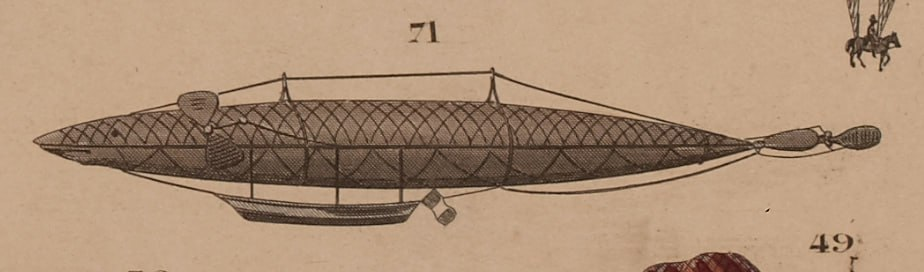
In 1850, Pierre Julien from Villejuif demonstrated at the Paris Hippodrome a model of an airship in the shape of a cigar and in the genre of, so to speak, clockpunk. The airship's rudders and gondola were installed under the front of the balloon. The airship was to be driven by a clockwork mechanism that turned two propellers mounted on either side of the gondola. However, the project was never implemented in the form of a working model.
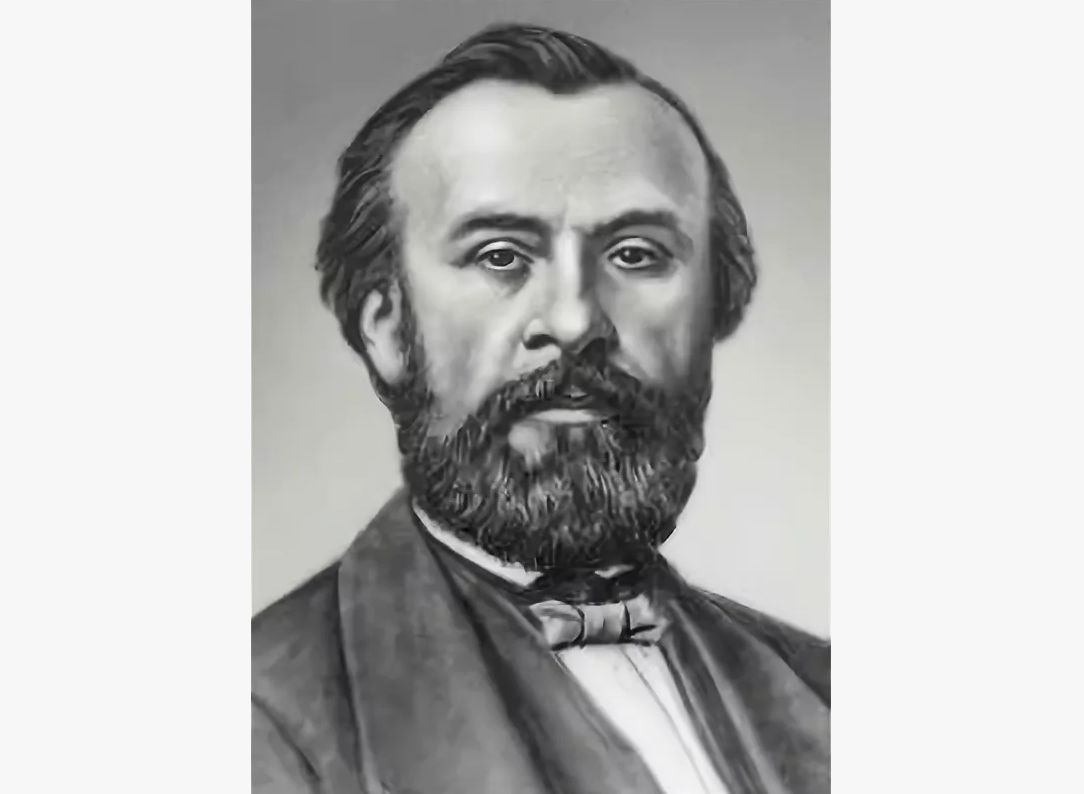
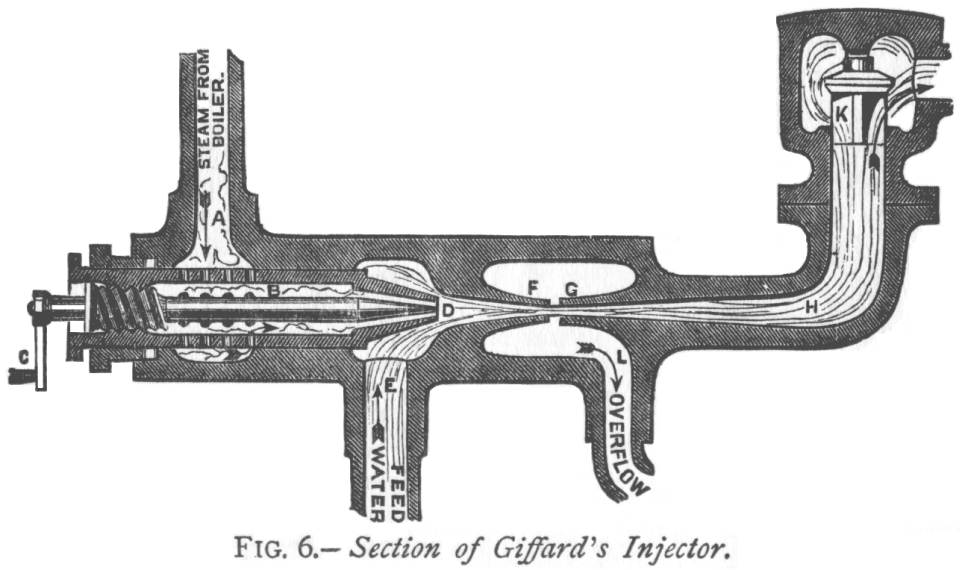
The first success in creating an airship was achieved by the young Parisian inventor Henri Giffard. From his teenage years, he fell hopelessly in love with railways, a network of which rapidly expanded from Paris from the early 1840s. Where there are railways, there are steam engines, which young Henri was also extremely interested in, he graduated from courses at the Central School of Arts and Manufactures and worked for some time as a railway mechanic. Already at the age of 25, he invented a steam injector for boilers, which became widespread and later brought substantial funds to the author, thanks to a patent. His second hobby, from his first flight at the age of 18, was balloons - and naturally, it soon occurred to him to cross the two. The final impetus was the acquaintance with the project of Julien's clockwork airship - but Henri Giffard decided to use a steam engine as an engine.
Already in August 1851, he applied for a patent on the use of a steam engine in air navigation. However, the main question was whether it would be possible to assemble a steam engine light enough and yet powerful enough to propel the device. After months of intense thought, calculations and experiments in the company of two assistants, he managed to collect what he was looking for. It was a very compact device for those times with a power of about 2.2 kilowatts or three horsepower. It weighed noticeably less than three horses: a little more than 110 kilograms, the boiler added another 45 kilograms. Water and high-quality coal for a sufficiently long operation of the steam engine weighed just over 300 kg.
The airship that it was supposed to propel was built according to the design of Henri Giffard by the master Eugene Godard. The cigar-shaped balloon with pointed ends for streamlining had a length of 44 meters and a volume of about 3200 cubic meters. Below it, a wooden beam with a triangular sail-rudder at the end was suspended on many cables, and even lower was an open gondola with a fence, a steam engine and a three-bladed propeller with a diameter of 3.4 meters. To avoid the possibility of sparks igniting the flammable hydrogen, the smoke was vented down from the nacelle through a pipe.
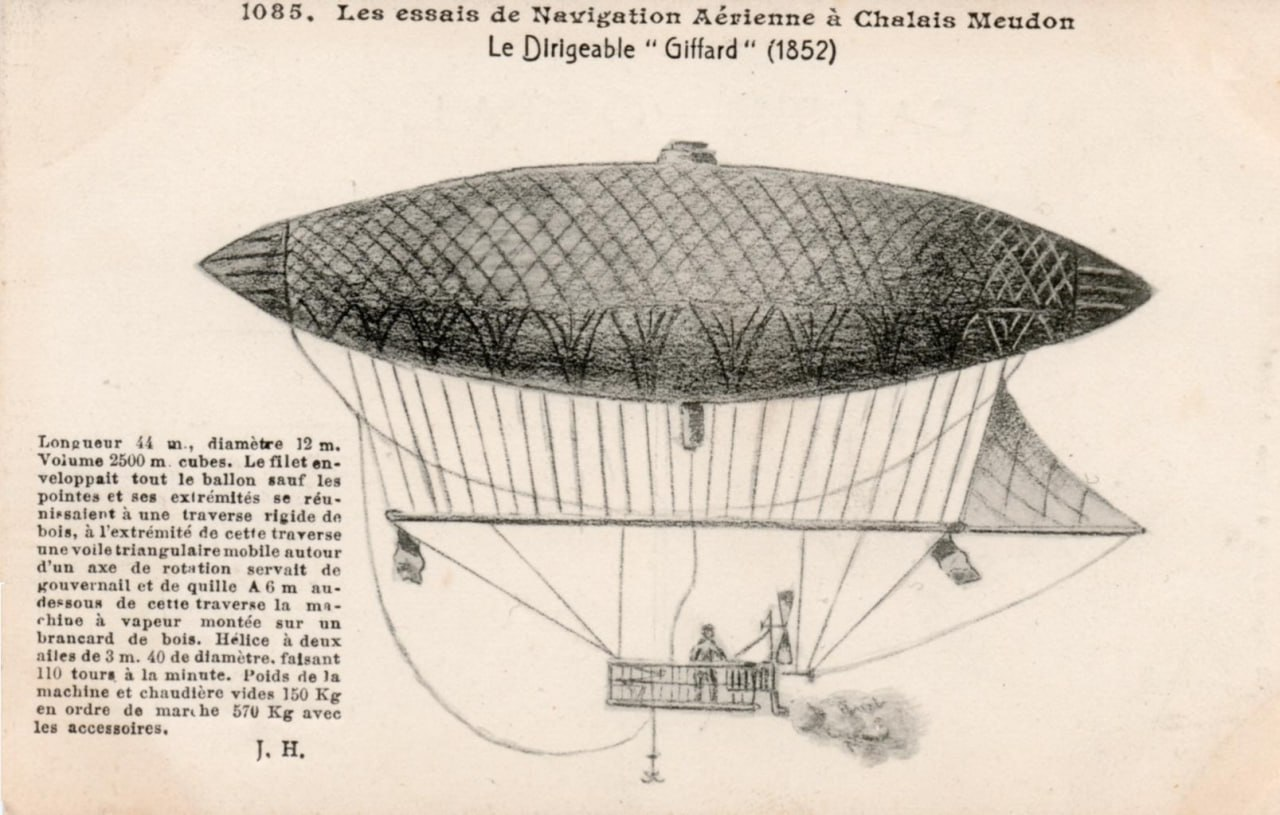
The first flight of Giffard's steam airship took place at 17:15 on Friday, September 24, 1852. It successfully took off from the Parisian hippodrome near the modern Place Charles de Gaulle - but it was impossible to make the movement completely controllable. The wind at an altitude of one and a half to two kilometers, where the device rose, turned out to be too strong for the low-power engine to overcome. However, it was discovered that the otherwise wind-driven airship was quite capable of adjusting its speed, turning in the right direction, and even making circles. If it had been calm, the experiment would have been quite successful, with a speed of about 2–3 meters per second or 7–11 kilometers per hour. Ultimately, the device drifted in three hours to a distance of 27 kilometers to Elancourt, where it made a soft landing, with local residents helping the balloonist.
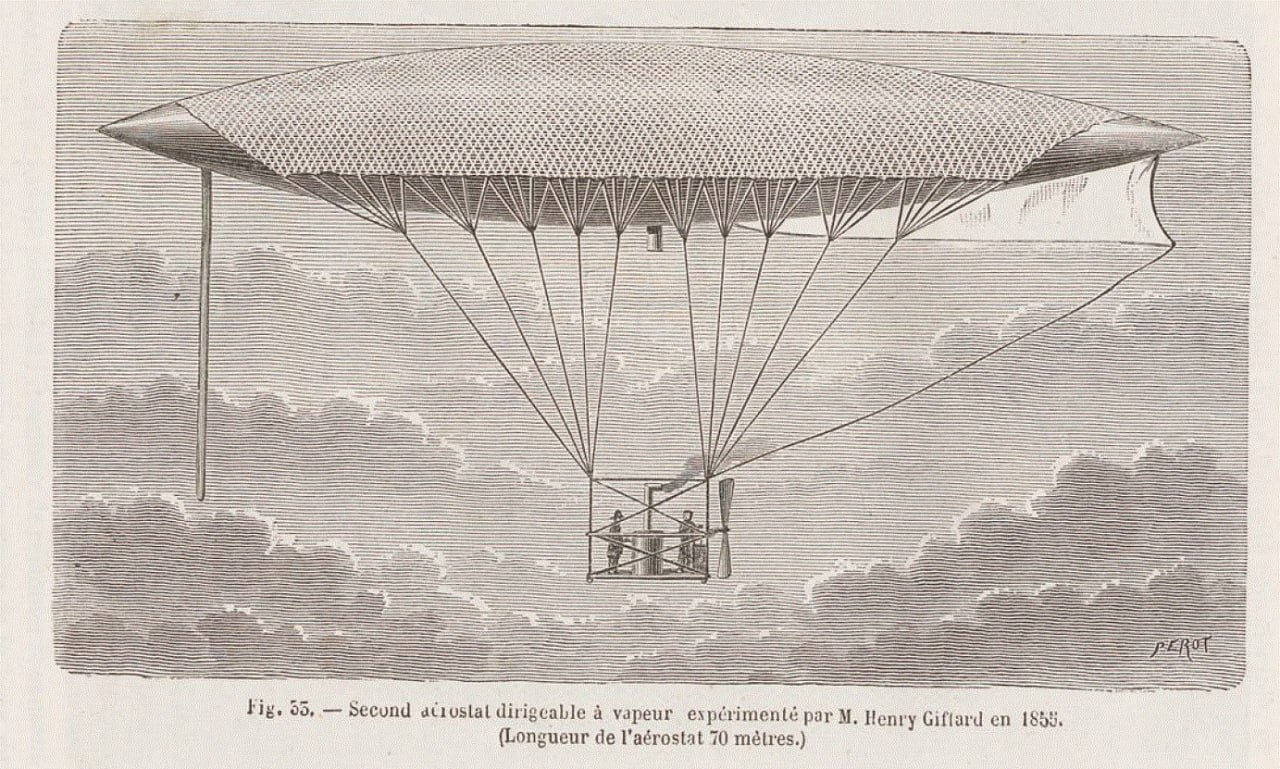
On May 8, 1855, Henri Giffard, already in the company of his assistant Gabriel Yon, made an experimental flight on a new airship. It had approximately the same device, but the length of a narrower cylinder was already 70 meters, a greater load capacity and a more powerful engine. However, the flight was interrupted by an incident and almost turned into a disaster: even at the ascent stage, the balloon began to slip out of the poorly secured network of cables. The balloonists had to urgently release hydrogen and descend. They escaped almost miraculously: as soon as the device almost reached the surface, the balloon finally slipped out and sped off into the heavens, and the remaining structure, along with the crew, hit the ground. However, no one was particularly injured, but Giffard did not experiment with airships anymore - although he built balloons more than once. However, the efficiency of the scheme was finally proven. In 1858, Henri Giffard received the Legion of Honor for his invention of the airship and injector, and later his name was included in the list of seventy-two names of French scientists and inventors inscribed on the Eiffel Tower.
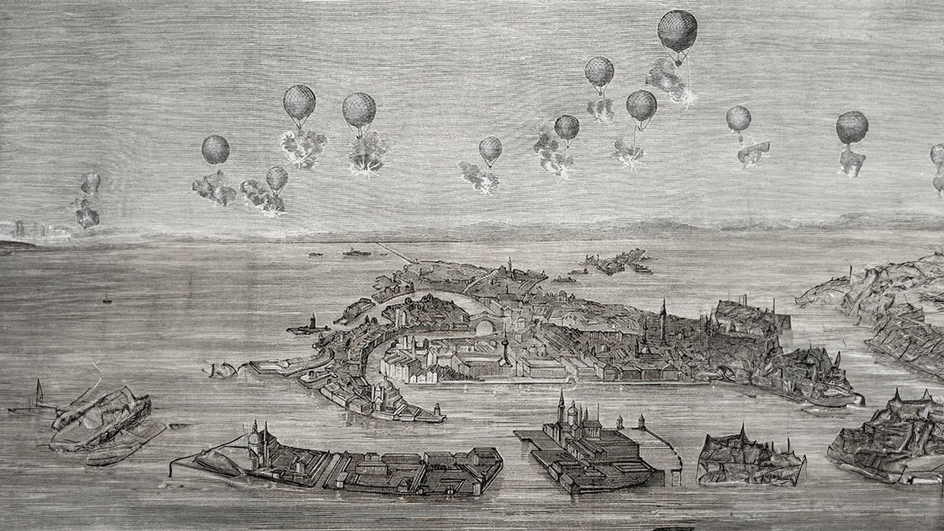
The next step, although slightly peculiar, was taken during the Franco-Prussian War, which was tragic for the French. For more than two centuries, the French land army, considered the strongest in Europe, was completely defeated by the new German military machine created by Bismarck. Since mid-September 1870, Paris found itself under siege and isolated from the rest of France. The city quickly launched the creation of balloons. They were manufactured and stored at the railway stations of the French capital with their huge landing stages. The balloons were used to monitor German movements in the vicinity of the city, and later for communication over German siege positions. Already on September 23, the balloon with the engineer Duruof successfully made its first flight, followed by others. The crews took with them letters and dispatches for further forwarding, and baskets with carrier pigeons in order to send messages back to Paris. The crews were either experienced balloonists, including those who had previously used balloons for entertainment and commercial purposes, or military sailors who happened to be in the city. In total, over almost six months of the siege, 67 balloons were launched, of which only one was shot down by German troops, and five fell into enemy hands during unsuccessful landings.
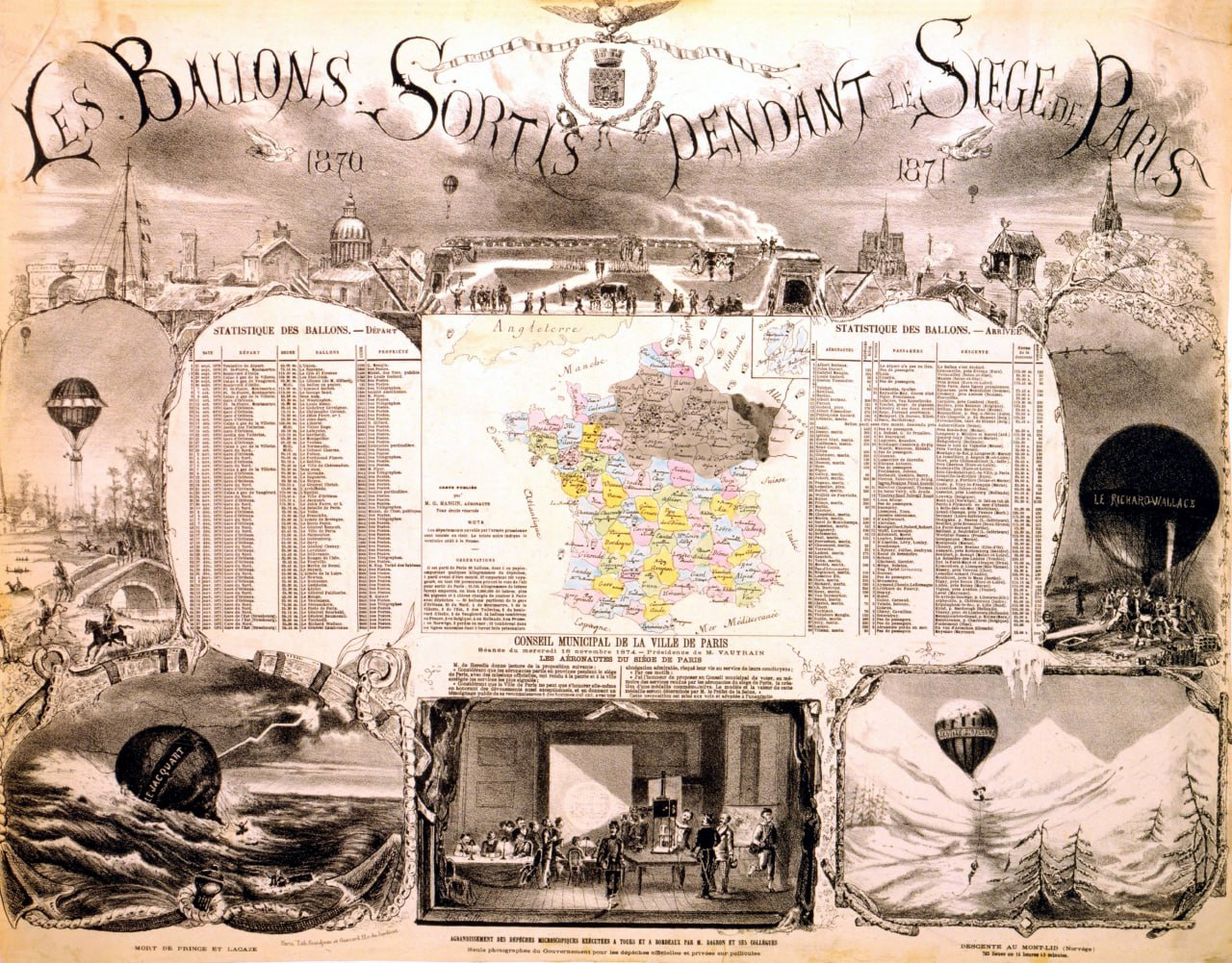
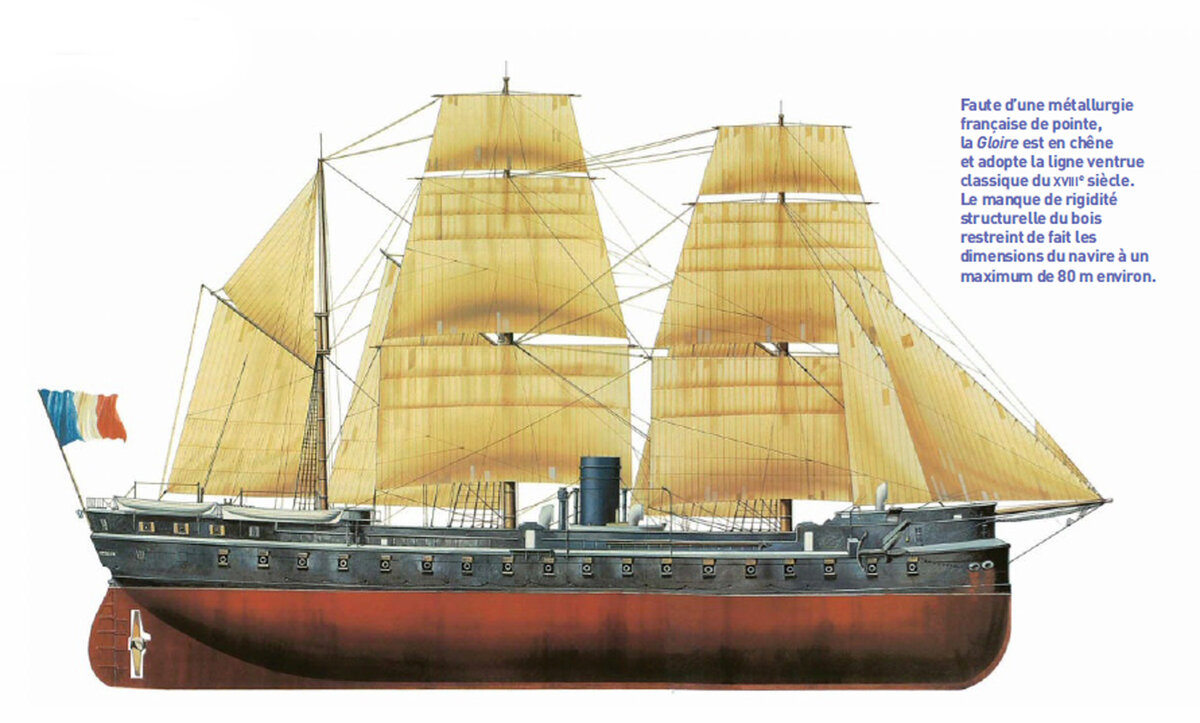
True, not all balloons, especially those with inexperienced crews, landed at least according to plan. It was not always possible to wait for tailwinds of suitable strength - and some of them were carried to other countries, one even reached Norway. Realizing this problem, the Government of National Defense turned at the end of October to the talented designer Henri Dupuy de Lom, creator of the first ever full-fledged ocean-going battleships La Gloire, Magenta and Solférino. He was instructed to design and build a controllable balloon, that is, an airship, as quickly as possible - which he immediately began.
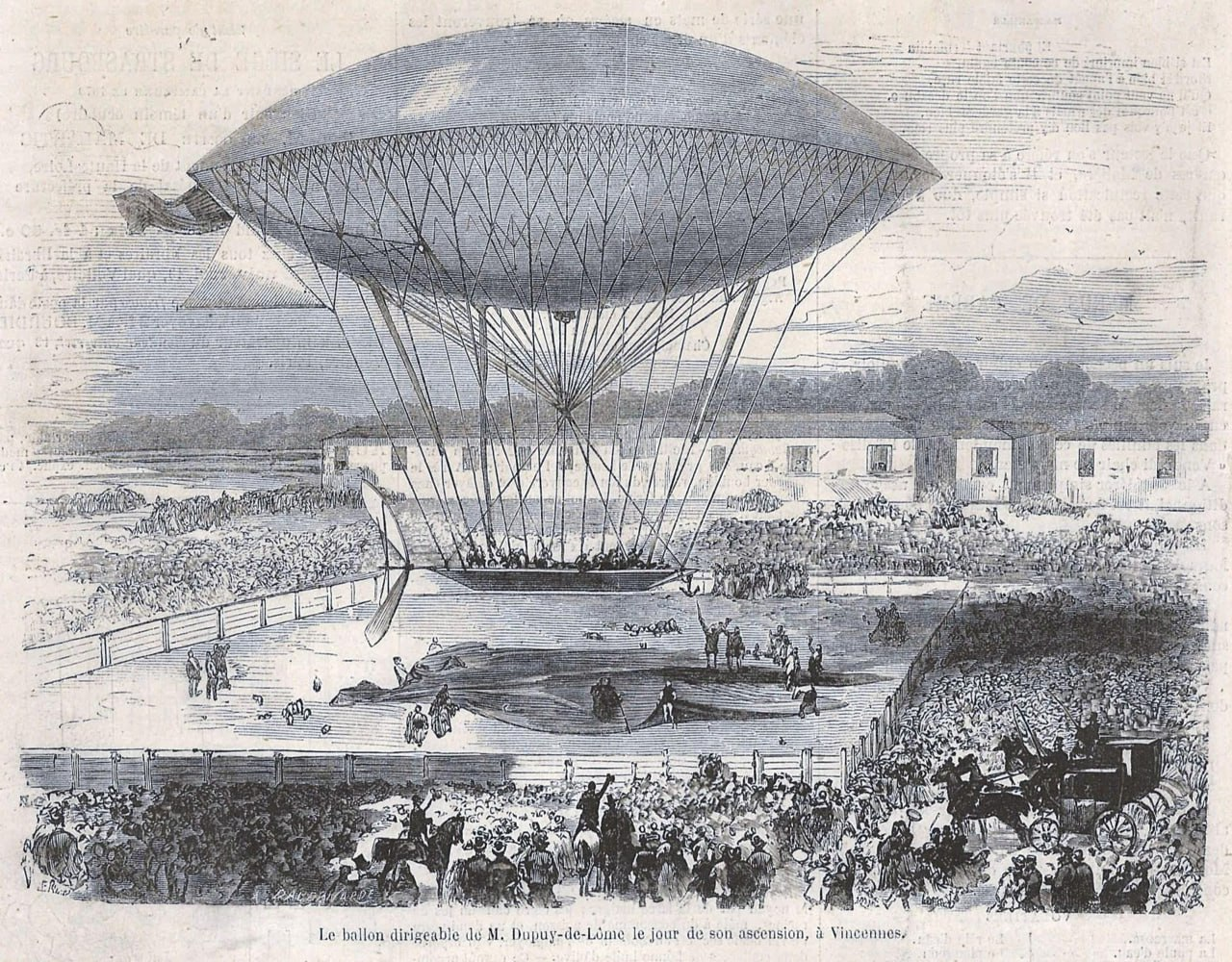
The resulting project was essentially a very belated implementation of what Jean Baptiste Meunier de la Place proposed to build almost a hundred years earlier, and the Robert brothers unsuccessfully tried to implement it. The oblong dome, 36 meters long and 14 meters in diameter with a volume of 3400 cubic meters, carried underneath an elongated gondola with a crew of 10–12 people. The structure was set in motion by the efforts of four people turning a large-diameter twin propeller. Construction began in the difficult and hungry winter of the siege, when the city no longer had enough materials that had already been launched into the balloons, or the strength of the people. Then, after the complete exhaustion of food and fuel supplies, and the most severe shelling by heavy artillery, the city capitulated - and after some time exploded with the uprising of the Paris Commune. Naturally, the construction of the de Loma airship was interrupted, but the unfinished object was saved and then transported to a military base in Vincennes. The tests were carried out only on February 2, 1872 - and were crowned with success. Through the efforts of eight experienced sailor-rowers, replacing each other in fours after half an hour of work, it was possible to achieve controlled movement at a speed of up to 8 kilometers per hour. However, it was obvious that the future did not belong to human-powered airships.
The final step, which transformed the airship from an experimental machine into an object of industrial production, was taken again in France. The Third Republic and its armed forces were still struggling to recover from the crushing defeat suffered by the united German armies in 1870. Until recently, France considered itself the military hegemon of Europe; now the much more powerful and ambitious German Empire loomed over it from the east. In search of military innovation, as they would say now, game changers turned to the national invention of the airship - now not at the level of self-taught enthusiasts and emergency wartime projects, but officially and systematically.
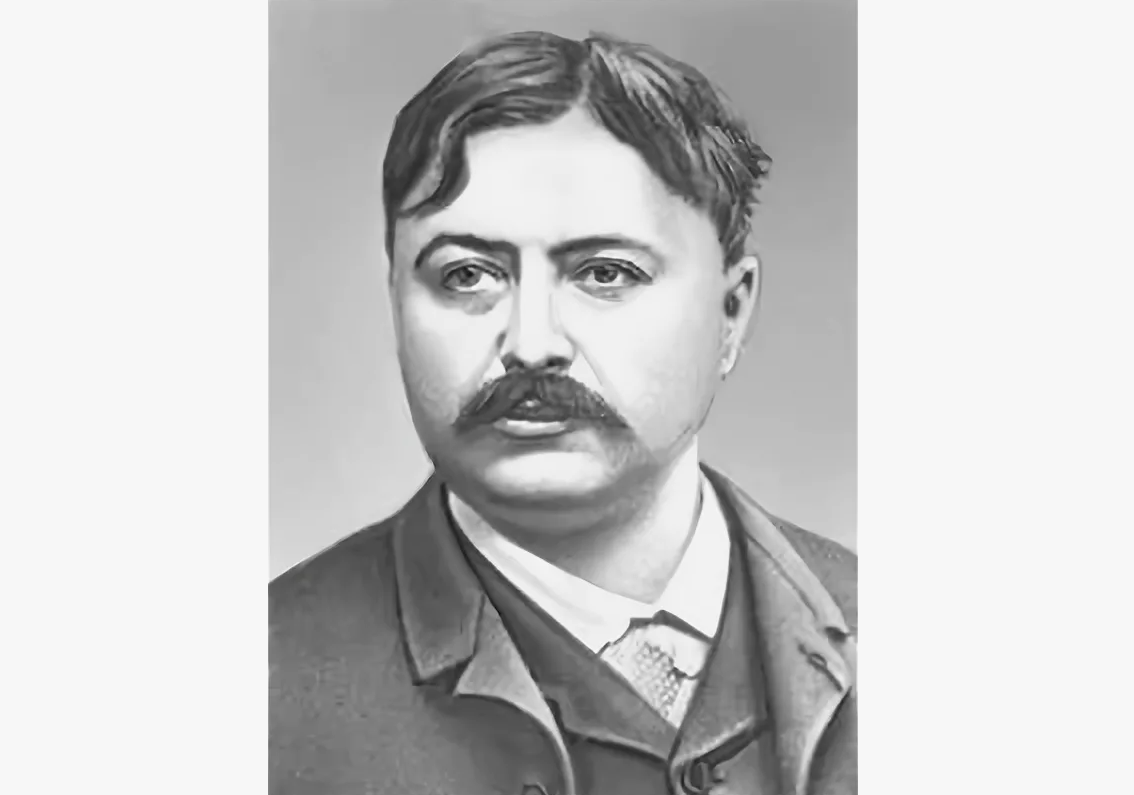
In 1877, the Central Institute of Military Aeronautics was created, and in the same Meudon castle, where balloon companies were based back in revolutionary times. Under him, industrial production of hydrogen was launched, and in 1879 two large boathouses were built for storing and testing military airships. The institute was headed by Colonel Charles Renard, a longtime aeronautics enthusiast, who also became its chief design engineer. Together with engineer Arthur Krebs, he designed and built the experimental airship La France in 1884. Fundamentally, it was not too different from the machines made by Henri Giffard. A narrow cigar-shaped cylinder 50 meters long and 9 meters wide. Below it, on cables, was a long 32-meter bamboo gondola. At the nose it was equipped with an electric motor with a power of 6.6 kilowatts (9 horsepower) with a four-blade propeller with a diameter of 7 meters; in the tail there were air rudders and elevators. The cabin for two crew members was located in the center, from where the engine, the steering wheel, and the release of gas from the cylinder were controlled.
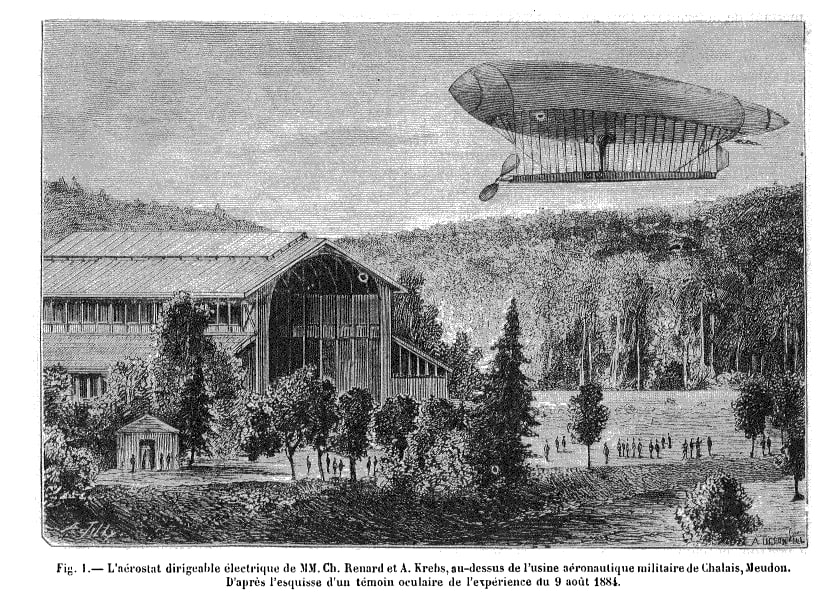
On August 9, 1884, Charles Renard and Arthur Krebs made their first flight, which was crowned with success: the device moved at speeds of up to 22 kilometers per hour, handled well, fought against a headwind, and in 22 minutes of flight successfully returned to the starting point for the first time in the history of aeronautics. In the next seven trials, we managed to return to the desired point five times. At the same time, the charge of the chrome-chloride battery was enough for three hours of flight at maximum speed. In 1889, “La France” was presented at the World Exhibition in Paris - but by this time airships were already being built in full swing in other countries, including Germany. However, the military of both France and other countries in the 1880s quickly cooled down to the idea of combat or reconnaissance use of airships: the first samples were still too slow and unreliable. The Central Institute of Military Aeronautics in 1888 was transformed into the Directorate of Military Balloons, stopped working with airships - and in fact the facility at Meudon Castle returned to where it started a hundred years ago. Only in 1912 did they begin to build airships again - but they created only 10 of them, while private French companies produced dozens of airships.
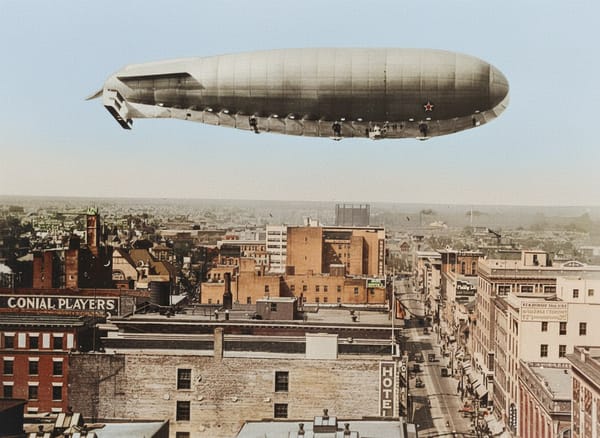
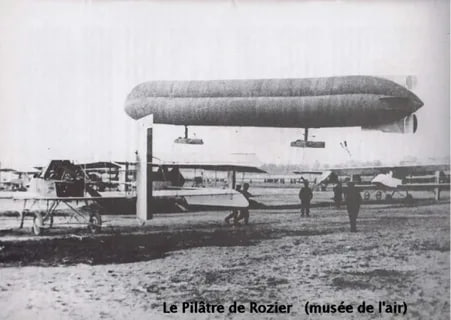
The French military returned to airships only in 1905, purchasing from the private company Lebaudy Frères the semi-rigid Leboudy III, about 60 meters long and with a volume of about 3000 cubic meters. The French military then purchased several larger vehicles from the same manufacturer, followed by Russian and British orders from Lebaudy Frères and other French companies. During the war, both the French and British built hundreds of airships. However, unlike the German ones, almost all of them were relatively small, of soft construction, carried few people, fuel and bombs, and were incapable of truly long-distance and high-altitude flights.
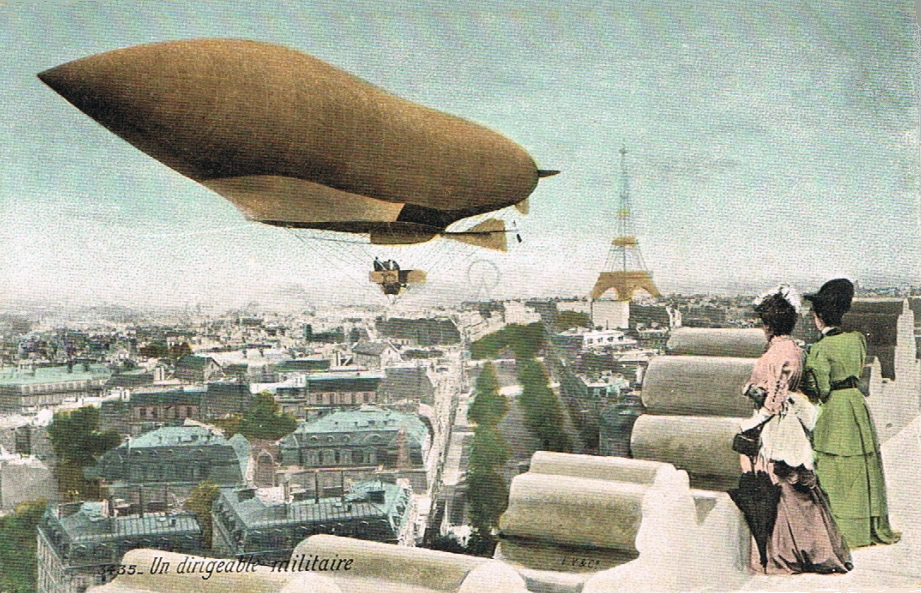
French airships were most active in operations over land, conducting long-range aerial reconnaissance and bombing attacks on railway stations and other targets behind enemy lines. Already on August 9, at the very beginning of the war, the soft airship “Fleurus I” produced by Meudon Castle, still clearly reminiscent in appearance of the first experiments of Henri Giffard, passed through the Saar River valley and bombed the railway station in Trier in order to complicate the transfer of German troops to the front. Adjutant Vincenot became the most active French airship, completing 31 combat missions. In addition, airships played an important role in reconnaissance of the movements of German troops behind the front line - which partly made it possible to stop them on the approaches to Paris in the Battle of the Marne. By the end of the war, however, the perfection of aviation and anti-aircraft weapons made flights on light airships near the front, even at night, almost impossible, and from March 1917 all vehicles were transferred to sea patrols and escort of convoys.
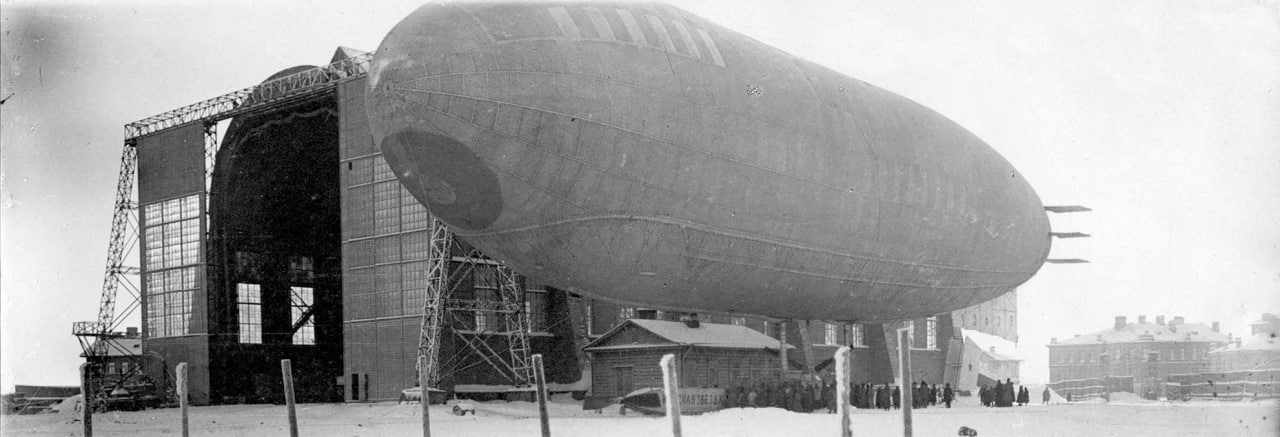
At the beginning of the First World War, the Russian Imperial Air Fleet had at its disposal only 14 airships of French and domestic production. The Astra, formerly the Astra XII produced by Astra Clément-Bayard, made its only successful bombing of the Lyk railway station in May 1915. This was done under the command of Boris Vasilyevich Golubov, a military engineer who developed the domestic military airships "Albatross" and "Giant", and proposed the design of the rigid airship "Air Cruiser" with a volume of 33,000 cubic meters. Other airships of the Russian Empire were unable to carry out successful bombings, and they rarely tried to do so: the command preferred to use rare and valuable aircraft mainly for reconnaissance.
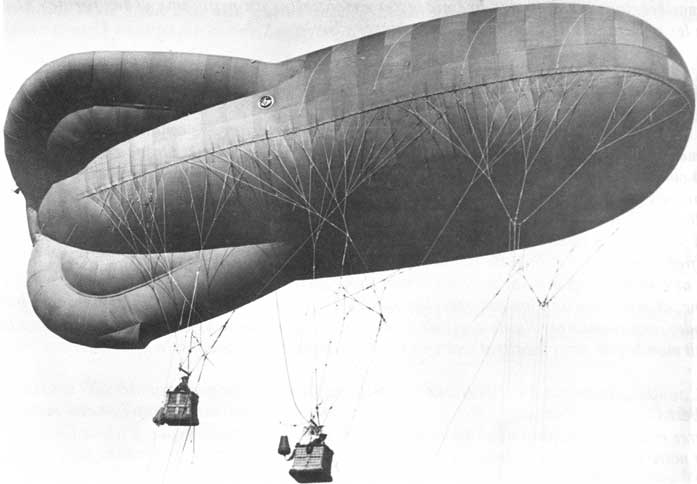
British airships, which were mainly built by British companies, were almost exclusively soft and small - but more than 200 of them were built. Throughout the war they were used almost exclusively for sea patrols, including hunting German submarines, and escorting convoys. They carried out dozens of bombing attacks on the discovered submarines, but it is not very clear whether they sank at least one reliably. They were much more effective at directing patrol ships and bombers at them. In addition, German raiders and submarines always had to be aware of the possibility of detection from the air, which did not facilitate their actions.
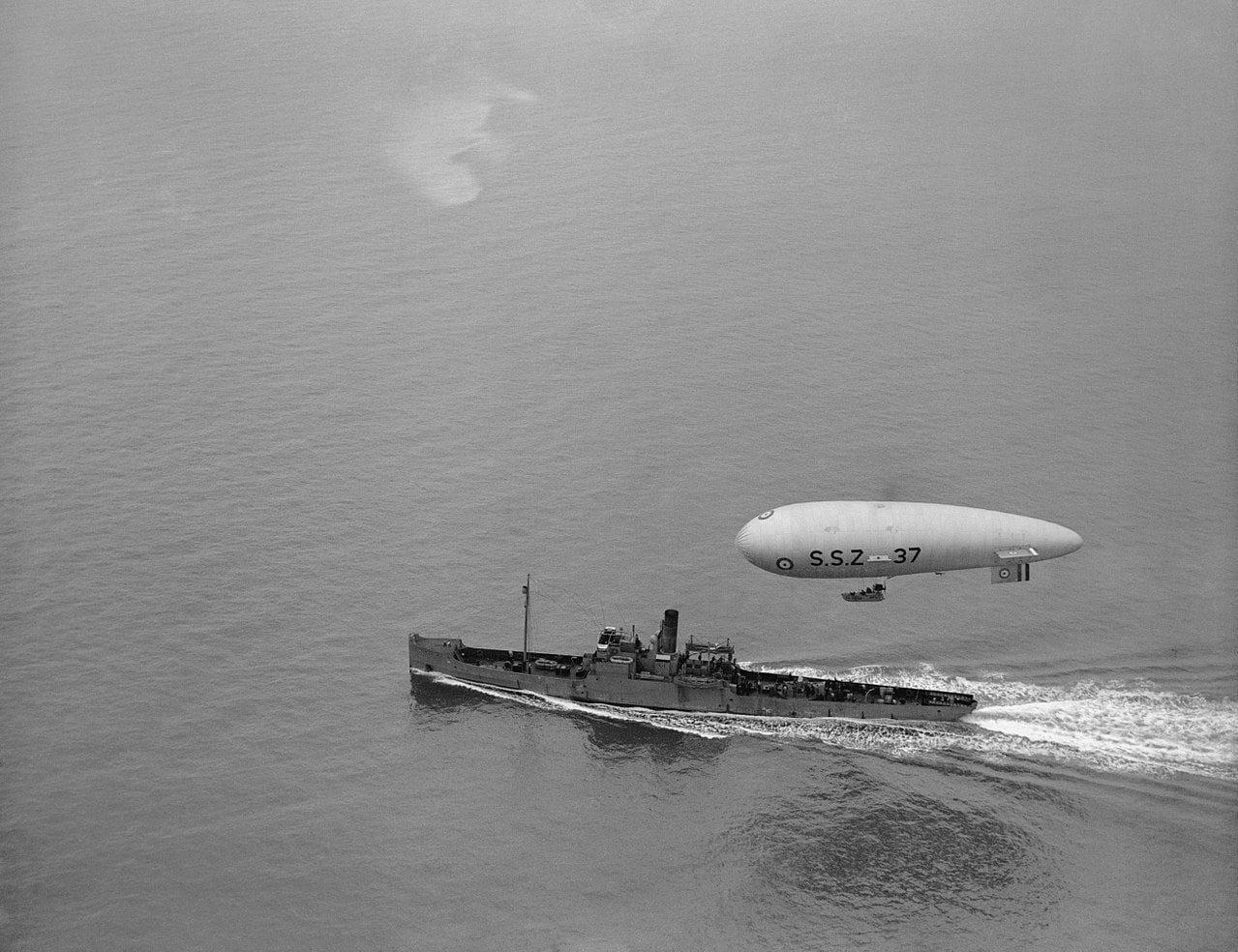
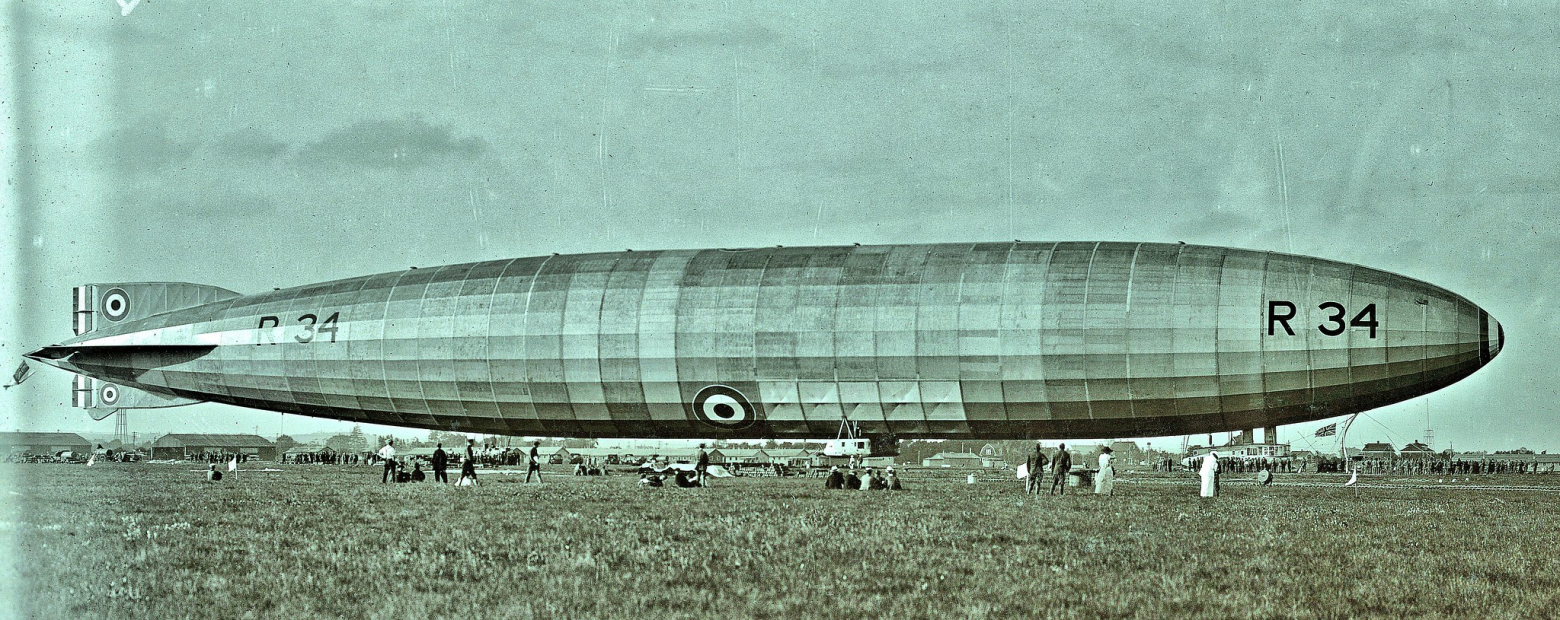
But the construction of rigid airships, despite significant efforts, did not go well for the British: several units were built, but not very successfully, they were almost never used in combat. They were able to build really smart rigid airships in the UK only after studying the captured Zeppelin L-33 that came to them almost intact. But construction was completed after the end of the war, and British rigid airships went down in history for only two reasons: the first experiments with outboard fighters under the 23R airship, and the first transatlantic flight of the R-34 in 1919 from Scotland to Long Island.
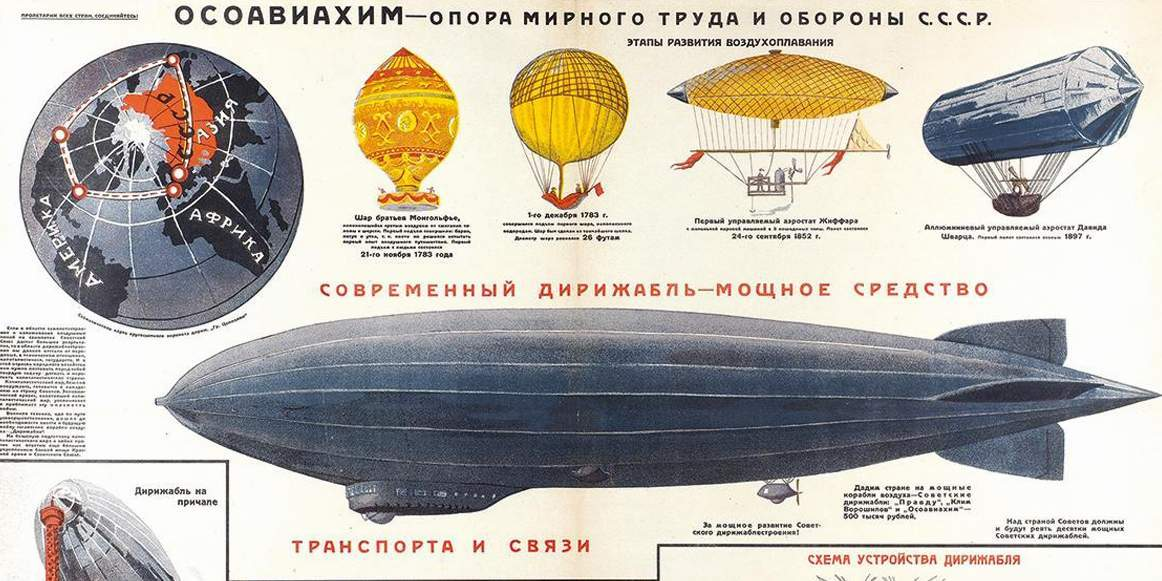
After the First World War, despite a number of bold projects, interest in airships quickly faded in France and Britain: it became too obvious that the future belonged to airplanes, and airships were now inferior to them in an increasing number of parameters. Both countries experimented a little in the 1920s with flights to distant colonies, but after a series of tragic accidents they abandoned this idea, focusing purely on airplanes. The development of airship construction in Interbellum continued in earnest only in four countries. In Italy, Umberto Nobile created a strong school for building semi-rigid airships - and he also helped a lot in launching their construction for the ambitious Soviet “Dirigiblestroy” program in the 30s.
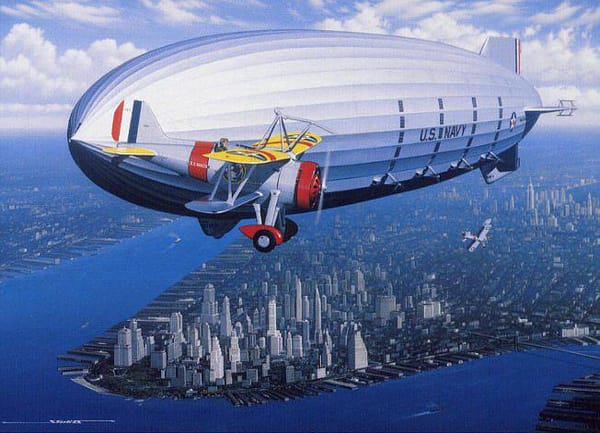
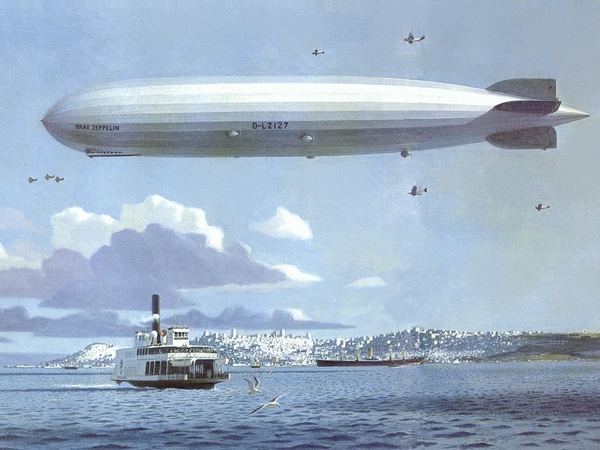
In the United States, the navy took up airships for the purpose of long-distance ocean patrols - primarily over the vast expanses of the Pacific Ocean, which are still too vast even for large flying boats. Moreover, among the airships of the US Navy there were even three real aircraft carriers. Well, the Germans, having acquired colossal and unique experience in the use of large airships of solid construction in the First World War, tried to maintain their position at least on civil air transportation lines - the crown of which was the colossal Hindenburg and Von Zeppelin.
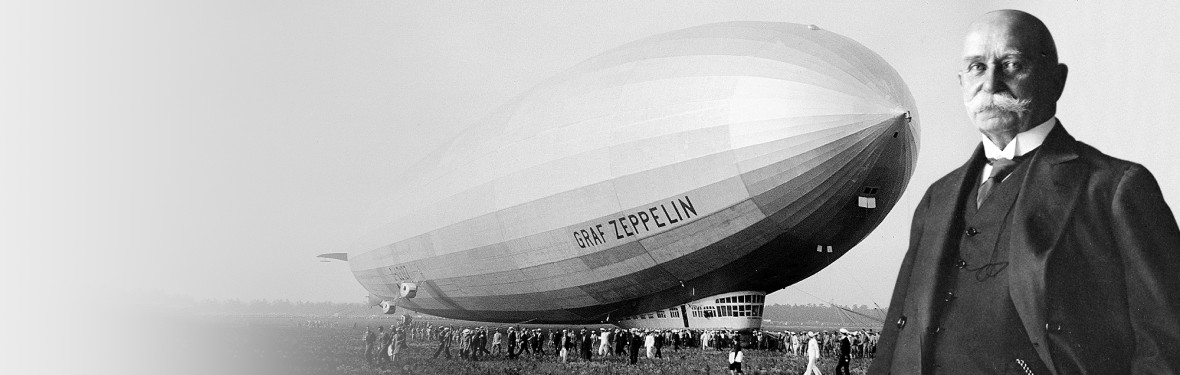
However, we will talk about Germany, its special airships - and why it was the Germans, and not the French pioneers, who became the nation most associated with these airships - in the next part.
© 2025 MT FINANCE LLC
Why This Matters In Practice
Beyond the original publication, Why Airships Never Took Off. Part 2: Rise and Fall of French Airships matters because teams need reusable decision patterns, not one-off anecdotes. How do we saw in the first part, aeronautics was invented in France during the Enlightenment, and the idea of a controlled balloon—literal...
Operational Takeaways
- Separate core principles from context-specific details before implementation.
- Define measurable success criteria before adopting the approach.
- Validate assumptions on a small scope, then scale based on evidence.
Quick Applicability Checklist
- Can this be reproduced with your current team and constraints?
- Do you have observable signals to confirm improvement?
- What trade-off (speed, cost, complexity, risk) are you accepting?