Why Airships Never Took Off. Part 11: Aircraft Carriers in the Sky
The Americans, like the British, mostly used soft-design airships - and brought them to near perfection by the 1950s, achieving many of the characteristics of the best Zeppelins. However, in the early 20s, the leadership of the US Navy decided to experiment with German-type rigid
Editor's Context
This article is an English adaptation with additional editorial framing for an international audience.
- Terminology and structure were localized for clarity.
- Examples were rewritten for practical readability.
- Technical claims were preserved with source attribution.
Source: the original publication
Series Navigation
- Why Airships Never Took Off. Part 1: From Montgolfier to a Borodino Bomber
- Why Airships Never Took Off. Part 2: Rise and Fall of French Airships
- Why Airships Never Took Off. Part 3: Birth of the German Zeppelins
- Why Airships Never Took Off. Part 4: The Kaiser's Airships Go to War
- Why Airships Never Took Off. Part 5: Shadows Over Britain
- Why Airships Never Took Off. Part 6: London Under the Bombs
- Why Airships Never Took Off. Part 7: Fire in the Sky
- Why Airships Never Took Off. Part 8: The End of Wartime Zeppelins
- Why Airships Never Took Off. Part 9: Ashes of War and New Opportunities
- Why Airships Never Took Off. Part 10: The Most Famous and Successful Zeppelin
- Why Airships Never Took Off. Part 11: Aircraft Carriers in the Sky (Current)
- Why Airships Never Took Off. Part 12: Italian Semi-Rigid Airships
- Why Airships Never Took Off. Part 13: Through the North Pole aboard the Norge
The Americans, like the British, mostly used soft-design airships - and brought them to near perfection by the 1950s, achieving many of the characteristics of the best Zeppelins. However, in the early 20s, the leadership of the US Navy decided to experiment with German-type rigid airships for long-range ocean patrols. The crowning achievement of this program was a pair of giant Ekron-class aircraft carriers capable of carrying several aircraft.
Part 1: from hot air balloon to bomber for Borodino
Part 2: the birth and death of French airship construction
Part 3: the birth of the German Zeppelins
Part 4: The Kaiser's skyships go to war
Part 5: Shadows over Britain
Part 6: London under the bombs
Part 7: Fire in the Sky
Part 8. finale of military zeppelins
Part 9: Ashes of War and New Opportunities
Part 10: the most famous and successful of Zeppelins
Part 11: aircraft carriers in the skies ← you are here
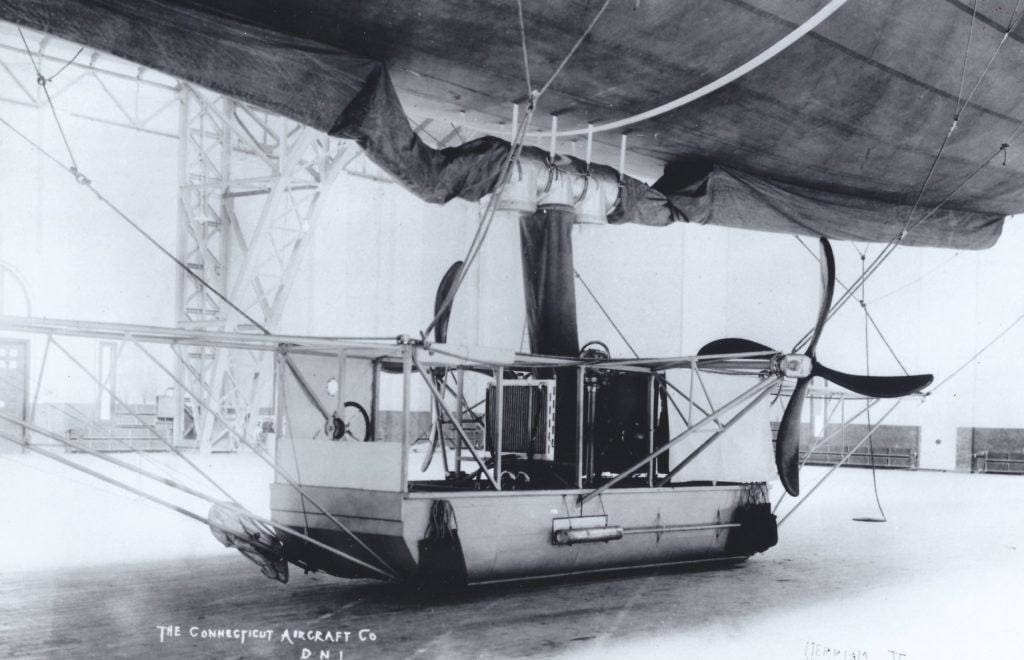
In the United States, before World War I, the military had little interest in airships. However, the use of German Zeppelins for bombing and especially for long-range maritime reconnaissance greatly changed their views. Already in early 1915, the US Navy announced a tender for the construction of an experimental airship for maritime patrol. It was won by the newly created Connecticut Aircraft company, which had absolutely no experience in airship construction, but offered the lowest price. The chief engineer was considered the best specialist in this field on the grounds that he had flown in a hot air balloon once. The result was... appropriate.
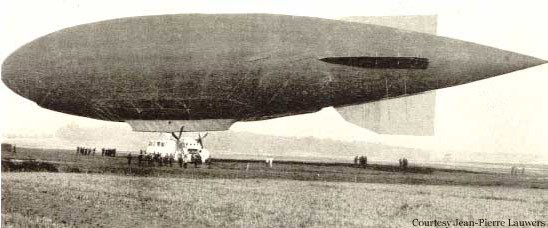
In order not to reinvent the wheel, we took as a basis the average appearance of German airships of soft construction, produced by the Parsifal company. The cylinder had a length of 54 and a diameter of 11 meters with a volume of carrier gas of slightly more than 3,200 cubic meters. The device was called DN-1: Dirigible Non-rigid Number 1 (“Soft airship number 1”). The first flight began on April 20, 1917 from a floating boathouse near Pensacola in Florida with a large crowd of people - and immediately ended in a fall into the water due to an error in the calculations: the weight was too heavy. However, one of the crew members, Chief Sergeant Shade, did not lose his presence of mind: while floating in the water, he invited the audience to “join the first ever underwater flight on an airship.”
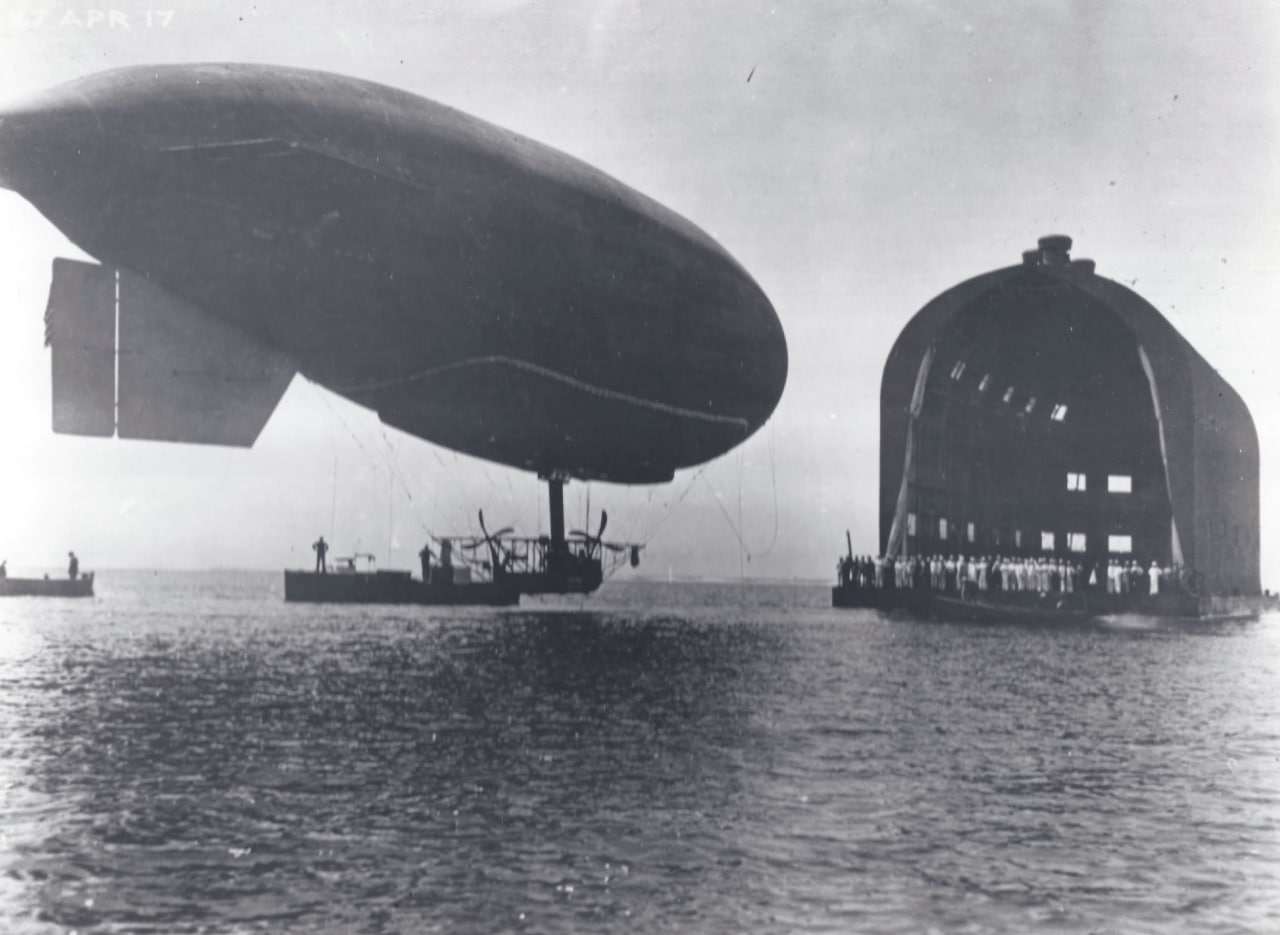
The device was lifted, repaired, and everything that could be removed was removed, but it was still difficult to rise into the air, which was aggravated by constant hydrogen leaks. On the second test flight, the DN-1 was flown by a hired Austrian, Hans Stagel, who claimed to have experience driving airships. Having risen into the air with some difficulty, the car could not reach the contractually required speed of 56 km/h - Stagel was able to achieve it only in a shallow dive. Then the airship carried out a series of maneuvers, simultaneously descending to the water several times and rising higher. The audience greeted this with applause - but later the pilot explained that he was doing the descents to get water: due to further design errors, the bronze bearings melted during engine operation, and they needed to be cooled.
After several test flights, the military wrote off the DN-1 out of harm's way - but they still accepted the airship building program. We started with lightweight airships, but this time we involved professionals in aircraft manufacturing and rubber products in the design and construction, and also received information about airship construction from the British and French. The first series of 20 soft airships of type B - the DN-1 was decided to be considered type A - was built in 1917-1918. They were stationed at naval bases, mostly on the east coast, and were actively used for maritime patrol at the end of World War I and a couple of years after.
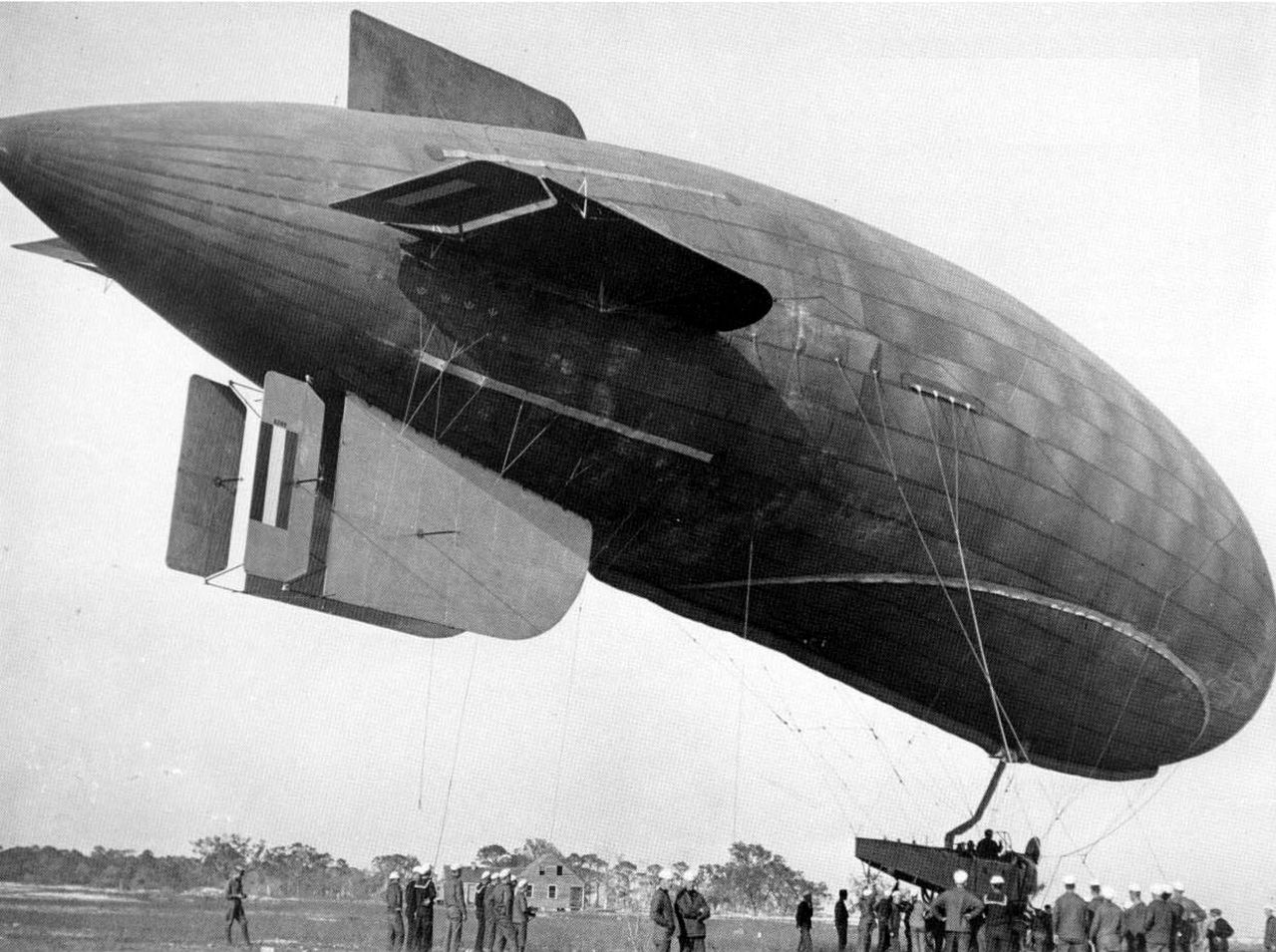
The experiment was considered successful - and a series of soft airships were produced for the US Navy until 1957 (!). In World War II, they were very useful during the difficult time for the Americans in the first half of 1942, when German submarines were rampant off the East Coast of the United States, in the Caribbean Sea and the Gulf of Mexico. In the 1950s, soft airships of the American Navy took part in nuclear tests, and were even considered as possible carriers of Mk-101 atomic depth charges. The last two N-type cars were written off in 1962, on the eve of the Cuban missile crisis. These were already 100-meter high-tech devices with long-range detection radars built into the dome and a crew of 21 people, capable of multi-day intercontinental flights no worse than the Zeppelins of the 1930s.
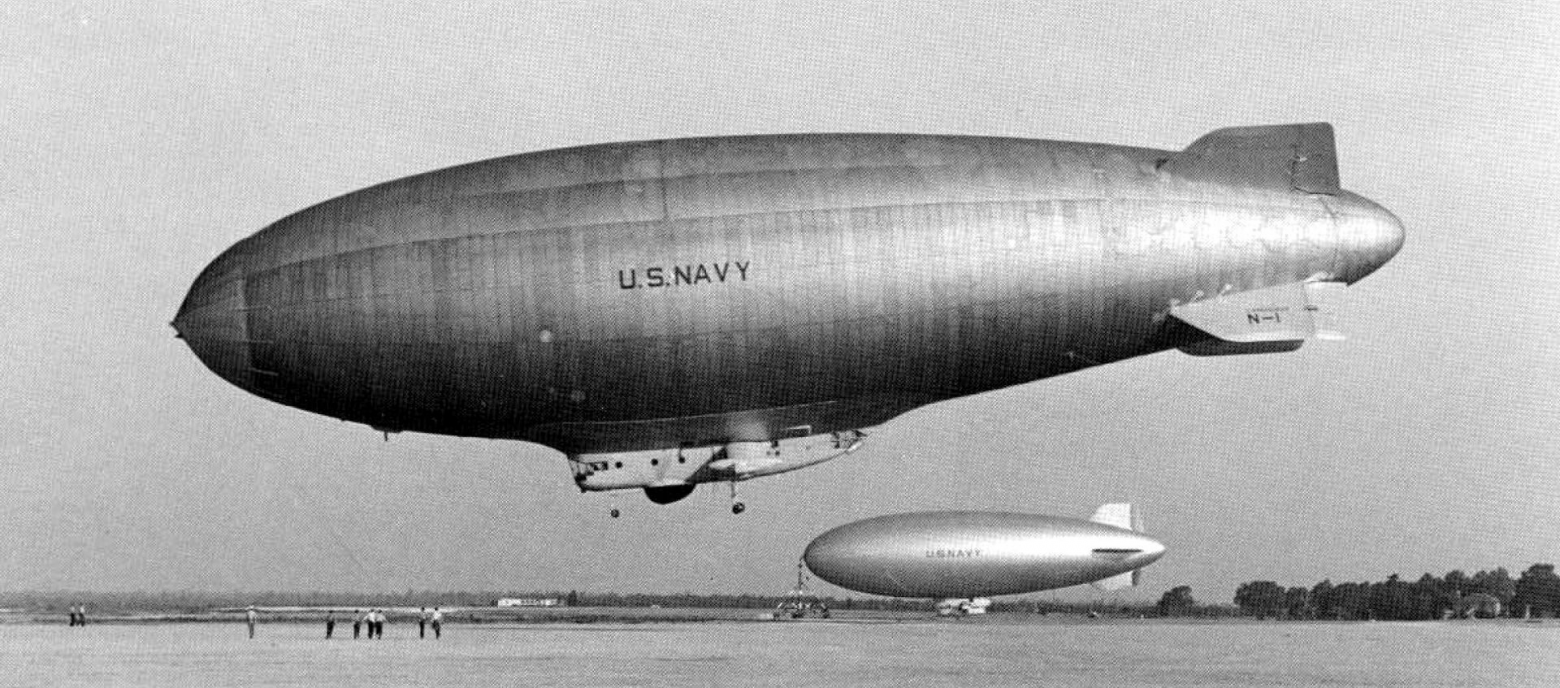
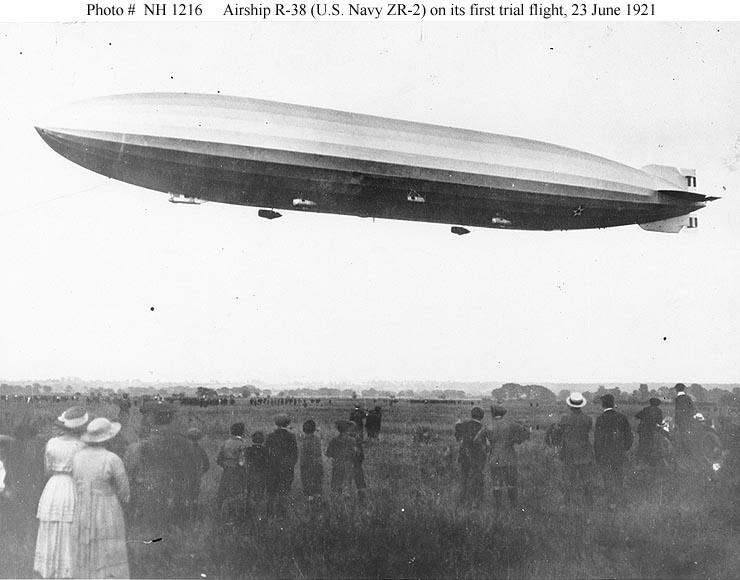
However, in the early 1920s, soft-design airships were not yet suitable for the role of long-distance ocean reconnaissance aircraft: the supply of fuel and other things was too small, and their vulnerability was too high when caught in a storm. Therefore, it was decided to begin construction of rigid airships. The first project, ZR-1 (Zeppelin Rigid, “rigid zeppelin”), was based on the design of the L-49 high-altitude zeppelin captured during landing in France, as well as the results of studying the remains of other German airships. While it was being designed, the unfinished R-38 was bought from the British, which was supposed to receive the ZR-2 index. But due to the inexperience of the designers and the carelessness of the maintenance personnel, it literally cracked, fell apart in the air, caught fire and exploded during one of the first flights on August 24, 1921. On board, 28 of the 32 British and 16 of the 17 Americans died.
The former Army base at Lakehurst in New Jersey, near the Atlantic coast between New York and the Chesapeake Bay, was chosen to house the large airships. In 1921, it was transferred to the US Navy, and a huge boathouse was erected on it for the construction and storage of airships, about 300 meters long and 110 meters wide with a height of 68 meters. It was there that the assembly of the ZR-1 began in June 1922. This time the American Navy carried out construction on its own, without relying on external contractors: structural elements were produced at the Naval Aviation Plant in Philadelphia and delivered by rail directly to the boathouse in Lakehurst.
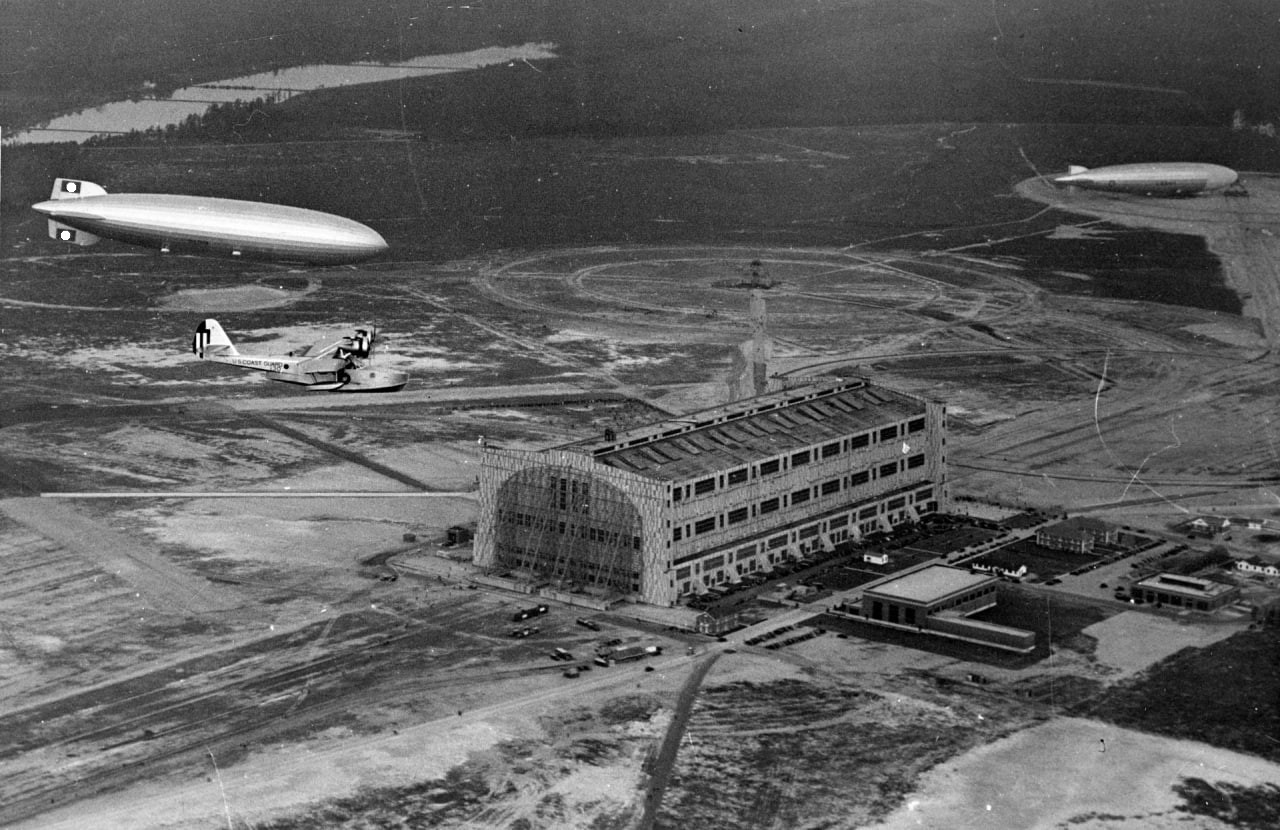
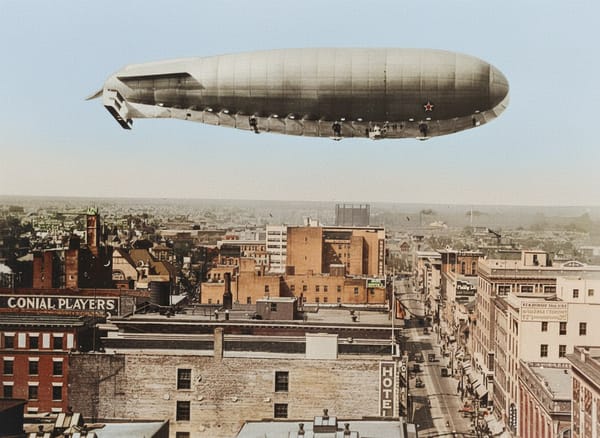
The apparatus was completed in August 1923. The airship had a length of 207 and a diameter of 24 meters; could accelerate to 110 km/h. For obvious reasons, it was very reminiscent of the later military zeppelins of Germany - outwardly it differed from them mainly in its silver rather than black and beige coloring, and the symbols of the American fleet on the sides. The use of inert helium rather than flammable hydrogen as a carrier gas was revolutionary. The problem was that separating it from natural gas was complex and expensive, and very little of it was produced, almost exclusively in the United States. To fill the ZR-1 cylinders with a total volume of 59 thousand cubic meters, it was necessary to buy out almost all the helium reserves available in the country. Bleeding it, as was done with cheap and readily available hydrogen, was strictly prohibited, and a number of new solutions had to be used to regulate the height - such as condensing water for ballast from engine exhaust gases.
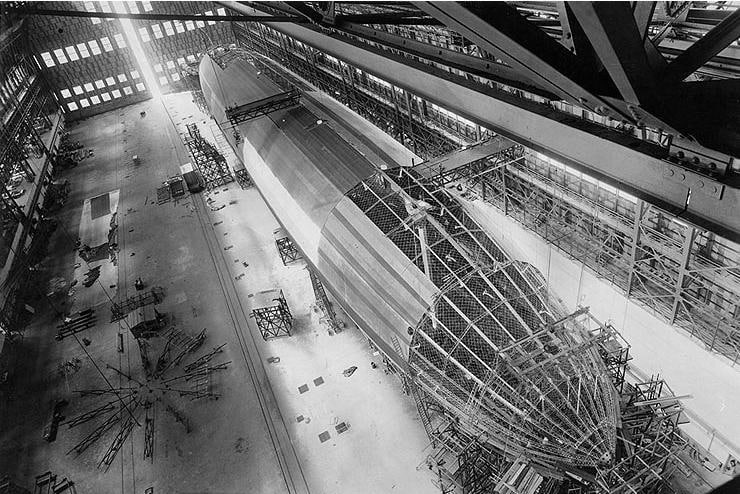
On September 4, more than 400 military personnel and civilian volunteers led him out of the boathouse in the presence of 15 thousand spectators. The first test flights were successful - and one of the former captains of the German Zeppelins and a design engineer from the Zeppelin Luftschiffbau company were invited as consultants. After a series of increasingly longer flights, first to Philadelphia and Washington, then to the Mississippi River, the ZR-1 was officially introduced into the fleet on October 10, 1923. If soft airships were registered on the model of naval aviation aircraft, then rigid airships were considered equal to ships, and received names with the typical prefix USS, United States Ship. At the ceremony, the ZR-1 became the USS Shenandoah, in honor of the valley of the same name in Virginia. It is believed to come from one of the extinct Indian languages, and is translated as “river flowing among the firs.” But local residents prefer the version that the word means “Daughter of the Stars,” and this is the meaning they had in mind when naming the name of the first American airship of a rigid structure.
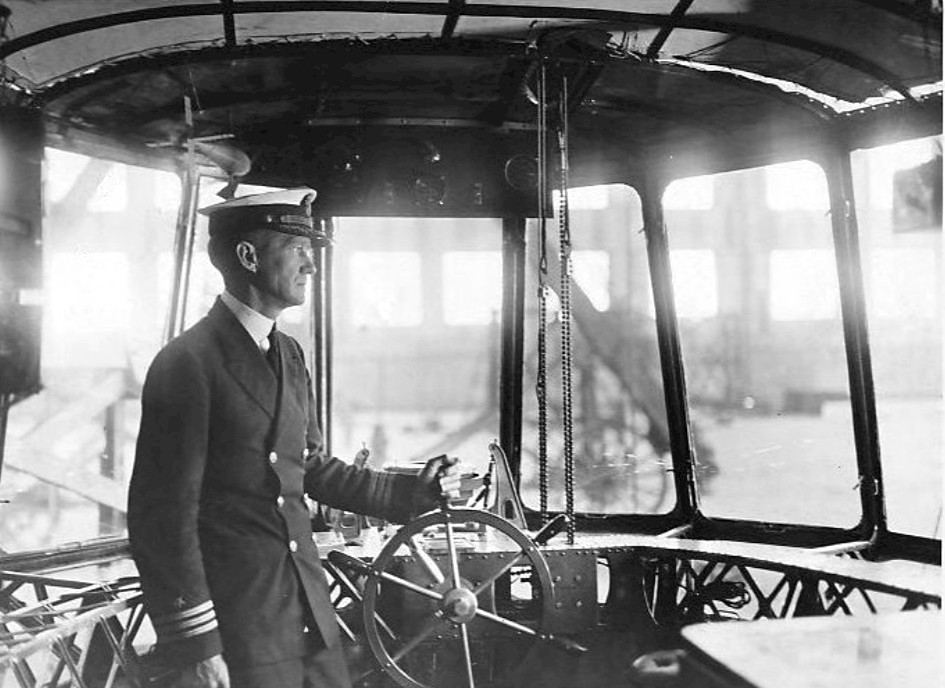
“Shenandoah” quite confidently flew both over land and over the ocean, and the command of the American fleet thought about testing in the Arctic, coupled with scientific research work (and at the same time reconnaissance) - much like the “Graf Zeppelin” flew on a joint northern expedition with the USSR. However, on January 16, 1924, when the airship was moored to the mooring mast - the Americans, unlike the Germans, were very fond of and widely used this method of mooring - a strong storm began. In general, everything started according to plan: they knew about it in advance, they specifically wanted to check how the airship would behave in such a situation when moored at the mast and then in the air, and the crew was waiting on board. One thing they couldn't predict was that not just a storm arrived, but the strongest storm on the East Coast in 50 years.
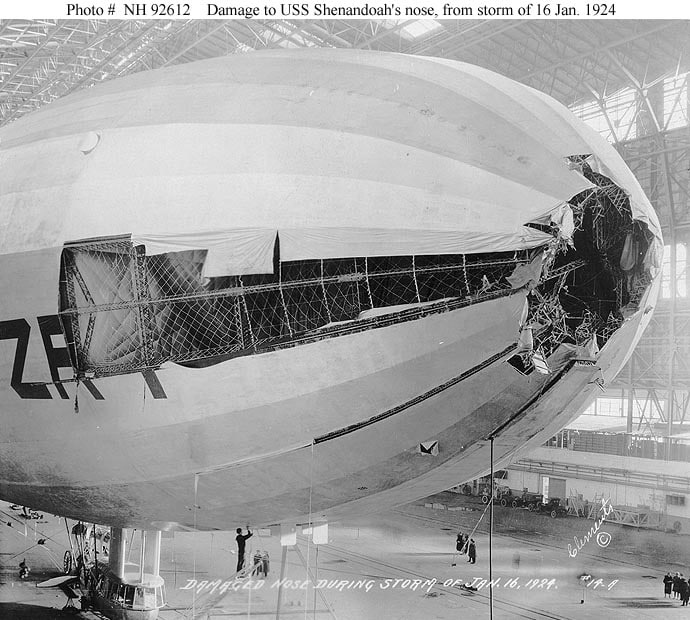
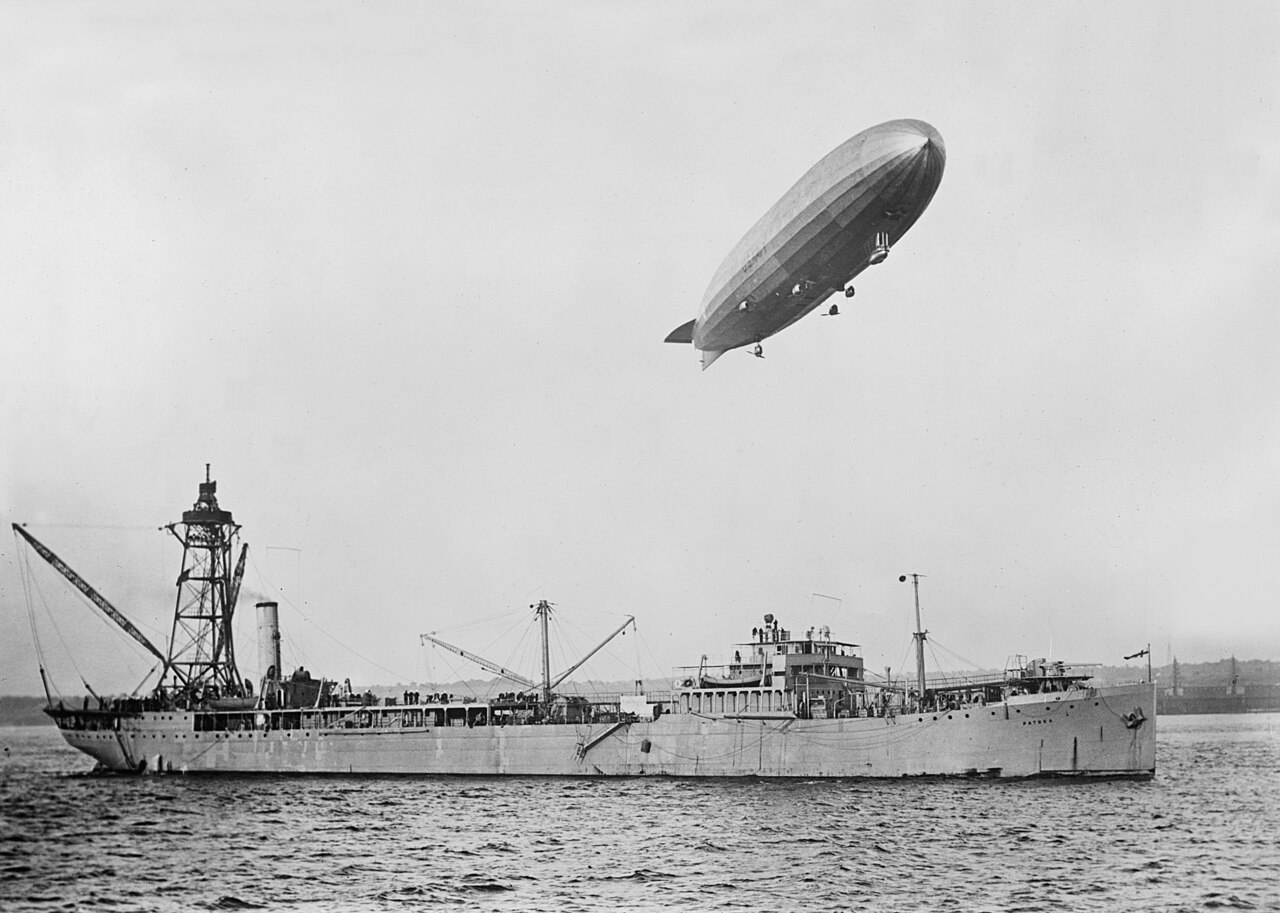
The crew was already warming up the engines when wind gusts of about 35 m/s hit the airship. At 18:44 it was torn from the mast: the bow remained in place, two helium tanks were lost, and the airship rushed west. Captain McCrary ordered an emergency dump of all ballast in order to rise above the storm. Only when the storm subsided, the next morning, was the damaged Shenandoah able to return to base. The renovation took four months, until May. Then operation proceeded quite normally for a long time. The airship successfully participated in naval exercises, and to supply it on the high seas, the naval transport USS Patoka was specially converted and equipped with a mooring mast. In October, Shenandoah flew along almost all the sea and land borders of the continental United States, visiting most of the country's major cities, where it was greeted by enthusiastic crowds of spectators. In addition, on the way from Texas to California, the crew experimented with flying in the narrow valleys and gorges of the Rocky Mountains, which several times almost led to a crash. But fate was kind to the ZR-1 for some time.
The luck ran out on September 3, 1925. The airship went on another tour of the cities of the Midwest, at the same time intending to check out a new mooring mast in Detroit. However, over Ohio, he encountered another storm with severe vertical turbulence. The huge machine was thrown around like a matchstick, and in the end the structure could not stand it. First, the control gondola, installed according to the old German model, on beams under the hull, came off - everyone in it died, including Captain Zechariah Lansdowne. Then the dome was torn into three parts, each of which left crew members - some of them also fell out and died. Since some of the cylinders were damaged and lost gas, all three parts after some time smoothly sank to the ground in different places. Of the 43 people on board, 14 died.
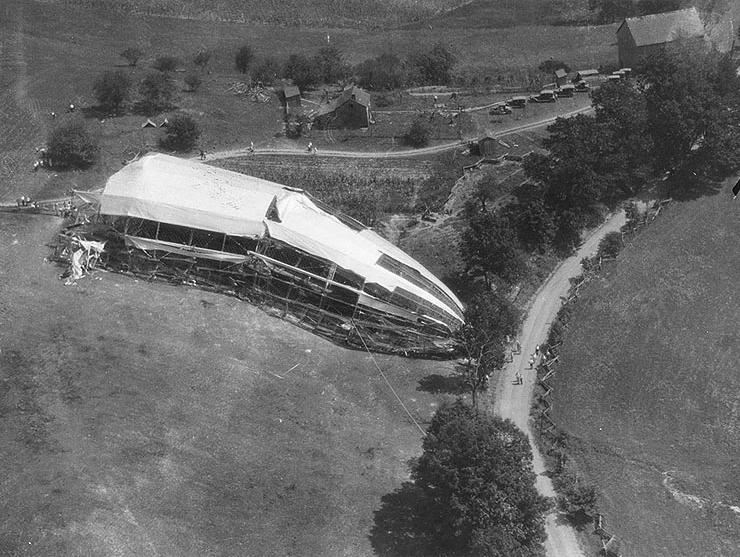
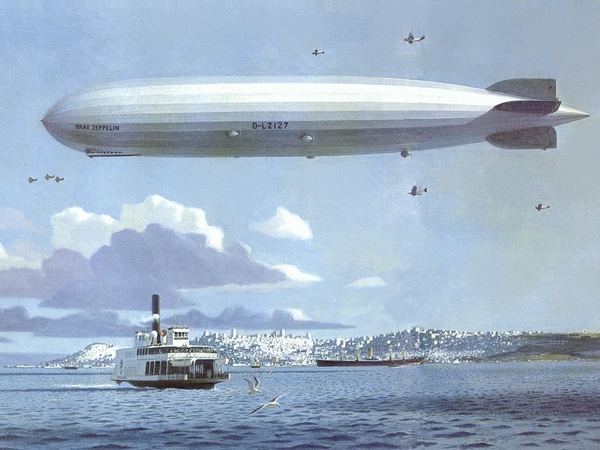
In total, the Shenandoah made 59 missions and covered 45 thousand kilometers - and its death was not considered a reason to close the program. However, from that moment on, all further American airships began to be made with a gondola modeled on post-war Zeppelins, “pressed” into the dome. The contours were also changed according to the model of the new German airships, which gave not only better aerodynamics, but also increased strength: the high-altitude zeppelins of the war and the Shenandoah based on them were too long and narrow - this was one of the reasons that the structure broke into three parts. It was all the easier to make amendments because on November 25, 1924, the ZR-3 was introduced into the US Navy - aka LZ-126, ordered from Zeppelin Luftschiffbau and built in Germany using all post-war innovations. The head of the company, Hugo Eckener, personally brought him from Friedrichshafen to Lakehurst across the Atlantic Ocean.
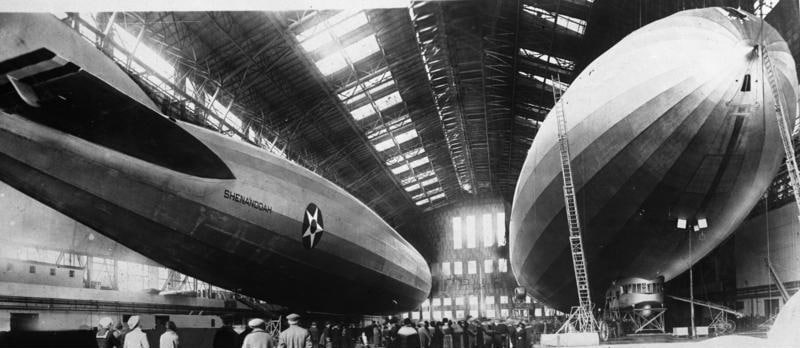
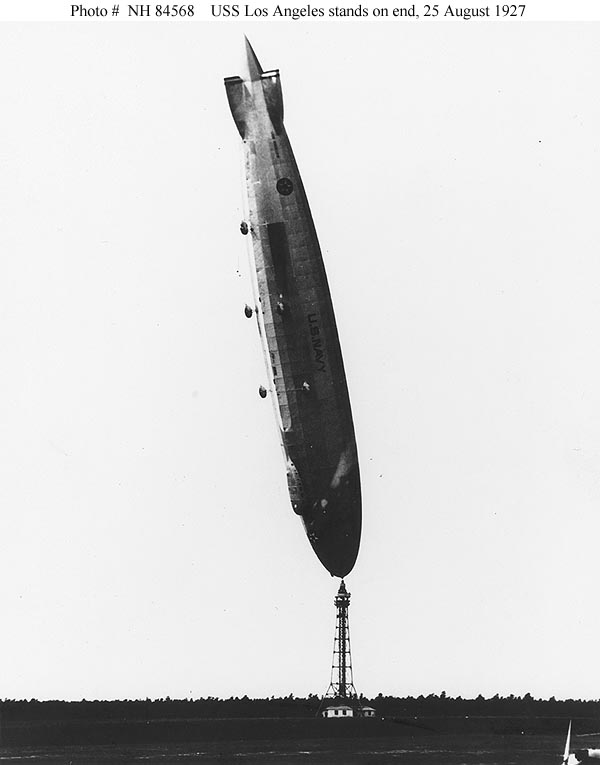
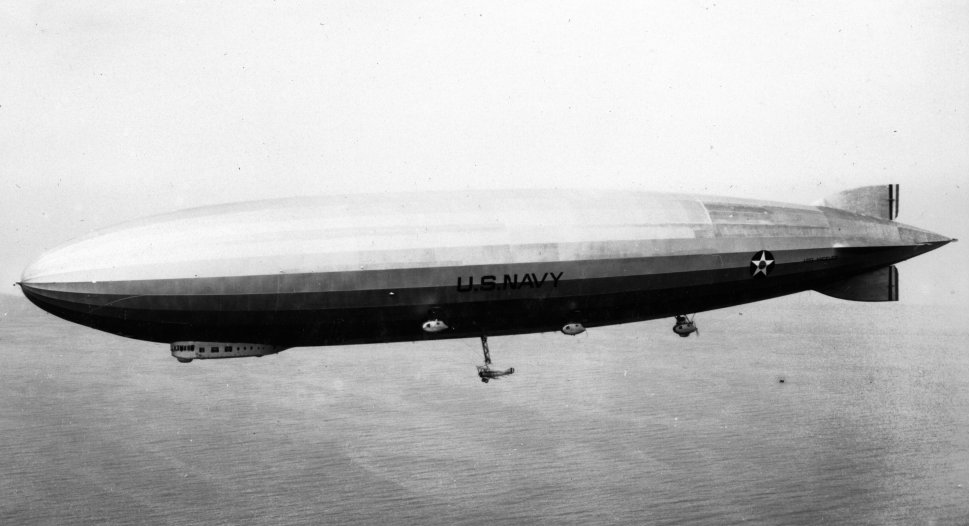
In the American Navy, LZ-126 was named USS “Los Angeles” and became the most reliable and successful of all rigid airships used in the United States. The most severe incident in the history of its operation was a situation that was more comical than dangerous. On August 27, 1927, while she was moored to the mast at Lakehurst, a sharp gust of wind lifted her tail into the air - where, by coincidence, a layer of colder, denser air ended up. As a result, to the amazement of both eyewitnesses outside and even more so the crew, the Los Angeles rose almost vertically. In the end, it was possible to return it to a horizontal position with almost no damage, and the very next day it continued flying, but photographs of the airship in a very inappropriate form spread across all the newspapers.
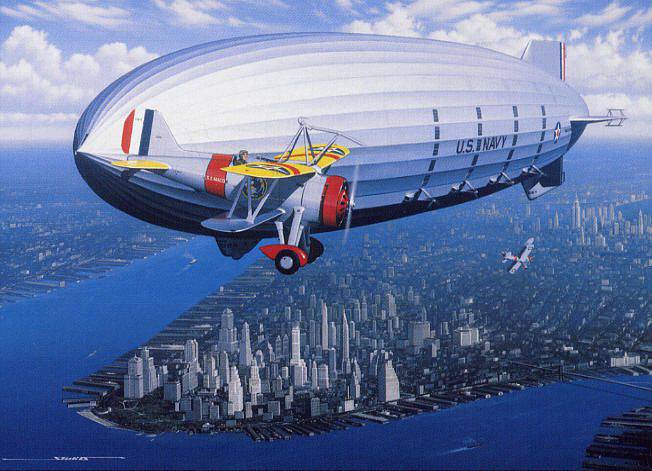
The Los Angeles operated without much incident until 1939, when it was decided to stop using rigid airships. In 1929, experiments were carried out on it with a new device: a “trapezoid” of a special design, which made it possible to hook and take on board aircraft during flight. This was the first step towards Project Akron: the construction of rigid airships with the functions of an aircraft carrier for the US Navy. The aircraft were supposed to both expand the reconnaissance functions of the airship during ocean patrols and protect it in the event of an attack by enemy aircraft.
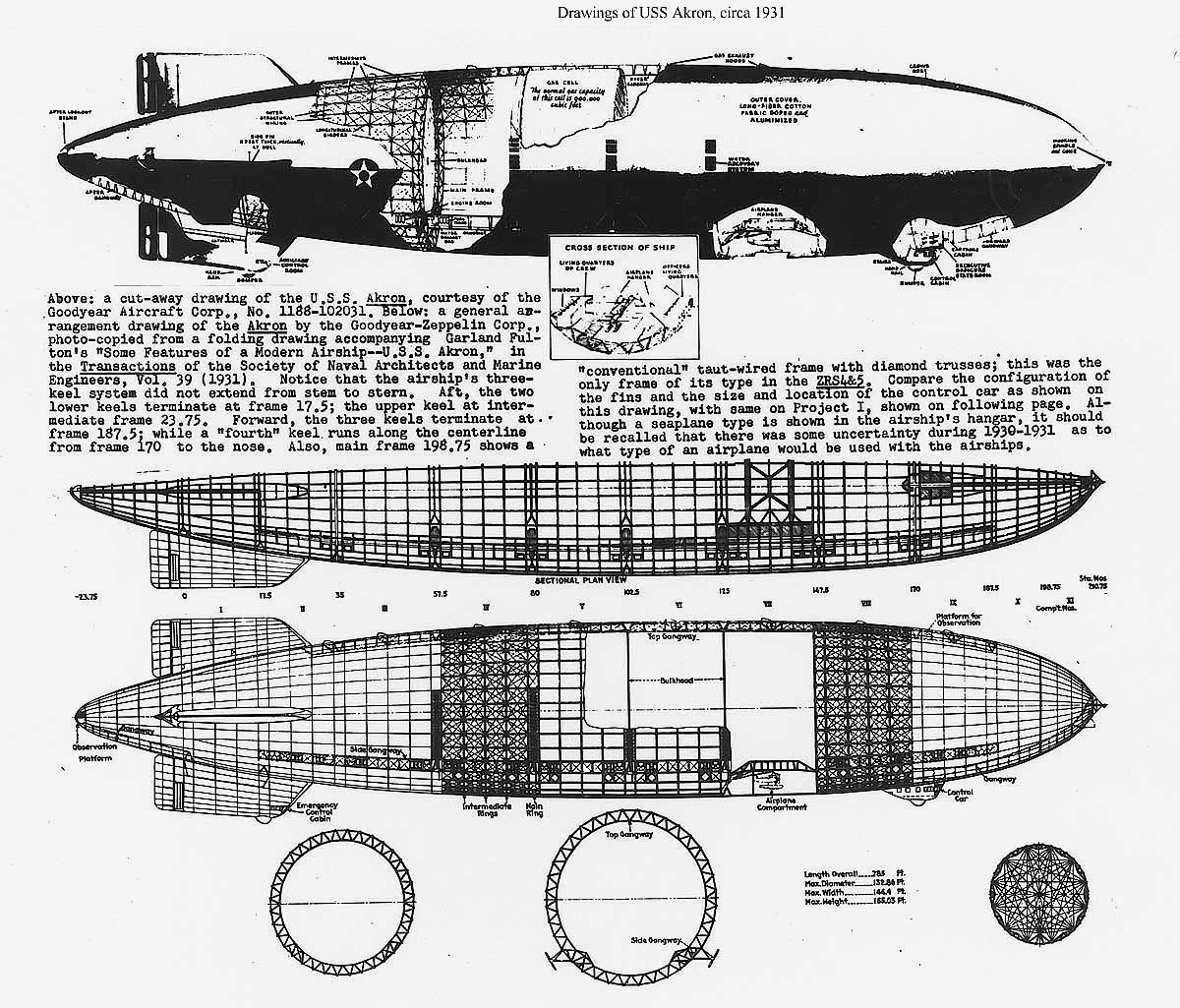
The design and construction of aircraft carriers was entrusted to the joint American-German company Goodyear Zeppelin, created in 1924, in which engineers and other specialists from Zeppelin Luftschiffbau participated. They were supposed to surpass the size of all previous airships - and for their construction in the town of Akron, Ohio, the Goodyear company built a boathouse even larger than Lakehurst's in 1929. It measured about 360 meters in length, 100 in width and 64 in height. Immediately after the completion of the hangar, the ZRS-4 was laid down in it, and in August 1931 it was completely ready for flight.
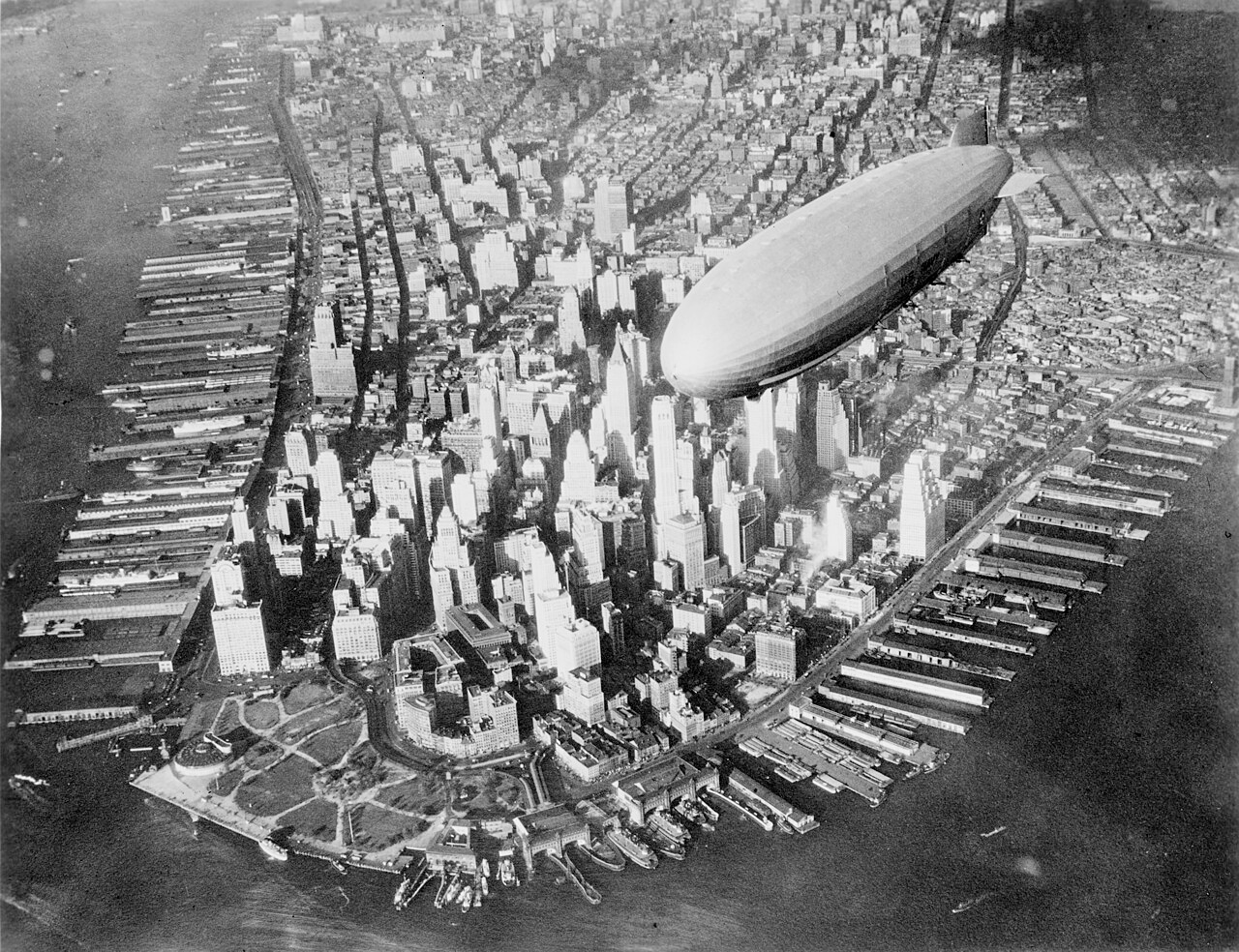
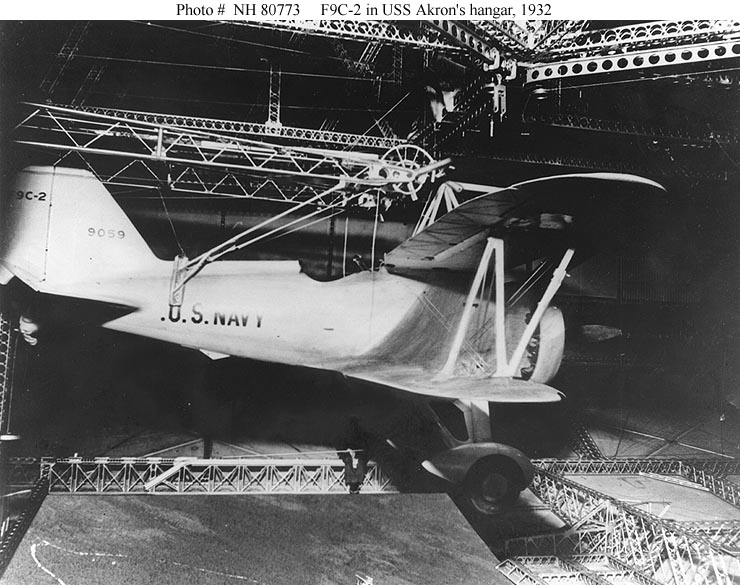
ZRS-4 was accepted into the fleet on October 27, 1931 and was named USS Akron after the city where it was built. The airship had a length of about 240 meters, a maximum dome width of 40 meters, and cylinders for 180 thousand cubic meters of helium. It could accelerate to 135 km/h, was controlled by a crew of 60 people, and had a hangar built into the central part of the dome for 4 F9C Sparrowhawk aircraft, lowered on the “trapeze” and returned inside it. Another aircraft could be transported on an external sling. In addition, it had a lowered observation gondola modeled after some of the German army zeppelins. In one of the first test flights, Ekron carried 207 people on board - this showed the possibility of urgently transferring small detachments of troops to remote islands.
In January 1932, he took part in fleet exercises, in which he covered about 5 thousand kilometers in search of mock enemy ships, and successfully discovered some of them. In May, he conducted the first in-flight training exercises. Then there were repeated exercises, breakdowns and repairs, as well as a ceremonial flight over Washington during the inauguration of the new US President Franklin Roosevelt in March 1933, and a flight to Panama and back. In general, the airship showed itself quite confidently, including in the role of a reconnaissance aircraft carrier.
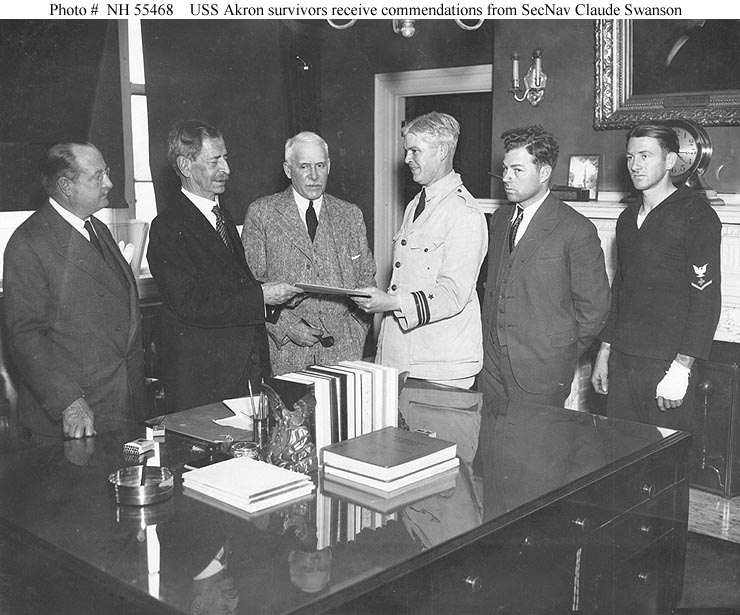
On April 3, 1933, Ekron began a routine flight off the East Coast to calibrate ground-based direction-finding stations. On board, in addition to the crew, were the main lobbyist for the construction of rigid airships in the fleet, Rear Admiral William Moffett, Lakehurst Air Force Base commander Fred Berry and a number of other significant persons. Over the sea, the airship was first enveloped in thick fog, and then one of the strongest storms in the history of the US East Coast hit it with strong vertical gusts. As a result, after several minutes of struggle, the aircraft carrier crashed into the stormy ocean and quickly sank. The nearby German merchant ship Phoebus rescued first mate Herbert Wiley and three other people from the water, one of whom soon died. An organized large-scale search and rescue operation by the US Navy found only a small number of dead bodies in the water: as it turned out, there were simply no life jackets on board. Of the 76 people on board, 73 were killed, including all the officers except Wiley. For him, this was already the second airship disaster: earlier he was among the survivors of the Shenandoah crash.
Less than a month later, on April 21, 1933, the sister ship of the deceased Ekron, ZRS-5, made its first flight. She was commissioned into the fleet on June 23 as USS Macon, and received a supply of life jackets to accommodate all crew members. He actively and successfully participated in fleet exercises, effectively using aircraft based on board for reconnaissance. It became common practice to remove the landing gear from them and replace them with a drop tank, which increased the flight range by 30%, with a practical radius of more than 500 km. Unlike other rigid airships, the Macon served primarily on the West Coast: in October 1933, it was transferred to a new base in Sunnyvale, California, which was named Moffett in honor of the deceased rear admiral.
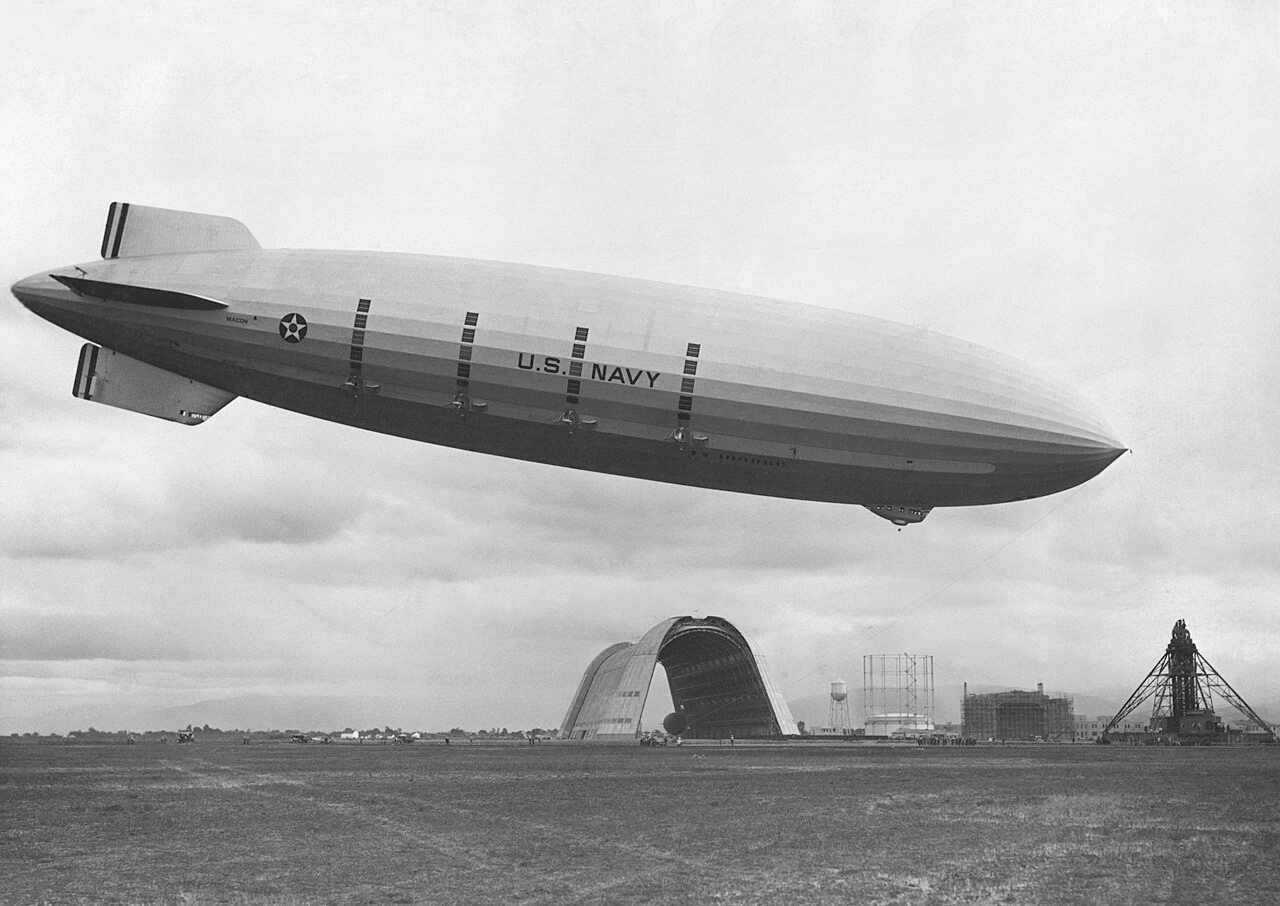
When President Roosevelt went to Hawaii in July 1934 aboard the heavy cruiser Houston, the Macon successfully found him in the ocean - and fresh newspapers were dropped from the new experimental Waco UBF XJW-1 onboard biplanes for the president onto the deck of the cruiser. This was the initiative of the captain of the aircraft carrier, the rescued first mate of the Ekron, Herbert Wiley, the cruiser's route was classified, and disciplinary measures were going to be applied to him - but this was not done after Roosevelt's telegram of gratitude.
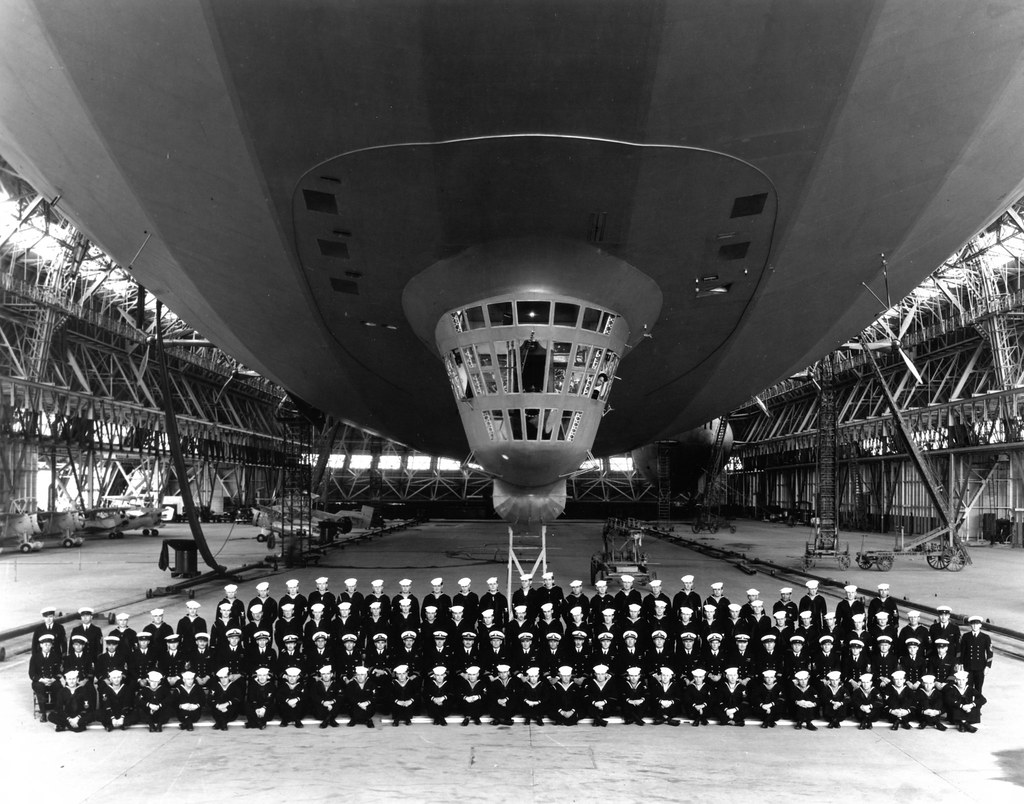
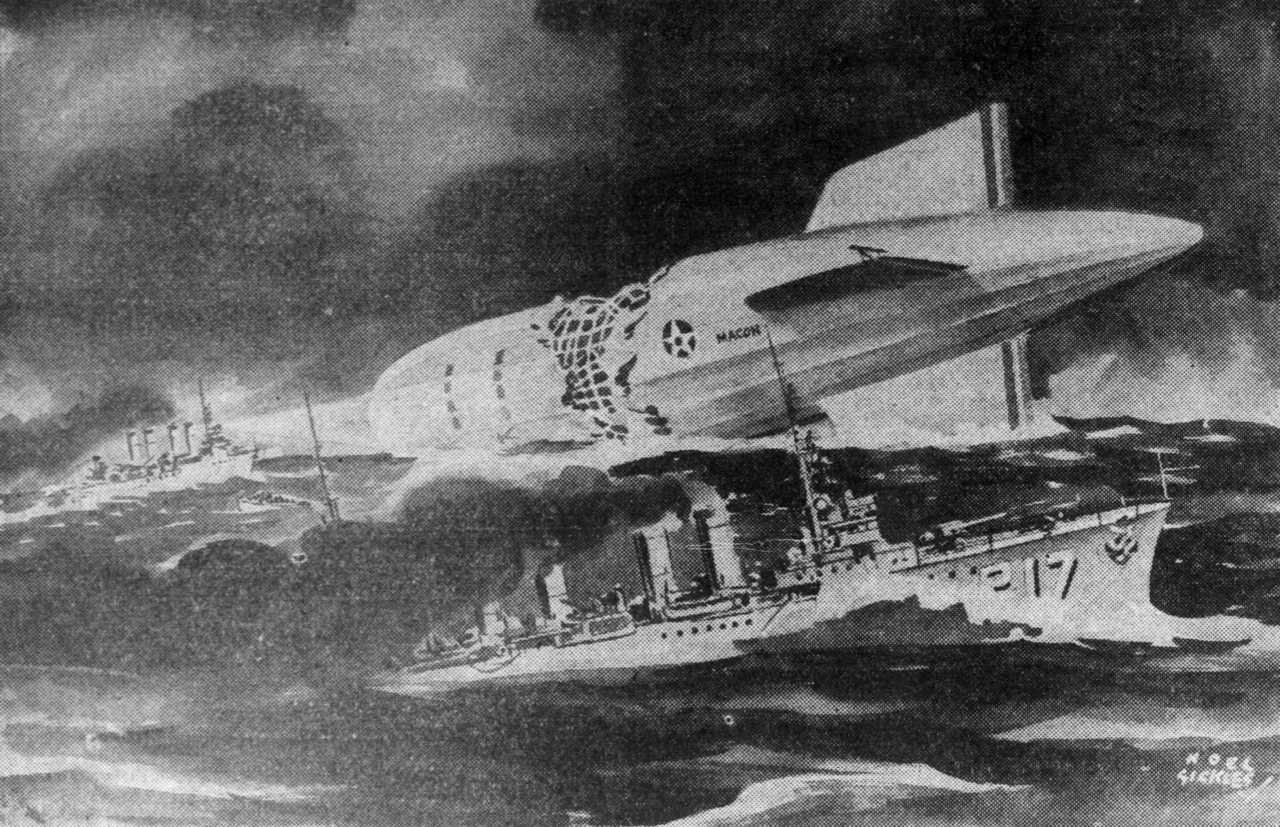
On February 13, 1935, while returning over the ocean to base, the Macon ran into a severe storm. Due to insufficiently high-quality repairs carried out earlier, the wind tore off the tail stabilizer, which caused several gas cylinders to be pierced. Wiley ordered all ballast to be dumped, and the crew struggled for some time, trying to bring the damaged car to shore. However, when there were about 10 miles left, the airship still touched the water. Before this, an SOS signal was sent from the board, a report on what was happening and approximate coordinates. The crew in life jackets left the gradually sinking airship. Despite the winter, the ocean near California was warm enough, and everyone safely waited for the arrival of the cruisers that took them on board. Only two died: one crashed into the water, panicking and jumping too early, and the second tried to return to the submerged gondola for things and drowned. And Herbert Wiley became the only person in history to survive three airship disasters.
The crash of the Ekron, on board which killed many important lobbyists for rigid airships, and the crash of the Macon put an end to further plans for the construction of “American Zeppelins.” In addition, soft airships were rapidly progressing - which in the USA had already begun to approach the capabilities of early Zeppelins, and at the same time were much cheaper and simpler. The project of a 270-meter ZRCV with nine dive bombers on board was closed, and Los Angeles quietly served its purpose and was decommissioned in 1939. Well, soft airships, as already mentioned, were used by the US Navy until the early 1960s, eventually becoming equal in many parameters and capabilities to the later Zeppelins. But there were no longer any aircraft carriers among them.
© 2026 MT FINANCE LLC
Why This Matters In Practice
Beyond the original publication, Why Airships Never Took Off. Part 11: Aircraft Carriers in the Sky matters because teams need reusable decision patterns, not one-off anecdotes. The Americans, like the British, mostly used soft-design airships - and brought them to near perfection by the 1950s, achieving many of the...
Operational Takeaways
- Separate core principles from context-specific details before implementation.
- Define measurable success criteria before adopting the approach.
- Validate assumptions on a small scope, then scale based on evidence.
Quick Applicability Checklist
- Can this be reproduced with your current team and constraints?
- Do you have observable signals to confirm improvement?
- What trade-off (speed, cost, complexity, risk) are you accepting?