Tiny Core Linux 16.2: A Full-Fledged System Weighing 23 MB. What Is It and Why?
Tiny Core Linux is a fully functional Linux distribution that takes up just 23 MB after installation. Built on a modular architecture with Linux kernel 6.12 and BusyBox, it targets embedded devices, thin clients, and enthusiasts who want complete control over their system.
Tiny Core Linux is a fully functional Linux distribution with minimal resource usage. After installation, the system takes up just 23 MB, and its ISO image is only 25.1 MB. There is an even lighter version without a graphical interface: the image weighs 19.4 MB, and the installed system is 17 MB. For comparison: Windows 11 requires about 25 GB, and popular Linux distributions like Ubuntu or Fedora require 3 to 10 GB.
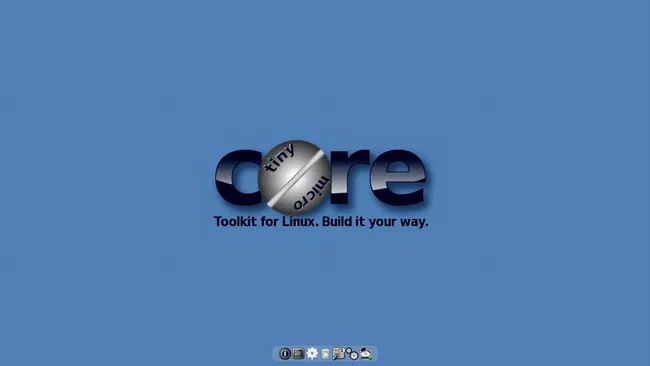
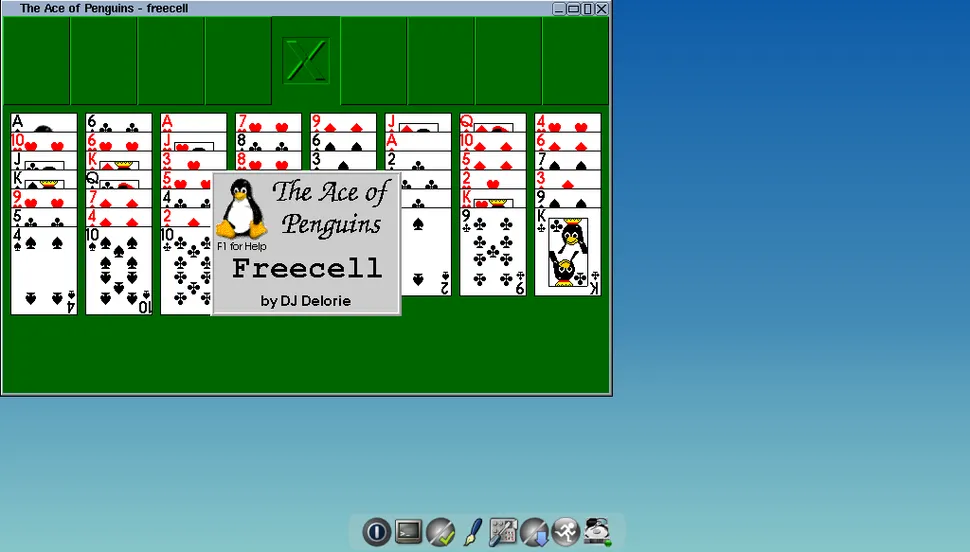
The system is built on a modular architecture. The base installation includes Linux kernel 6.12 (November 2024), the BusyBox utility set, and the FLWM (Fast Light Window Manager) window manager. BusyBox is a compact replacement for standard UNIX utilities (ls, cp, grep), packed into a single binary file, which saves space. FLWM creates a minimalist interface with sharp window corners and a dock panel at the bottom.
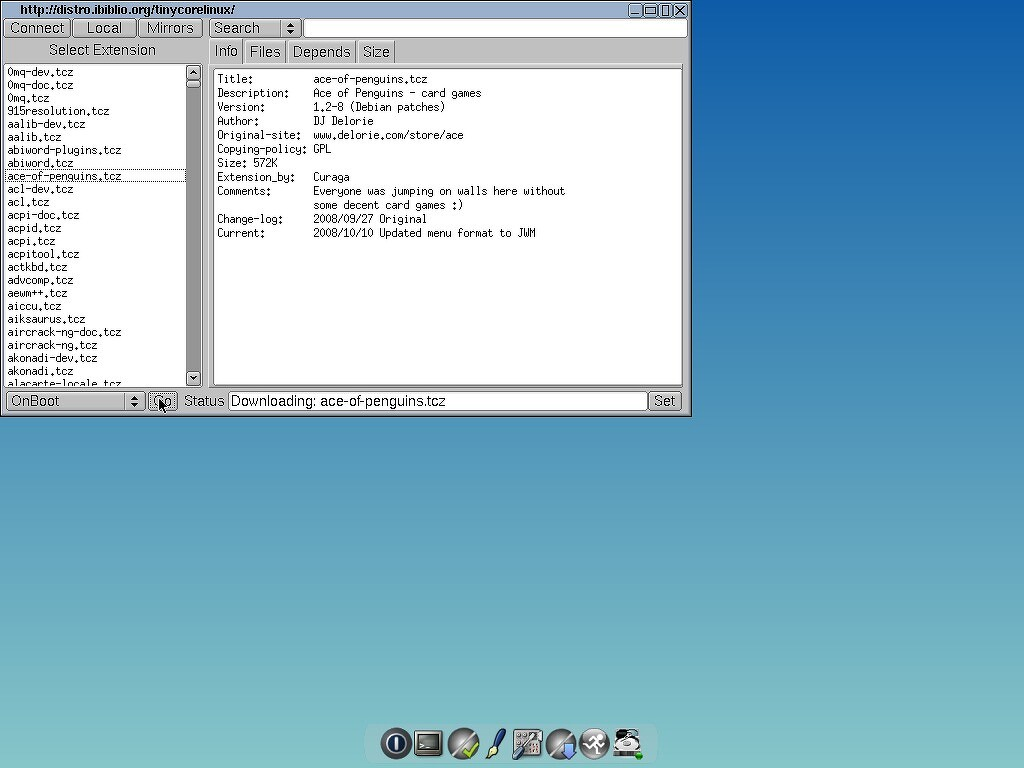
Additional components (browsers, editors, network utilities) are added through the application store (tc-install) in the .tcz format. These modules are compressed and mounted into the system without extraction, which reduces the load on the disk.
The Core version without graphics is entirely console-oriented. It contains only the Linux kernel and the basic BusyBox utility set, intended for server, embedded, or experimental scenarios.
The root filesystem is deployed in tmpfs and runs in RAM, which speeds up operations but requires a minimum of 128 MB of RAM for the basic version and 256 MB for working with graphics. Kernel 6.12 supports x86 and x86_64 architectures, ext4, FAT32, and NTFS filesystems, but drivers for hardware older than 20 years are nearly absent.
Installation is minimalist: the ISO image is written to a USB drive or disc, and deployment takes a couple of minutes. Two modes are available: "frugal" (loading a compressed image into RAM) and traditional (copying to disk). However, the base build does not include network utilities (such as iwconfig for Wi-Fi) — they need to be downloaded separately. The .tcz packages are mounted using the tce-load command, and dependencies are resolved manually or through scripts.
Why Such Minimalism Is Needed and What Challenges Exist
Tiny Core is designed for weak hardware — devices with strict storage limitations: old netbooks, thin clients with 4–8 GB drives, specialized systems with small SSDs, embedded devices, and controllers where you have tens of megabytes of flash memory rather than terabytes.

The system ships in a nearly empty state. The user decides what to add to it: from nginx for a server to mpv for a media center. This gives control over the system composition but requires skills.
Package installation, network configuration, and Wi-Fi connection often come down to working in the terminal and manually loading the necessary modules. Kernel drivers and modules are added only when needed, so the base system remains minimal.
Other Mini-Distributions: SliTaz, Slax, and Floppinux
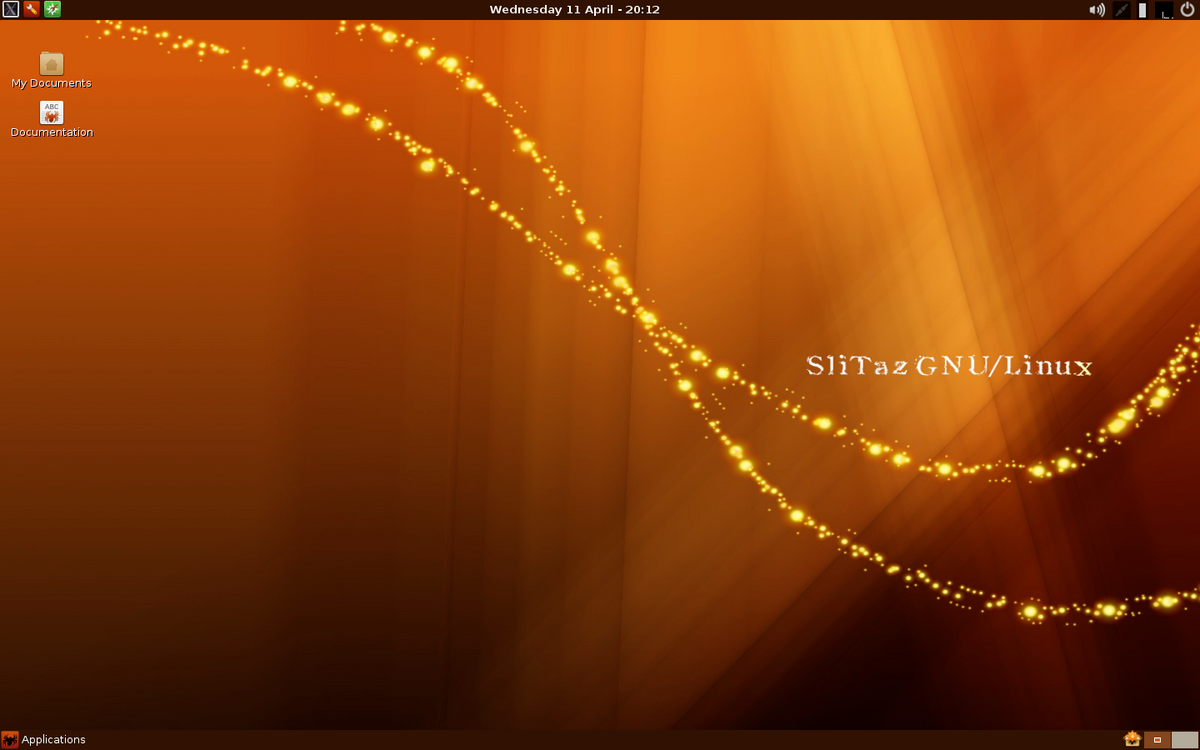
SliTaz takes up 50–100 MB after installation, is easier for beginners, and includes the Midori browser, a file manager, and the Leafpad editor. It is convenient as a LiveCD for data recovery, but its larger size and less frequently updated kernel (usually 5.x) make it less flexible for embedded systems.
Slax weighs 200–300 MB and is focused on portability. Built on Slackware, it uses modules for adding software like Kodi. It is popular as a USB OS, but for fine-tuning it is inferior to Tiny Core.
Floppinux is a 2021 demonstration project that takes up less than 1.44 MB to fit on a floppy disk. It runs on kernel 5.x, supports old hardware (i386), but offers only a terminal without an interface or repository.
Who Is Tiny Core Linux For?
This is a system for a narrow audience. It is of interest to those who work with embedded devices and specialized systems. When you have tens of megabytes of flash memory and minimal RAM at your disposal, Tiny Core allows you to assemble exactly what you need for polling sensors, controlling equipment, or running a simple network service.
It is used as a foundation for minimal virtual machines or containers, where boot speed and resource savings matter. For CI/CD or experimenting with services, this is convenient, but you pay for the lightness: dependencies and the environment are assembled by hand, without the familiar "install and go" approach.
For enthusiasts, it is almost a construction kit: from a minimal media center to an educational system for learning Linux. But you cannot get by without confident terminal work, especially when it comes to networking or non-standard peripherals.
It works quite well as an emergency system. In LiveCD format, it boots in seconds on weak hardware and can come in handy for diagnostics or data recovery.