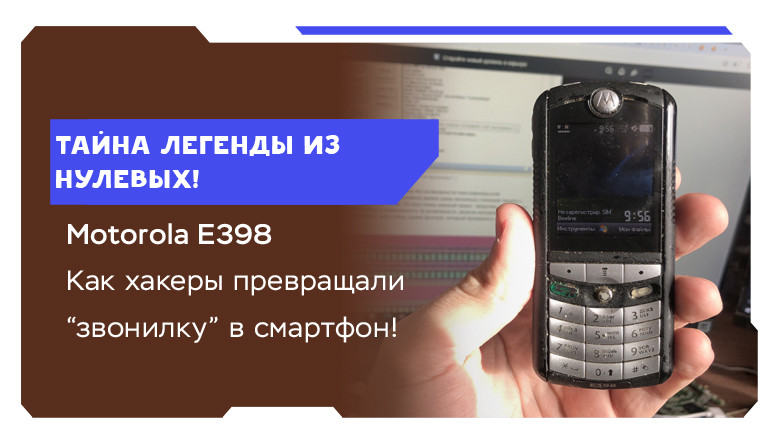
The Secret of the Motorola E398: The Best Music Phone of the 2000s
A deep technical dive into the Motorola E398 — the legendary $150 music phone from 2004 — covering its ARM7-based hardware, the Neptune platform architecture, and how a passionate modding community reverse-engineered its bootloader to create custom firmware with features far beyond the original.
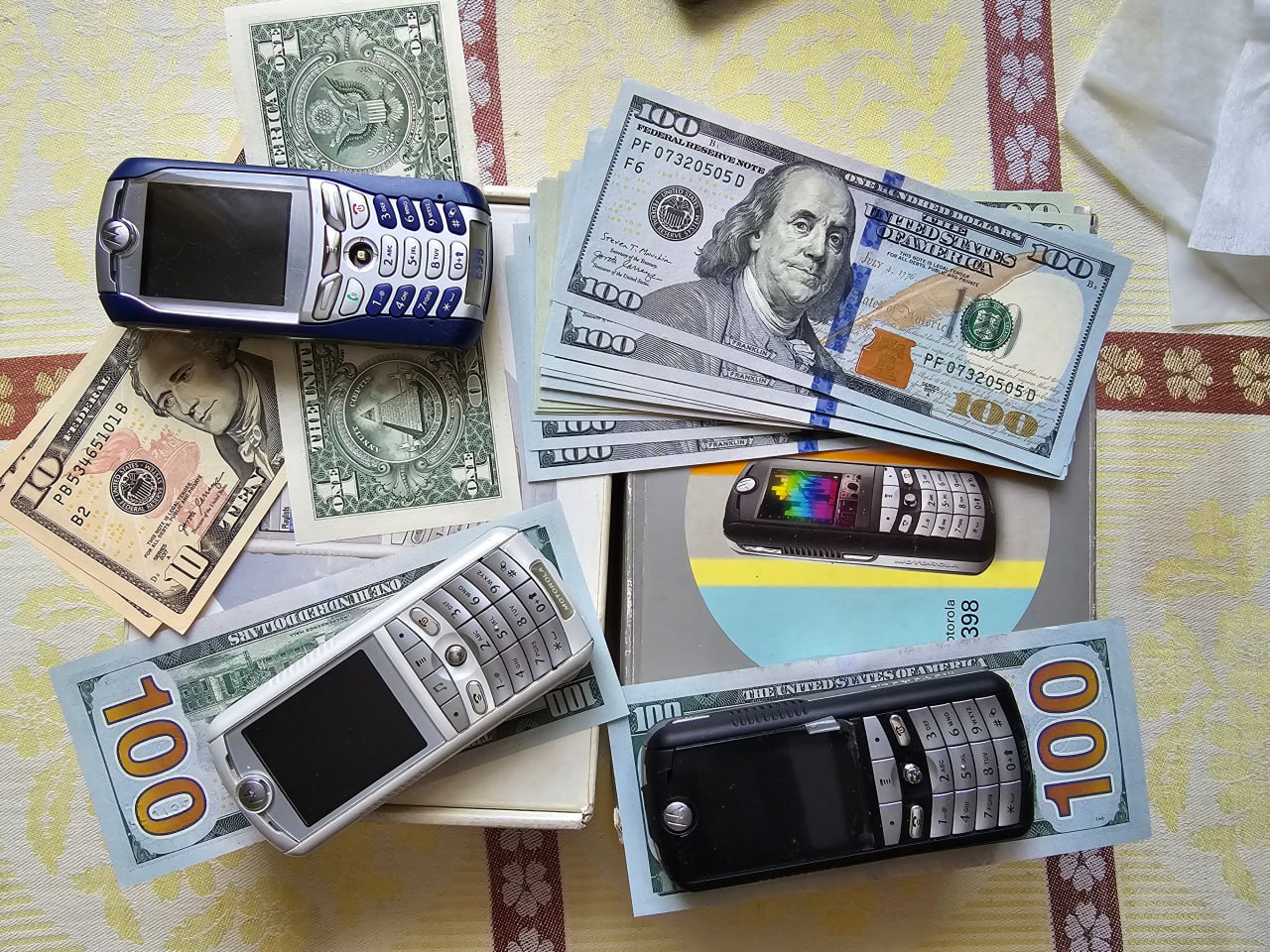
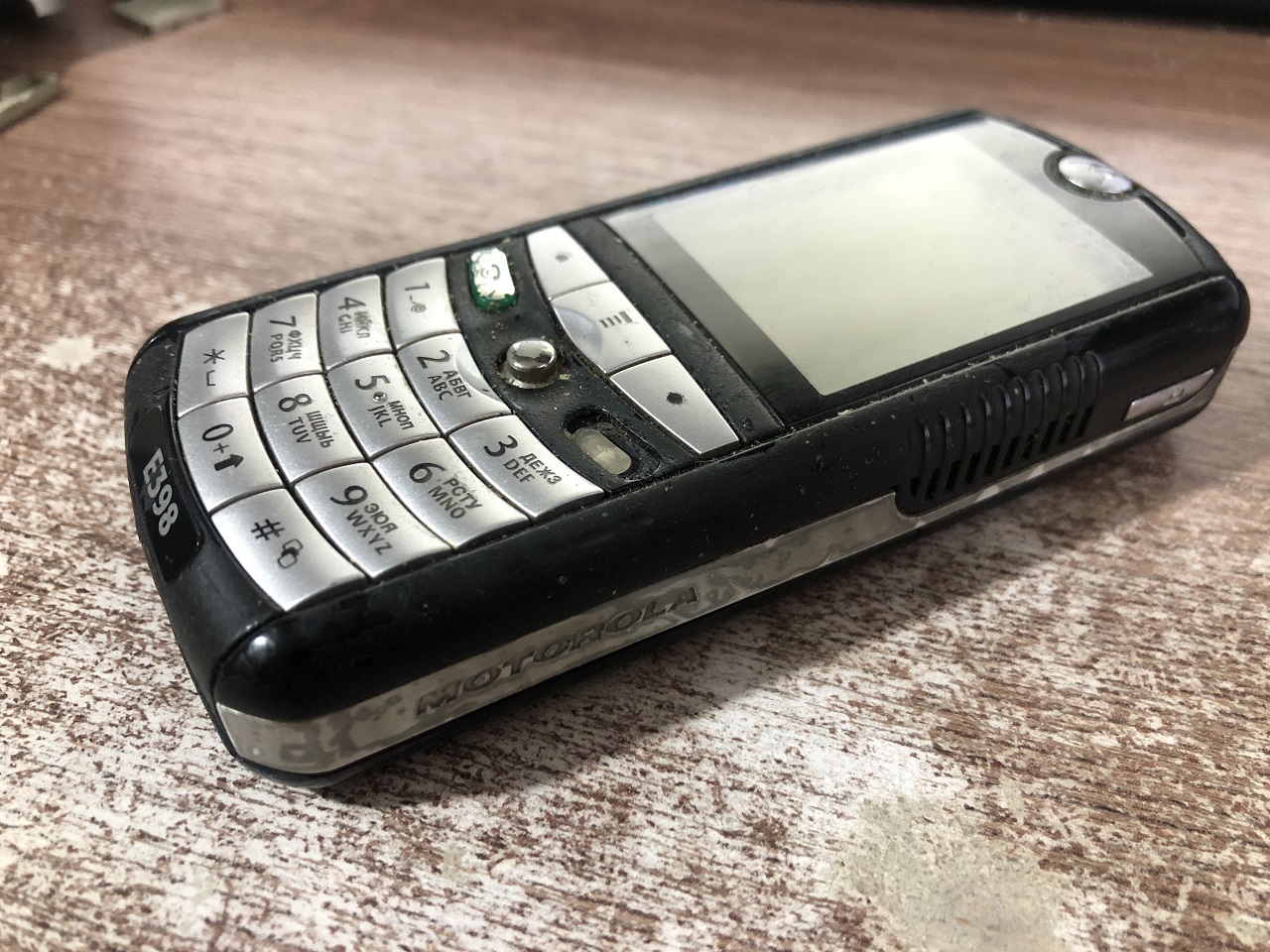
This is the story of one of the most iconic mobile phones of the 2000s — the Motorola E398. Released in 2004 at just $150, it became the phone that defined what a "music phone" could be, and spawned one of the most dedicated modding communities in mobile history.
The P2k Platform: Where It All Began
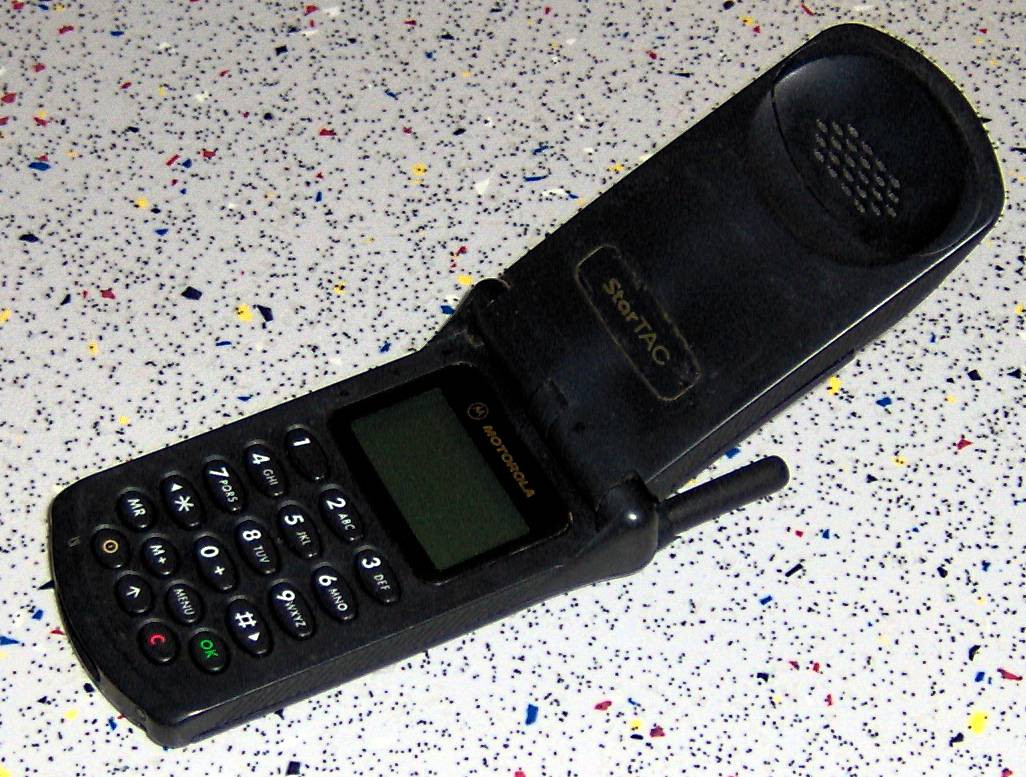
To understand the E398, we need to go back to 1999, when Motorola began developing what would become the P2k (Platform 2000) software platform. The initial versions ran on M-Core processors — Motorola's own RISC architecture. Early P2k phones like the Motorola C350 and C650 were built on this foundation, running a proprietary RTOS (real-time operating system) with a monolithic kernel.
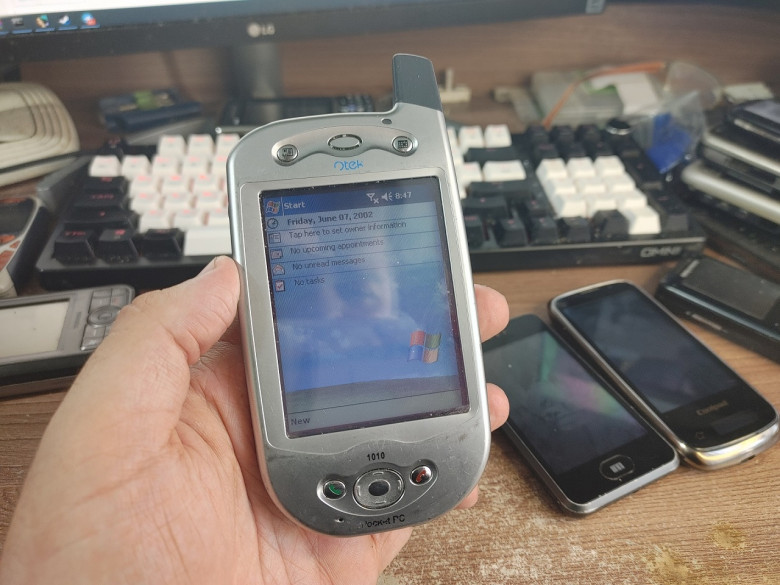
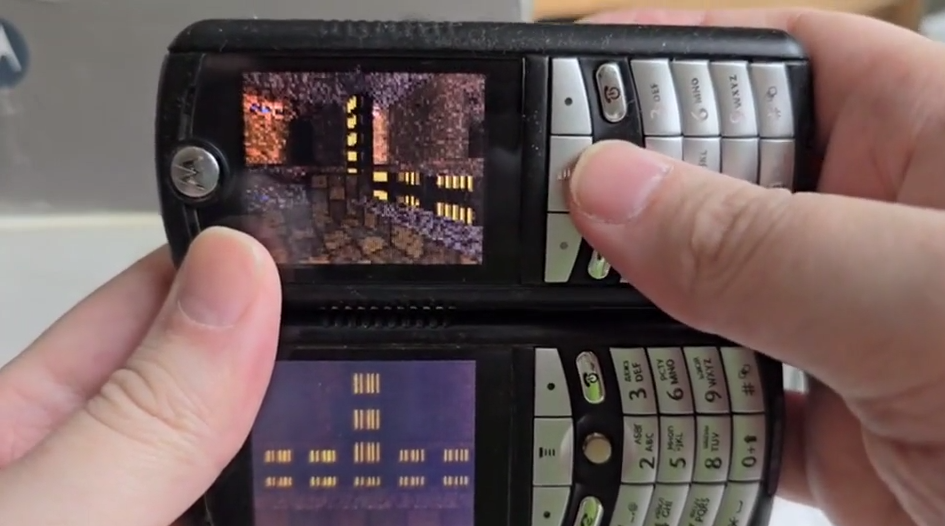
The platform evolved through several hardware generations. The first was the "Rainbow" chipset family based on M-Core. Then came a major architectural shift: Motorola moved to ARM-based processors with the Neptune platform. Neptune came in two variants — Neptune LCA (Low Cost Architecture) and Neptune LTE (Low Tier Enhanced). The E398 was built on Neptune LTE, which represented the more capable branch.
The Hardware Inside
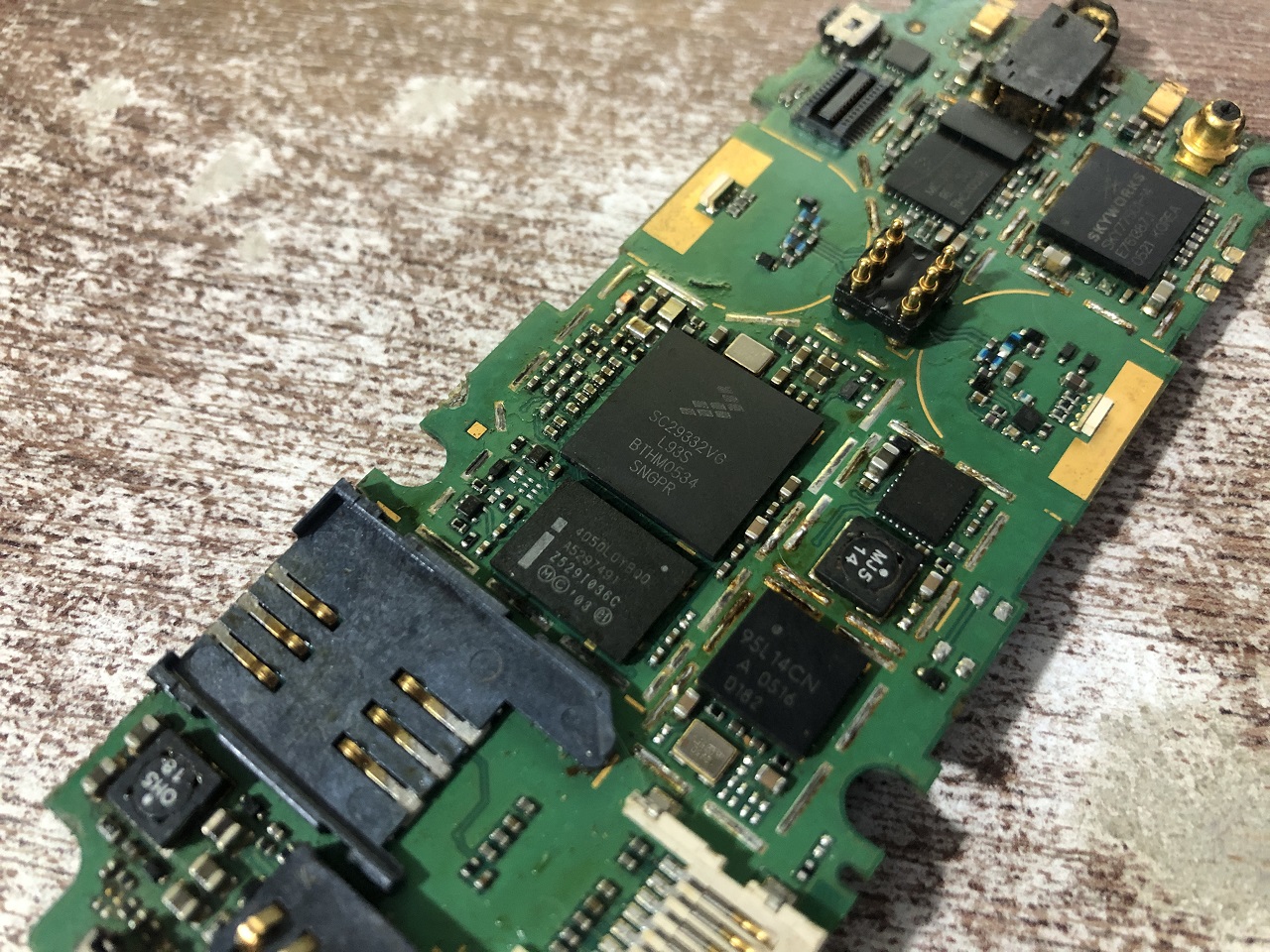
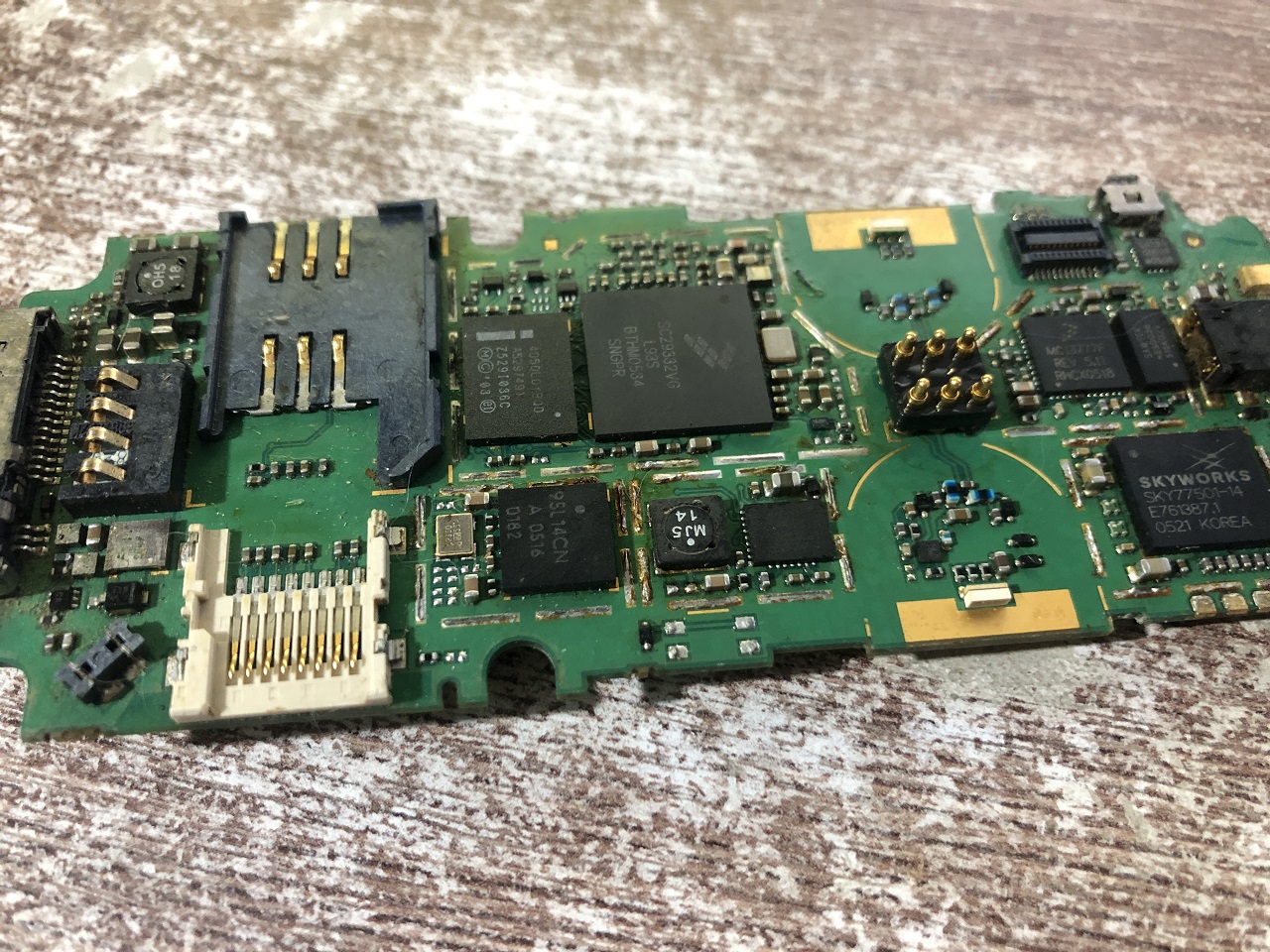
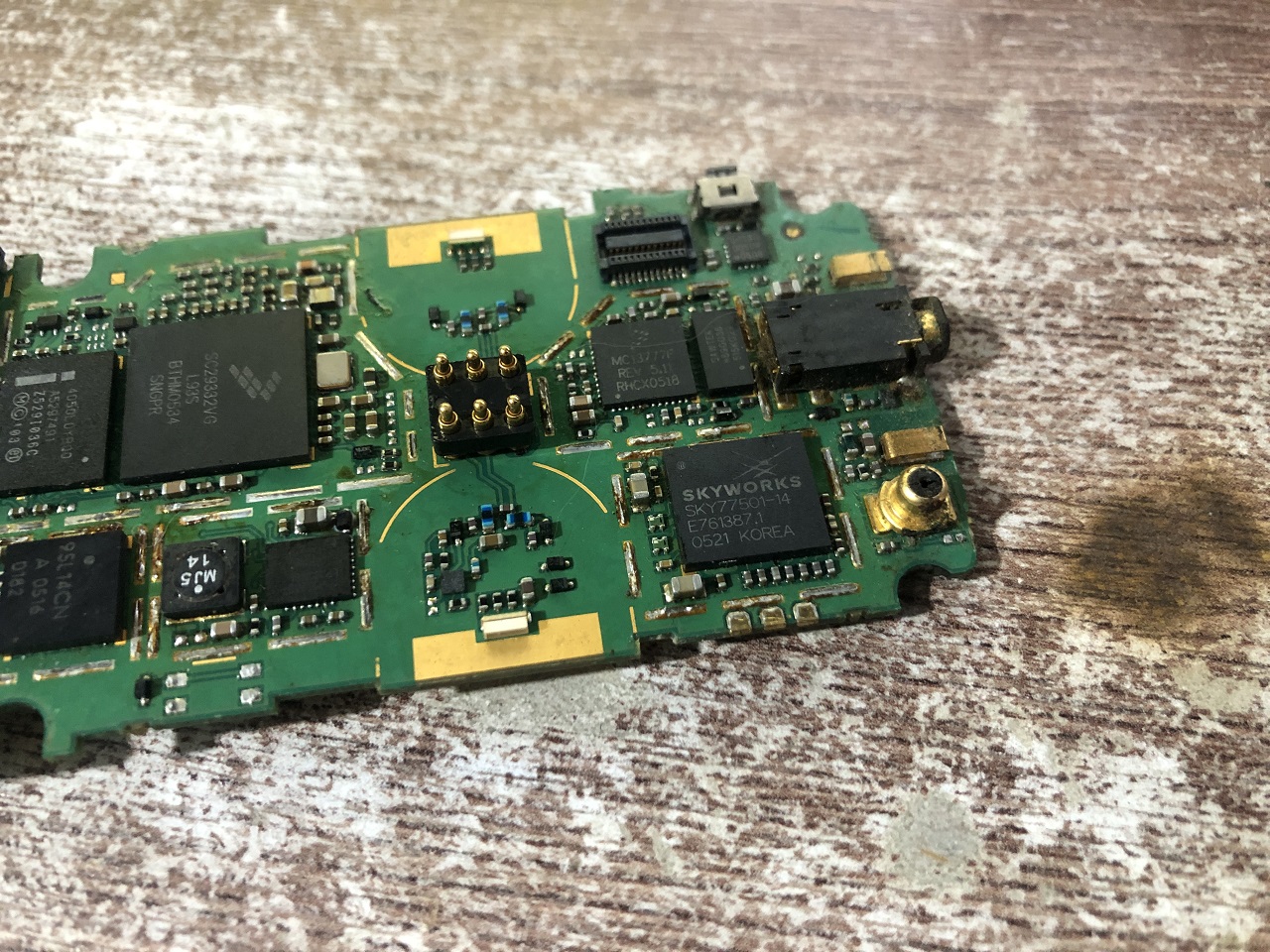
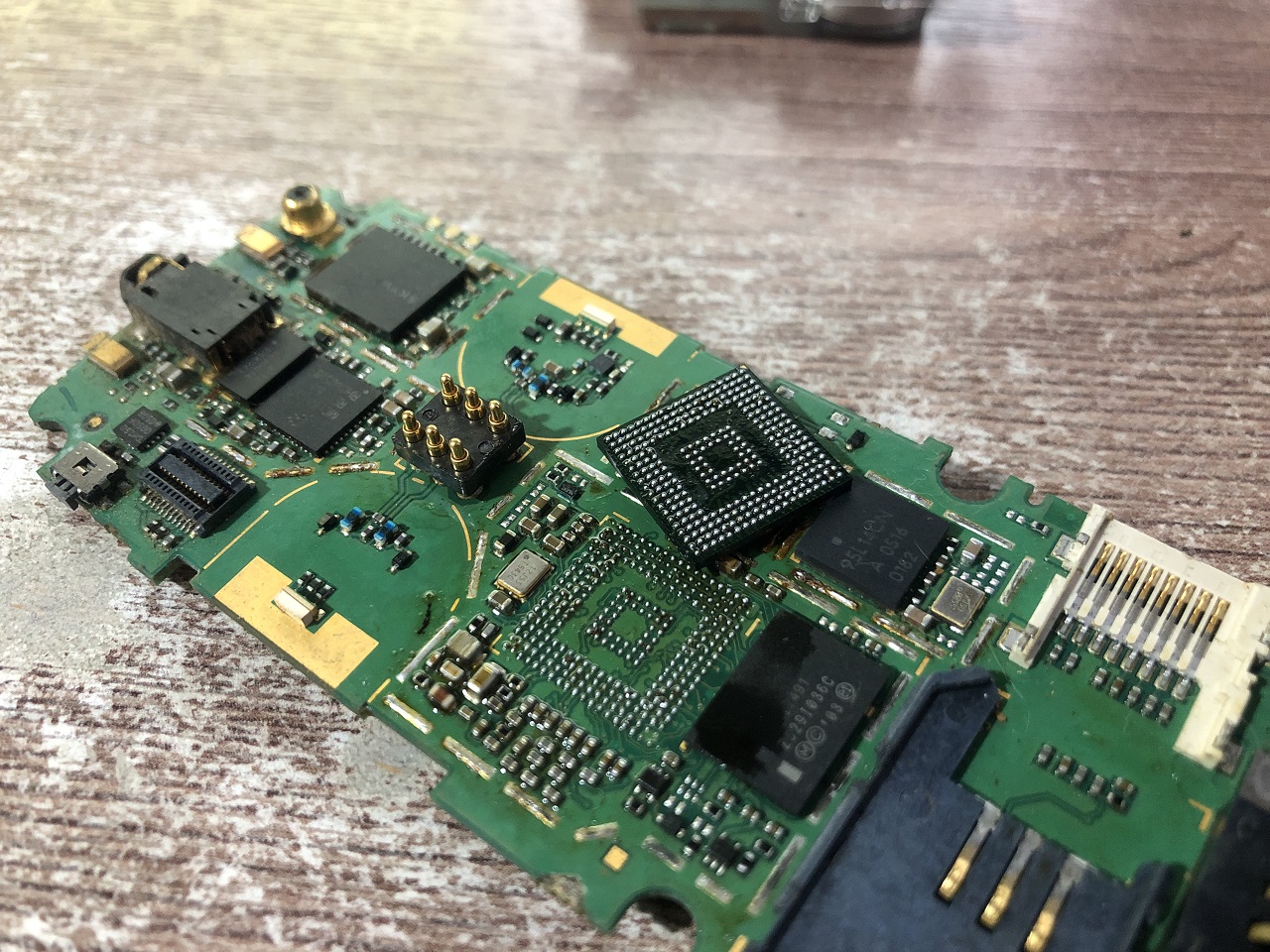
The heart of the E398 was a Freescale (Motorola Semiconductor) SC29332VG system-on-chip. This integrated several key components:
- CPU: ARM7TDMI-S core running at 52 MHz — modest even by 2004 standards, but sufficient for the phone's needs
- DSP: Motorola S-ONYXU 56600 digital signal processor at 130 MHz — this was the real workhorse, handling all MP3 decoding, audio processing, and voice codec operations
- Memory: 256 KB internal RAM, 1.79 MB ROM
- External memory: 32 MB NOR Flash (Intel StrataFlash) for firmware storage, plus 8 MB PSRAM for runtime operations
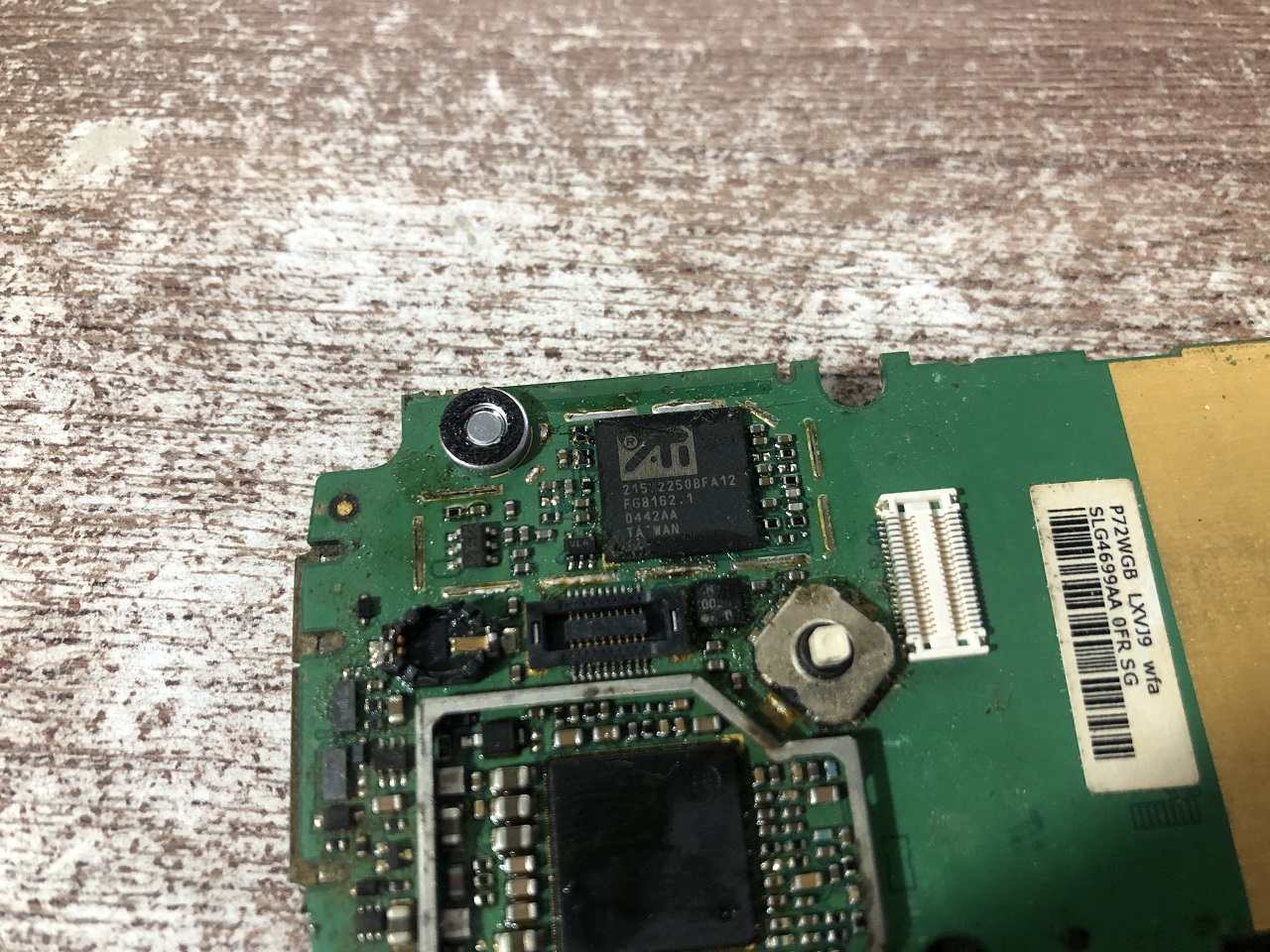
- GPU: ATi Imageon 2250 — a dedicated 2D graphics accelerator supporting alpha-blending and hardware-accelerated drawing operations
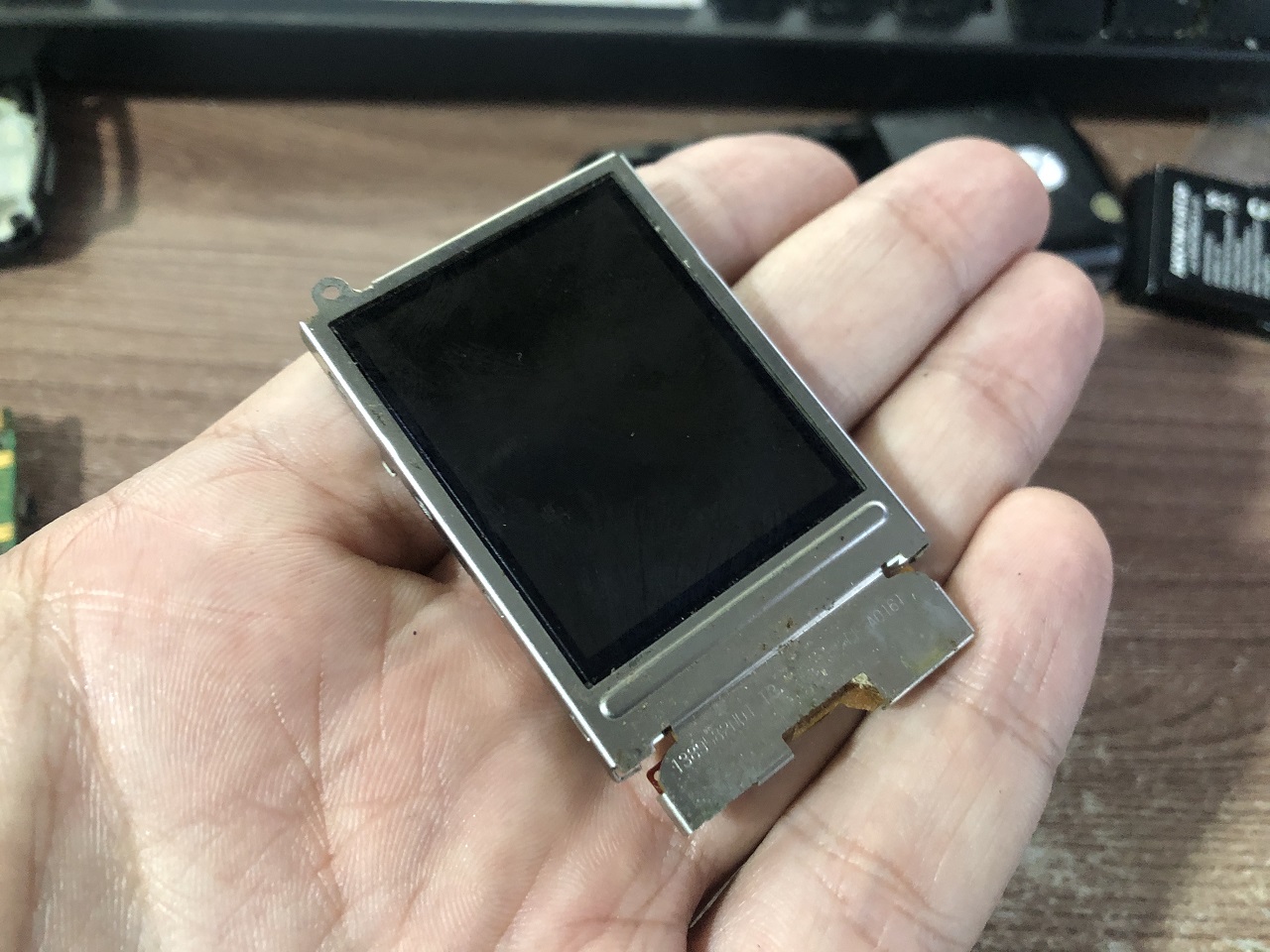
- Display: 176x220 pixel TFT-TN matrix, 65K colors
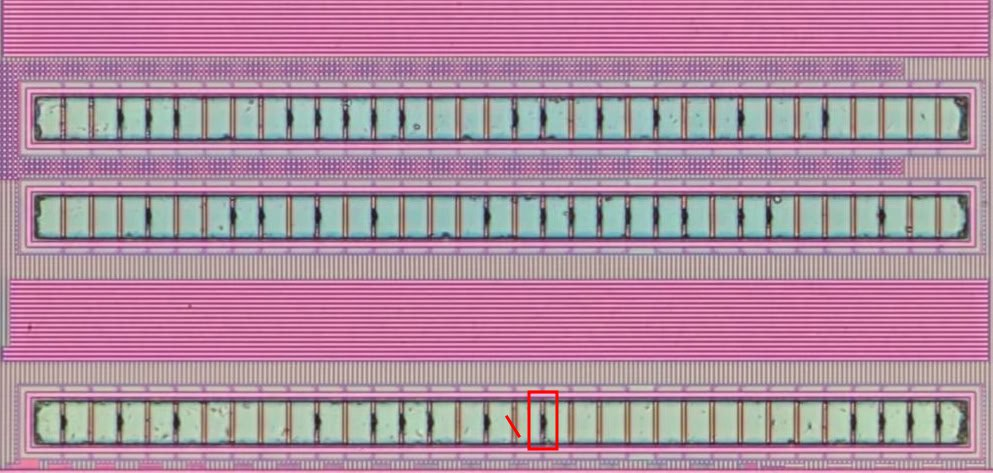
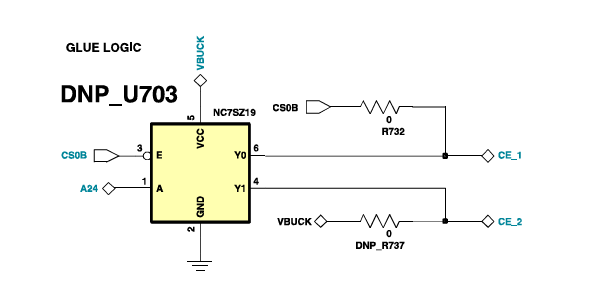
A particularly clever design choice was the memory architecture. The phone used XIP (eXecute In Place) from NOR Flash — meaning code ran directly from flash memory rather than being loaded into RAM first. This saved precious RAM for runtime data. The 32 MB flash chip used creative chip-select multiplexing through NC7SZ19 demultiplexers to map different memory regions.
What Made It Special: The Music Experience
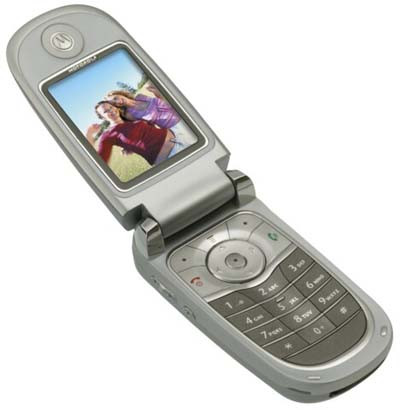
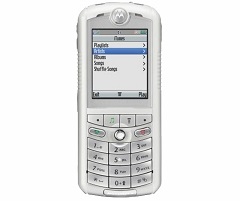
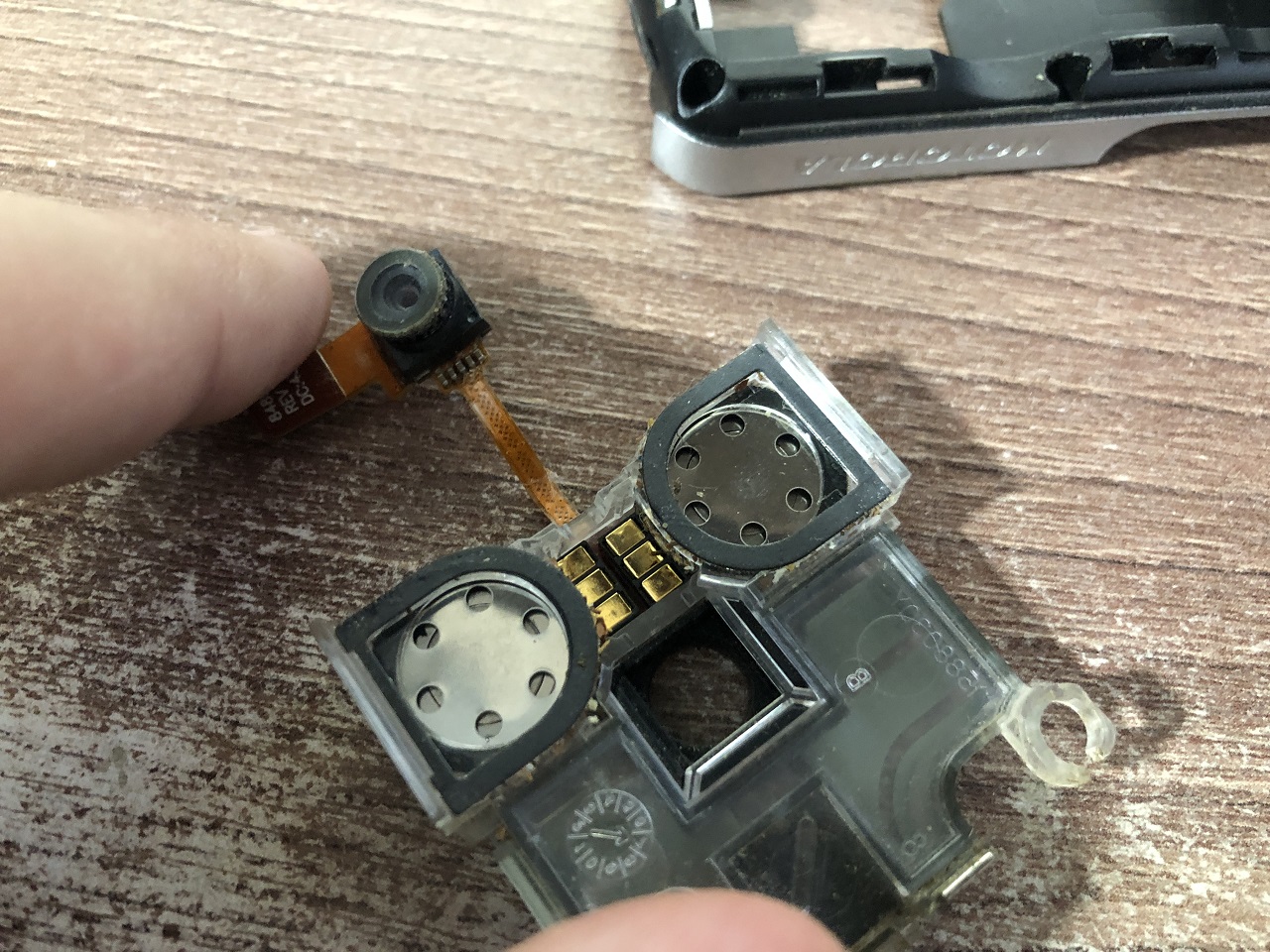
The E398 was marketed as a music phone, and it delivered. It featured dual stereo speakers mounted on the front of the device — unusual for phones of that era, which typically had a single mono speaker. The phone supported MP3 playback natively, handled by the powerful DSP chip rather than the main CPU. It came with a MicroSD card slot (supporting up to 1 GB officially) and included a standard 3.5mm headphone jack via an adapter.
At $150, there was literally no competition. Other manufacturers either offered MP3 playback in their flagship $400+ models or didn't offer it at all. The E398 democratized mobile music.
The Russian R&D Connection
An important detail that shaped the phone's destiny: Motorola maintained R&D centers in Saint Petersburg and Vladivostok. These offices were responsible for porting the JBlend Java virtual machine to the P2k platform and developing various firmware components. When these facilities eventually closed, debug symbols and internal documentation leaked — providing the modding community with invaluable information about the phone's internal architecture.
Breaking In: The Bootloader Hack
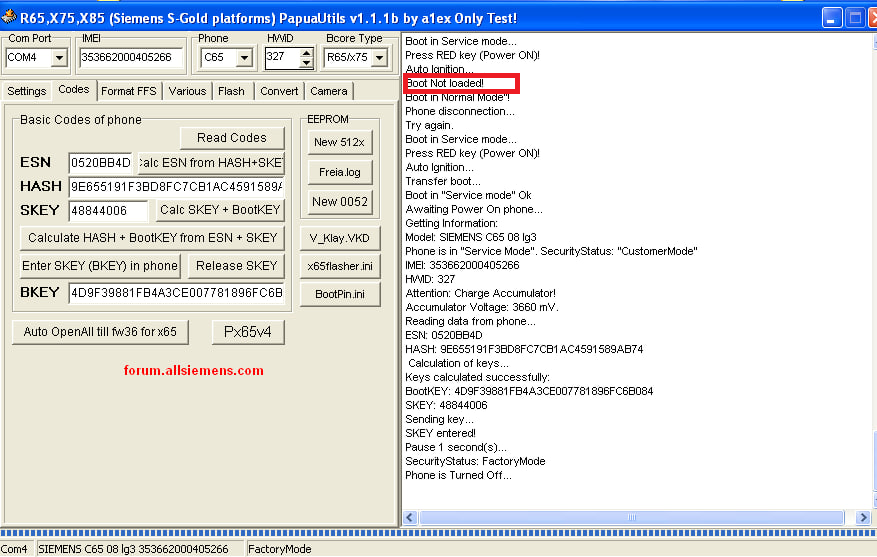
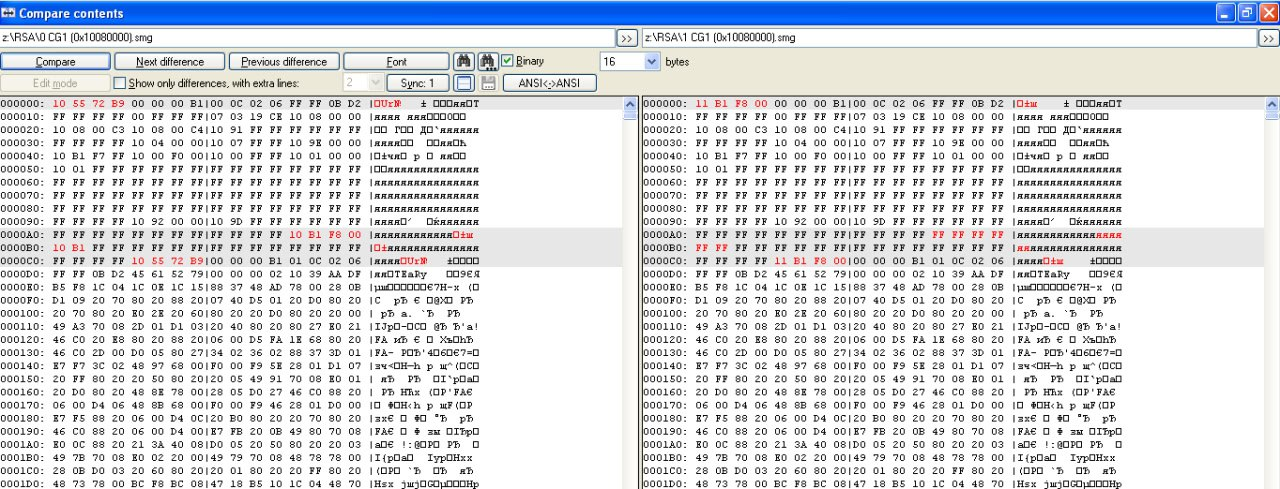
The modding revolution began when a researcher known as @Vilko discovered critical vulnerabilities in the Neptune LTE bootloader. The phone's security model relied on RSA signature verification — every firmware image had to be signed with Motorola's private key. However, Vilko found multiple ways to bypass this:
The bootloader's RSA implementation had weaknesses that allowed specially crafted firmware images to pass verification despite not being genuinely signed. This opened the floodgates for custom firmware development. The community developed tools like RSD Lite and P2KTools for flashing modified firmware.
ElfPack: Native Code on a Feature Phone
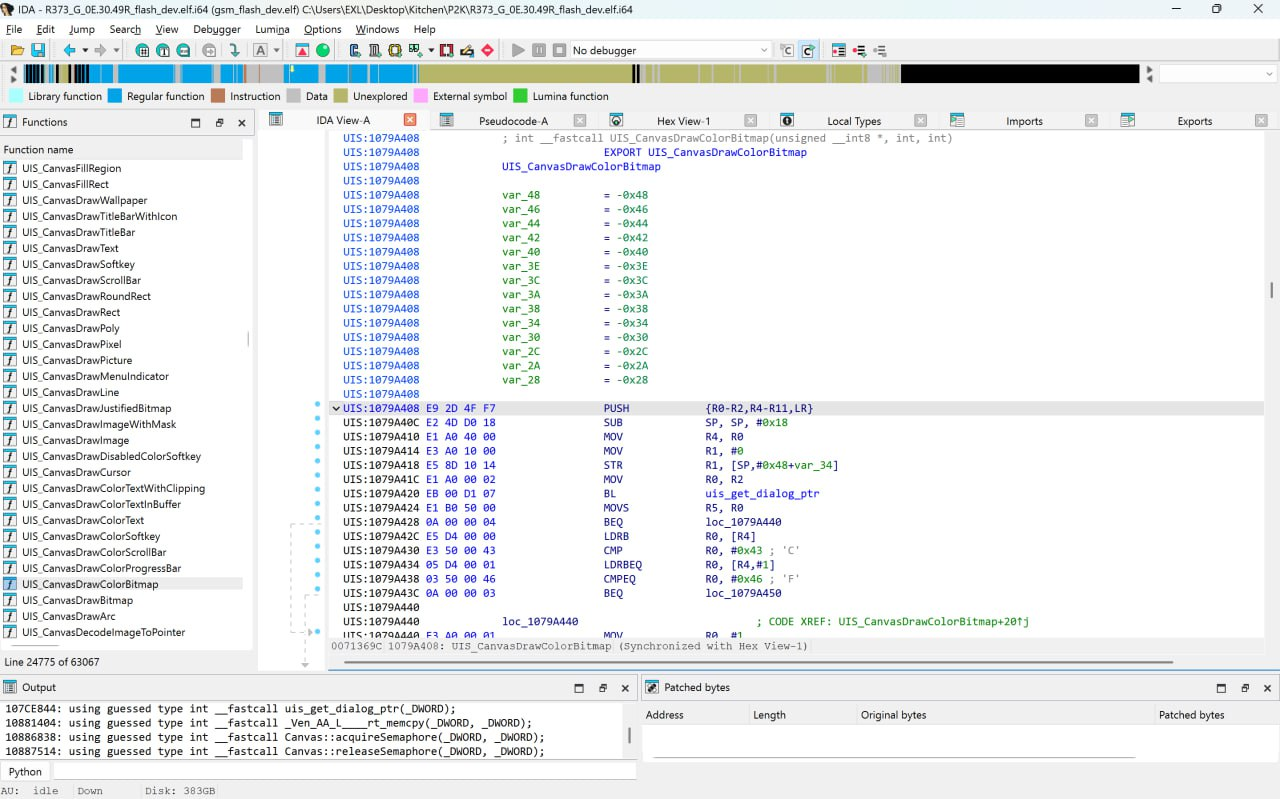
Perhaps the most impressive achievement of the modding community was ElfPack (EP1), developed around 2007. This was essentially a way to run native ARM ELF binaries on the phone — turning a simple feature phone into something approaching a smartphone. ElfPack worked by hooking into the phone's existing function table, allowing third-party native code to call OS functions directly.
With ElfPack, users could run custom applications written in C and compiled for ARM7TDMI — file managers, text editors, emulators, and more. The leaked debug symbols from the Russian R&D centers were essential here, as they revealed the memory addresses and function signatures needed to interface with the OS.
Custom Firmware: DAR-Test and Beyond
The pinnacle of E398 modding was custom firmware builds like DAR-Test, which pushed the hardware far beyond its original specifications:
- MicroSD support expanded to 2 GB (vs. the original 1 GB limit)
- Bluetooth functionality in Java apps — something the stock firmware disabled
- ElfLoader integration for running native code with basic multitasking
- CPU overclocking to 65 MHz (from stock 52 MHz) — a 25% speed boost
- Multiple MP3 player interfaces with enhanced features
- 320 kbps MP3 support — the stock firmware was limited to lower bitrates
- Custom UI themes and skins
- Enhanced file manager with full filesystem access
The Hardware Teardown
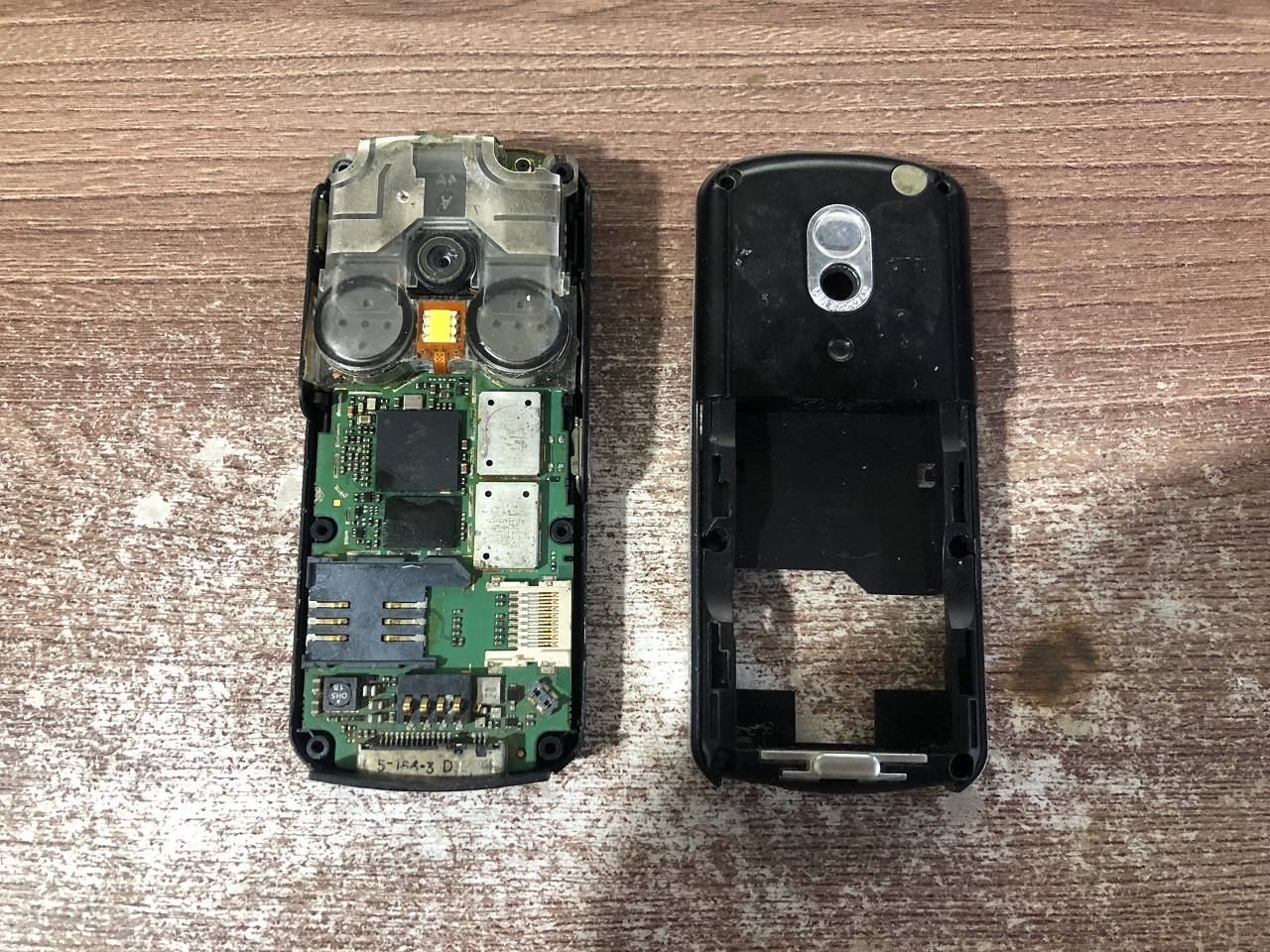
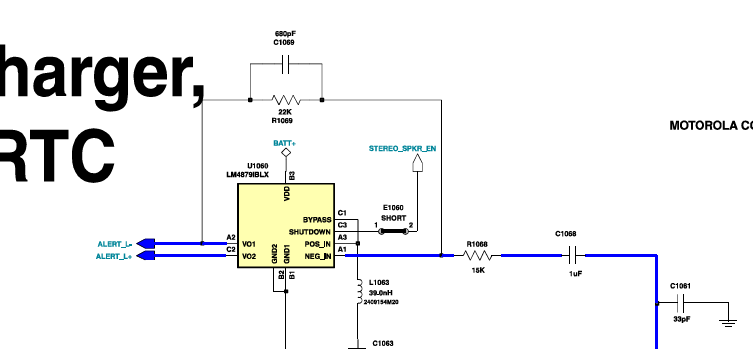
Opening up the E398 reveals a surprisingly well-engineered board for a budget device. The main PCB is a multi-layer design with the Neptune LTE SoC at the center. The audio amplification circuit uses dedicated op-amps feeding the dual speakers, which is why the phone's audio quality was notably superior to competitors. The camera module (VGA resolution, 640x480) connects via a flex cable and was considered a bonus feature rather than a selling point.
Flashing the Firmware
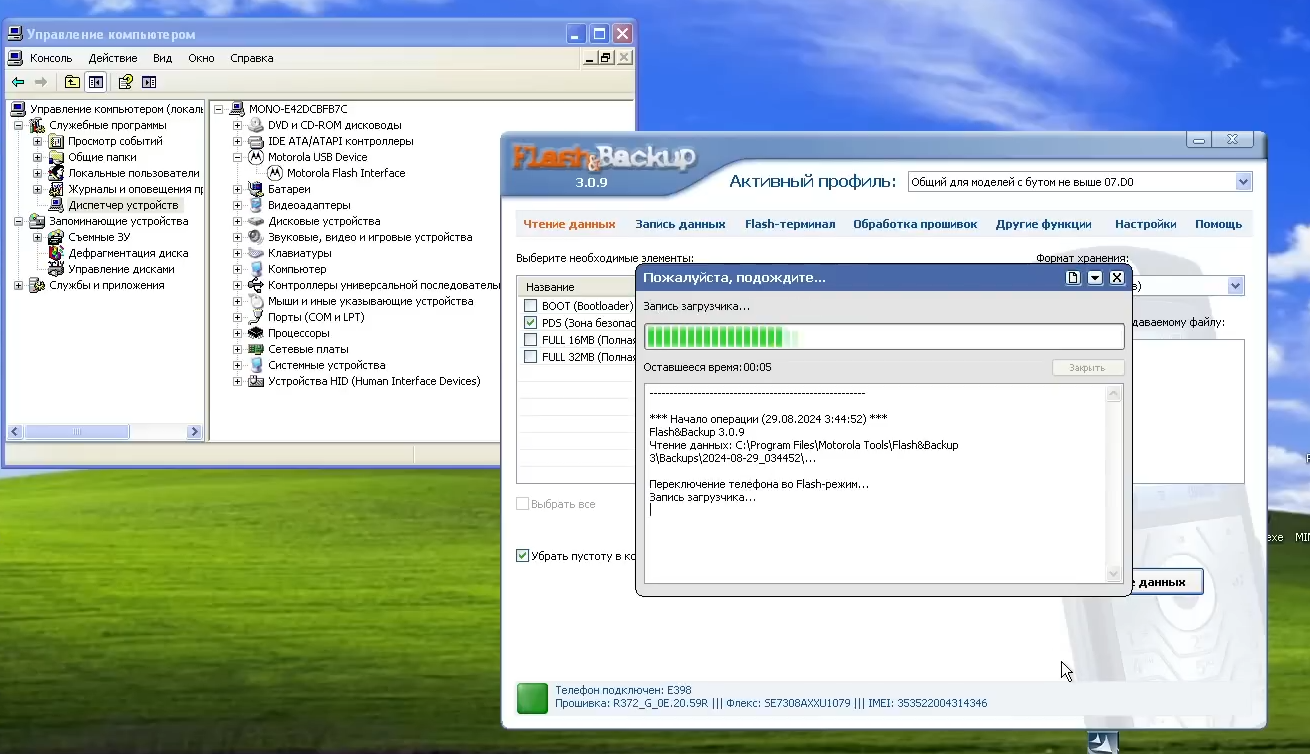
The flashing process itself was an adventure. Users needed a USB data cable (often the original Motorola cable, as third-party ones had compatibility issues), the RSD Lite flashing utility, and a carefully prepared firmware package. The process involved putting the phone into bootloader mode, establishing a USB connection, and writing the new firmware image to the NOR flash chip. A failed flash could brick the phone, requiring JTAG recovery — a process that involved soldering wires to test points on the PCB.
The Living Device
With custom firmware installed, the E398 transformed. The UI became snappier thanks to overclocking. Music playback supported higher bitrates. Java games ran with Bluetooth multiplayer. The file manager revealed the phone's full filesystem, and ElfPack applications added capabilities the original designers never imagined.
Gaming and Applications
The E398's Java implementation (JBlend MIDP 2.0) was quite capable for its time. With the modded firmware enabling Bluetooth in Java, multiplayer gaming became possible. The phone could run a surprising variety of J2ME applications. With ElfPack, users even got basic emulators running — though the 52 MHz ARM7 core was pushed to its absolute limits.
Legacy and Conclusion
The Motorola E398 story spans over twenty years now. What started as a budget music phone became a platform for one of the most dedicated and technically sophisticated modding communities in mobile history. The combination of accessible hardware, leaked debug information from Russian R&D centers, and bootloader vulnerabilities created a perfect storm of hackability.
Today, the E398 community still exists, though much diminished. Forums like MotoFan.ru preserve the accumulated knowledge of thousands of modders. Working E398 units are becoming collectible items, especially when pre-loaded with custom firmware. The phone represents a unique moment in mobile history — when devices were simple enough to be fully understood by dedicated enthusiasts, yet complex enough to reward deep exploration.
The E398 proved that a great device isn't just about specifications — it's about the community that forms around it. Enthusiasts transformed a basic phone into a near-complete smartphone through reverse-engineering and pure passion. That is a remarkable achievement spanning twenty-two years and counting.