"The Machine Stops": How a 1909 Dystopia Featured Social-Media-Drowned Hikikomori in Self-Isolation
E.M. Forster's 1909 story 'The Machine Stops' predicted video calls, social media addiction, and physical atrophy from sedentary lifestyles over a century before these became everyday realities.
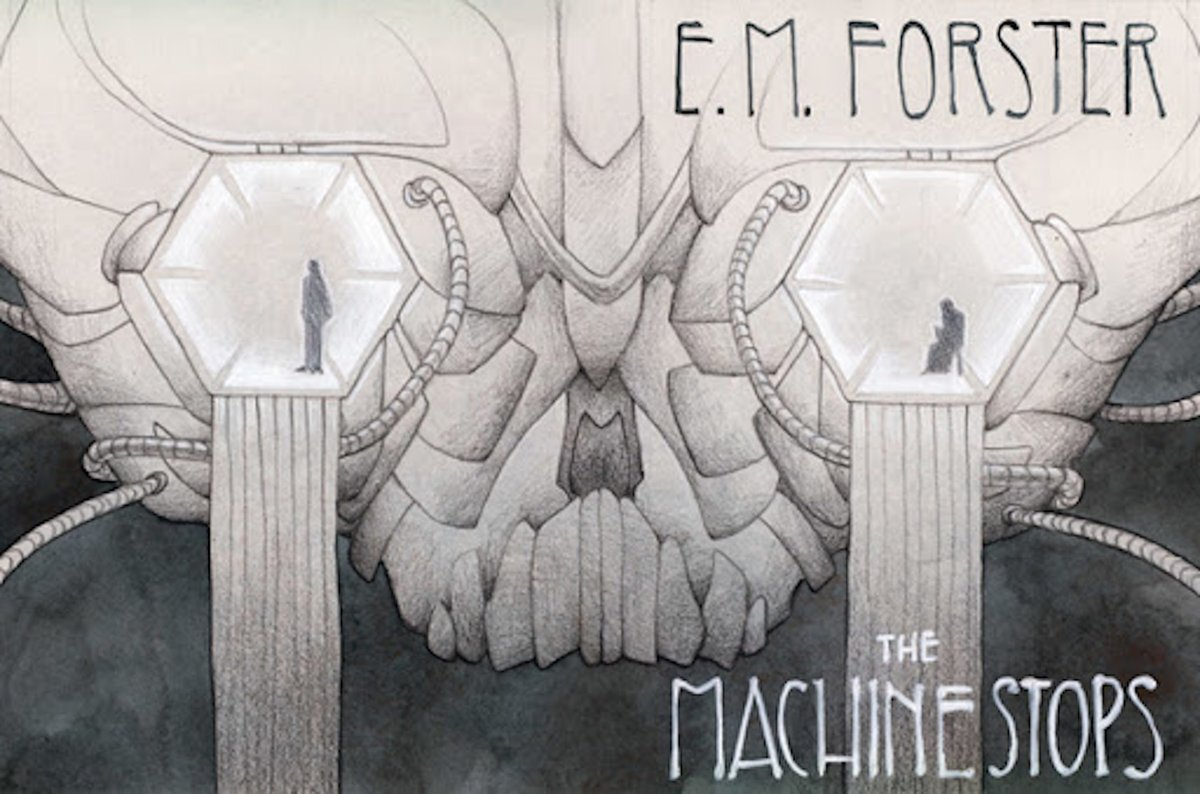
In 1909, E.M. Forster wrote a short story that reads like a documentary about 2020. "The Machine Stops" depicts an underground civilization where people live in individual cells, communicate exclusively through screens, and have completely lost the ability — and desire — to leave their rooms. More than a century before Zoom, TikTok, and pandemic lockdowns, a British writer described a world that looks eerily like our own.
The World Beneath the Surface
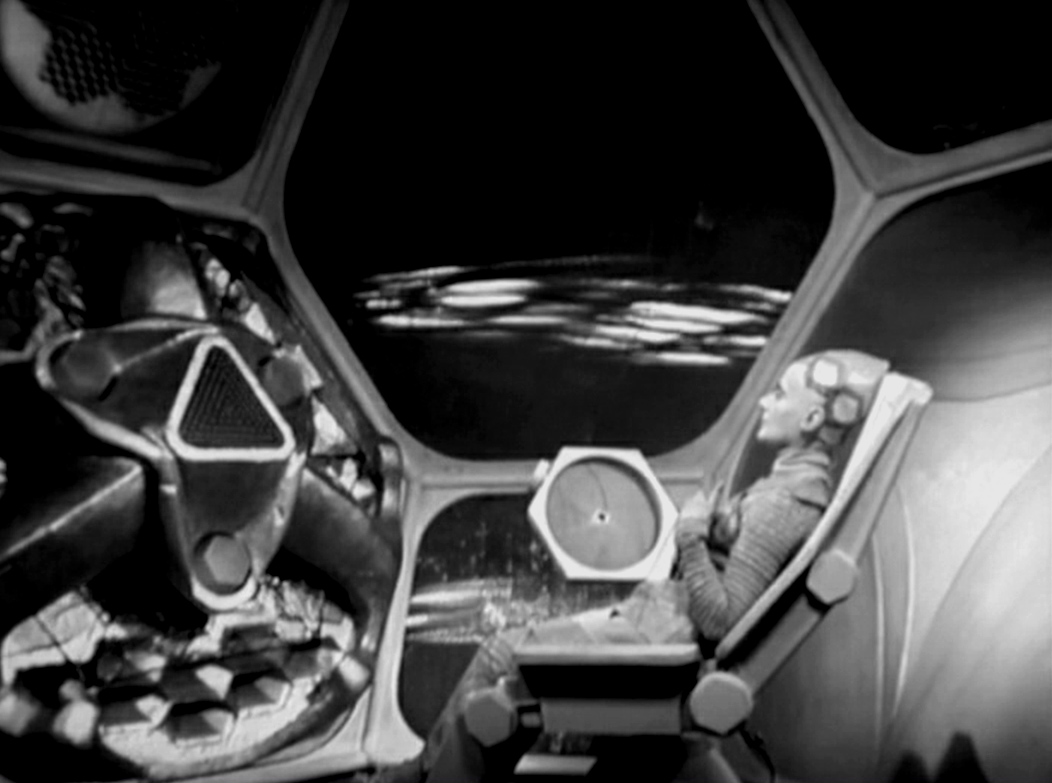
Forster envisioned humanity dwelling in vast underground cities, each person occupying a standardized hexagonal cell. These spaces contained an ergonomic armchair, a reading desk, and a system of buttons controlling every aspect of life: food delivery, temperature, lighting, music, and communication. Bathing, medicine, and even bed changes — everything arrived at the push of a button.
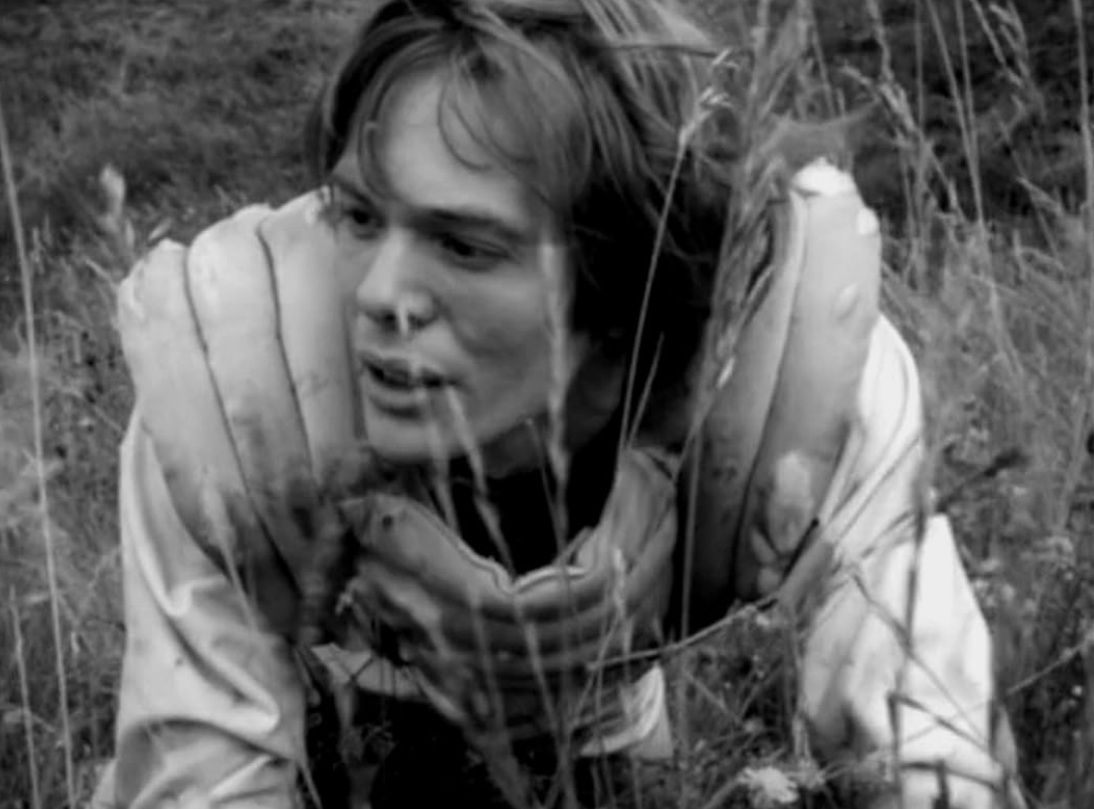
The residents had no need to leave their cells. Their bodies had atrophied from generations of immobility — white, flabby, with underdeveloped muscles. The very idea of physical exertion was repulsive. Direct human contact was considered not just unnecessary but barbaric. Why meet in person when you can talk through the Machine?
The communication system was one of fiction's earliest depictions of something resembling the internet. Through round glowing plates — essentially video screens — residents could call anyone worldwide, attend lectures, stream music, and participate in discussions. The protagonist Vashti manages thousands of contacts and is constantly bombarded by messages, yet she feels no genuine connection with any of them — a perfect portrait of modern social media fatigue.
The Book of the Machine

The Machine's instruction manual had gradually evolved into a sacred text. People swore by it, clutched it during moments of distress, and treated its guidelines as moral imperatives. The distinction between using the Machine and worshipping it had dissolved entirely.
Original thought was not just rare — it was actively discouraged. The most valued intellectual activity was delivering lectures about lectures, creating commentaries on commentaries. Tenth-hand ideas were prized above fresh observation. A person who had actually seen the French landscape or touched the sea was viewed with suspicion — what could direct experience offer that the Machine's archives couldn't?
Vashti and Kuno

The story follows Vashti, a respected lecturer living in the underground city beneath Sumatra. She spends her days giving talks on the history of music, managing her contacts, and comfortably existing within the Machine's embrace. She is the perfect citizen of this world — physically frail, screen-dependent, and content.
Her son Kuno lives on the other side of the globe, beneath Wessex. One day he makes an extraordinary request through the video screen: he wants to see her in person. Not through the Machine, but face to face. Vashti is horrified. The journey would require an airship, exposure to sunlight, and worst of all — the possibility of interacting with strangers in transit.
Reluctantly, she makes the trip. The journey itself is revealing: she cringes at the sight of the Himalayas through the airship window, annoyed by natural beauty she cannot categorize or control. Other passengers similarly avoid looking outside. When a flight attendant offers to help her, the physical proximity of another human being fills her with revulsion.
Upon arrival, Kuno reveals his secret: he has illegally traveled to the surface of the Earth. Through forgotten maintenance tunnels and ventilation shafts, crawling on hands and knees with muscles that barely functioned, he reached the open sky. What he found was simultaneously terrifying and transcendent — grass, wind, hills, and stars he had only known as images on a screen.
On the surface, he encountered something even more shocking: other people. Outcasts or descendants of those who had been expelled from the underground cities for "unmechanical" behavior — people who lived under the sky and breathed unfiltered air. A girl tried to help him before rescue drones — the "Mending Apparatus" — dragged him back underground.
Kuno warns his mother: "The Machine is stopping." She dismisses him as mad.
The Collapse
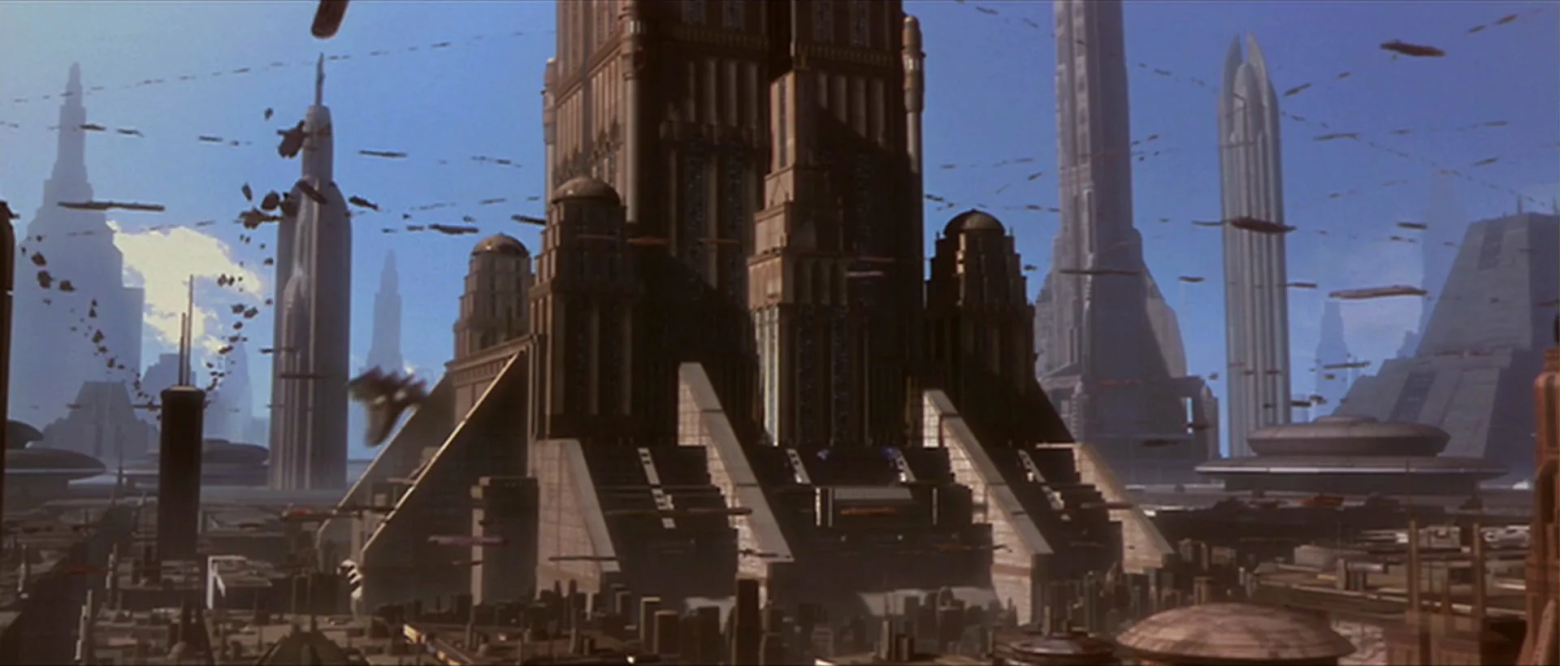
The decay begins gradually. Minor malfunctions appear: the music has a strange quality, the artificial fruit tastes slightly off, the bathwater arrives lukewarm instead of hot. Each defect is small enough to rationalize, and the Committee that ostensibly manages the Machine assures everyone that things are being repaired.
But they aren't. The Mending Apparatus — the automated system responsible for maintaining the Machine — is itself breaking down, and there is no one left with the knowledge to repair it. Generations of comfort have eliminated technical skills. Nobody understands how the Machine works; they only know how to use it.
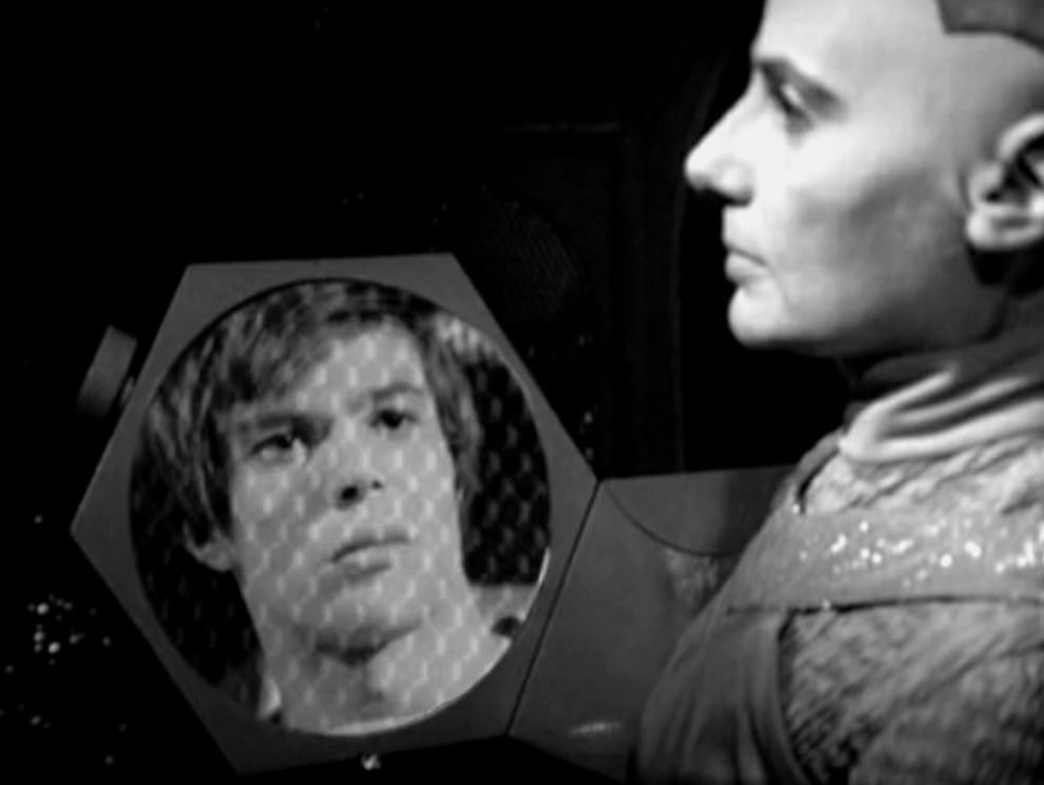
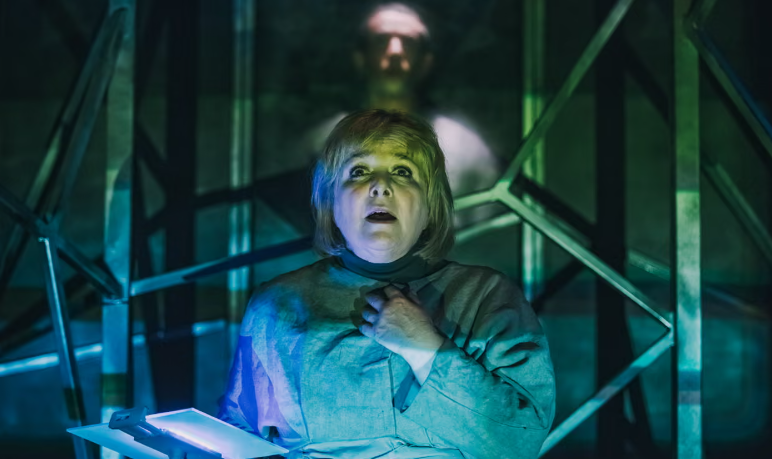
The cascade of failures accelerates. Communication screens flicker and die. Artificial lighting fails. The air supply falters. In their cells, people who have never known darkness or silence experience both for the first time. Panic spreads, but there is nowhere to go and nothing to be done. The underground cities become tombs.
In the final moments, Vashti reaches Kuno. They embrace — perhaps the first genuine physical contact either has experienced in years — and he tells her that the surface dwellers still exist, that humanity will continue above ground. The Machine stops, and the civilization it sustained dies with it.
The Man Behind the Story
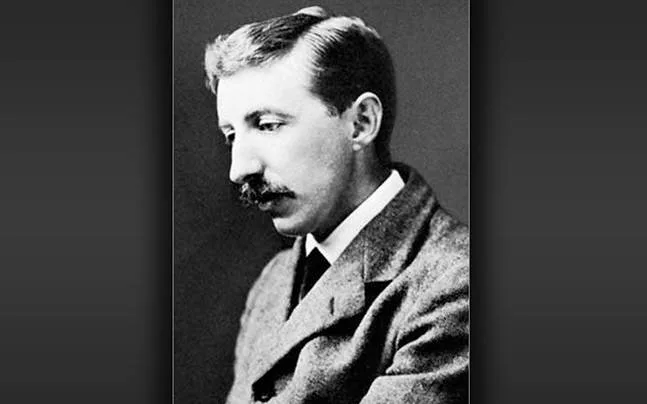
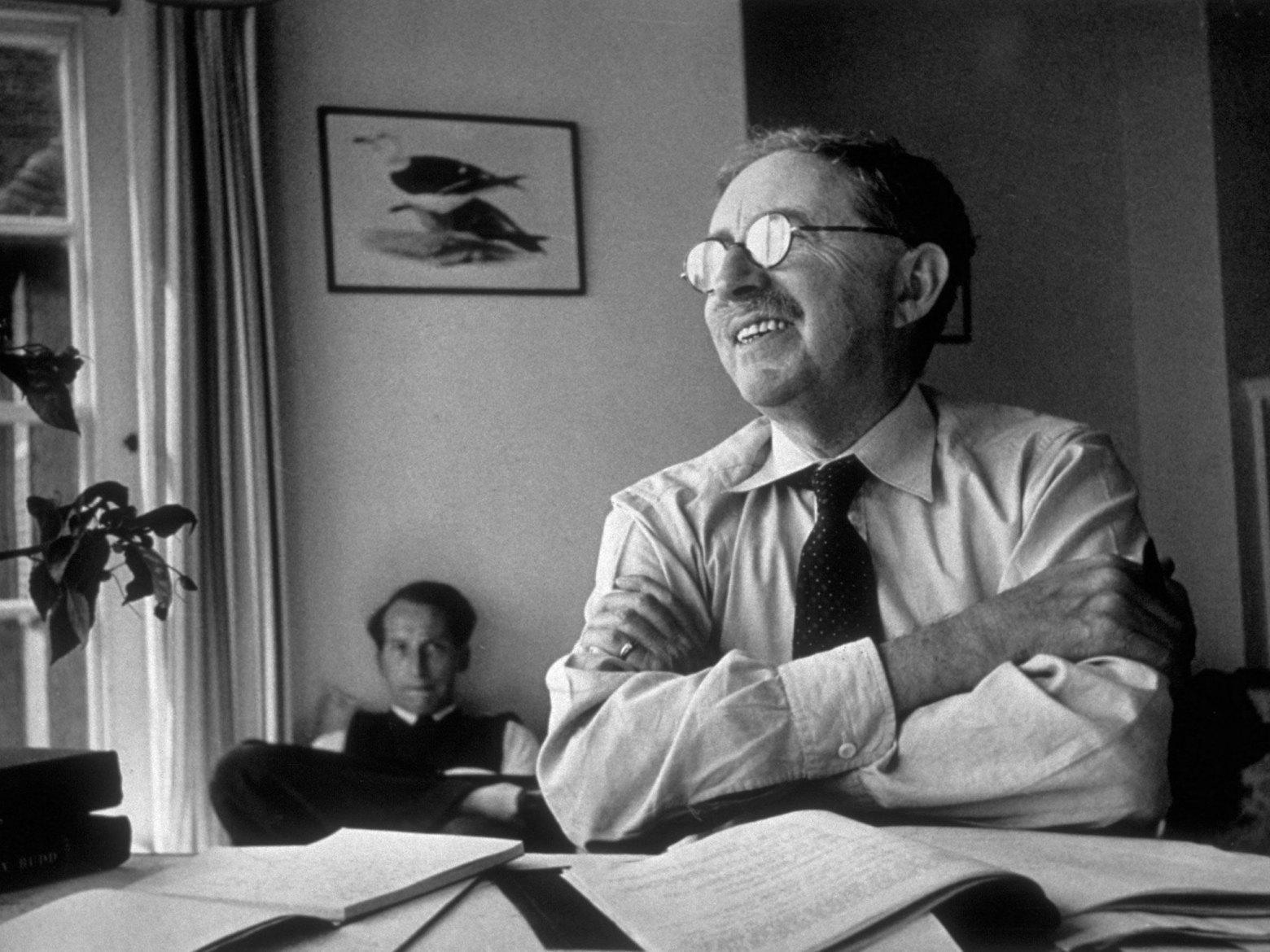
Edward Morgan Forster (1879-1970) belonged to the Cambridge intellectual circle that would later form the core of the Bloomsbury Group, alongside Virginia Woolf, Lytton Strachey, and John Maynard Keynes. He was a novelist, essayist, and literary critic whose works — "A Room with a View," "Howards End," "A Passage to India" — explored class boundaries and the gap between social convention and genuine human connection.
Forster traveled extensively in the Mediterranean, and the contrast between the warmth and vitality he found in Italy and Greece versus the rigid propriety of Edwardian England deeply shaped his worldview. He distrusted systems that promised comfort at the cost of authenticity — whether social conventions, imperial bureaucracies, or technological utopias.
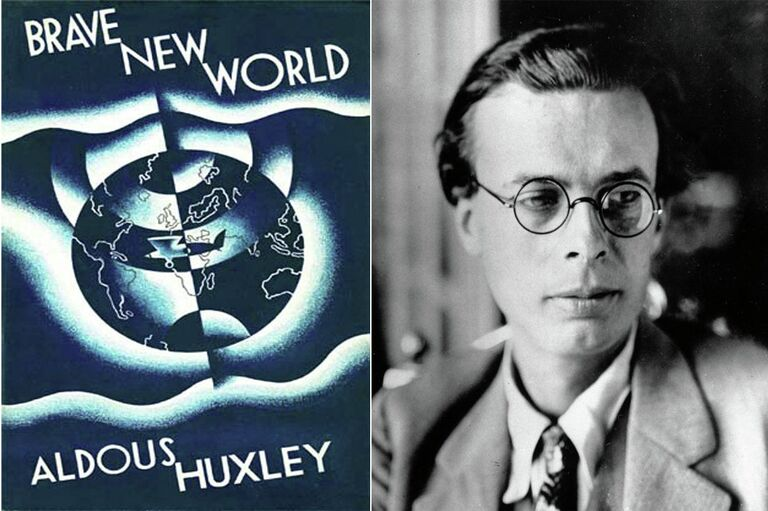
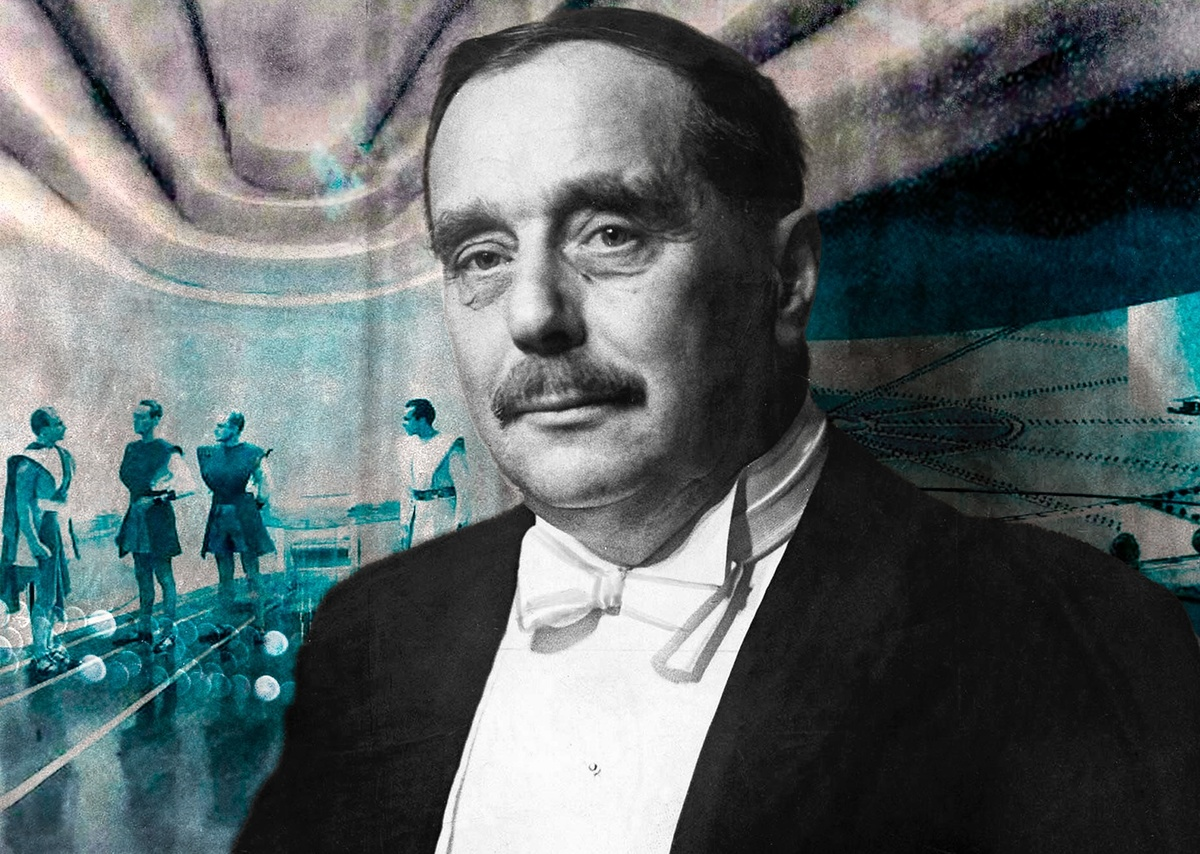
"The Machine Stops" was written as a direct polemic against H.G. Wells, particularly his 1905 novel "A Modern Utopia," which depicted a technologically advanced world government run by a noble class of administrators. Where Wells saw technology as liberation, Forster saw a trap. Where Wells imagined rational management of humanity, Forster imagined humanity losing everything that made it human.
Forster died on June 7, 1970 — just months after ARPANET, the precursor to the internet, transmitted its first message. He never witnessed the world his story had predicted.
Why It Matters Now
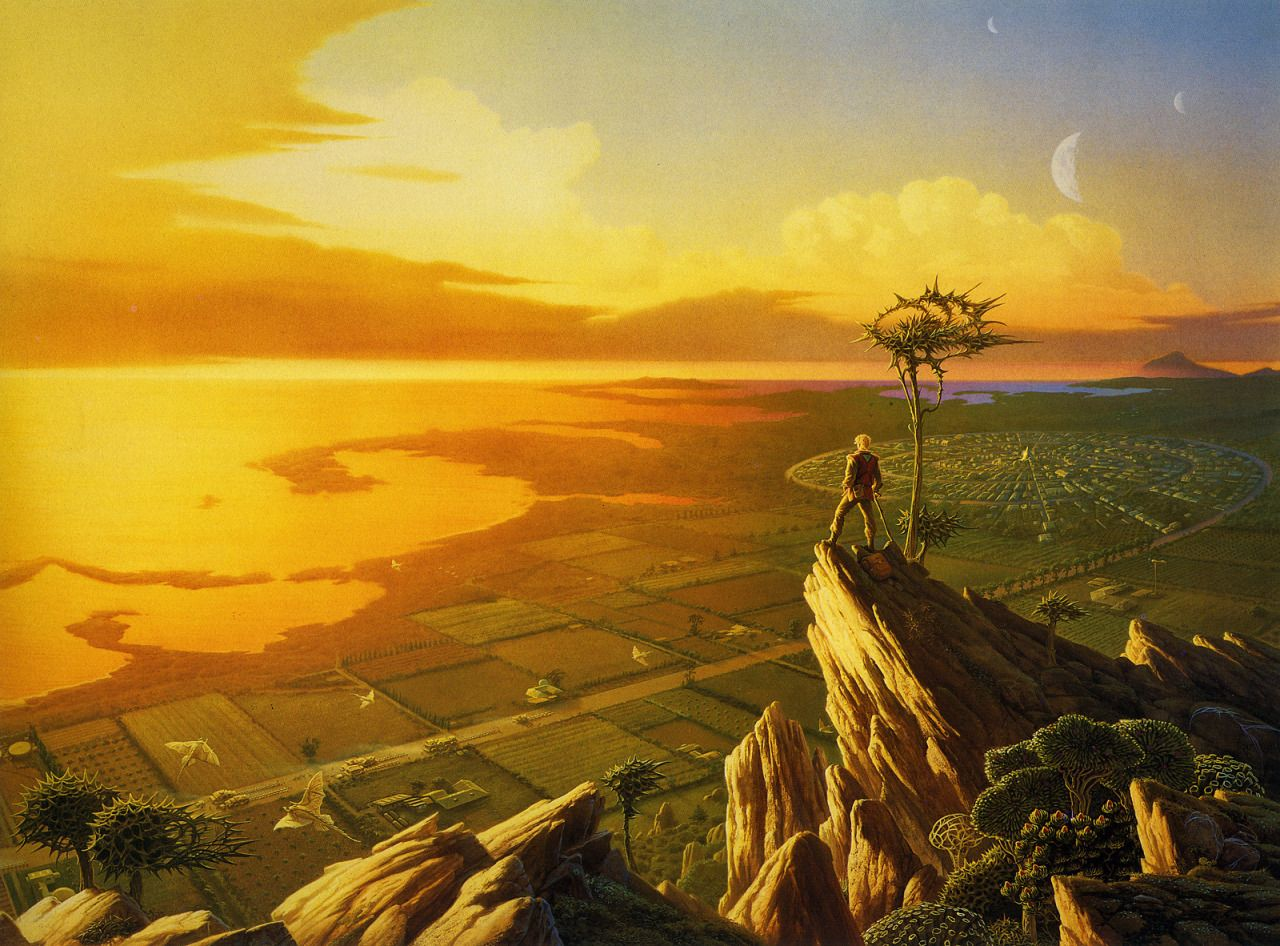
"The Machine Stops" languished in relative obscurity for most of the 20th century. Science fiction readers knew it, but it remained a footnote compared to Orwell, Huxley, and Bradbury. Then the internet happened. And then 2020 happened.
When millions of people found themselves locked in their apartments, communicating exclusively through screens, ordering food via apps, and watching their muscles atrophy from inactivity — Forster's story suddenly stopped being fiction. The parallels became impossible to ignore:
- Video calls as the primary form of social interaction
- Notification fatigue and information overload
- Physical deterioration from sedentary lifestyles
- Preference for mediated experience over direct contact
- Algorithmic content delivery replacing personal discovery
- Loss of practical skills in exchange for convenience
- Infrastructure dependency without infrastructure understanding
The most unsettling aspect of Forster's vision isn't the catastrophic collapse at the end — it's the comfort that precedes it. Nobody in the story is forced underground. Nobody is compelled to abandon physical contact. The citizens chose convenience, generation by generation, until they forgot there had ever been an alternative. The Machine didn't conquer humanity; humanity surrendered voluntarily.
Forster's story doesn't argue that technology is evil. It argues that a civilization which prioritizes comfort over resilience, mediated experience over direct contact, and systems over understanding will eventually find itself helpless when those systems fail. The Machine stops not because of a dramatic attack or natural disaster, but simply because nobody remembered how to keep it running.
In an era of cloud dependencies, AI-generated content, and algorithmically curated realities, "The Machine Stops" feels less like a 116-year-old warning and more like a user manual we're following step by step.
FAQ
What is this article about in one sentence?
This article explains the core idea in practical terms and focuses on what you can apply in real work.
Who is this article for?
It is written for engineers, technical leaders, and curious readers who want a clear, implementation-focused explanation.
What should I read next?
Use the related articles below to continue with closely connected topics and concrete examples.