The Last Exit from the Matrix: Where Payphones Still Survive
A field expedition to find Russia's last surviving payphones — from a working GSM-connected booth in a remote village to vandalized remnants — documenting the decline from 150,000 units to just 12,696 and the strange technology keeping them alive.
In The Matrix, payphones served as exit portals — the only way to escape the simulated reality and return to the real world. The heroes would race through the digital cityscape, desperate to reach a ringing payphone before agents caught them. Today, finding a working payphone feels almost as dramatic — except instead of agents, you're battling time, neglect, and the relentless march of cellular technology.
The Rise and Fall of the Payphone
There was a time when payphones stood on every corner of every Russian city. Card-operated booths from Rostelecom dotted streets, train stations, hospitals, and shopping centers. For many people, especially in the 1990s and early 2000s, these were the primary means of making phone calls outside the home.
The decline began in 2012-2013, when maintenance costs started exceeding the revenue from phone card sales. Mobile phones had become ubiquitous, and fewer people needed a public telephone. The economics simply no longer worked — maintaining a network of thousands of devices scattered across the country, each requiring power, connectivity, and periodic repair, all for a service almost nobody used.
In 2019, a curious decision was made: all payphone calls became free. First locally, then for calls anywhere in Russia. The logic was paradoxical — the service was so unused that charging for it cost more in administration than it generated in revenue. Making calls free was actually cheaper than maintaining a payment system.
The final blow came in 2021, when a mass removal campaign eliminated payphones from towns with over 1,000 residents or where usage was minimal. Before this purge, roughly 150,000 payphones operated across Russia. Afterward, the number plummeted.
12,696 Survivors
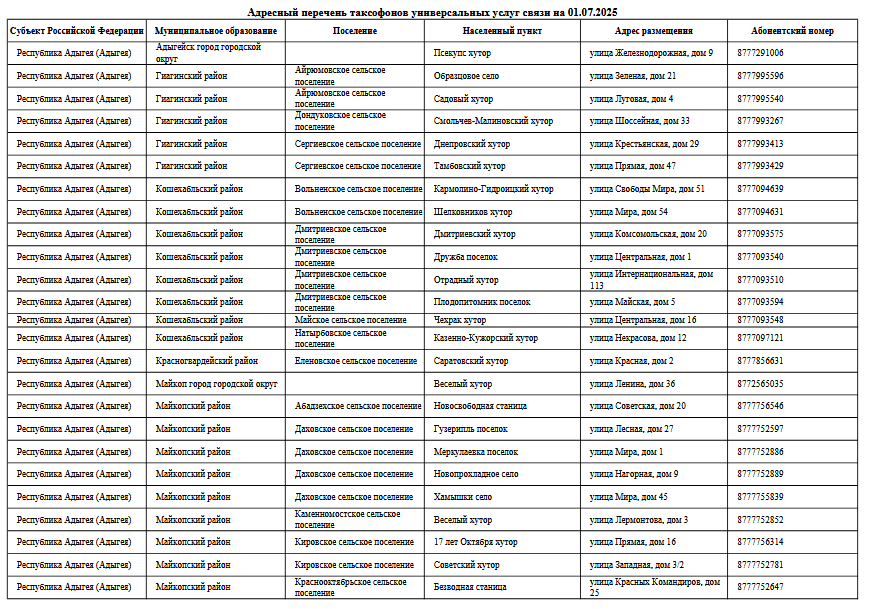
Today, approximately 12,696 payphones remain operational across Russia. Most are located in remote areas with poor cellular coverage, where they serve as essential communication lifelines for isolated communities. Rostelecom maintains an official directory of all functioning payphones — a 511-page PDF document listing each device's precise location.

I downloaded this directory and began planning expeditions to find and test these surviving relics. My search area: the Chelyabinsk region, where several payphones were listed in villages and small settlements scattered across the countryside.

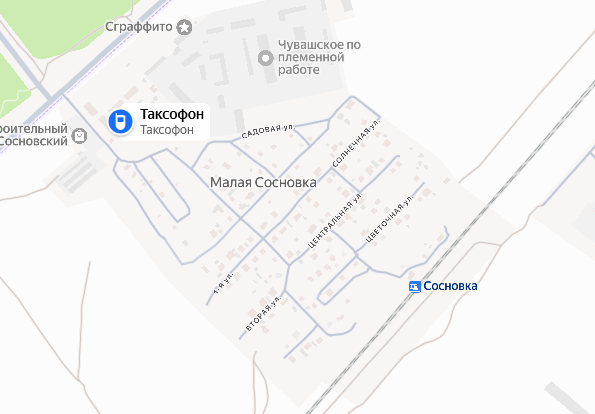
Expedition 1: Malaya Sosnovka
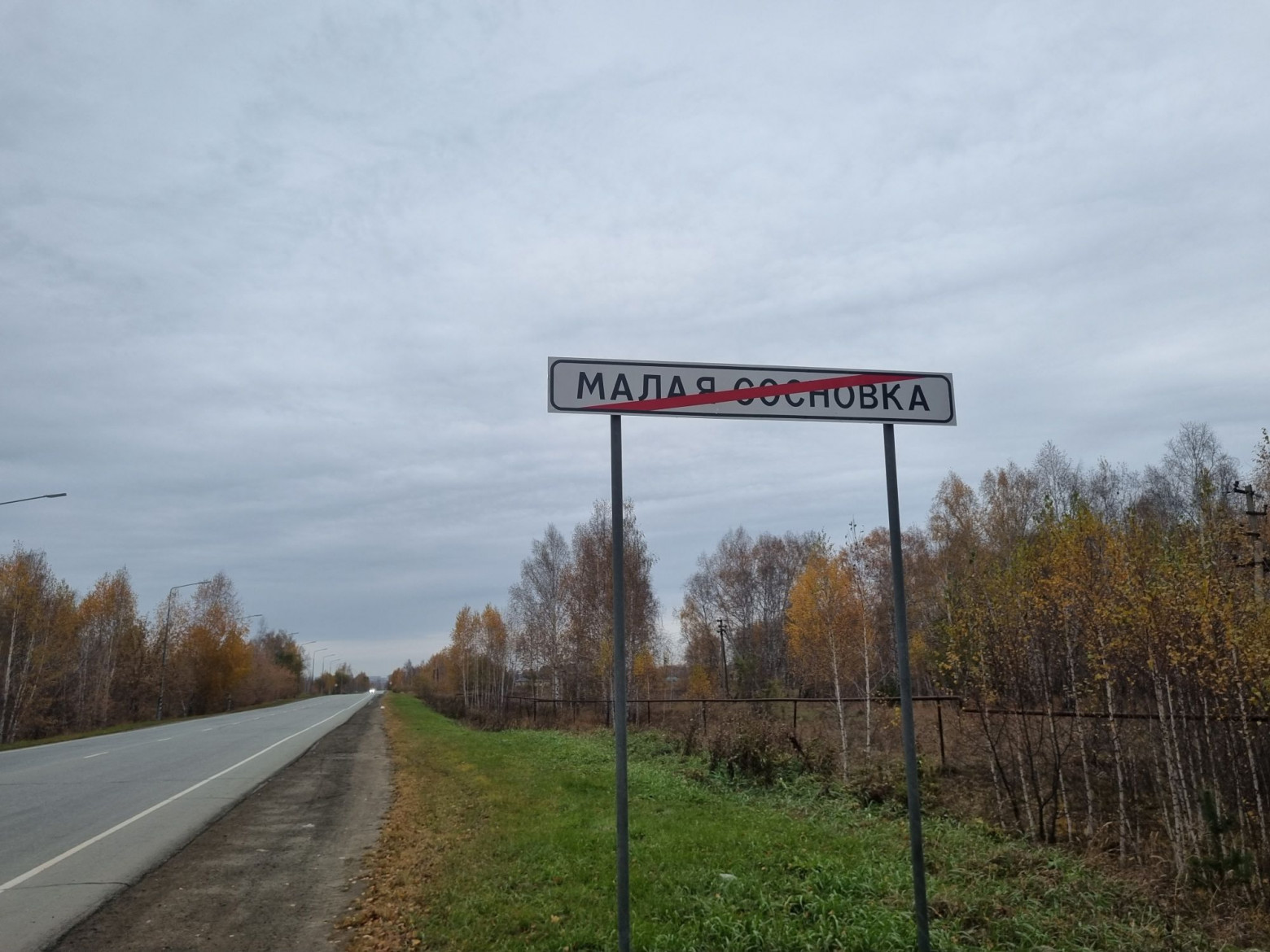
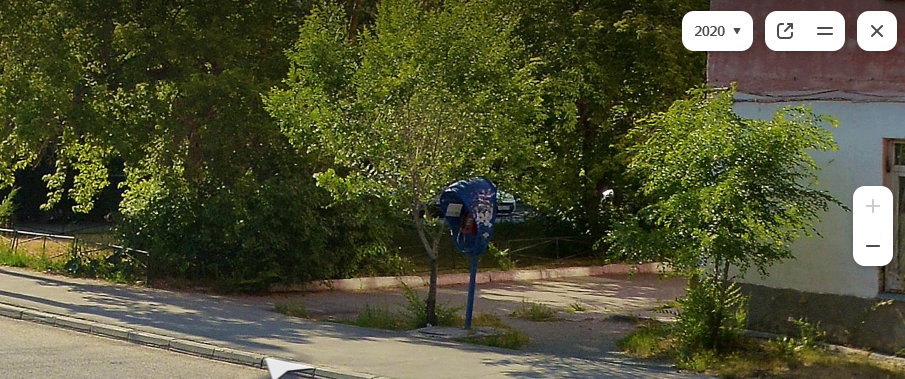
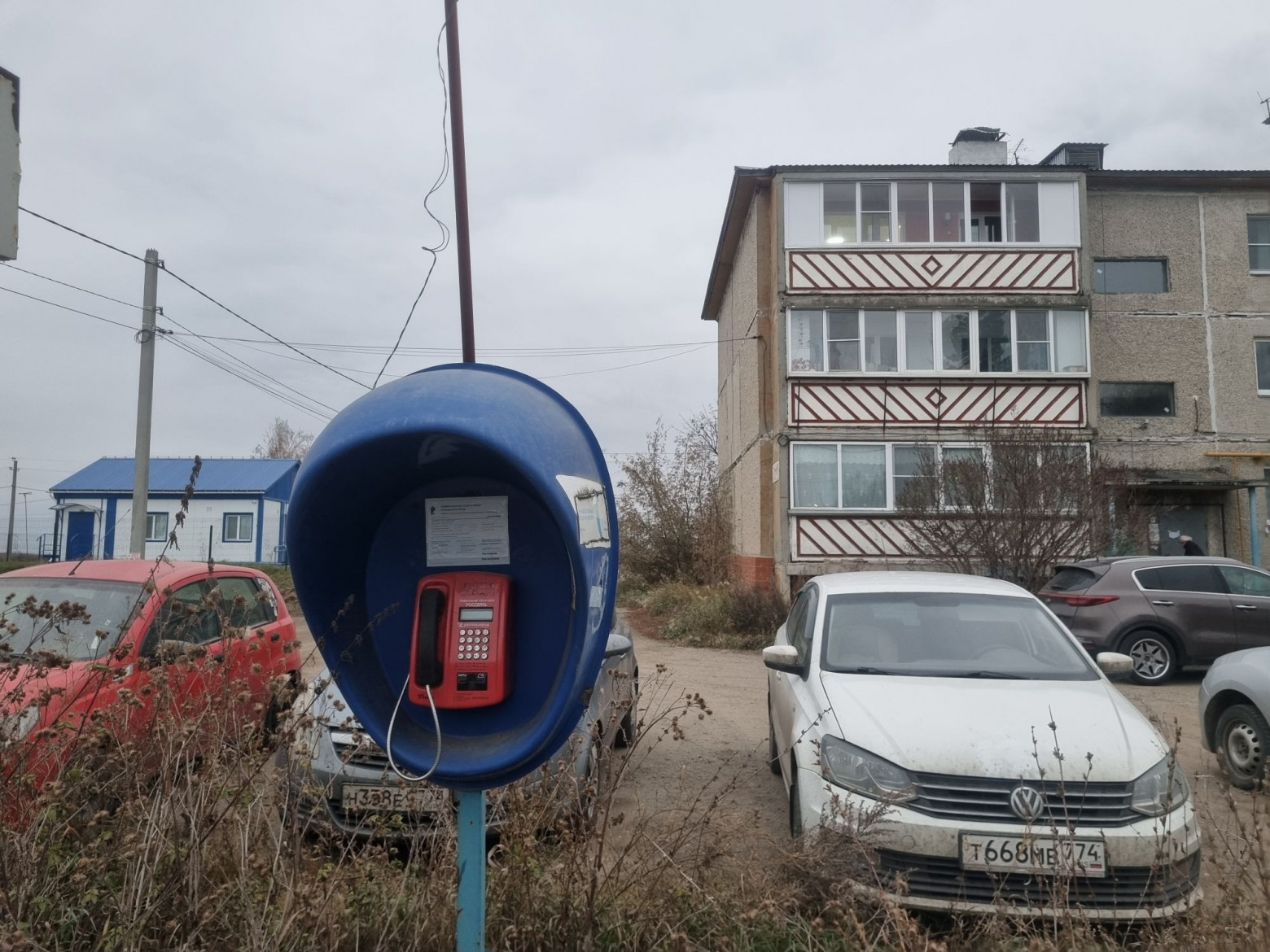
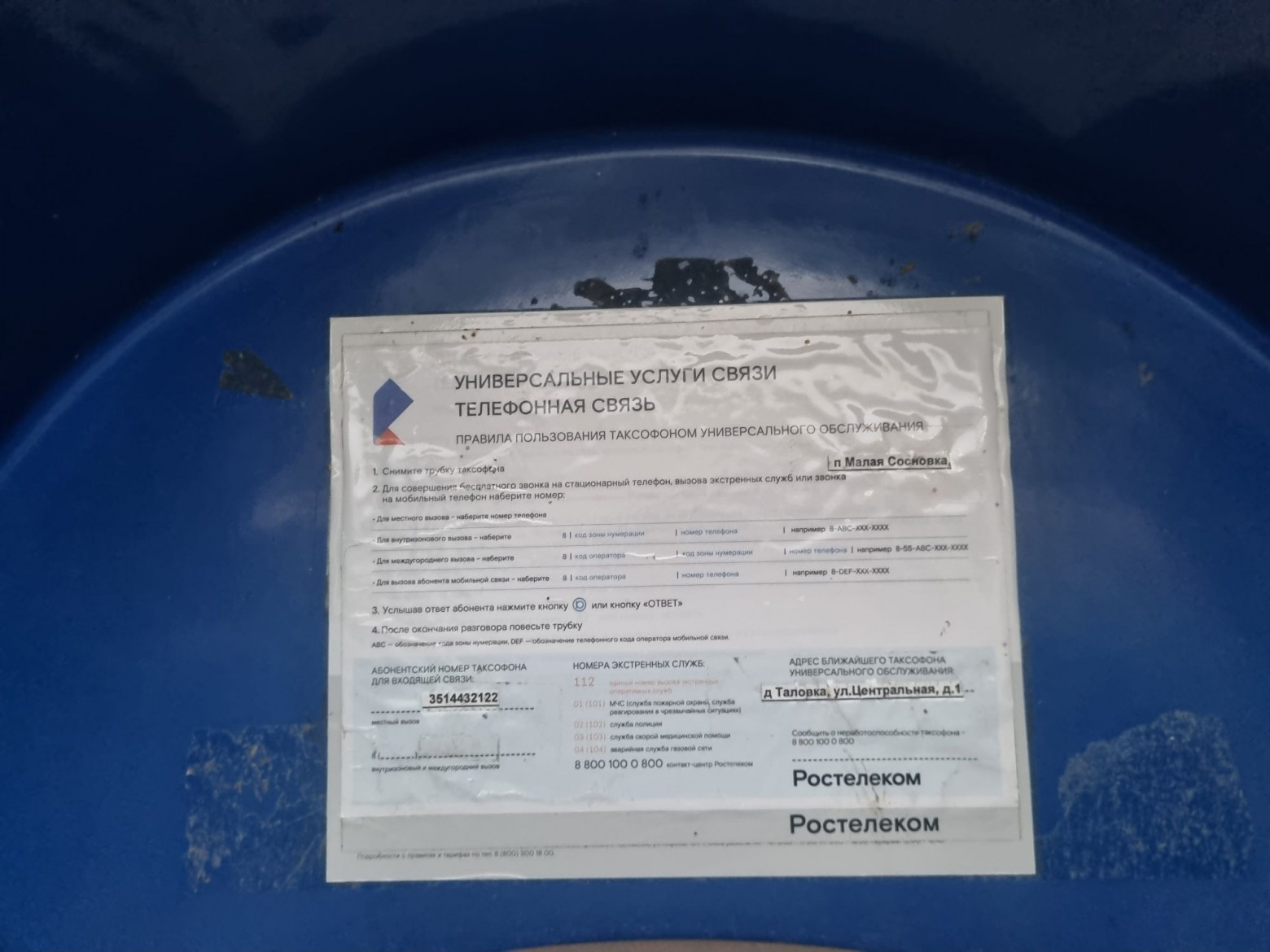
My first destination was the village of Malaya Sosnovka. After a drive through increasingly rural landscapes, I found what I was looking for: a payphone booth standing at the edge of the village, looking surprisingly intact.
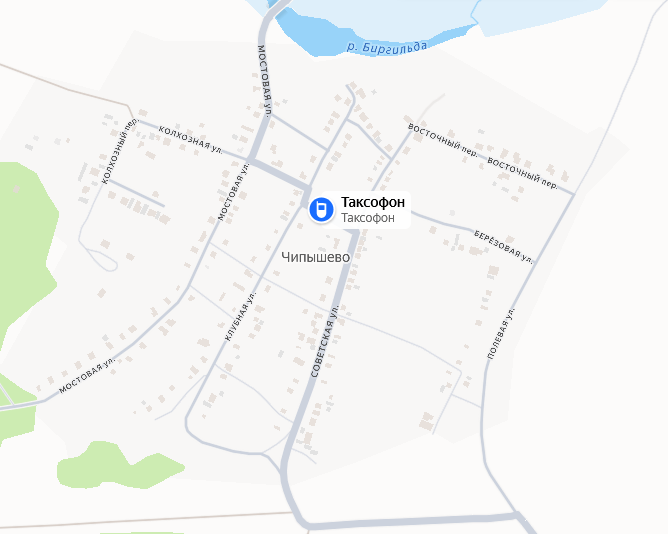
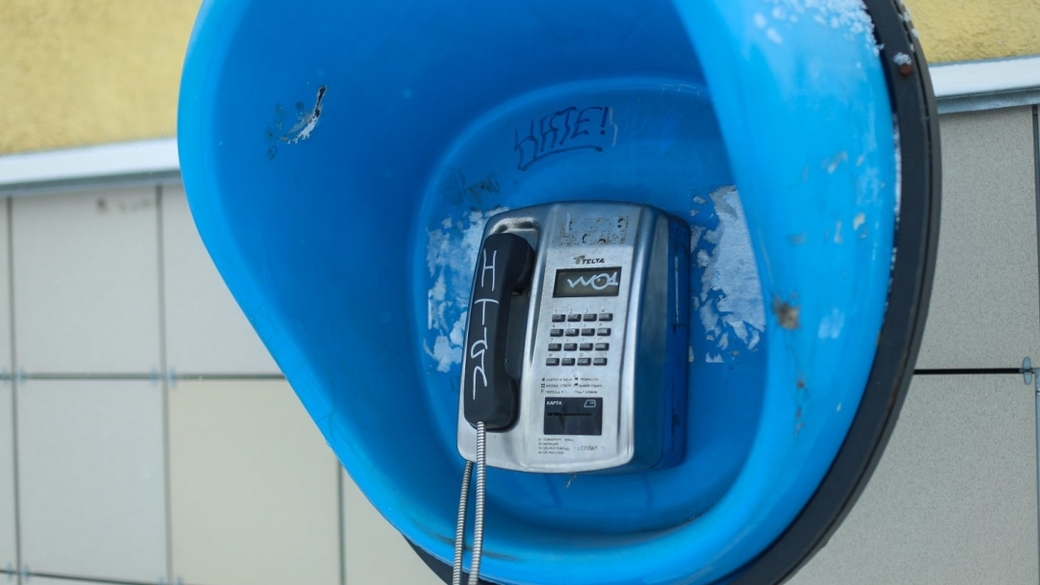
The device was a TMGS-15280 model, manufactured in Perm. I picked up the handset — and heard a dial tone. I dialed a number. It connected. The call quality was clear, the conversation perfectly audible. Success! A working payphone in 2025.
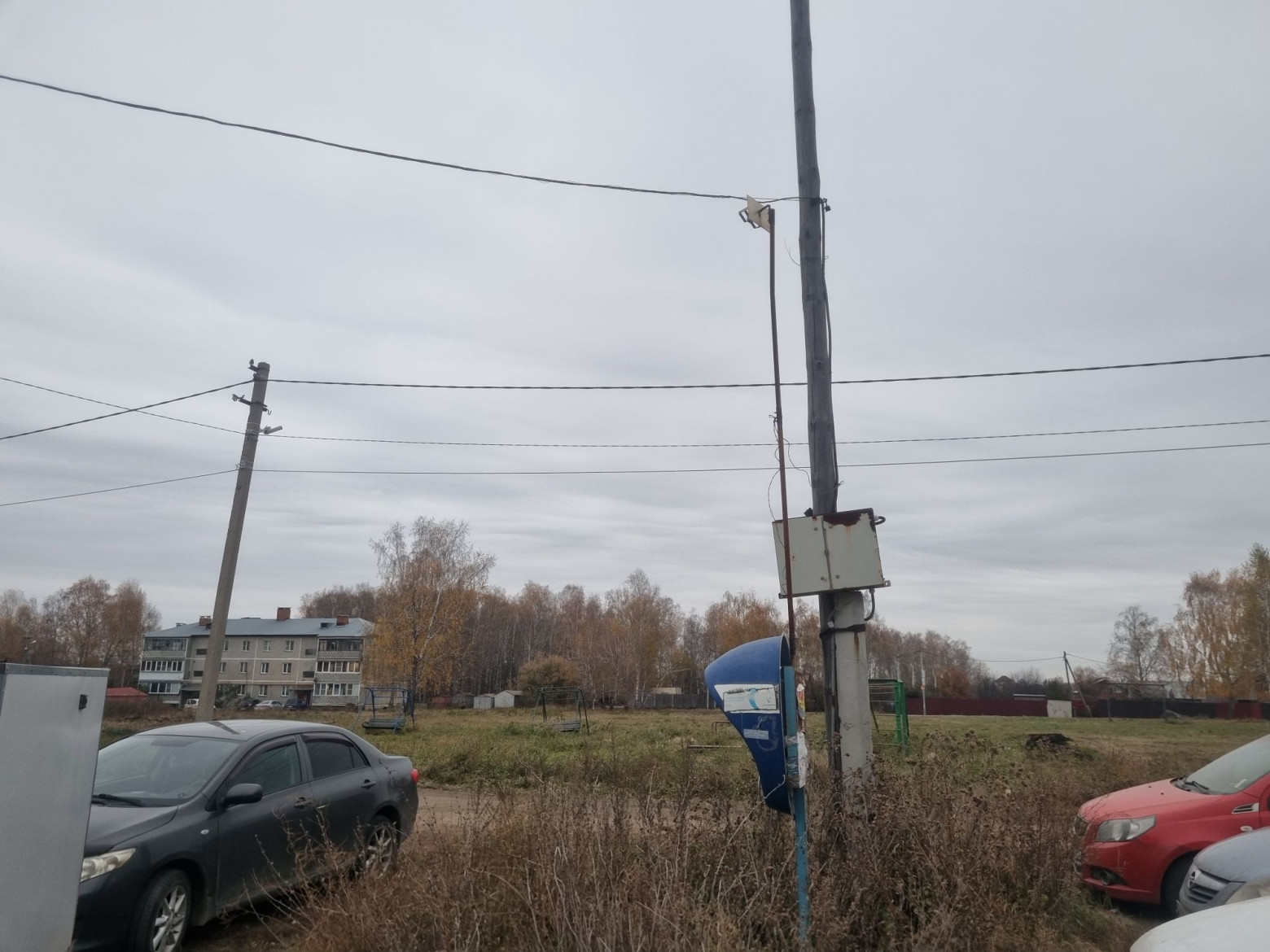
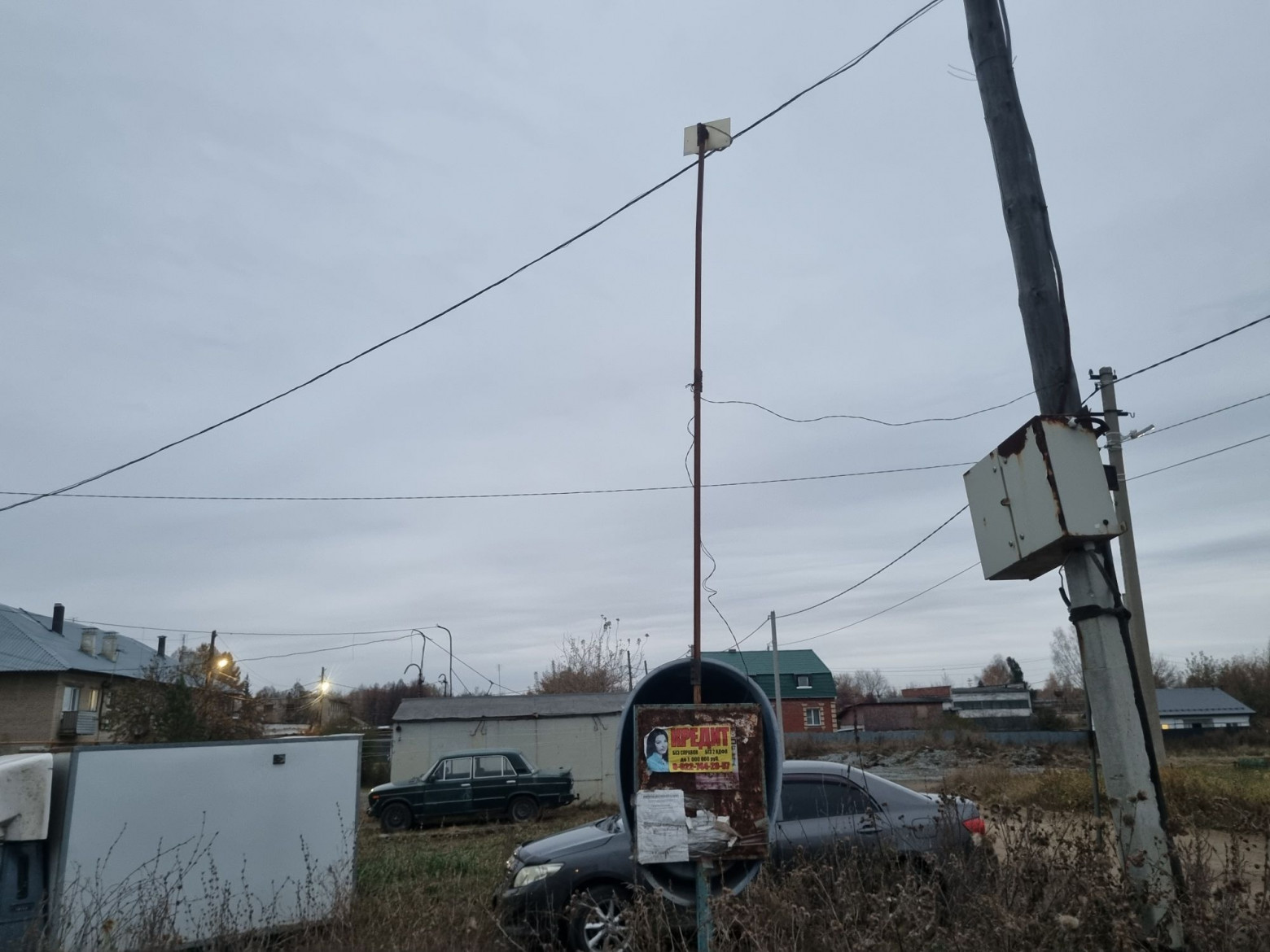
Examining the booth more closely, I noticed something interesting: atop the structure sat a cellular antenna. This payphone wasn't connected to a traditional landline at all — it operated via a GSM cellular module. The irony was delicious: a payphone, supposedly the antithesis of mobile technology, was itself secretly a mobile device.
The booth also housed an external power box with circuit breakers and an electrical meter, all protected by a locked metal enclosure. The infrastructure, while minimal, was clearly maintained at some level.


Expedition 2: Kazantsevo
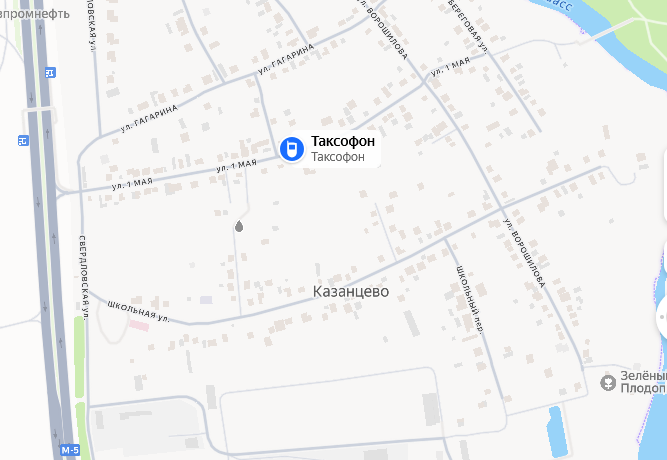
Encouraged by success, I headed to Kazantsevo. The directory listed a payphone here, but what I found told a different story.
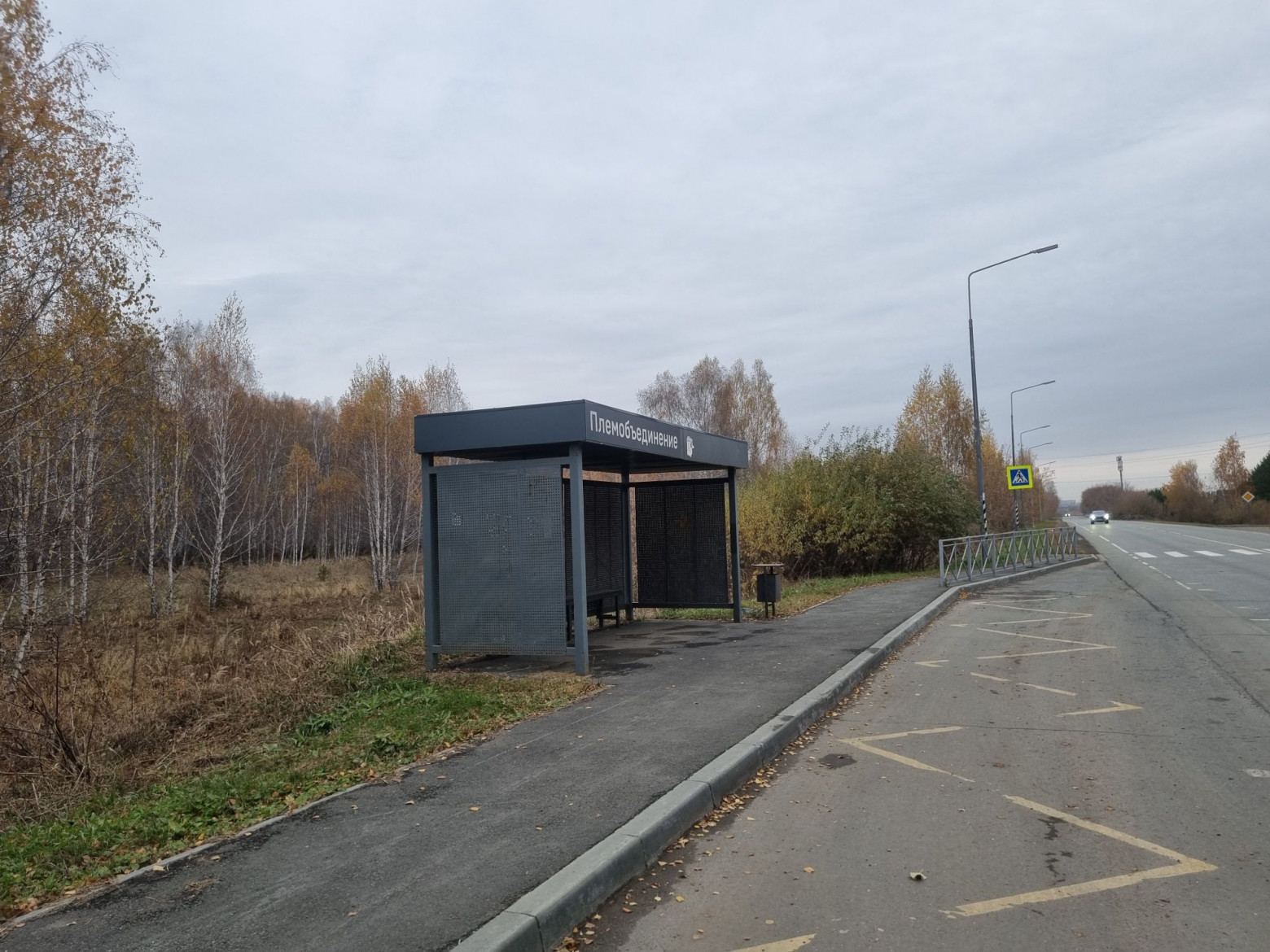
The booth was there, but in sorry condition. The coaxial cable that once connected to the antenna had been severed — whether by vandals, weather, or scavengers looking for copper. The apparatus itself was heavily damaged. No dial tone, no sign of life. This payphone existed only on paper.

Expedition 3: Mokhovichi
The village of Mokhovichi presented yet another scenario. Here I found an IST-001 model payphone, also manufactured in Perm but of a different design than the TMGS-15280.
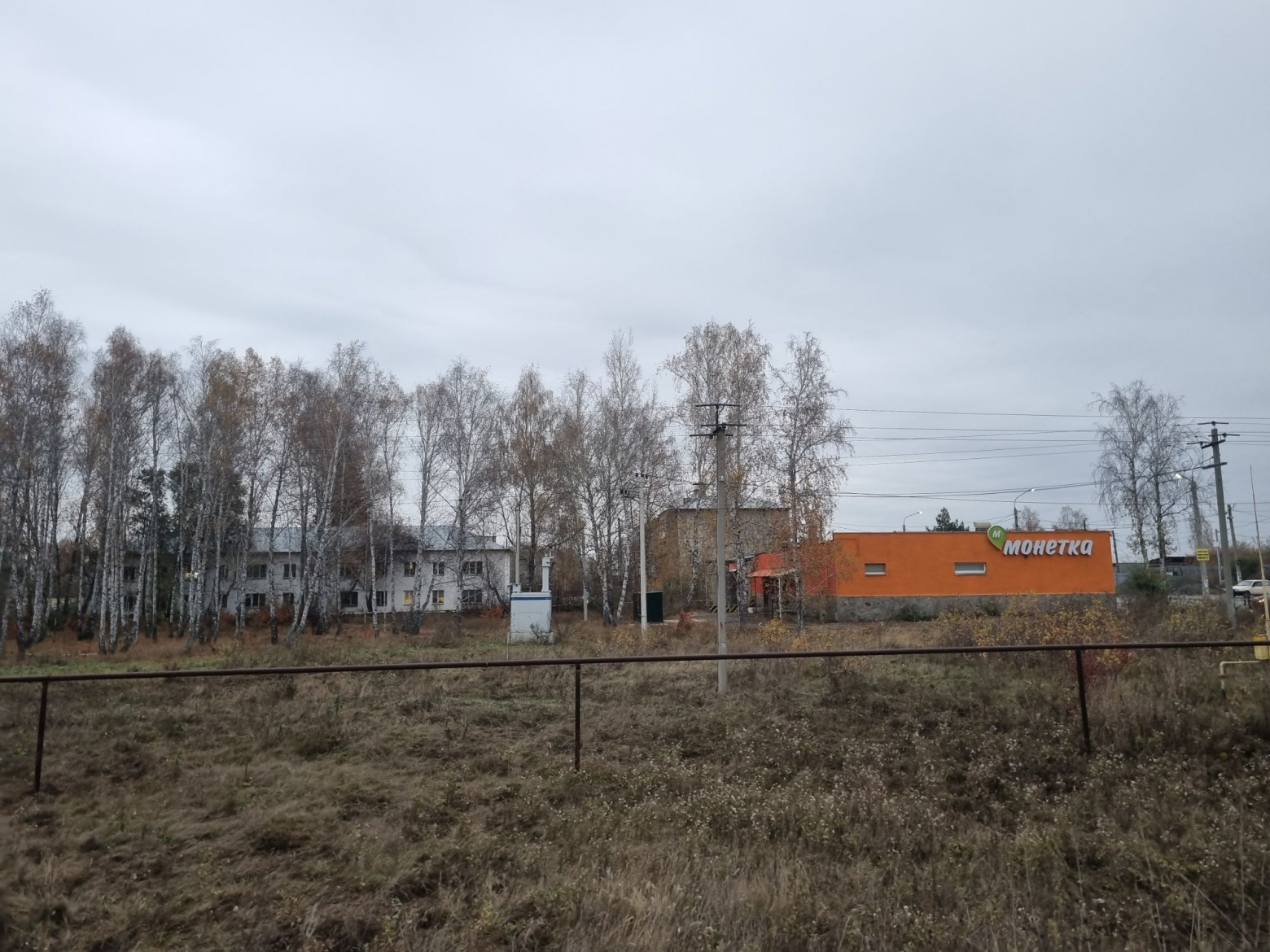
This one was technically operational — it powered on and appeared to function. However, the audio quality was terrible. Water damage had clearly affected the internal electronics. The speaker produced distorted, garbled sound, and conversation was nearly impossible. The microphone seemed to work intermittently. This was a payphone that was dying slowly, drowning in the elements without anyone coming to repair it.
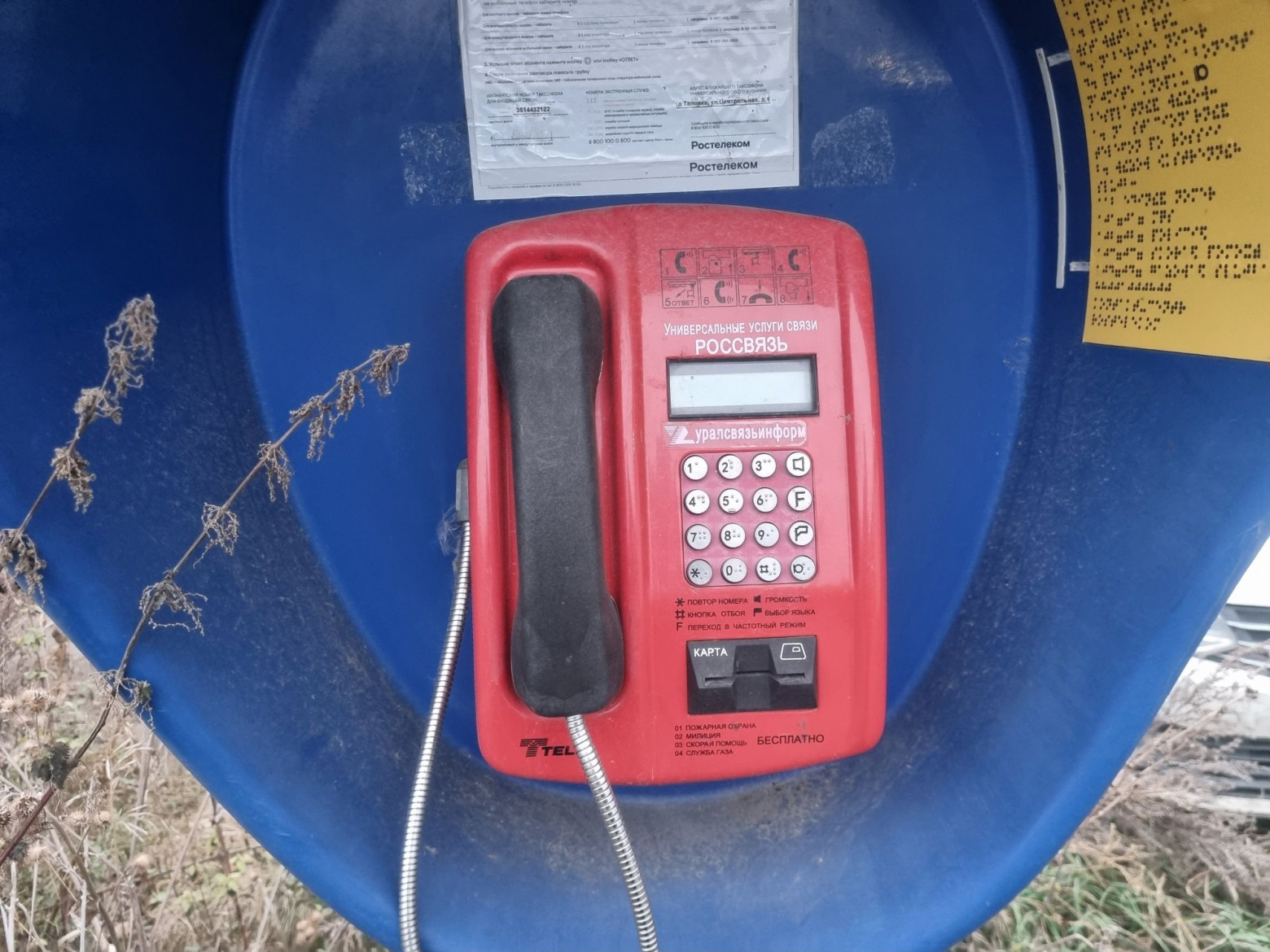
Expedition 4: Novy Kremenkul
My final destination was Novy Kremenkul, where the directory listed another TMGS-15280 unit. The booth stood at the roadside, weathered but present.
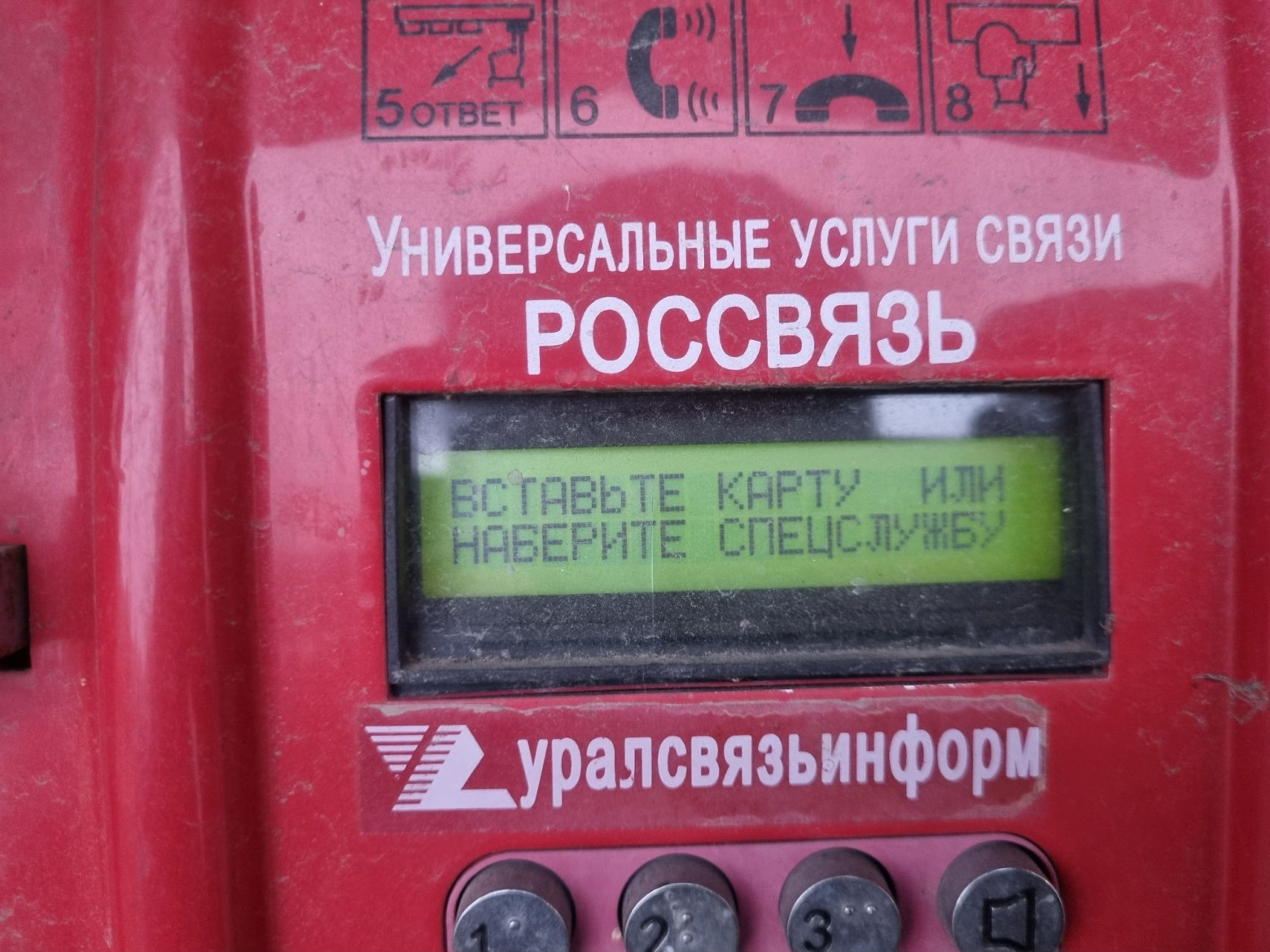
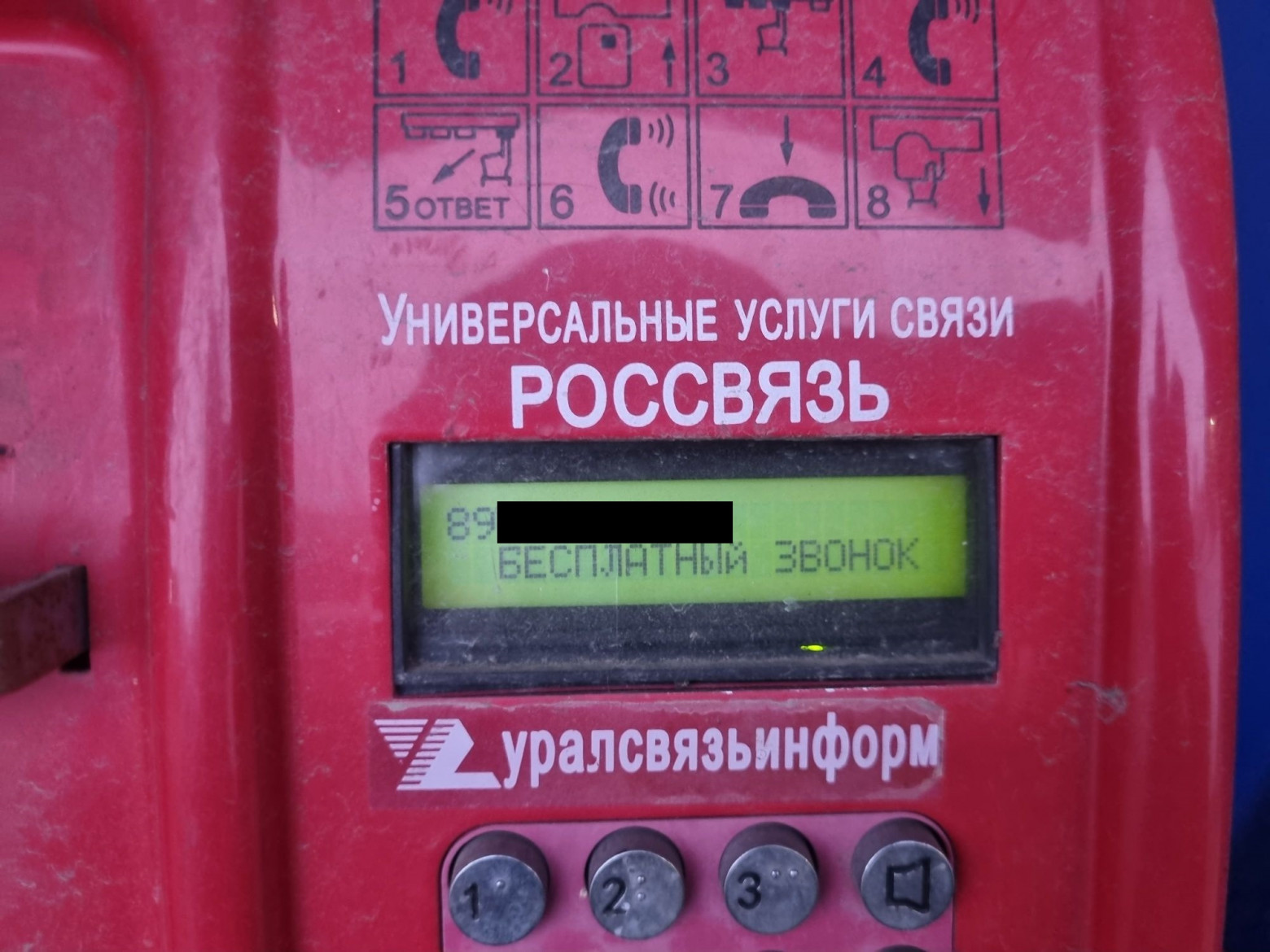
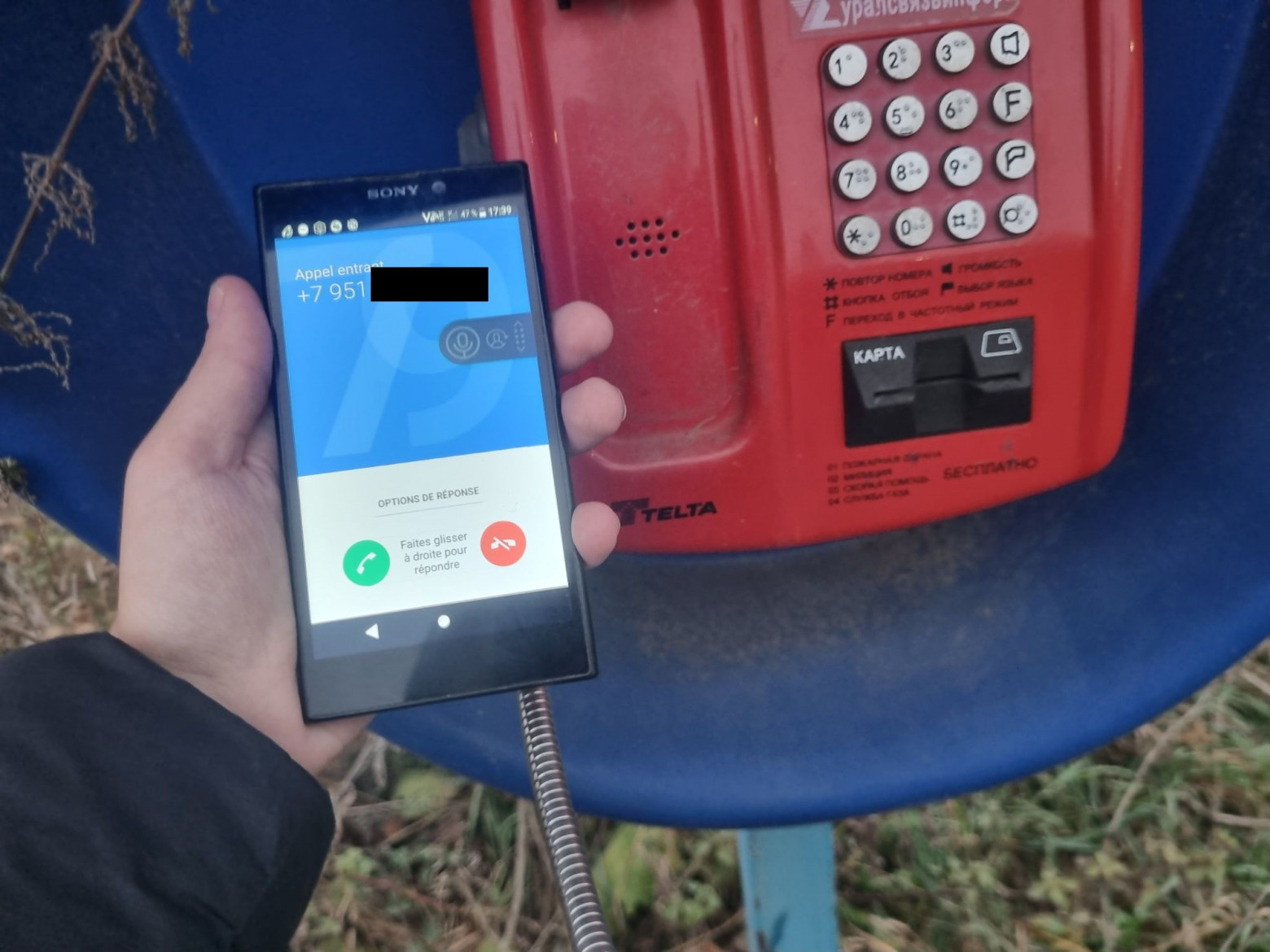
This one presented a paradox. The apparatus appeared to function — lights indicated power, the electronics seemed alive. But when I lifted the handset, there was no dial tone. Complete silence. I dialed numbers anyway; the buttons registered, but no connection was established. Testing from another phone confirmed that calls to this payphone's number did register as arriving somewhere — but no sound came through the handset. The speaker or its connection had failed, rendering the device useless despite being technically "on."
The Technology Behind the Survivors
All the payphones I examined shared a common technological approach: GSM cellular modules rather than dedicated landline infrastructure. Each booth featured a cellular antenna, usually mounted on top or on a nearby pole. This made sense economically — running physical telephone lines to remote villages would cost far more than a GSM module with a SIM card.
The booths also contained power infrastructure: external power boxes with circuit breakers, electrical meters, and weather-resistant enclosures. The power draw is minimal — these devices were designed for efficiency, needing only enough electricity to power the GSM module, handset electronics, and minimal lighting.
The Phantom Fleet
My expedition revealed an uncomfortable truth: the official count of 12,696 functioning payphones is likely inflated. Of the four I visited, only one worked properly. One was completely destroyed, one barely functional with severe audio issues, and one electrically alive but unable to complete calls. If my small sample is representative, the actual number of truly functional payphones in Russia may be far lower than reported.

Nobody is checking. Rostelecom's directory reflects what was installed, not what currently works. These phantom payphones exist in a database, drawing power, counted in statistics — but serving no one.
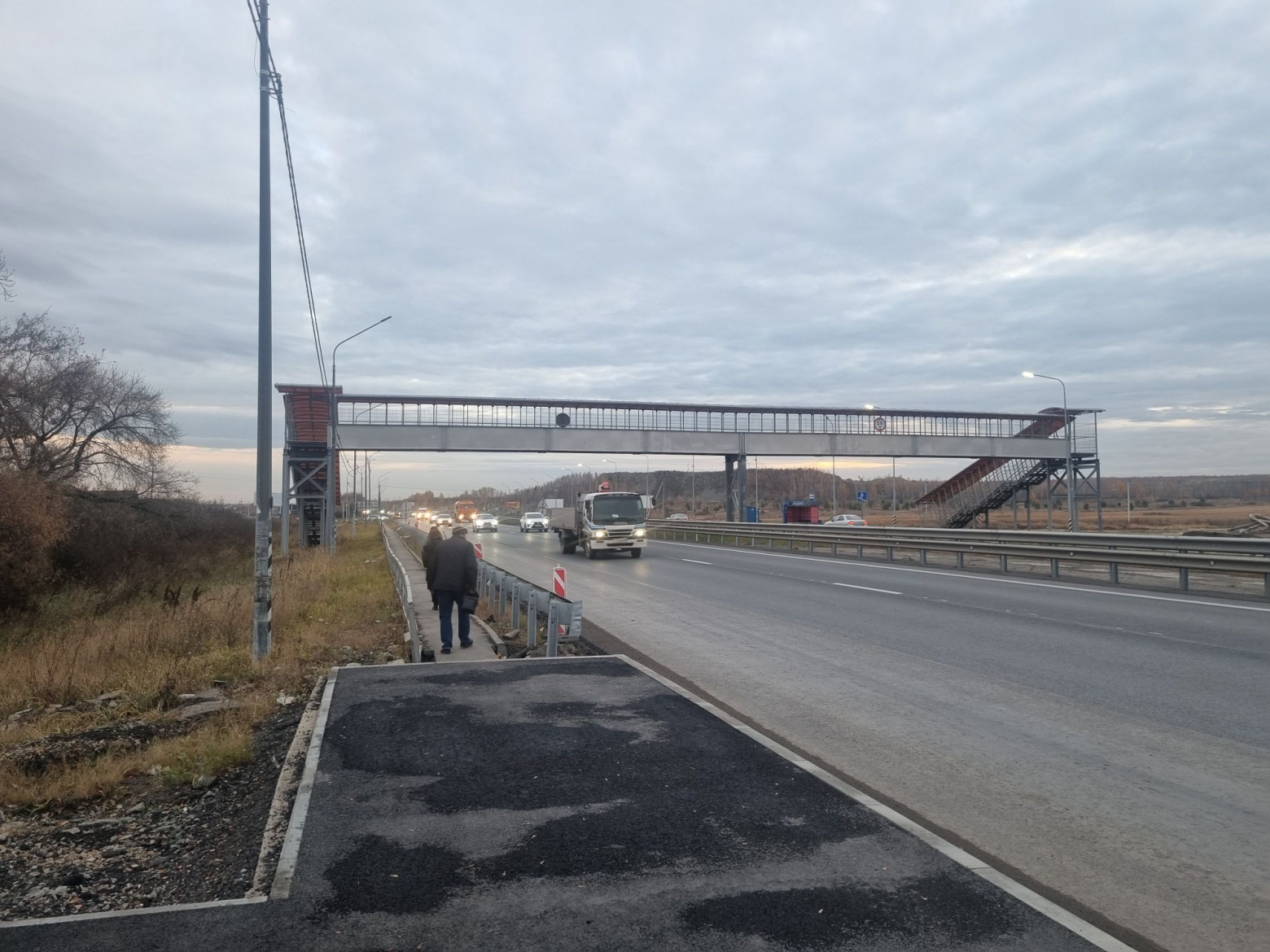
The Last Exit
Despite the decay and disappointment, there remains something deeply evocative about these devices standing alone at the edges of villages, in forests, beside unpaved roads. They are the last physical remnants of a telecommunications era that shaped how we communicated for over a century.
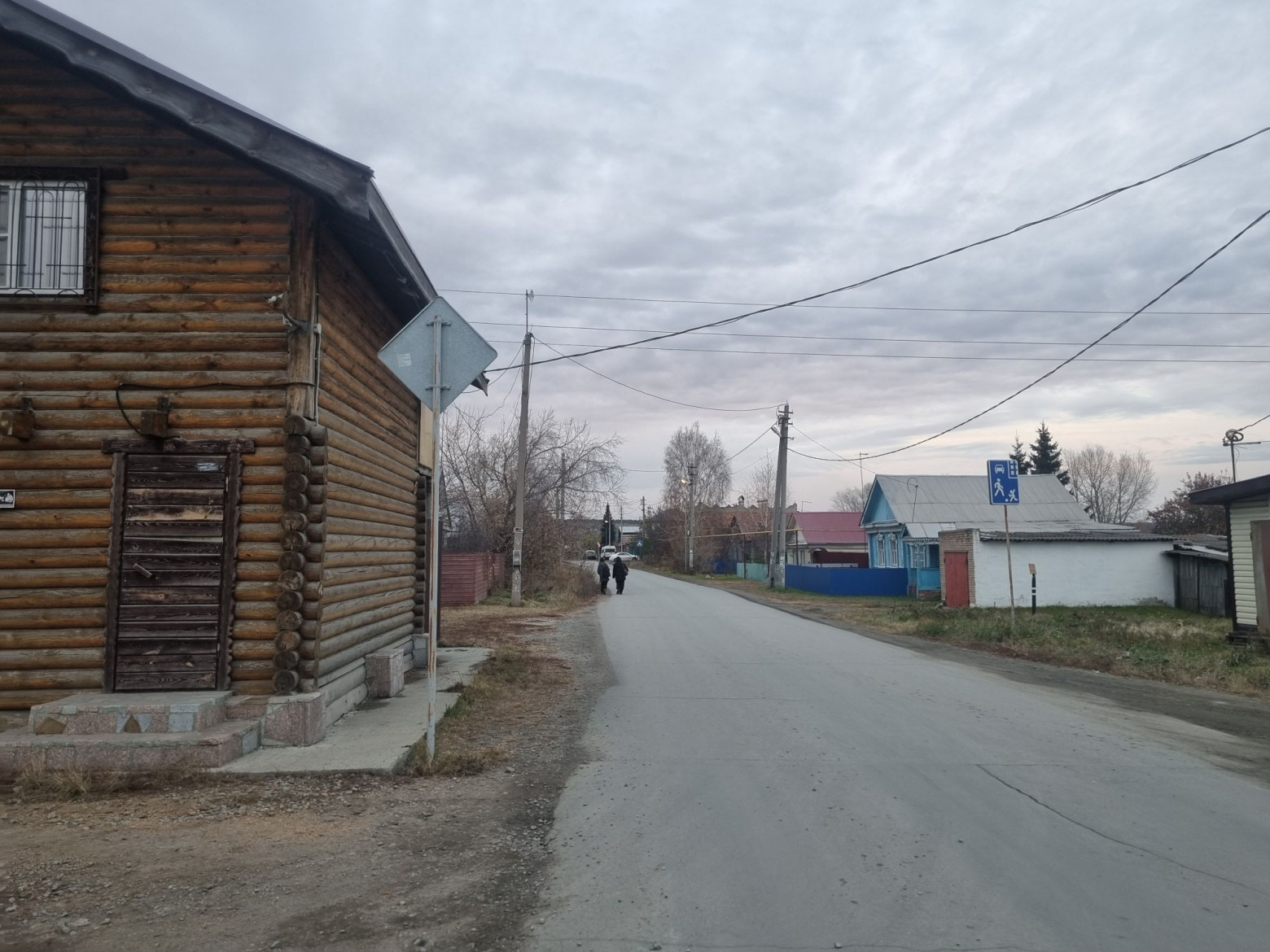
In The Matrix, Neo needed to reach a payphone to escape. In reality, these payphones represent the opposite — not an exit from an artificial world, but a connection to the real one. For the isolated communities they serve, a working payphone might be the only link to emergency services, to family, to the outside world. When the last one finally falls silent, a small but meaningful thread connecting remote Russia to civilization will be severed.
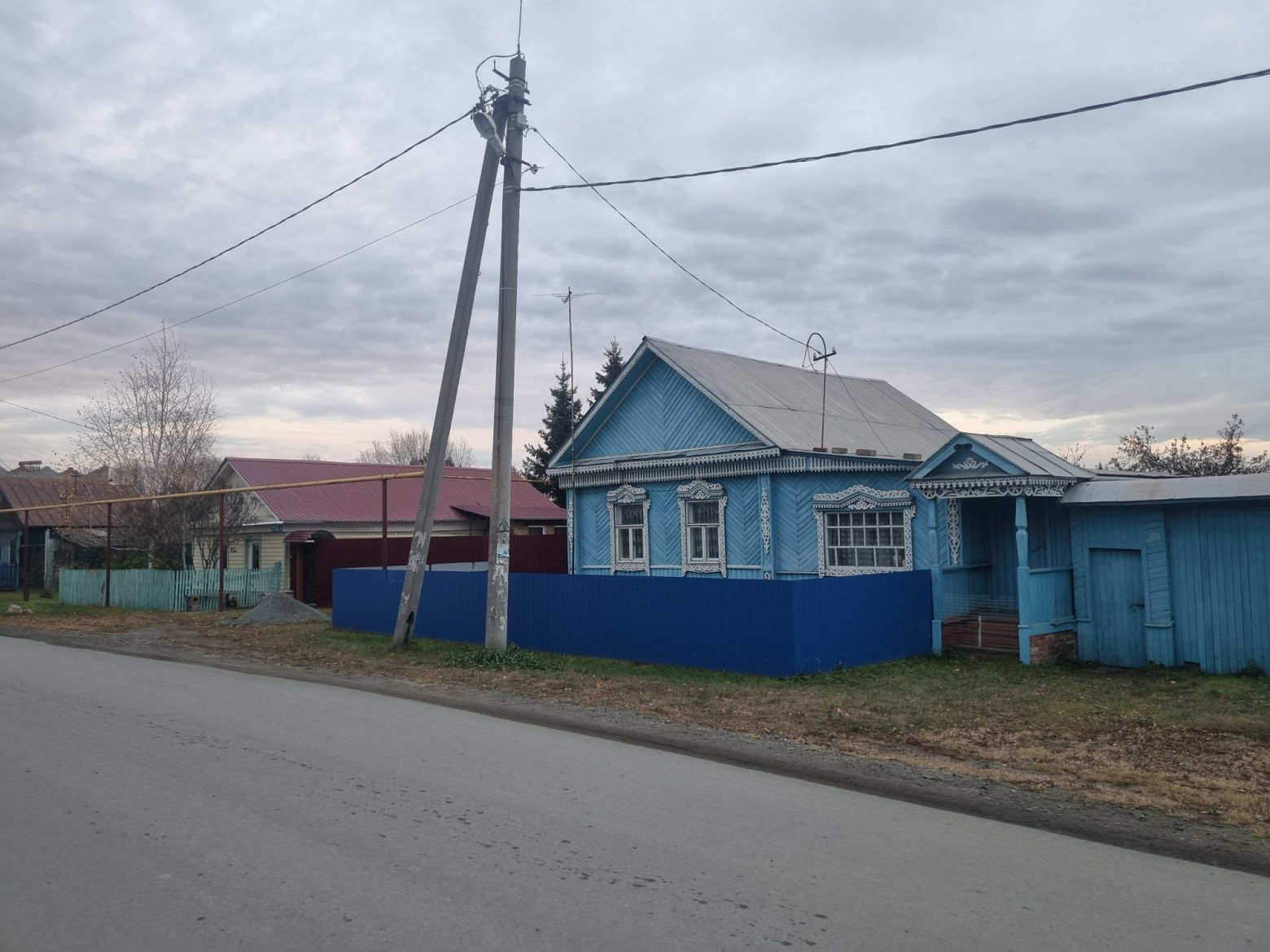
Until then, the payphones stand watch — rusting, deteriorating, occasionally still ringing — like sentinels from a vanished age, waiting for a call that may never come.