The Stratospheric Bird: Birth of the M-17
The remarkable story of the Soviet M-17 and M-55 stratospheric aircraft — originally designed as Cold War spy balloon interceptors, they set 25+ world records and were repurposed as flying laboratories studying Earth's ozone layer.
In the history of aviation, there are legendary aircraft that set records and demonstrate engineering mastery. The M-17 and M-55 are unique machines created during the Cold War for special purposes.
Spy Balloons
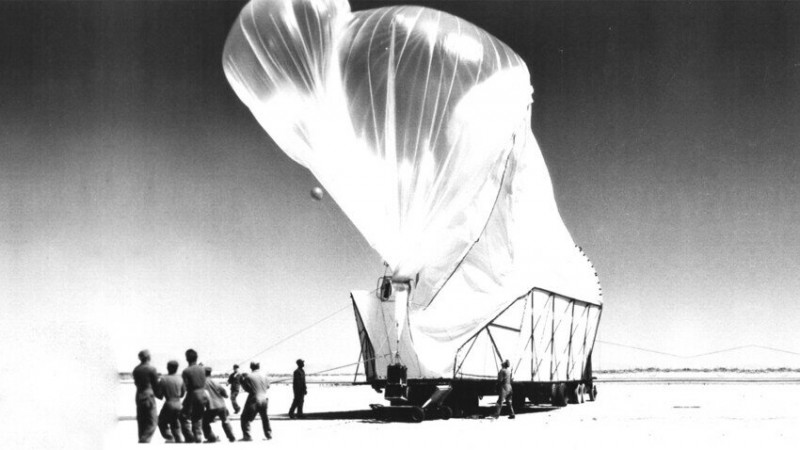
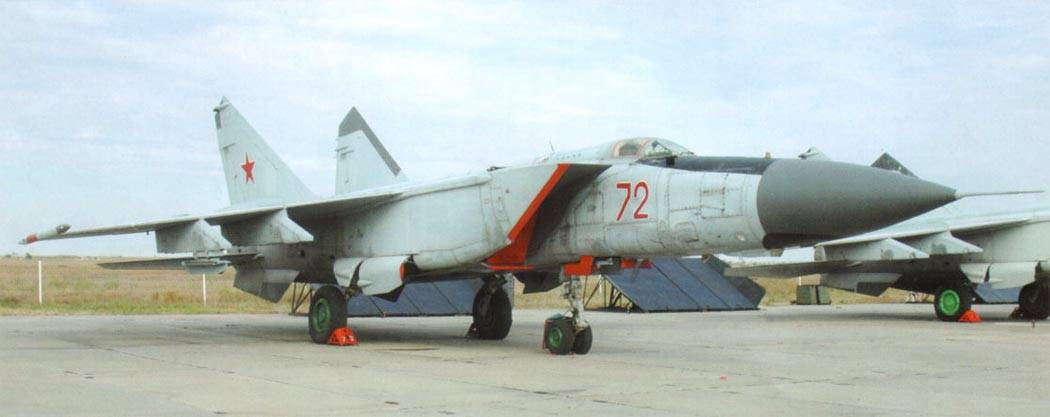
In the mid-1950s, American intelligence agencies used high-altitude balloons equipped with cameras to conduct reconnaissance over the USSR. These unmanned craft climbed to altitudes of 20 kilometers and above, drifting in the stratosphere beyond the reach of the interceptors of that era.
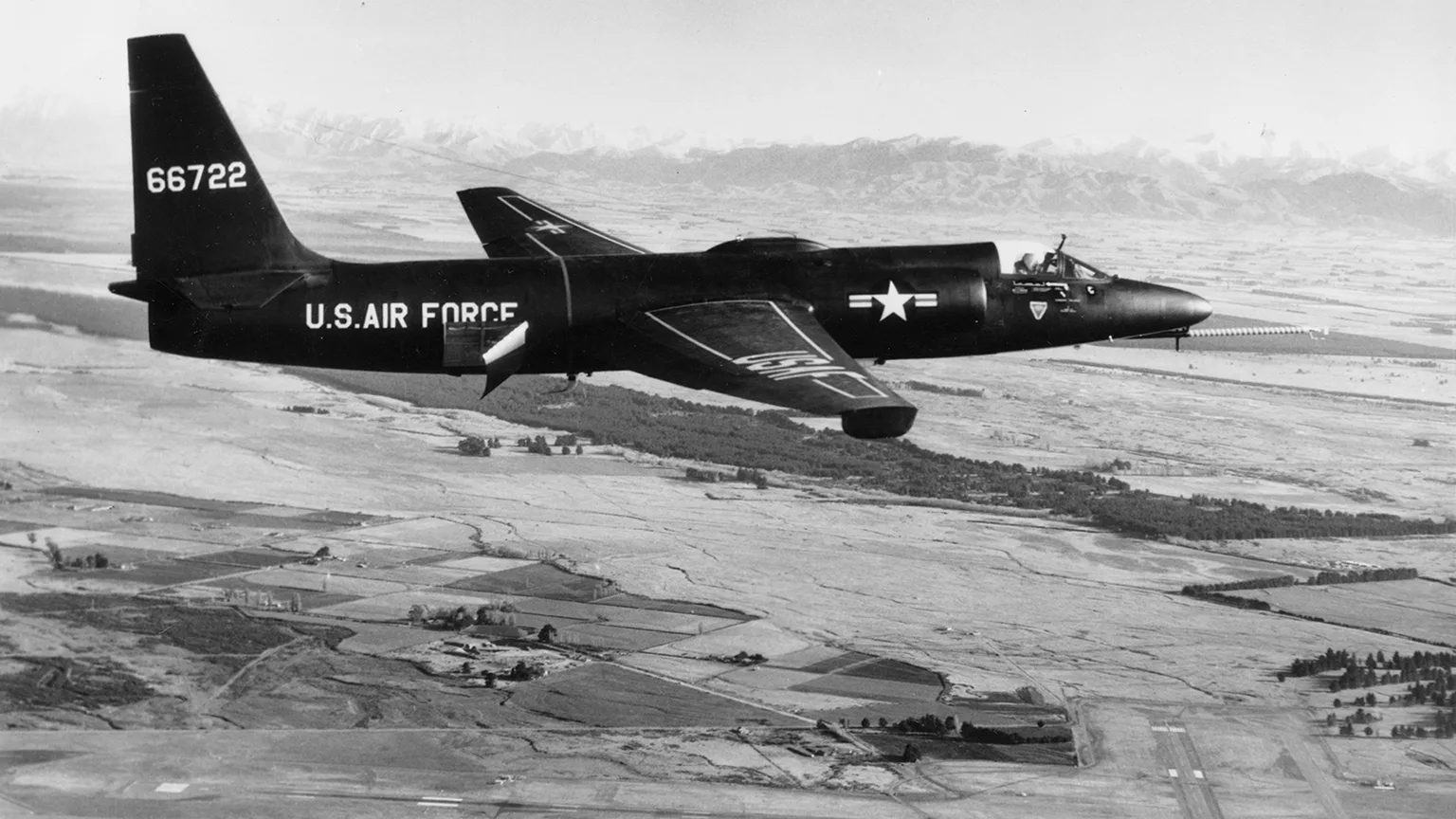
In 1960, an American U-2 reconnaissance plane was shot down near Sverdlovsk. Then, in 1967, aircraft designer Vladimir Myasishchev was tasked with developing an interceptor aircraft to combat high-altitude balloons.
Birth of the M-17
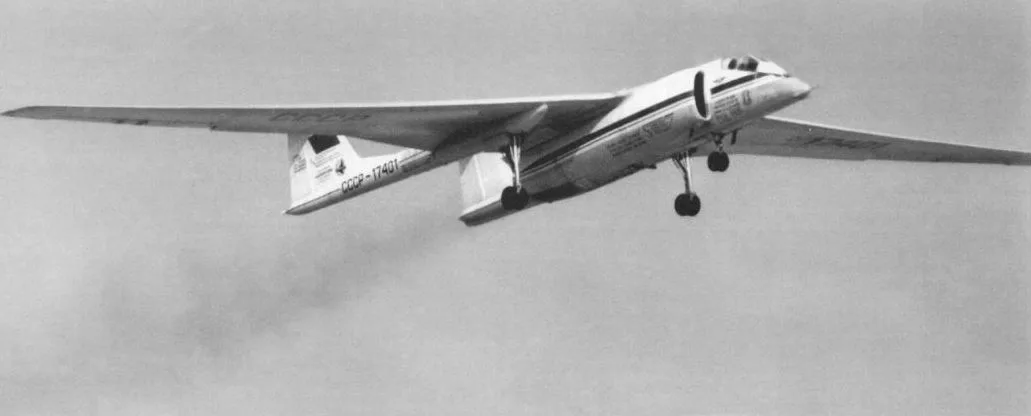
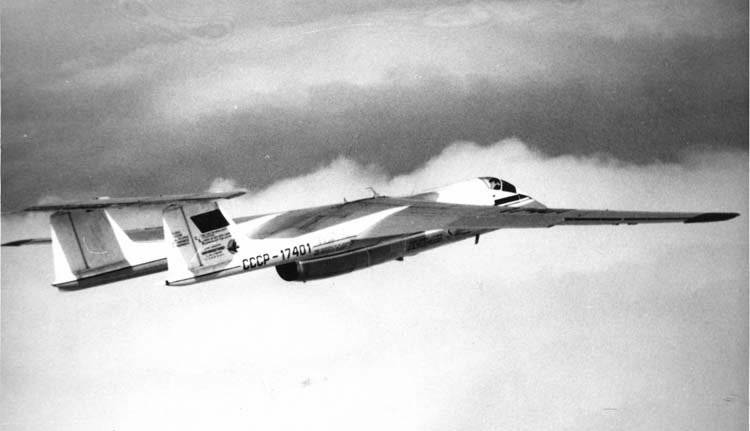
In 1970, work began on "Product 34." The aircraft's defining feature was its unique wing with a wingspan of 40.3 meters and a supercritical P-173-9 airfoil.
Technical specifications of the M-17:
- Aerodynamic quality (lift-to-drag ratio) of 30:1
- 16 flap sections and six airbrakes
- Kolesov RD-36-51V turbojet engine
- Pressurized single-seat cockpit
- Two large air intakes on either side of the fuselage
A Tragic Incident
The first prototype was completed by the end of 1978 at the factory in Kumertau. During taxi tests, test pilot Kir Chernobrovkin accidentally lifted the aircraft off the ground in an unfamiliar machine under zero visibility conditions. The aircraft crashed, and the pilot was killed.
A second aircraft was assembled at the Smolensk Aviation Plant. On May 26, 1982, the M-17 truly took to the sky for the first time under the control of Eduard Cheltsov.
State Trials and Combat Deployment
From 1983 to 1986, the aircraft completed 133 flights, reaching a ceiling of approximately 21,500 meters and cruising at about 300 km/h.
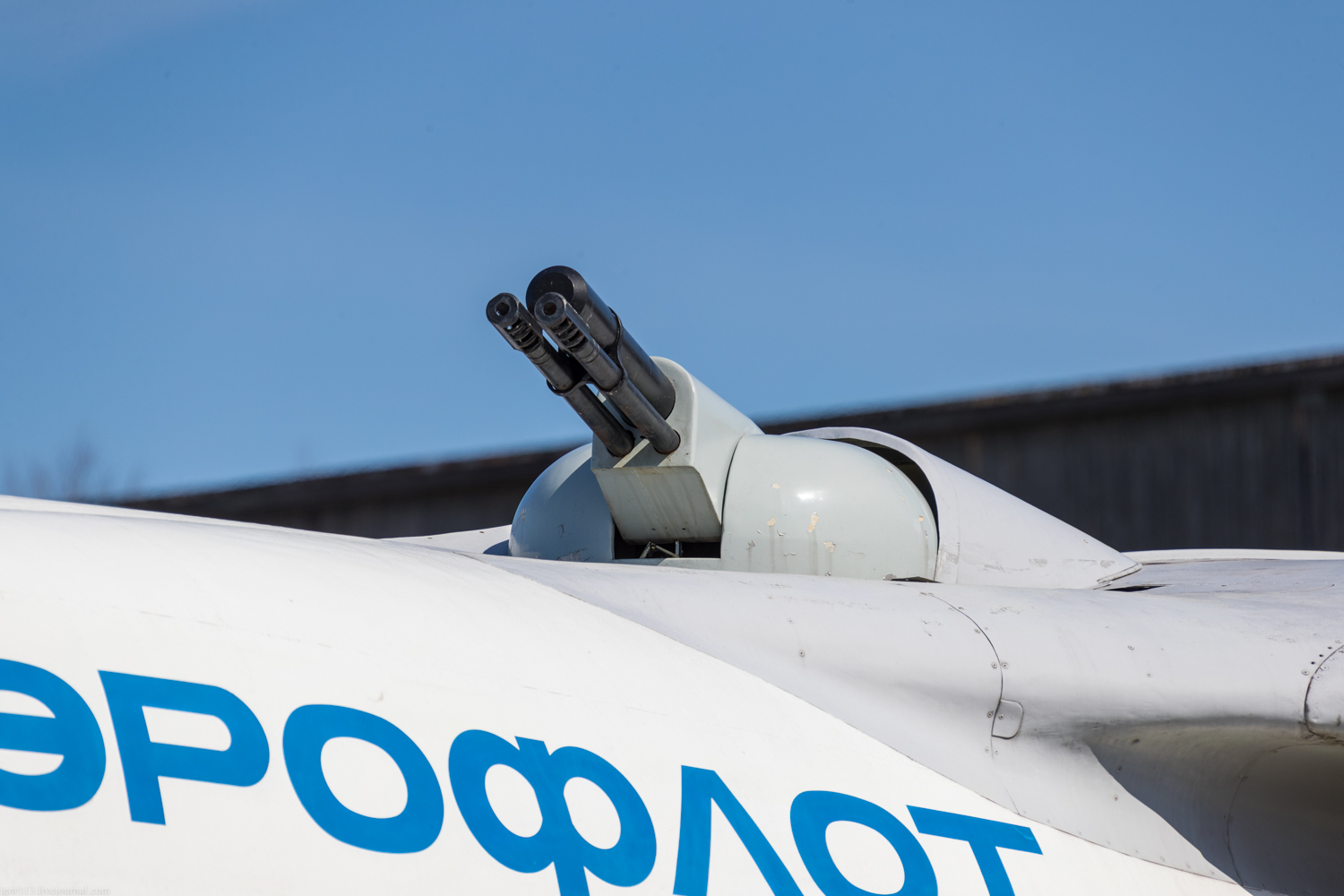
Its armament included a fixed twin-barrel GSh-23 cannon, 23mm caliber, with a simple sight and special fragmentation rounds with metal wire bundles designed to shred balloon envelopes.
Between 1985 and 1987, at a Kazakh test range, the aircraft hunted target stratospheric balloons and shot down nine.
Victory Came Too Late
In 1983, radar detected the last spy balloon. The Americans suddenly ceased launching balloons, switching to spy satellites and supersonic reconnaissance aircraft.
State trials of the M-17 were never completed, but in the late 1980s the secrecy classification was lifted.
A New Life: Scientific Research
When the ozone hole became a global concern, the M-17 was converted into a flying laboratory. In place of the cannon and gunsight, instrument pods were mounted in the nose and under the belly: spectrometers, sensors, and air samplers.
The program was called "Global Ozone Reserve." In 1992, the aircraft participated in international experiments over Antarctica.
World Records of the M-17
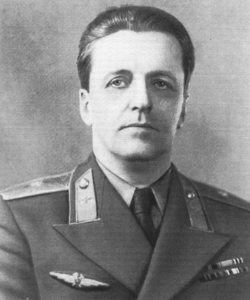
In the spring of 1990, under pilot Vladimir Arkhipenko, the M-17 set 25 world records in the class of jet aircraft weighing 16-20 tons. On March 28, 1990, Arkhipenko climbed to 21,830 meters, setting an absolute altitude record that remains unbroken to this day.
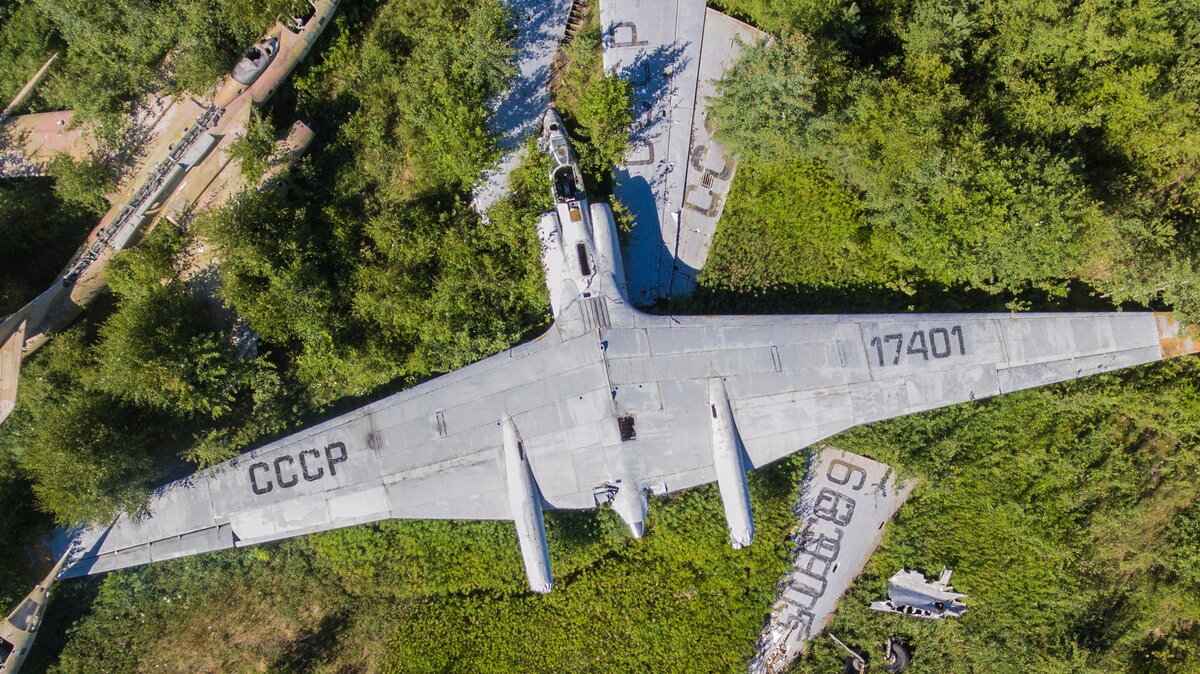
One aircraft (tail number USSR-17103) was sent to the Air Force Museum at Monino.
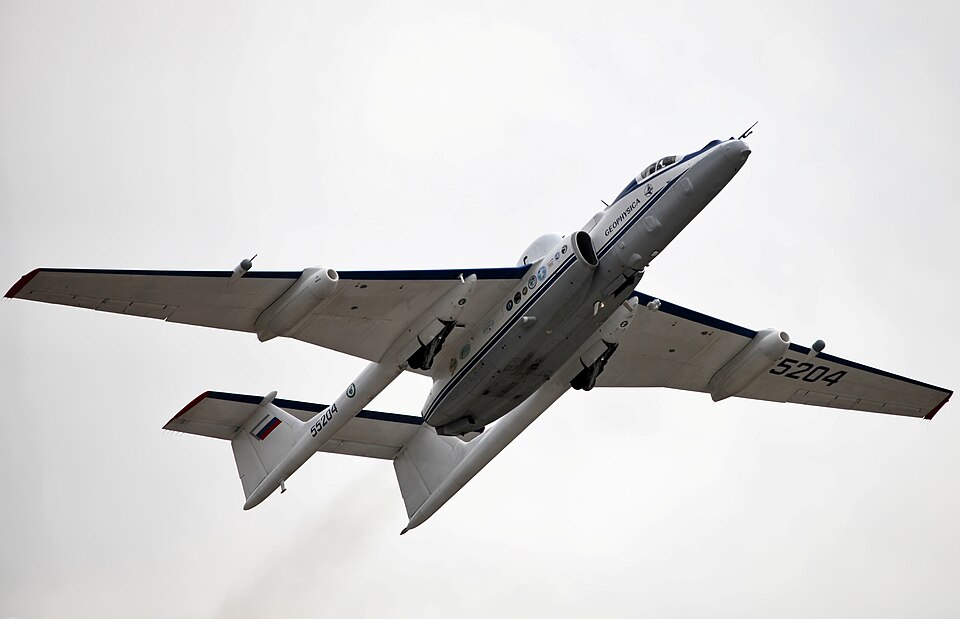
Birth of the M-55 "Geophysica"
In 1987, the decision was made to close the interceptor program and focus on a multipurpose variant. This is how the M-55 was born.
Key differences of the M-55:
- Lengthened fuselage
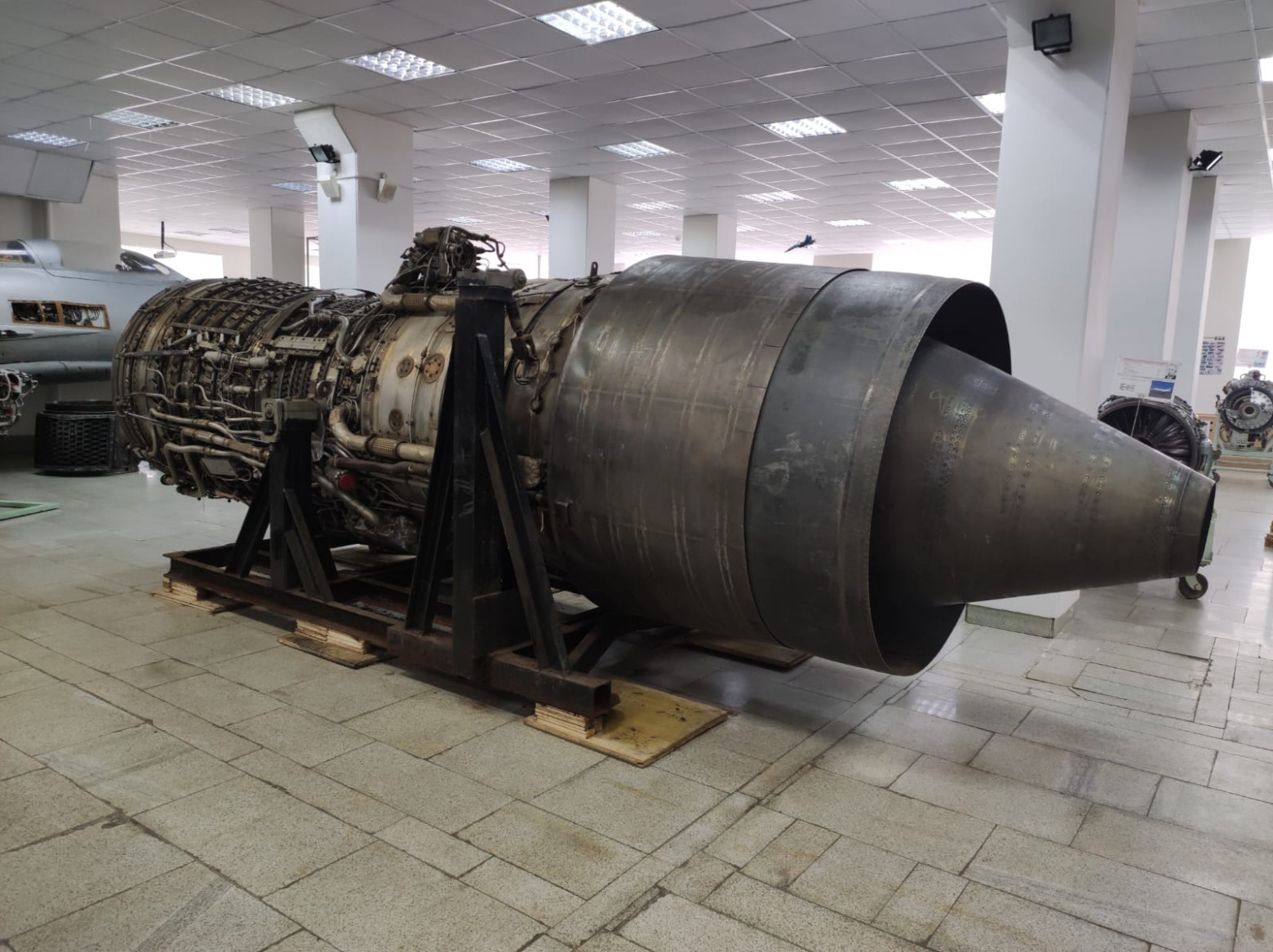
- Two Solovyov D-30V-12 turbofan engines at 9,000 kgf thrust each
- Wingspan reduced to 37.5 meters
- Single-seat cockpit
On August 16, 1988, the M-55 made its maiden flight. Two engines provided reliability: even if one failed, the other could bring the aircraft back from the stratosphere.
During testing, two M-55 prototypes were lost in accidents, but without casualties. In total, four flying examples were built, plus two for static testing.
Scientific Missions of the M-55
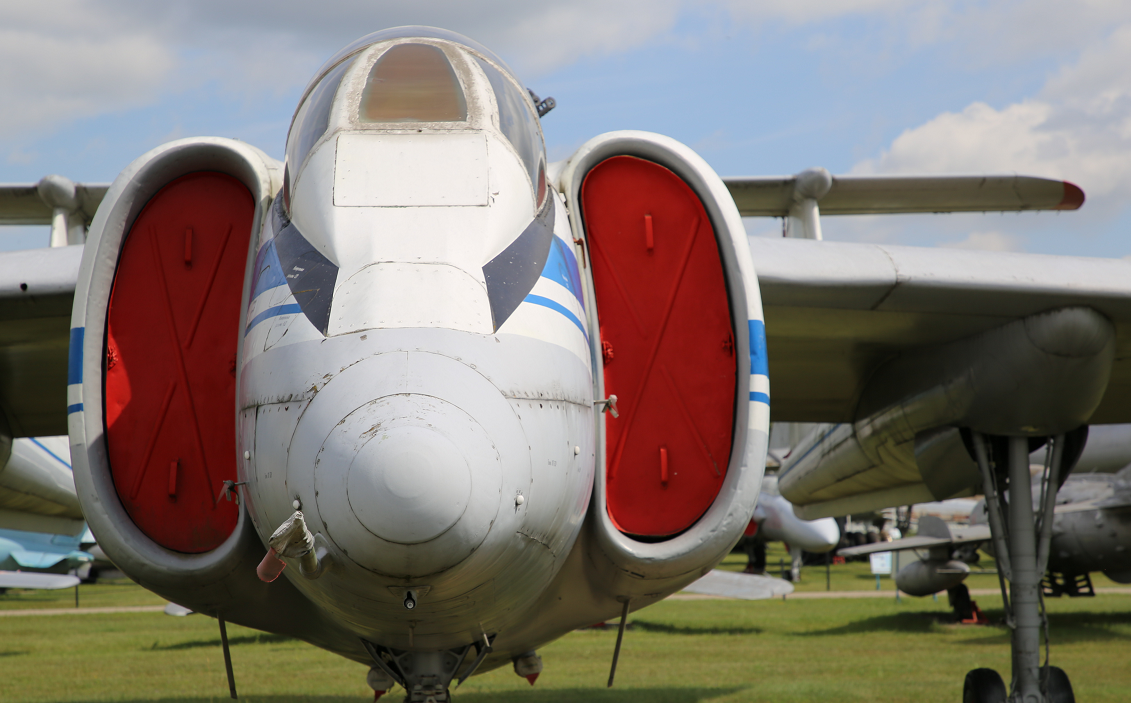
1996-1997: The APE-POLECAT program over the Arctic, operating from Rovaniemi, Finland. The aircraft investigated polar stratospheric clouds, assessed the state of the ozone layer, and studied the influence of gravity waves.
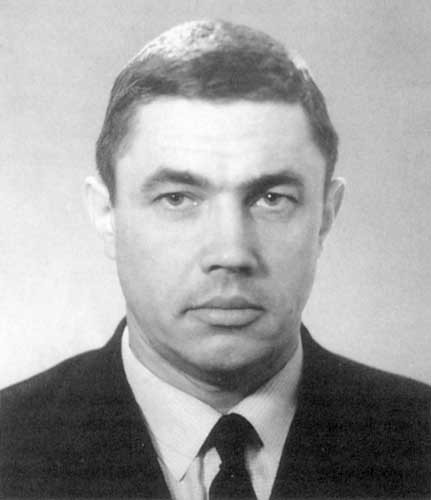
1999: Operations over Antarctica from Ushuaia, Argentina. From September through October, the aircraft flew sorties toward the polar vortex, documenting the formation of the ozone hole.
Geographic reach of the flights:
- Arctic (Kiruna, Sweden)
- Indian Ocean (Seychelles)
- Australia (Darwin)
- Africa (Ouagadougou, Burkina Faso)
- Brazil (Aracatuba)
An extreme measurement: Over the Indian Ocean at an altitude of 16 km, instruments recorded a record low atmospheric temperature for Earth — minus 91.8 degrees Celsius.
2016: The European StratoClim project. Thirty scientific instruments with a total mass of over a ton were placed on board — from lidars to spectrometers.
Records of the M-55
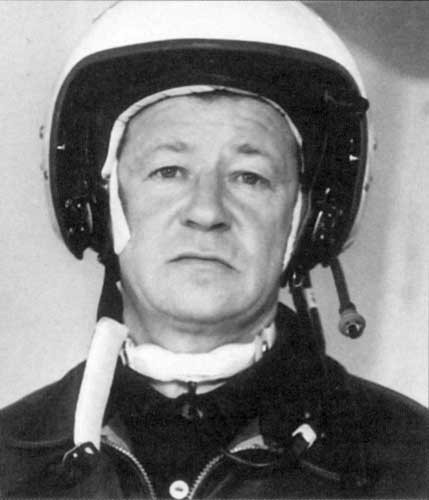
In September 1993, test pilot Viktor Vasenkov climbed to 21,360 meters, setting a height record in the heavier weight class of 20-25 tons takeoff mass.
The M-55 holds 15 FAI world records, none of which have been broken.
Commercial Projects
Pseudo-satellites: The company Qucomhaps proposed using the M-55 as a flying communications station at about 20 kilometers altitude for distributing internet. They invested a significant sum, but it never progressed to actual flights.
Tourist flights: In the 2000s, Roscosmos and Space Adventures offered to take tourists up to about 21 kilometers altitude in a two-seat M-55UTS. Such flights were actually carried out, though they never became mainstream.
Current Status
By the 2020s, one or two M-55 examples were stored at the airfield in Zhukovsky, occasionally taking flight for scientific projects.
In 2023, reports emerged that Russia plans to return the sole flying M-55 to service for use in reconnaissance roles.
Conclusion
All these aircraft were born for a war that never happened. Created to combat spy balloons, they transformed into flying laboratories investigating the planet's ozone layer. Soviet, Russian, and international scientists worked on them, helping to understand how Earth's atmosphere works and what threatens our sky. Weapons turned into instruments of knowledge.
One aircraft stands in the museum at Monino. Another may yet take flight.