Star Fever: How to Learn the Night Sky to Show Off to Your Friends
A practical guide for beginner stargazers covering the 10 essential constellations to learn, naked-eye deep-sky objects, and tips for progressing from unaided observation to binoculars and telescopes.
Have you ever looked up at the night sky and felt completely lost? Like everyone around you can casually point out Orion's Belt or the Big Dipper, and you're just standing there nodding along? Well, I've been there. And I decided to fix it. This article is a practical guide to learning the night sky — not to become a professional astronomer, but to be the person at the campfire who can actually point things out.

First Symptoms of the Disease
Counterintuitively, I recommend starting your observations from the city, not from some remote dark-sky location. Why? Because in the city, light pollution filters out all but the brightest stars. This means you only see the most prominent ones — exactly the stars that form the most recognizable constellations. It's like training with simplified flashcards before tackling the full deck.

Your goal is to learn 10 key constellations. These will become your "coordinate system" for the night sky — once you know them, finding everything else becomes a matter of navigating from known landmarks.
But first, an important clarification: a constellation is not just a pattern of stars. Officially, constellations are areas on the sky — defined regions, like countries on a map. The star patterns we recognize are technically called "asterisms." But for practical purposes, we'll use the common terminology.
Measuring Distances on the Sky
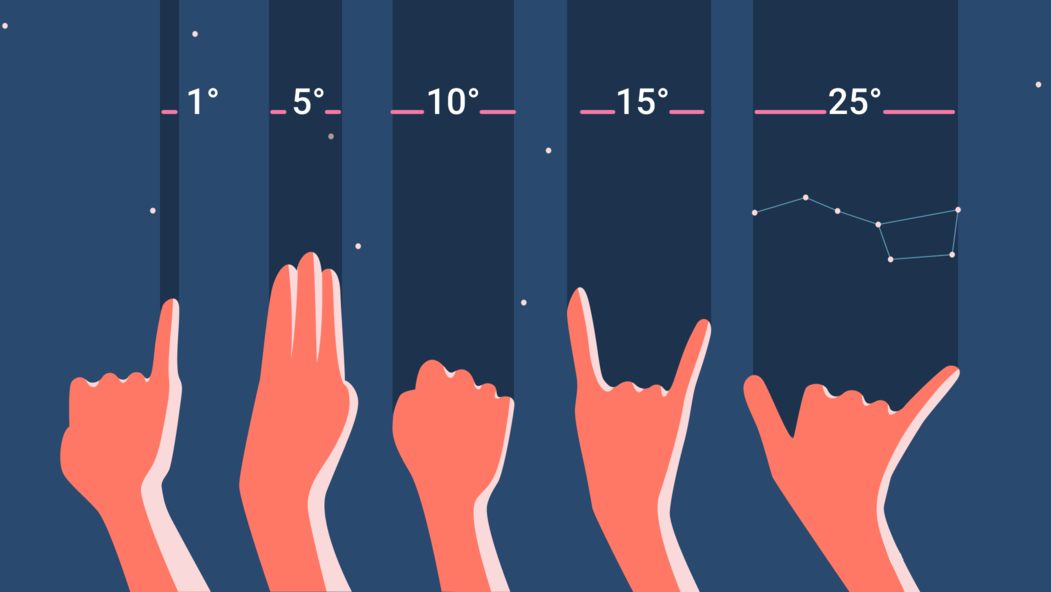
Before we start finding things, you need to know how to measure angular distances. Hold your hand at arm's length:
- Your pinky finger width is approximately 1 degree
- Three middle fingers together are about 5 degrees
- A closed fist is about 10 degrees
- A spread hand from thumb to pinky is about 20 degrees
Four fingers together are approximately 7 degrees. This will come in handy more often than you think.
The 10 Essential Constellations
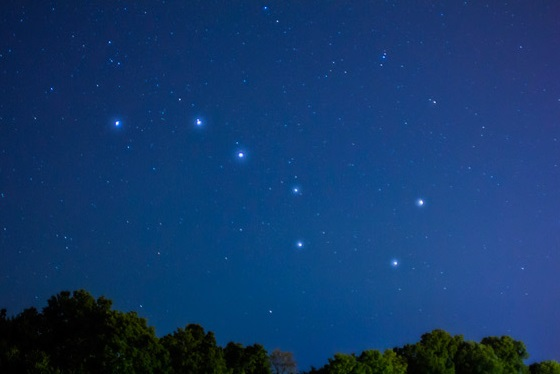
1. Ursa Major (The Big Dipper)
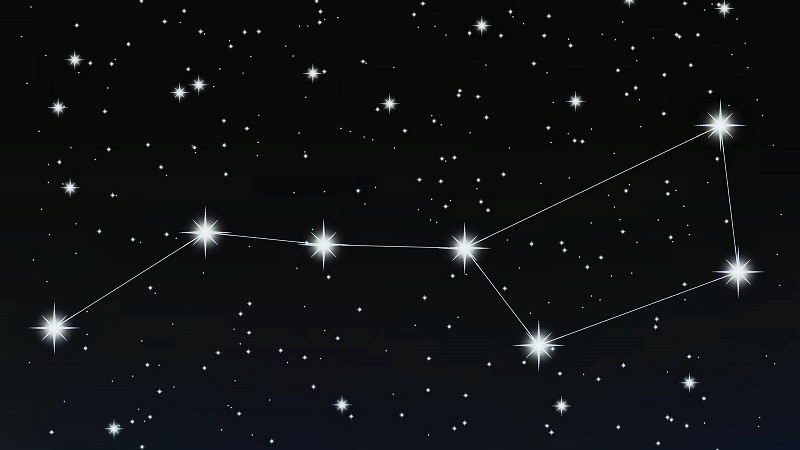
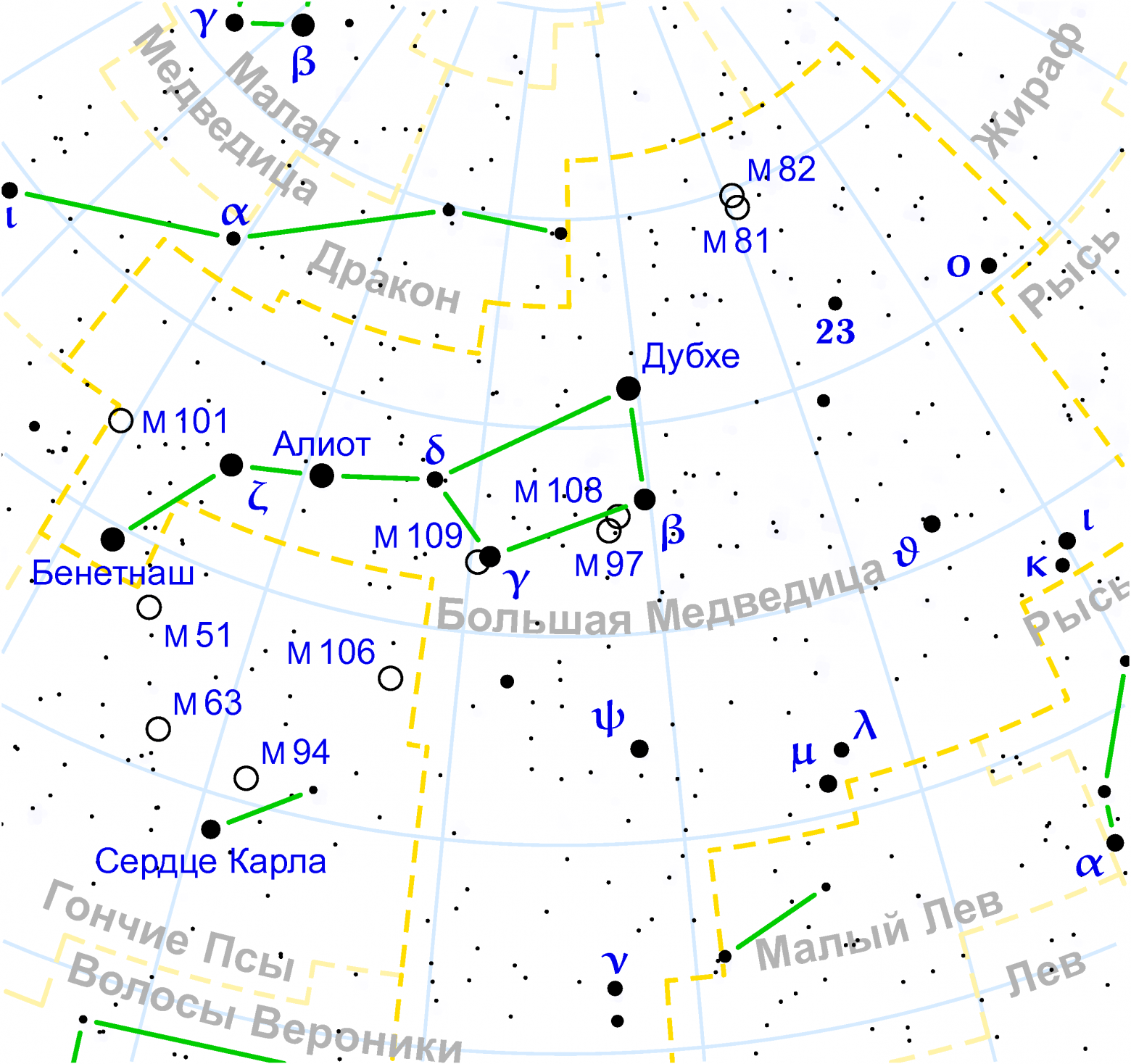
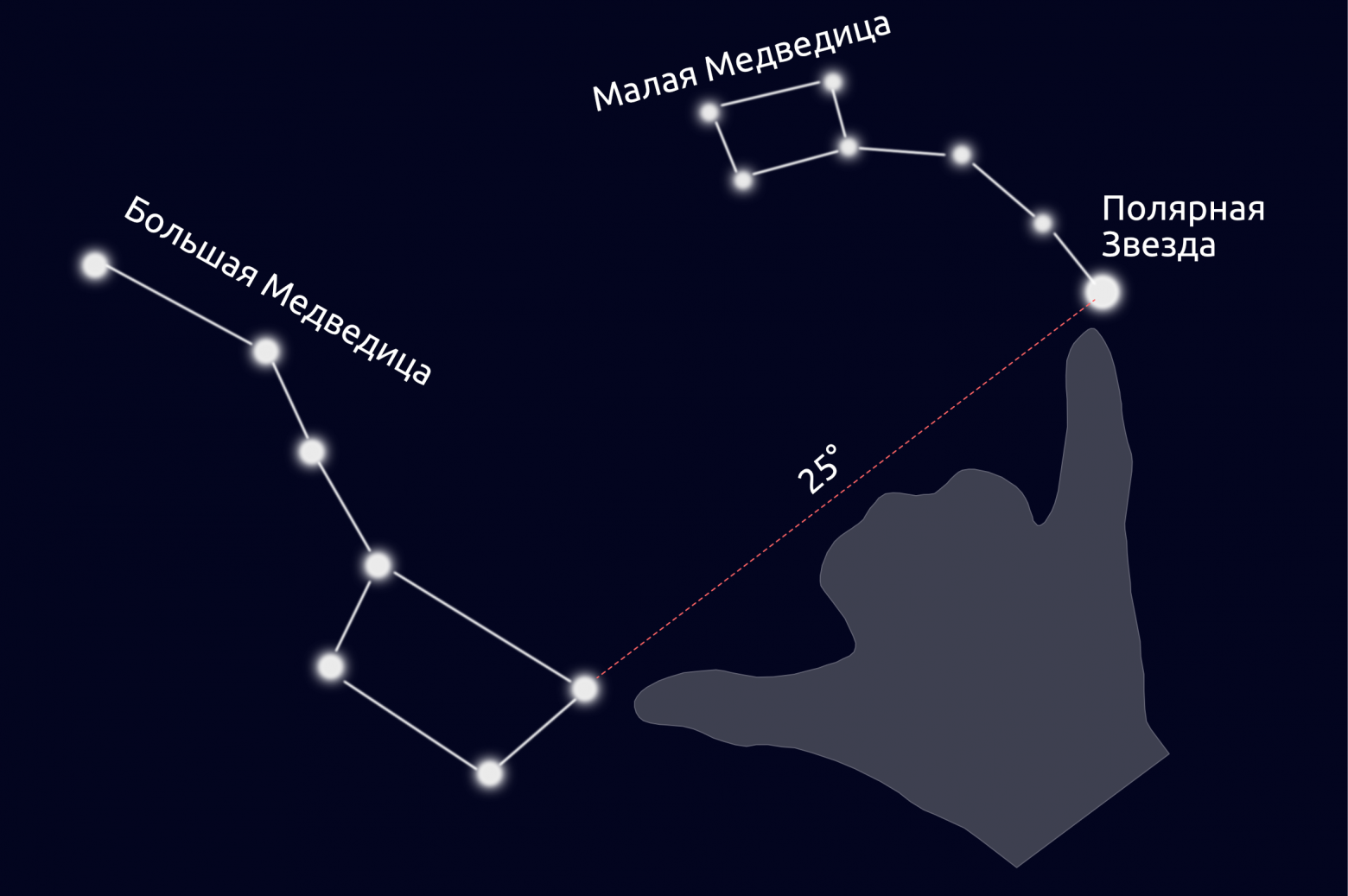
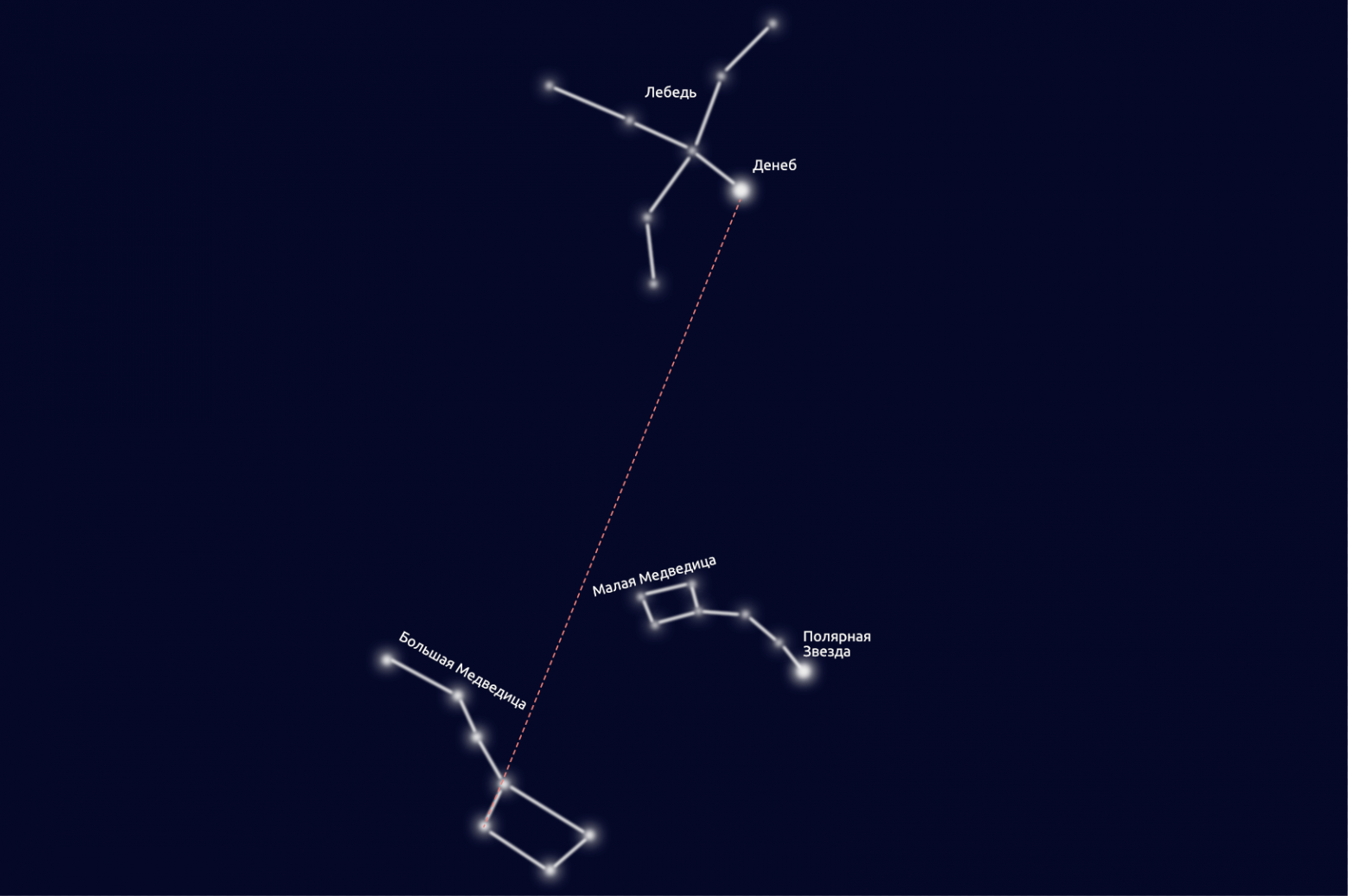
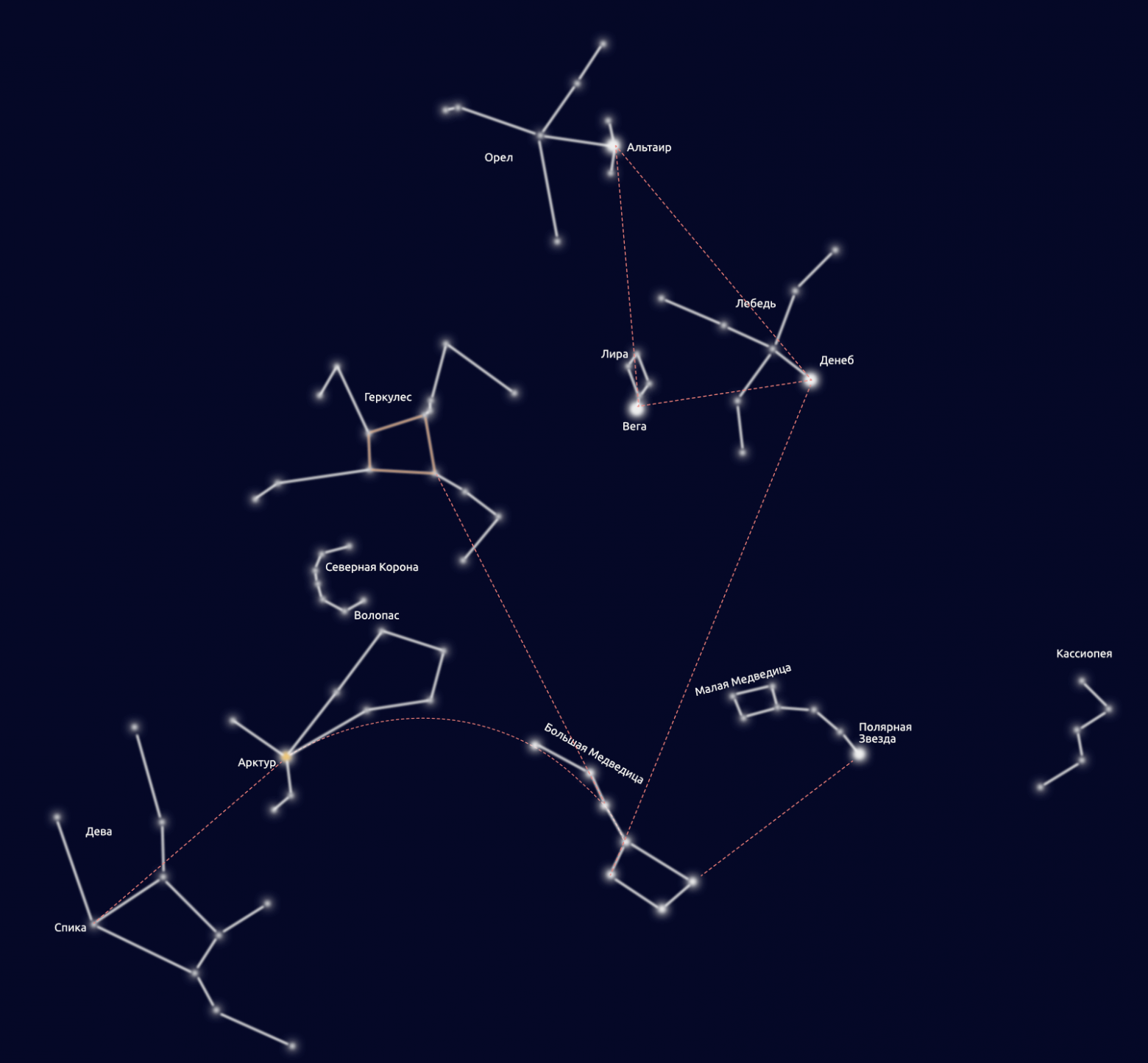
This is your starting point. Almost everyone can find the Big Dipper — seven bright stars forming a ladle or cart shape. It's visible year-round in the Northern Hemisphere and never sets below the horizon at mid-latitudes. The two stars at the front of the "bowl" are called pointer stars because they point toward Polaris.
2. Ursa Minor (The Little Dipper)
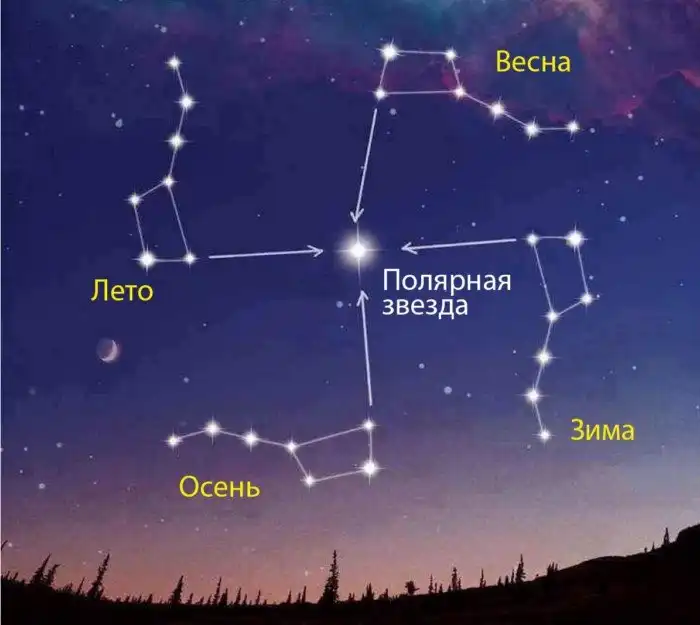
Follow the pointer stars of the Big Dipper, and about five fist-widths away you'll find Polaris — the North Star and the tip of the Little Dipper's handle. Polaris marks almost exactly true north and barely moves throughout the night. Everything else rotates around it.
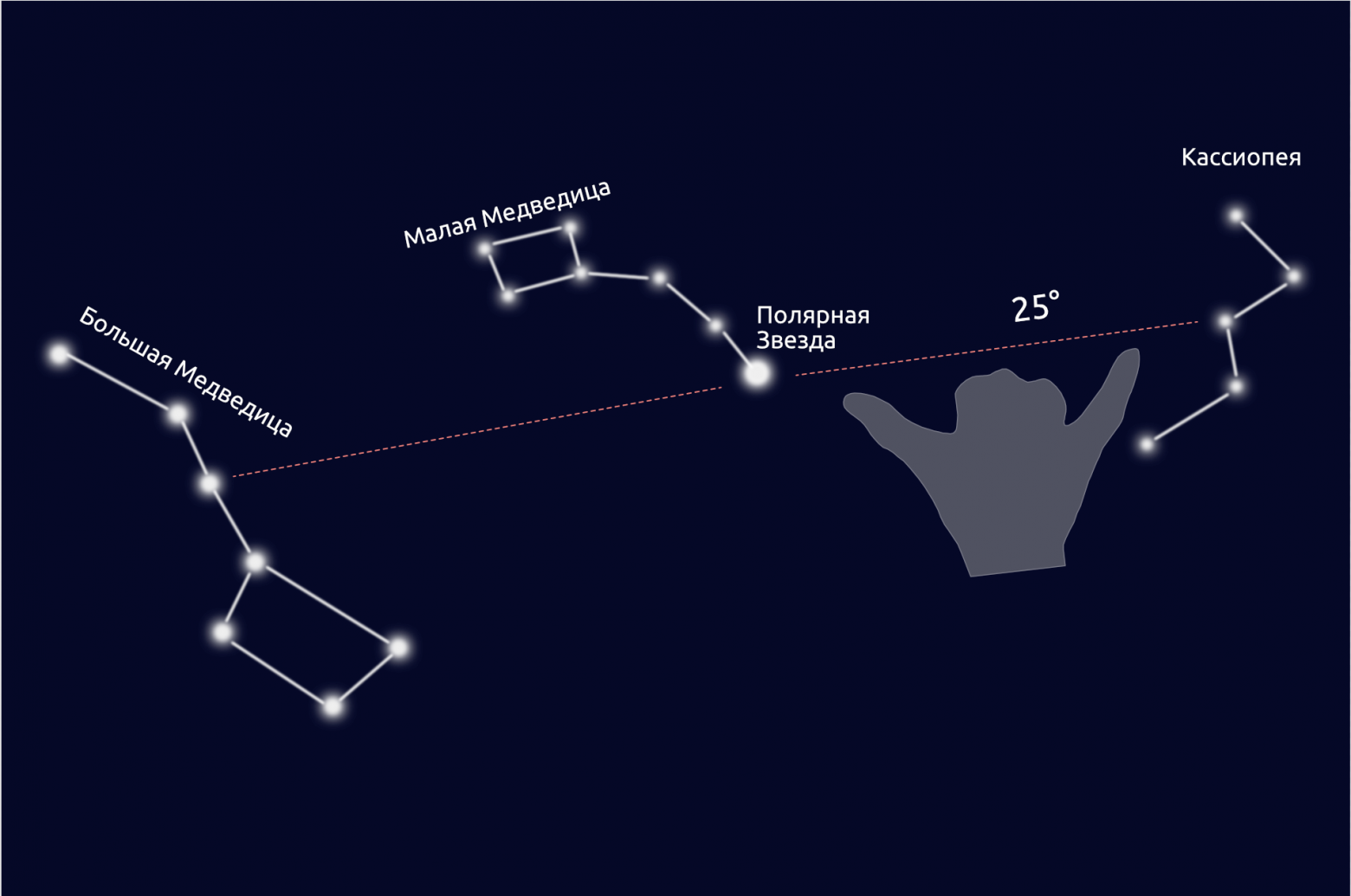
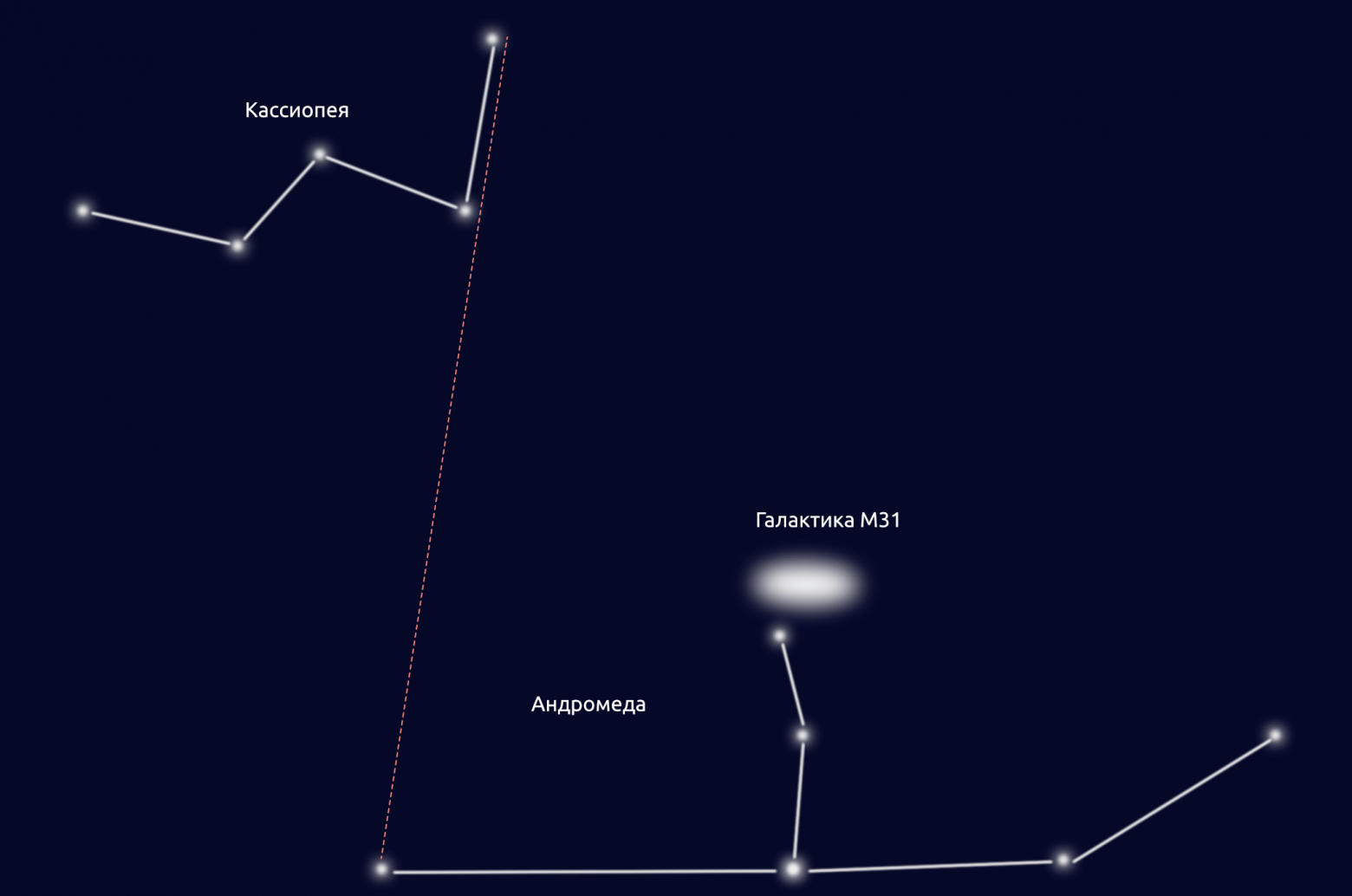
3. Cassiopeia
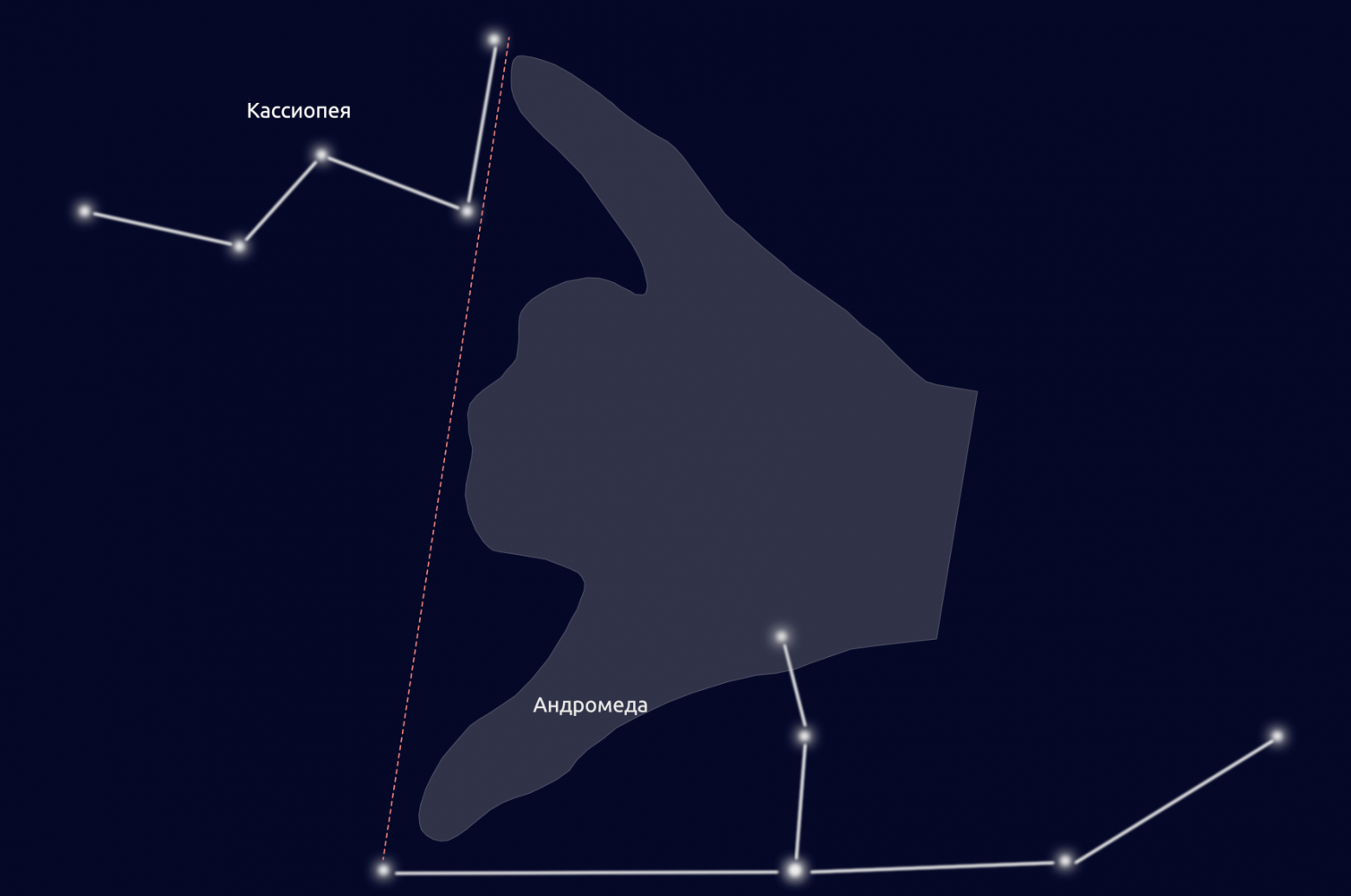
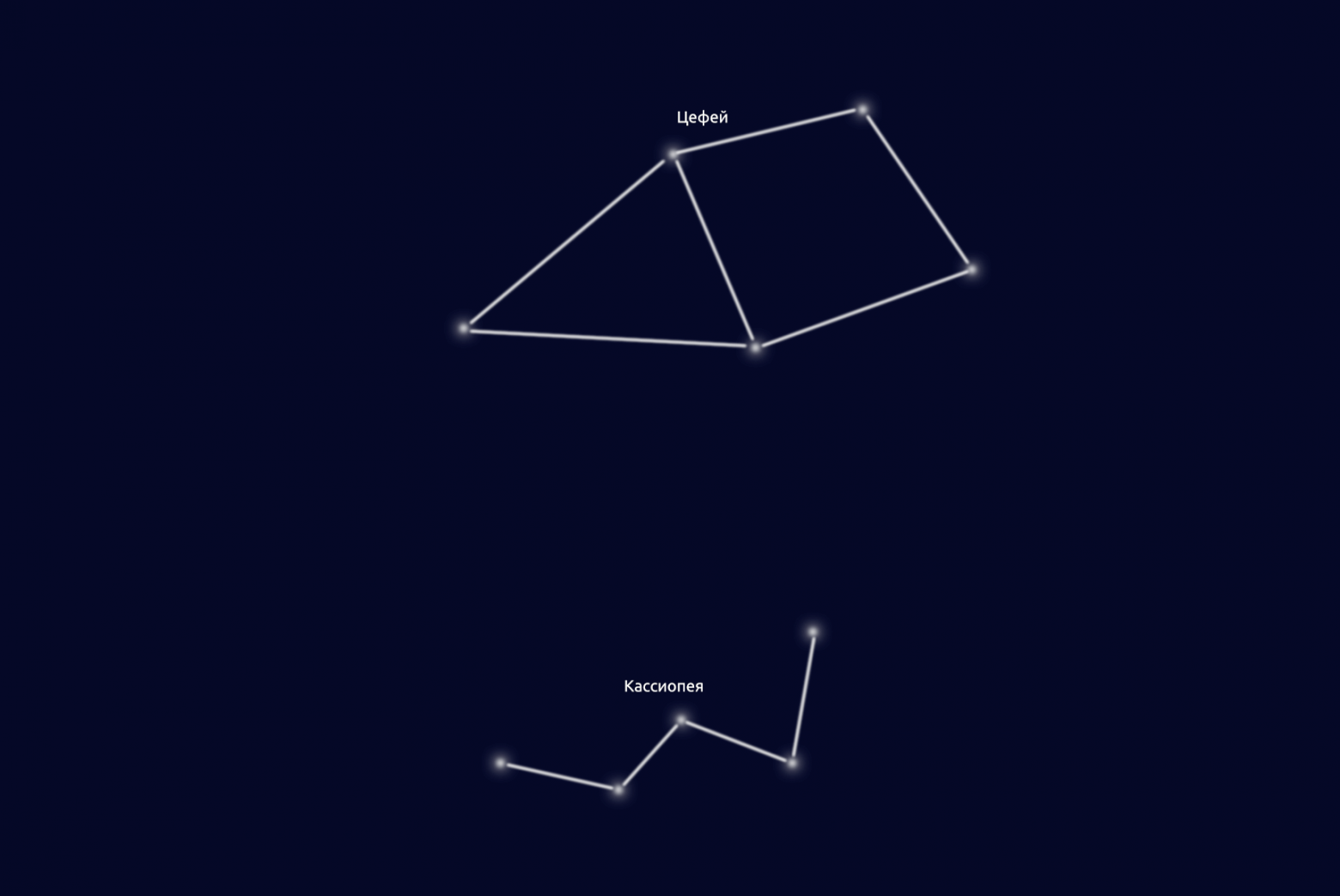
On the opposite side of Polaris from the Big Dipper, you'll find Cassiopeia — a distinctive W-shape (or M-shape, depending on orientation) made of five bright stars. Cassiopeia is visible under almost any conditions and serves as another reliable anchor point.
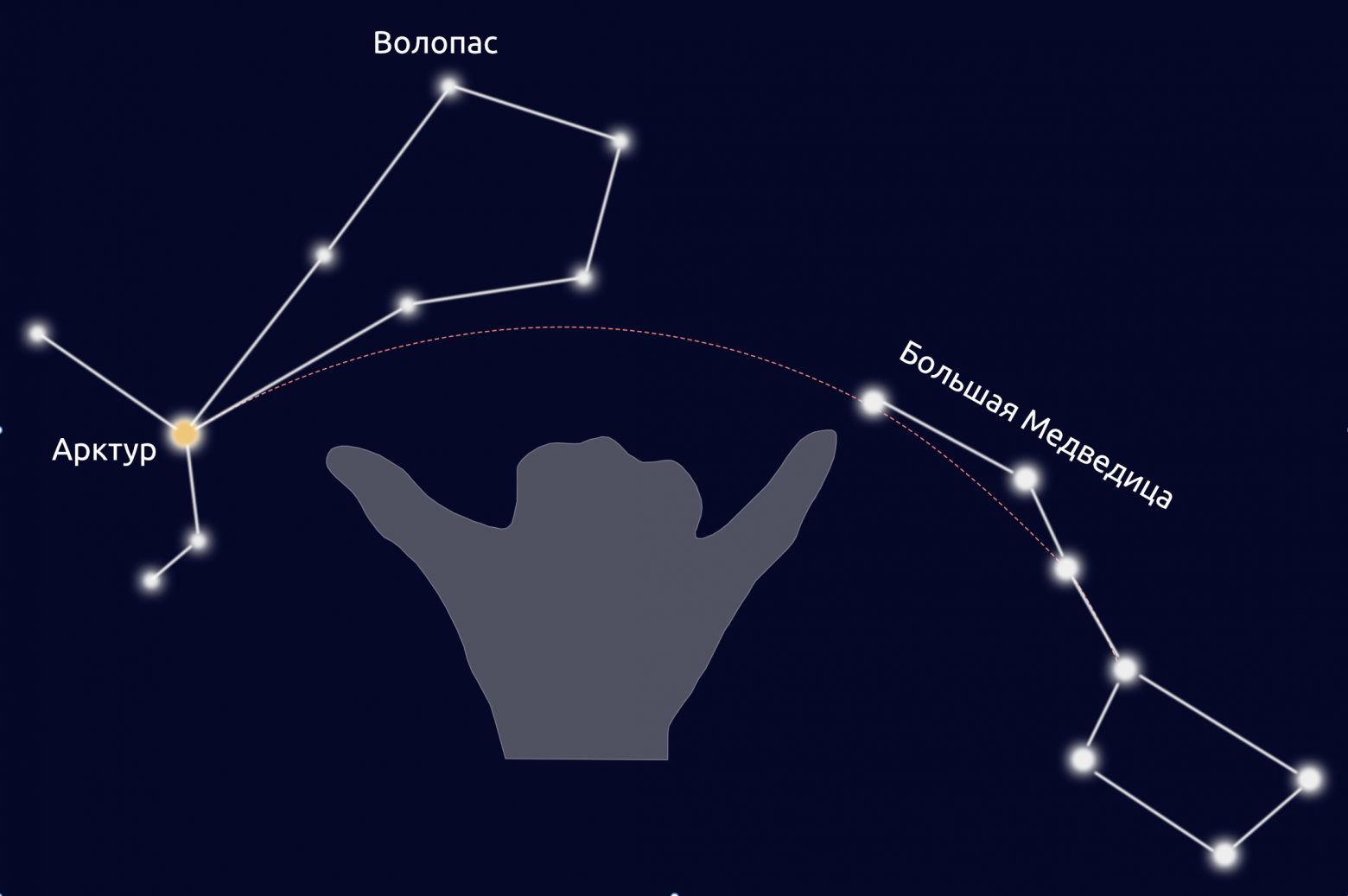
4. Bootes (The Herdsman)
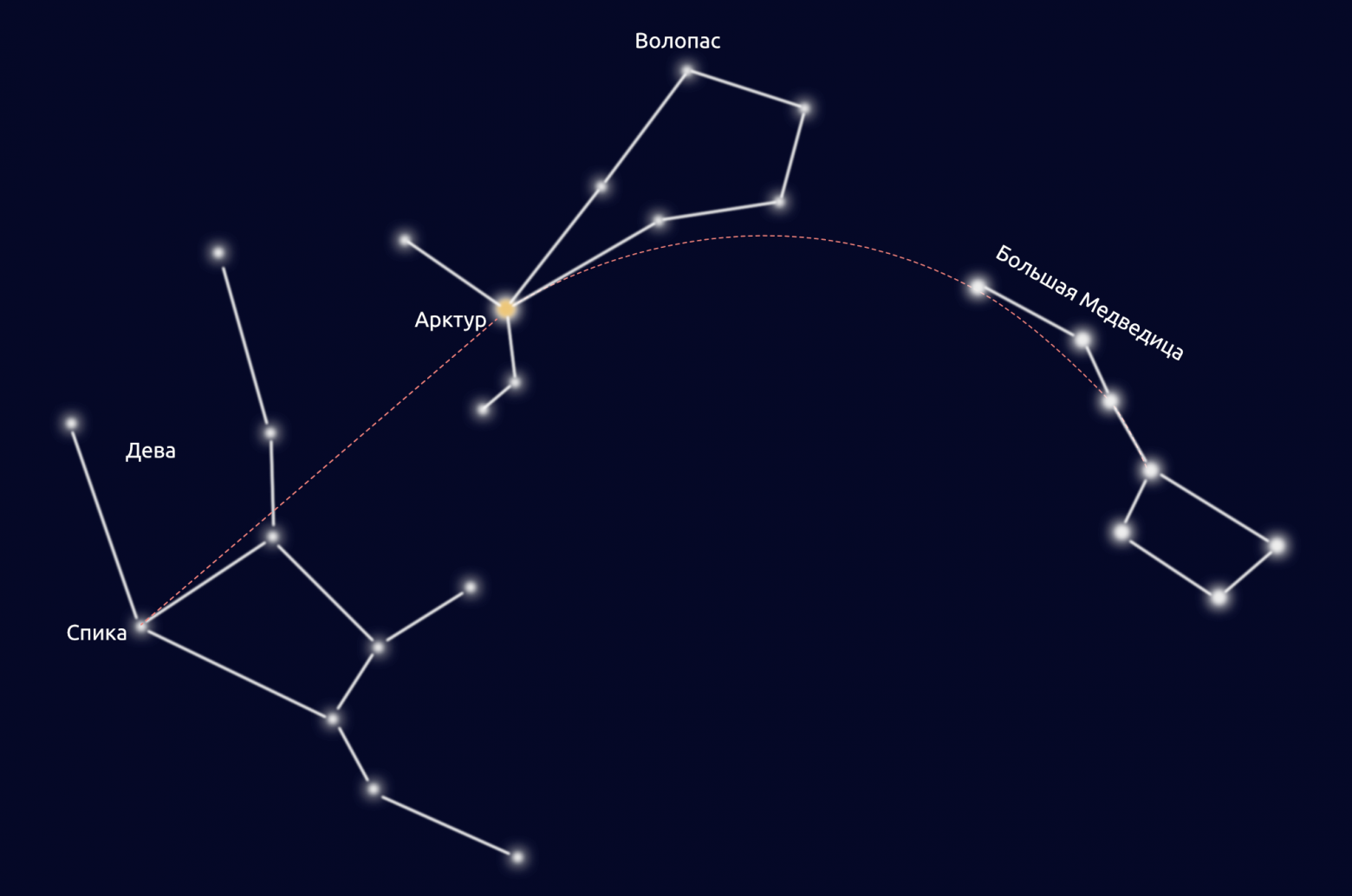
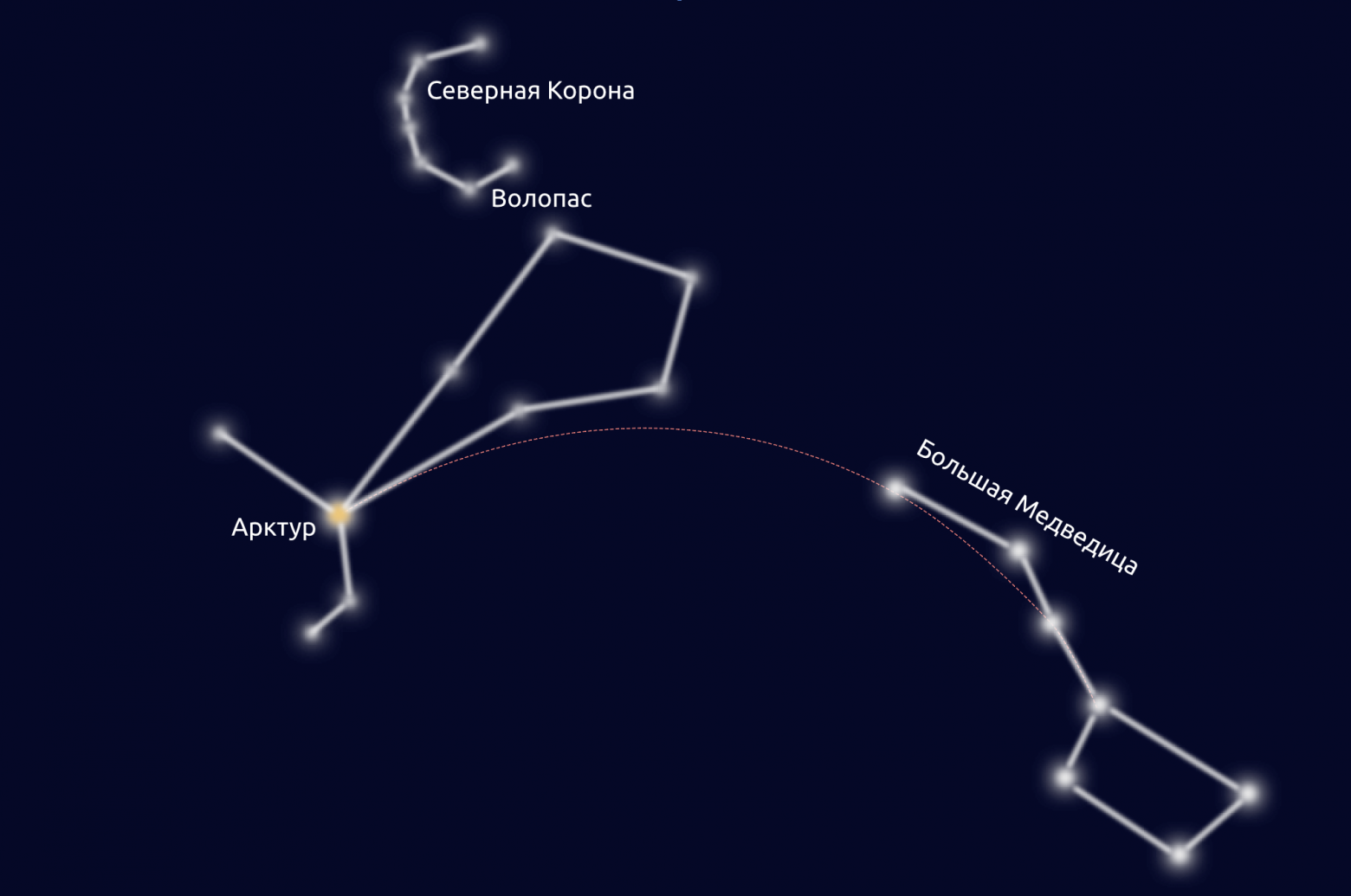
Starting from the Big Dipper's handle, follow the arc of the handle stars and "arc to Arcturus" — the brightest star in Bootes and the fourth-brightest star in the night sky. Arcturus has a distinctive orange hue. Bootes itself looks like a large kite or ice cream cone shape.

5-7. The Summer Triangle: Cygnus, Lyra, and Aquila
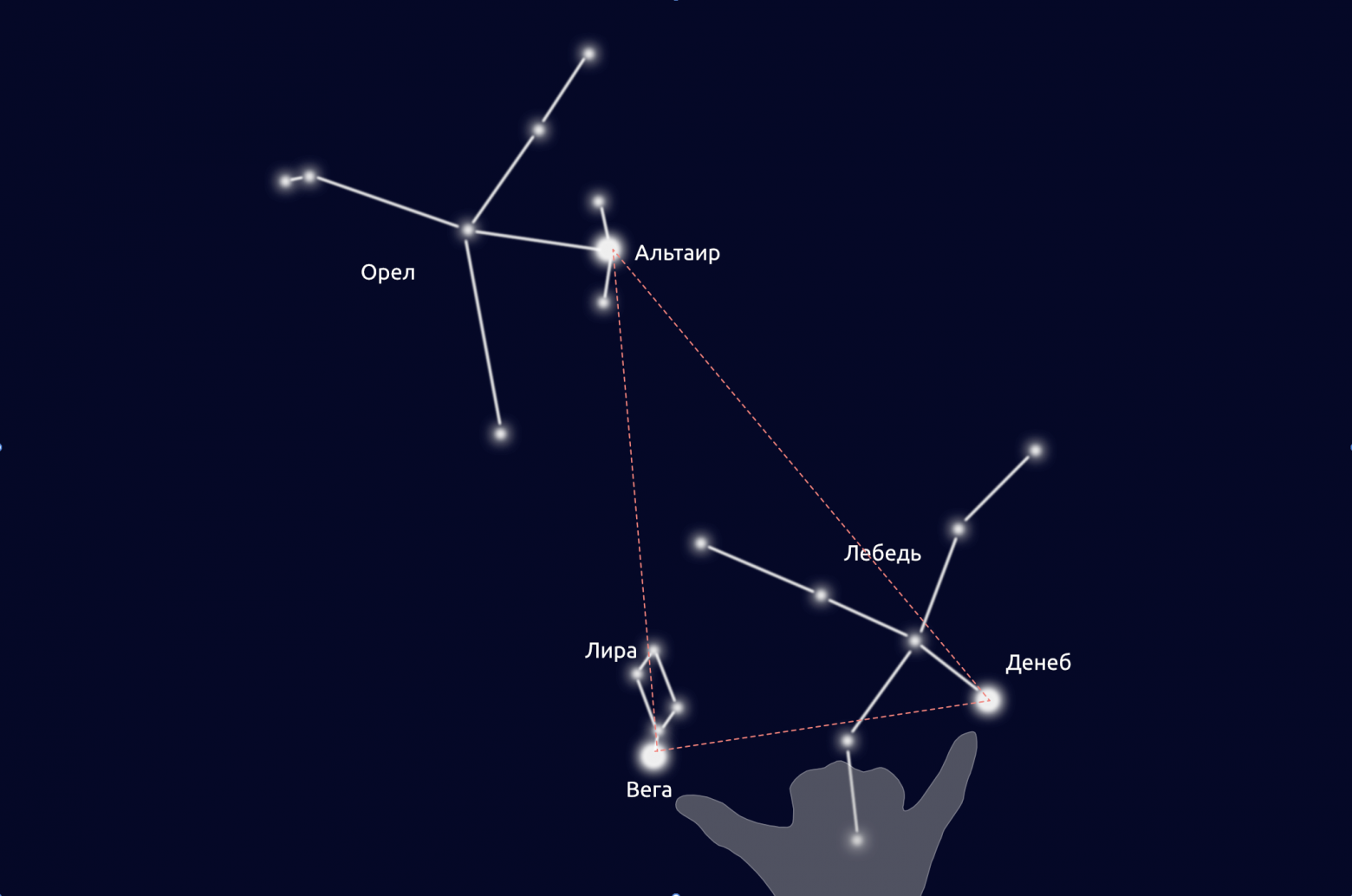
In summer, three bright stars form a large triangle high overhead:
- Deneb in Cygnus (the Swan) — a supergiant star 2,600 light-years away
- Vega in Lyra (the Lyre) — the brightest of the three, a mere 25 light-years away
- Altair in Aquila (the Eagle) — 17 light-years away
The Summer Triangle is one of the easiest large-scale patterns to identify. Cygnus is also known as the Northern Cross due to its distinctive cruciform shape, and it lies along the Milky Way.
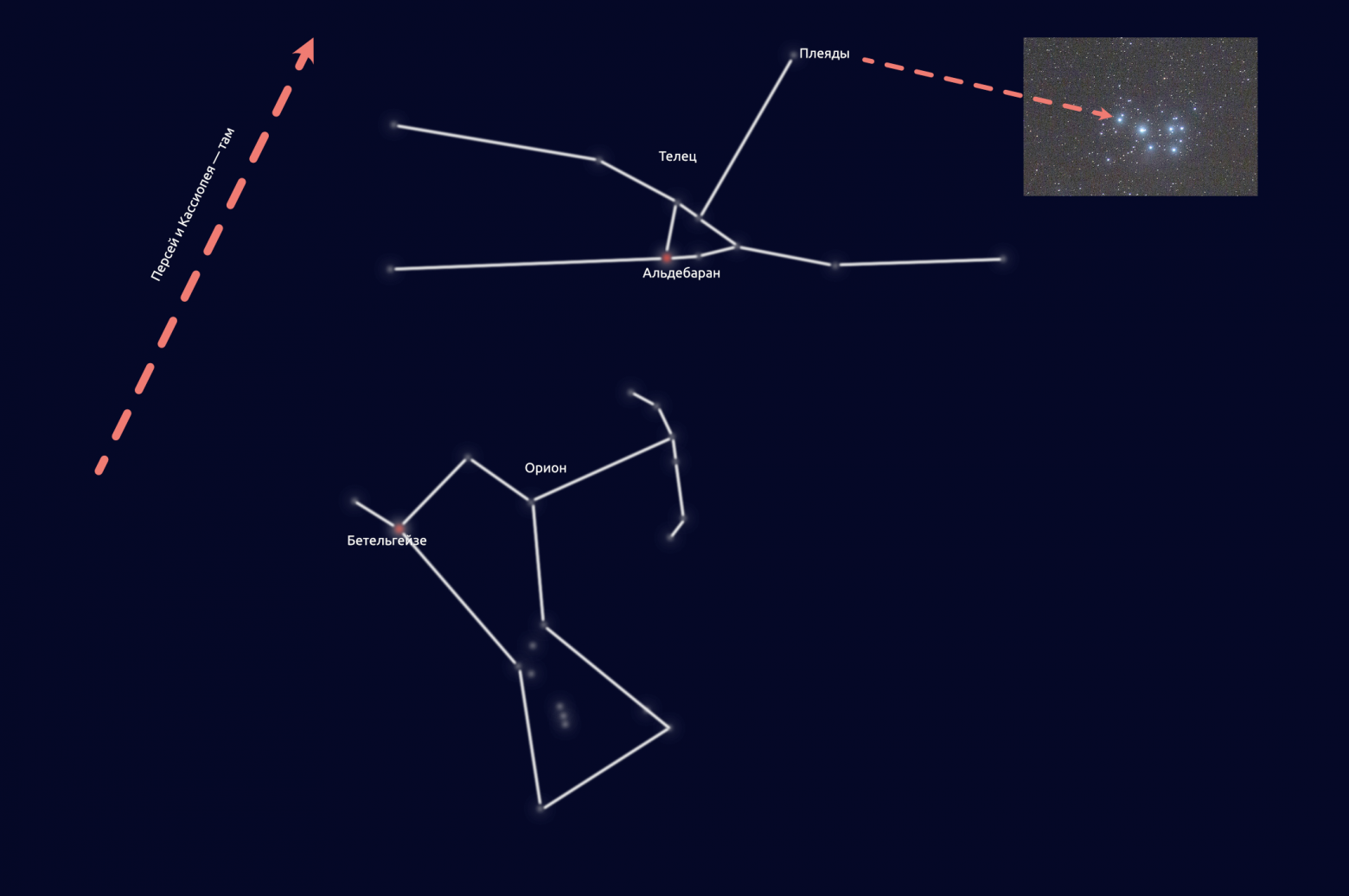
8. Orion
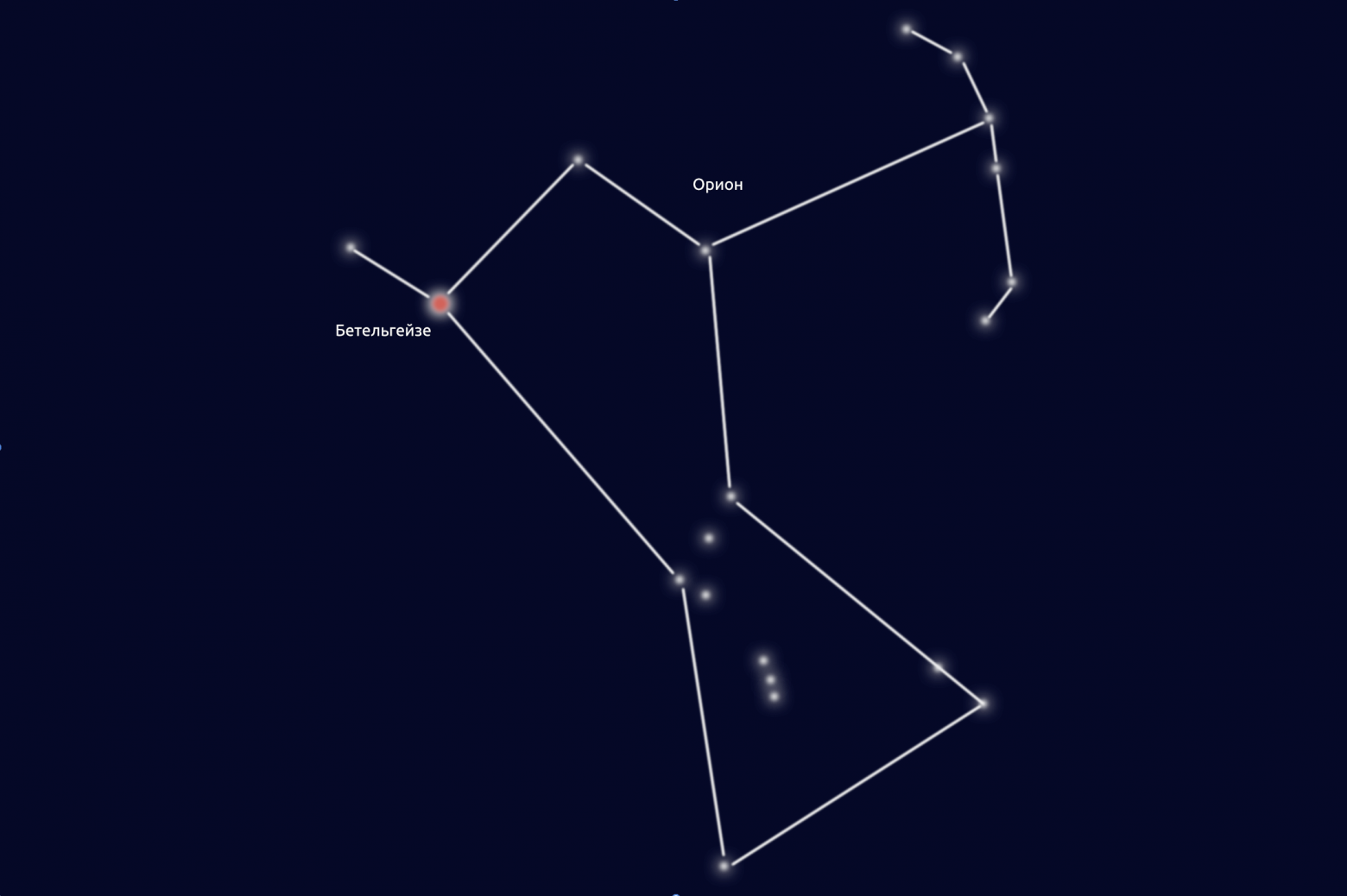
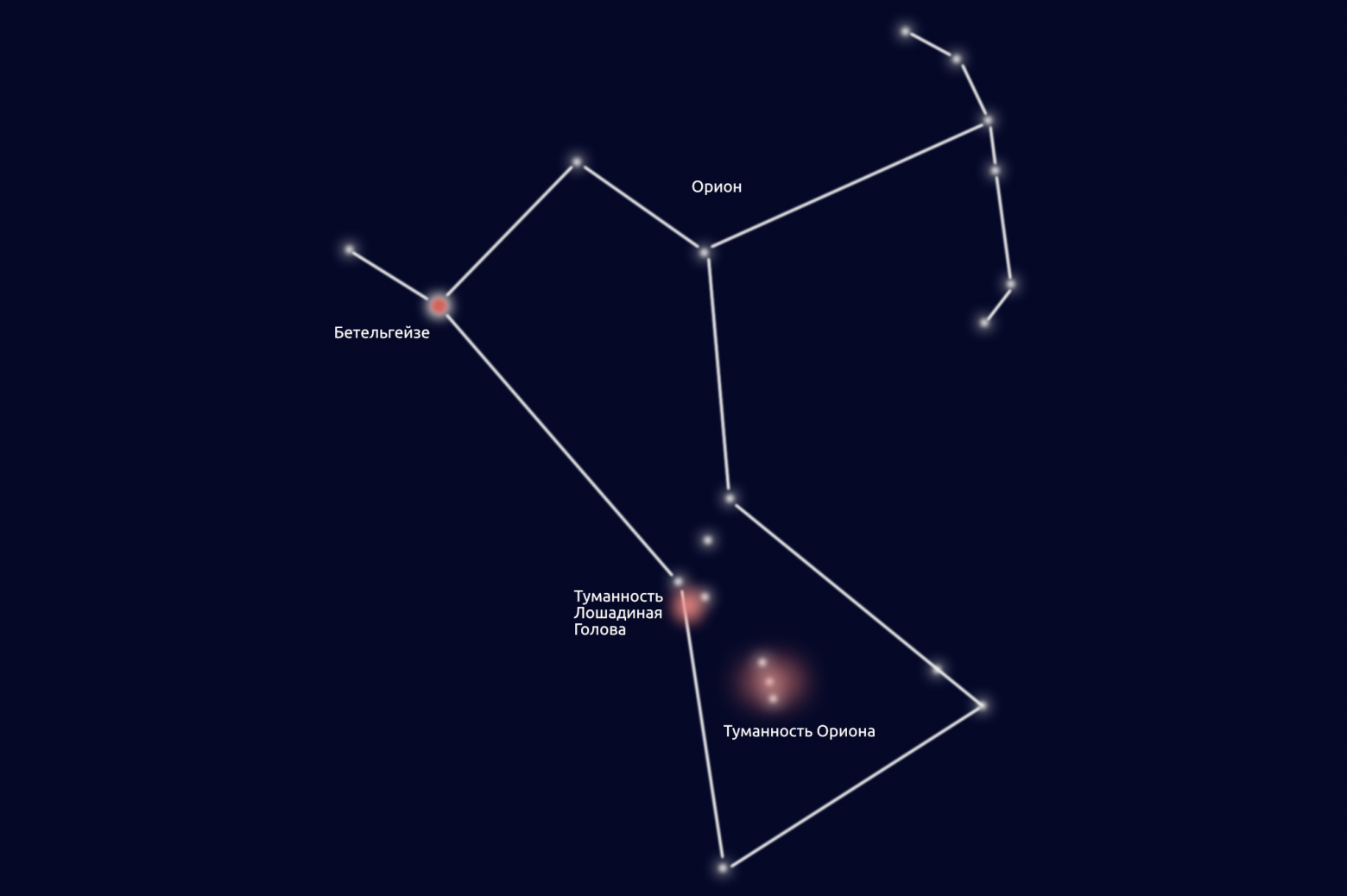
The king of winter constellations. Three stars in a row form Orion's Belt — perhaps the most recognizable asterism in the sky after the Big Dipper. Above the belt is the red supergiant Betelgeuse (one of the largest known stars), and below is the blue supergiant Rigel. Orion's "sword" hanging below the belt contains the Orion Nebula — visible to the naked eye.
9. Taurus
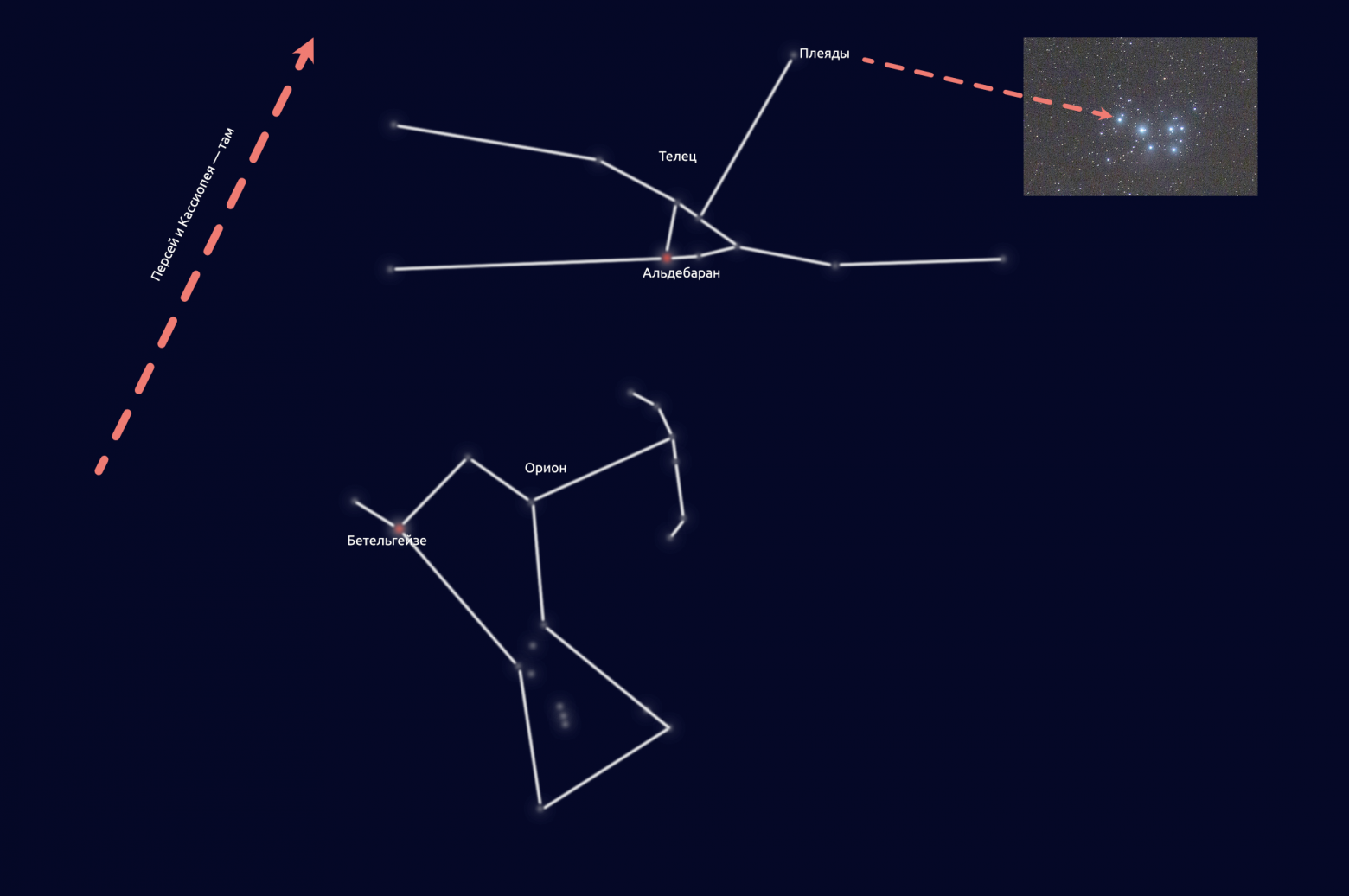
Follow Orion's Belt to the upper right, and you'll reach Aldebaran — the bright orange eye of Taurus the Bull. Taurus contains two famous star clusters: the Pleiades and the Hyades.
10. Perseus and Andromeda
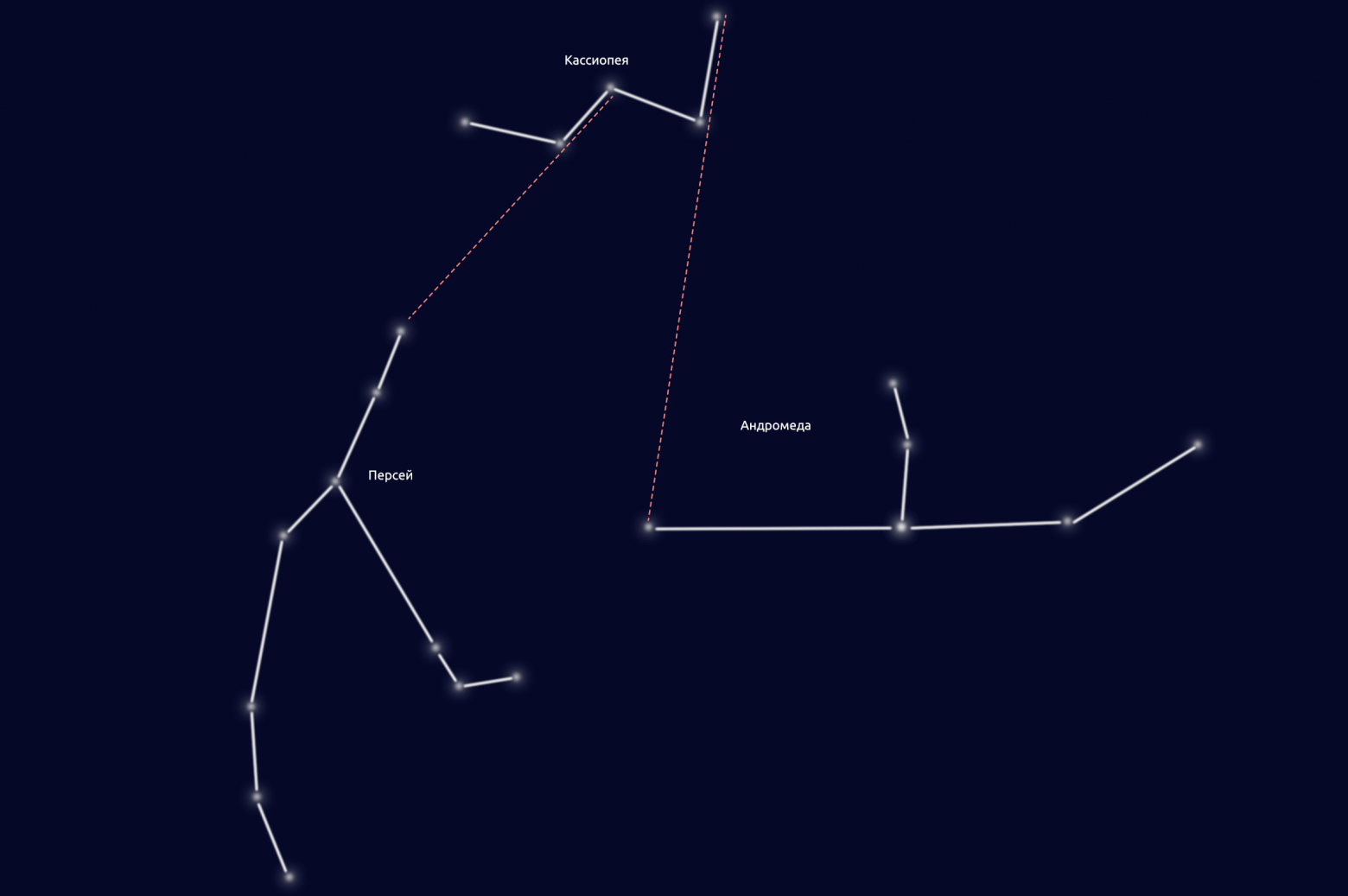
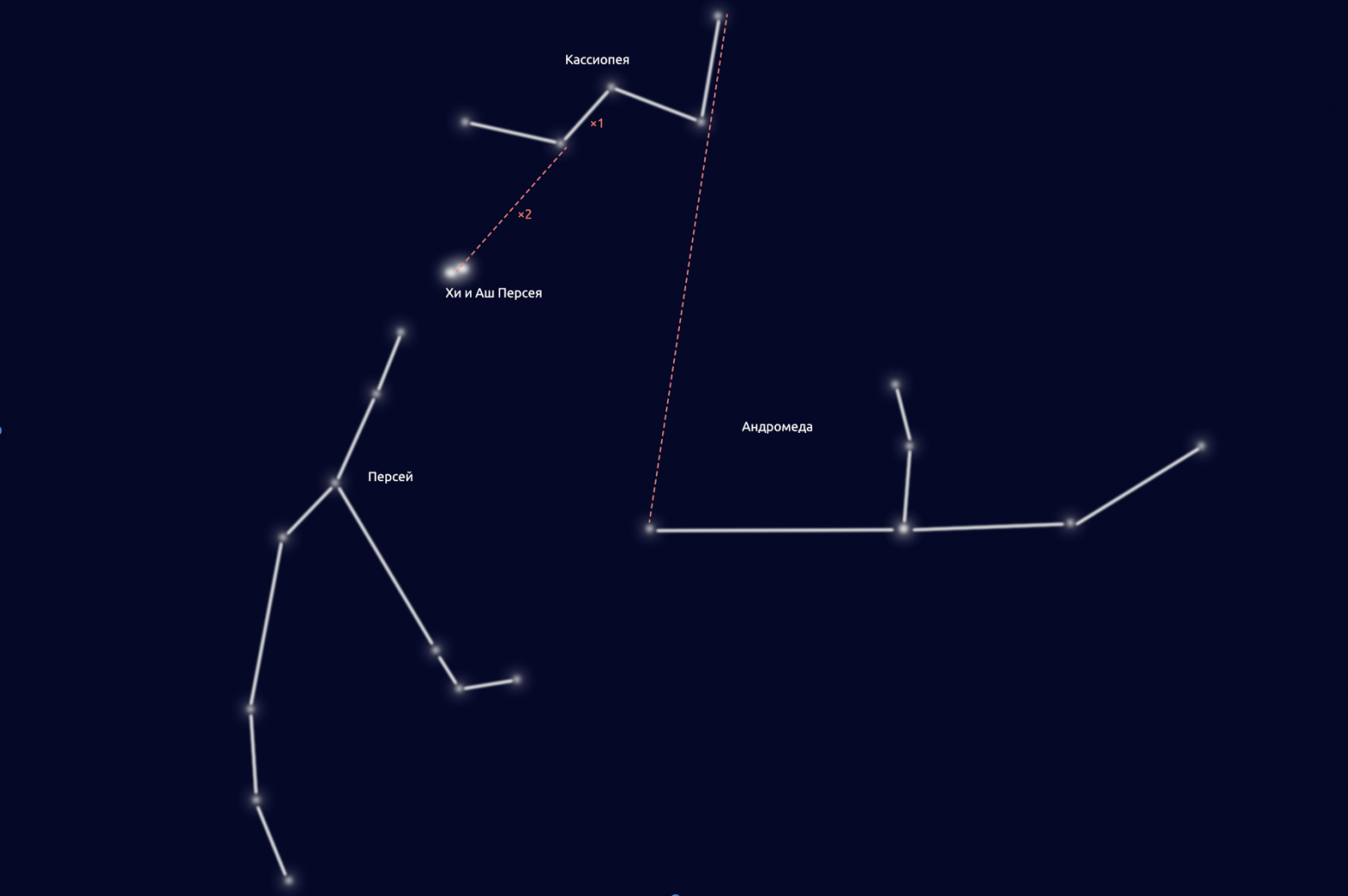
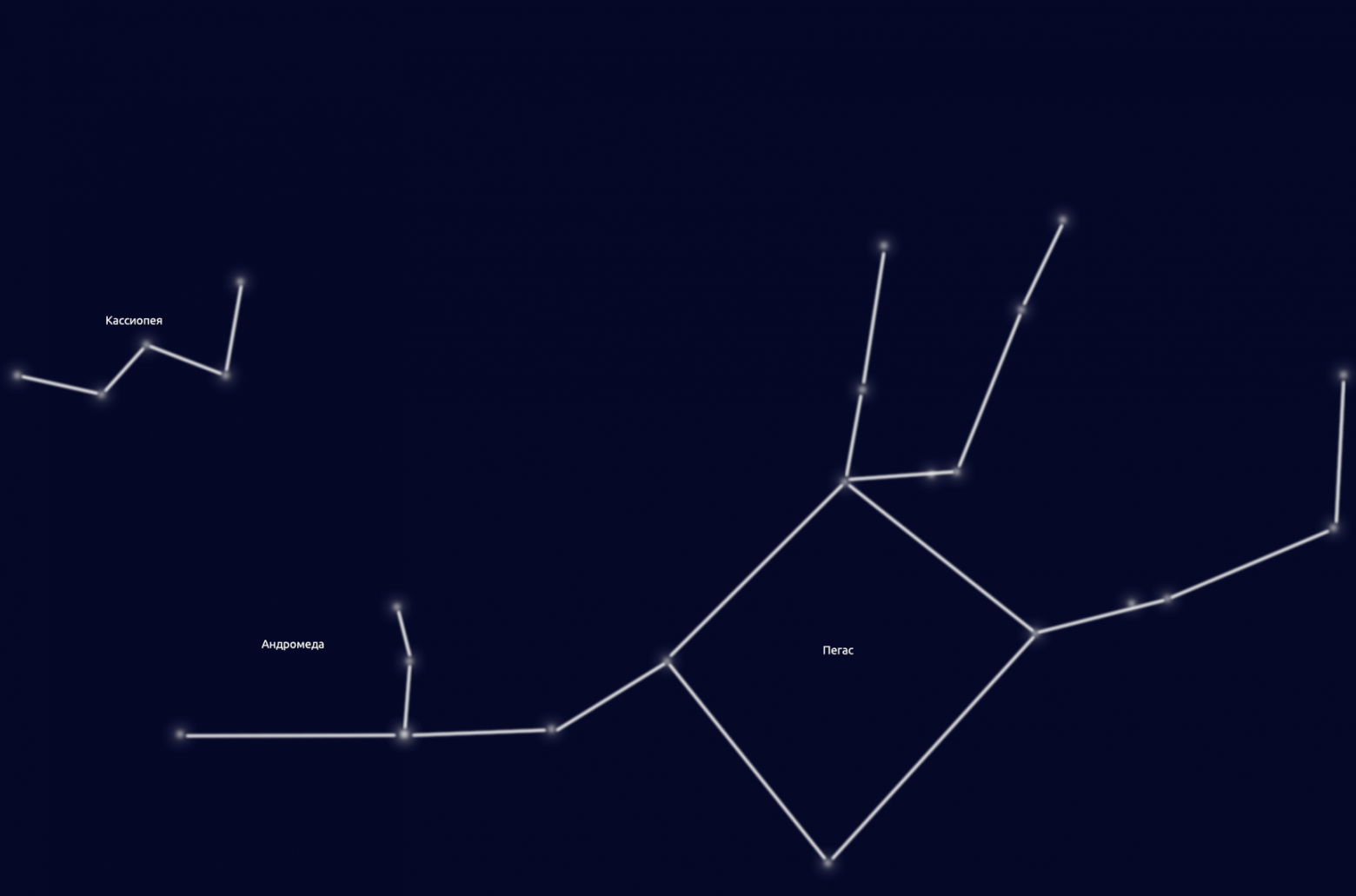
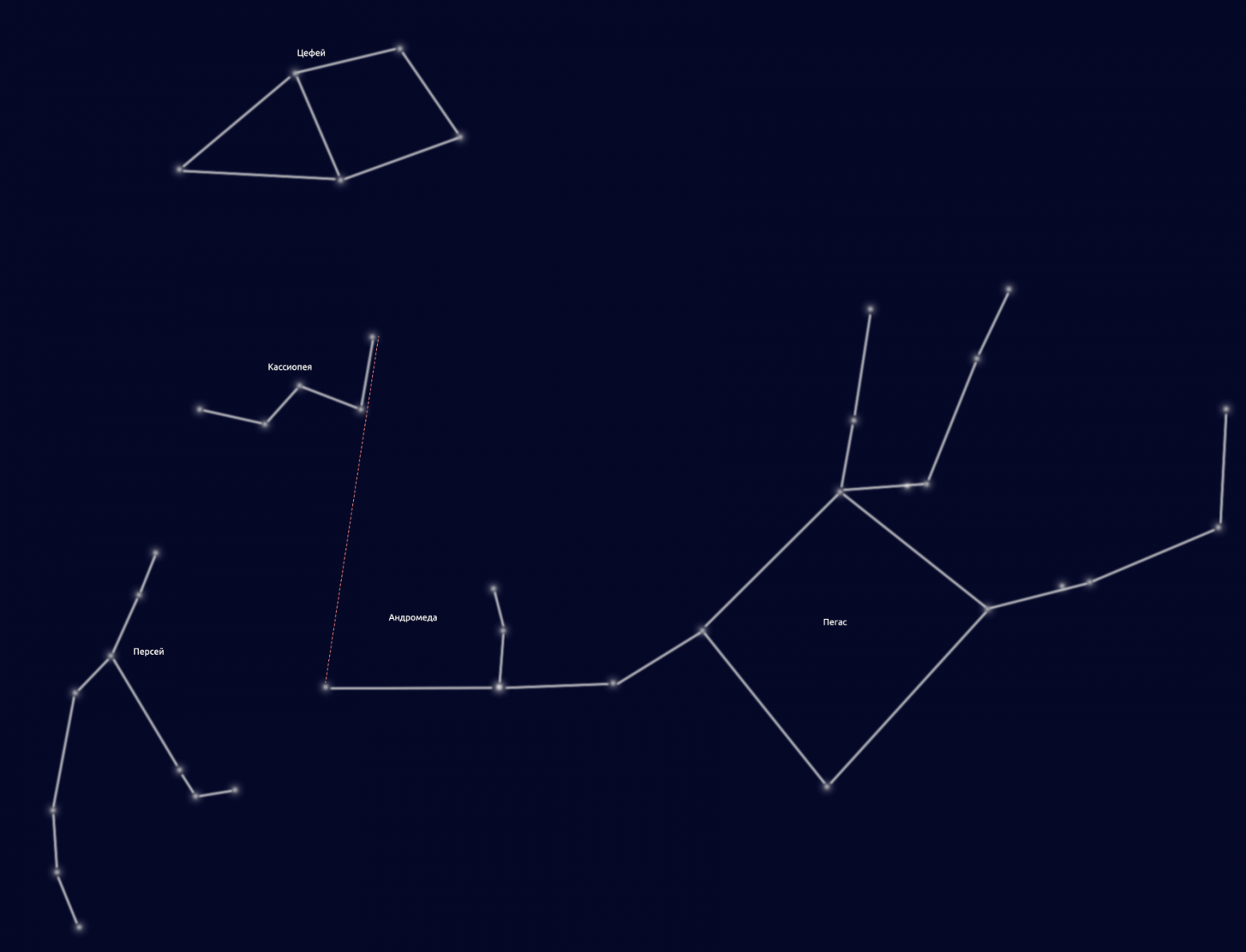
Between Cassiopeia and Taurus lies Perseus, home to beautiful double star clusters. And adjacent to Cassiopeia is Andromeda, which contains our nearest large galactic neighbor.

What You Can See With the Naked Eye
Once you know the constellations, it's time for the real show: deep-sky objects visible without any equipment.
The Andromeda Galaxy (M31)
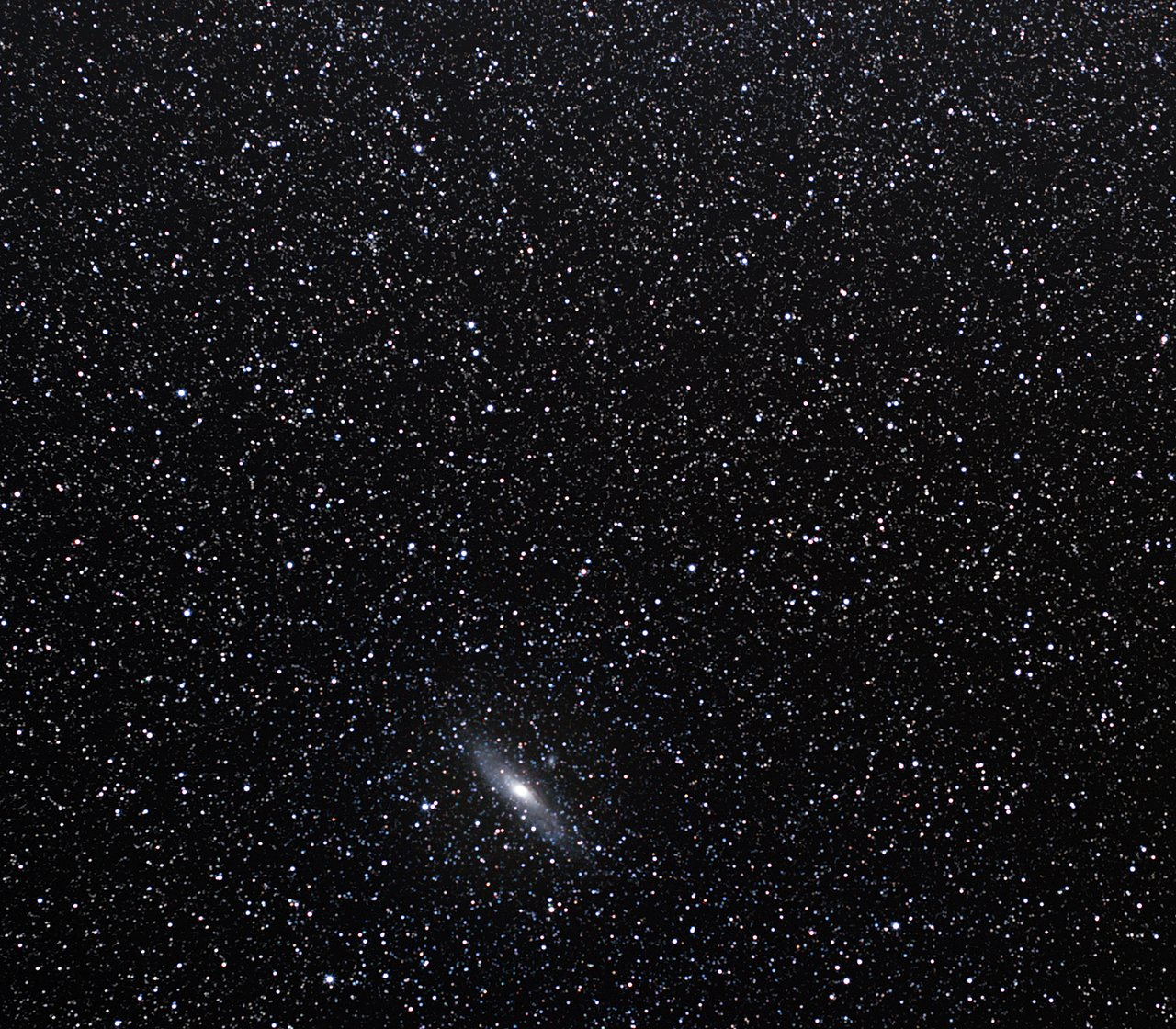
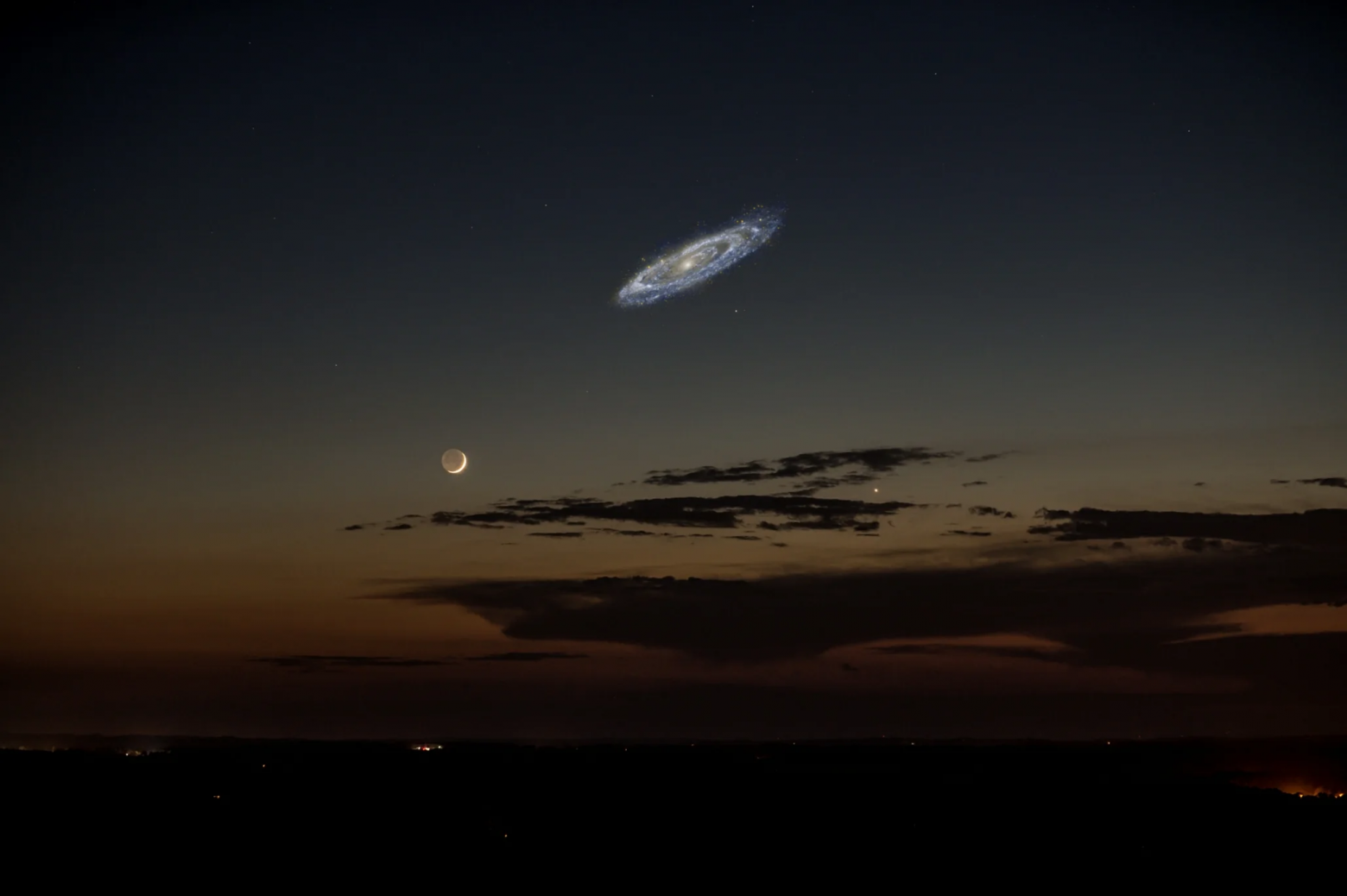
Located 2.5 million light-years away, containing roughly one trillion stars, and — incredibly — visible to the naked eye even under moderate light pollution. It appears as a faint, elongated smudge of light in the Andromeda constellation. This is the most distant object you can see without optical aid.
The Pleiades (M45)
A star cluster in Taurus, approximately 450 light-years away. It contains about 1,000 stars, of which roughly 14 are visible to the naked eye under good conditions. The Pleiades look like a tiny, tight group of stars — many people mistake them for the Little Dipper at first glance.
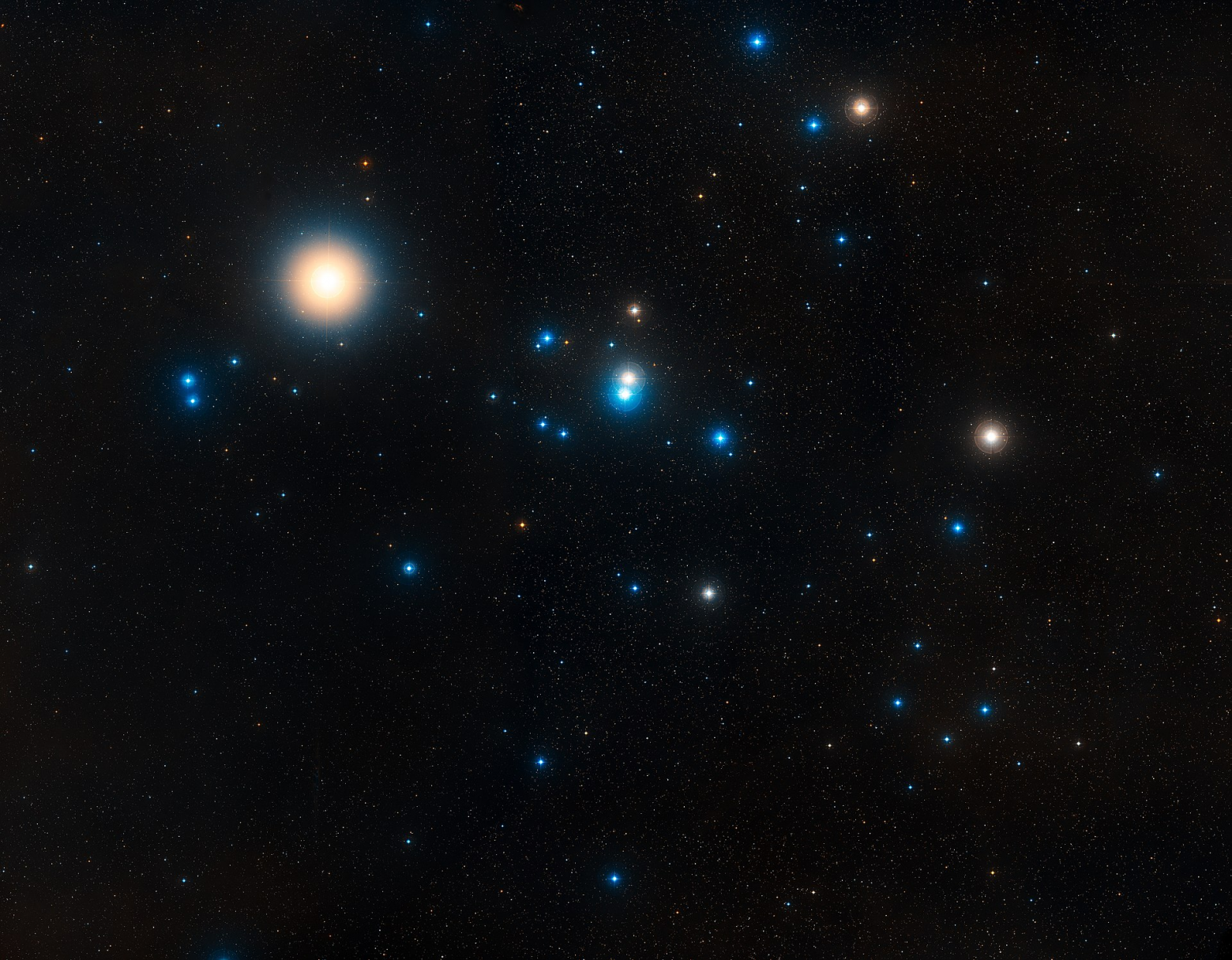
The Hyades
Another star cluster in Taurus, much closer at about 150 light-years. It contains roughly 700 stars and forms a V-shape around (but not including) the bright star Aldebaran. The Hyades are one of the best-studied star clusters in astronomy.
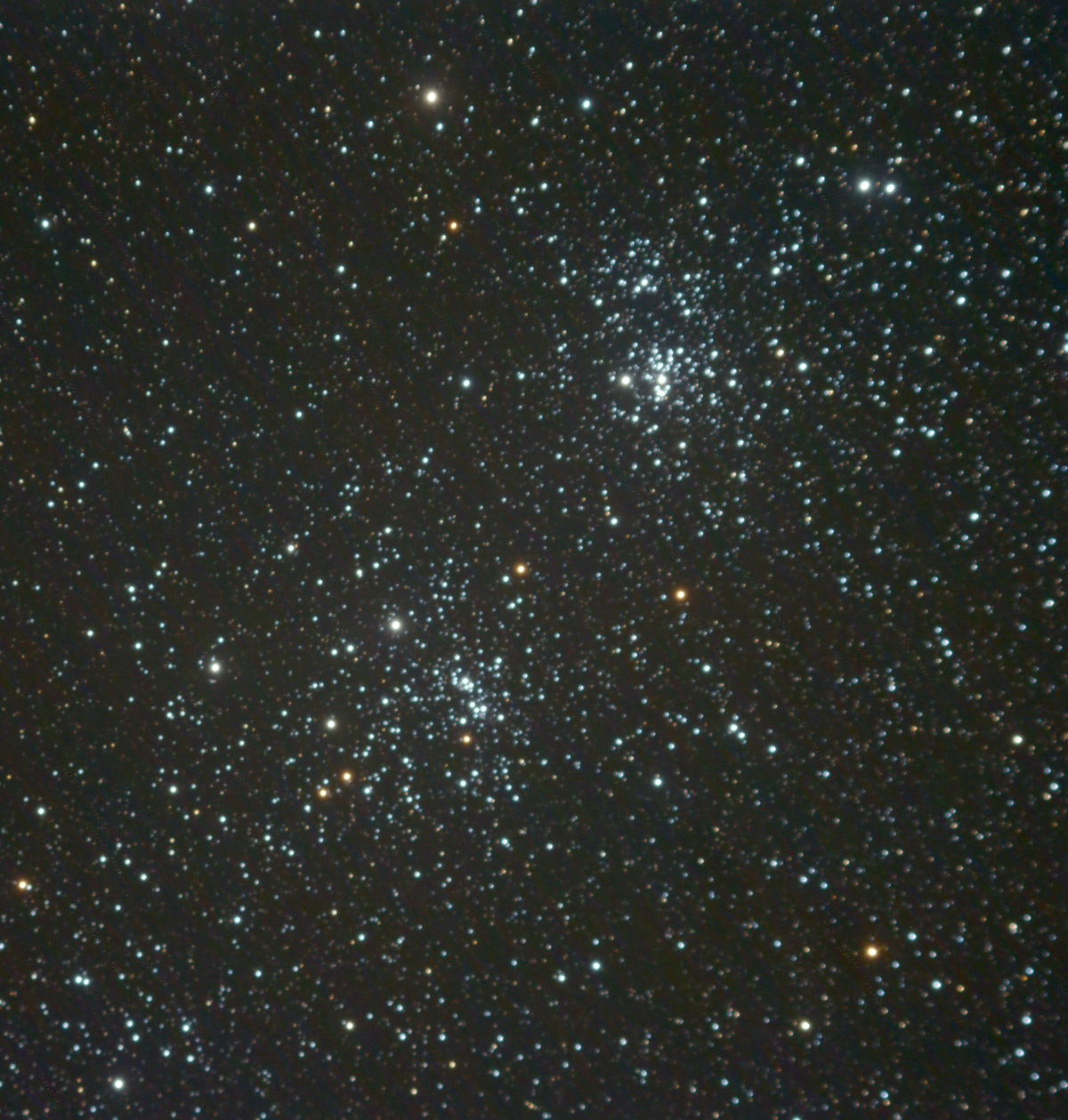
The Double Cluster in Perseus
Known as Chi and h Persei, these twin star clusters sit about 7,500 light-years away. They're visible as a slightly fuzzy patch between Perseus and Cassiopeia, and they're spectacular through binoculars.
The Orion Nebula (M42)
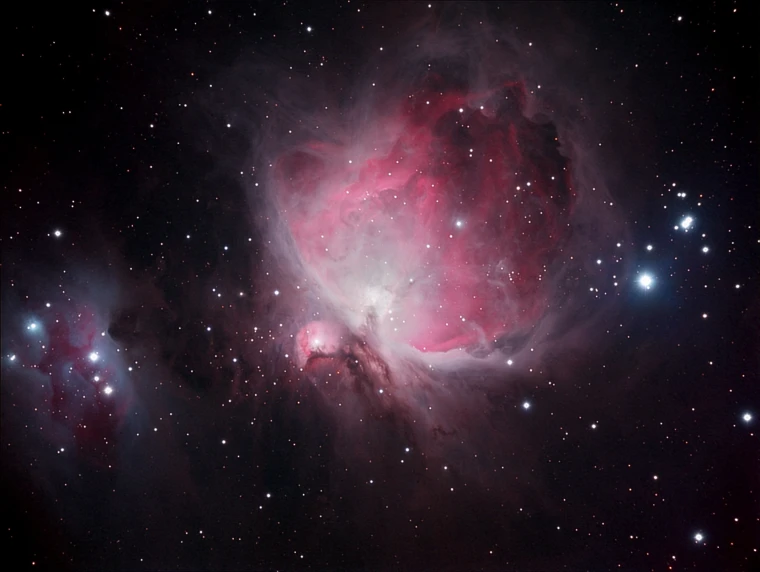
A stellar nursery — an active region of star formation — about 1,350 light-years away and roughly 25 light-years across. It's visible as a fuzzy "star" in the middle of Orion's sword. Even modest binoculars reveal its nebular nature.
Practical Tips
Darkness Adaptation
Your eyes need about 20 minutes to fully adapt to darkness. Any white light — even a brief glance at your phone — resets this process. Use red light instead: most astronomy apps have a red-light mode, and you can get a red flashlight or simply cover a regular one with red film.
Averted Vision
Faint objects are easier to see when you look slightly to the side of them. This is because the edges of your retina are more sensitive to dim light than the center. It sounds counterintuitive, but "looking away" from a faint galaxy will actually make it more visible.
Stabilizing Binoculars
If you have binoculars but no tripod, tie a length of rope to them and stand on the other end. Pull the binoculars taut against the rope for significantly improved stability.
Skip the AR Apps
I know those augmented-reality constellation apps are tempting. But resist the urge. Using an app that tells you what you're looking at prevents you from actually learning to navigate the sky yourself. Learn the constellations the old-fashioned way first, and use apps only to verify what you've already identified.
Progressing to Equipment
Start with naked-eye observation. Once you've mastered the 10 constellations and can find the major deep-sky objects, consider binoculars. For stargazing, aperture (the size of the front lenses) matters more than magnification. A pair of 10x50 binoculars is an excellent starting point.
When you're ready for a telescope, don't skimp. A cheap telescope will frustrate you with wobbly mounts and poor optics. Save up and buy a good one. A 6-8 inch Dobsonian reflector is widely considered the best value for beginners.
Finding Dark Skies
Check lightpollutionmap.info to find locations with minimal light pollution near you. The difference between city skies and truly dark skies is staggering — you go from seeing a few hundred stars to seeing thousands, with the Milky Way stretching across the entire sky.
The Master Map
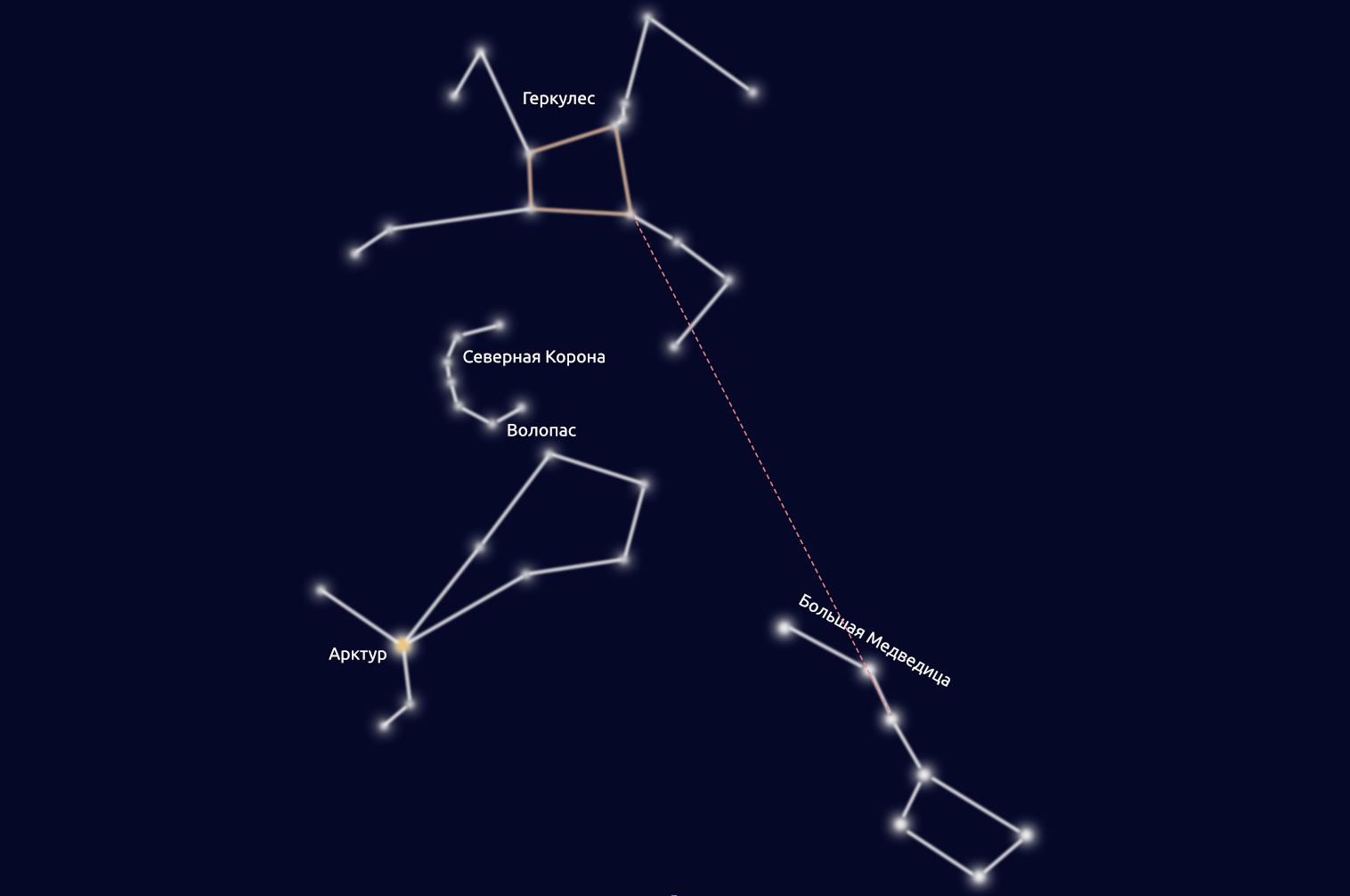
Here's a combined navigation chart showing how all the constellations connect. Start with the Big Dipper, follow the pointers to Polaris, look opposite for Cassiopeia, arc to Arcturus, and branch out from there. Within a few weeks of practice, this map will be second nature.

Clear skies to you all!