Space Starships from the 90s: Why Humanity Uses Last Century's Technology in Space
Despite rapid technological progress on Earth, spacecraft still rely on proven solutions from the 1990s. This article explores why space technology evolves so slowly, from radiation-hardened processors to real-time operating systems and the CubeSat revolution.
In 2016, the International Space Station ran on Intel 80386SX processors clocked at 20 MHz. Russian modules still use hardware from the Soviet era. Meanwhile, the smartphone in your pocket has more computing power than the entire ISS. Why does space technology lag decades behind what we use on Earth?
The answer lies in a fundamental difference in priorities. On Earth, we optimize for performance, features, and cost. In space, there's only one metric that truly matters: reliability. And reliability in the harshest environment known to engineering demands a completely different approach to technology.
Why Everything Moves So Slowly
Space projects are more like building nuclear power plants than launching startups. The full lifecycle of a spacecraft includes:
- Mission definition — forming the concept, budget, and timeline
- Preliminary design — creating the initial spacecraft concept
- Detailed design — developing structures and selecting materials
- Certification — the most rigorous phase, following DO-178C standards
- Testing — verification under vacuum, radiation, and extreme temperature conditions
- Integration and launch preparation — final audits and assembly
- Launch and operation — 15-20 years of service in orbit
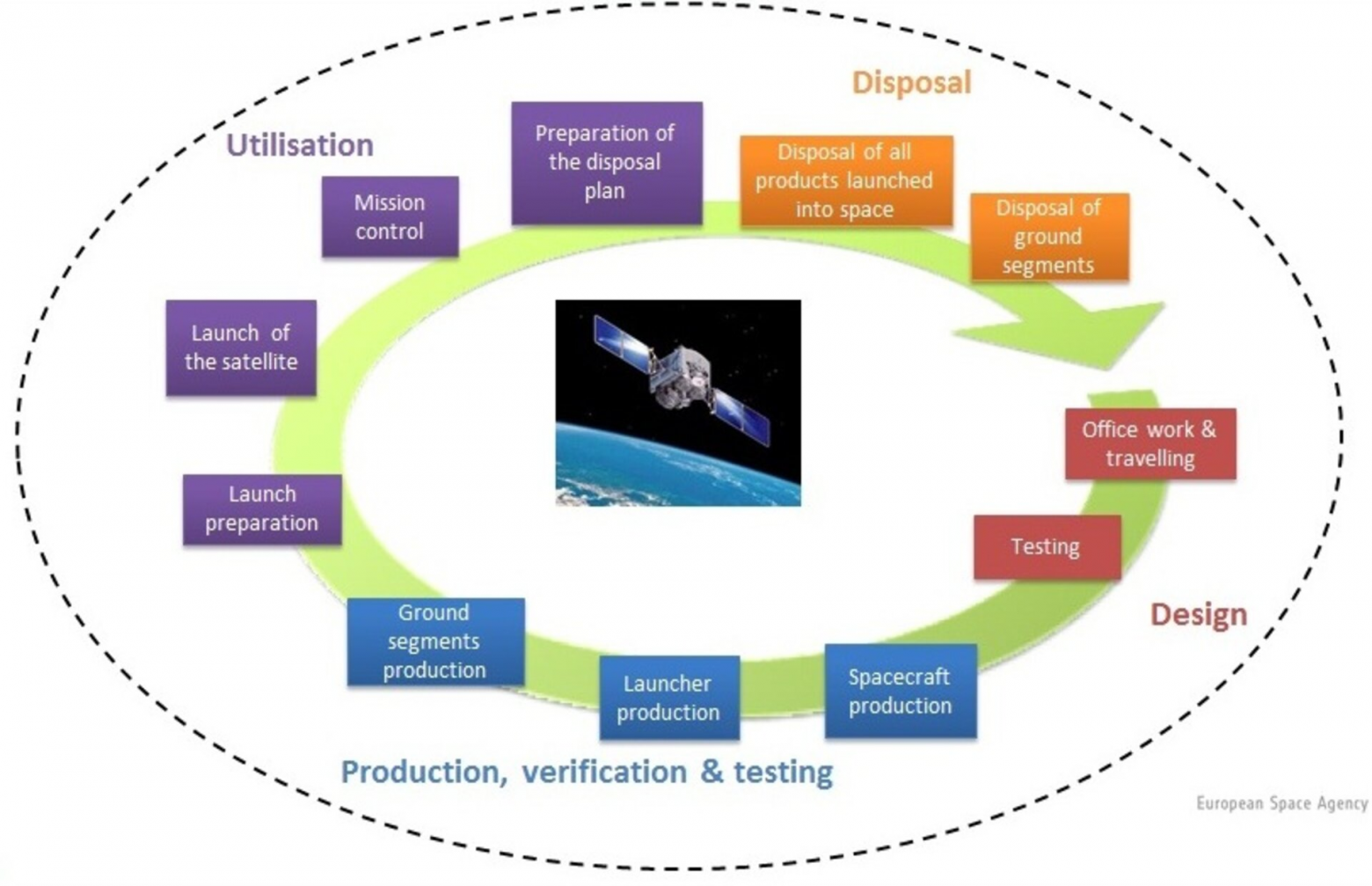
The process takes 7 to 10 years from design to launch. In Russia, the KT-178C standard regulates both software and hardware compliance. By the time a spacecraft is ready to fly, the technology it's built on is already a decade old — and that's by design, not by accident.
Example: The Hubble Space Telescope
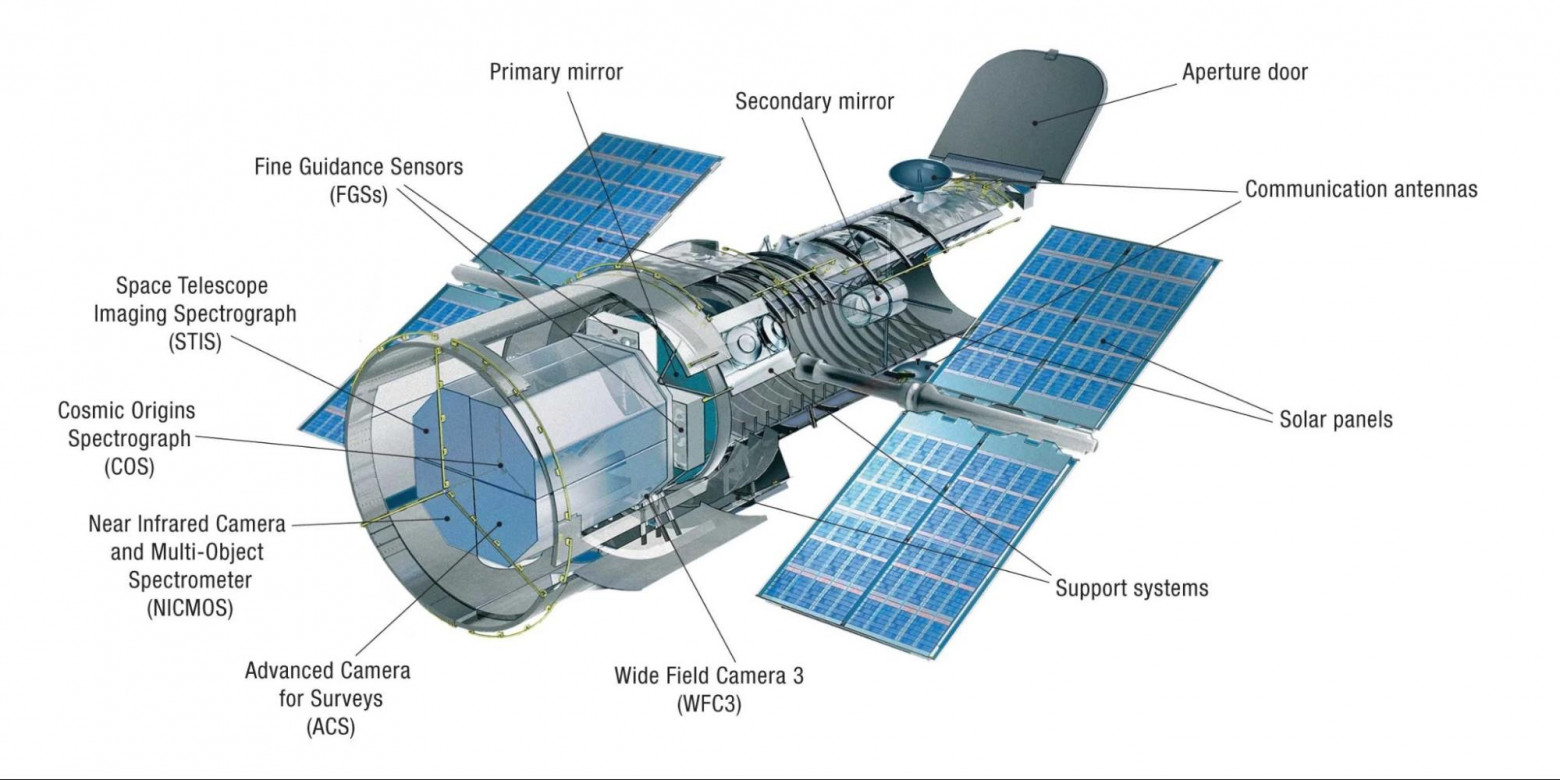
Hubble was launched in 1990 with a manufacturing defect in its primary mirror — a spherical aberration of 2.2 microns. NASA conducted five servicing missions to keep it operational:
- 1993: Installation of the COSTAR corrective optics system
- 1997: Replacement of spectrographs and addition of an infrared camera
- 1999: Replacement of gyroscopes and the onboard computer
- 2002: New camera and batteries
- 2009: Modernization of gyroscopes and electronics

Thanks to these upgrades, Hubble's service life was extended from the planned 15 years to over 35 years. But this is the exception, not the rule — most spacecraft can never be serviced after launch.
The Space Debris Problem
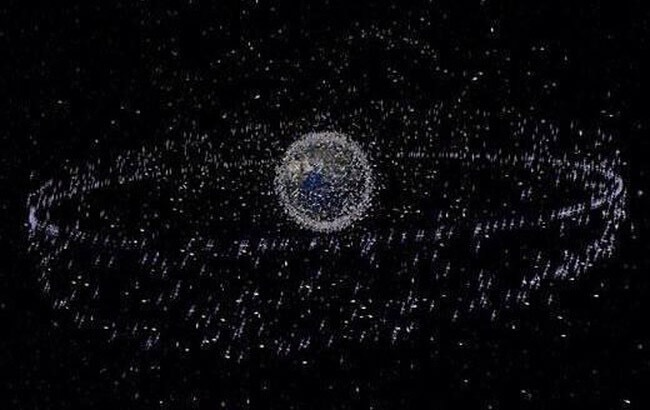
Currently in orbit:
- More than 54,000 objects larger than 10 cm
- Approximately 1.2 million fragments between 1 and 10 cm
- Over 130 million micro-fragments
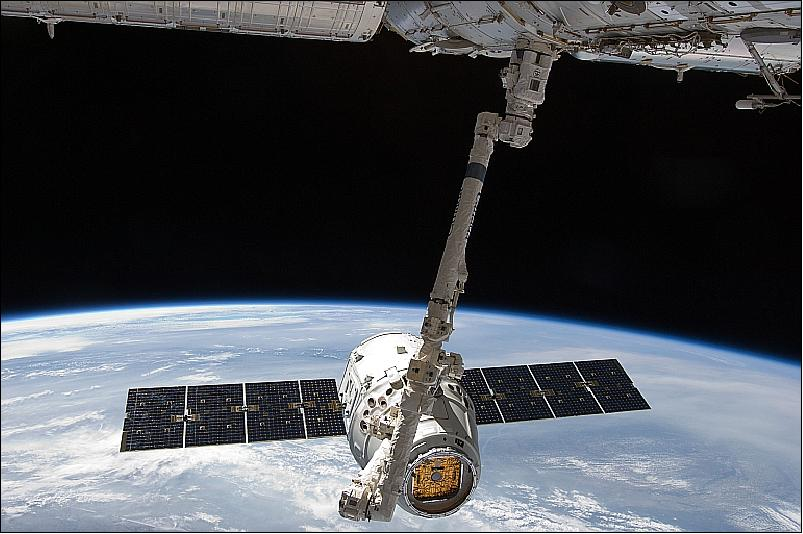
By 2025, there are 40,000 satellites in orbit, but only 11,000 of them are functional. Even a grain of sand traveling at thousands of kilometers per hour can destroy the ISS or a telescope upon impact.

Point Nemo — the "spacecraft cemetery" in the Pacific Ocean, 4,800 km from New Zealand — serves as the deorbiting destination for decommissioned spacecraft, sinking to a depth of 4 km.
Radiation and Temperature Hardening: Proven Standards
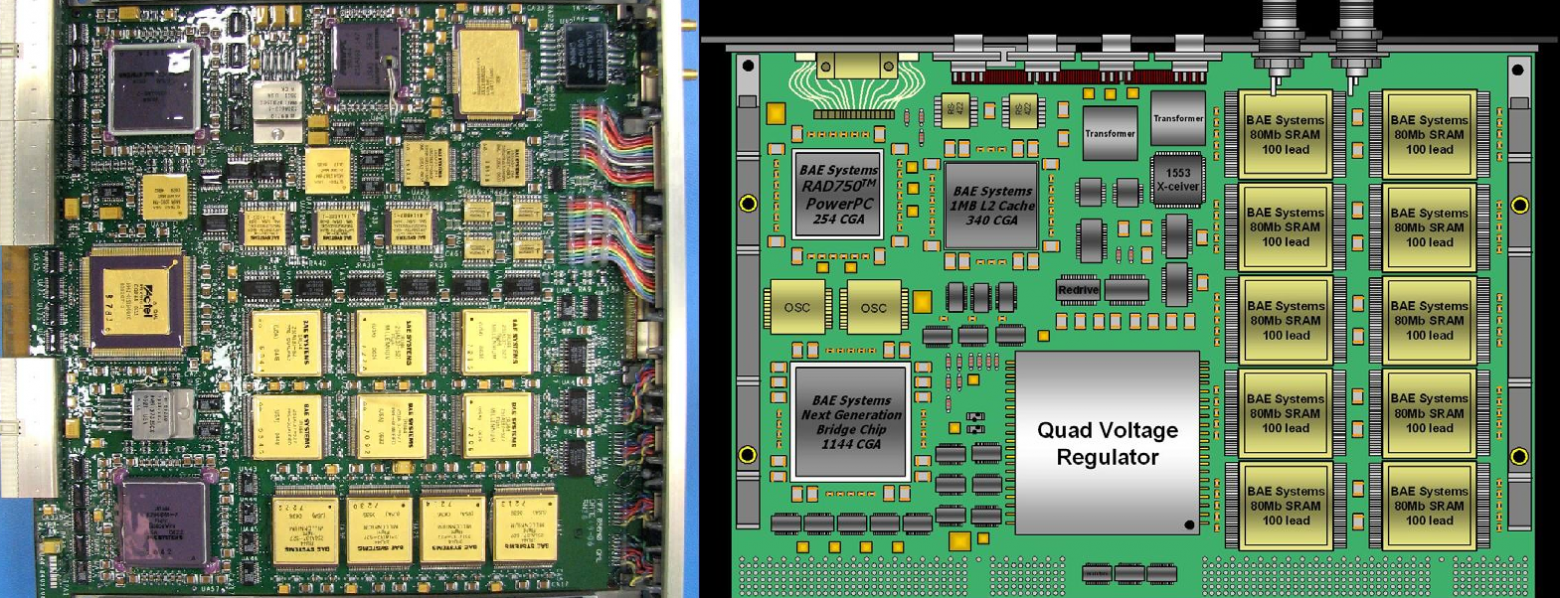
BAE RAD750
The legendary microprocessor based on the IBM PowerPC 750 (250-150 nm technology):
- Clock speed: 110-200 MHz
- Performance: up to 400 MIPS
- Power consumption: 5-10 W
- Temperature range: -55 to +125 degrees C
- Radiation hardness: up to 1,000 kilorads
This processor powers NASA's Curiosity and Perseverance Mars rovers, among many other missions. By desktop standards, it's absurdly slow. By space standards, it's battle-tested perfection.
Soviet and Russian Systems
Argon-11S was the world's first space-grade computer with triple redundancy, used in the "Zond" program.
Argon-16 was used on Soyuz and Progress spacecraft, as well as Salyut, Almaz, and Mir space stations.
These systems were designed using conservative manufacturing processes (0.18 microns) — less dense than modern chips, but far more resistant to radiation and extreme conditions.
Real-Time Operating Systems and Programming Languages
Operating Systems
VxWorks (Wind River) is a commercial RTOS with multitasking support, used by NASA. It's certified to aviation standards and supports AI and containerization features.
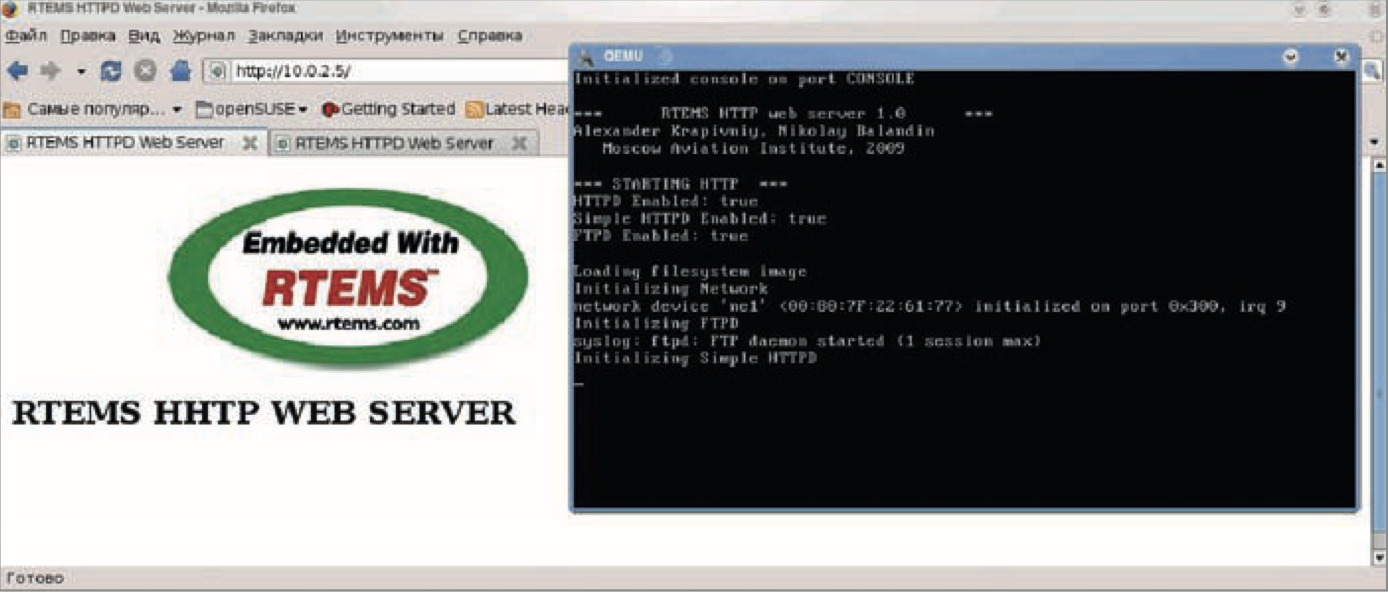
RTEMS is an open-source OS originally developed for US missile control, later adapted for SPARC LEON processors used in European space missions. It achieved reliability level "B" under ESA standards.
BagrOS-4000 is a Russian POSIX-compatible RTOS for the Elbrus processor family.
Programming Languages
Ada95 is a strongly-typed language with support for parallelism and exception handling. SPARK, its subset, enables formal verification and is compatible with DO-178C/DO-333 safety standards.
MISRA C is a restricted profile of the C language designed for safety-critical systems, banning dangerous constructs while maintaining C's performance advantages.
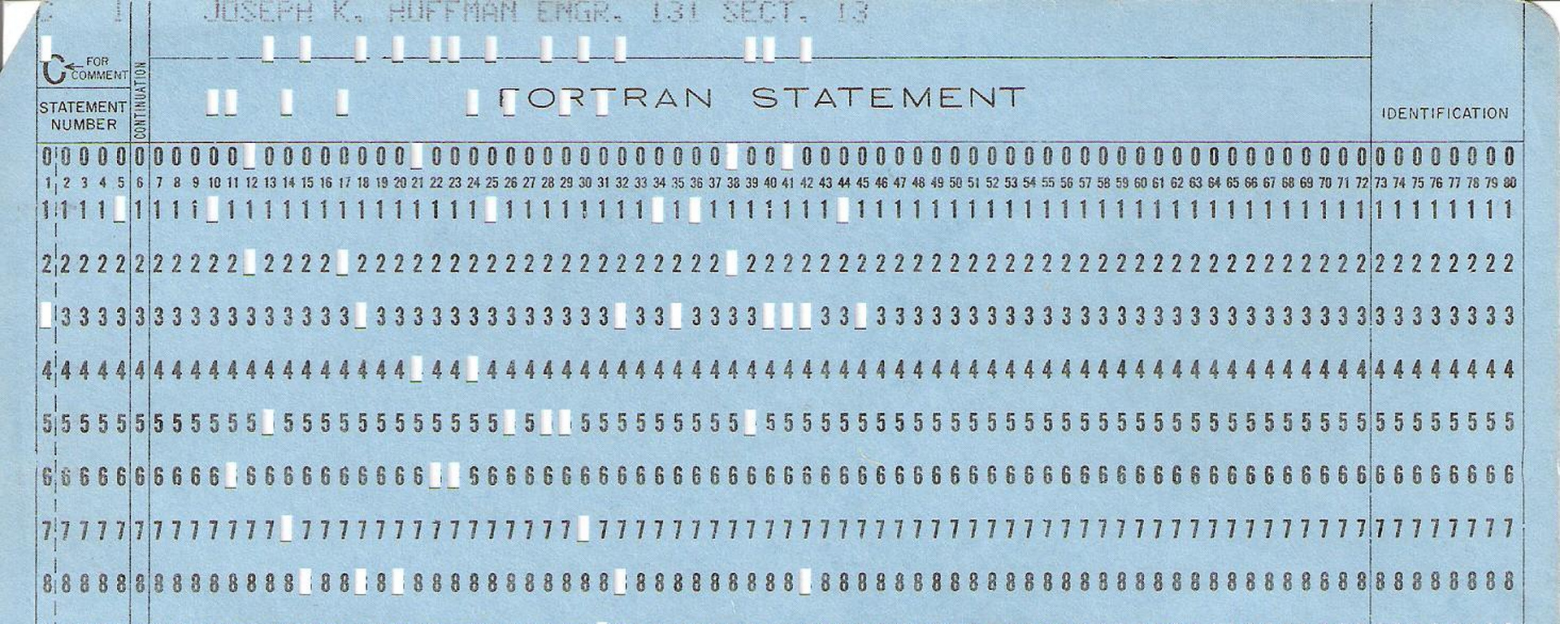
Fortran (Fortran-77/90+) is used in Russian satellites for its deterministic arithmetic and access to numerical libraries (BLAS, LAPACK, LINPACK).
PL/1 is still found in control software on Soviet-era mainframes.
The CubeSat Revolution and COTS Components
What Are CubeSats?
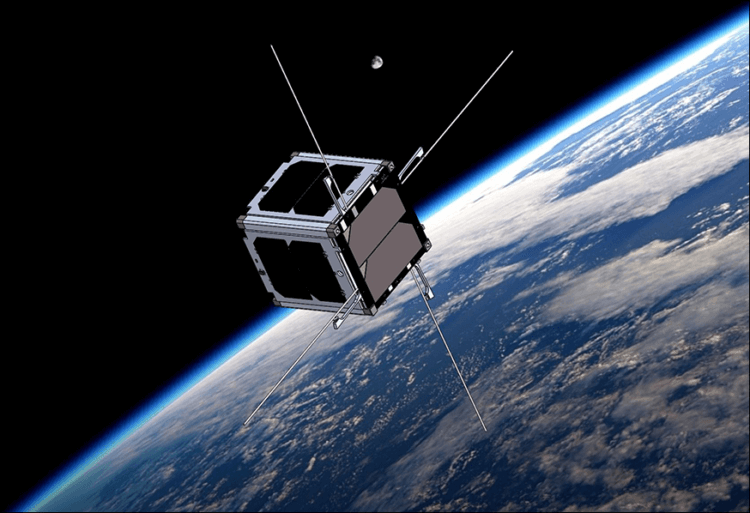
Satellites measuring 10x10x10 cm with a mass of 1.33 kg or less. They're democratizing access to space through affordable launches for communications, navigation, IoT, and scientific experiments.
FIAN and MSU Projects
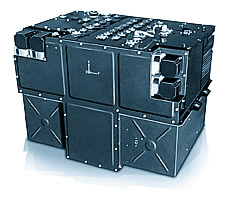
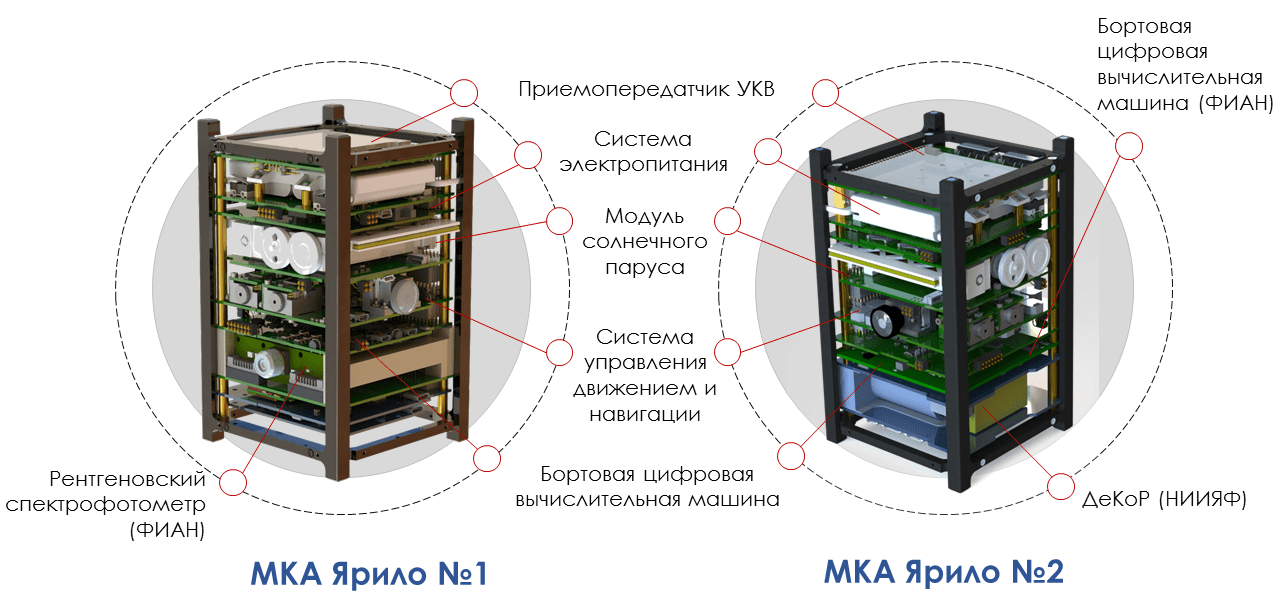
"Yarilo" is a small satellite running on a Raspberry Pi Zero W and Arduino, operating under Linux with Python. The Yarilo-2 model features the "DeKoR" radiation detector (from the MSU Nuclear Physics Research Institute) and a radiation-hardened computing module.
Hybrid Platforms (Skoltech)
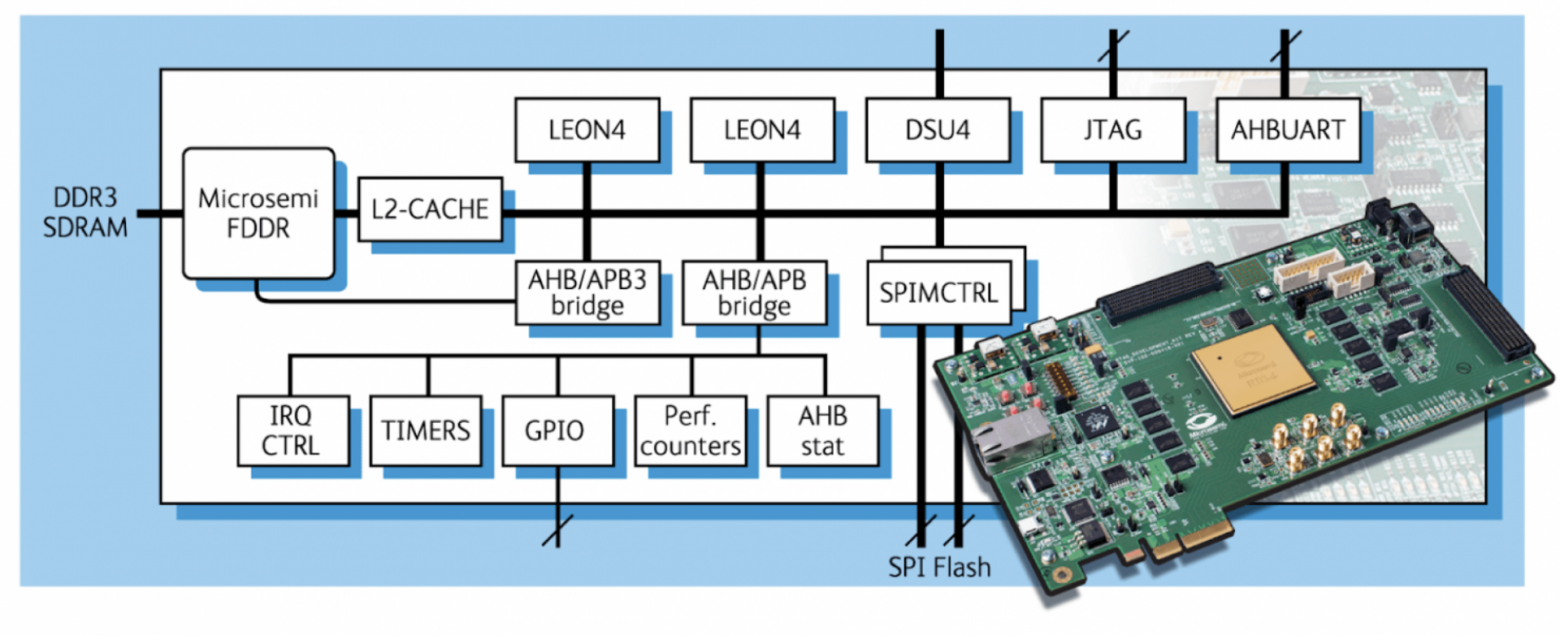
A combination of ARM SoC and FPGA provides a balance of performance and energy efficiency for on-board satellite computing.
BAIKAL-M VL-KT
A Russian microprocessor with ARM architecture designed for small satellites as part of the "Radioastron-mini" program.
The Hybrid Approach and Evolution
Virtualization on Elbrus
Using Elbrus processors, RTOS virtualization through FPGA enables:
- Loading and updating firmware via CCSDS protocol without replacing hardware
- Running multiple virtual systems on a single controller
- Using hybrid hypervisors for native guest operating systems and paravirtualized environments
GOST-Certified Containers
Containerization for CubeSats follows a hybrid model:
- On the ground: Managed Kubernetes for image orchestration, CI/CD, and security policies
- On board: Lightweight distributions and container runtimes with image signature verification
The result: controlled releases, rollbacks, shorter development cycles, and reduced operational risks — all while maintaining GOST compliance.
Key Takeaway
The paradox of space: 1990s technology provides reliability that modern solutions cannot match. Satellites designed and certified to old standards provide communications and scientific data for decades, while terrestrial gadgets become obsolete in years. The future lies in a hybrid approach — combining proven radiation-hardened platforms with modern COTS components in CubeSats, containerized software deployment, and FPGA-based virtualization — bringing the best of both worlds to orbit.
FAQ
What is this article about in one sentence?
This article explains the core idea in practical terms and focuses on what you can apply in real work.
Who is this article for?
It is written for engineers, technical leaders, and curious readers who want a clear, implementation-focused explanation.
What should I read next?
Use the related articles below to continue with closely connected topics and concrete examples.