Shooting with Soviet Photo Lenses and Loving It
A hands-on tour of five classic Soviet-era lenses mounted on a Canon 5D Mark II, exploring the unique character of each optic from the compact Industar-50 to the legendary swirly-bokeh Helios 44.
Introduction
My name is Andrey Larin, and I want to share my experience shooting with Soviet-era optics. This won't be a dry technical review — instead, I'll focus on practical examples and tips that might be useful for photographers who are curious about vintage glass. No flame wars, just honest impressions.
My Setup
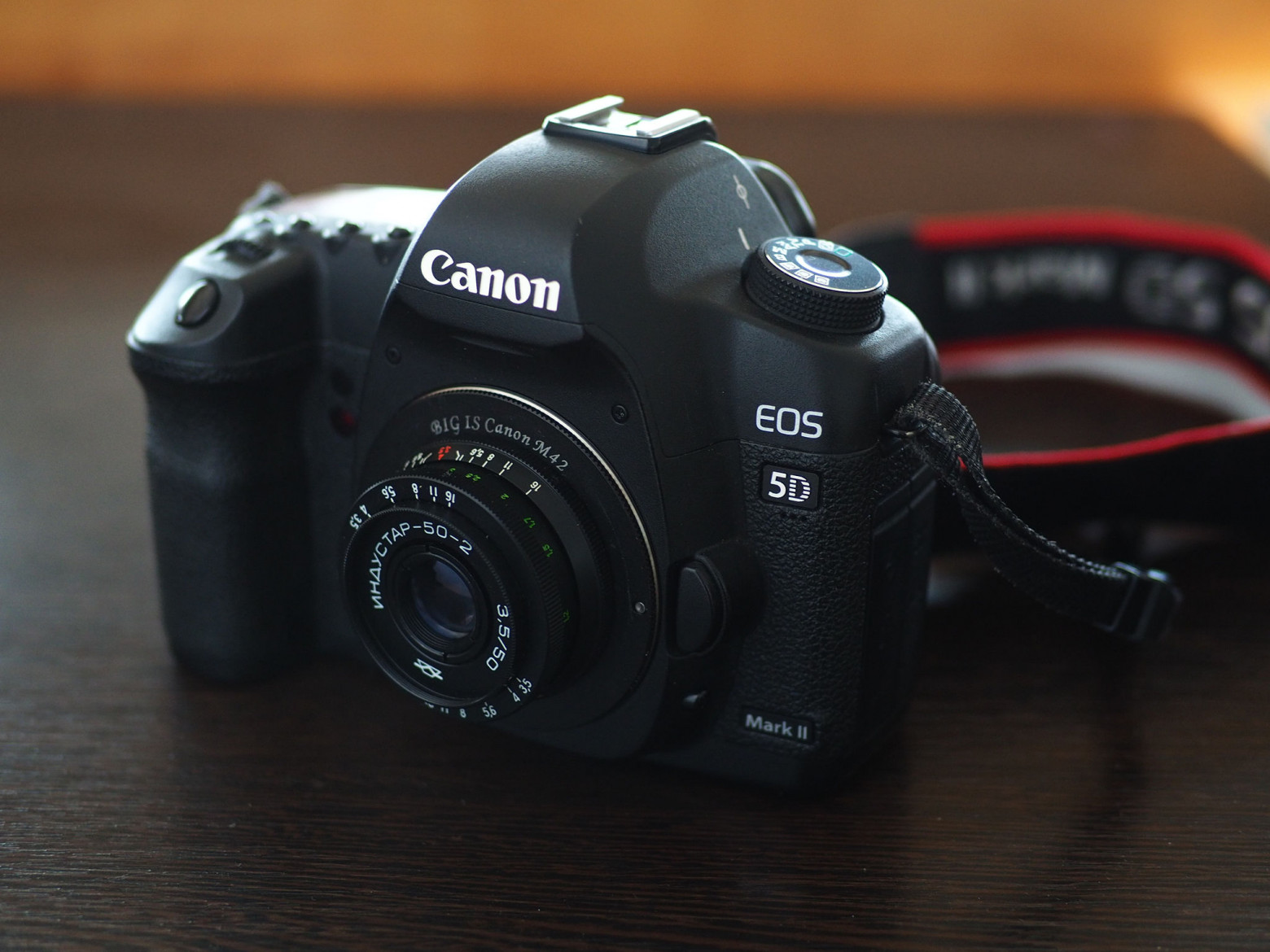
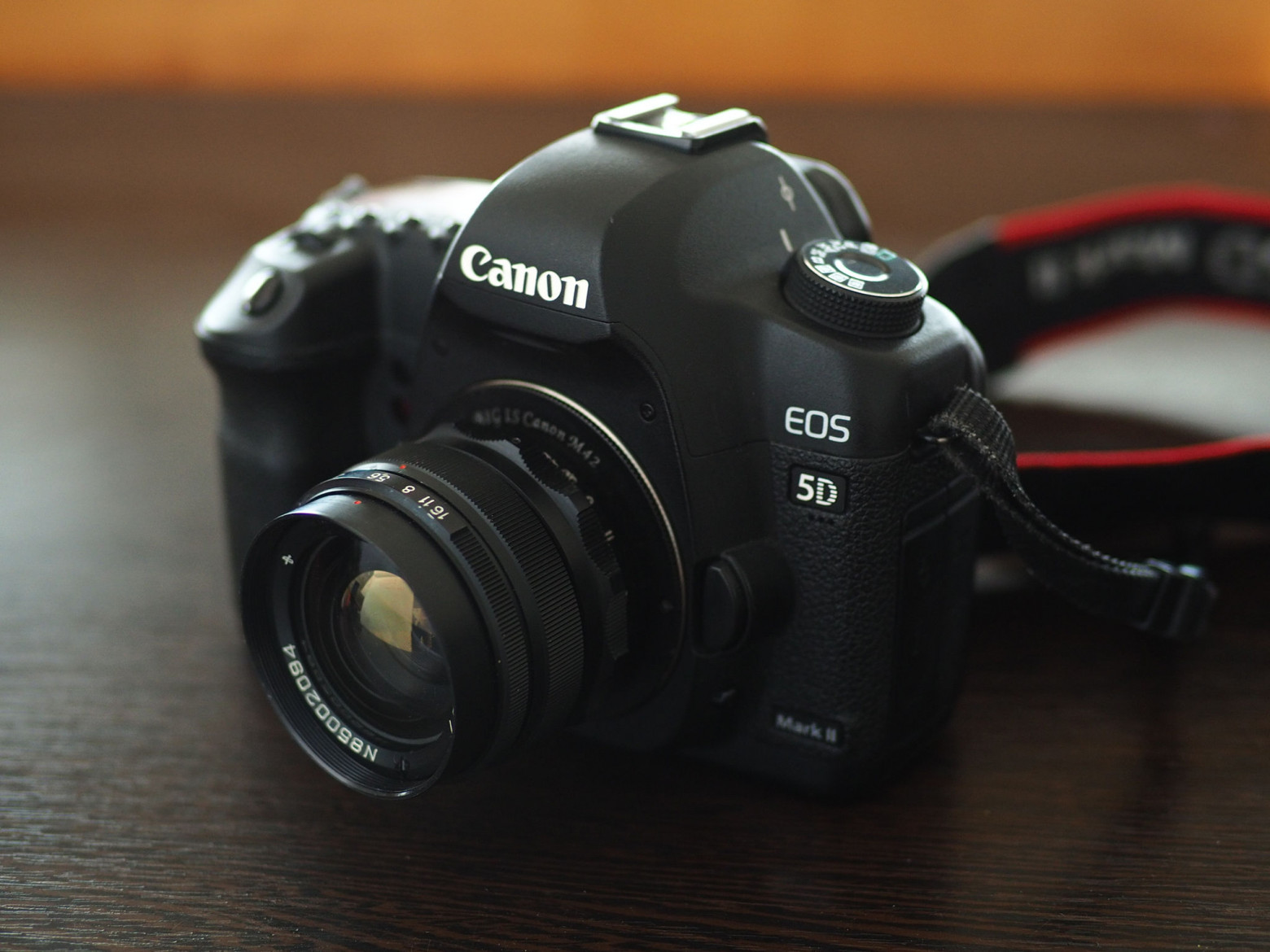
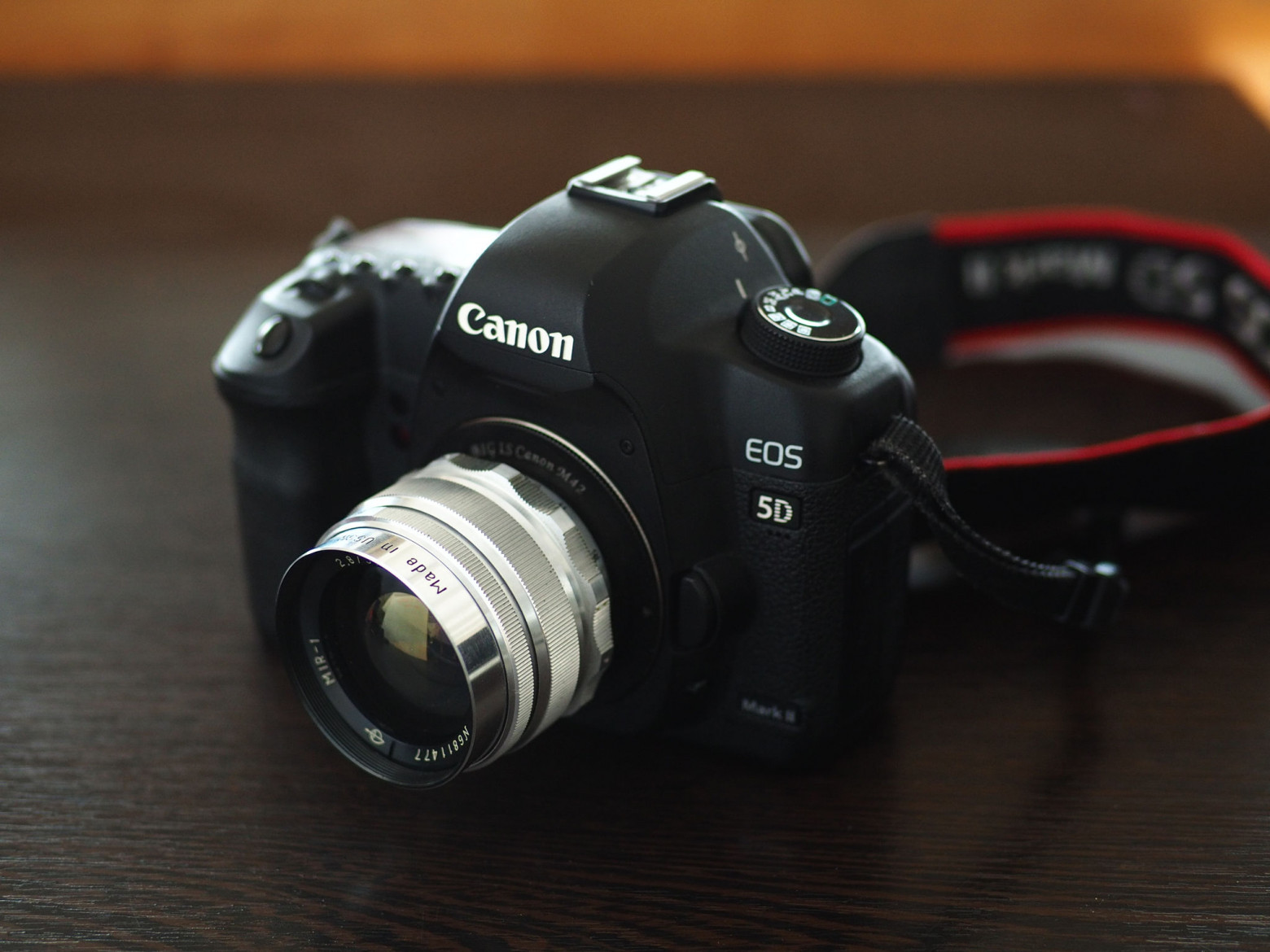
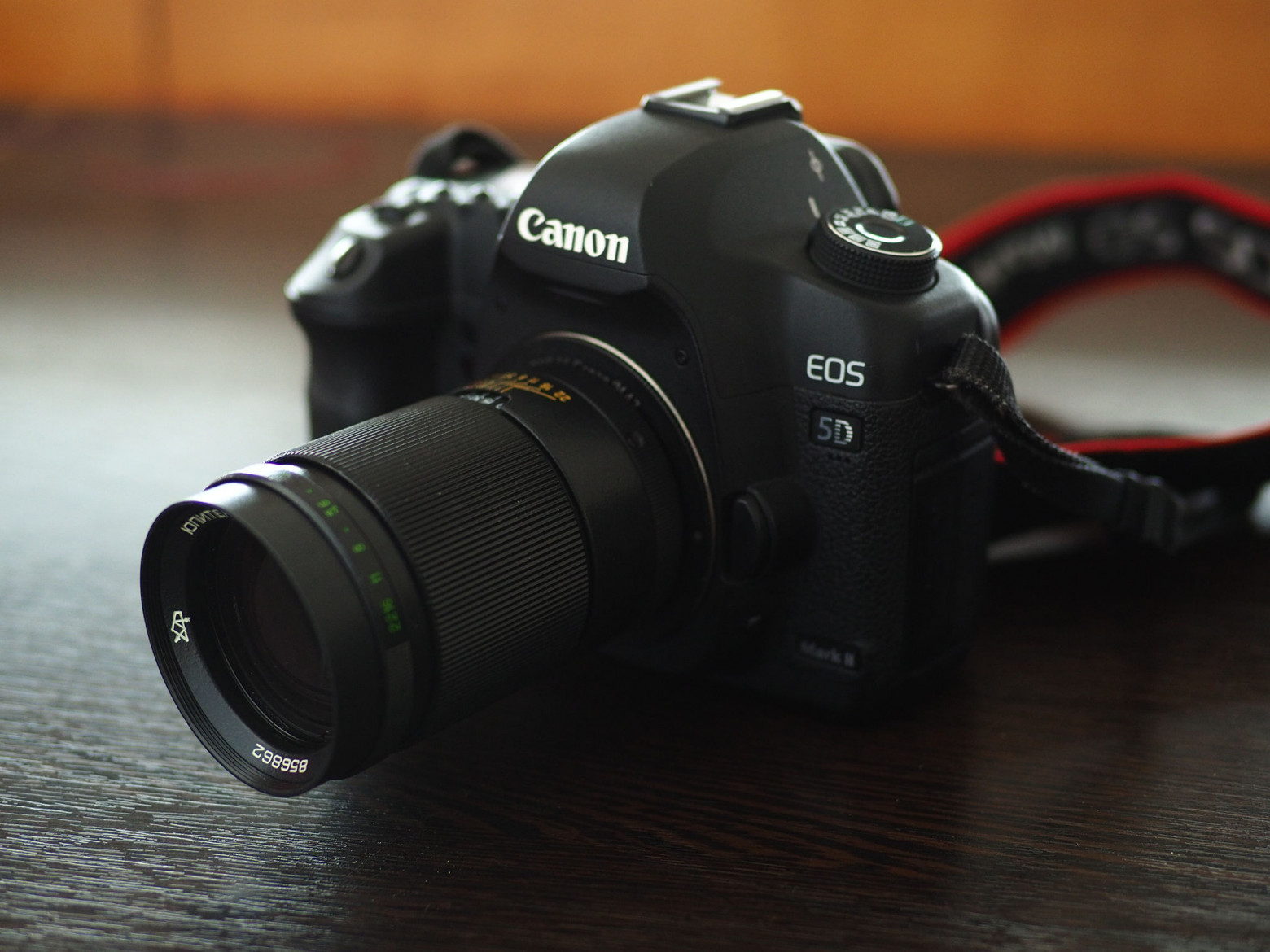
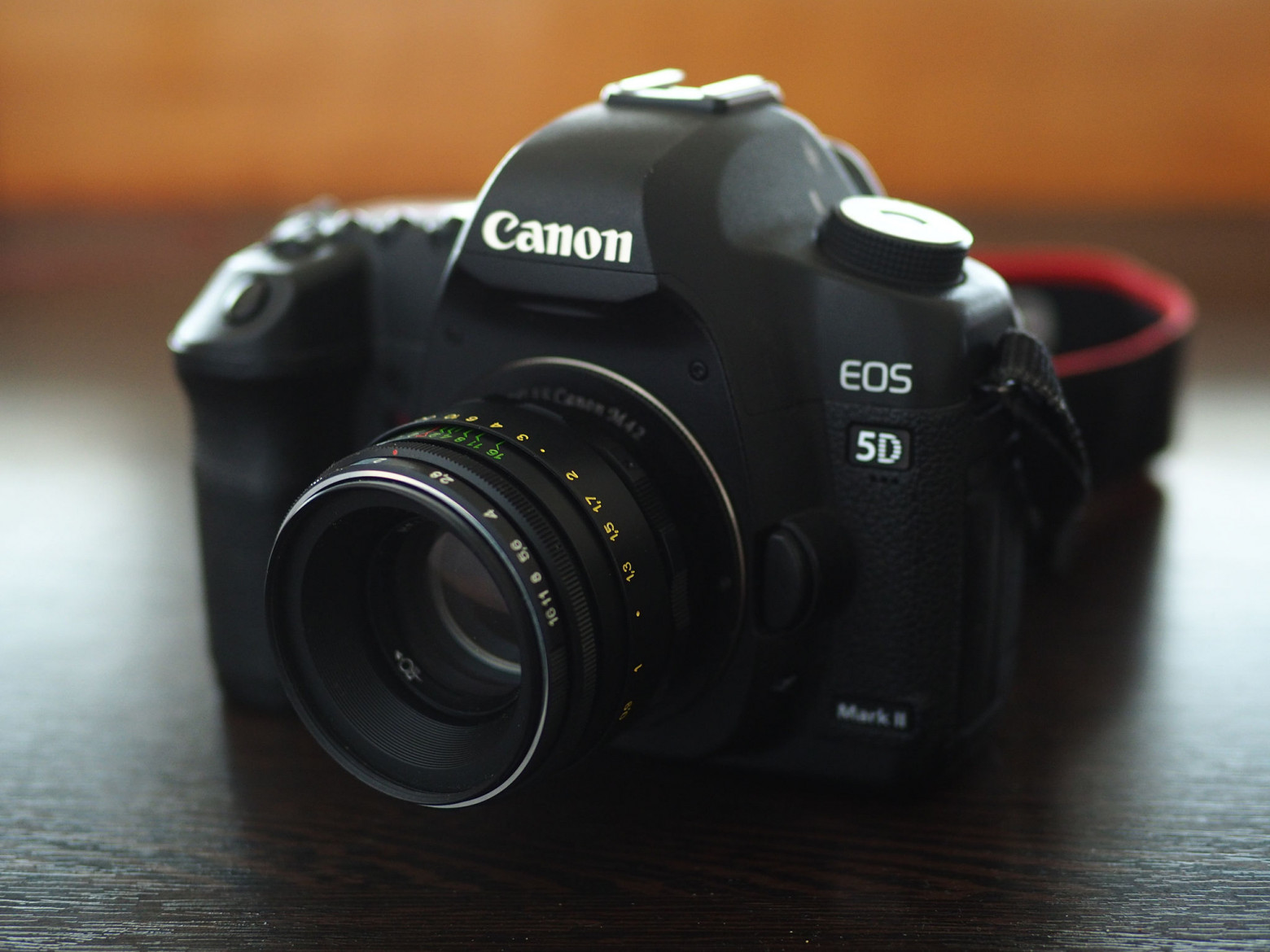
For working with M42-mount optics, I use a full-frame Canon 5D Mark II with an "Oduvanchik" (Dandelion) adapter chip. This clever little device provides focus confirmation in the viewfinder when manually focusing — an essential aid when you're shooting without autofocus. The camera beeps and the focus indicator lights up when the image is sharp, which makes manual focusing much more pleasant.
Why Shoot with Vintage Optics?
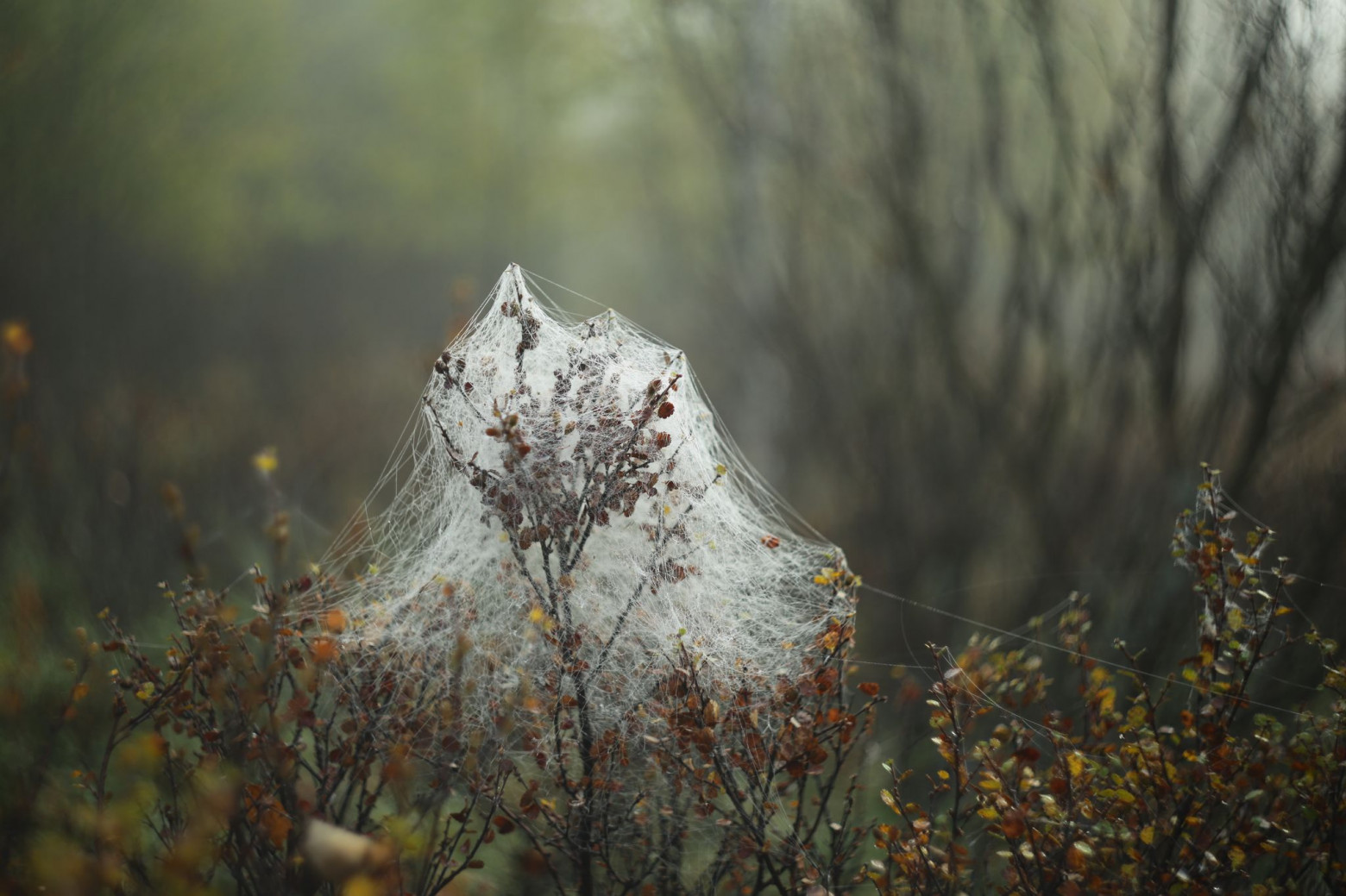
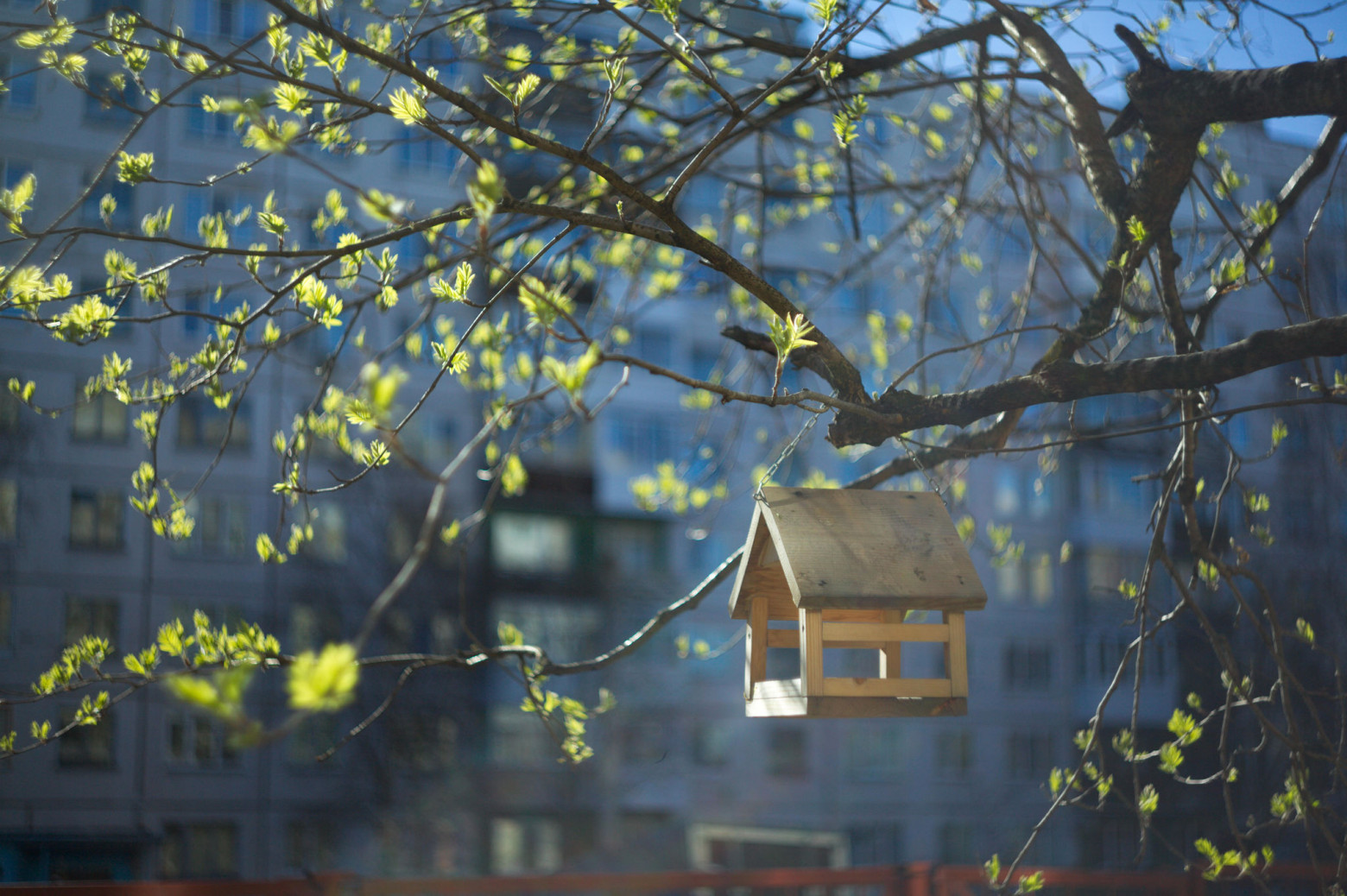
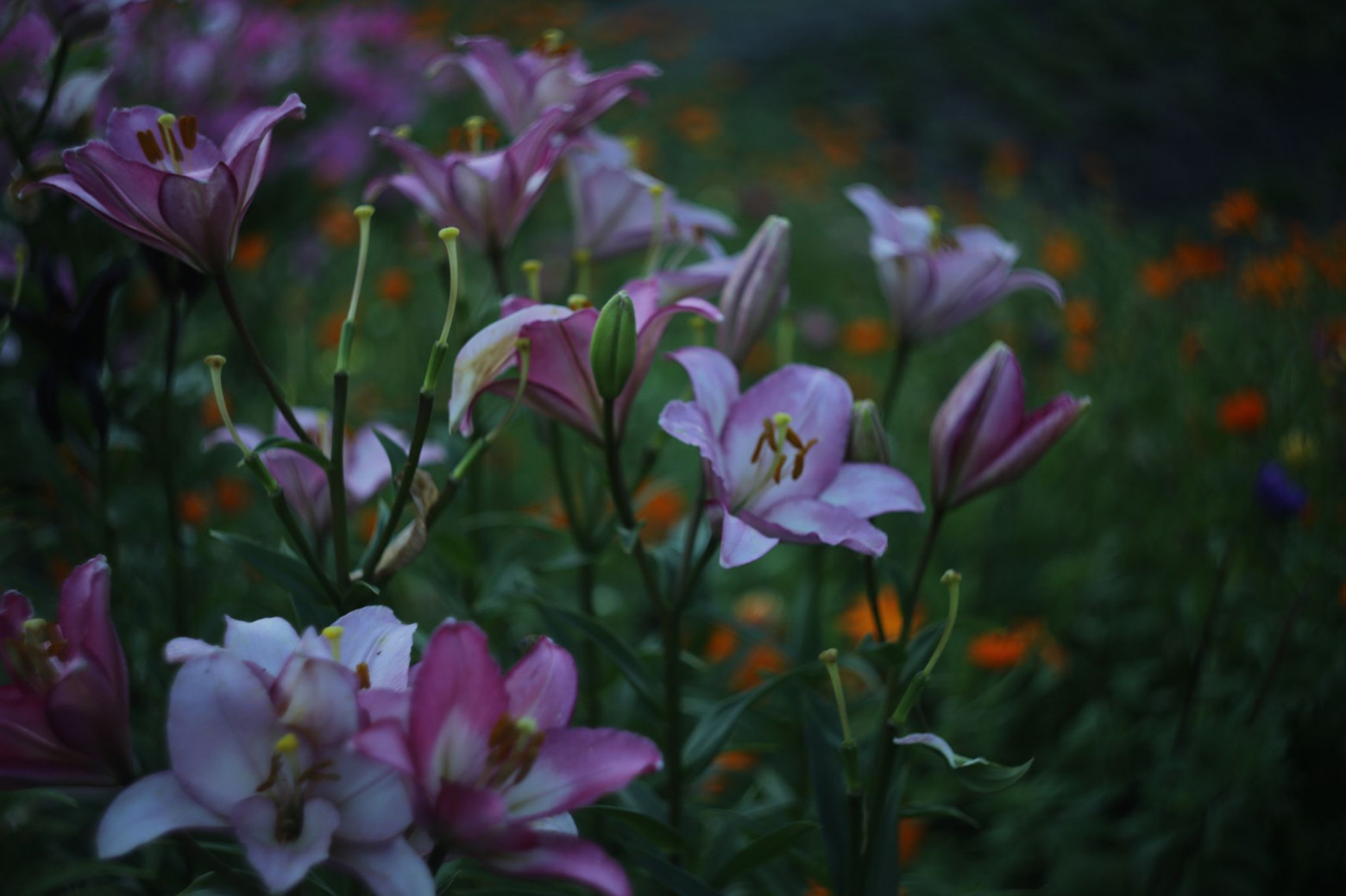
Modern lenses have reached an incredible level of quality — razor-sharp from corner to corner, perfectly corrected for every aberration. But some photographers are drawn to something different: a soft, cinematic image quality that vintage Soviet lenses deliver naturally. The optical imperfections — mild softness, swirly bokeh, flare artifacts — create a special atmosphere that many find reminiscent of how the human eye actually perceives the world, rather than the clinical perfection of modern glass.

The Lenses
Industar-50-2 (50mm f/3.5)
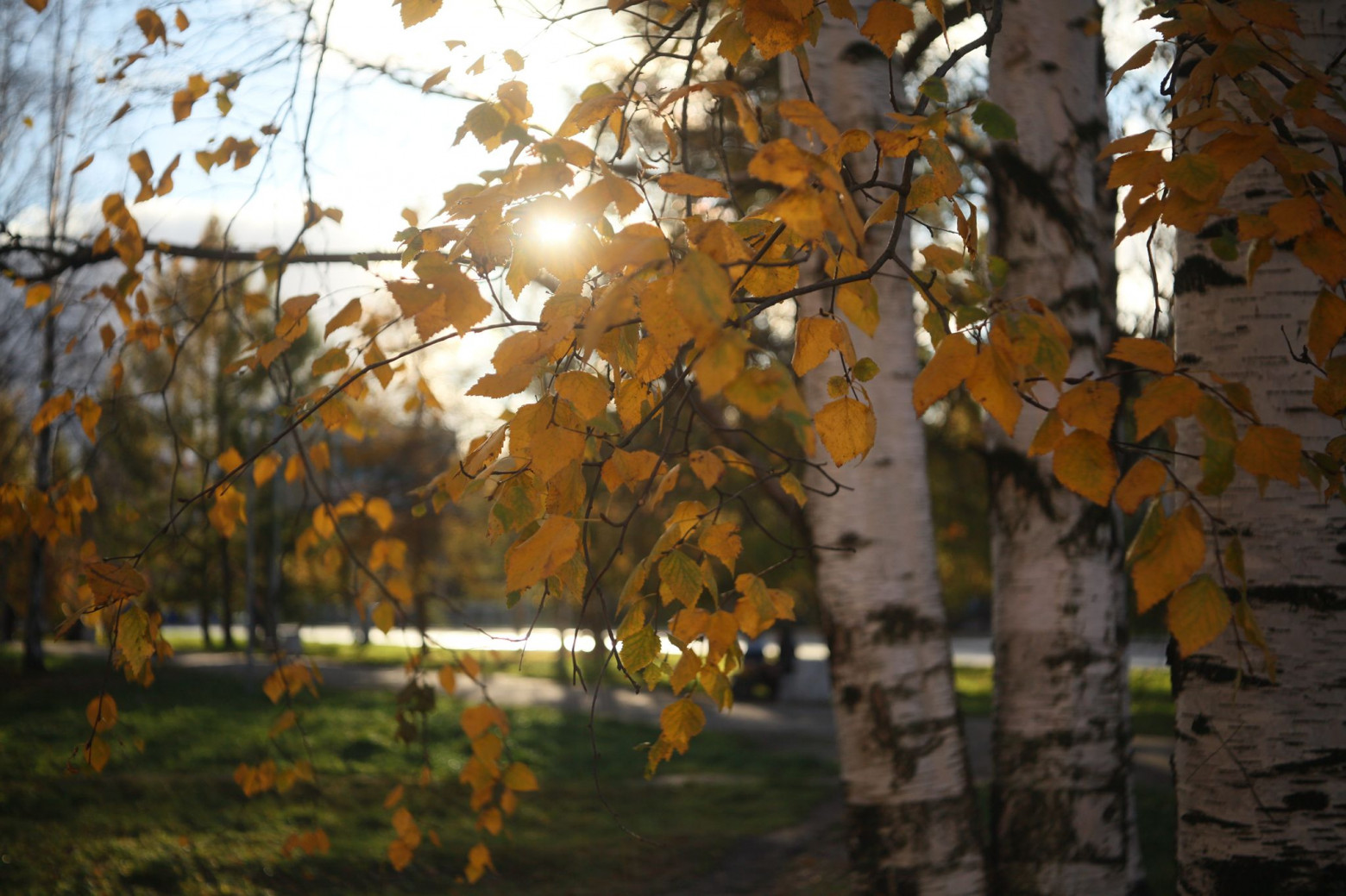
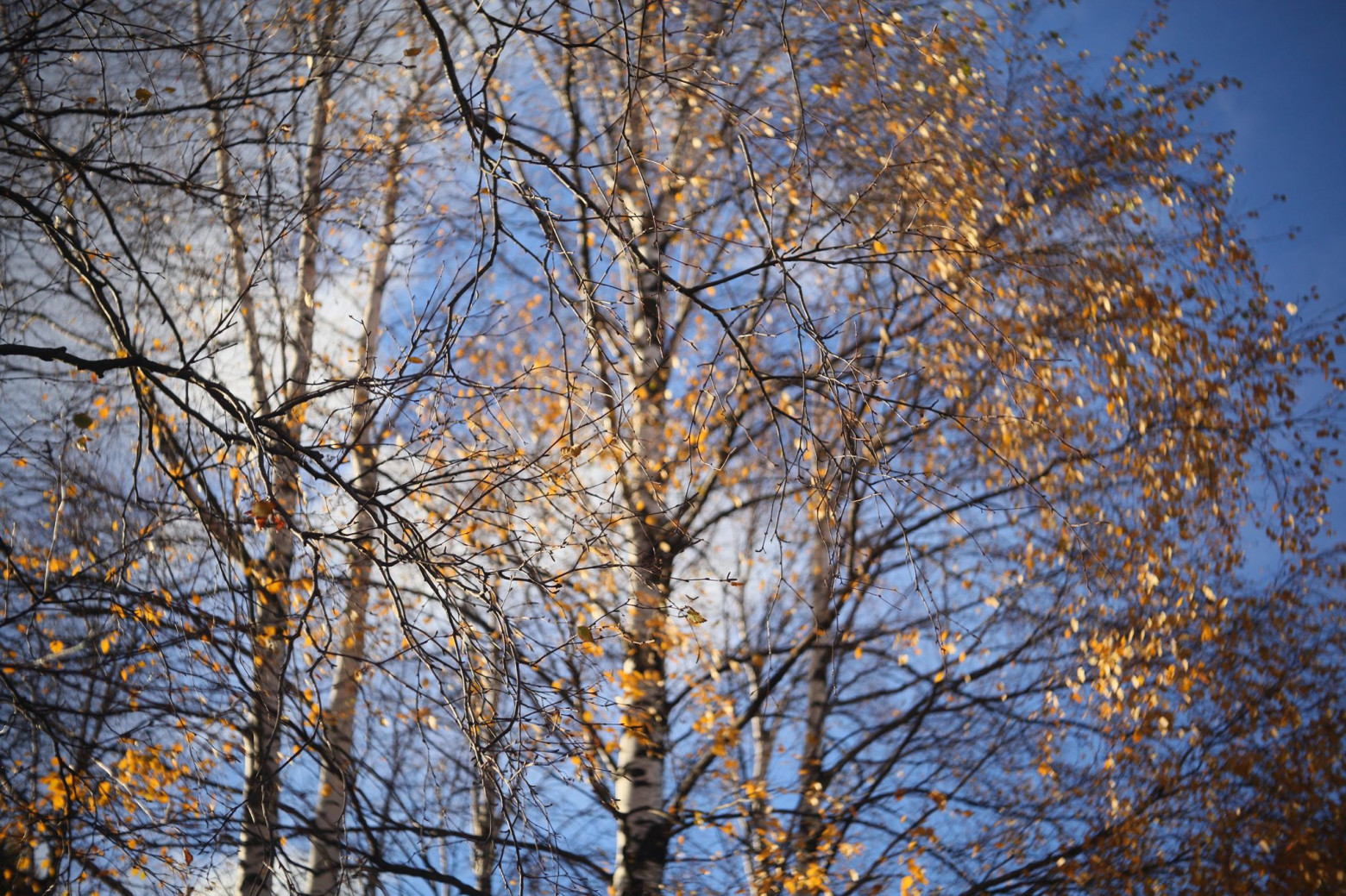
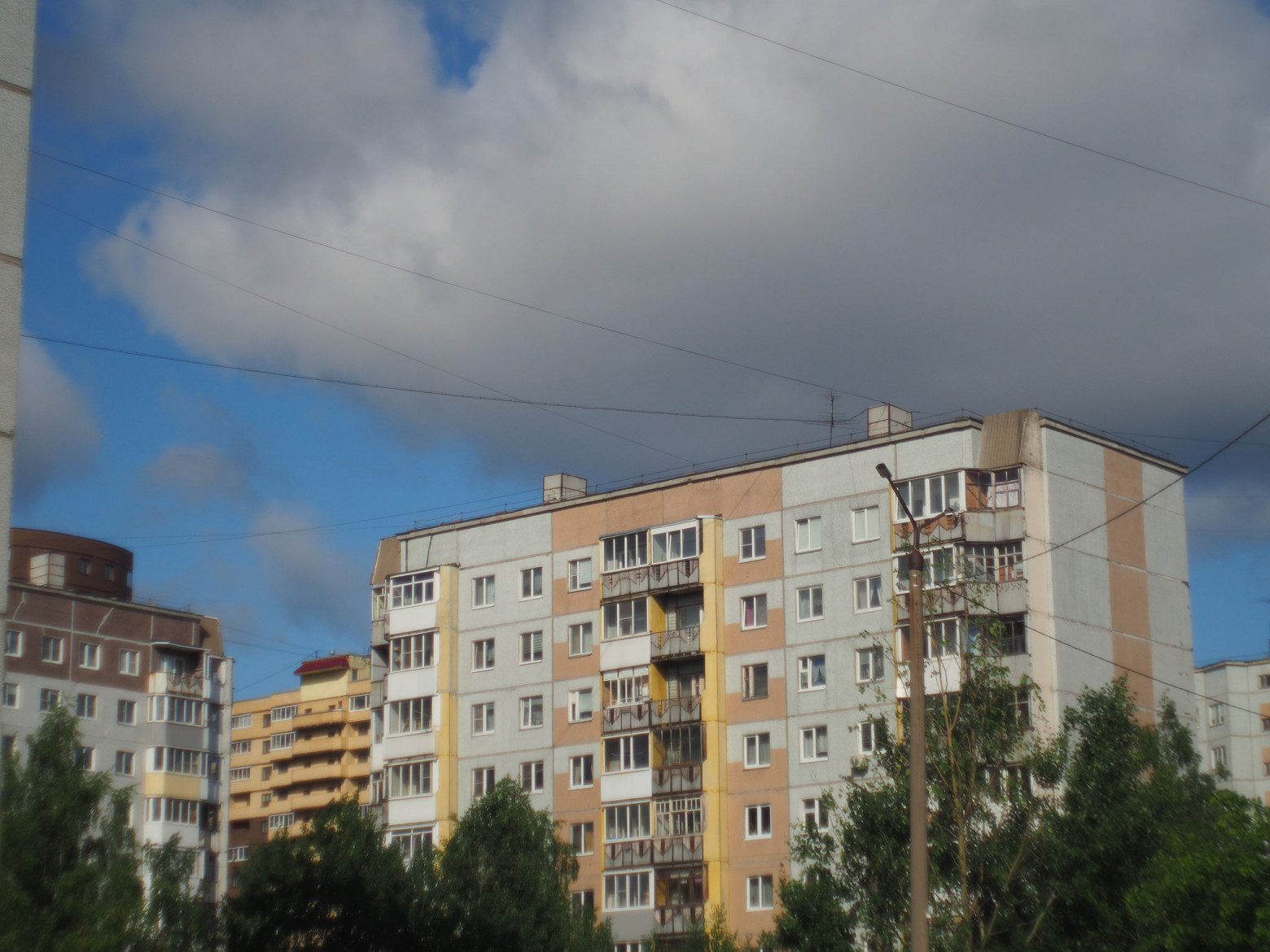
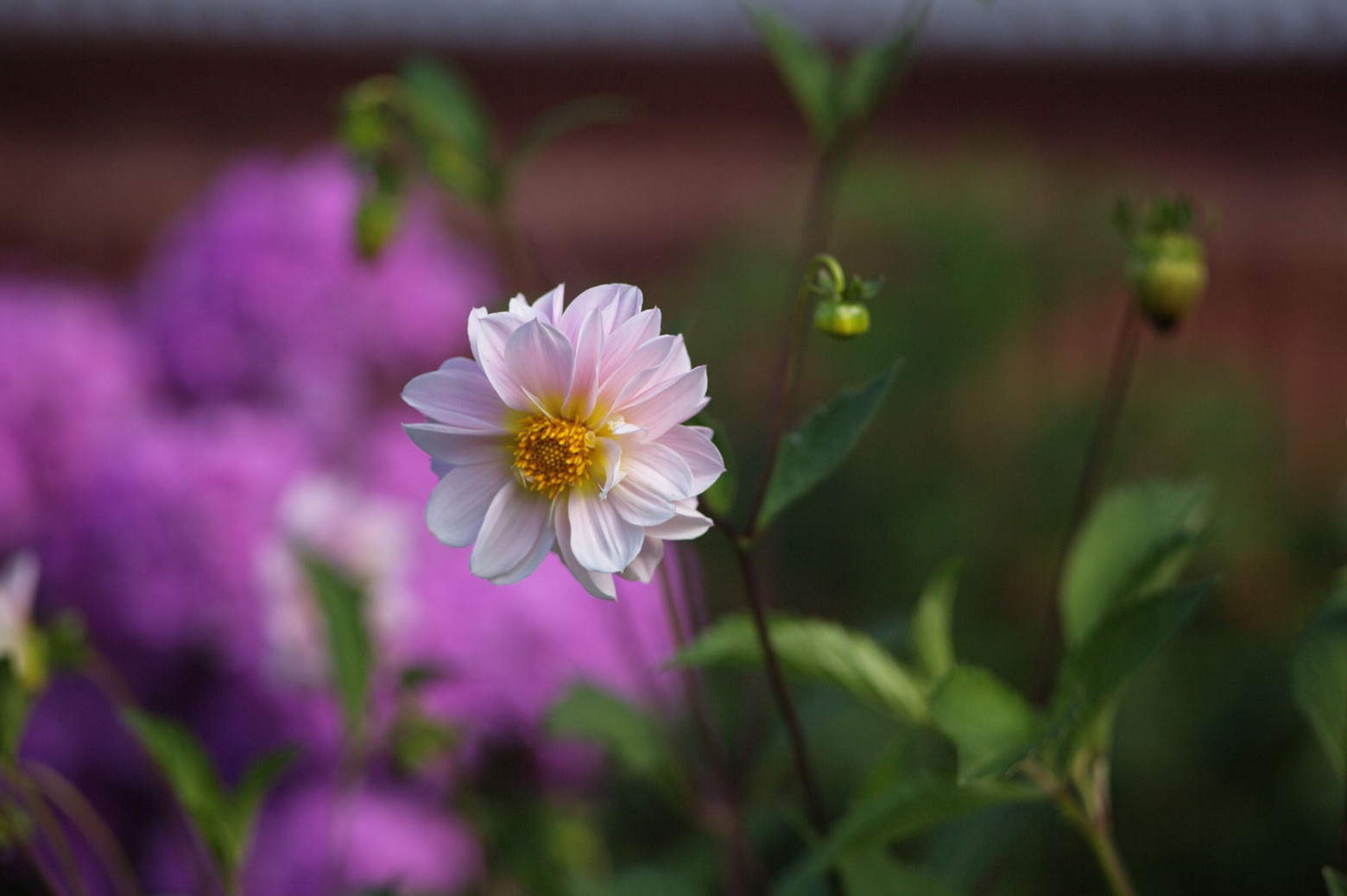
This tiny pancake lens is remarkably compact — barely larger than a body cap. Despite its modest f/3.5 maximum aperture, it produces a wonderfully soft bokeh that gives images a gentle, dreamy quality. The trade-off is that focusing requires patience; the helicoid is slow and the focus throw is long.
The Industar-50-2 is based on a Tessar optical design, which means it's quite sharp in the center when stopped down, but wide open it has that characteristic vintage softness that many photographers seek out.
Mir-1V and Mir-1 (37mm f/2.8)
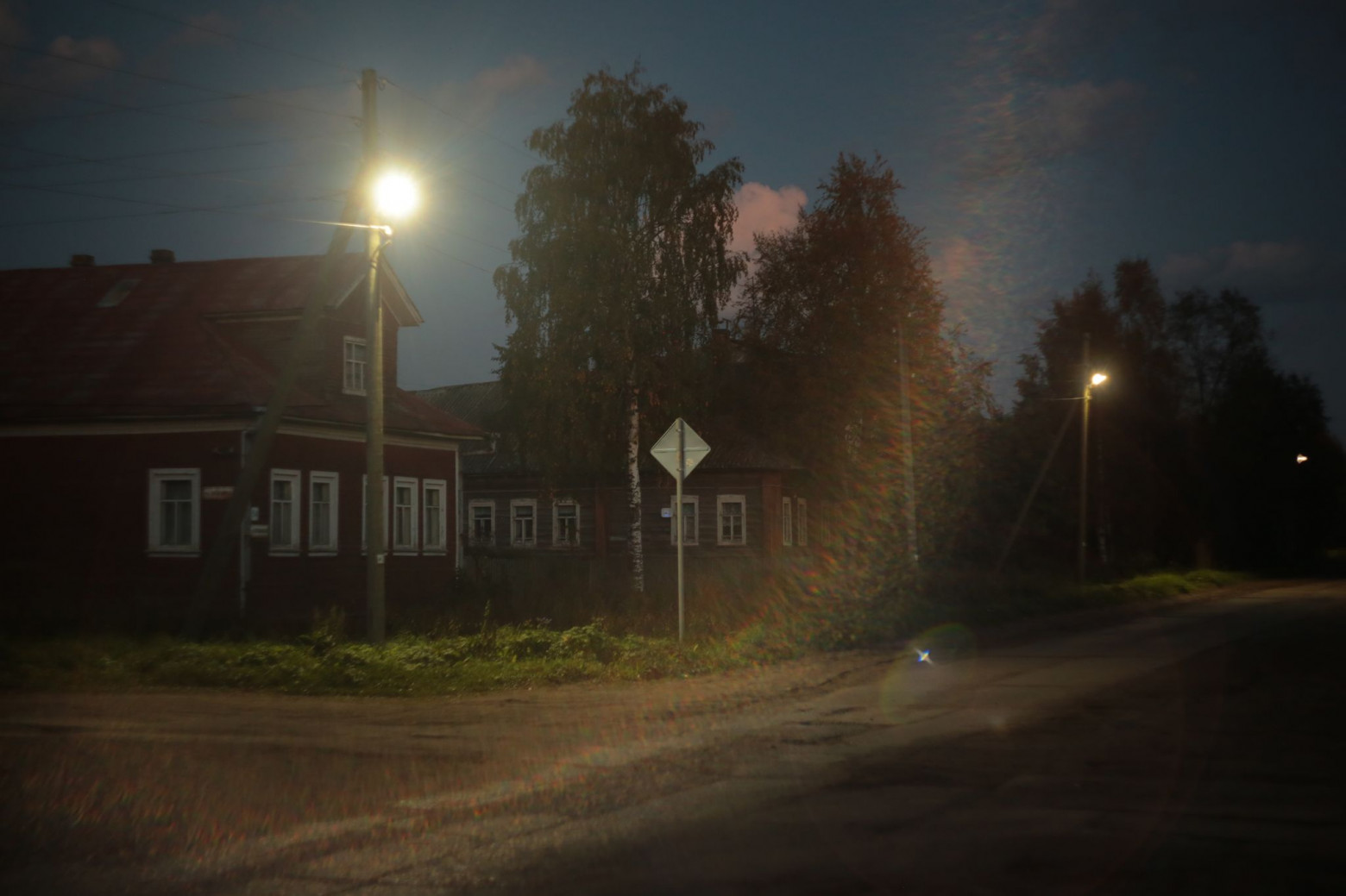
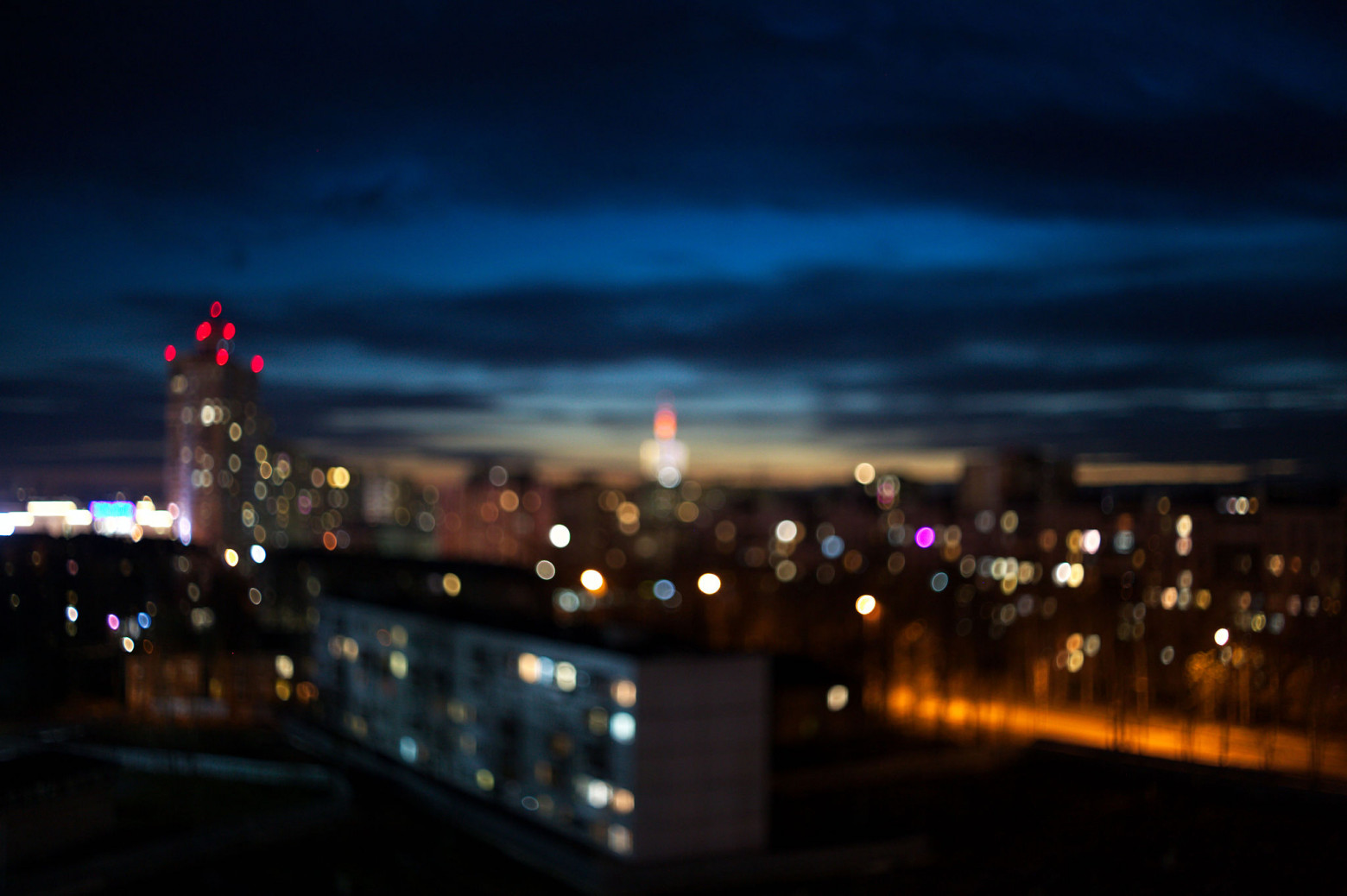
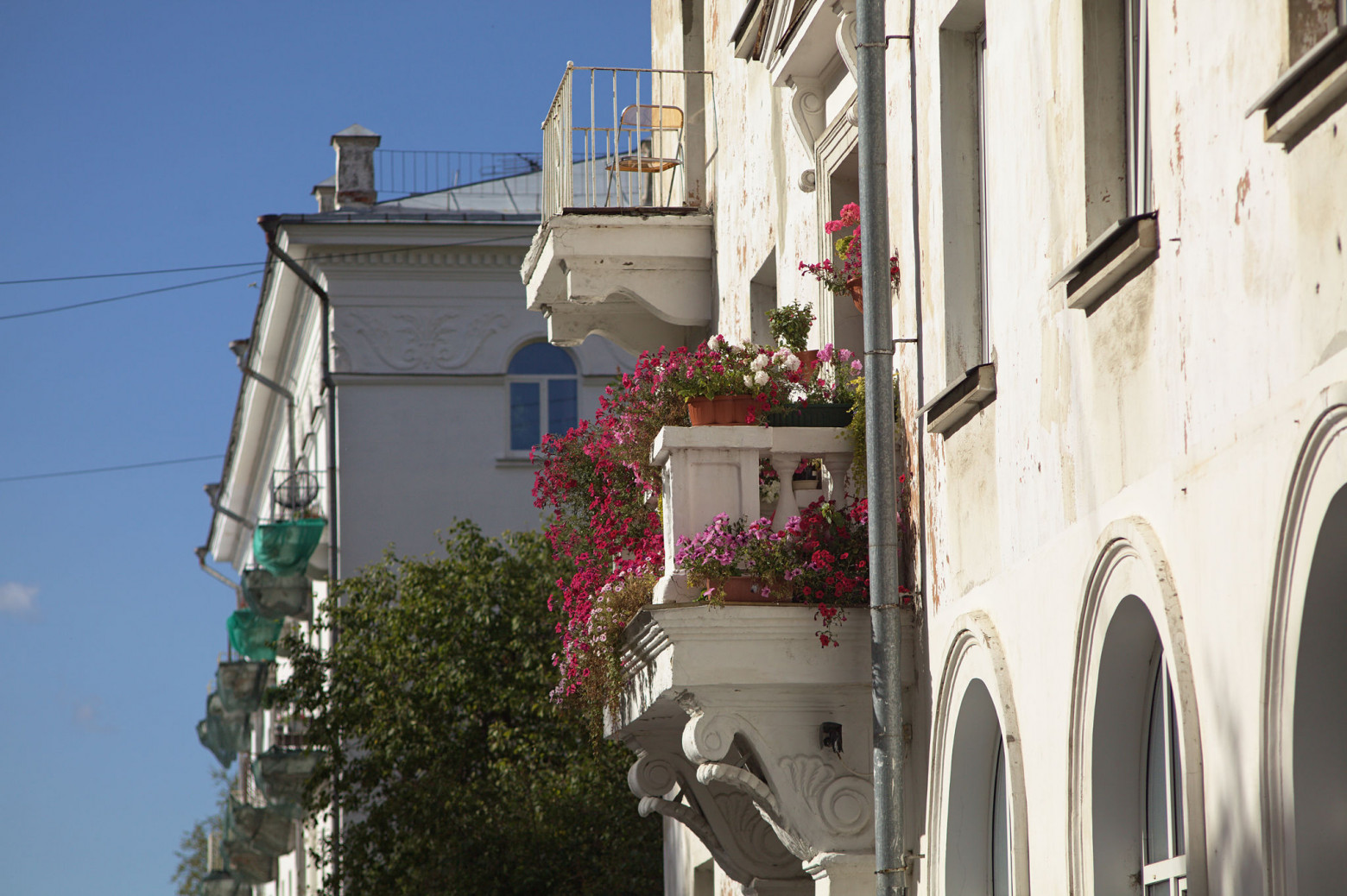
The Mir-1 is a wide-angle lens with a character all its own. At 37mm, it provides a noticeably wider field of view than the standard 50mm, and it features a distinctive swirly bokeh pattern that makes backgrounds dance in an eye-catching way.
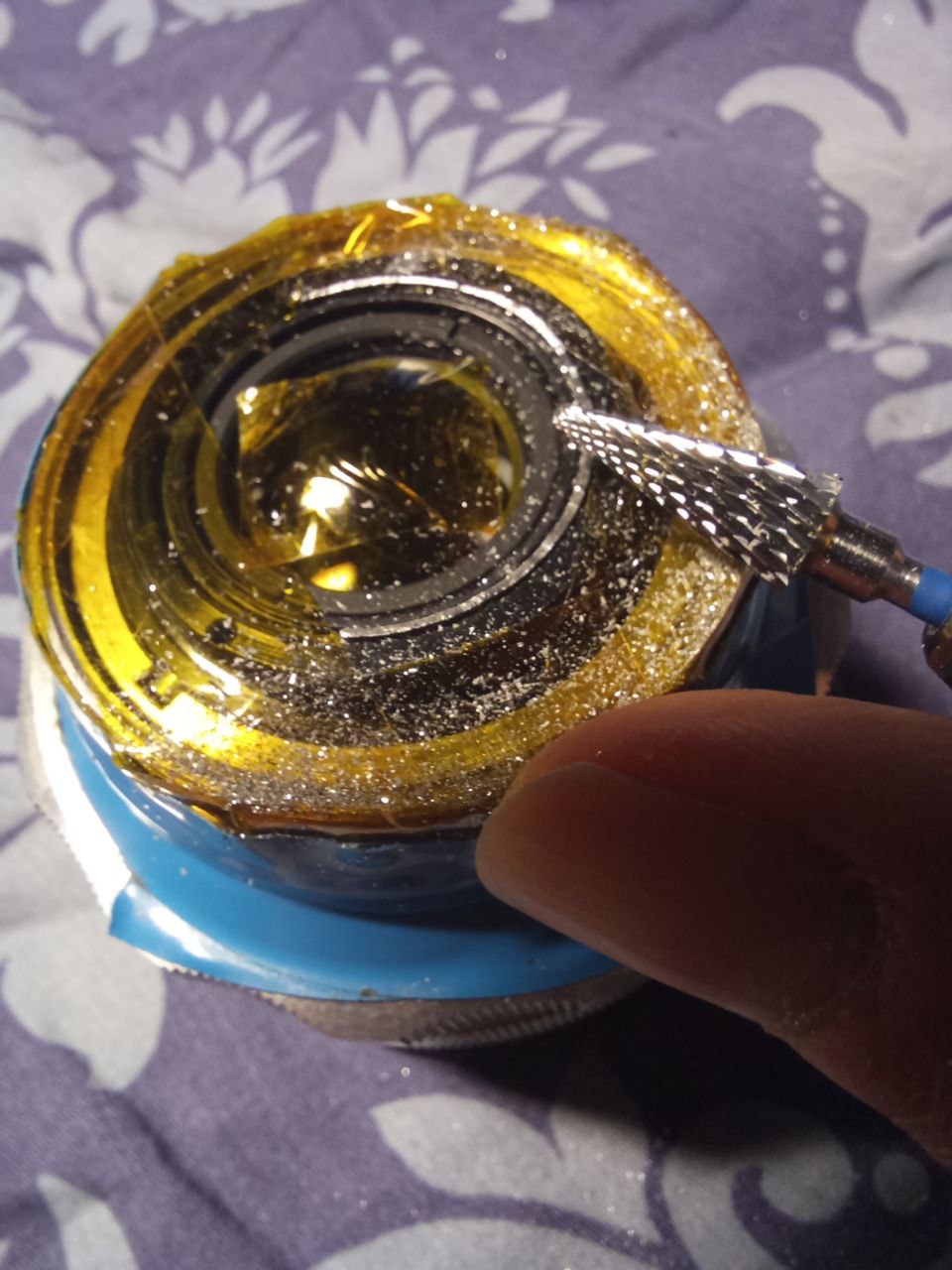
Important warning for Canon users: The rear element of the Mir-1 protrudes far enough to make contact with the mirror on Canon DSLRs. You must physically modify the rear of the lens — carefully grinding down the rear lens housing — to prevent it from jamming or damaging the mirror mechanism. This is not optional; without this modification, you risk serious damage to your camera.
Jupiter-37A (135mm f/3.5)
This compact telephoto is a hidden gem among Soviet lenses. At 135mm, it provides significant reach for portraits and distant subjects, yet it remains surprisingly compact and light compared to modern telephoto lenses. The optical quality is genuinely impressive — sharp and contrasty, it can outperform some Japanese lenses of the same era.
The Jupiter-37A is based on a Sonnar design and produces beautiful, smooth bokeh that makes it an excellent portrait lens. The 135mm focal length provides flattering perspective compression for faces.
Helios-44 (58mm f/2)
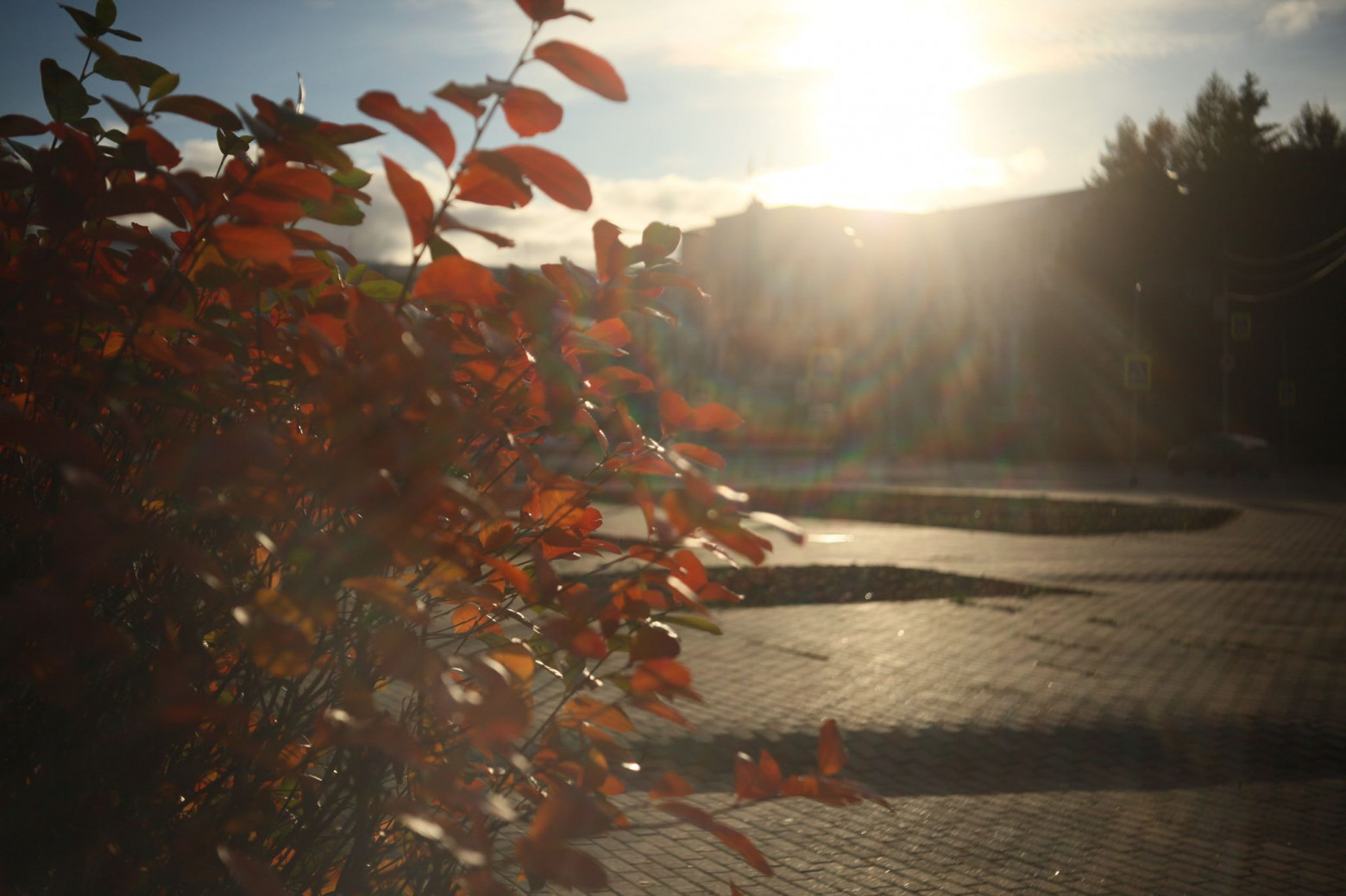
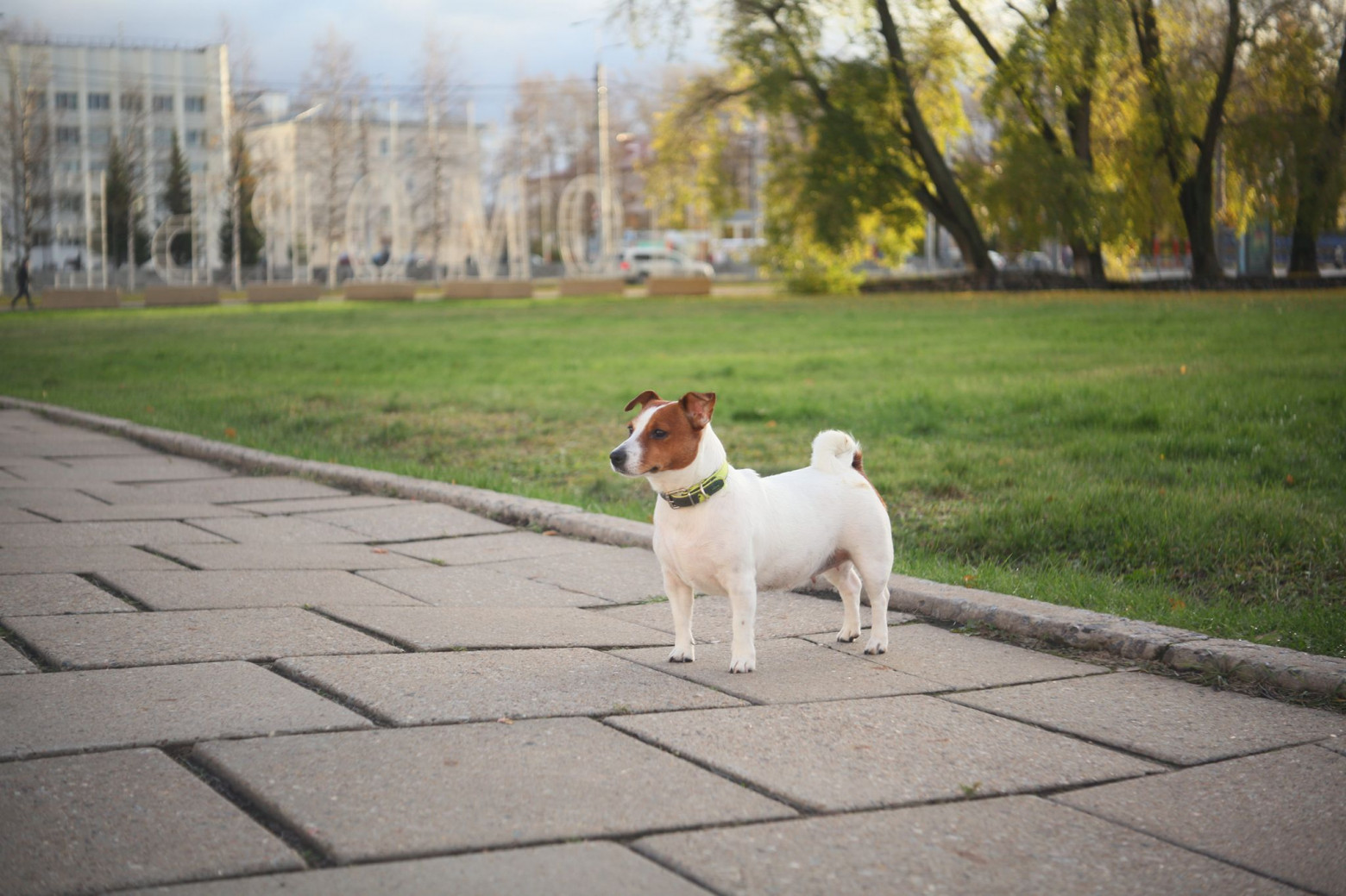
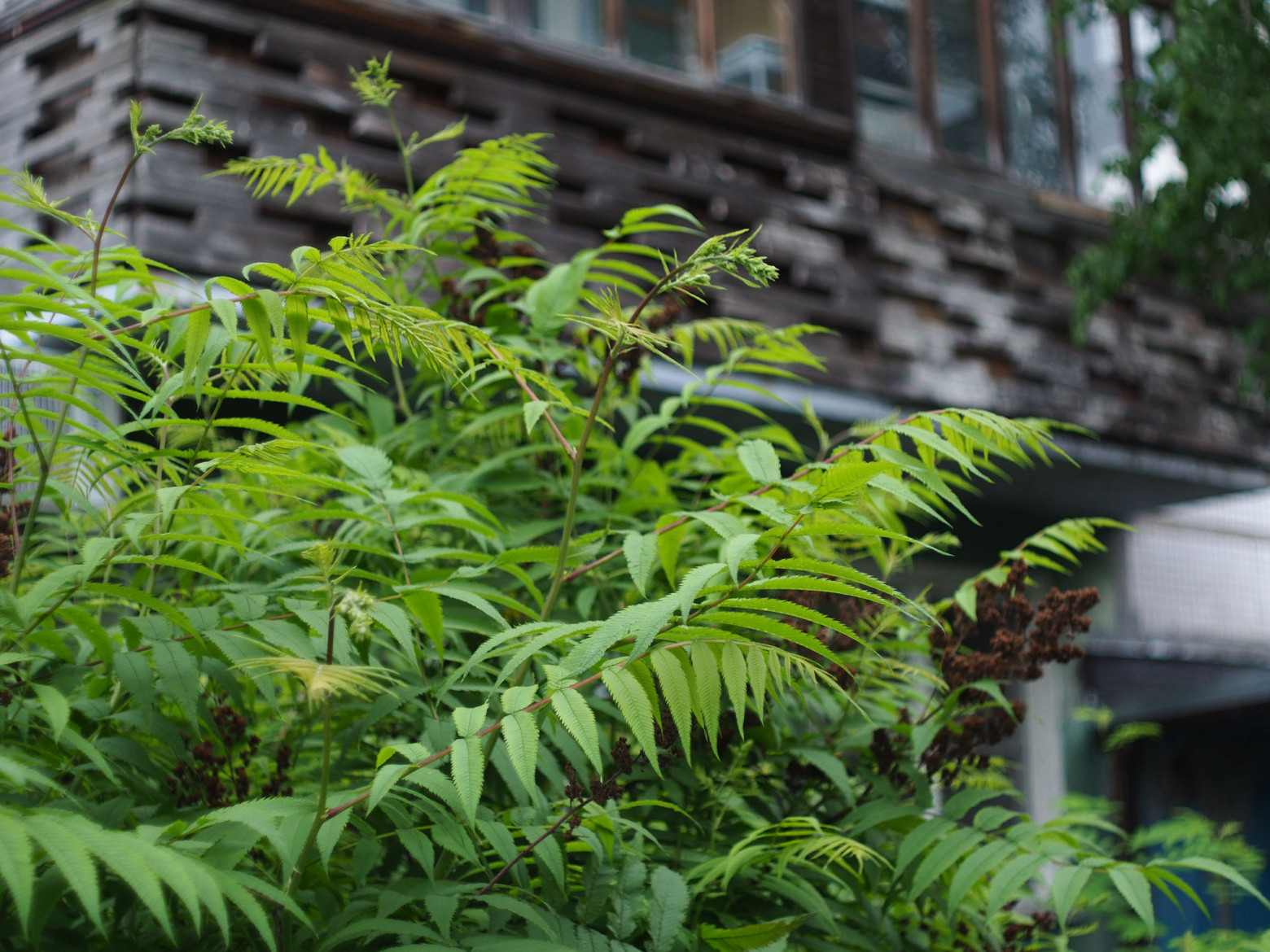
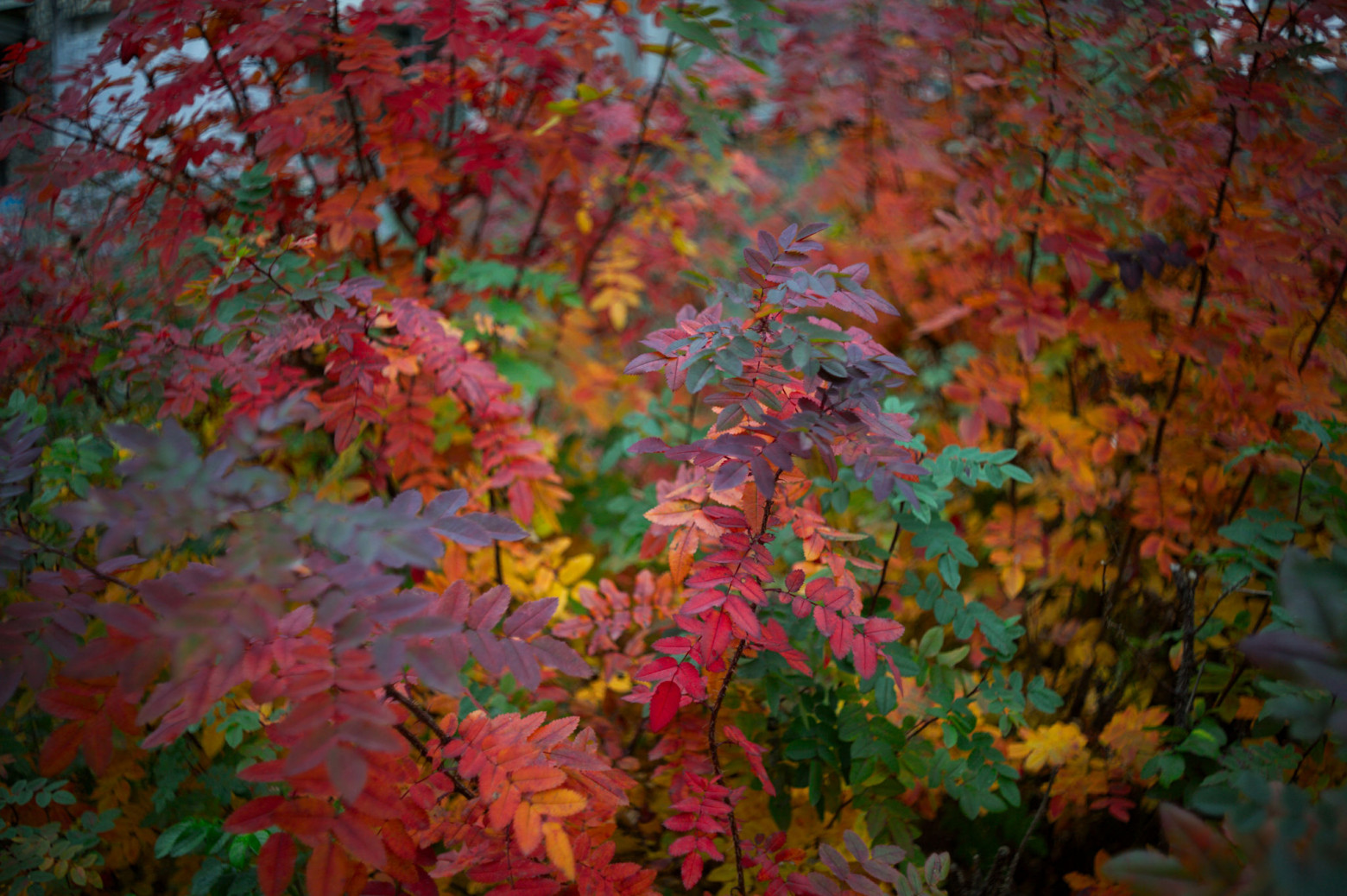
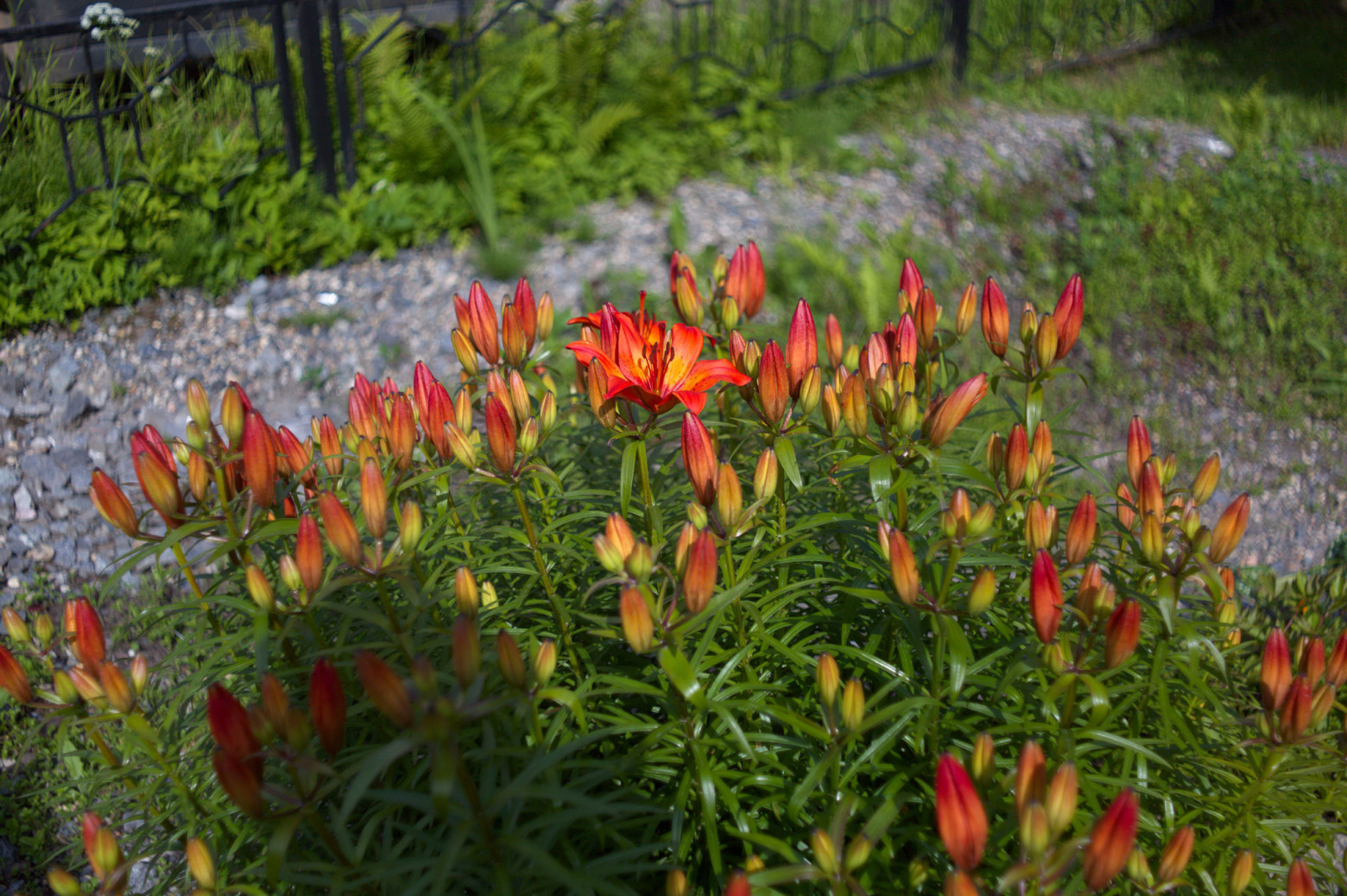
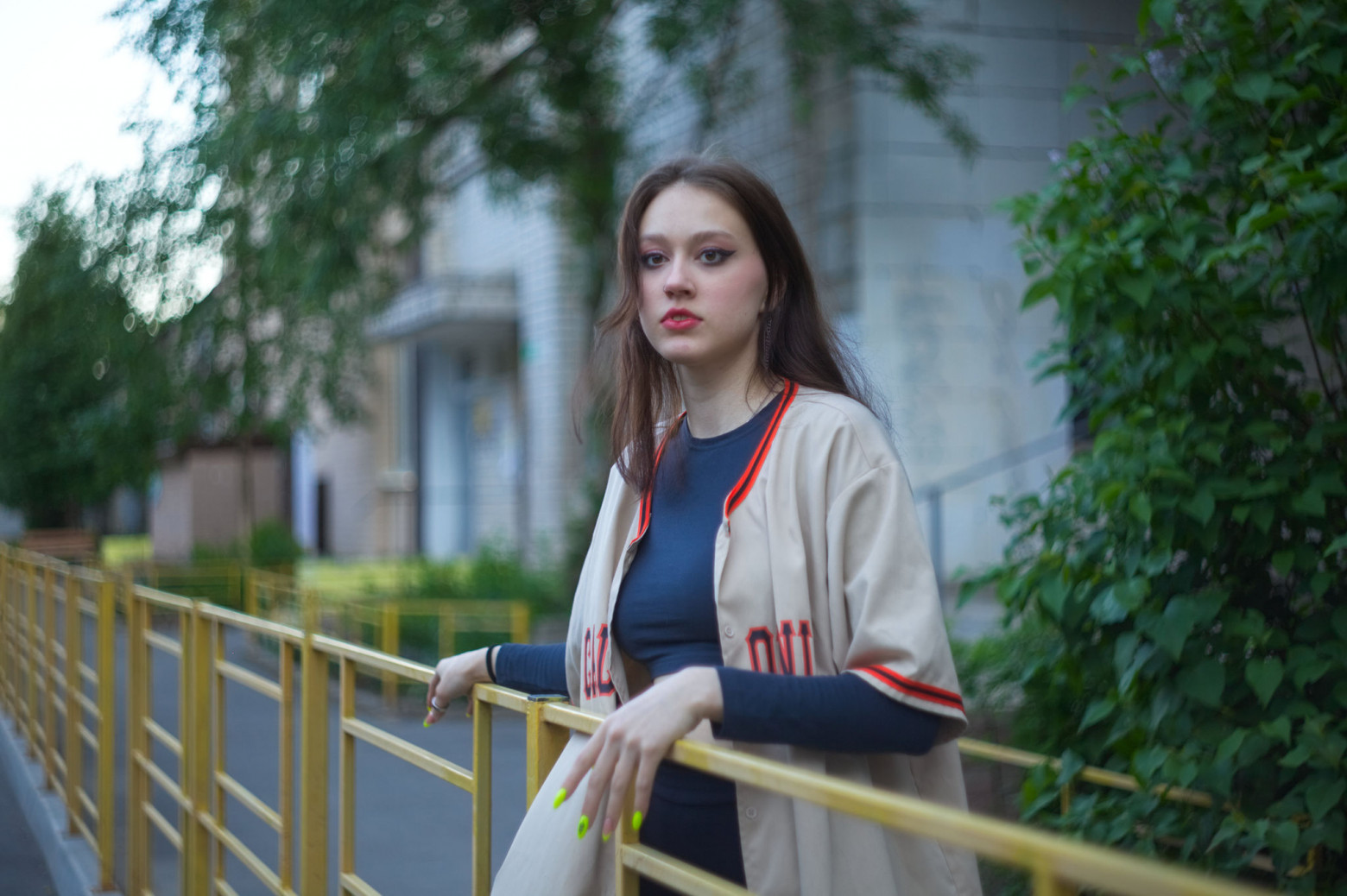
This is arguably the most famous Soviet lens ever made and one of the most mass-produced lenses in the history of photography. The Helios-44 is a modified Biotar design, and its claim to fame is the distinctive swirly bokeh — out-of-focus highlights rotate around the edges of the frame in a mesmerizing spiral pattern.
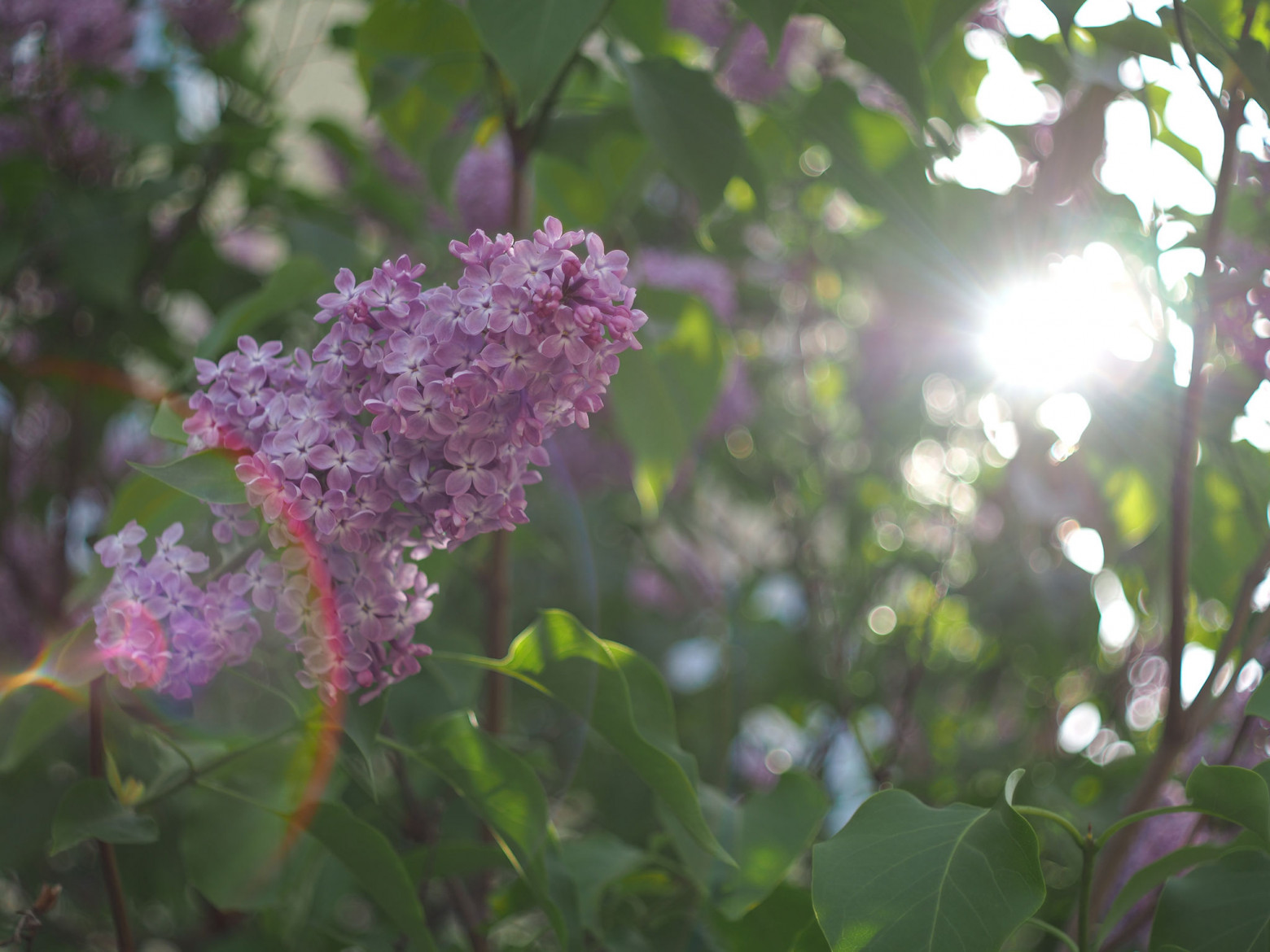
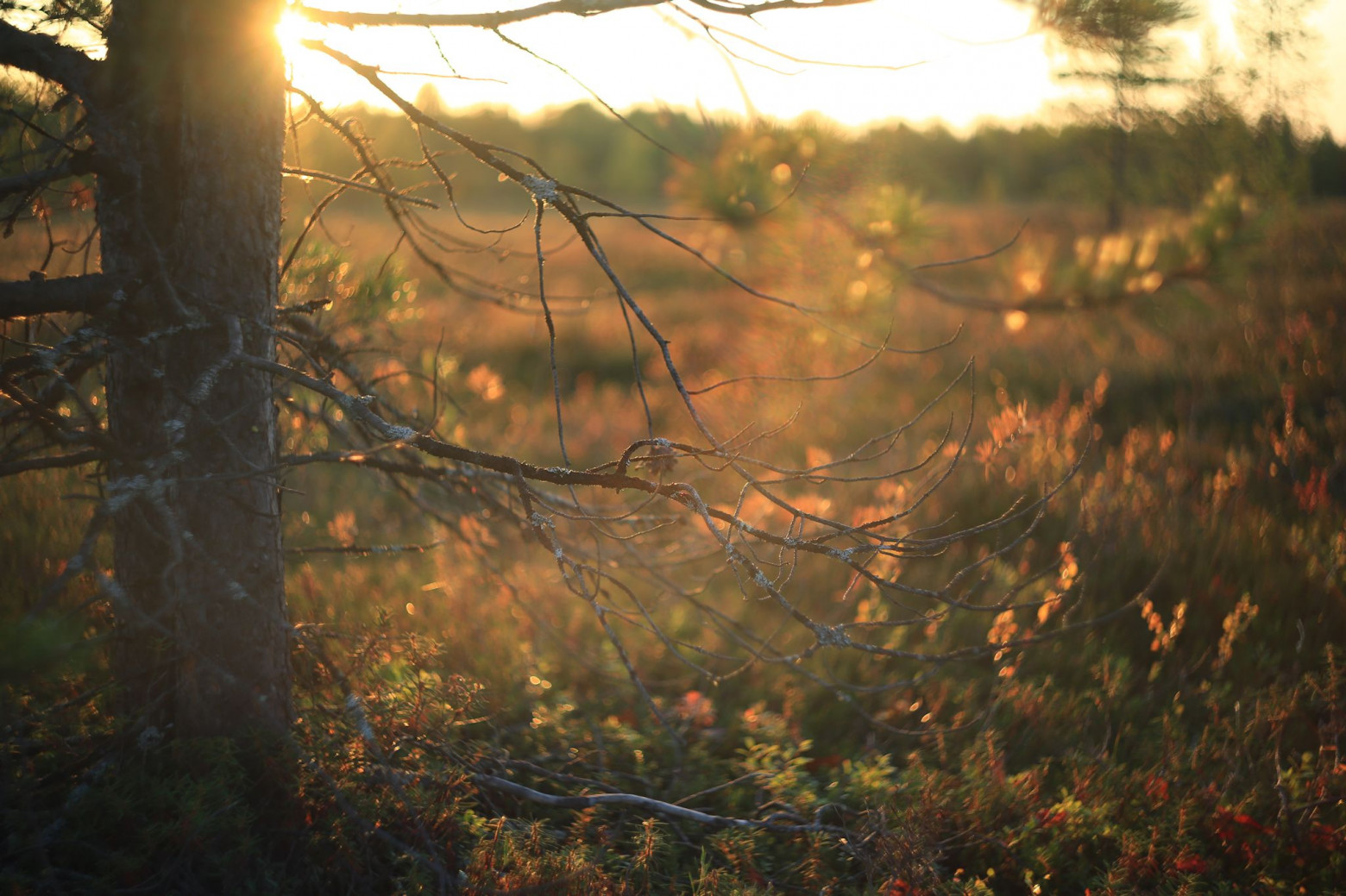
At f/2, it's also the fastest lens in this collection, making it usable in lower light. Wide open, the center is reasonably sharp while the edges exhibit noticeable softness and field curvature. The lens also produces characteristic ring-shaped flare artifacts when shooting into bright light sources — some photographers consider this a feature, not a flaw.
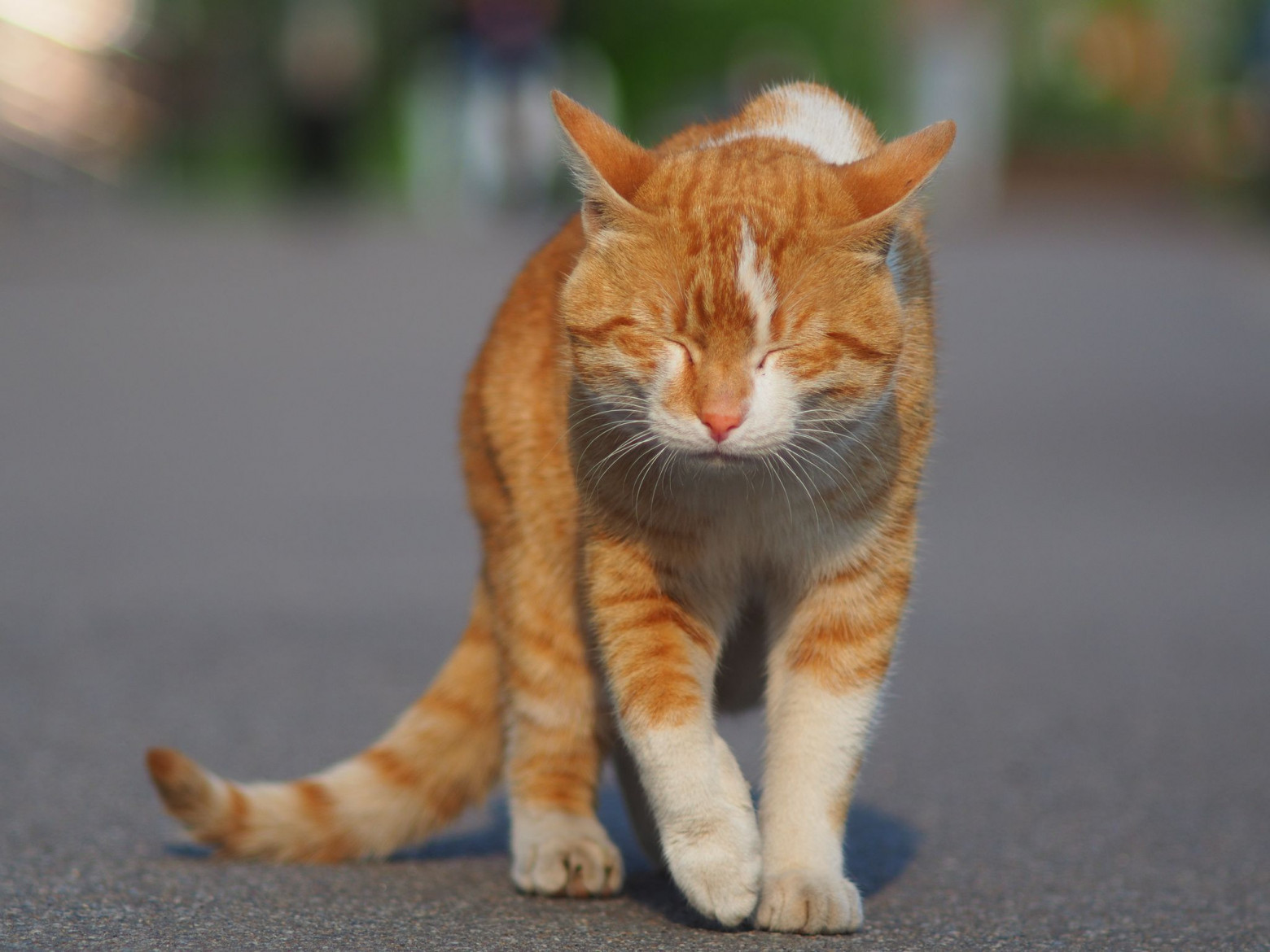
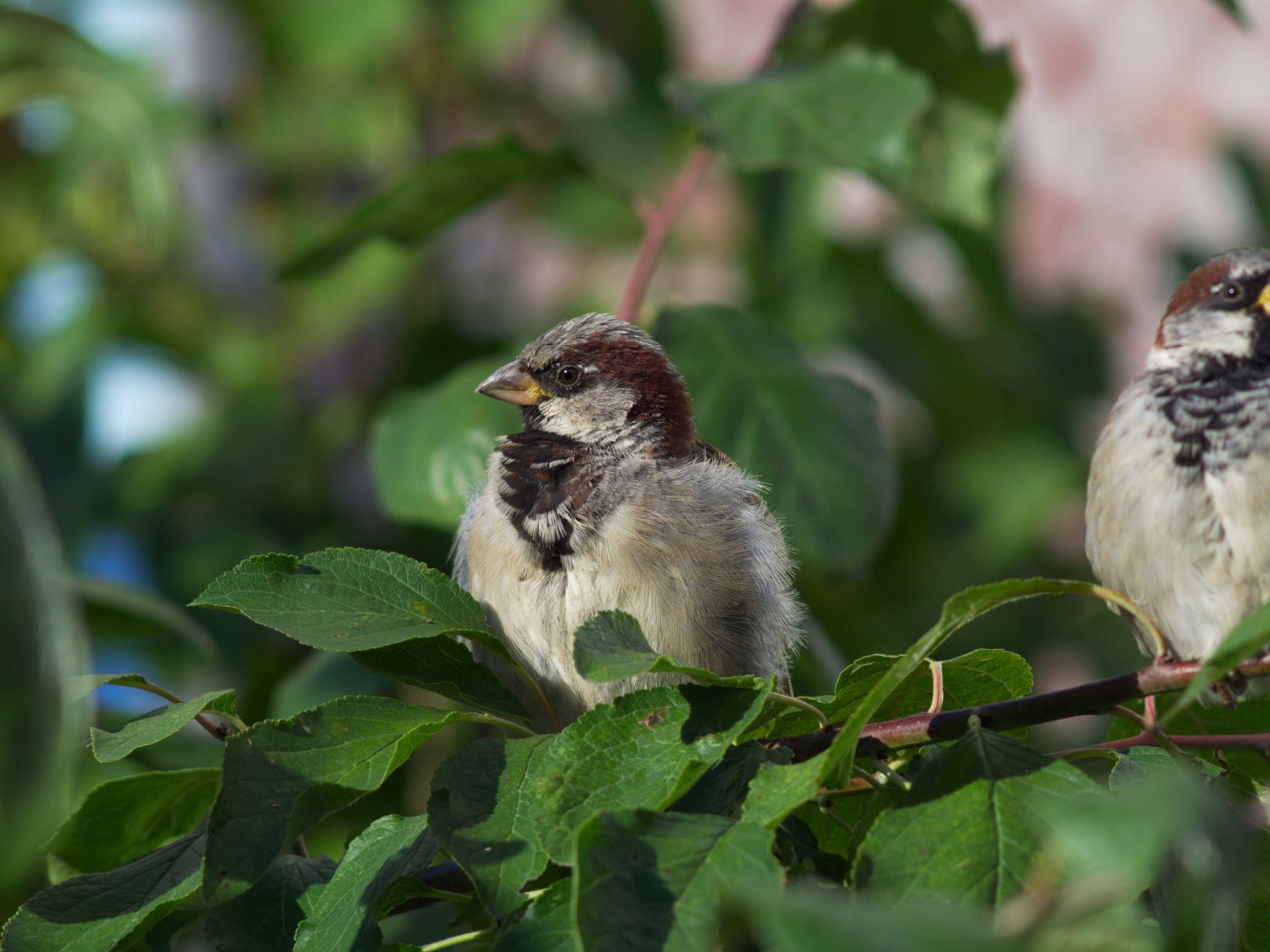
Industar-61 L/Z (52.4mm f/2.8)
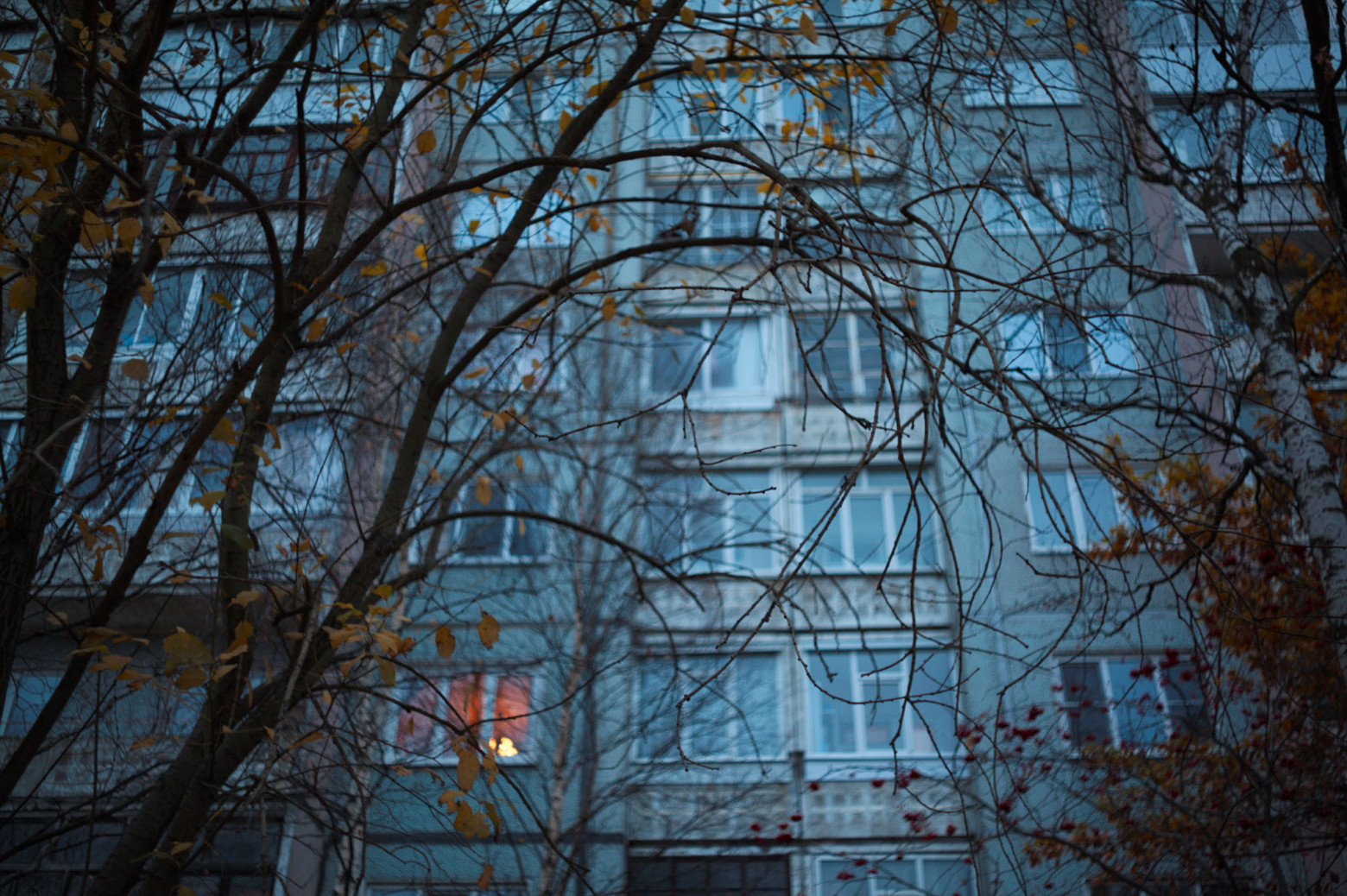
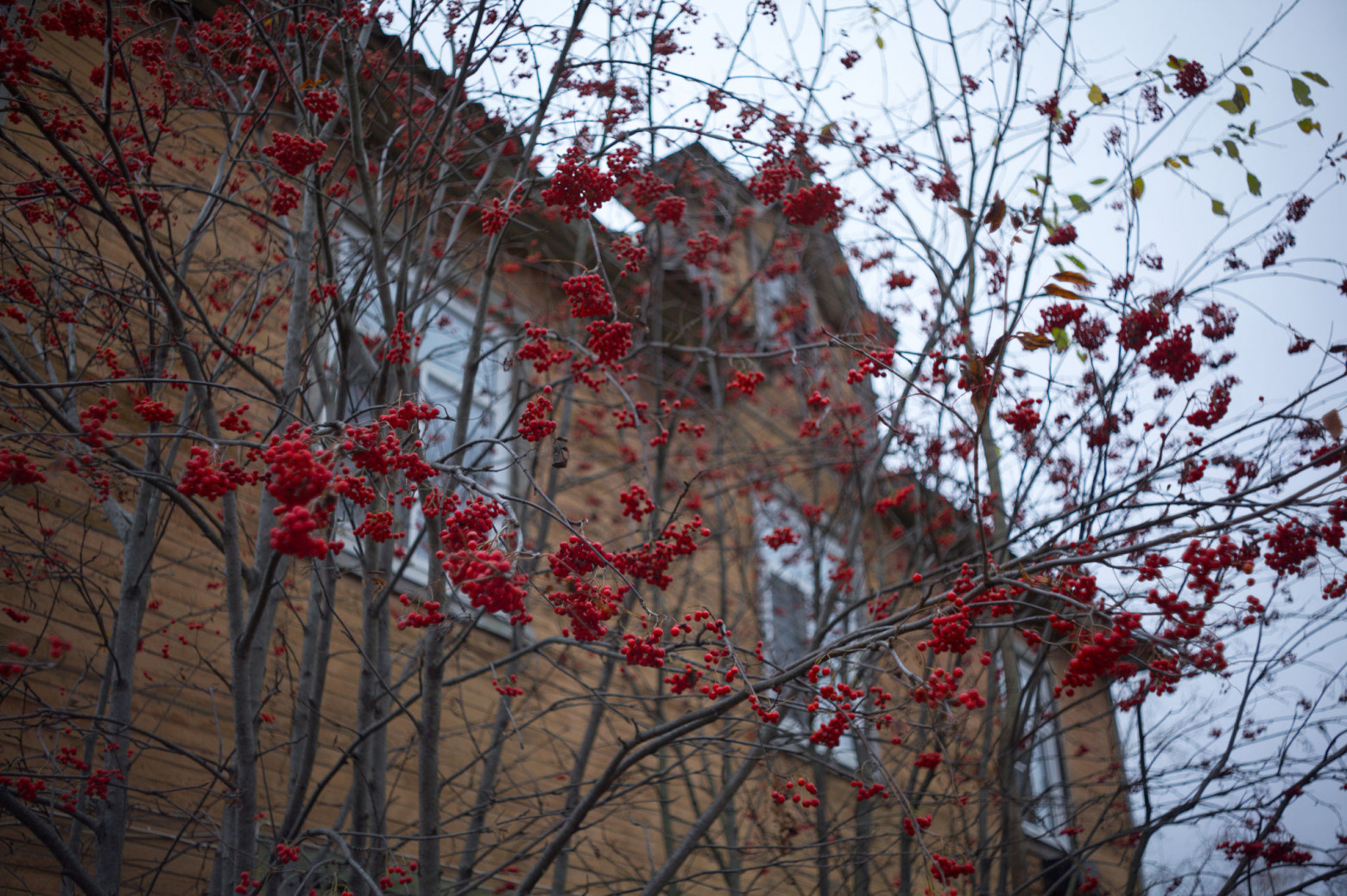
The Industar-61 occupies an interesting middle ground between the retro character of the older Soviet lenses and more modern optical performance. It's sharper and more controlled than the Helios-44, but still retains enough vintage character to be interesting. The focal length of 52.4mm is close to the standard 50mm, making it a versatile everyday lens.
At f/2.8, it's a stop slower than the Helios-44, but the image quality is more consistent across the frame. The bokeh is smoother and less "wild" than the Helios, which some photographers prefer for more controlled compositions.
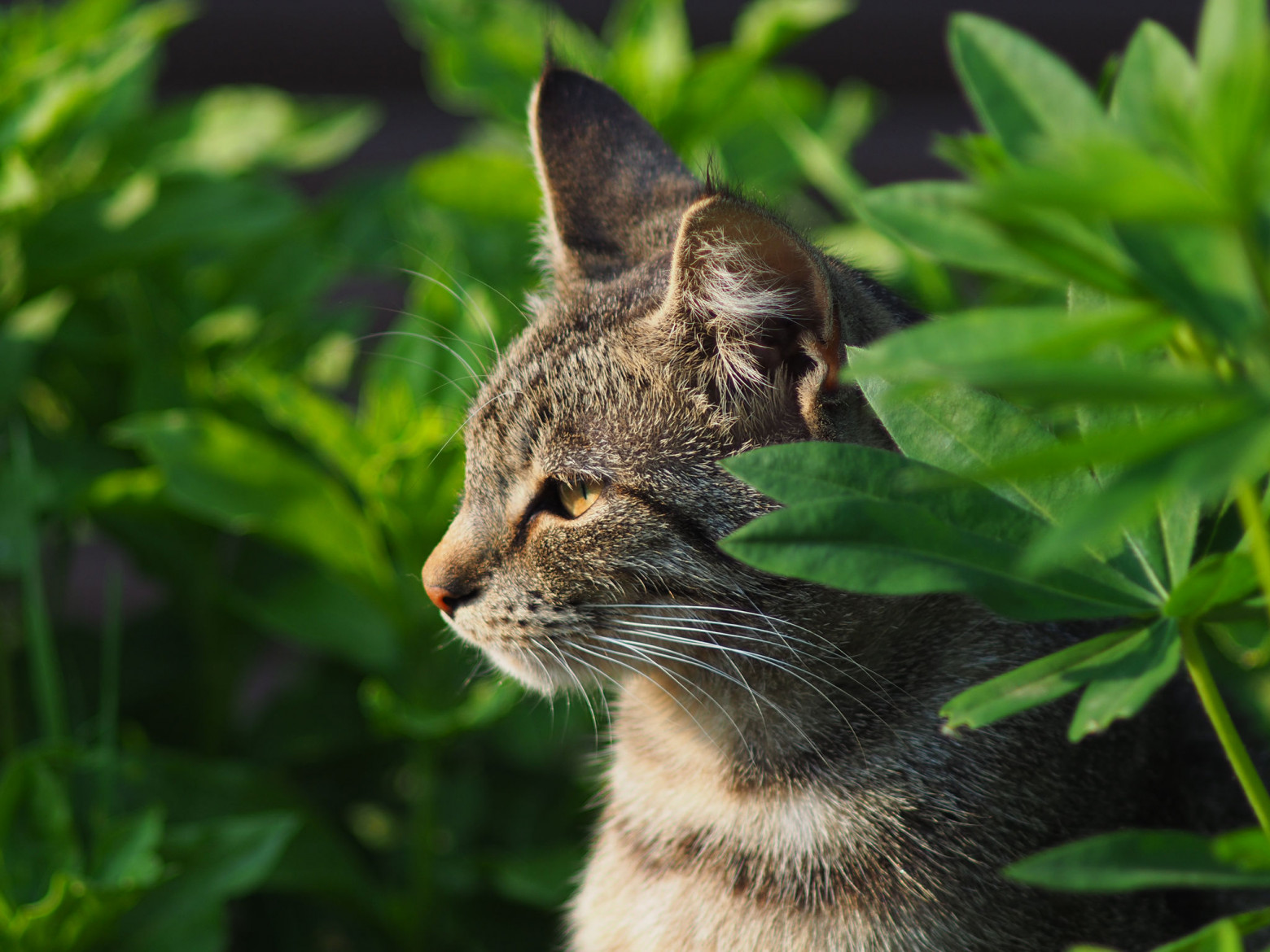
Practical Tips
Where to Find Soviet Lenses
These lenses are readily available on online flea markets and in antique shops. Prices are very reasonable — I found a complete set for 4,000 rubles (roughly comparable to a modest lunch for two). The M42 screw mount was universal across Soviet cameras, so there's an enormous supply of these lenses still in circulation.
What to Check Before Buying
Carefully examine photos before purchasing online. Look for:
- Fungus or haze on the lens elements
- Scratches on the front or rear elements
- Signs of amateur repairs (misaligned screws, tool marks)
- Smooth operation of the focus and aperture rings
Maintenance
Old lubricant tends to thicken over decades, making the focus ring stiff or even seized. The good news is that most Soviet lenses have a simple construction and can be disassembled and cleaned at home. YouTube is full of detailed tutorials for each specific lens model. A fresh application of proper helicoid grease transforms the focusing experience completely.
Conclusion
Shooting with Soviet lenses is something of a lottery — quality control in Soviet factories varied significantly, so two lenses of the same model can produce noticeably different results. Some copies are sharp and contrasty, others are soft and hazy. That unpredictability is part of the charm.
I encourage photographers to appreciate both historical optics and modern achievements without engaging in pointless debates about which is "better." They serve different purposes and create different moods. Soviet glass offers a unique aesthetic that no amount of post-processing can perfectly replicate — and at these prices, it's worth experimenting with.
All photographs in this article are available under a Creative Commons license (CC BY-SA), with the exception of portraits of people.