PID Without Math: A Simple Way to Understand P, I, and D
A PID controller explained without a single formula. How proportional, integral, and derivative components work using intuitive analogies.
A PID controller is a program that reads sensor data and adjusts power output so that the sensor reading reaches your target value. That's it. No differential equations needed to understand it.
P — Proportional: The Gas Pedal
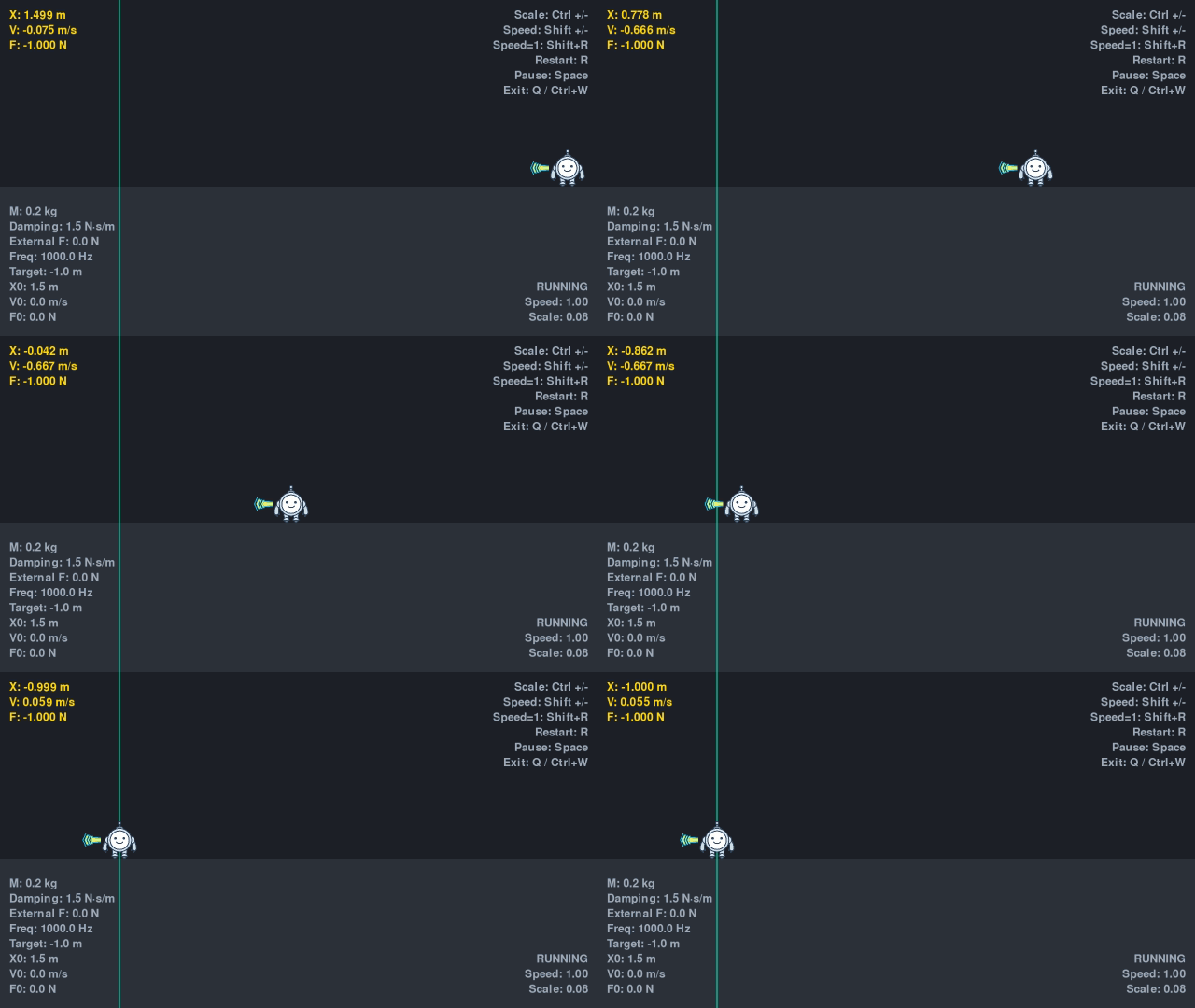
The proportional component adjusts power based on how far you are from the target. Far away? Full power. Getting close? Ease off. Right on target? Zero power.
Think of driving toward a stop sign. The farther you are, the more you press the gas. As you approach, you gradually let off. Simple and intuitive.
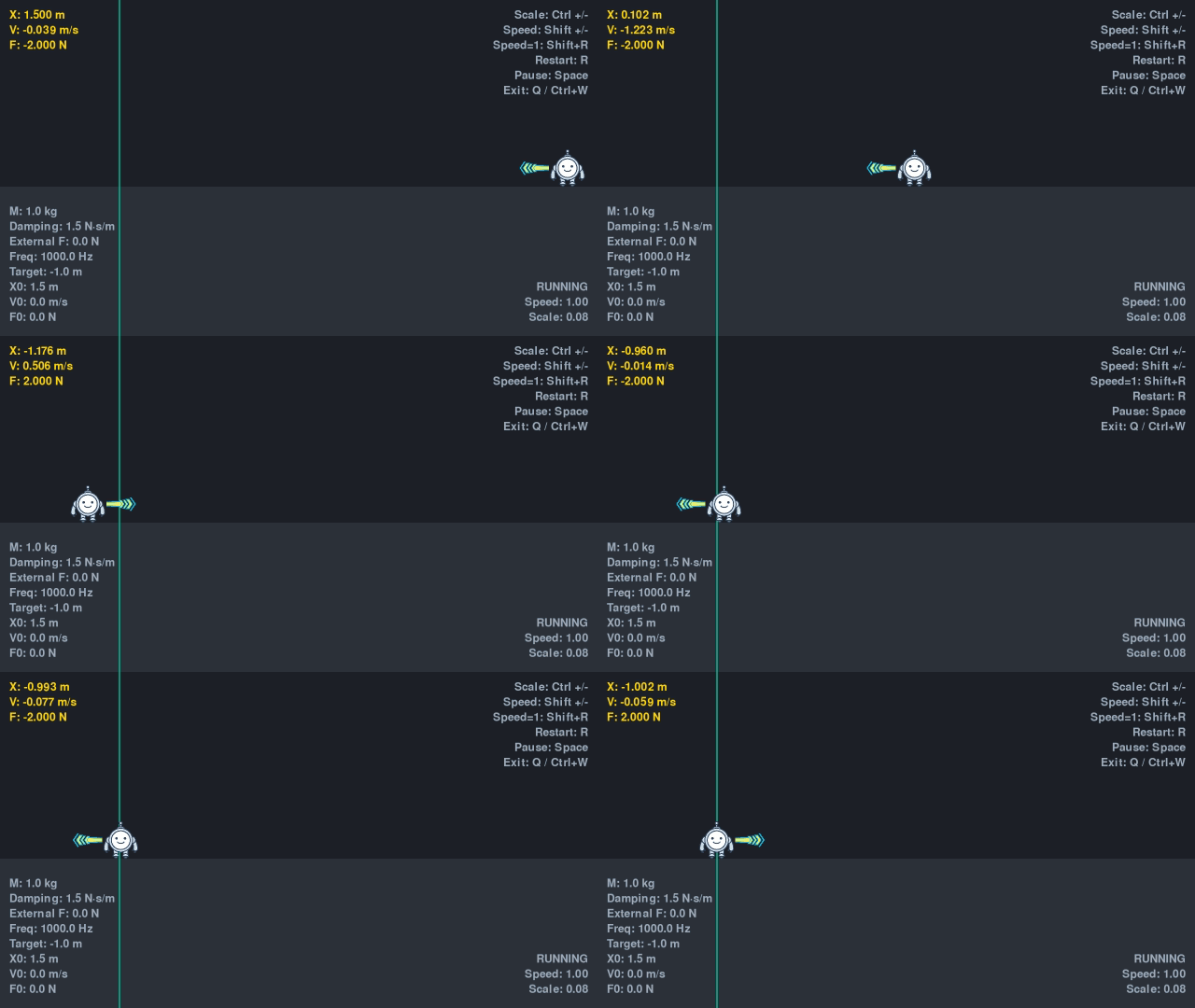
The problem with P alone: it overshoots. Like a car that doesn't brake — you blow past the stop sign, reverse, blow past again, oscillating back and forth.
D — Derivative: The Brakes
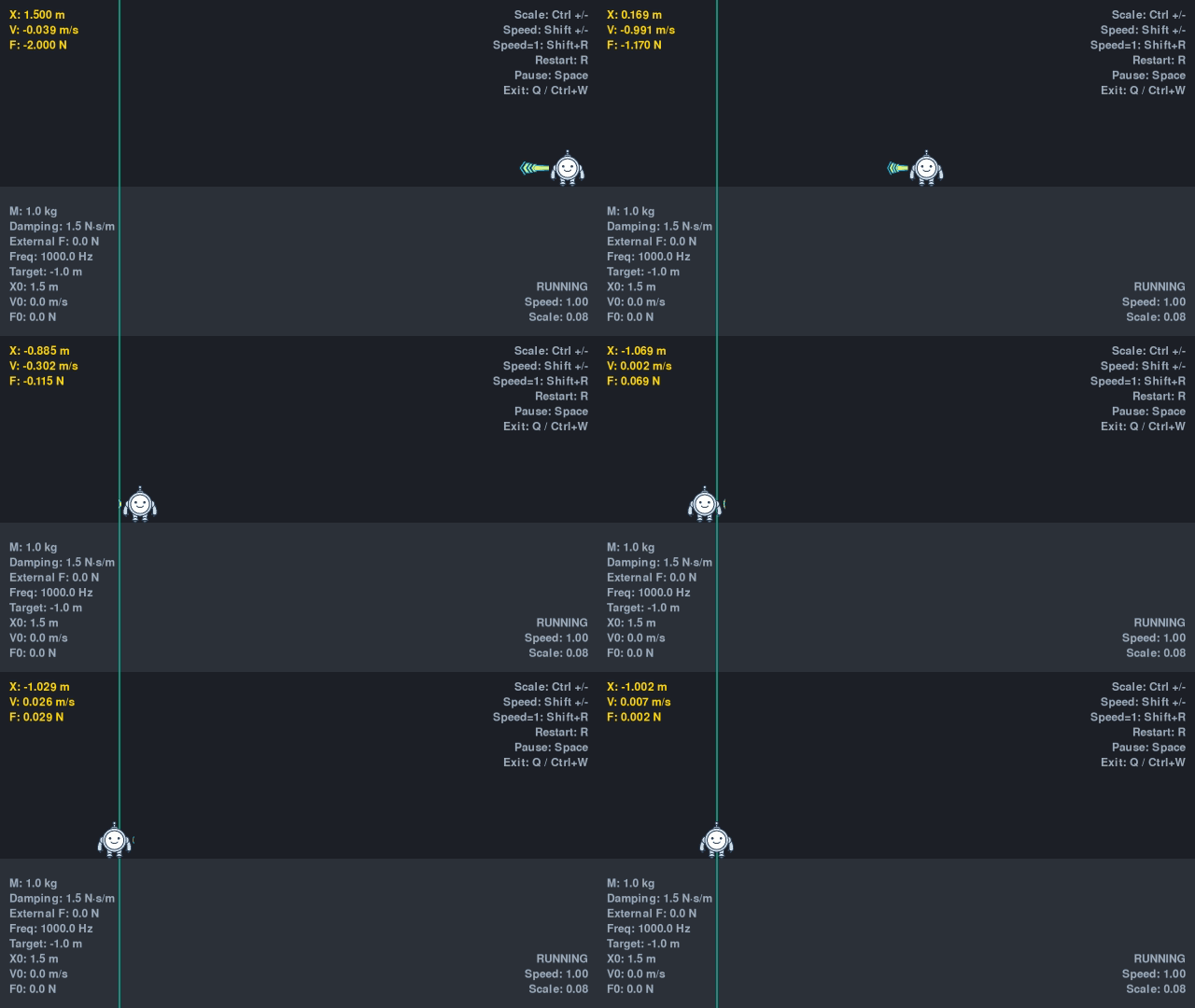
The derivative component looks at how fast you're approaching the target. Moving quickly toward it? Apply the brakes. This prevents overshoot and oscillation.
Back to the car analogy: D is literally the brake pedal. The faster you approach the stop sign, the harder you brake. P + D together give you smooth deceleration.
I — Integral: The Stubborn Assistant
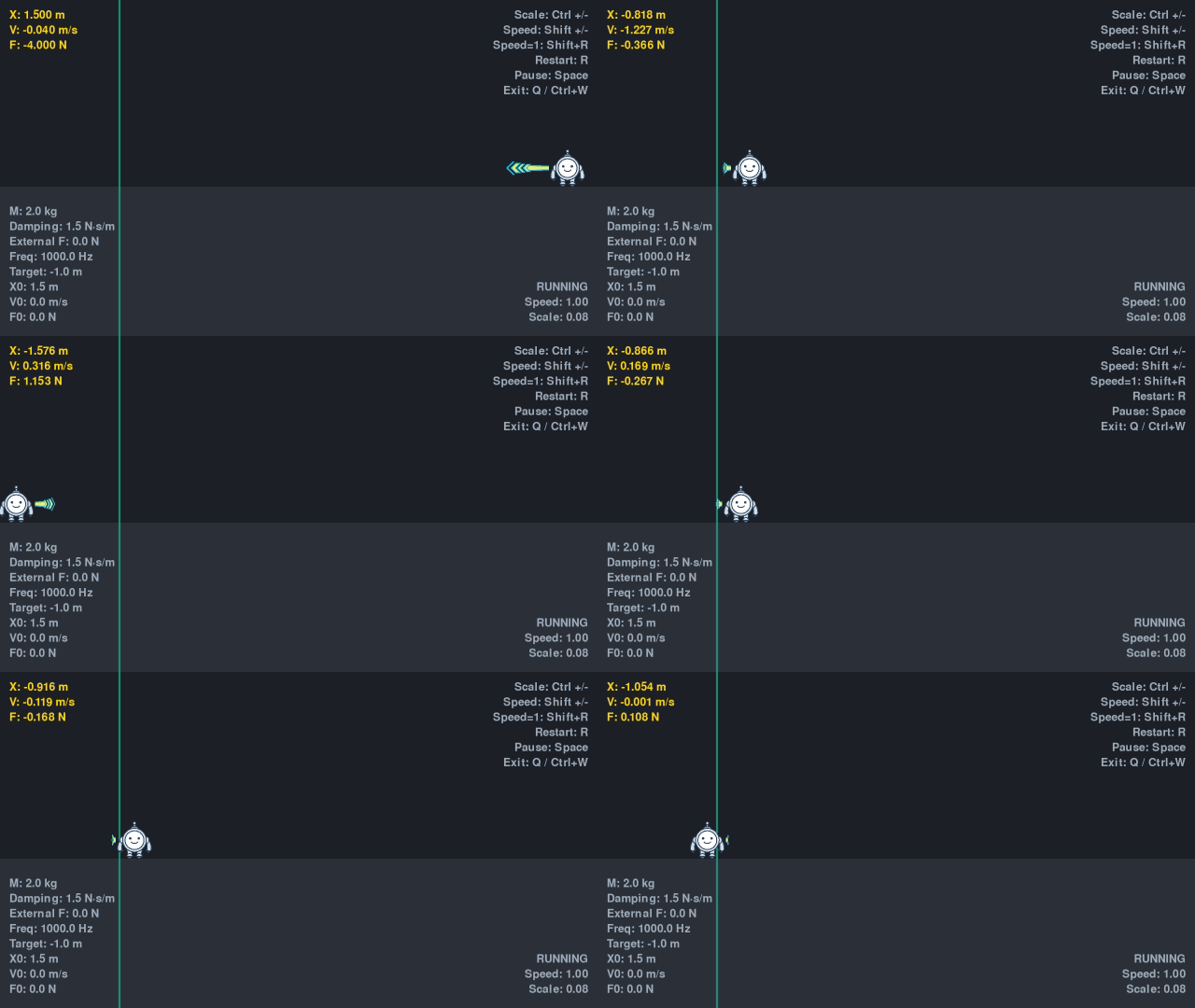
Imagine you're trying to hold a drone at a certain altitude, but there's a steady wind pushing it down. P says "we're at the target, power off." But the wind keeps pushing. You end up slightly below target — a steady-state error that P alone can never fix.
The integral component accumulates error over time. "We've been 2 cm too low for 10 seconds now — clearly we need more power." It's the stubborn assistant who says "I don't care that P thinks we're close enough — we've been off-target for too long."
All Together: PID
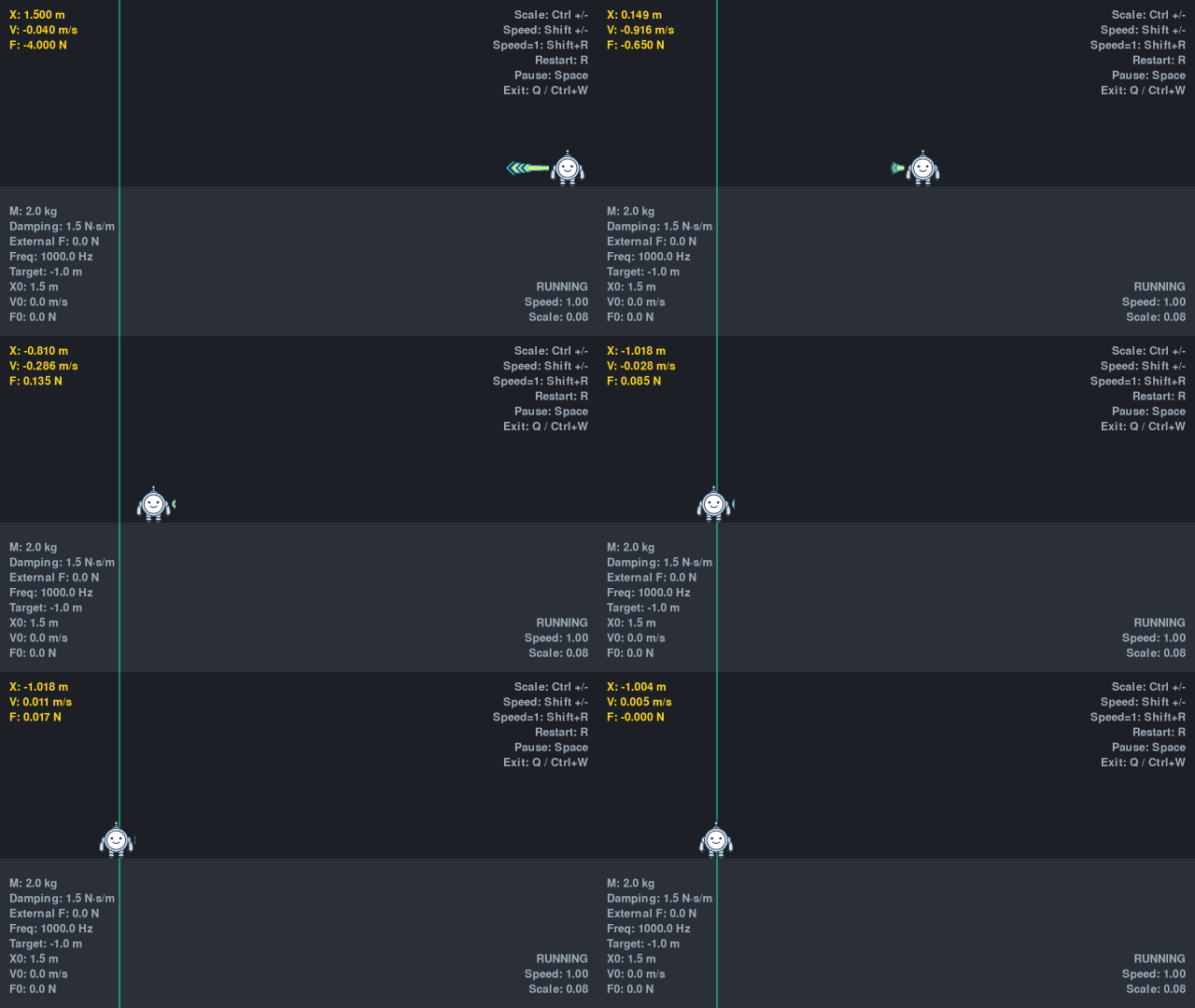
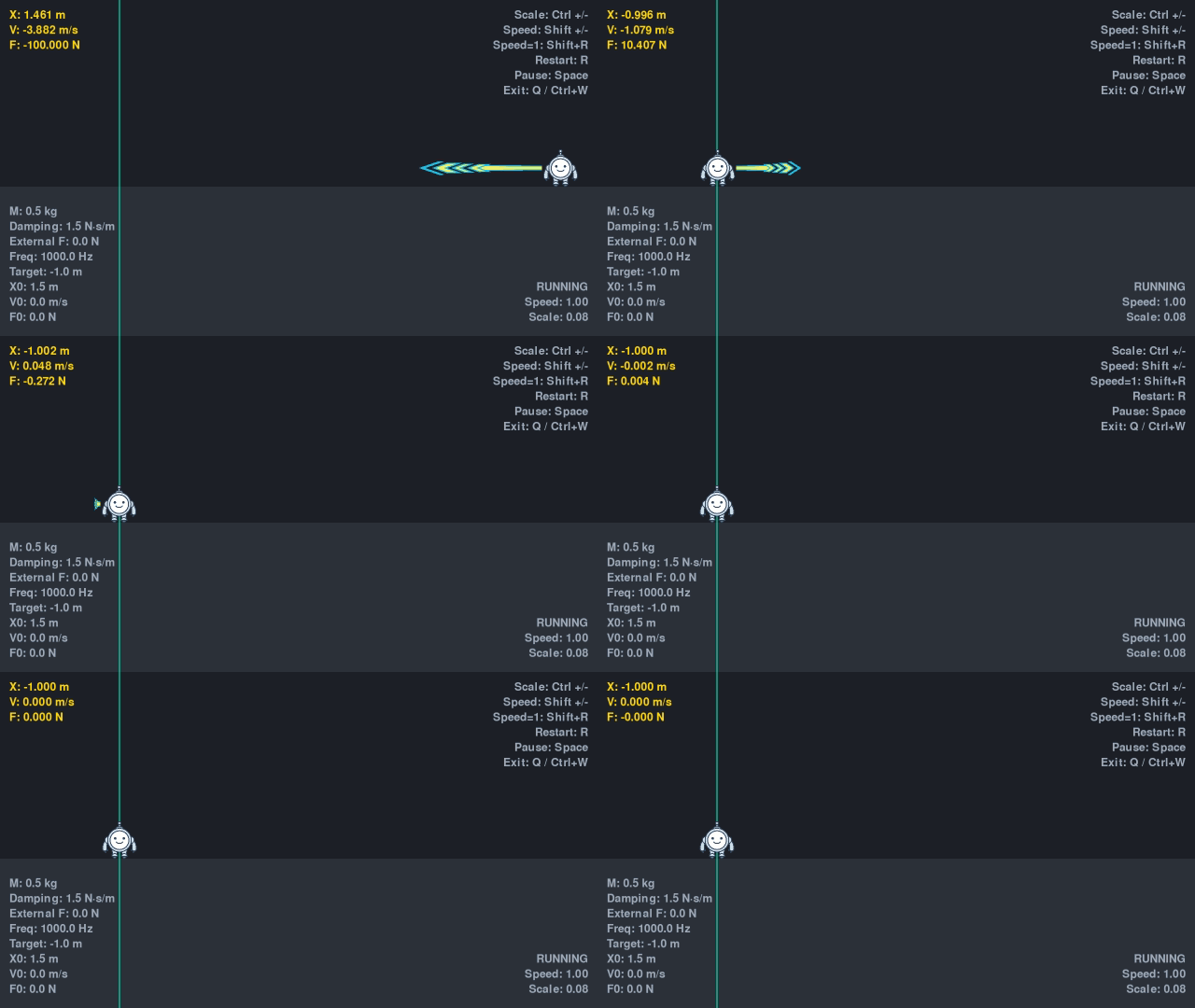
P provides the main driving force. D prevents overshoot. I eliminates steady-state error. Together, they form a controller that's been used in everything from thermostats to rocket guidance systems for over a century.
When PID Fails
- High latency: If there's a big delay between your action and the sensor reading, PID oscillates wildly
- Nonlinearity: If the system responds differently at different points, fixed PID gains won't work everywhere
- Asymmetry: If heating is fast but cooling is slow, PID needs different parameters for each direction
- Rapidly changing conditions: If external forces change faster than PID can adapt, it falls behind
For these cases, you need more advanced control strategies. But for 90% of control problems, PID — tuned correctly — is all you need.