Peaceful Gunpowder: Non-Military Applications of Powder Charges
An exploration of the surprisingly diverse peaceful applications of gunpowder technology, from construction tools and fire extinguishers to airbags, rocket engines, oil well stimulation, and MHD generators.
Gunpowder as an Energy Concentrate
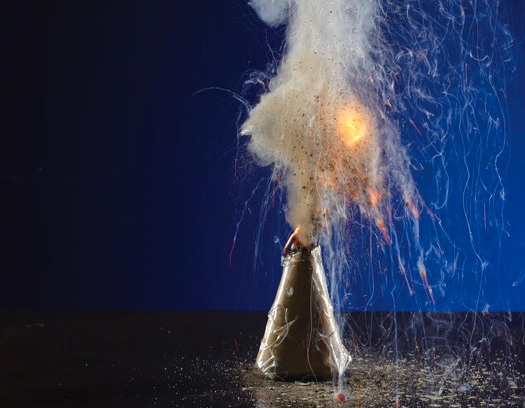
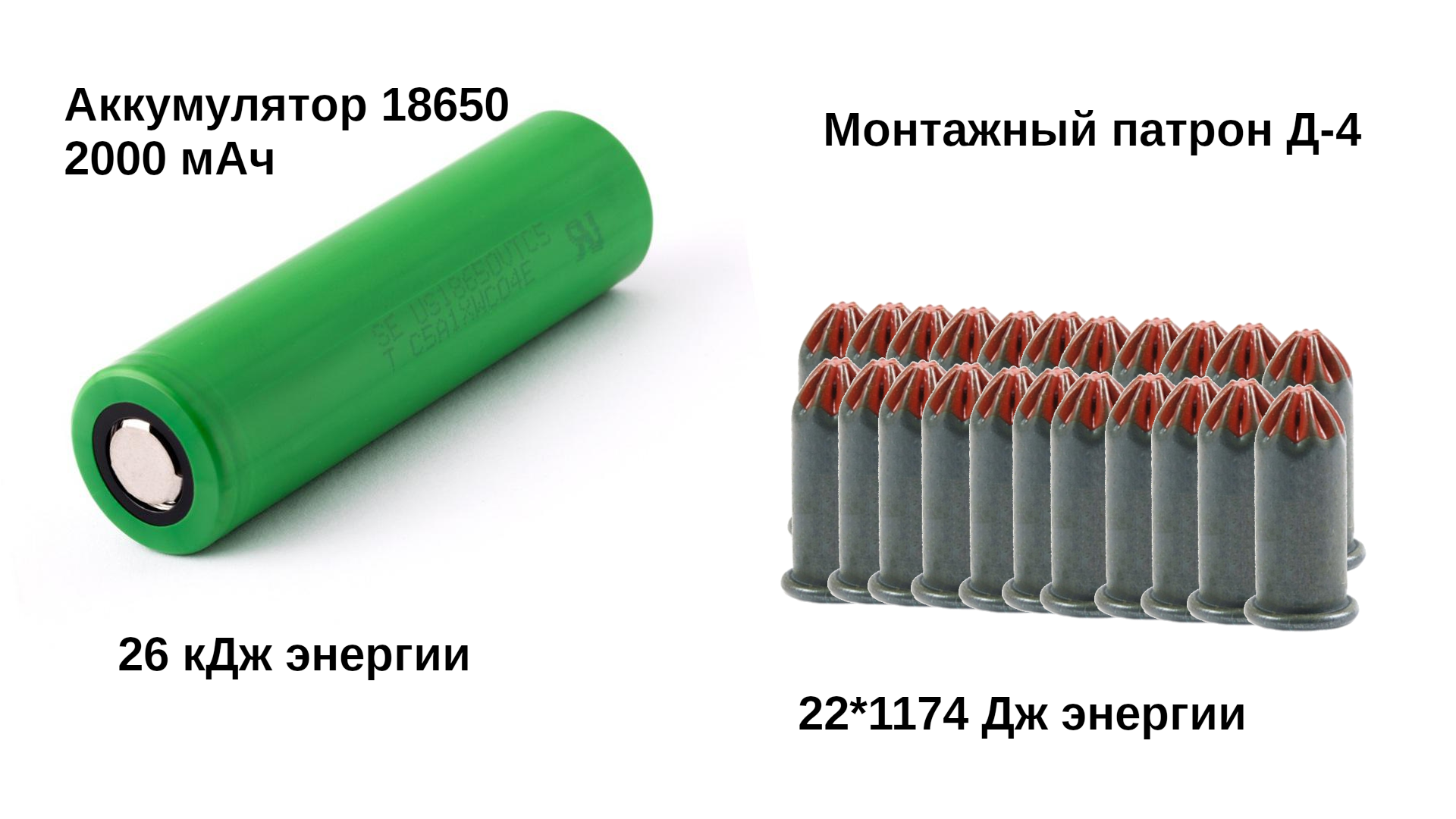
Gunpowder contains both fuel and an oxidizer, which is why it burns on its own without needing external oxygen. One gram of smokeless powder releases about 3.4 kJ of heat. A D4 construction cartridge containing 0.43 g of powder stores 1,174 joules of energy — roughly equivalent to 22 fully charged 18650 lithium batteries.
But the main advantage of powder isn't the amount of energy — it's the speed of release. Powder can deliver all its energy in about 0.001 seconds, producing enormous instantaneous power.
Powder-Actuated Construction Tools
Pyrotechnic tools drive fasteners into concrete and brick. The striker hits the primer, the powder gases expand the cartridge case and push a piston that drives a pin or nail into the material. The photo shows the Soviet PTs-84 powder-actuated tool.
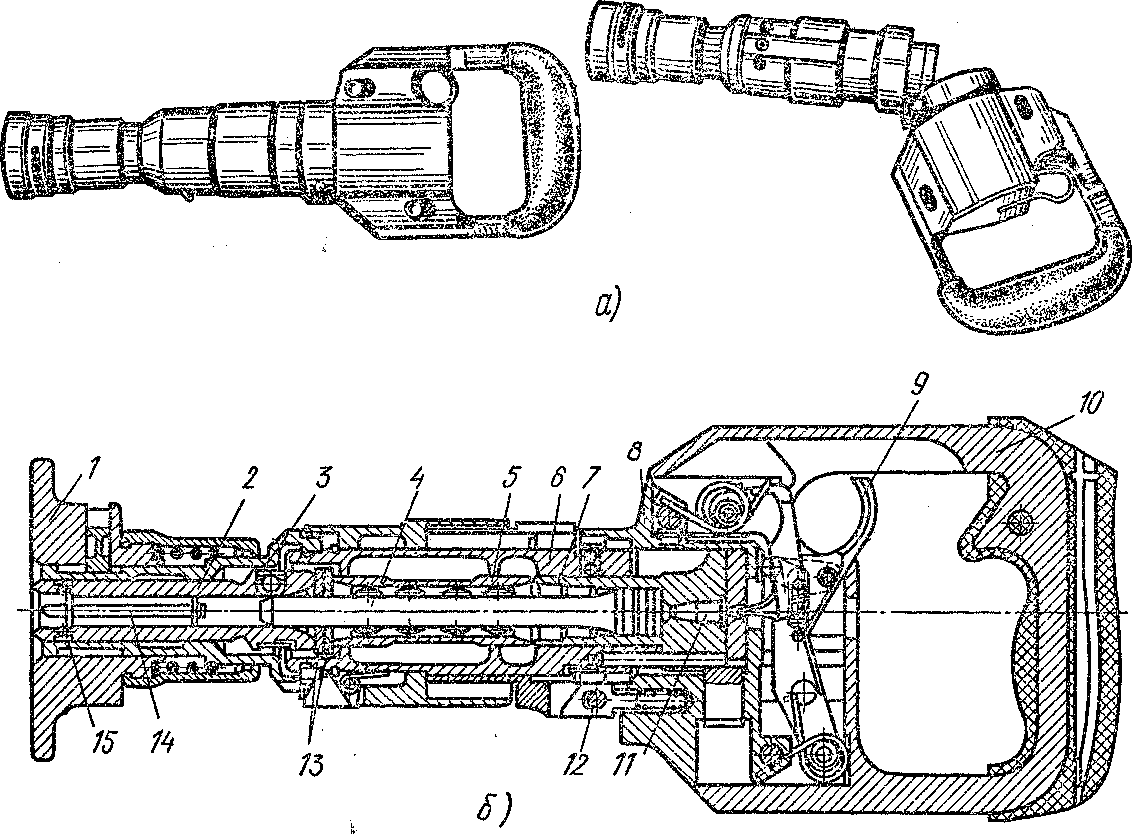
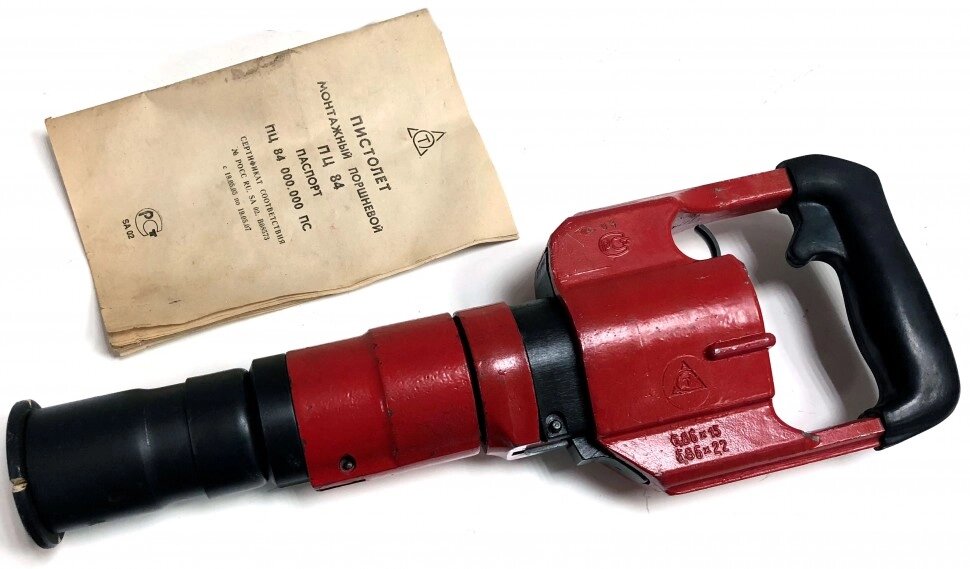
These devices require regular cleaning due to soot in the combustion gases. Still, they remain indispensable where electric or pneumatic tools can't reach or aren't powerful enough.
Demolition Tools
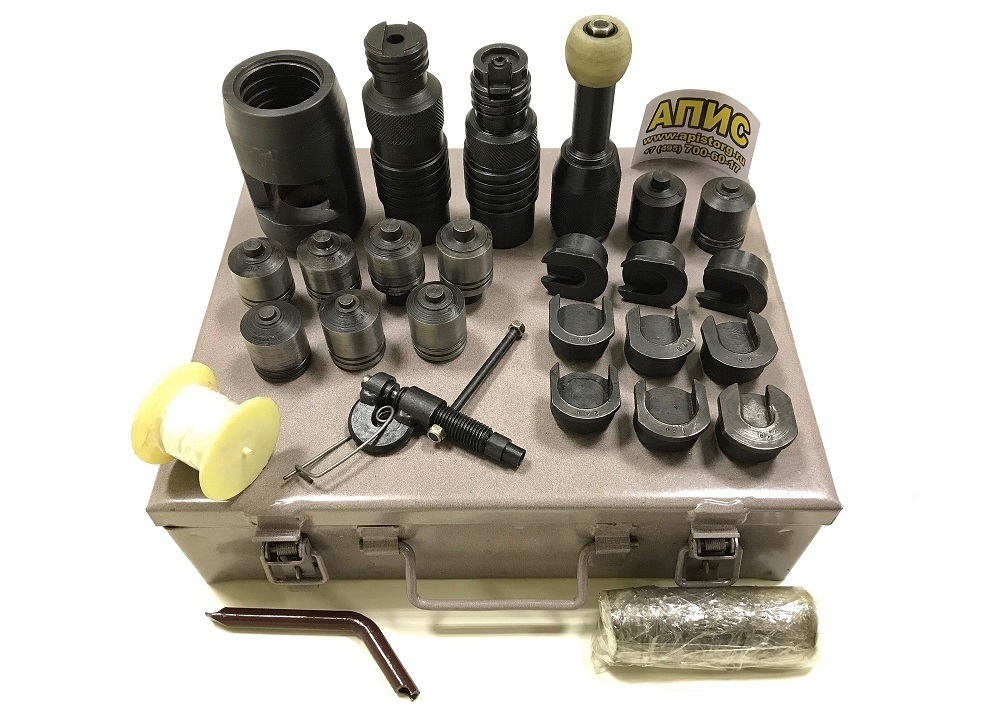
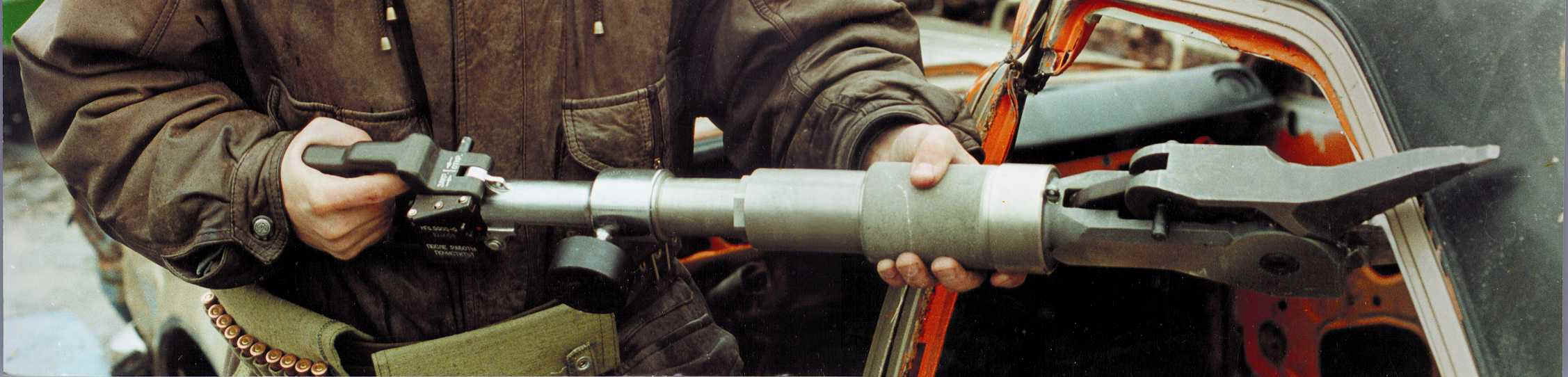
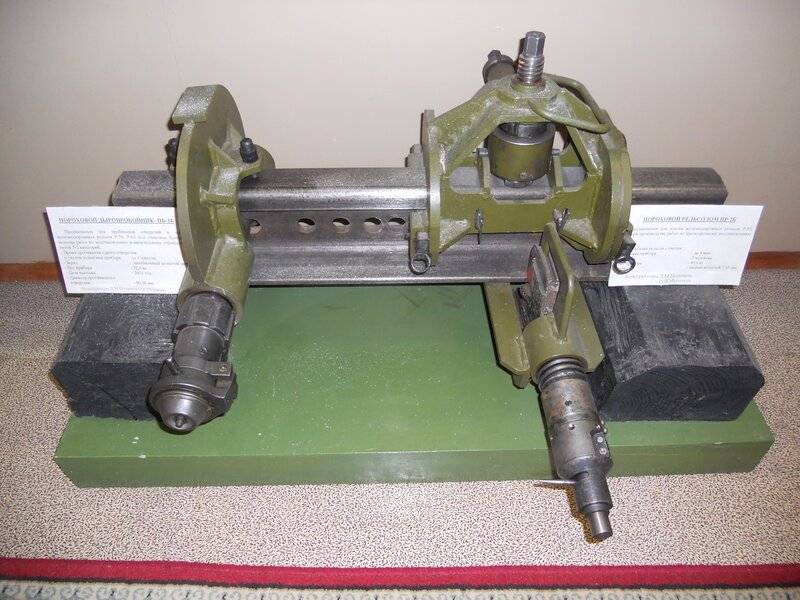
Pyrotechnic shears like the NP-4 can cut steel rods up to 20 mm thick every 5 seconds. The military uses powder-actuated rail cutters for quickly cutting and drilling holes in railway rails during field operations.
Powder Rocket Engines
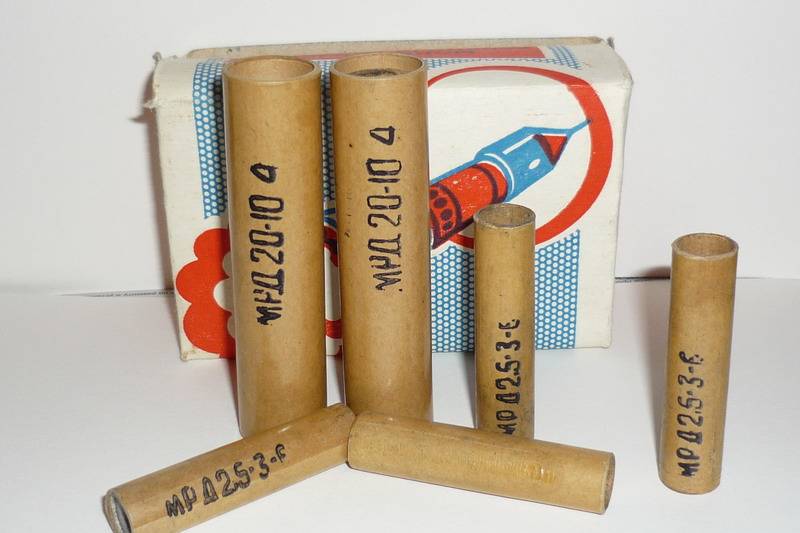
When combustion gases escape through a nozzle, they create reactive thrust — this is the simplest rocket engine. Small versions launch fireworks into the sky. Larger solid-fuel boosters help overloaded aircraft take off from short runways and aircraft carrier decks. JATO (Jet-Assisted Take-Off) units have been used since World War II.
Powder Fire Extinguisher
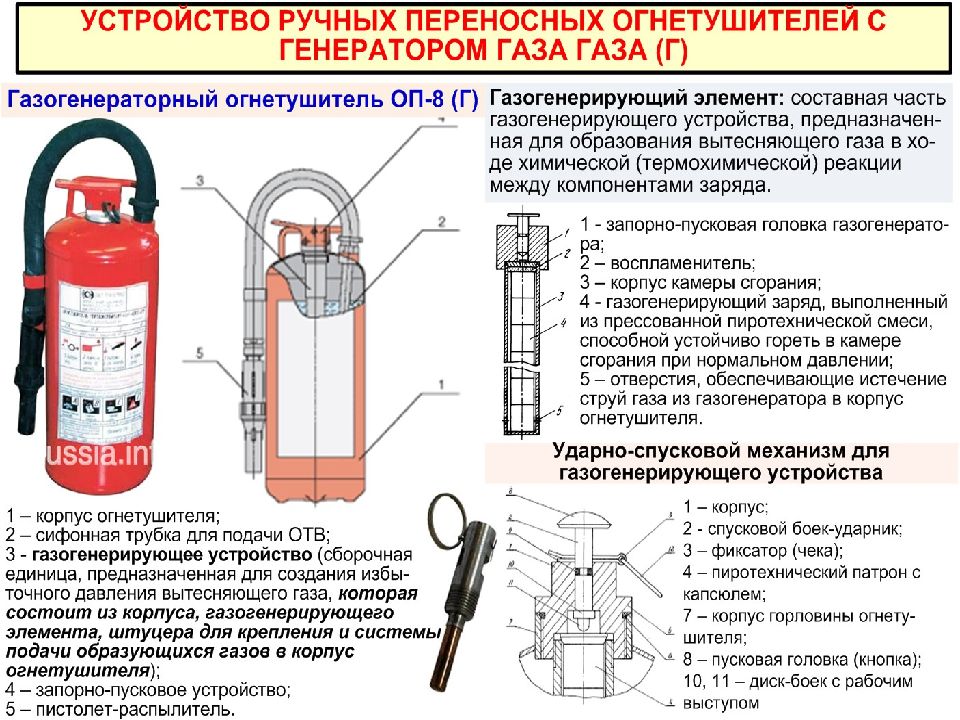
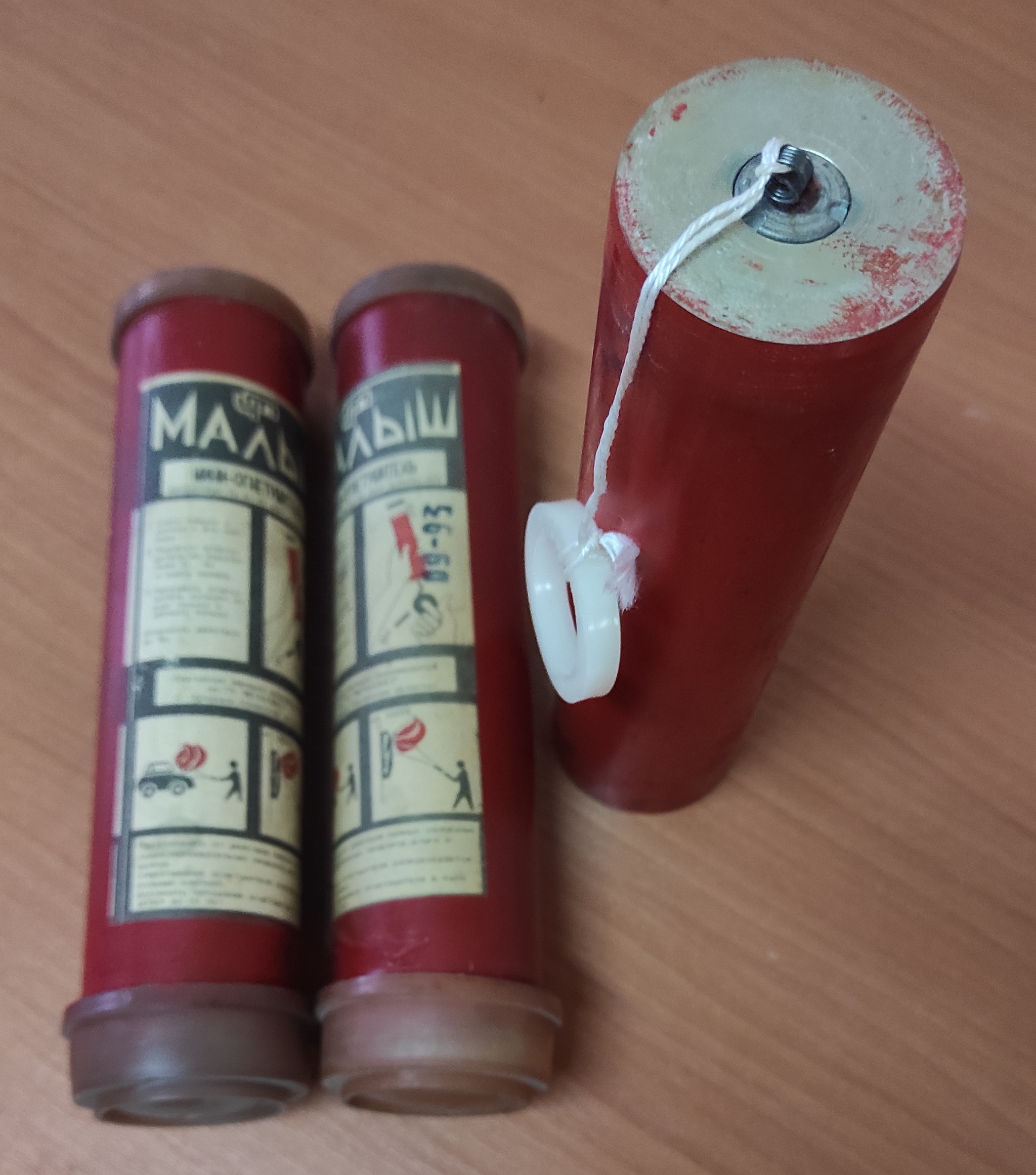
A burning pyrotechnic composition generates gases that force fire-suppressing powder out of the container. This clever solution eliminates the need for a constantly pressurized vessel, improving cost-effectiveness and shelf life. The Soviet "party popper" fire extinguisher was notorious for its strong recoil that could leave bruises.
Gas Generators
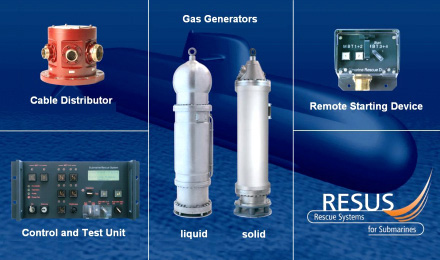
One liter of powder produces approximately 1,000 liters of gas at pressures around 300 MPa. Gas generators are used to blow ballast tanks on submarines during emergency surfacing procedures. They can bring a submarine to the surface in seconds — far faster than compressed air systems.
Airbags
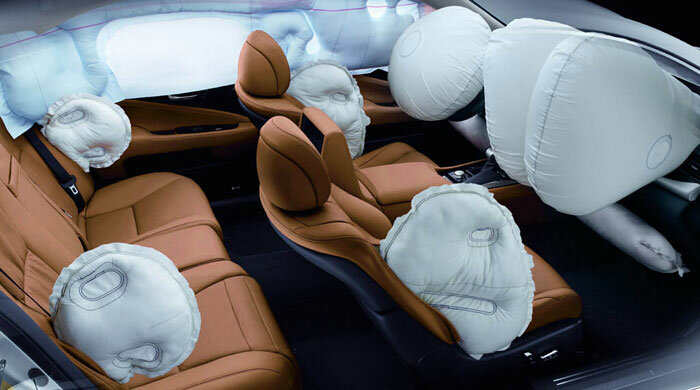
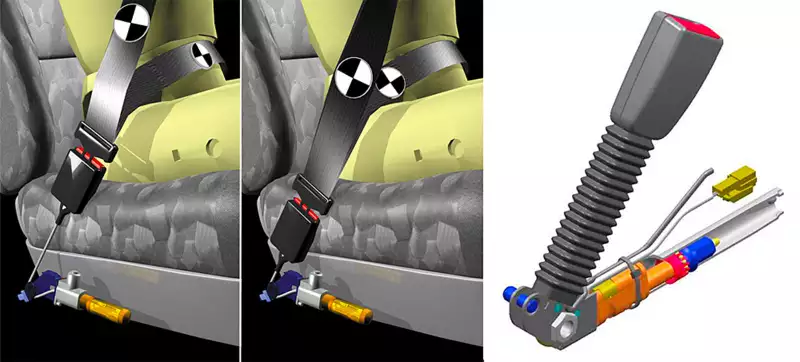
Car airbags deploy in fractions of a second using powder gas generators, preventing injuries in collisions. The inflator contains a small pyrotechnic charge that produces a large volume of gas almost instantly. Seatbelt pretensioners also use a powder-driven mechanism to pull the belt tight, removing any slack at the moment of impact.
Explosive Rivets
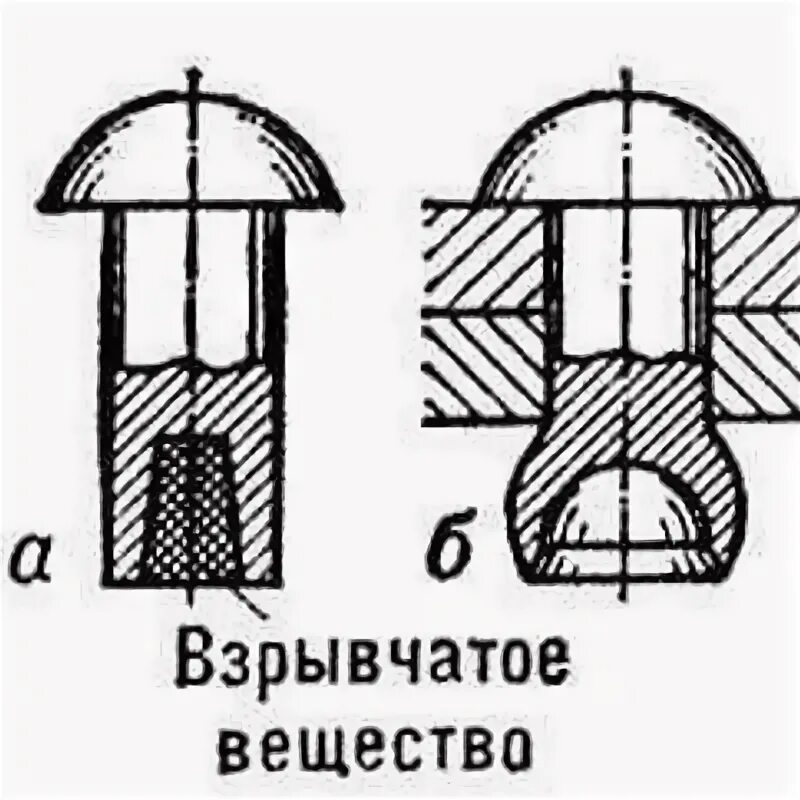
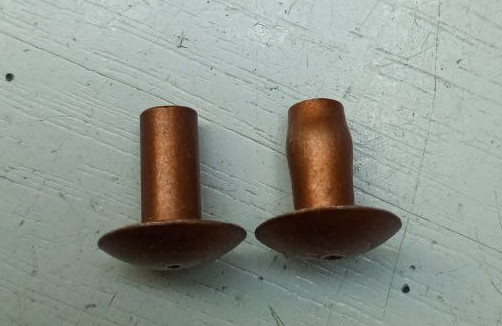
Aluminum rivets with a small powder charge inside — when heated, the composition detonates, deforming the rivet body to create a secure fastening. These are invaluable when you only have access to one side of the joint, as in aircraft construction and repair.
Pyrobolts
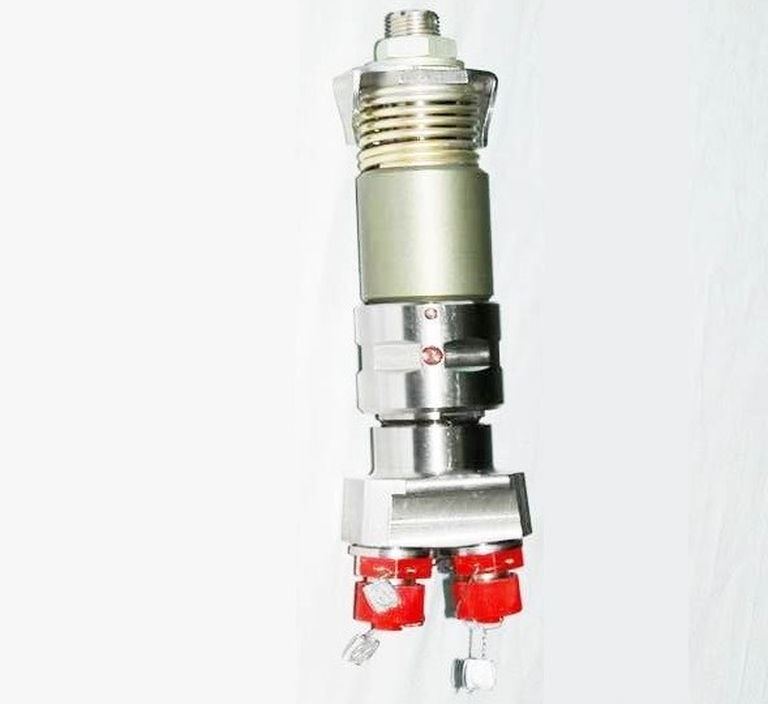
In space technology, pyrobolts connect rocket stages without any play or looseness. When voltage is applied to the built-in electric igniter, the powder charge fires and shears the bolt, separating spent stages at precisely the calculated moment. They must work with 100% reliability — there are no second chances in space.
MHD Generators
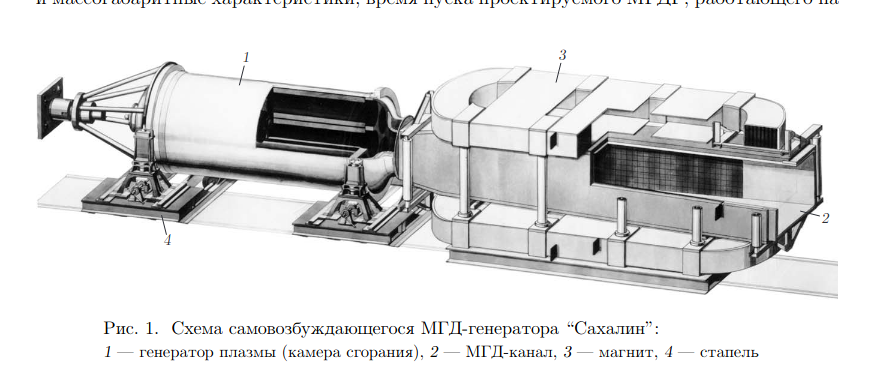
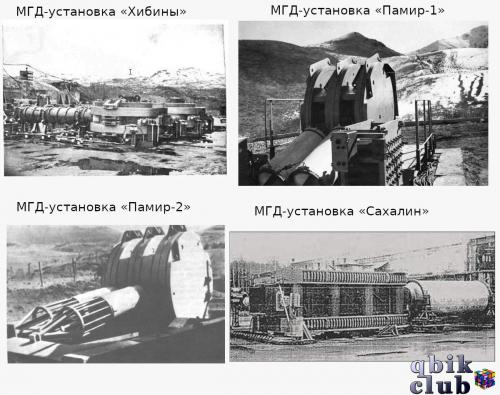
Hot powder combustion gases, seeded with conductivity-enhancing additives (like potassium or cesium compounds), are passed through a powerful magnetic field. The moving ionized gas generates electricity directly — no turbines or rotating parts needed. The Soviet "Sakhalin" MHD generator weighed 50 tons and could produce 500 MW of electrical power in short bursts. These were designed as compact emergency power sources for military applications.
Oil Well Applications
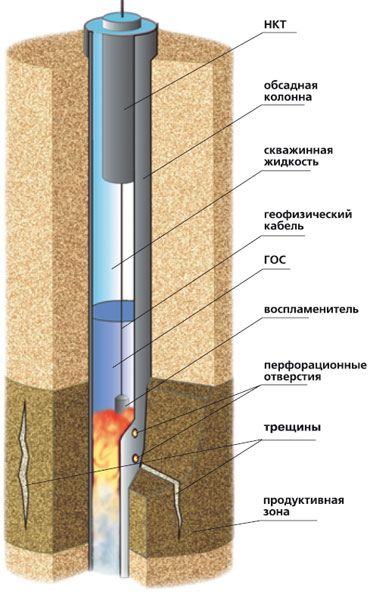
Powder pressure generators and acoustic generators improve oil well productivity through gas-dynamic fracturing — creating a network of cracks in the rock formation that allows oil to flow more freely to the wellbore. This is an alternative to hydraulic fracturing that doesn't require pumping large volumes of fluid underground.
Signal Flares
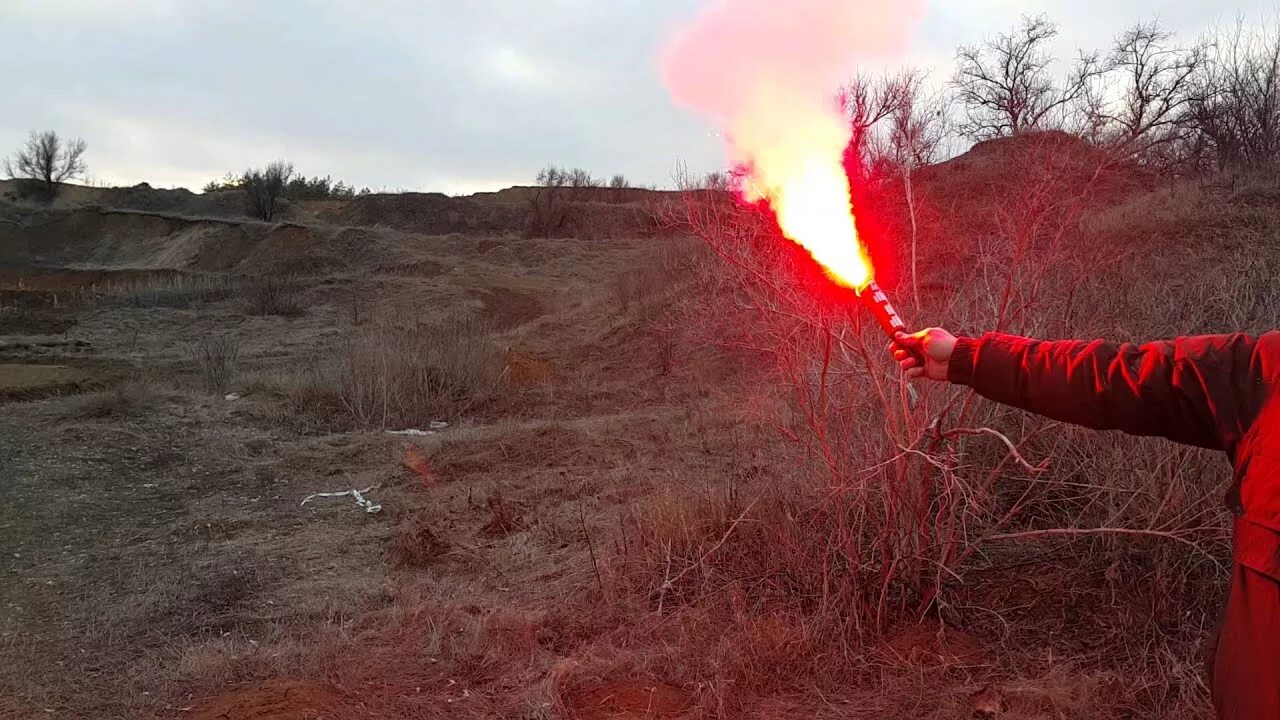
Flares (fal'shfeyery) are light sources containing metal salts that burn with intense colored flames for distress signaling. They produce up to 15,000 candelas of brightness and can be stored ready-to-use for decades without losing effectiveness. Every ship and lifeboat carries them as mandatory safety equipment.

As we've seen, gunpowder — a substance most people associate exclusively with weapons — has found an astonishing number of peaceful applications. From the construction tools in your local hardware store to the airbag in your car, from oil wells deep underground to rocket stages in orbit, powder technology quietly makes modern life possible.
FAQ
What is this article about in one sentence?
This article explains the core idea in practical terms and focuses on what you can apply in real work.
Who is this article for?
It is written for engineers, technical leaders, and curious readers who want a clear, implementation-focused explanation.
What should I read next?
Use the related articles below to continue with closely connected topics and concrete examples.