ONKALO: A Wonder of the World for All Time — Forget About It...
How Finland built an unprecedented underground repository to safely contain nuclear waste for 100,000 years — and why warning future civilizations about it may be the hardest part.
...or how to bury your nuclear waste forever.
Many believe the era of monumental construction has passed. Pyramids, megaliths, and mysterious tombs lie like old toys in humanity's sandbox. We've outgrown them and live in the present — bright and fleeting. When we're gone, only the colossi of antiquity will remain... and ONKALO.
One time, a good friend of mine, an 88-year-old Finnish farmer, was indignant:
"Called the forestry service again to have the birch trees cut down. Their tops started catching the power lines."
The Finnish mentality was outraged by such frequent recurrence of the same issue. Scarcity of resources, both natural and human, taught the Finns to approach any task thoroughly — so they wouldn't have to solve it again for as long as possible. From the options "cheap," "fast," and "quality," they almost always choose the latter — it'll last. Which accordingly produced Finnish prices, Finnish slowness, and Finnish quality.
Through evolution, they traded ambition and adaptability for stern thoroughness. Prepare firewood for two winters, salt fish for three, build for centuries. It's a culture, a lifestyle and way of thinking — so when the Finns needed to build something maximally long-lasting... well, they succeeded. But let's take it in order.
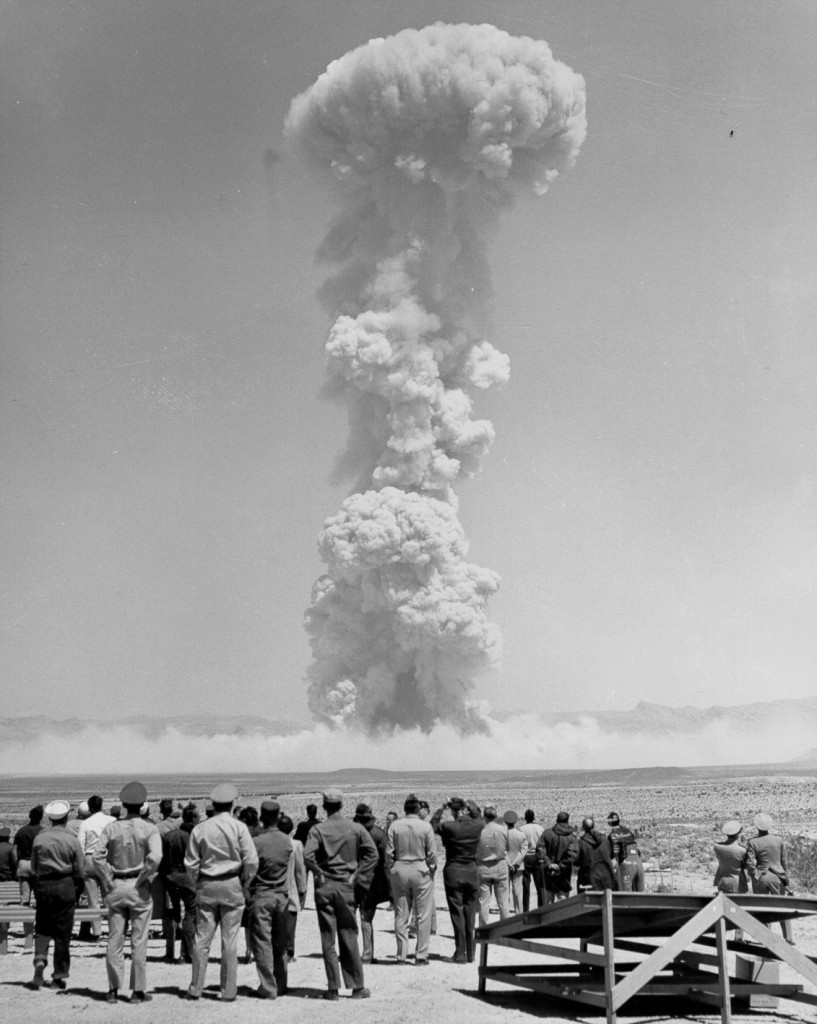
The Nuclear Waste Problem
Starting in the 1940s, certain nations began mastering nuclear fission technology. It was quickly discovered that the technology's possibilities weren't limited to destructive bombs and autonomous ships. They figured out how to power megacities with atomic energy — in France, the Soviet Union, the USA, and other countries. For the first time in history, humanity harnessed energy for its domestic needs that was not, in one form or another, the energy of the Sun. Another step in the crown of creation's ascent over the material world — a triumph!
However, nothing in this world comes free. The magical reactor lights millions of bulbs while simultaneously producing radioactive waste. Lots of it, constantly. Where to put it? "Throw it away!" — won't work. Radiation sickness is no joke, and the critters and plants won't get the humor at all. "Send it to space on a rocket!" — alas, even space enthusiasm is inappropriate here. What if the rocket explodes at launch and smears radiation for kilometers around? Nobody is insured against that. And it's terribly expensive. "Dump it on the ocean floor!" — better and much cheaper. But then radiation will start accumulating in its waters, and the fish will walk out on their legs to smack us for it.
The civilized world faced a deceptively simple task: how do you hide something so that it no longer exists? And by trying various creative options, they arrived at the banal — bury it. Question resolved, next question... uh, not so fast. How to bury it, where to bury it? Everything alive around our stash dies, and various unsavory characters want to make dirty bombs from it for their dirty deeds. So at first, atomic waste was disposed of simply and with flair — using massive sarcophagi. For a while, this satisfied everyone, and then...
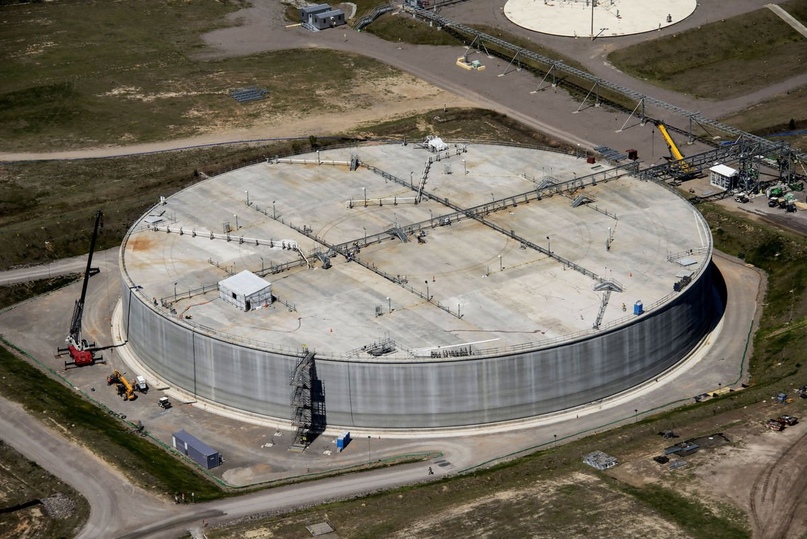
A sarcophagus. Big, dangerous, expensive.
The Soviet Approach: PUREX Reprocessing
The first to get fed up with "just packing it in steel and concrete" was the Soviet Union. Sarcophagi were expensive, they needed lots of reactors, and the bright communist future didn't go well with gamma radiation. The nuclear waste had to be made safe somehow. The solution was found in a process called PUREX — discovered during the Manhattan Project.
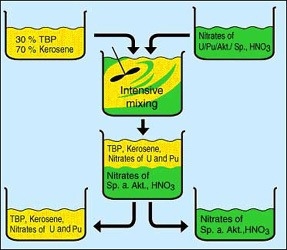
Nuclear waste undergoes complex chemical processing, after which part of it becomes fuel again, and another part emits significantly less radiation. The first goes back into the reactor, the second into a repository — and Lenin behind the glass smiles quietly. Despite the large volume of necessary chemicals, the method was widely used and is still applied today.
The German Approach: Mine Disposal
The Germans took a different path. Coincidence or not, but on both sides of the Berlin Wall, radioactive waste was disposed of identically — dumped into old mines. Over two world wars, German industry had completely gnawed out certain deposits of salt and potash, forming a number of huge and utterly useless holes. Throw the spent uranium in there — and you're golden, right? At first, yes. Then a certain disaster begins — by the forces of the underworld, the mines collapse, flood, and get pushed to the surface. What to do?! The contaminated water goes into other mines, the soil too, and if it's a total catastrophe — fill it in and pray it doesn't resurface. In short, pouring from empty into void, and there's no end to it to this day.
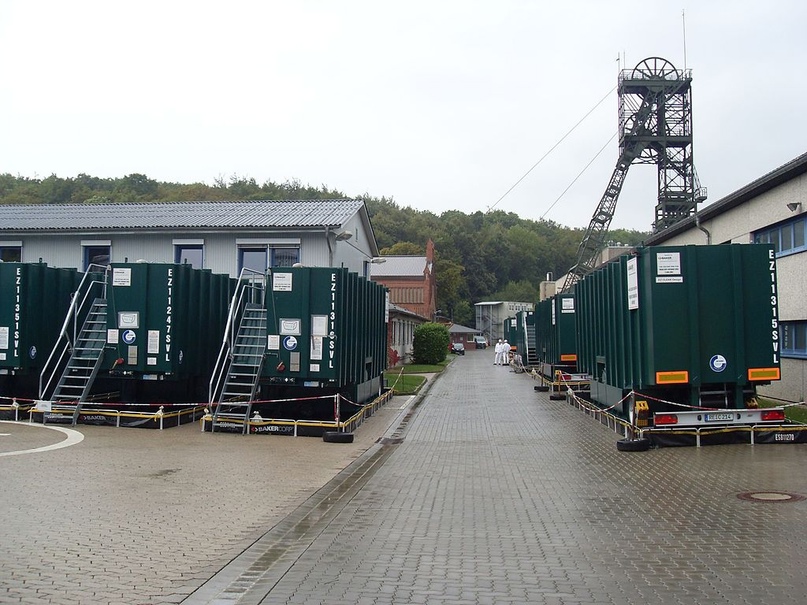
Tankers near the mine, which the Germans use to haul out about 12 cubic meters of radioactive water per day.
The French Method: MOX Fuel
France watched this from next door with the face of a gloating frog. They were smarter and went into reprocessing. In addition to PUREX, the French figured out another method — the so-called MOX fuel. Fuel reprocessed this way requires special reactors, but it allows converting nuclear warheads and the byproducts of their production into electricity — which simplified the disarmament of nuclear powers in general and Jacques Chirac in particular. Reprocessing this way proved so profitable that the French began purchasing toxic assets abroad — and then taught the Japanese to build MOX reactors and started selling them their own waste back as fuel. And they're still buying, bless their hearts.
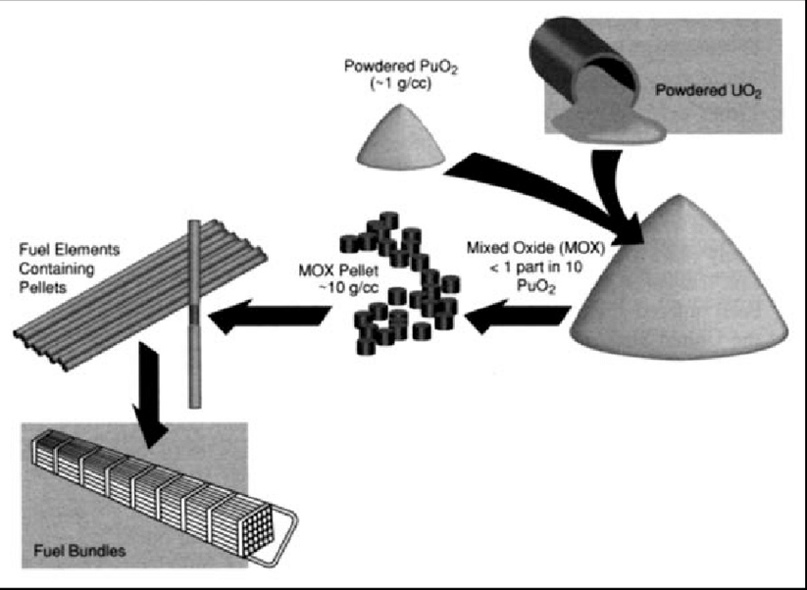
The operating principle is so French it resembles a recipe: grind waste of two types into powder, mix together, form under pressure, and stuff into new fuel rods. Voila!
The American Approach: Desert Burial
Meanwhile, across the ocean, the Americans couldn't manage reprocessing. At all. They splurged on sarcophagi for a long time, but as the atomic bull was tamed, the surpluses accumulated. After thinking it over, they decided to bury the problem in the desert, like a nameless cowboy after a saloon brawl. A magnificent plan, reliable as you-know-what. In 1987, they found a desert mountain in Nevada and began digging a tunnel... after which local Native Americans came to the mountain and declared it sacred. And please get out of our reservation. Energy companies, missionaries, and archaeologists couldn't convince them — and meanwhile, the local community took the side of the indigenous people.
Hippies for the Indians, residents for the hippies, the mayor for the residents, the senator for the mayor... they pulled the turnip, meaning they axed the construction. The project got bogged down in lawsuits, standards inspections, and other democratic thickets — possibly for the best. After Fukushima, everyone remembered that earthquakes frequently occur around that mountain. Debates around the project continue to this day, and the Americans still pack their power plant byproducts in sarcophagi — and in some places, due to poverty, simply dump them in remote areas. So you don't need nuclear war for a canonical Fallout — a couple of bribes to Tennessee emissions regulators will suffice.
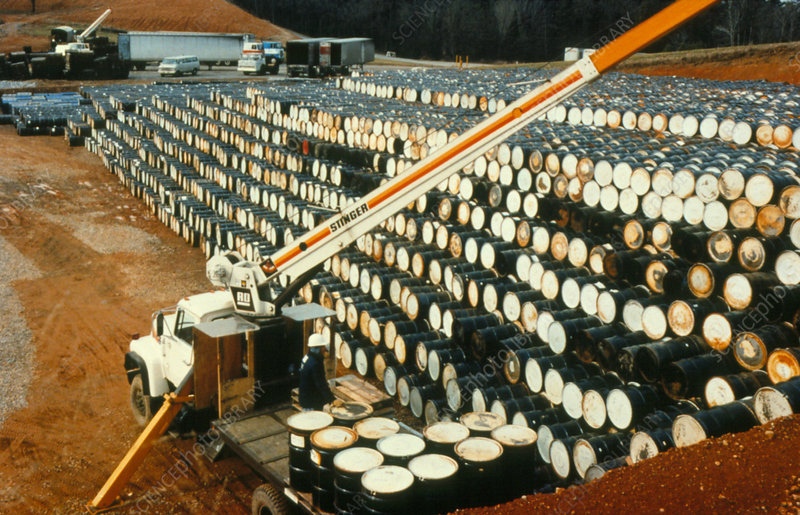
To prevent the waste from being stolen for a dirty bomb, it's mixed with concrete in barrels. Despite the unsightliness of the methods, the industry feels so good it imports waste from Germany.
Scandinavia Divided
Partly because of the glowing waste problem, the Scandinavian countries split in their opinions on nuclear energy. In Denmark and Norway, nuclear energy is outlawed, and only recently have they reluctantly begun purchasing it. The more enterprising Sweden sells it to them. Between 1971 and 1984, the Swedes commissioned 12 nuclear power units, having proactively addressed the waste question. Looking at other countries' experience, the Swedes understood two things. First, reprocessing is a great thing and allows reducing the volume of toxic junk. Second, even after multiple reprocessing cycles, some of the junk remains, and only the Germans are getting rid of it. While dancing with a tambourine to keep it from pushing back up. Not being fans of tambourines, the Swedes rejected burial and went the route of simplifying sarcophagi. Twenty centimeters of lead, half a meter of concrete, or 8 meters of water can stop gamma radiation. The cheapest of these is water — so the Swedes filled a huge pool and began submerging radioactive containers. One building with a hundred employees — and a storage facility for thousands of tons of spent uranium is ready.
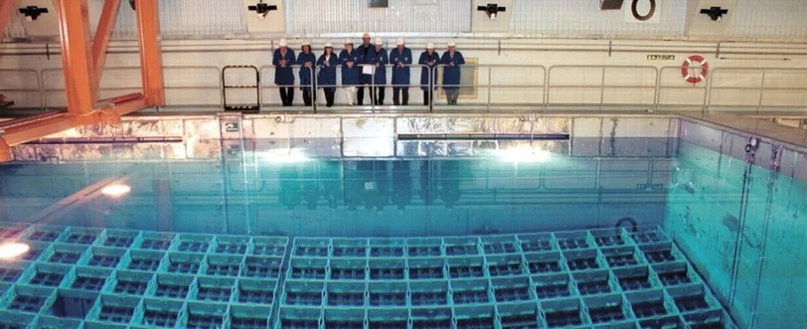
Well done us!
Finland's Decision
Following the Swedes, the Finns took up nuclear energy. They built four power units and exported waste to the Soviet Union under contract. Clean nature for the Finns, bonus fuel via PUREX for the Soviets — everyone was happy. Then the Soviet Union broke down, and waste export with it. In 1994, Finland's parliament passed a law requiring the country to dispose of all its nuclear waste on its own. How? Well... let's do it like the Swedes. Look, we take the waste, dip it in water... And how long do we hold it there? 100,000 years? Perkele...
It's hard to say what exactly pushed the Finns toward their own, unique solution. Nordic straightforwardness? A tendency toward long-term planning? A desire to outdo the Swedes? One way or another, they took "one hundred thousand years" literally — and the ONKALO project was born.
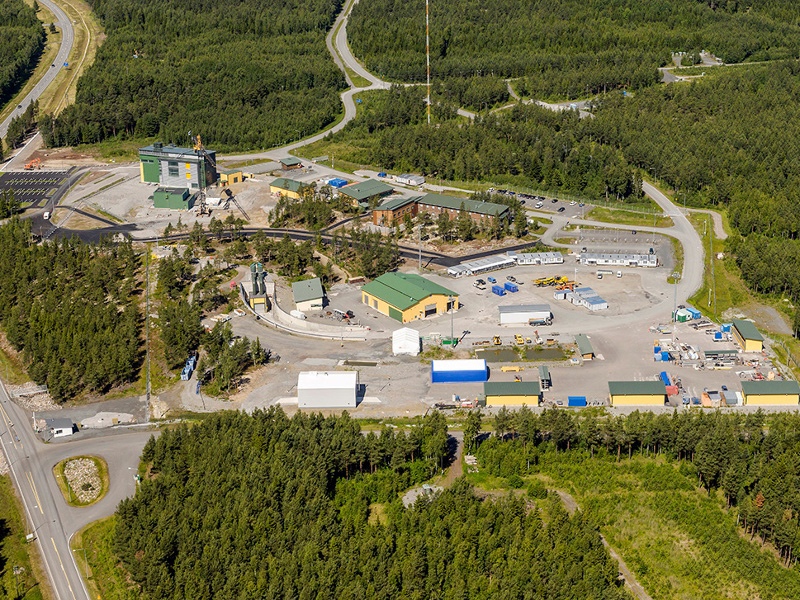
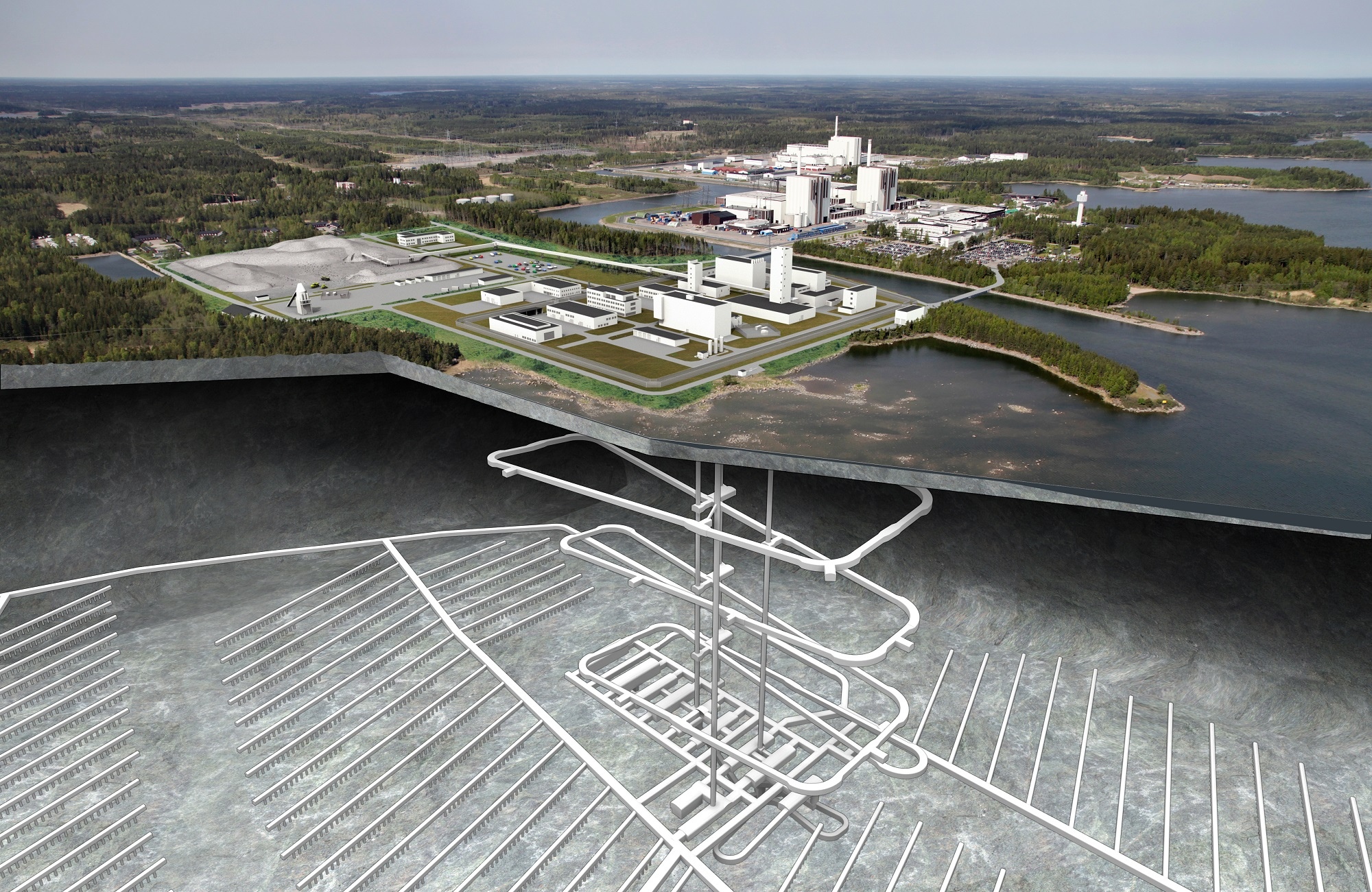
The outside.
ONKALO: The Ultimate Repository
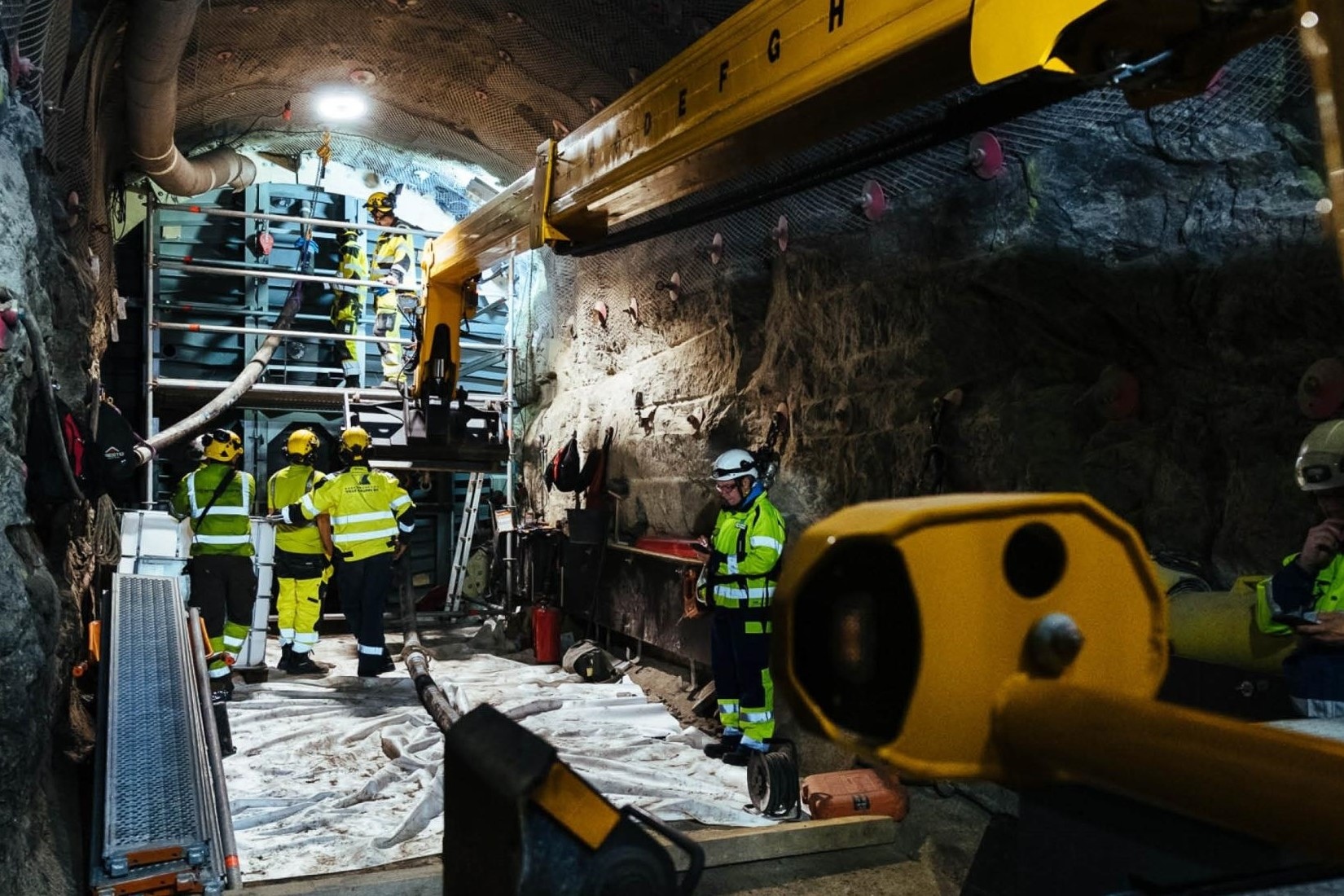
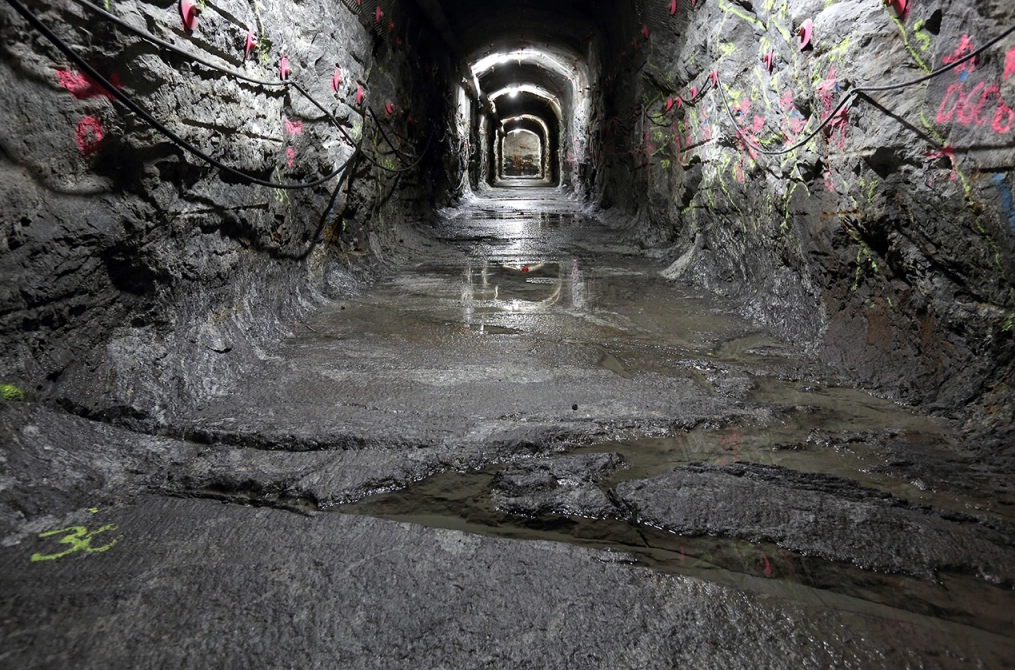
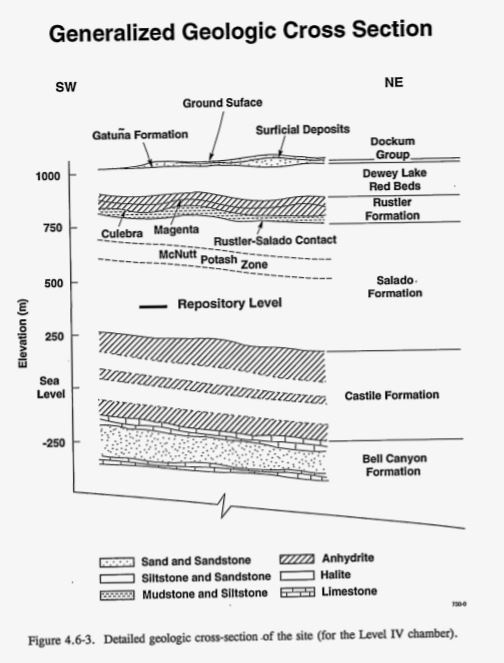
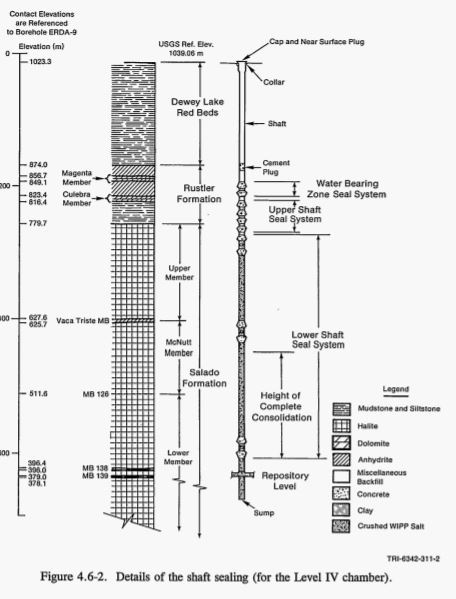
The ONKALO facility is located on the island of Olkiluoto, carved into monolithic granite. It features 42 kilometers of tunnels extending 500 meters underground, designed to contain up to 12,000 tons of waste. The approach is called KBS-3: engineers pack waste into copper canisters, encase them in concrete, then flood everything with bentonite clay — a material that swells when wet, creating an impenetrable seal.
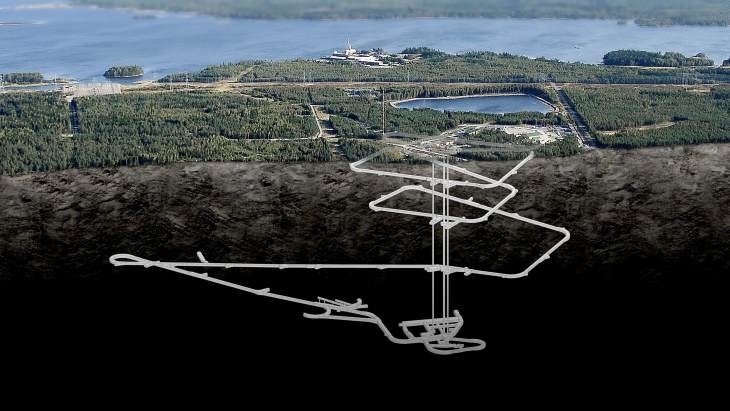
This multi-layered system provides protection against essentially everything nature can throw at it. Earthquakes cannot reach the tunnels at such depth in solid granite. Groundwater is blocked by the bentonite barrier. Even the next Ice Age — predicted in approximately 60,000 years — was factored into the design. The granite bedrock of Finland has survived every glaciation of the last two million years virtually unchanged.
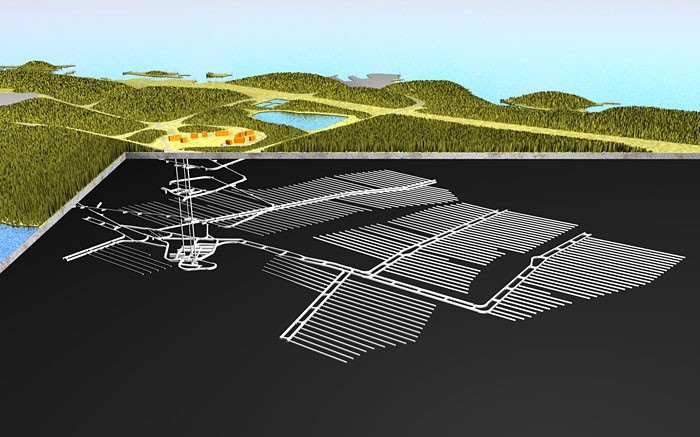

The copper canisters themselves deserve special mention. Copper was chosen because it doesn't corrode in the oxygen-free environment deep underground. Engineers calculated that even in the worst-case scenario, a 5-centimeter copper wall would take over a million years to be eaten through. By that point, the radioactivity of the waste inside will have long since decayed to harmless levels.
Construction of ONKALO began in 2004. The repository was designed to accept waste starting in the early 2020s and continue operating until approximately 2120, at which point all tunnels would be permanently sealed.
The Real Problem: Future Humans
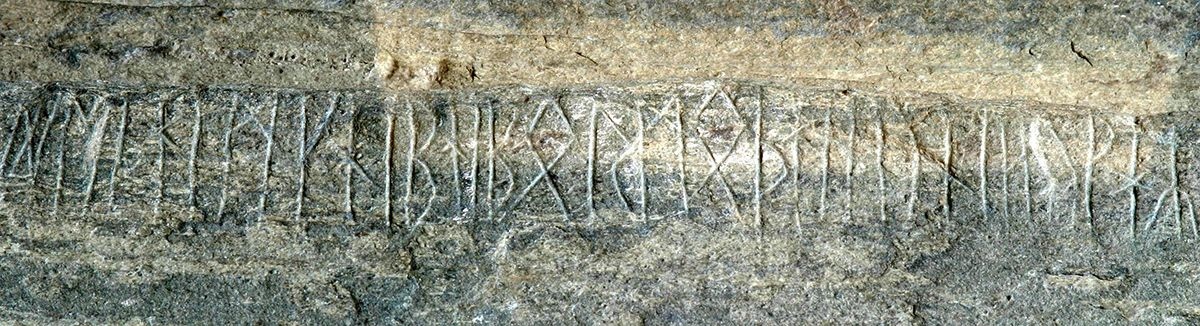
Protecting waste from nature turned out to be the easy part. The truly difficult challenge is protecting waste from future humans. What happens if, tens of thousands of years from now, people stumble upon ONKALO? Civilizations rise and fall. Languages change beyond recognition. Technologies are forgotten and reinvented. In 100,000 years, modern civilization could be nothing but a barely remembered myth.
Imagine a future society, technologically regressed after some catastrophe, that discovers the ONKALO site. Without Geiger counters or any knowledge of radioactivity, they might dig into the mountain seeking minerals. The bentonite clay — an industrially valuable material — could attract prospectors. The copper canisters would look like treasure. And inside... death, invisible and incomprehensible.
This is not a theoretical fear. Archaeologists regularly break into ancient tombs despite the warnings inscribed on them. The curse of Tutankhamun's tomb, whether real or imagined, didn't stop Howard Carter. Why would a warning about "invisible rays" stop a future miner?
The Sandia National Laboratories Proposals
American researchers at Sandia National Laboratories tackled this problem in the 1990s for the Waste Isolation Pilot Plant (WIPP) in New Mexico. They developed what they called a "gestalt message" — a system designed to communicate danger across all possible levels of comprehension.
The system was organized into four levels of information:
- Level I: "Something made by humans is here." Communicated through obviously artificial landscape features — mounds, trenches, and markers placed in geometric patterns impossible in nature.
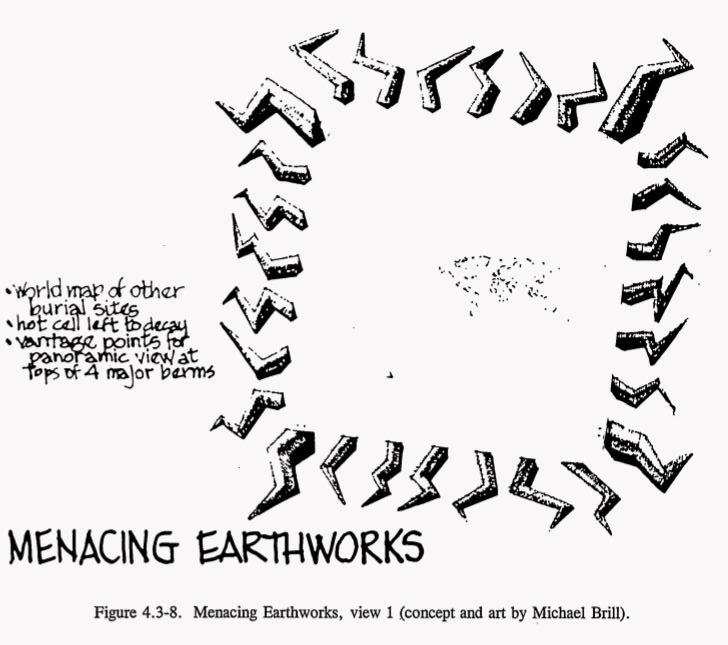
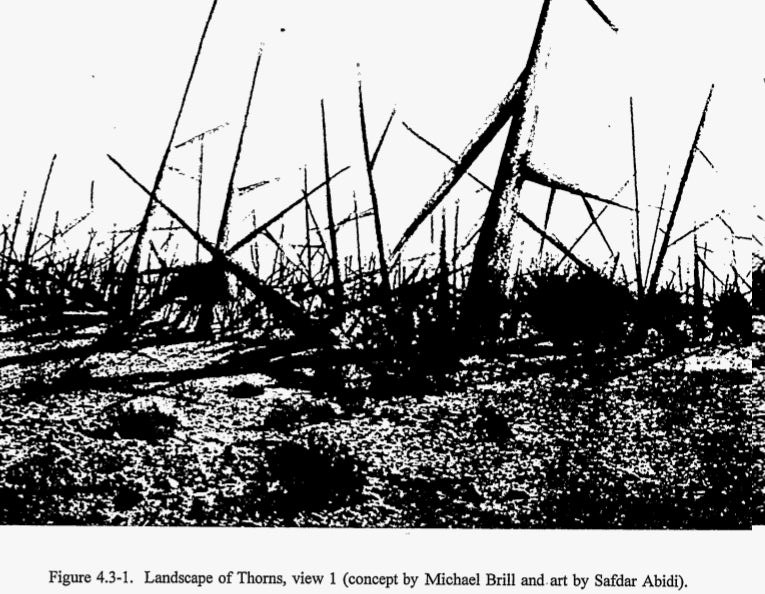
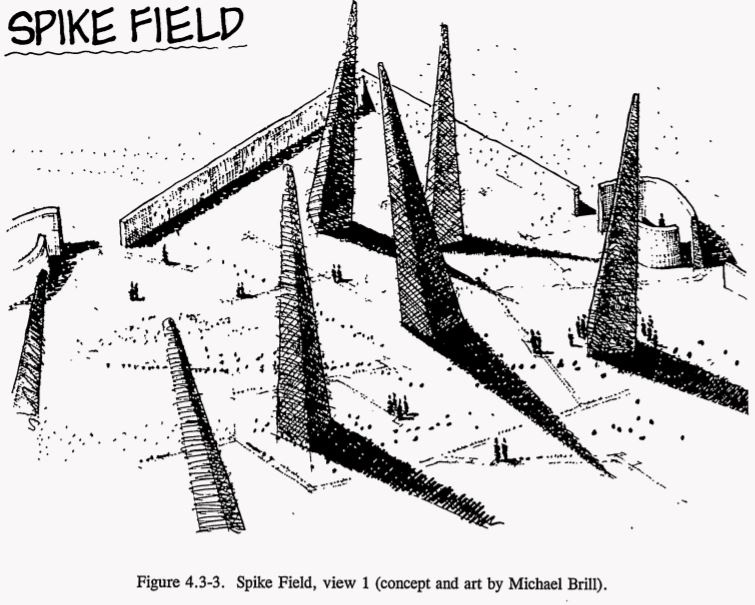
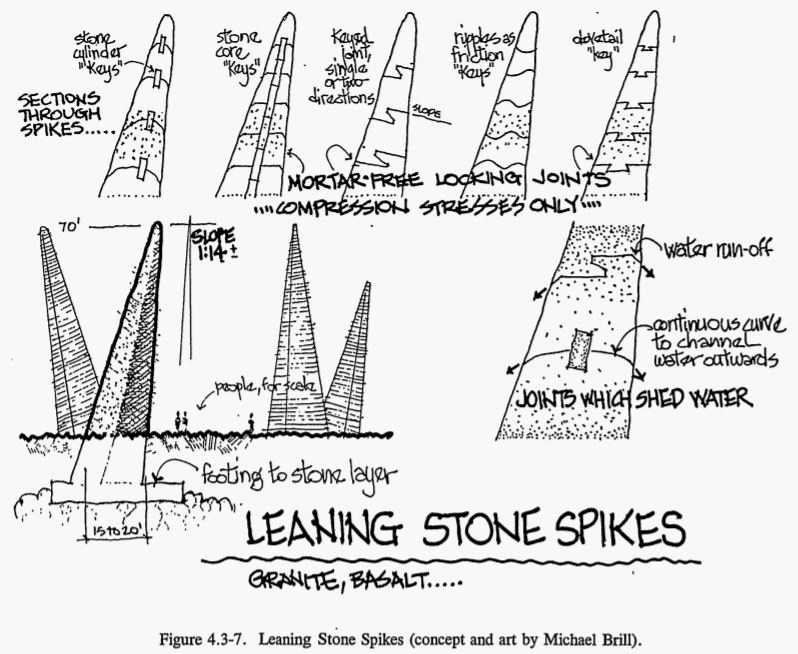
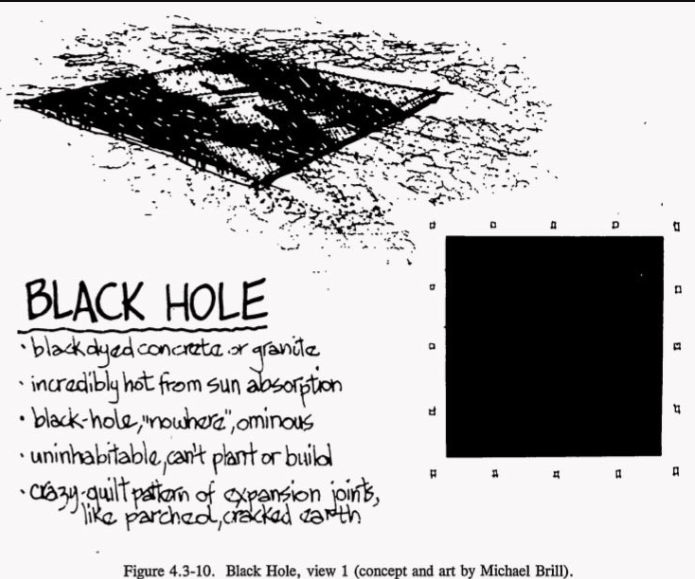
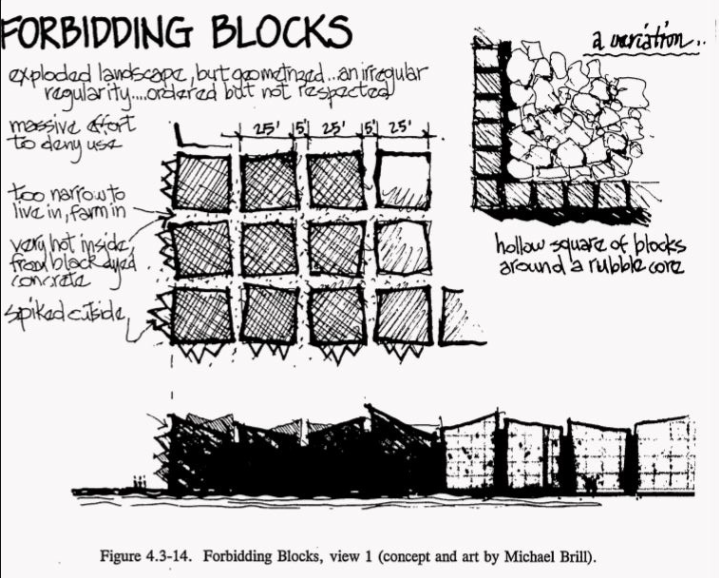
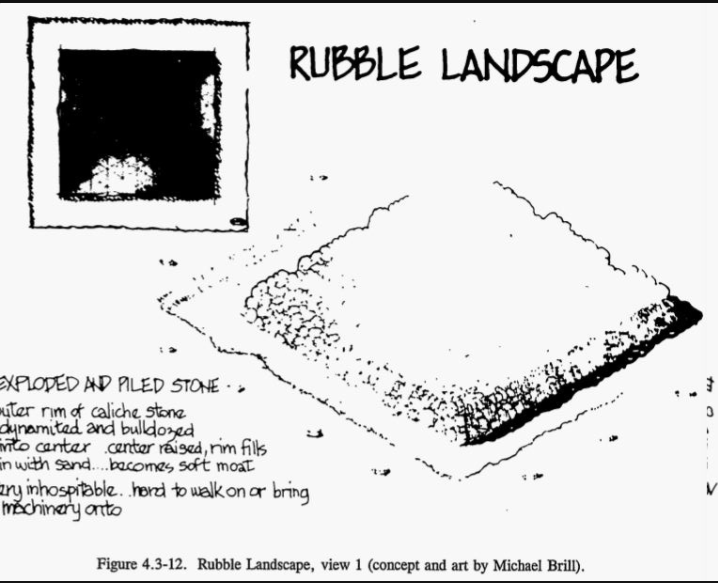
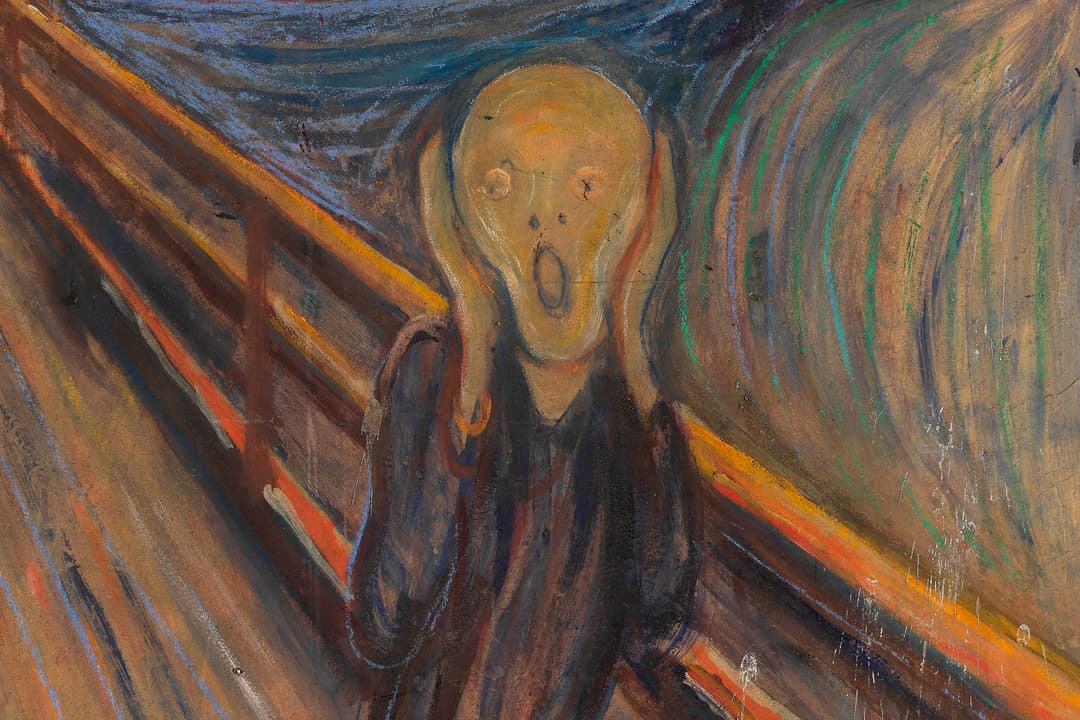
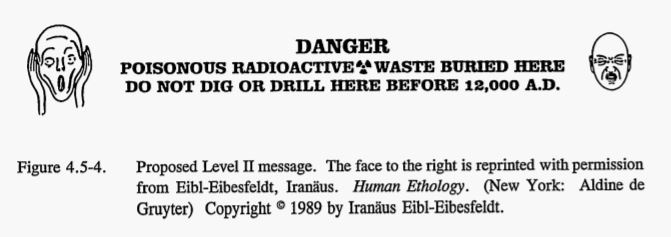
- Level II: "Something made by humans is here, and it is dangerous." Conveyed through emotionally repulsive architecture — spike fields, ominous earthen mounds, unsettling shapes that trigger instinctive avoidance.
- Level III: Basic information answering what is buried here, where exactly, and why it is dangerous. Inscribed on granite monoliths in multiple languages and pictographic systems.
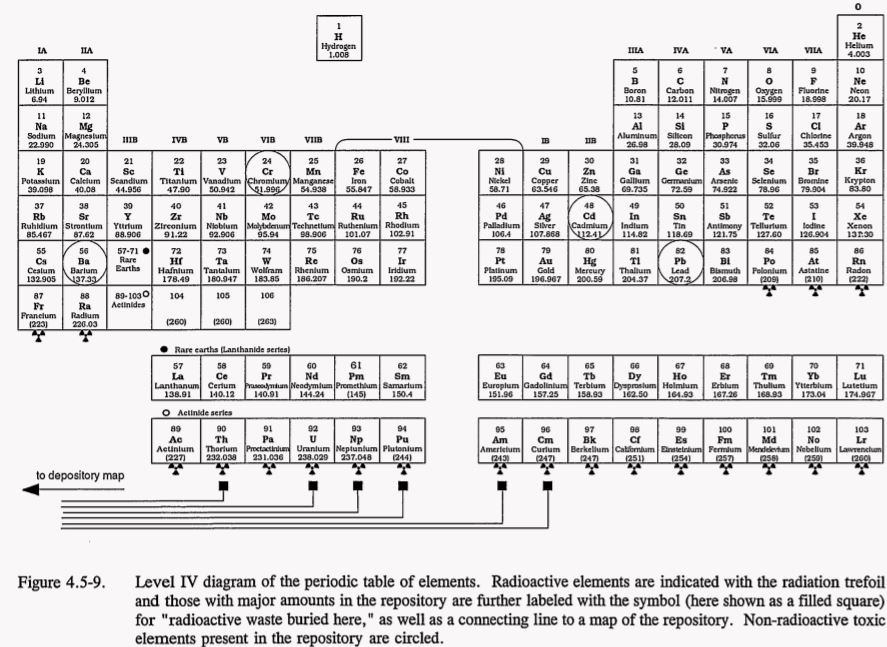
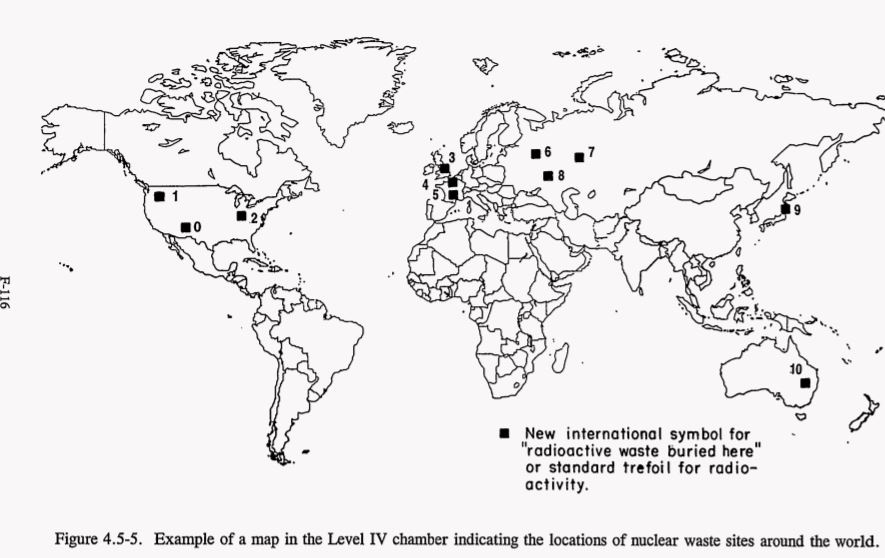
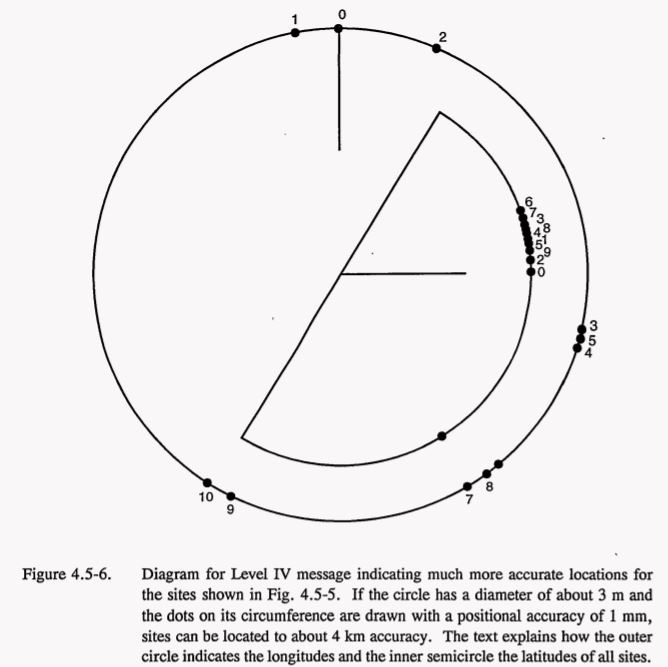
- Level IV: Complete technical specifications, including detailed maps, radiation decay timelines, and scientific data. Stored in underground "information kiosks" — buried concrete chambers with inscribed walls.
Threatening Landscape Design
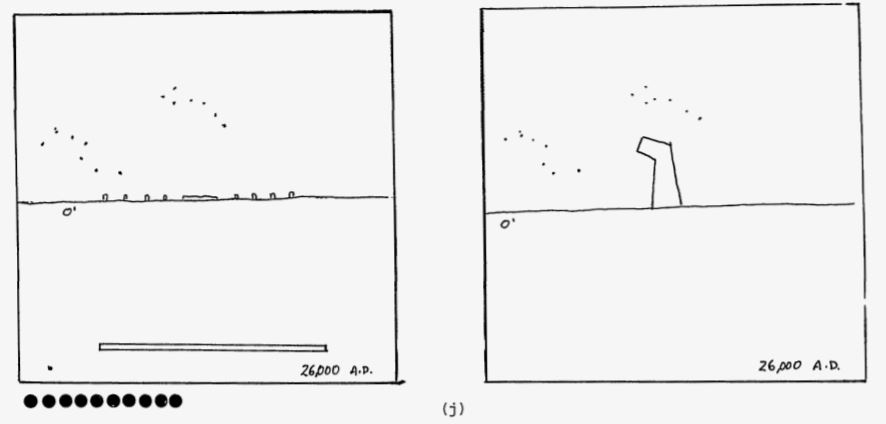
For Level II, the Sandia team proposed some truly remarkable designs. One concept featured a field of enormous concrete spikes, 25 feet tall, jutting from the earth at aggressive angles. The intent was purely emotional — the landscape should feel deeply wrong, hostile, unwelcoming. No rational analysis required, just primal aversion.
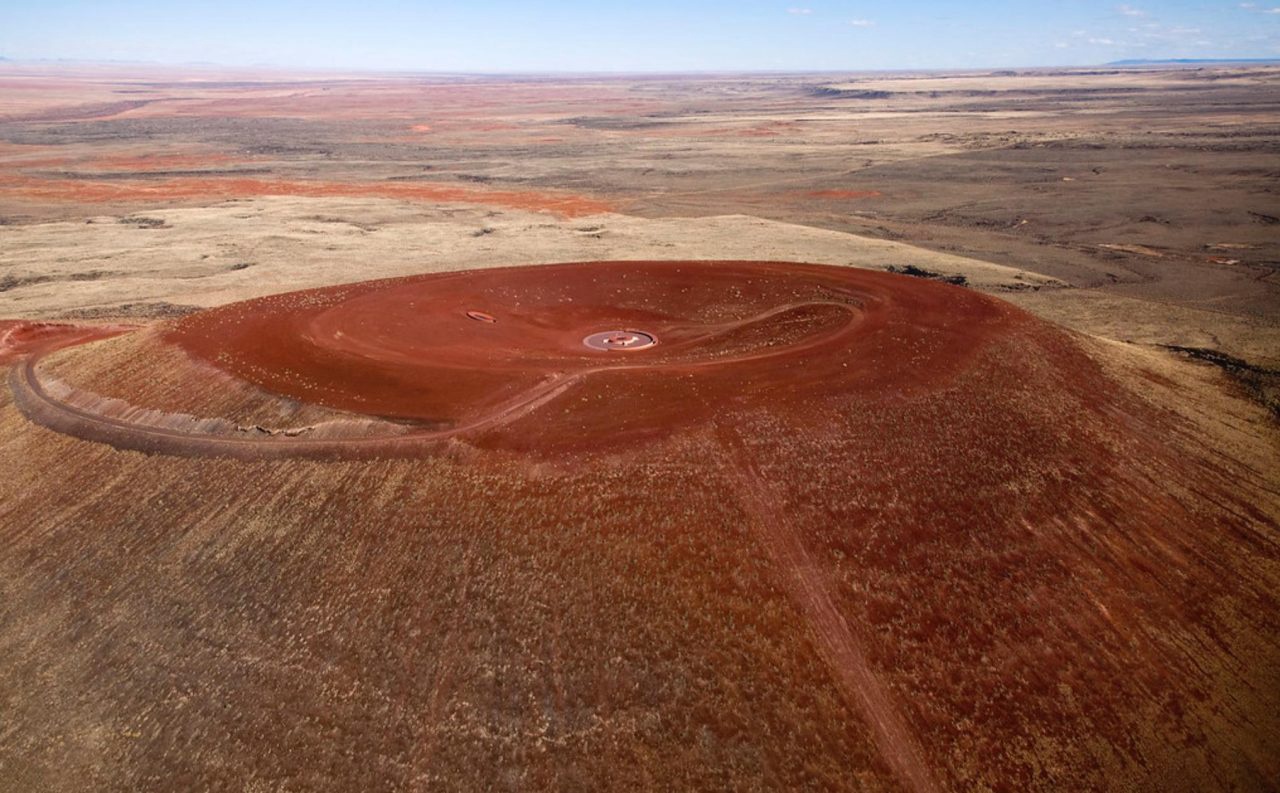
Another proposal involved a landscape of massive, forbidding earthen berms arranged in patterns suggesting radiation symbols — even if the symbol itself was forgotten, the imposing, clearly artificial topography would signal "stay away." The berms would be embedded with materials possessing non-natural magnetic or dielectric properties, ensuring that even a basic physical survey would reveal something abnormal.
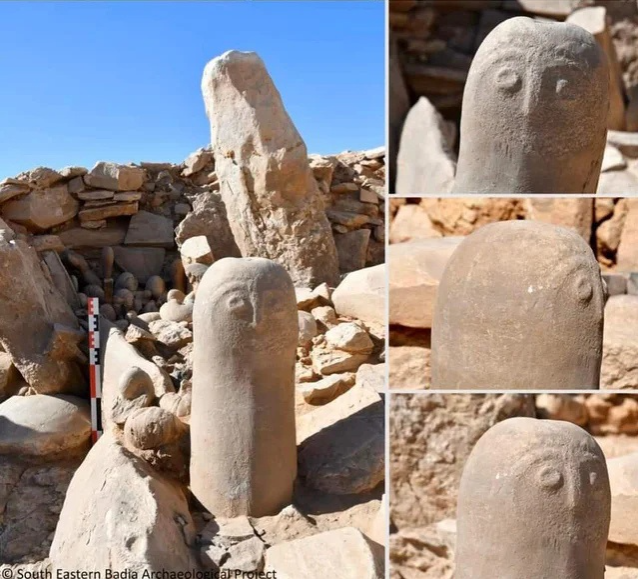
Granite Monoliths and Pictograms
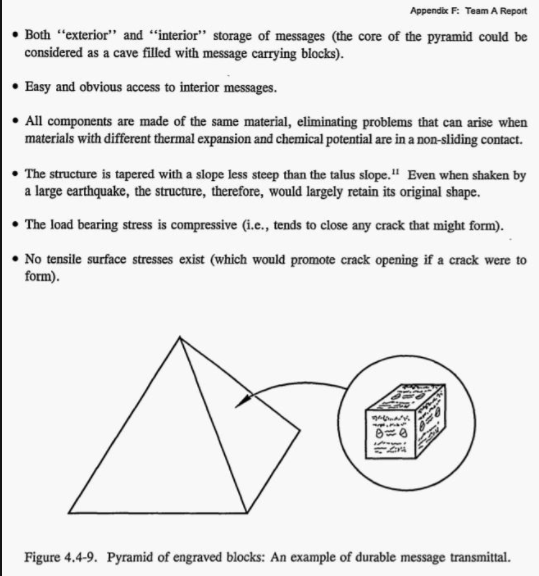
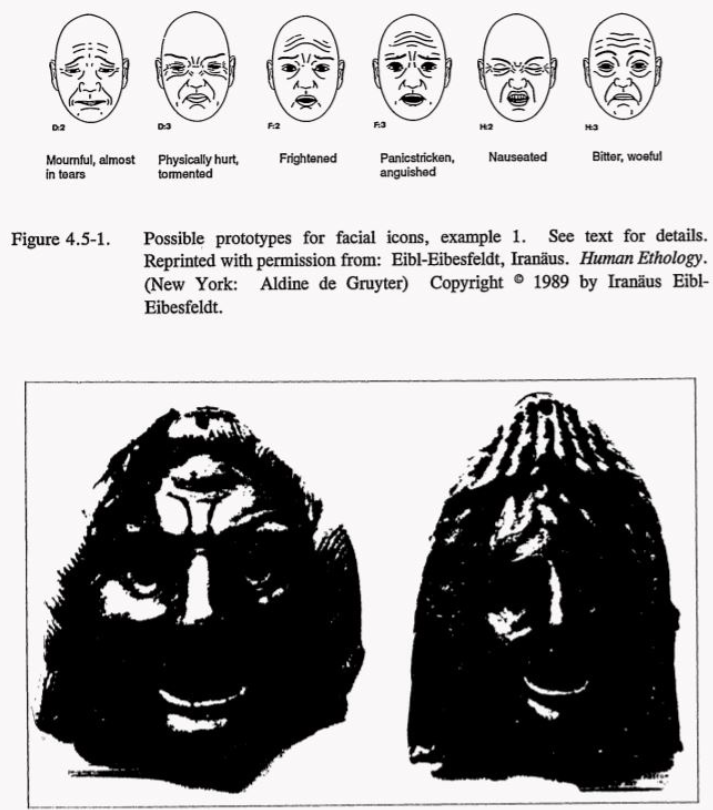
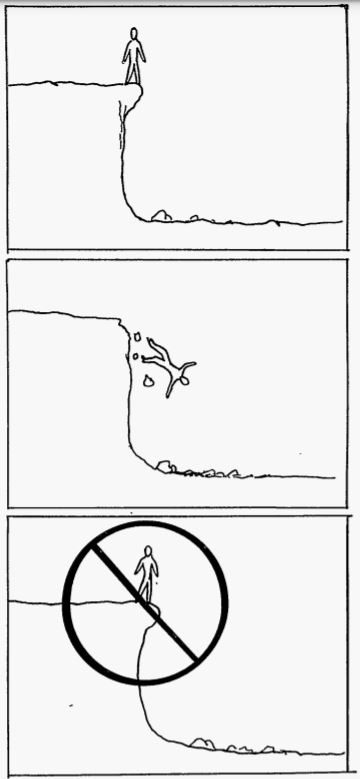
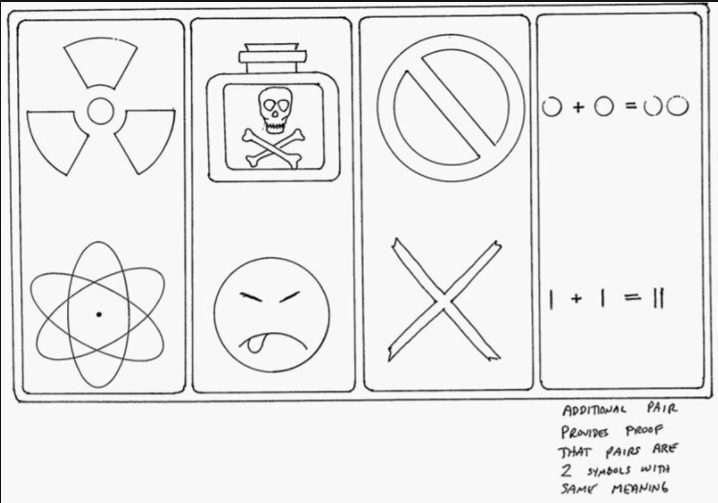
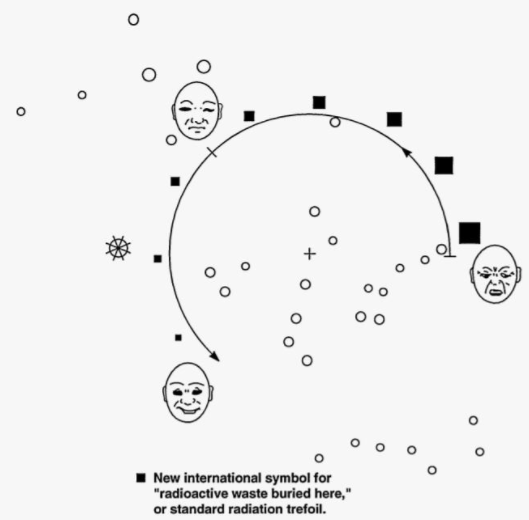
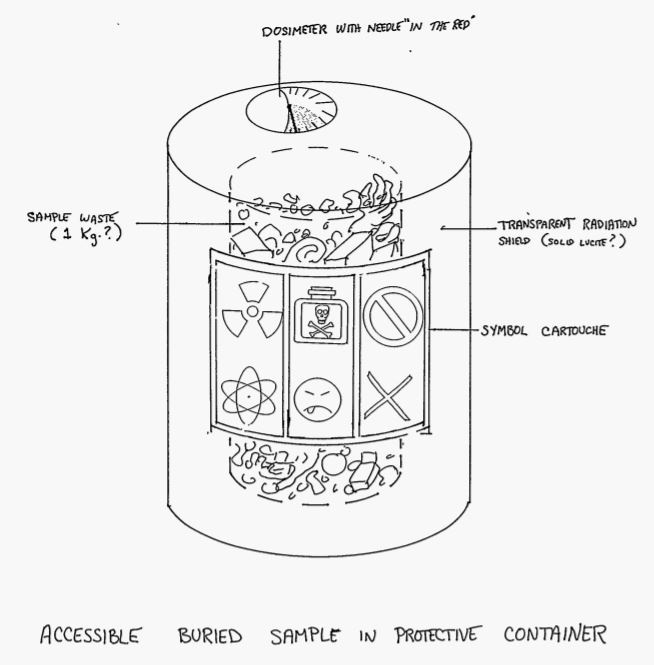
For Level III, the proposals included granite monoliths inscribed with messages in all current United Nations languages plus pictographic systems. The monoliths would be positioned at heights calculated to resist burial by sediment accumulation over millennia. The inscriptions would feature universal symbols: skulls, suffering faces, prohibition signs, and radiation trefoils.
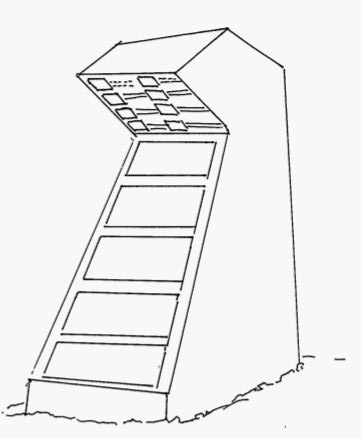
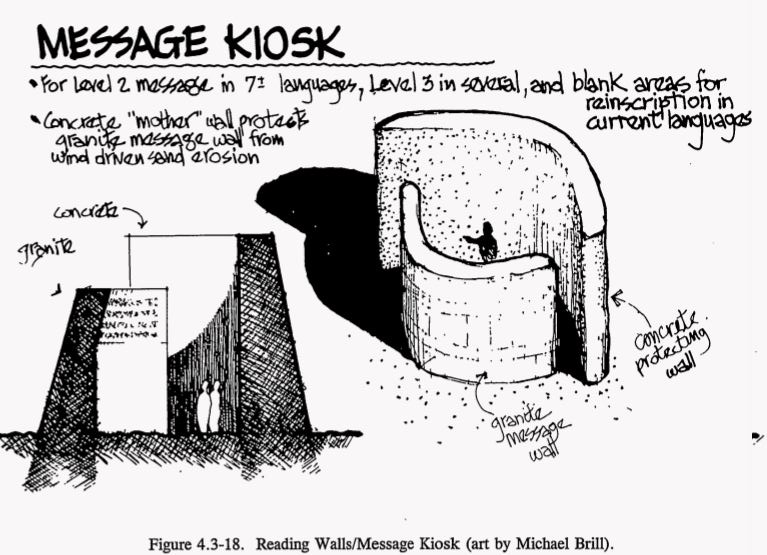
Underground Information Kiosks
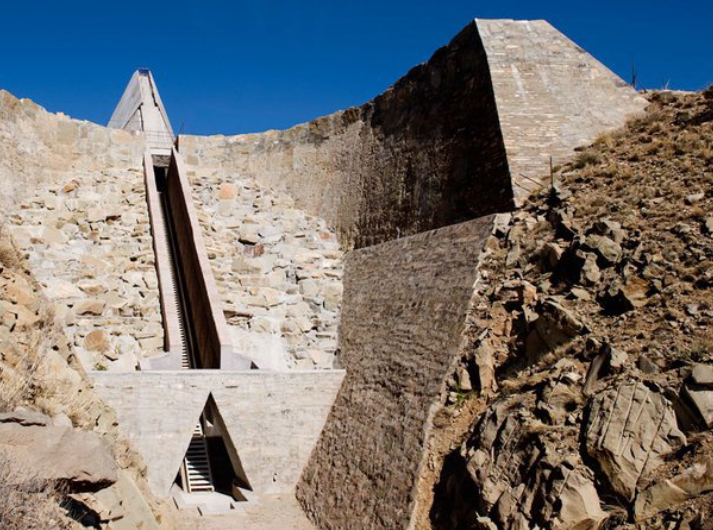
For Level IV, the most detailed information would be stored in underground concrete chambers — the "kiosks." These rooms would have all interior walls covered with technical data: maps, timelines, radiation measurements, and astronomical diagrams showing the positions of stars at the time of burial and the date when radiation levels would decay to safe levels. The kiosks would be buried at various depths, calculated so that natural erosion would gradually expose them over the millennia — ensuring that at any given time, at least one would be accessible.
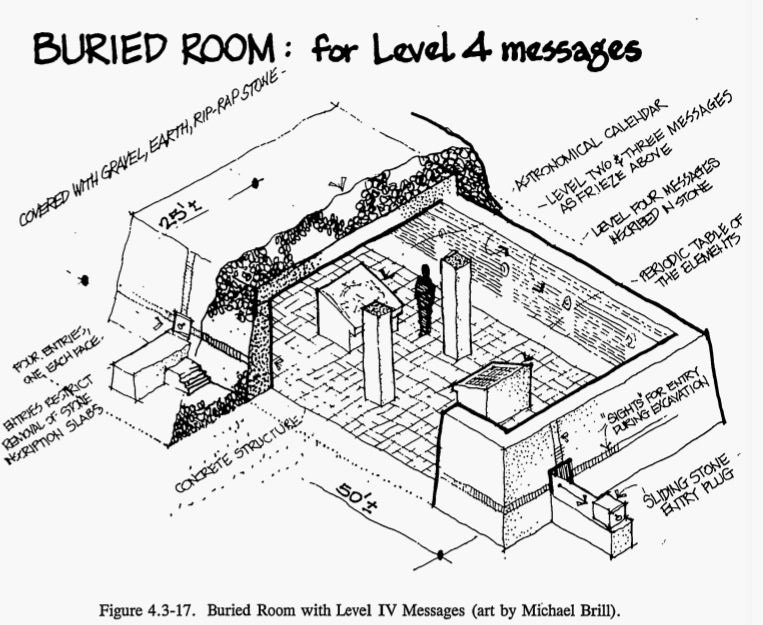
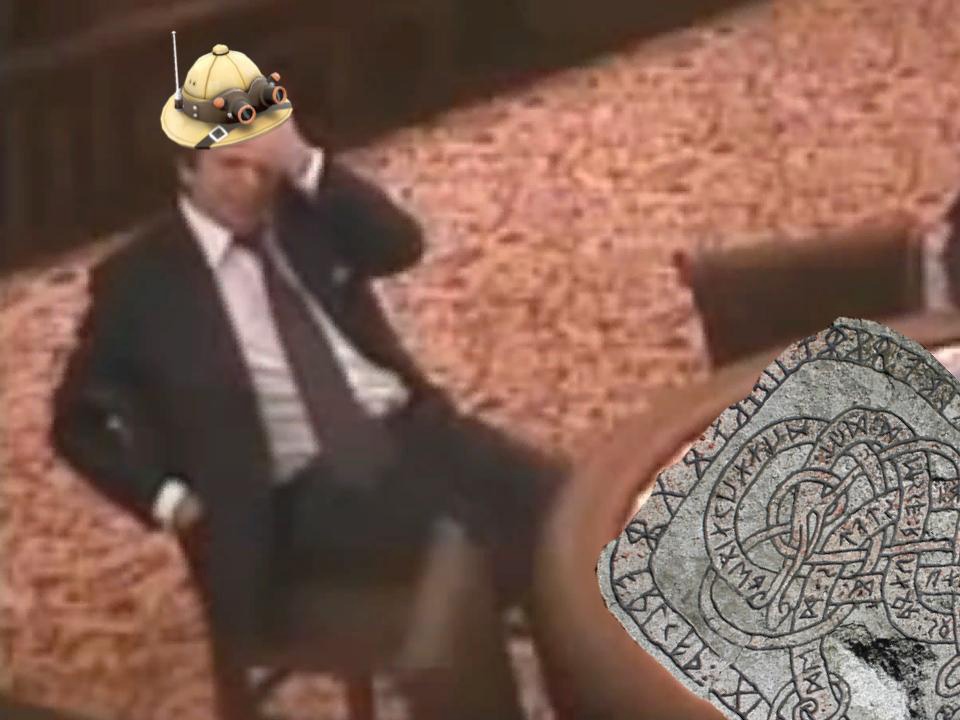
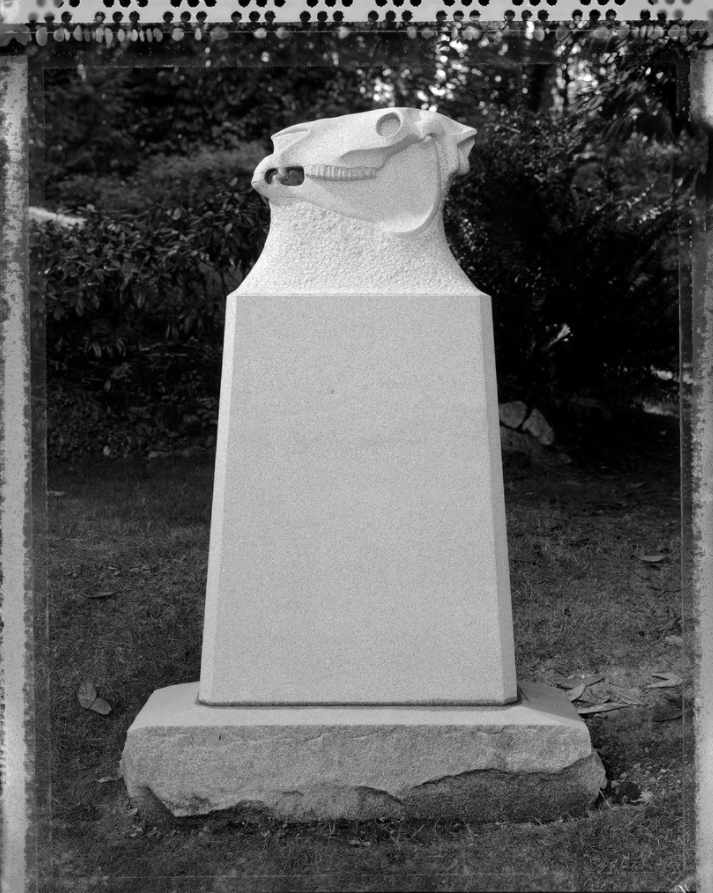
Creative Warning Systems
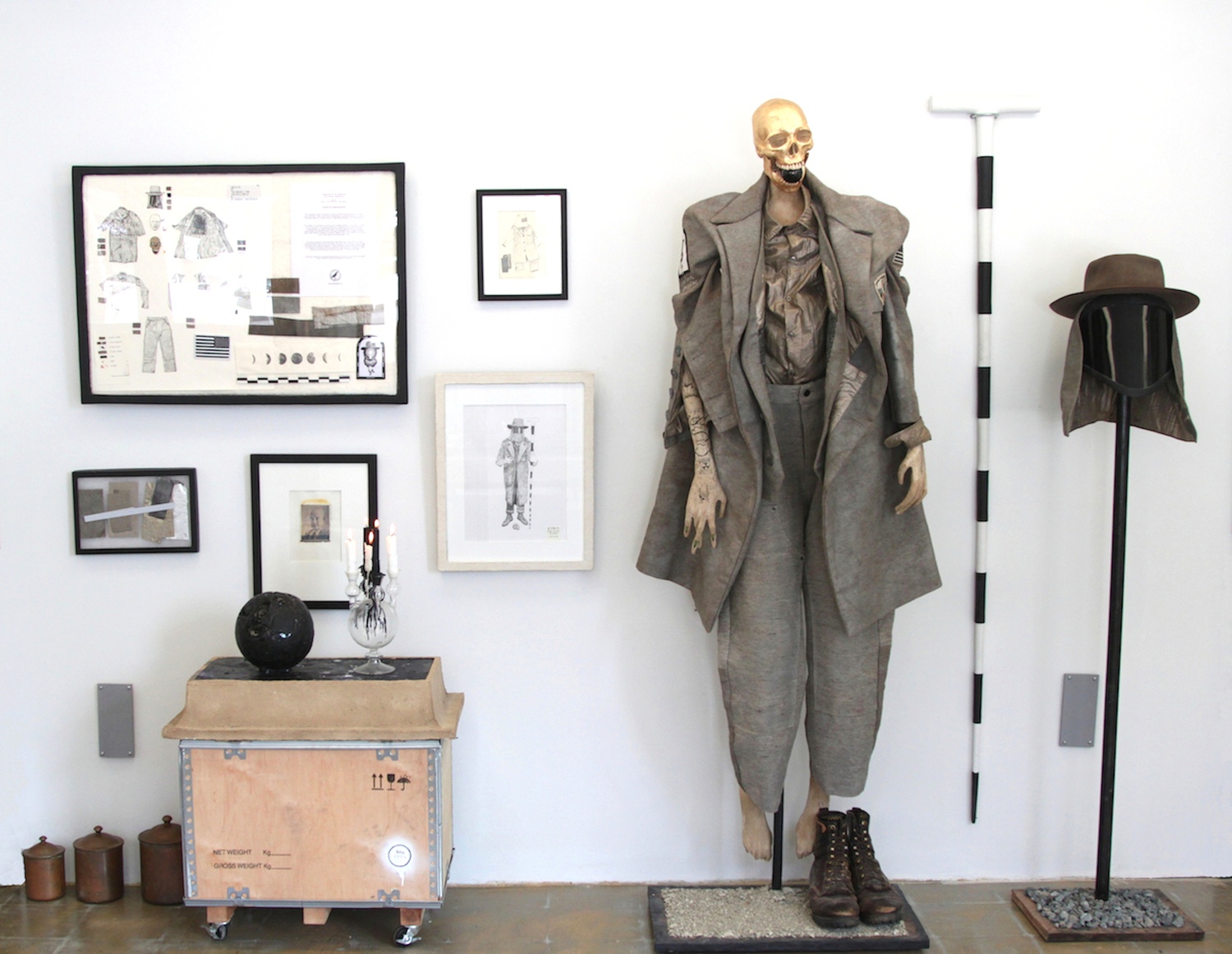
The Atomic Priesthood
Linguist Thomas Sebeok proposed perhaps the most creative solution: establish a permanent religious order — an "Atomic Priesthood" — whose sole purpose would be to maintain knowledge of the repository's danger across millennia. Just as the Catholic Church has preserved rituals, texts, and taboos for two thousand years, this priesthood would maintain the warning as sacred dogma. The approach leverages humanity's proven ability to transmit information through religious tradition — arguably the most durable information-transfer mechanism our species has ever produced.
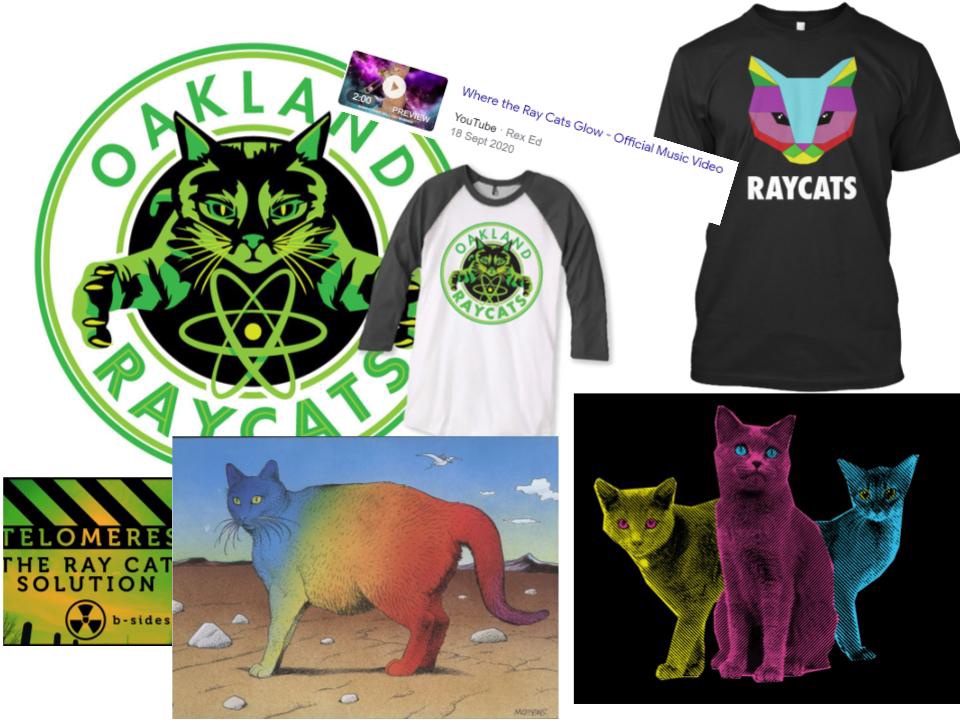
Ray Cats
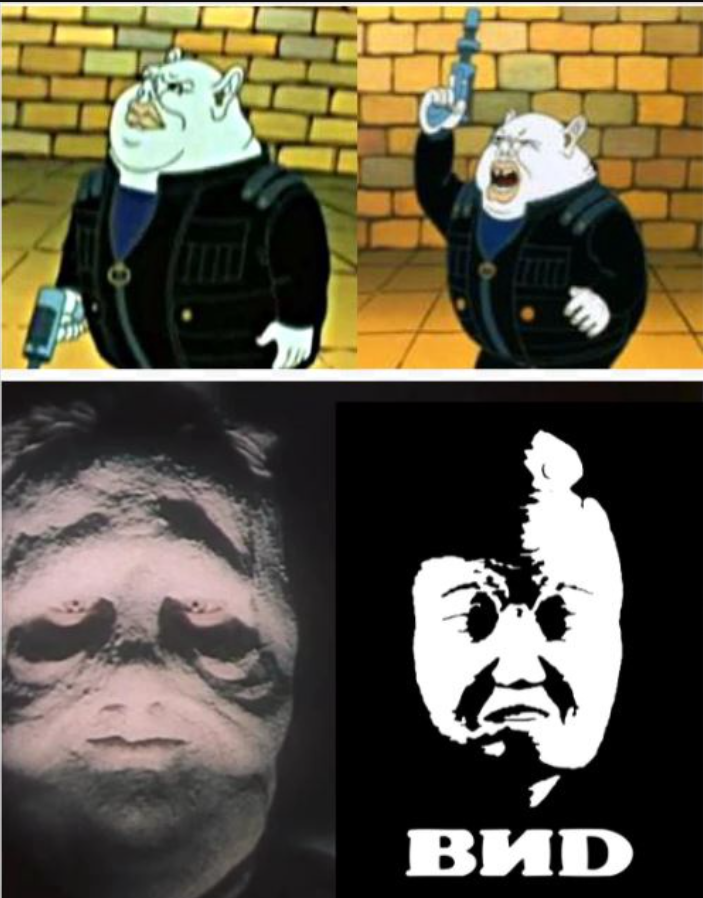
Philosopher Françoise Bastide and semiotician Paolo Fabbri proposed an even more imaginative solution: genetically engineer cats whose fur changes color — or glows — in the presence of radiation. The idea was that cats, as humanity's most enduring animal companions, would likely survive alongside us through any civilizational collapse. Cultural mythology about "glowing cats meaning danger" could be embedded through songs, fairy tales, and traditions — information vectors far more durable than written language.
The concept even spawned a small cultural movement. Artists created songs and stories about "ray cats," and the idea captured public imagination as a testament to the creative lengths required when communicating across deep time.
Finland's Final Decision
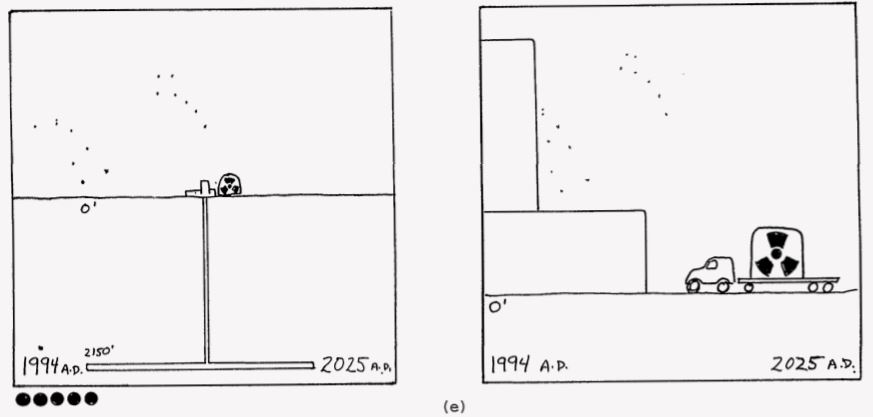
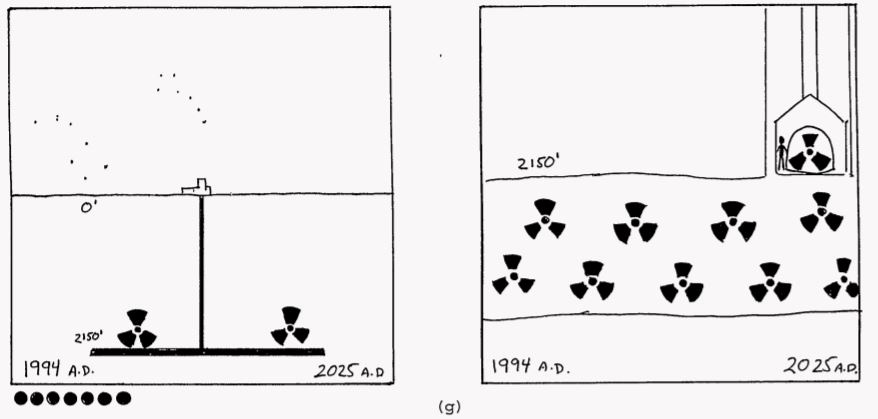
After considering all these proposals — spike fields, granite monoliths, atomic priesthoods, and genetically modified cats — Finland's Posiva company made a characteristically Finnish decision: do nothing.
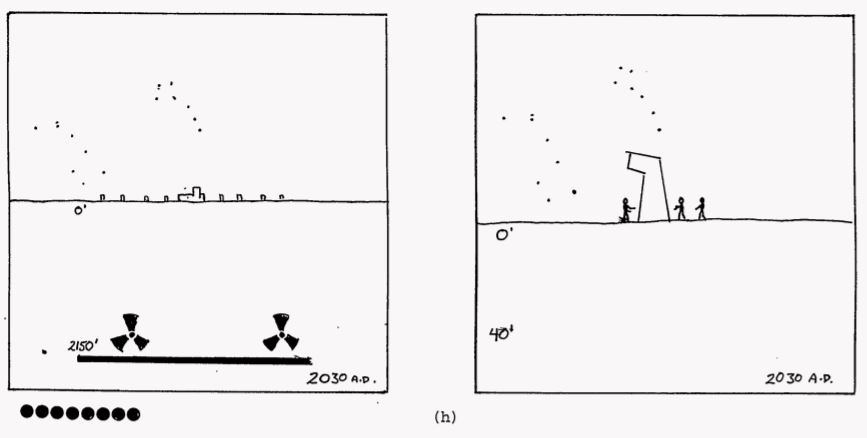
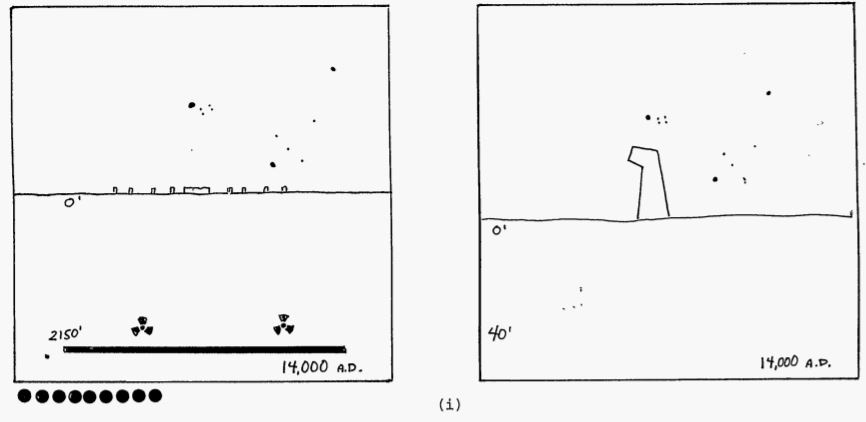
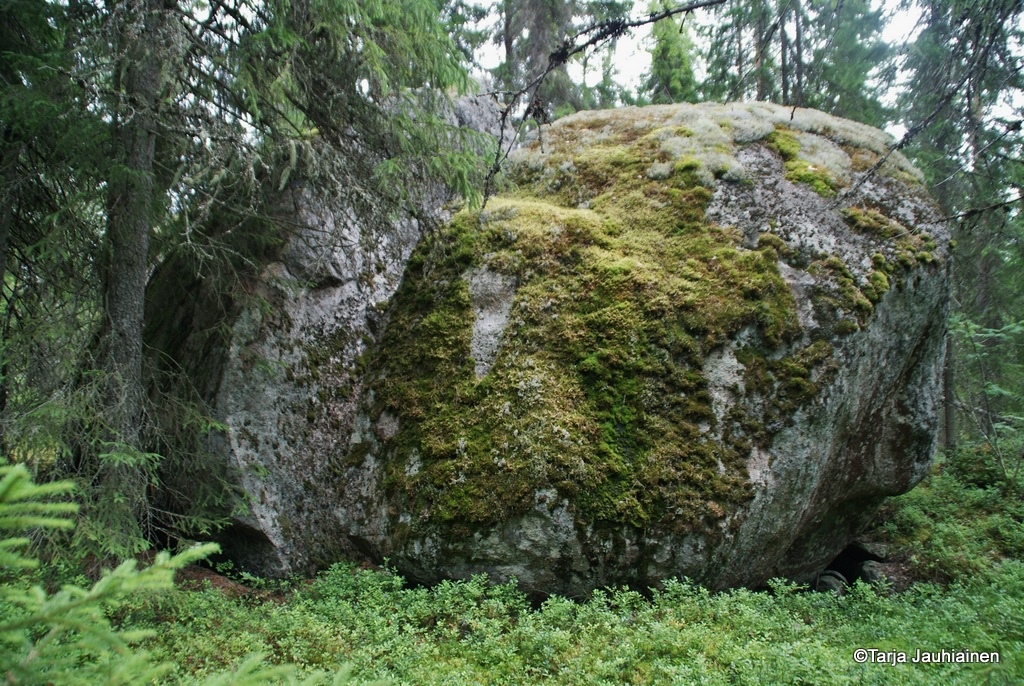
More precisely, they chose deliberate obscurity. When ONKALO is full and sealed, the entrance will be covered with natural granite boulders indistinguishable from the surrounding landscape. Minimal surface markers. No spike fields, no monoliths, no priesthood. The reasoning was simple and pragmatic: any marker system that successfully communicates "something important is here" inevitably attracts investigation. A prominent warning is indistinguishable from a prominent invitation.
Instead, Finland relies on institutional memory — government archives, geological surveys, international records. If civilization persists, these records will too. If civilization falls so far that all institutional memory is lost... well, then humanity will also have lost the technology needed to drill 500 meters through solid granite. You can't accidentally stumble upon ONKALO. It requires deliberate, industrial-scale excavation.
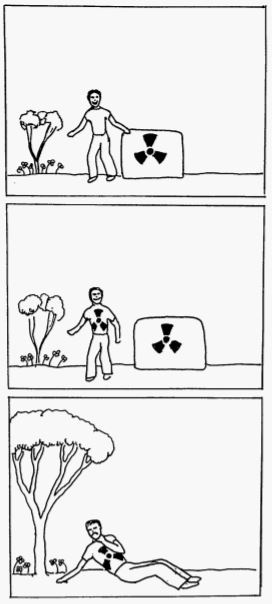
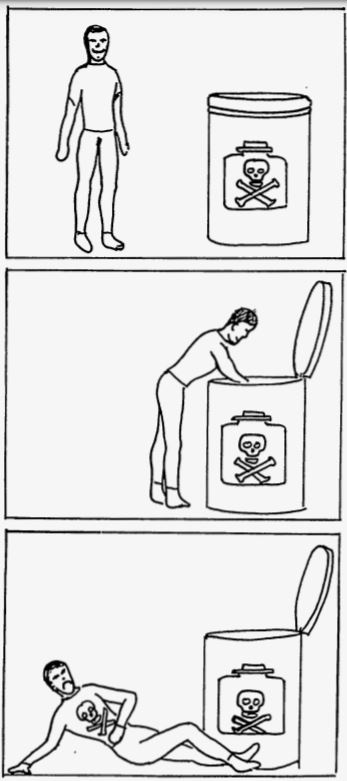
The Finns essentially bet on a simple truth: the best protection is being forgotten. Bury it so deep and so thoroughly that it decomposes faster there than it sees daylight again.
Global Impact
ONKALO's approach has influenced nuclear waste strategy worldwide. Sweden's SKB company is developing a similar repository. France and other nations are studying the Finnish model. The fundamental insight — that geological disposal in stable bedrock is the safest long-term option — has become the international consensus.
But beyond the engineering, ONKALO forces us to confront something profound about our place in time. We are a species that builds for decades, plans for years, and worries about tomorrow. The Finnish engineers at Posiva were asked to think in terms of a hundred thousand years — a timespan so vast that it dwarfs all of recorded history. They rose to the challenge with characteristic Finnish pragmatism: build it right, seal it up, and walk away.
ONKALO is, in a very real sense, a wonder of the world. Not because of its size or beauty, but because of its ambition: to endure longer than any human creation ever has. The pyramids are five thousand years old. ONKALO is designed to last twenty times longer. And if everything goes according to plan, nobody will ever know it was there.