Music in Keygens
A deep dive into the history of keygen music — from early cracktros on Apple II and Commodore 64 to the tracker and chiptune traditions that defined the sound of 2000s software piracy.
One of the most nostalgic topics in computer music is the sound of "cracks" and "keygens." Many people remember this music and have even searched for their favorite tunes from their youth. But where did it come from, why does it sound the way it does, and how did this tradition begin?
Origins
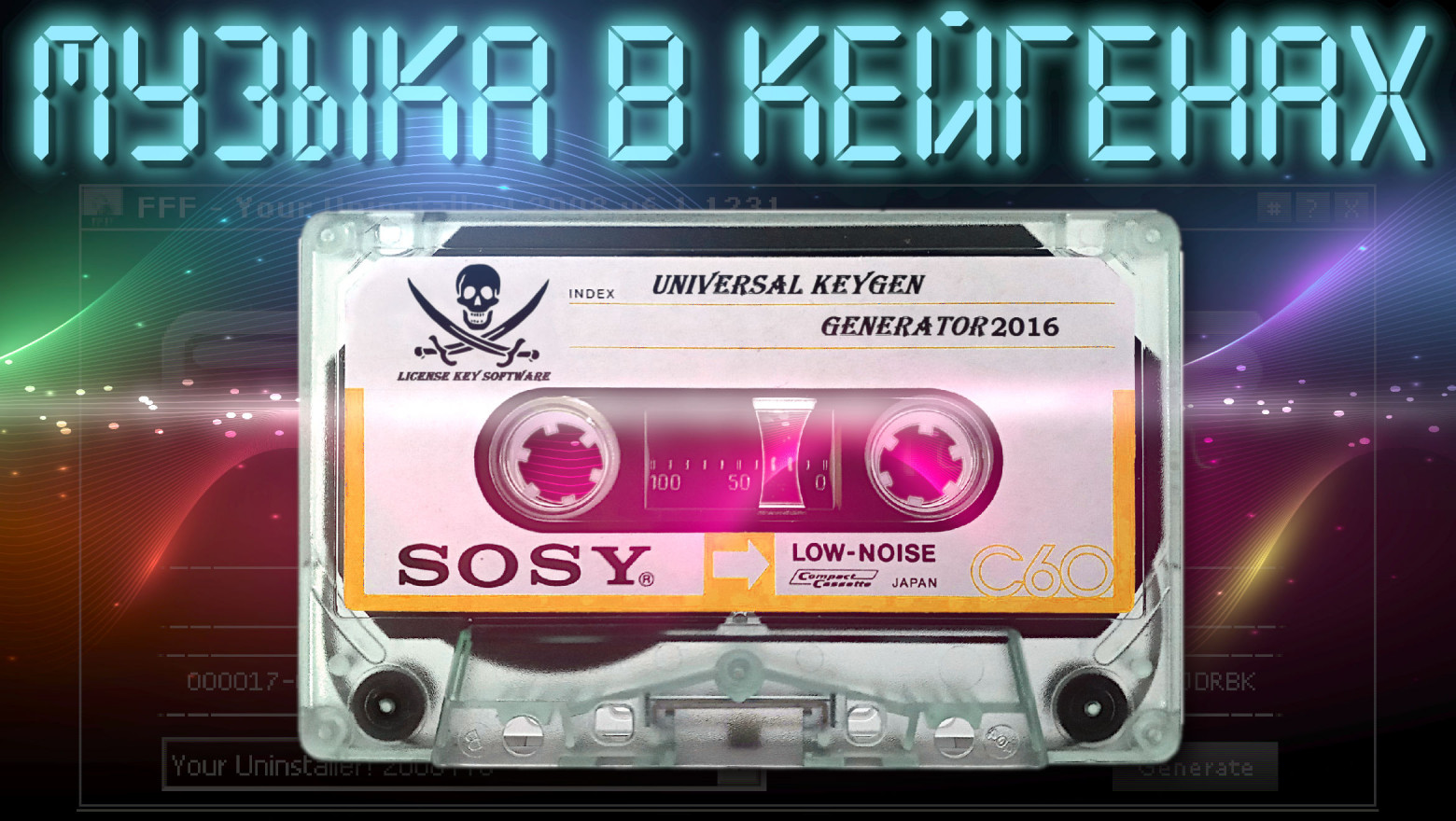
The story begins in the early 1980s and is tied to computer piracy. With the emergence of commercial software came a movement of pirates who tried to crack copy protection and distribute programs for free. This process was called "cracking," which gave rise to the "crack scene" or warez scene.
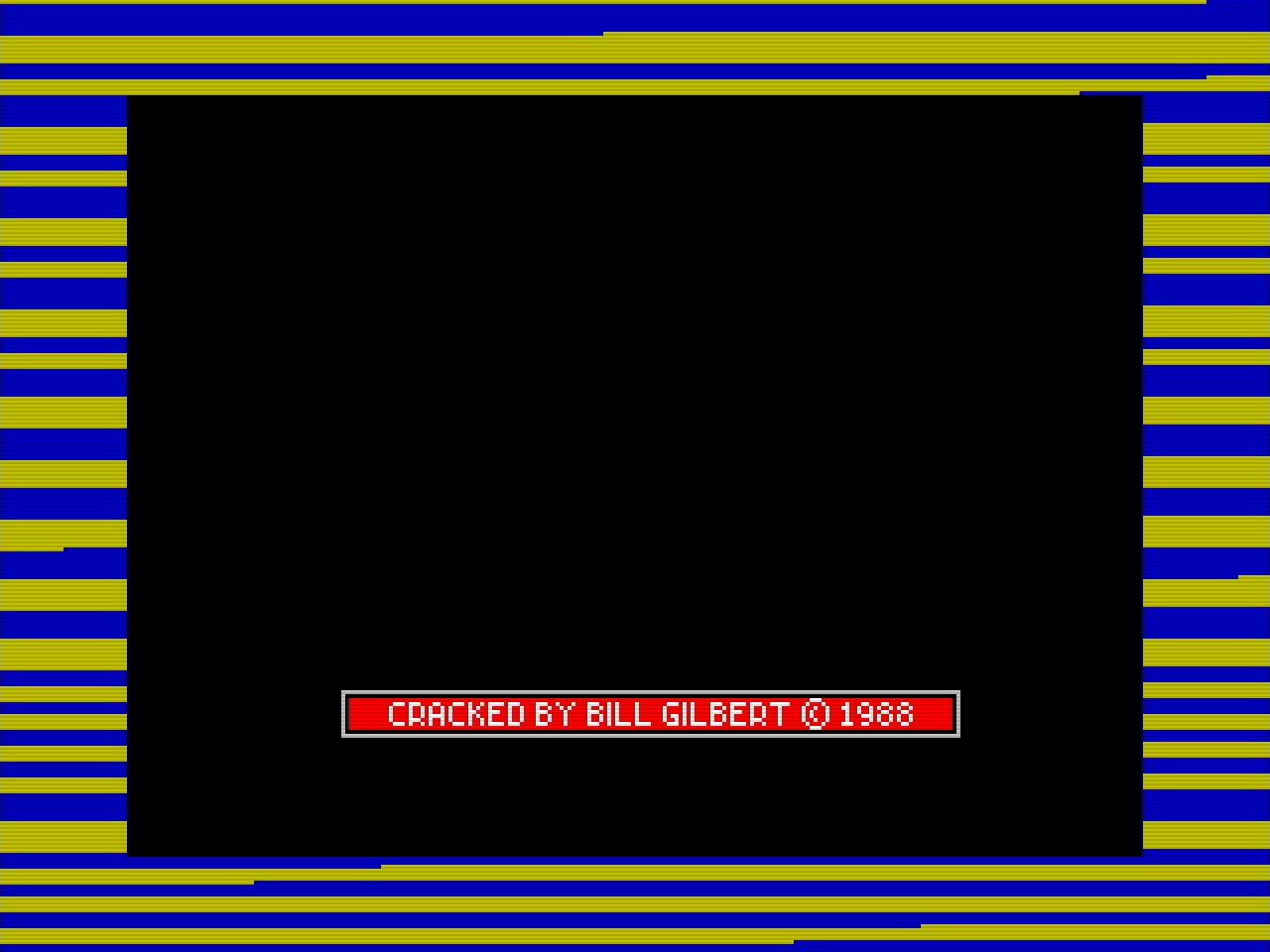
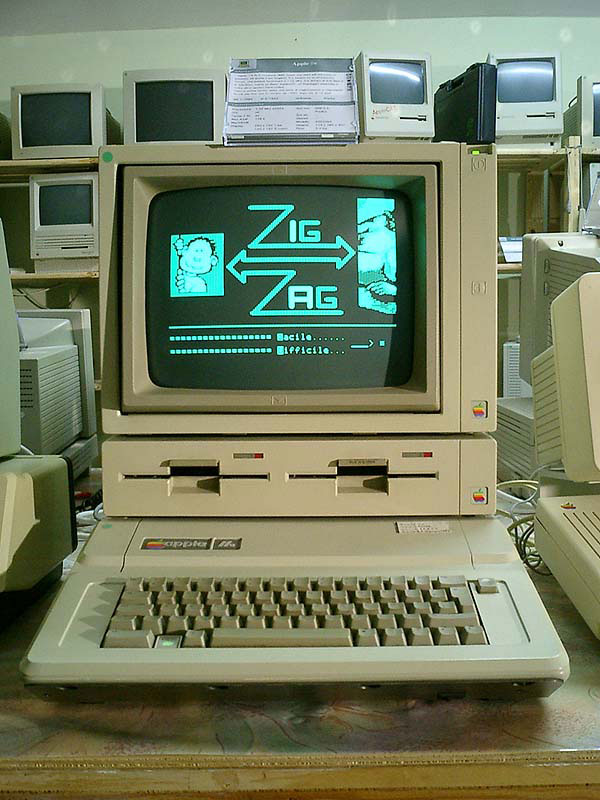
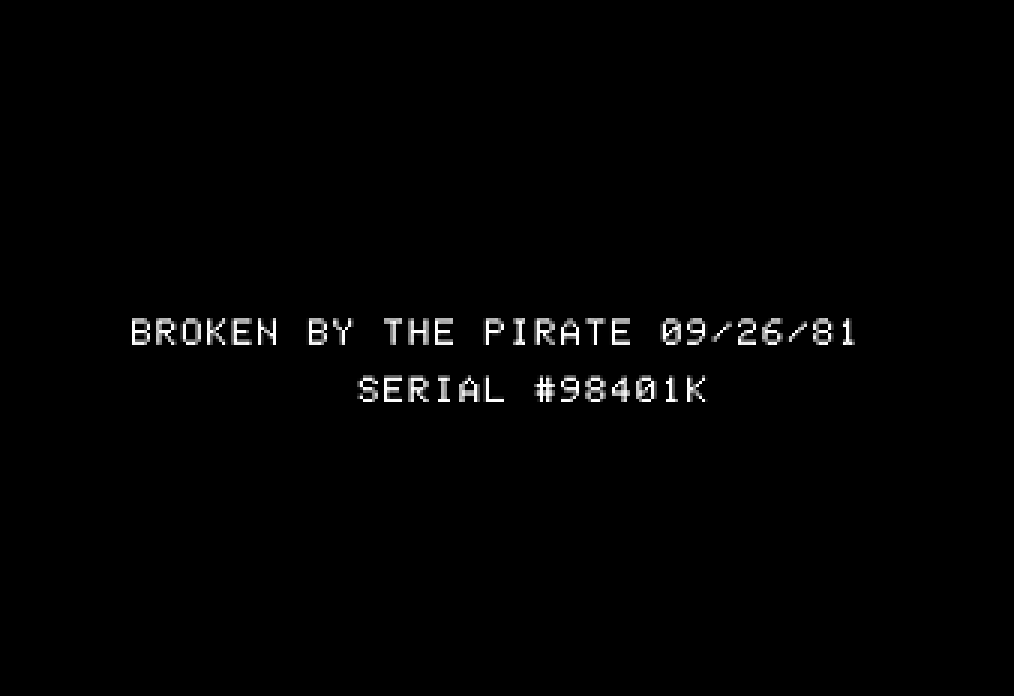
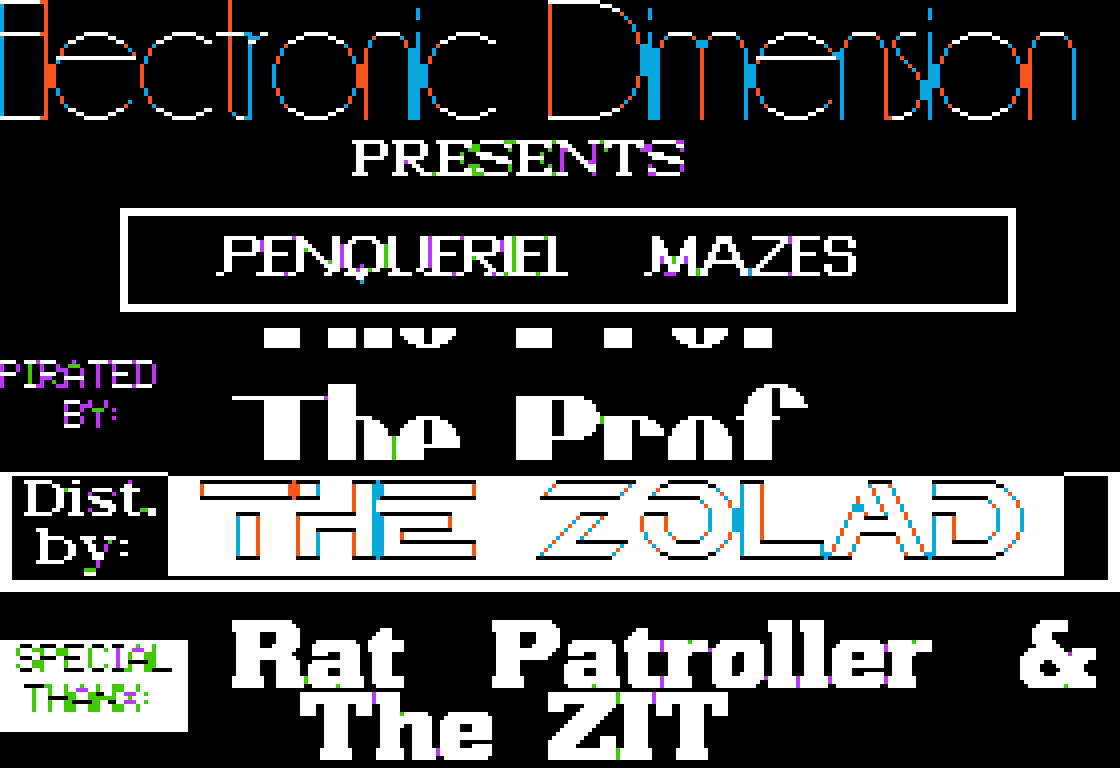
The first cracktros appeared on the Apple II. Pirates added text signatures to cracked programs — a kind of calling card demonstrating their skill. The first known cracktro appeared in the game "Crush Crumble & Chomp" in September 1981, created by a pirate known as The Pirate. Graphical elements followed between 1982 and 1984.
On the Apple II, sound capabilities were minimal — just a simple "beeper." So early cracktros were silent, like a silent film.
The Golden Age
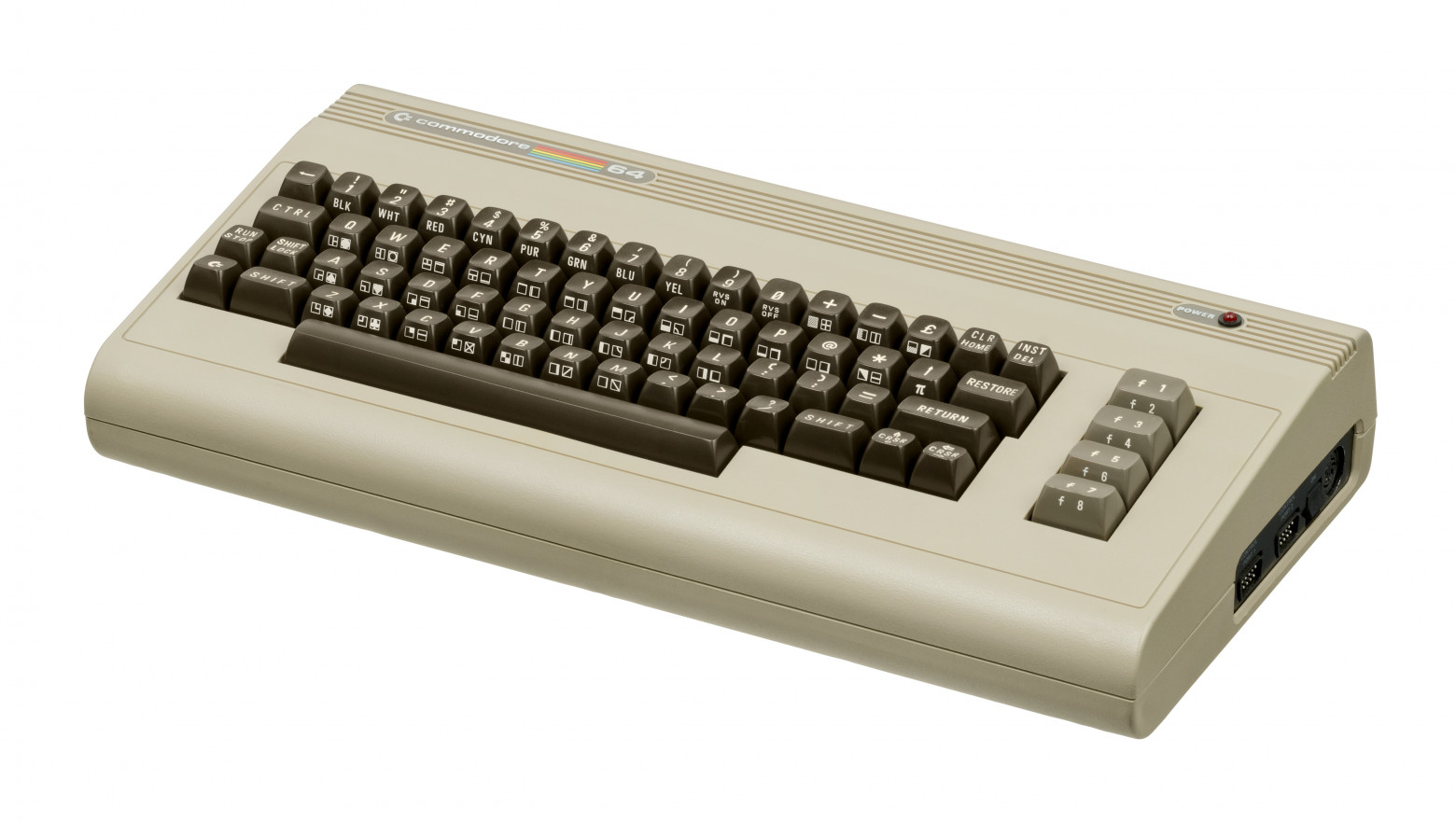
The Commodore 64 (1982) changed everything. This computer featured the legendary SID sound synthesizer, capable of producing complex sounds. It generated simple waveforms (square, sawtooth, triangle, sine, noise) and processed them through a resonant filter.
C64 cracktros began to include music — first borrowed from games, then original compositions. Ocean loaders typically played original melodies during loading.
The demoscene was born from the natural evolution of cracktros. Instead of simple splash screens for cracked software, enthusiasts began creating standalone demonstration programs combining code, graphics, and music.
The Commodore Amiga continued this tradition. It gave rise to the tracker format — a music editor for creating compact music. The Ultimate Soundtracker (1987) and ProTracker established the standards.
Chiptune and Tracker Music
Chiptune is not a genre but a technical characteristic of music synthesized by simple sound chips or emulating their sound.
On the Amiga, a compromise was born: instead of large samples, compact modules with short samples of simple waveforms were used. The arpeggio effect (rapid alternation of notes) created the characteristic "bubbling" sound.
Music became an important part of the demoscene discipline. Music competitions emerged, along with thousands of enthusiast composers.
Keygens of the 2000s
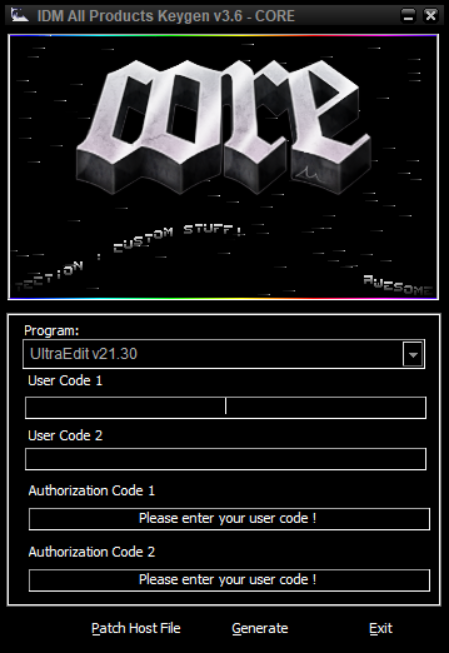
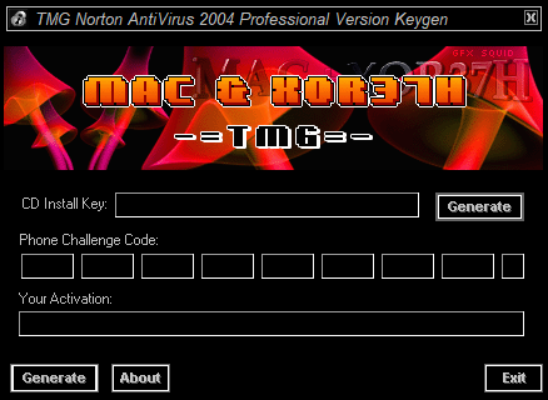
With the spread of PCs and Windows in the early 2000s, the computer entered every home. People encountered "cracks" and the newfangled keygens — activation key generators for software.
Keygens were often accompanied by music in the cracktro tradition. The music drew from:
- Demoscene archives (classic and new tracks)
- Specially created compositions by musicians for warez groups
Some composers started their careers specifically with keygen soundtracks.
The Sound
Keygen music has its characteristic sound thanks to inherited tradition:
Old school (classic approach):
- Simple timbres and arpeggios
- Bright, melodic, motivating tracks
- SID emulation or other vintage chips
- Nostalgic sound referencing 1980s–90s piracy
New school (reimagined approach of the early 2000s):
- Sinusoidal sounds
- Compact strings
- Realistic drums
- Soft, rounded, ambient sound
- Unusual time signatures and keys
- Mysterious mood
Modern beats and streaming audio also make appearances.
Technology: Music Formats
A key feature of keygens is the compact size of their music (10–500 kilobytes). This is a tradition from the dial-up era.
Tracker Formats
MOD (from Module)
- Appeared on Amiga in ProTracker (1990)
- Classic old-school chiptune format
- 4–8 channels, 8-bit samples
- Size: 10–200 kilobytes
XM (eXtended Module)
- FastTracker 2 (1994, MS-DOS)
- Evolution of MOD
- 16-bit samples, envelopes, greater polyphony
- Compatible with MOD effects
IT (Impulse Tracker)
- Impulse Tracker editor (1995, MS-DOS)
- Advanced capabilities, better storage
- Preferred by new-school composers
S3M and FC14 are encountered less frequently.
Synthetic Formats
AHX (1996)
- For Commodore Amiga
- Imitates SID without emulation
- Extremely compact (kilobytes)
- Dynamic timbre changes
Chip Containers
- SID (Commodore 64)
- SC68, YM (Atari ST)
- D00, HSC (AdLib)
Synthesizer Formats
V2M (V2 Synthesizer System, 2004)
- From demo group Farbrausch
- Real-time software synthesis
- Compact size with powerful sound
Other Formats
- MIDI — sound depends on the sound card
- WAV, OGG, MP3 — streaming audio
Legacy
Keygens became carriers of early digital heritage. The keygens themselves are dangerous (viruses), but the music within them is innocent.
Enthusiasts extract and archive this music in various formats:
- Original modules
- Streaming recordings
- Playlists on websites
- Videos on YouTube
Players:
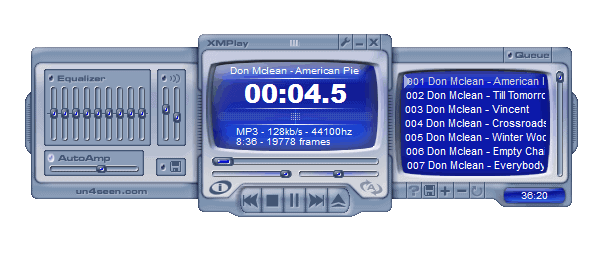
- XMPlay — the best for MOD, XM, IT, and exotic formats
Available archives:
- Archive.org: a collection of 100 best tracks (FLAC)
- Archive.org: ~5,000 original files from keygens
- Keygenmusic.tk: online player with ~4,000 tracks
- Spotify: ~700 tracks in a playlist
- modules.pl and modarchive.org: demoscene music
- deepsid.chordian.net: SID music
- zxart.ee: music for AY-3-8910
The author concludes with a simple question: what keygen melodies do you remember?