The Lyublinskaya Line: Future of an Unloved Past
The dramatic history of Moscow's Lyublinsko-Dmitrovskaya metro line, built during the collapse of the Soviet Union amid economic crisis, material shortages, and worker heroism that brought the line to completion on New Year's Eve 1995.
This article chronicles the construction of the Lyublinsko-Dmitrovskaya line of the Moscow Metro during the 1980s-1990s. This was a line that connected the northeast and southeast of the capital, becoming a "beautiful New Year's gift for 1995" amidst the post-Soviet economic crisis.
Planning Origins (1970s-1980s)
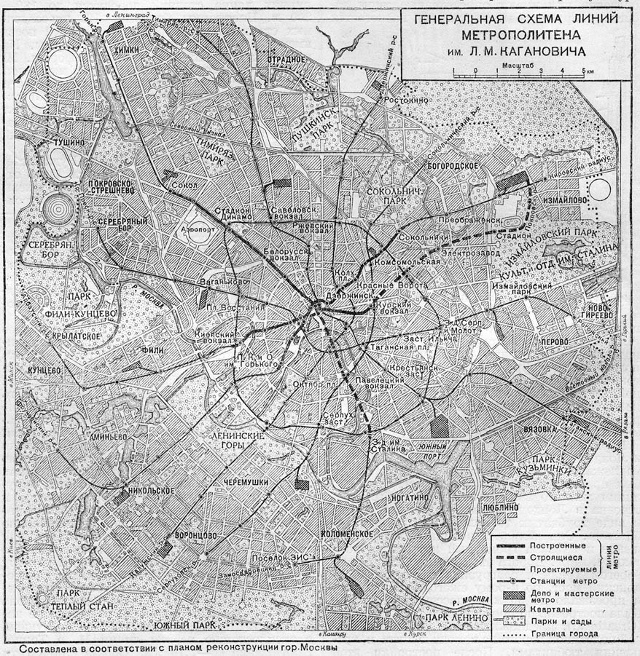
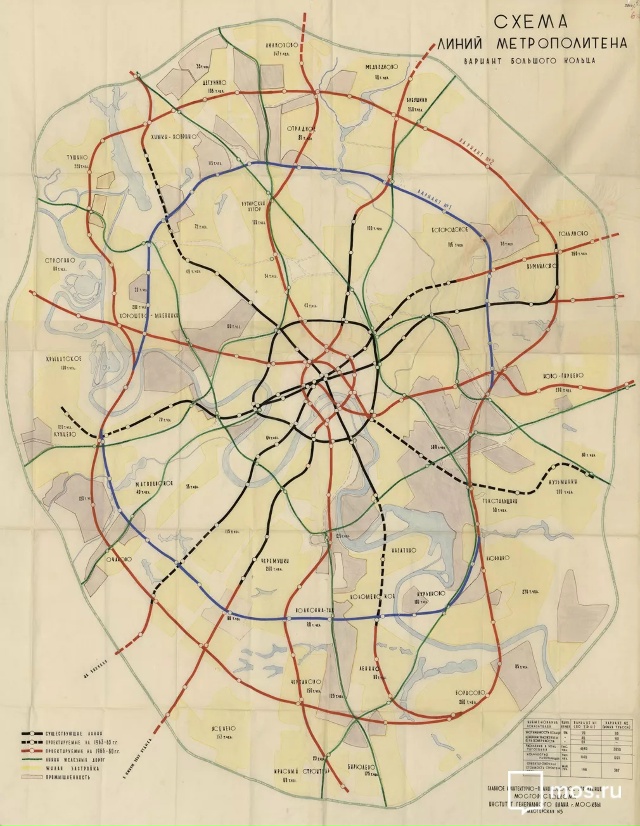
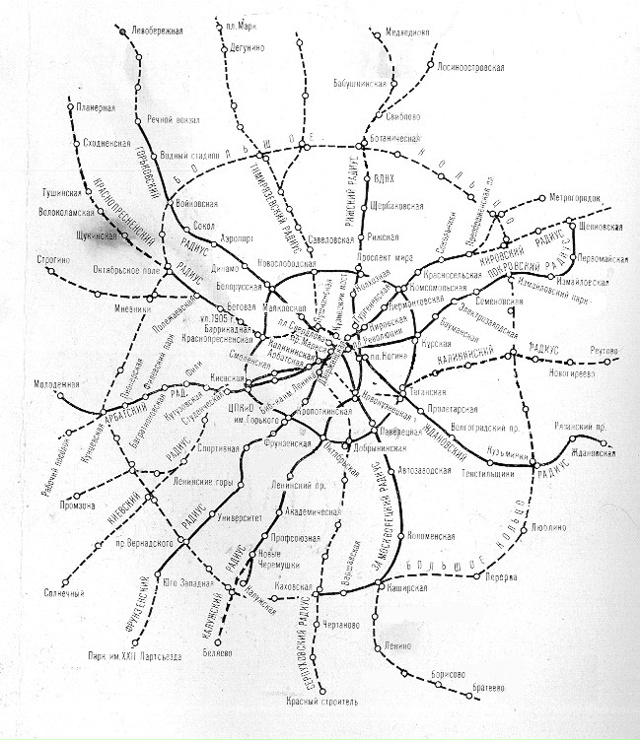
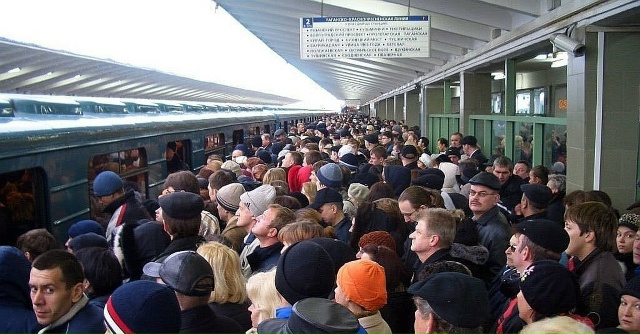
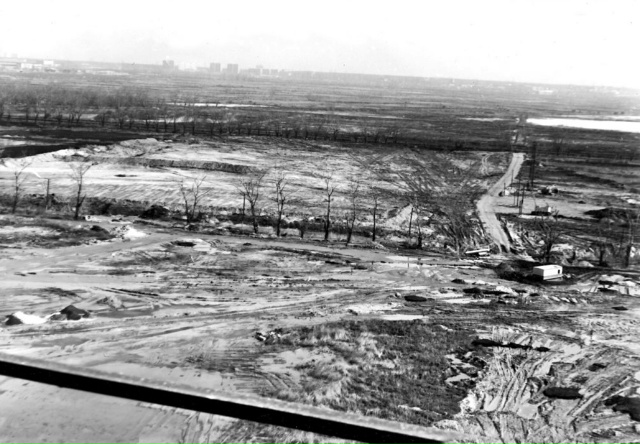
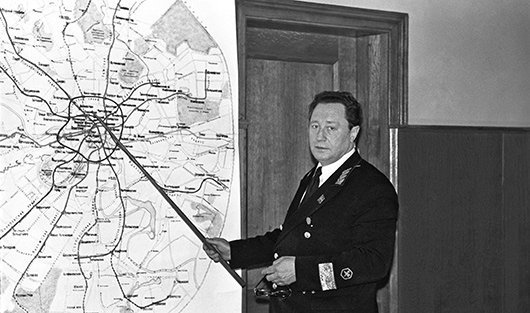
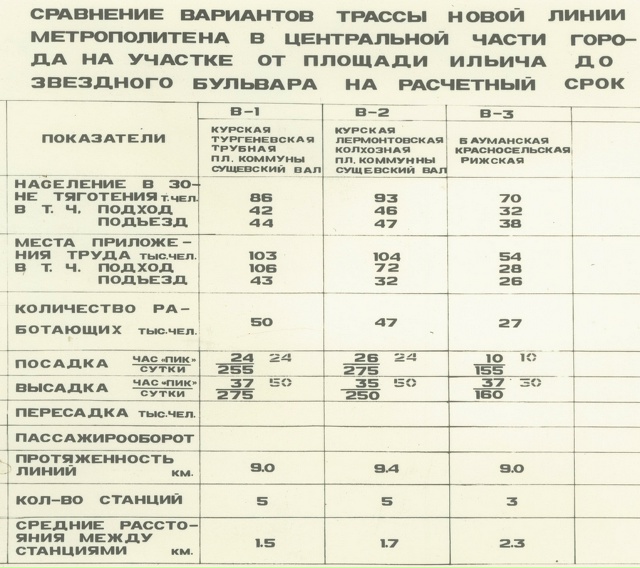
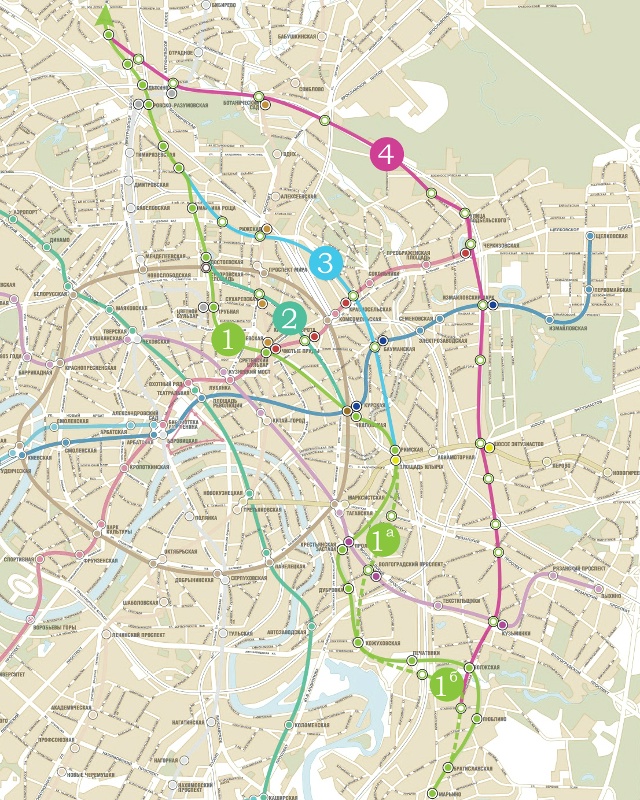
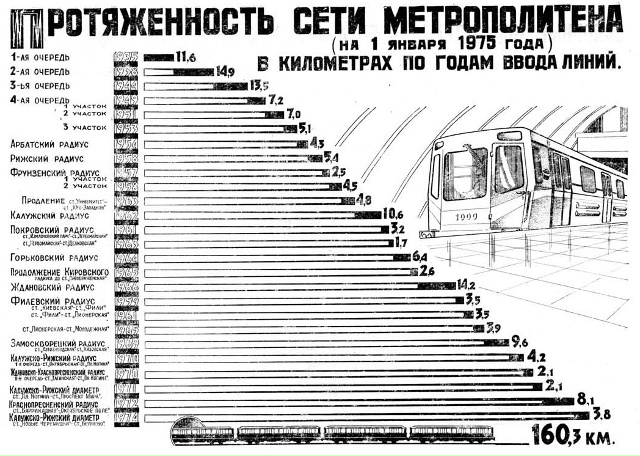
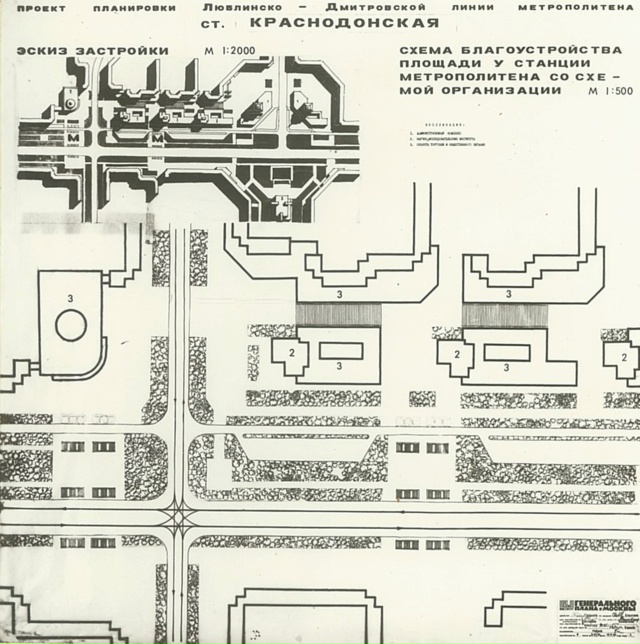
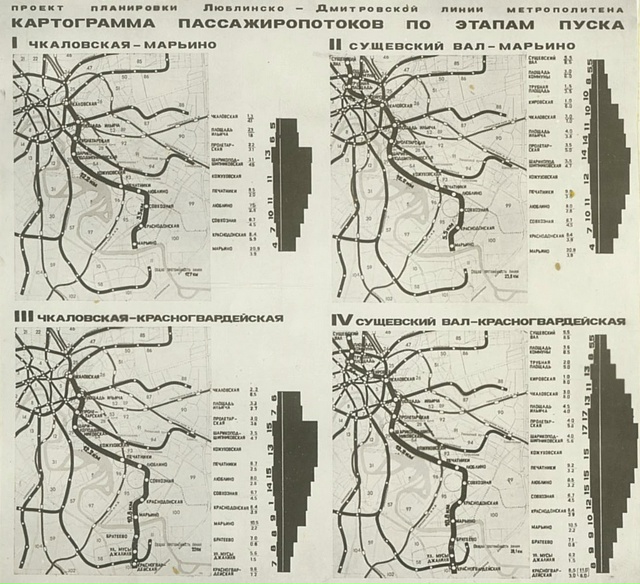
The line's roots trace back to the 1971 General Plan for Moscow's development. Initial proposals included various routing options along the Boulevard Ring, eventually selected over alternative paths including larger ring configurations. The project emerged from practical needs: relieving the overcrowded southeastern radial lines (particularly the Tagansko-Krasnopresenskaya) and serving rapidly developing areas like Maryino and Lyublino, formerly marshland reclamation sites.
Technical Innovations
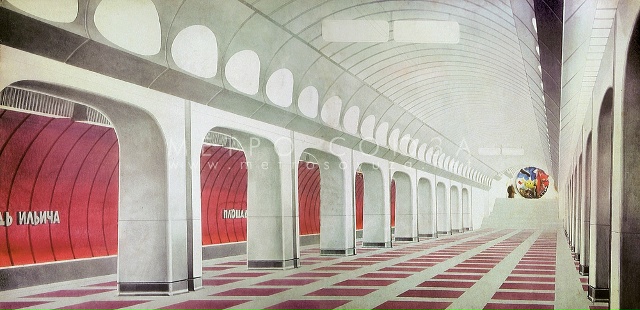
The first section utilized Germany's Wayss und Freytag tunnel boring machine (nicknamed "Stanislav"), representing the line's cutting-edge approach. Construction introduced several station types rarely repeated afterward: single-vault designs (Volzhskaya), column-wall structures (Dubrovka, Krestyanskaya Zastava), and innovative prefabrication methods using reinforced-concrete blocks with neoprene sealing rather than traditional cast-iron segments.
Key Stations and Architecture
Chkalovskaya
Featured innovative curved light guides designed by Nina Alyoshina, intended to evoke Arctic skies related to Valery Chkalov's polar flights. The station combined narrow pylon construction with Greek marble.
Rimskaya
Showcased Italian designers' work with ceramic medallions featuring the Capitoline Wolf and the Mouth of Truth. It contains Moscow's only underground fountain — classical columns with cherubs and water cascading down gabbro walls.
Krestyanskaya Zastava
Employed Roman mosaic technique by Nikolai Andronov, depicting agricultural implements representing peasant labor.
Kozhukhovskaya
Presented automobile design themes through aluminum-housed lighting fixtures, actually created using aviation technology from former aircraft manufacturers.
Pechatniki
The final station of the 1995 section, featuring black suspended ceilings over trackside areas and enamel artwork depicting Moscow labor and recreation.
Volzhskaya
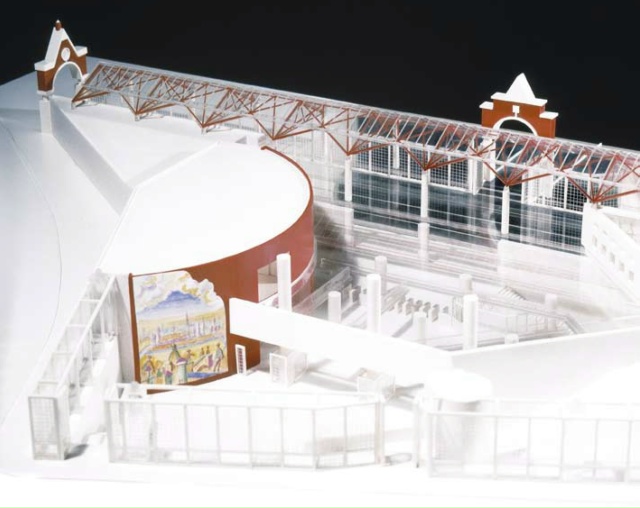
Pioneered single-span construction without central columns, using road-bridge prefabricated beams topped by ribbed concrete panels — a compromise between elevated and underground construction methods.
Construction Hardships (1990-1995)
The project endured multiple crises during the collapse of the Soviet Union:
- Material shortages forced workers to falsify delivery documents
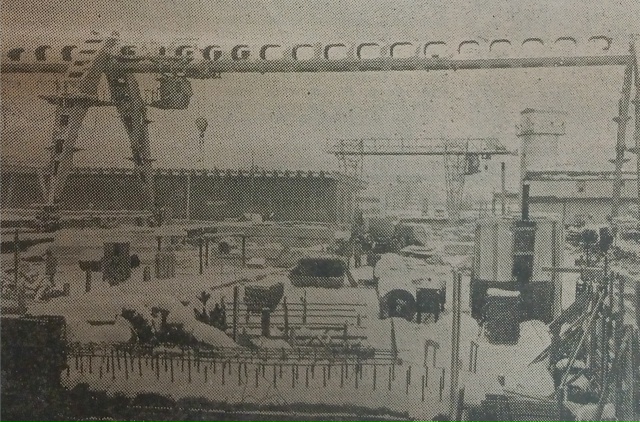
- Substandard concrete from internal sources created constant delays
- Water intrusion repeatedly halted progress, particularly at Chkalovskaya
- Staff shortages led to recruitment of workers from across the former Soviet Union under difficult conditions
- By autumn 1995, three-month wage arrears triggered strikes
- In February 1995, vandalism at Pechatniki stripped dozens of meters of metal, marble, and cable
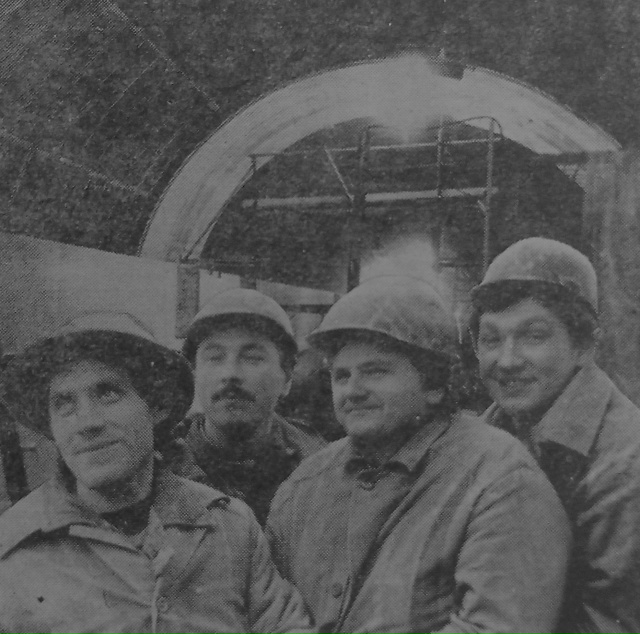
Worker testimonies reflected desperation: "The metro became so impoverished it served its own needs." Construction crews subsisted on boiled potatoes due to insufficient wages.
Notable Engineering Challenges
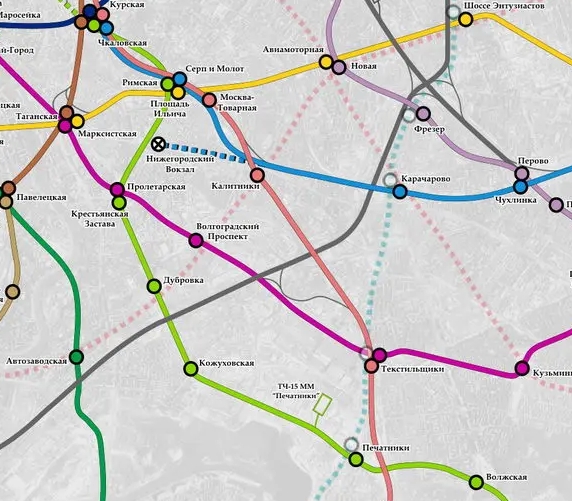
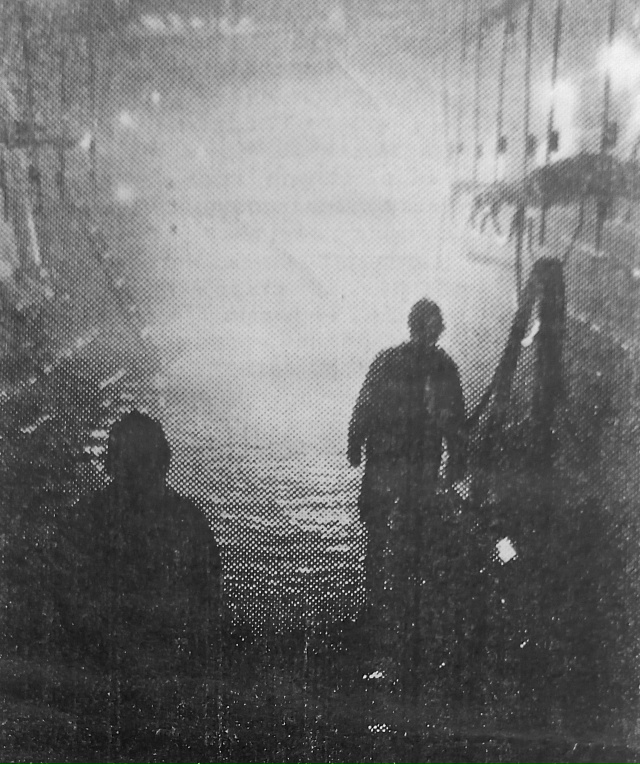
The Dubrovka-Kozhukhovskaya section presented the steepest gradient in Moscow Metro (45 per mille over 897 meters) through unstable soil. Factory waste heat (46 degrees Celsius) prevented ground freezing. The German TBM ultimately became stuck in October 1995 after multiple failures, requiring heroic manual breakthrough efforts by teams led by excavators including Aleksandr Krivenko and Andrei Poplaukhin.
The October 1995 breakthrough occurred after water irruptions threatened catastrophic flooding. Workers used their bodies to plug ruptures while emergency equipment arrived — preventing a potential disaster comparable to the 1986 Leningrad metro flooding incident.
Key Opening Dates
- December 28, 1995: First section (Chkalovskaya through Volzhskaya) opened
- 1996: Extension to Maryino
- 1997: Connection to Komsomolskaya line via Krestyanskaya Zastava transfer
- 1999: Dubrovka station finally opened (originally planned as second-stage construction)
- 2007-2010: Central section through Boulevard Ring completed
- 2011: Southern extension
Administrative Support
Mayor Yuri Luzhkov provided crucial financial support during the 1995 crises, securing wage payments through city funds. Premier Viktor Chernomyrdin cut the opening ribbon on December 28, 1995, though promised federal support never materialized. The line's completion provided symbolic hope during Russia's most turbulent economic period.
Architectural Legacy
Unlike the prestigious early-Soviet metro stations, the Lyublinskaya line received limited critical attention. However, its "metallic futurism" style represents 1980s-90s late-Soviet design: industrial aluminum profiles, innovative lighting concepts, and restrained ornamentation reflecting resource constraints. Subsequent administrators, including Sergei Sobyanin (from 2010 onward), adopted simpler single-vault designs prioritizing construction speed over artistic ambition.
Workforce Recognition
The article emphasizes the largely unheralded contributions of excavation teams from Tashkent, Gorky, Tbilisi, Kiev, Sochi, and other Soviet cities; caisson workers enduring four-atmosphere pressure in treacherous conditions; mechanics improvising solutions with worn equipment; and designers creating coherent aesthetics despite material scarcity and political upheaval.
Human determination sustained construction through organizational collapse, resource depletion, and economic crisis that destroyed the very system that had generated these workers' identities and futures.