Lost, Found, Doomed: The Extraordinary Story of the Kee Bird Bomber
The incredible saga of Boeing B-29 Superfortress 'Kee Bird' — from its emergency belly landing on a frozen Greenland lake in 1947 during a secret Arctic reconnaissance mission, through ambitious multi-year recovery expeditions in the 1990s, to its tragic destruction by fire moments before its triumphant flight home.
The Fortress
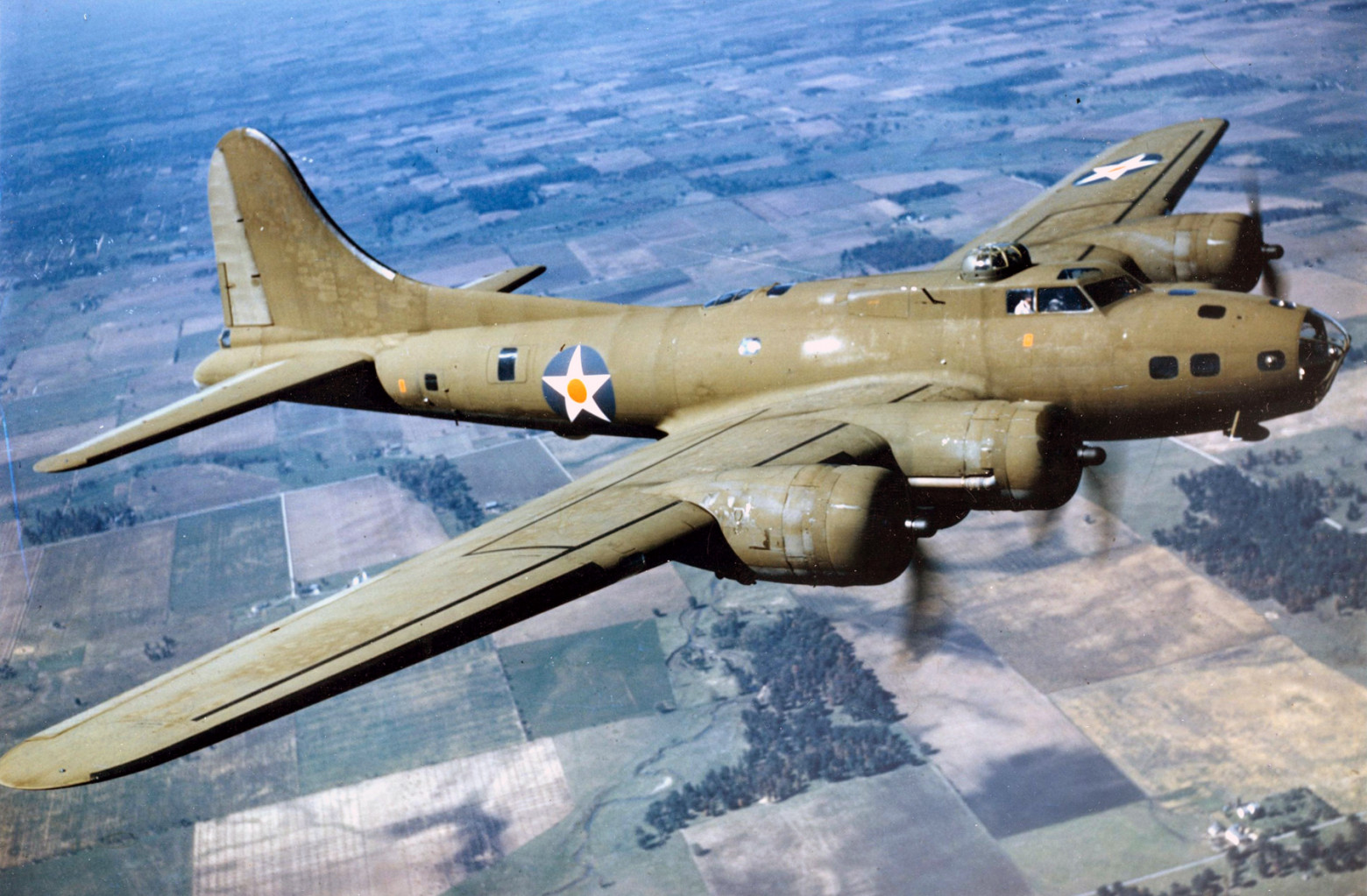
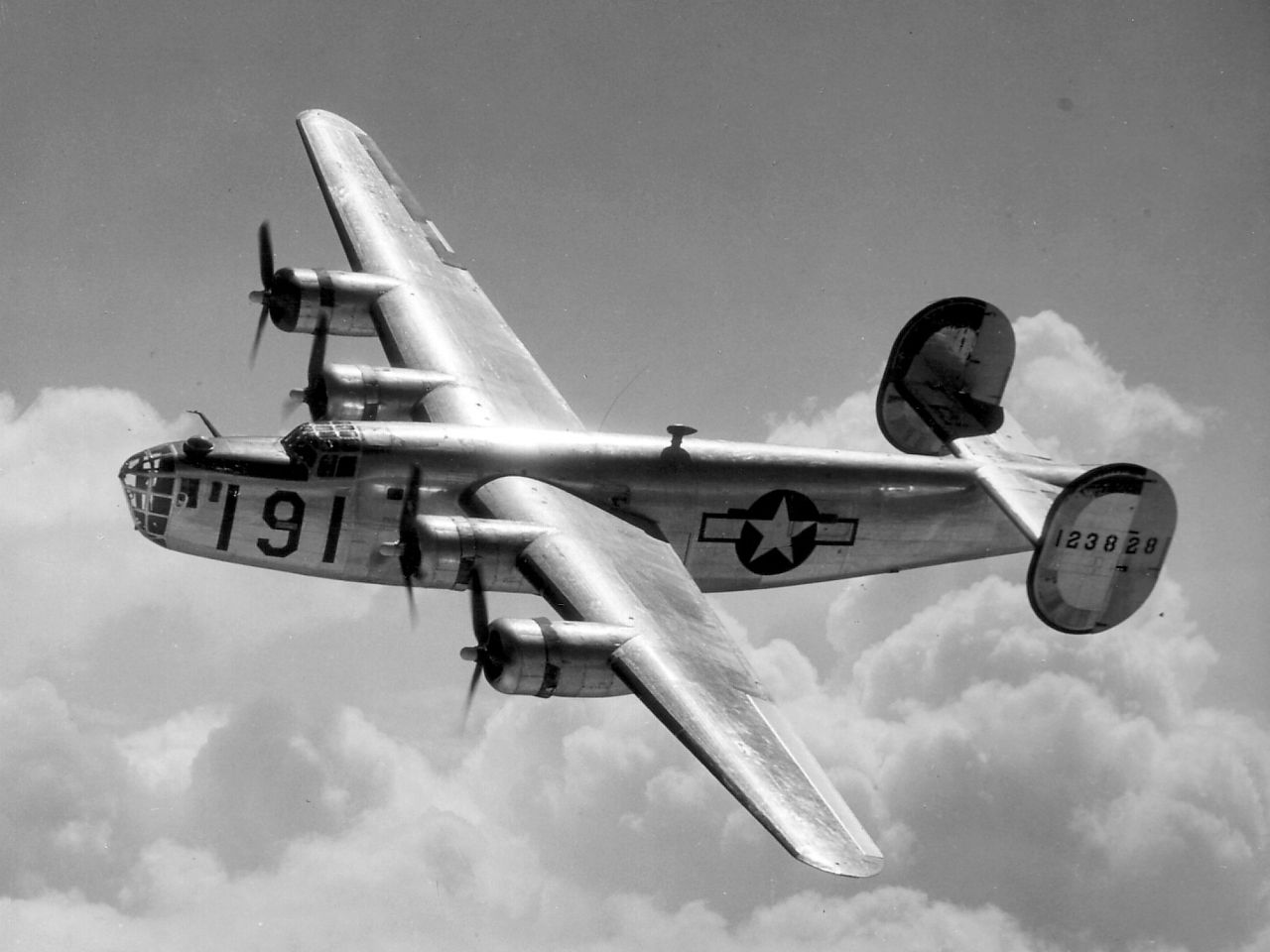
The B-29 "Superfortress" was the pinnacle of American aviation technology during World War II. It was a four-engine strategic heavy bomber with a pressurized fuselage, remote-controlled gun turrets, and a maximum bomb load of 9 tons. Boeing B-29 serial number 45-21768 was manufactured on August 9, 1945 — the very same day the atomic bomb was dropped on Nagasaki. But by the time it rolled off the assembly line, the war was essentially over, and the aircraft was placed in storage.
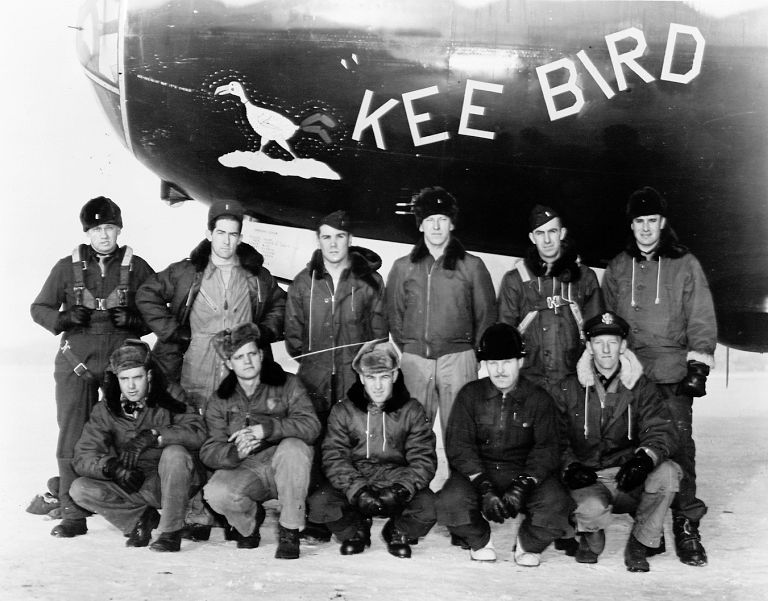
The plane was eventually assigned to the 46th Reconnaissance Squadron near Fairbanks, Alaska. It received its distinctive nose art: a cartoon tropical bird (a kee) running through a snowbank — an ironic reference to the aircraft's time stored in the Arizona desert. Thus the bomber got its name: "Kee Bird."
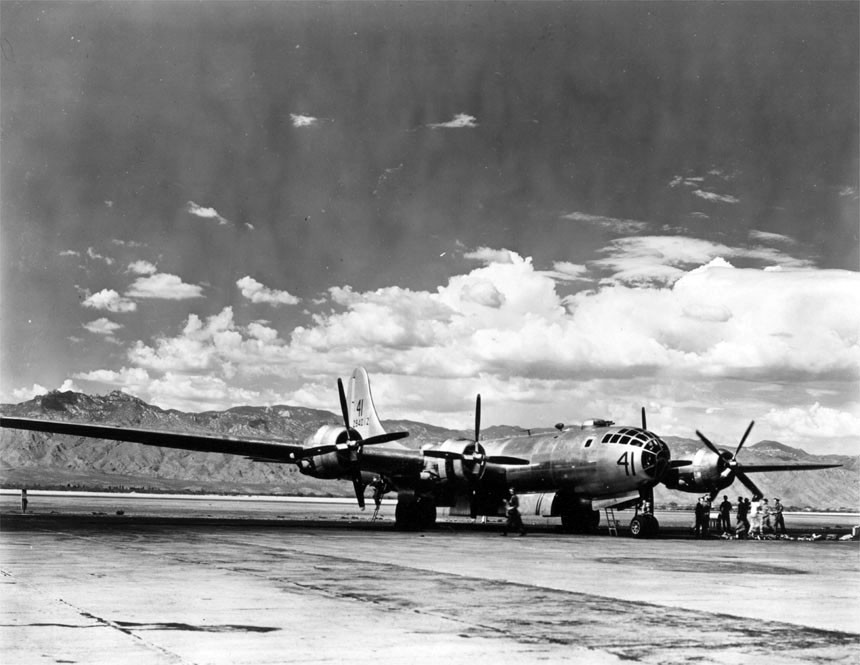
The aircraft participated in classified Arctic reconnaissance missions under "Project Nanook" — secret polar surveillance flights mapping the Arctic during the escalating Cold War tensions.
The Bird
On February 20, 1947, Kee Bird departed on what would be its final mission — a secret reconnaissance flight from Point Barrow, Alaska toward the North Pole. The eleven-member crew included pilots B. Arnett and R. Jordan, navigators D. Leesman and B. Cowan, flight engineer R. Ludke (nicknamed "Lucky"), radar operator H. Adams, radio operator R. Leider, and gunners L. Yarborough, E. Stewart, and P. McNamara.
Around midnight, the aircraft reached its target zone, "Target X," over the ice floe. But by 1:30 AM, severe weather and cloud cover had rolled in, making celestial navigation — the only reliable method at such extreme magnetic latitudes — nearly impossible. The magnetic compass was useless due to extreme magnetic declination near the pole.
At 5:00 AM, radar operator Adams spotted unexpected land on his scope. The crew was shocked — they believed they were approaching Alaska on the return leg, but they had drifted 1,800 kilometers off course and were actually over northern Greenland. A critical factor in the fuel crisis was that the tail skid had not retracted after takeoff, creating significant aerodynamic drag and burning fuel far faster than planned.
With fuel critically low, pilot Arnett had no choice but to attempt an emergency belly landing — with the landing gear retracted — on a frozen lake at approximately 80° North latitude. Remarkably, all eleven crew members survived without injury.
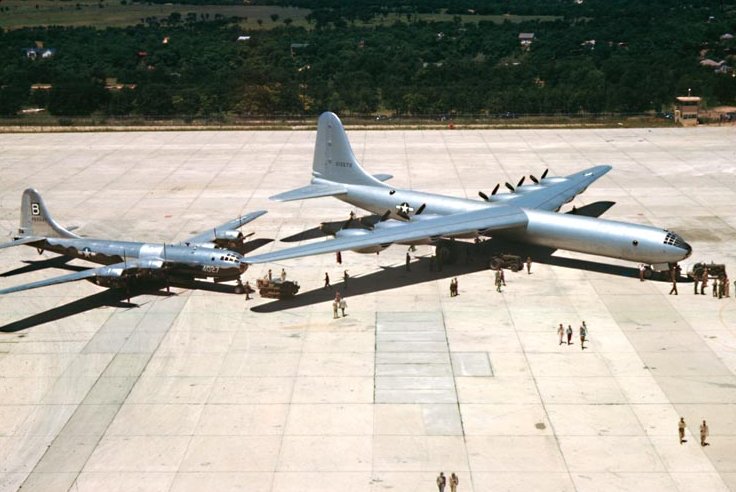
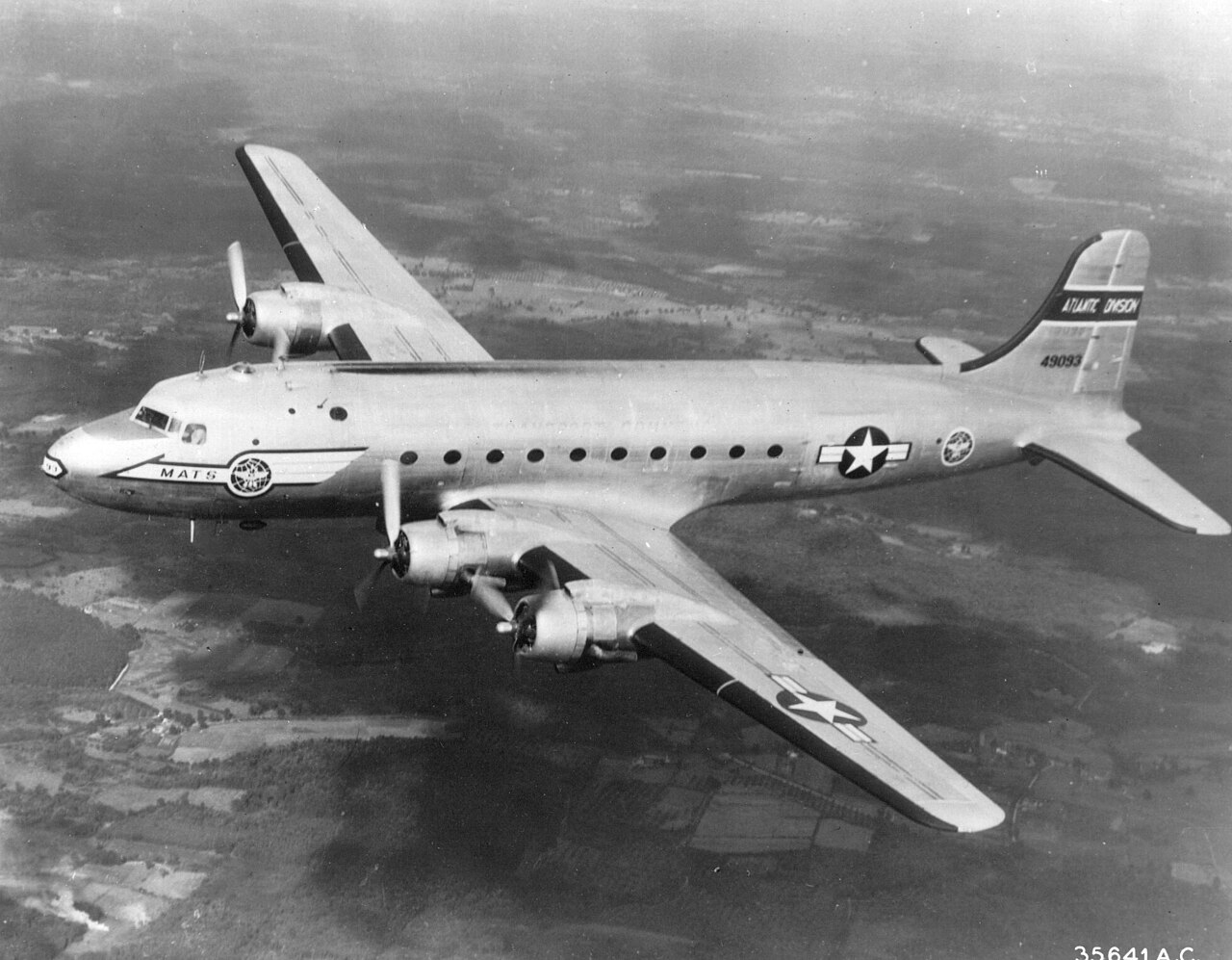
The rescue came swiftly. Bobby Joe Cavnar, a 22-year-old pilot of extraordinary skill who had begun flying at age 16, arrived in his Douglas C-54 "Red Raider." He landed on the frozen lake, distributed emergency rations, sleeping bags, and reindeer-skin boots to the crew, then offloaded non-essential equipment to lighten the aircraft. Using JATO (jet-assisted takeoff) rockets mounted on the wings, Cavnar successfully extracted all eleven men. He received the Air Medal for the rescue and went on to become the youngest colonel in USAF history, later piloting Convair B-36 Peacemaker intercontinental strategic bombers.
Kee Bird was left where it landed. For nearly half a century, the bomber sat on the Greenland ice, gradually being buried by snow, forgotten by all but the most dedicated aviation enthusiasts.
Enthusiasm
In 1978, Air Classics magazine published photographs of the abandoned bomber, sparking the interest of Gary Larkins, an aircraft salvage entrepreneur. Larkins had built a career on remarkable deals — in 1971, he bought a rare P-38 Lightning engine for $500 and resold it for $11,750. In subsequent years, he parlayed surplus military aircraft through increasingly ambitious trades, eventually founding "Air Pirates," an organization that conducted international aircraft recovery missions in Burma, the Philippines, and Papua New Guinea.
In 1985, British pilot Giles Kershaw — an accomplished polar aviation pioneer who had flown for the British Antarctic Survey and the Transglobe Expedition — visited Greenland aboard a unique DC-3 "Tri-Turbo-Three" (modified with three turboprop engines). He photographed Kee Bird in remarkably good condition and published the images in Aeroplane Monthly in 1987, reigniting the aviation community's interest.
In 1989, Bob Ellis, an aviation museum director, visited the site and found the engines in excellent condition. In 1990, retired Air Force Major William Shnaze planned "Operation Snow Bird," but the Danish government denied authorization.
Finally, in 1992, the Danish Ministry of Foreign Affairs declared the aircraft salvageable property. Larkins, through his nonprofit "Aero-Archaeology Research Institute," obtained the official salvage permit.
Obsession
In July 1993, the first four-person team arrived at the site: legendary test pilot Darryl Greenamyer, aircraft mechanic Rick Kriege, Gary Larkins, and Vietnam War helicopter pilot Tommy Hauptmann (with over 20,000 flight hours).
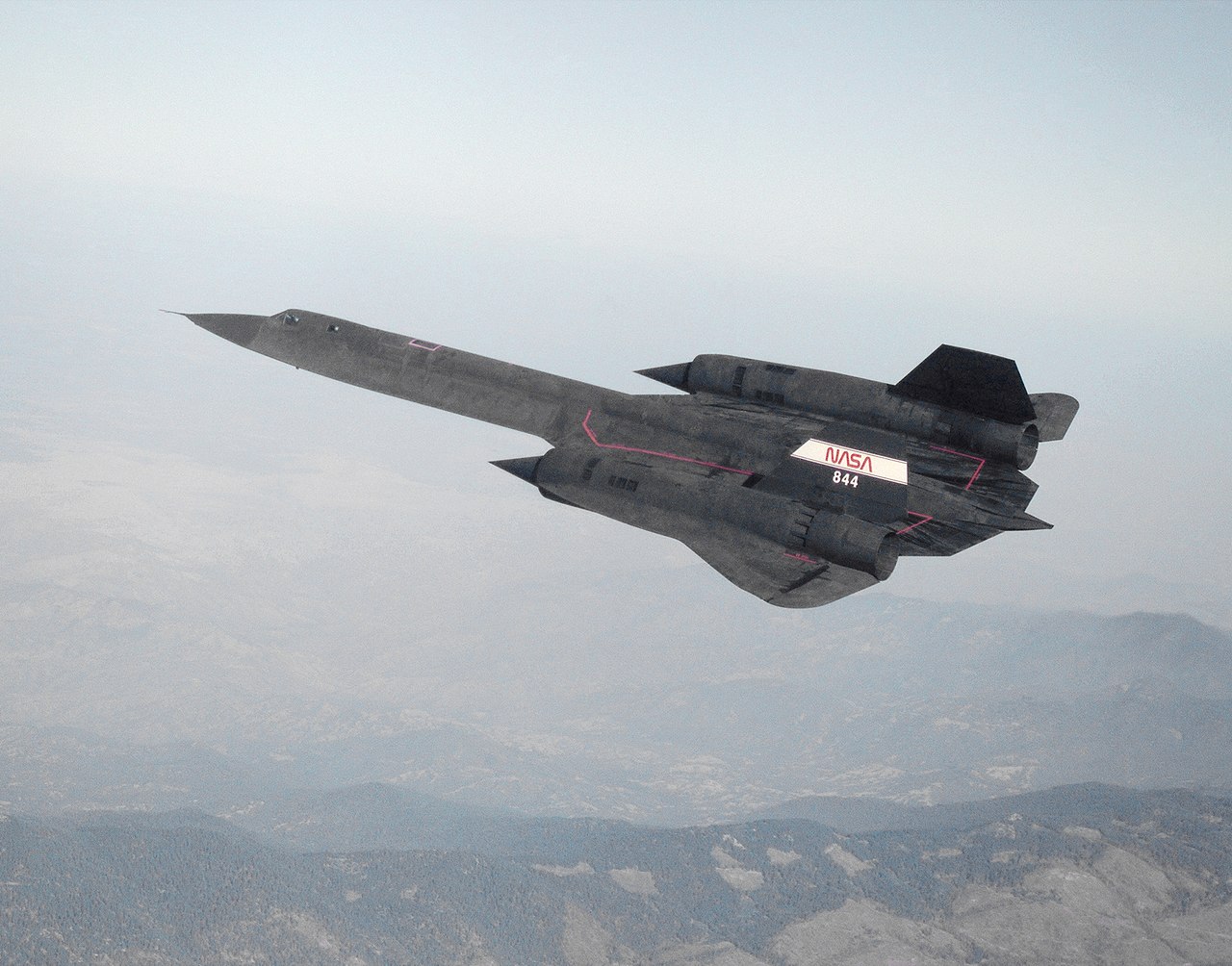
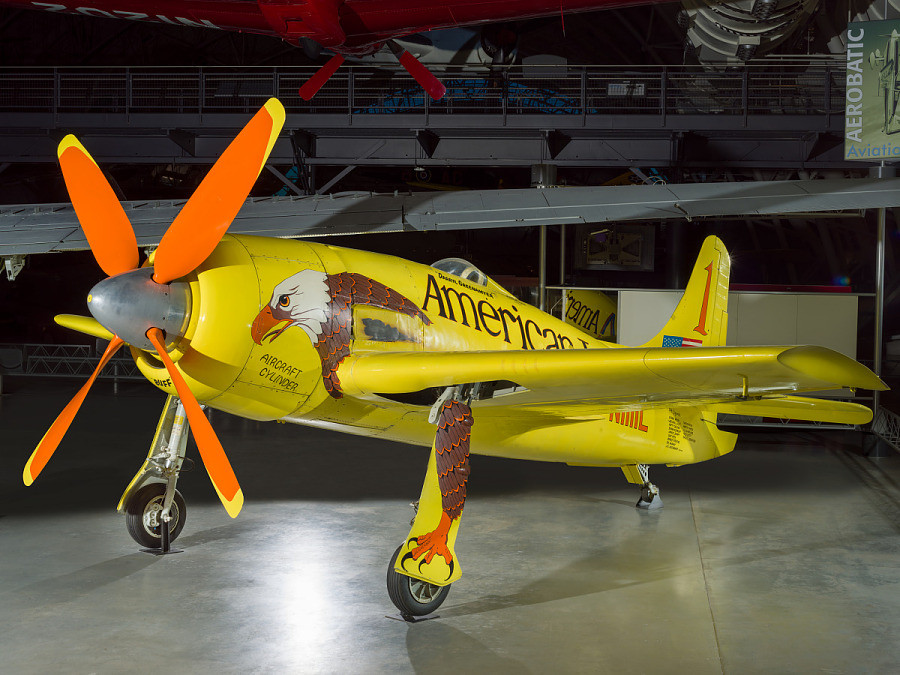
Greenamyer was no ordinary pilot. After a stint as a military pilot, he earned an engineering degree from the University of Arizona while simultaneously flying fighters for the National Guard. He worked as a test pilot at Lockheed's famous "Skunk Works" division, where he flew classified aircraft including the SR-71 Blackbird. He graduated from both the USAF Test Pilot School and the Navy's "Top Gun" program. In 1969, he set the piston-engine speed record in a Grumman F8F Bearcat. In 1977, he set a jet speed record in a custom-built F-104 "Red Baron" that he had assembled over 13 years from crash salvage and scrapyard parts.
The initial assessment was encouraging. They successfully deployed the landing gear using manual hand-pumps, and — astonishingly — the Auxiliary Power Unit (APU) in the tail section started on the first attempt after 47 years of dormancy. The electrical system proved partially functional: lights came on immediately upon battery connection. The team departed optimistically, though Larkins soon exited the project due to fundamental disagreements with Greenamyer over operational control.
In August 1994, an expanded expedition arrived with a documentary crew (PBS Nova was filming), financial sponsor Tom Hess, mechanics Cecilio Grande and Vernon Rich, volunteer cook Bob Vanderveer, journalist Carl Hoffman, and pilot Roger von Grote commanding the cargo aircraft — a DHC-4 "Caribou" capable of carrying 3 tons and operating from unprepared strips.
The equipment was staggering: four new Wright R-3350 Duplex-Cyclone engines ($10,000 each from a Los Angeles salvage vendor), replacement propellers, a four-ton bulldozer donated by Hess, a field crane built by Kriege, new tires, 30 tons of 130-octane leaded aviation gasoline to WWII specifications, generators, compressors, and a 120-kilowatt Herman-Nelson heating unit.
The engine replacement was a monumental task. Each of the four Wright R-3350 18-cylinder radial engines produced 2,200 horsepower — 8,800 total. Installation required disconnecting carburetors, oil coolers, generators, fuel pumps, all fuel and coolant hoses, exhaust manifold assemblies, 24 shutter control mechanisms, and 40 mechanical linkages.
By August 22-23, two engines had been successfully started, and excitement was high. But on August 24, Kriege injured his back lowering a hydraulic jack and developed a fever — the early signs of polycythemia vera, a rare blood disorder causing excessive red blood cell production, that would go undiagnosed for weeks.
On August 27, all four engines were successfully synchronized for the first time — 8,800 horsepower roaring to life. Minor oil and fuel leaks were detected but seemed manageable.
Hell
Then came the hurricane. On August 28-29, winds exceeding 80 km/h destroyed the tent structures and scattered critical cylinder component hardware across the tundra. Kriege lay semiconscious in the Kee Bird's cabin. Vanderveer and Grande spent the night recovering scattered parts through driving snow.
The team conducted a 16-hour emergency repair marathon in subzero temperatures. Vernon Rich invented an ingenious baling wire spark plug cable retention device — a jury-rigged solution based on the champagne cork principle. Their food supply had dwindled to four days' worth of rations.
Greenamyer made the agonizing decision: evacuation was mandatory. The weather forecast predicted only a 9-12 hour window before conditions would deteriorate further. The Caribou's repair was prioritized over completing the Kee Bird.
The evacuation on August 30 was harrowing. Frozen control surfaces prevented initial rotation during takeoff. The Caribou slid over 350 meters before becoming airborne, clearing the valley slopes by just 30 meters. Thirty minutes into the flight, the right engine failed and had to be feathered. Von Grote and Greenamyer nursed the aircraft to Thule on a single engine at maximum power.
Kriege was transferred to Montreal, where he was finally diagnosed with polycythemia vera — blood cell hyperproduction causing vessel blockage and internal bleeding. Treatment came too late. On September 12, 1995, Rick Kriege died of thrombosis following surgery. His internal organs had been severely damaged.
In May 1995, Greenamyer returned with a new team: race aircraft designer Matt Jackson, radial engine specialist John Keater, B-29 certified flight engineer Tad Dulin, and wealthy construction contractor Al Hanson as second pilot. They replaced the Caribou with a smaller, cheaper DHC-6 Twin Otter. Spring timing was chosen deliberately — the frozen lake surface provided a far superior runway compared to the summer tundra mud that had plagued the 1994 expedition.
The team worked efficiently. Engines were warmed up, systems tested, and the frozen lake surface groomed into a runway. On May 21, 1995, everything seemed ready. Greenamyer took the pilot's seat. The four engines thundered to life. After nearly 48 years frozen in the Greenland ice, Kee Bird began to move.
Greenamyer taxied the massive bomber along the frozen lake, testing the controls, building speed. The PBS Nova cameras were rolling. It seemed like the impossible dream was about to come true — one of the most ambitious aircraft recoveries in history was moments from success.
Then disaster struck. A fuel leak from the auxiliary power unit in the tail section ignited. A pool of aviation gasoline that had accumulated beneath the aircraft caught fire. Within moments, flames engulfed the rear fuselage. Greenamyer and the crew scrambled to evacuate. They escaped with their lives, but could do nothing but watch as the fire consumed the aircraft they had spent years and hundreds of thousands of dollars trying to save.
The fire burned for hours. When it was over, nothing remained of Kee Bird but a charred skeleton of aluminum and steel on the Greenland ice. The bomber that had survived a wartime belly landing, 48 years of Arctic exposure, hurricanes, and two grueling recovery expeditions was gone — destroyed not by the Arctic, but by a fuel leak at the very moment of its resurrection.
The wreckage of Kee Bird remains on that frozen Greenland lake to this day — a monument to both human determination and the cruel indifference of fate. The entire saga was documented in the PBS Nova episode "B-29 Frozen in Time," which remains one of the most watched episodes in the series' history.
FAQ
What is this article about in one sentence?
This article explains the core idea in practical terms and focuses on what you can apply in real work.
Who is this article for?
It is written for engineers, technical leaders, and curious readers who want a clear, implementation-focused explanation.
What should I read next?
Use the related articles below to continue with closely connected topics and concrete examples.