Introductory Chapter of a New Type Calculus Textbook
A mathematician proposes a revolutionary approach to teaching calculus that bridges the gap between intuitive understanding and formal rigor, tracing the historical tension between discrete and continuous thinking from Pythagoras through modern analysis.
Preface
This article proposes a radically different approach to teaching mathematical analysis. The author argues that traditional Russian mathematical pedagogy traumatizes students by presenting abstract formalism without intuitive foundation, and offers a fourth pedagogical path: rigorous from day one, but built on understandable foundations rather than abstract axiomatics.
The Educational Divide
The text contrasts three educational models:
- American model: A gradual, multi-year approach through Calculus I, II, III before introducing formal Real Analysis. Students spend years building intuition before encountering epsilon-delta proofs.
- German model: A rigorous axiomatic approach, but only for mathematics specialists. Engineers and physicists get separate, applied tracks. The rigor is reserved for those who choose it.
- Russian model: "Uncompromising rigor for everyone." All first-year students, regardless of specialization, face the full formal apparatus of mathematical analysis simultaneously. This functions as a pitiless filter rather than a teaching bridge, creating intellectual casualties rather than understanding.
The author positions this textbook as a fourth path: rigorous yet intuitive, rejecting false choices between accessibility and depth.
The Bias-Variance Tradeoff in Epistemology
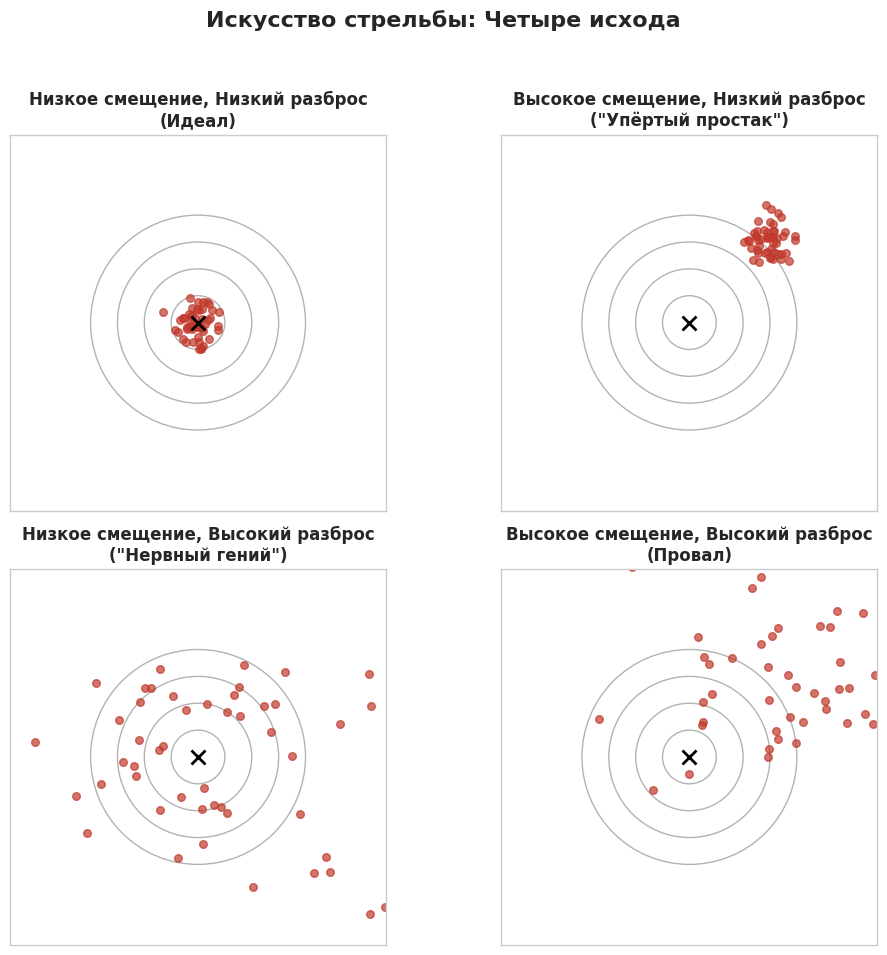
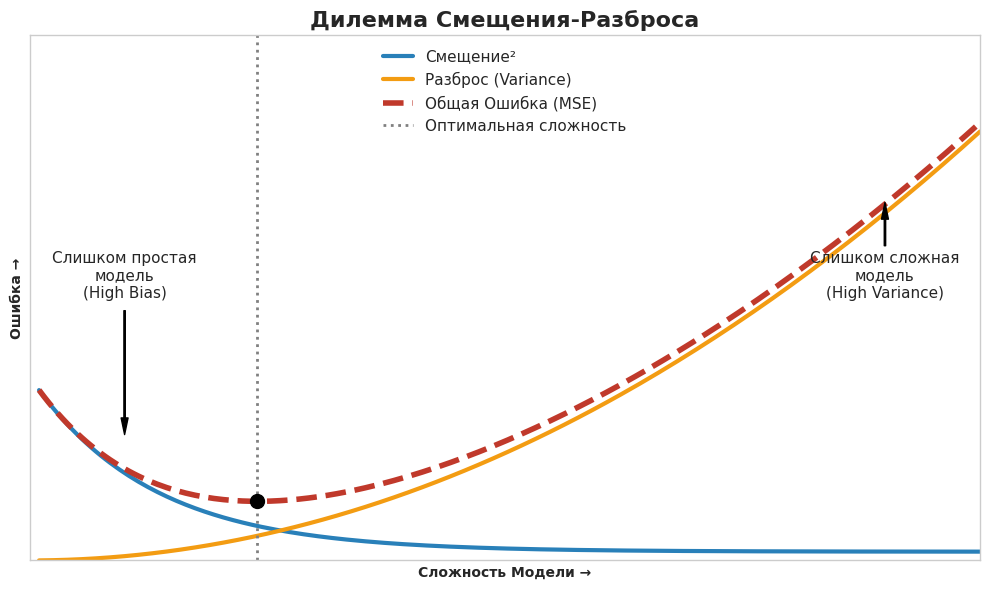
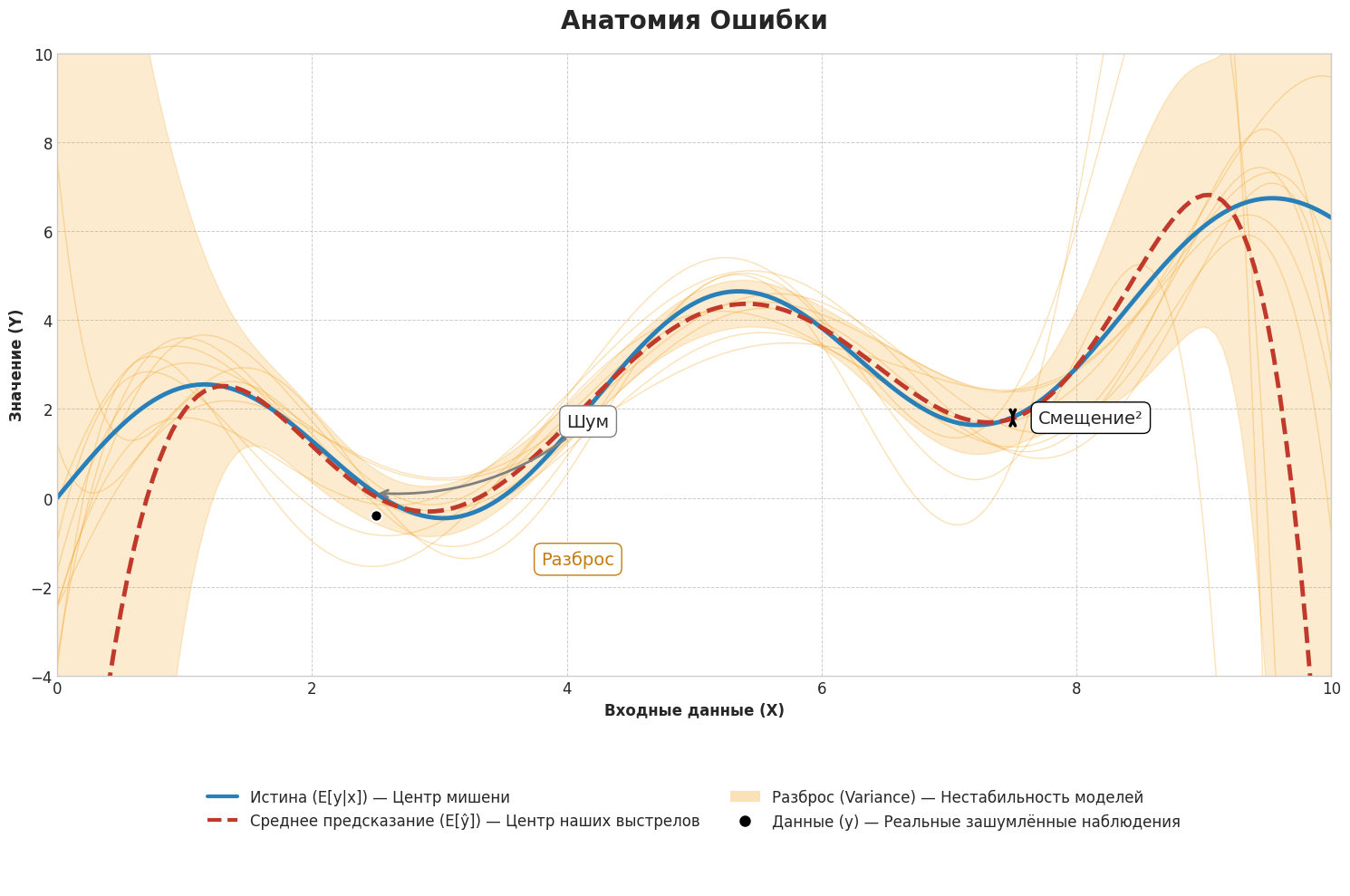
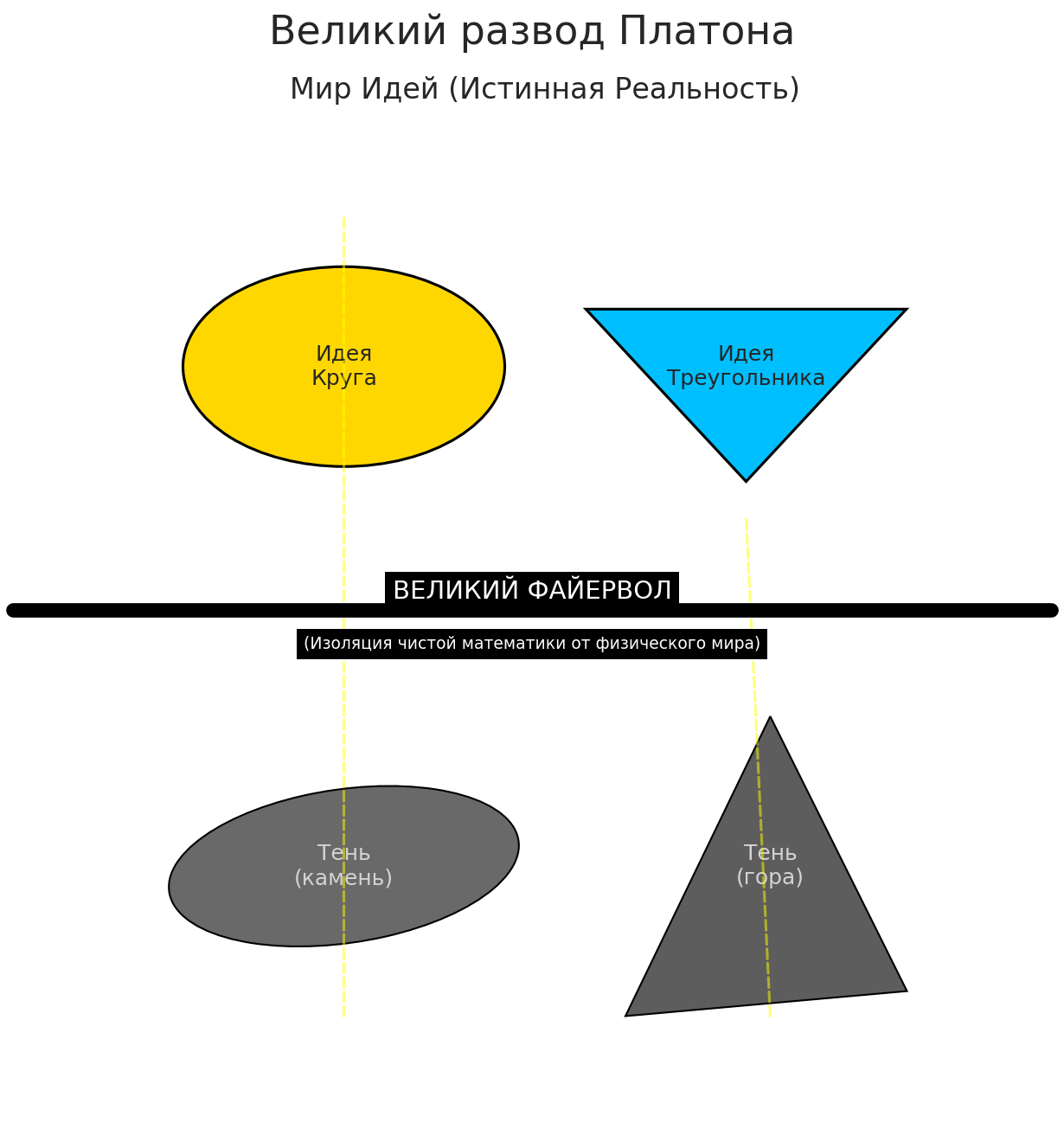
The article establishes that all human cognition faces a fundamental tension that machine learning calls the bias-variance tradeoff. Simple models risk systematic error (high bias) but show low variance; complex models reduce bias but increase variance, overfitting to noise.
This duality reflects the fundamental tension between two irreducible ways of thinking about mathematics:
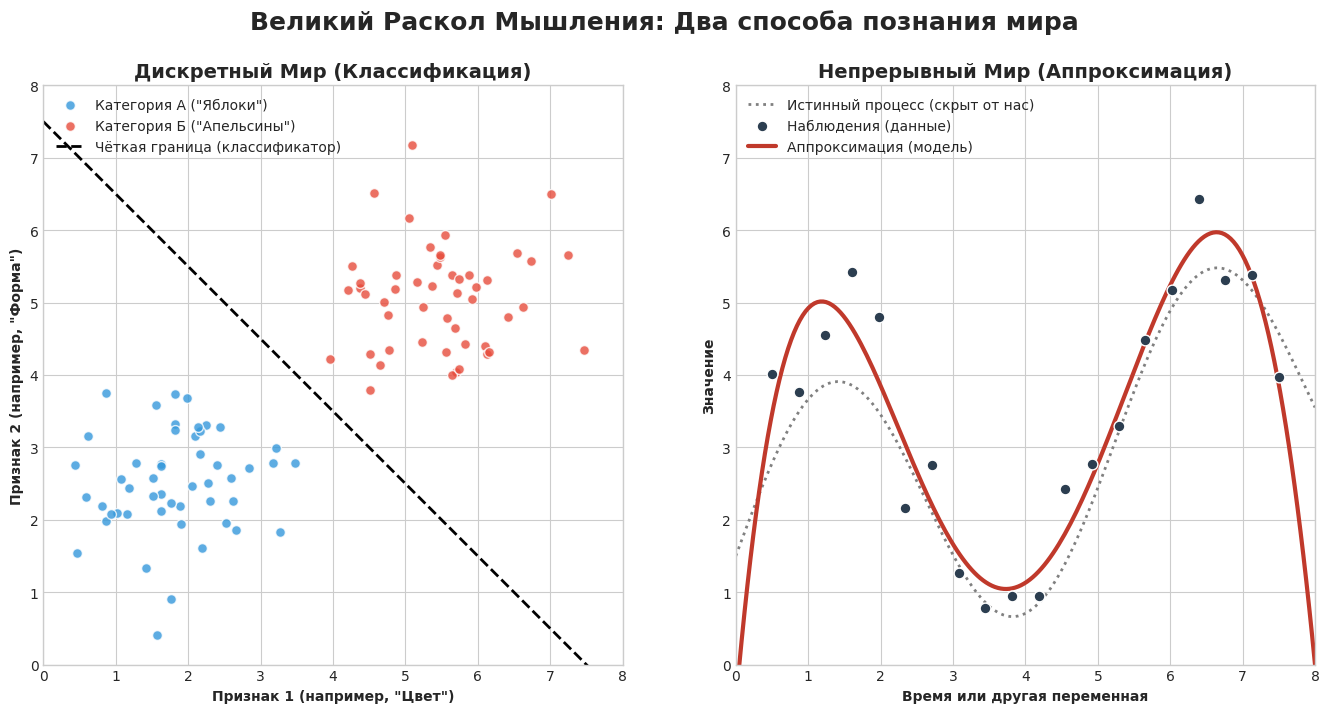
- Discrete thinking: classification, clear boundaries, counting, combinatorics
- Continuous thinking: approximation, smooth processes, limits, infinitesimals
Mathematics developed two response strategies to this tension, and the entire history of analysis can be read as the interplay between them.
Historical Arc: From Pythagoras to the Crisis of Foundations
The Pythagorean Crisis
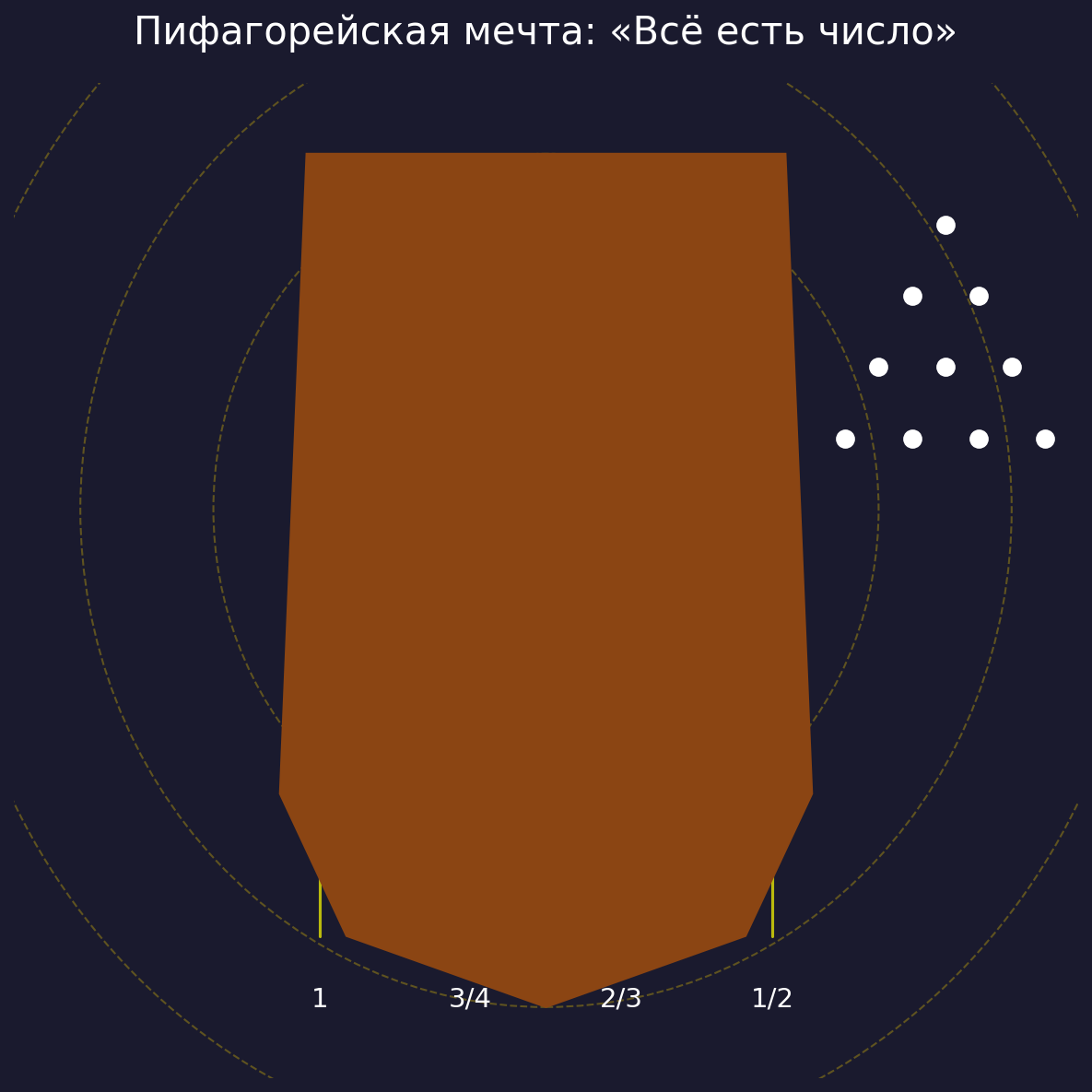
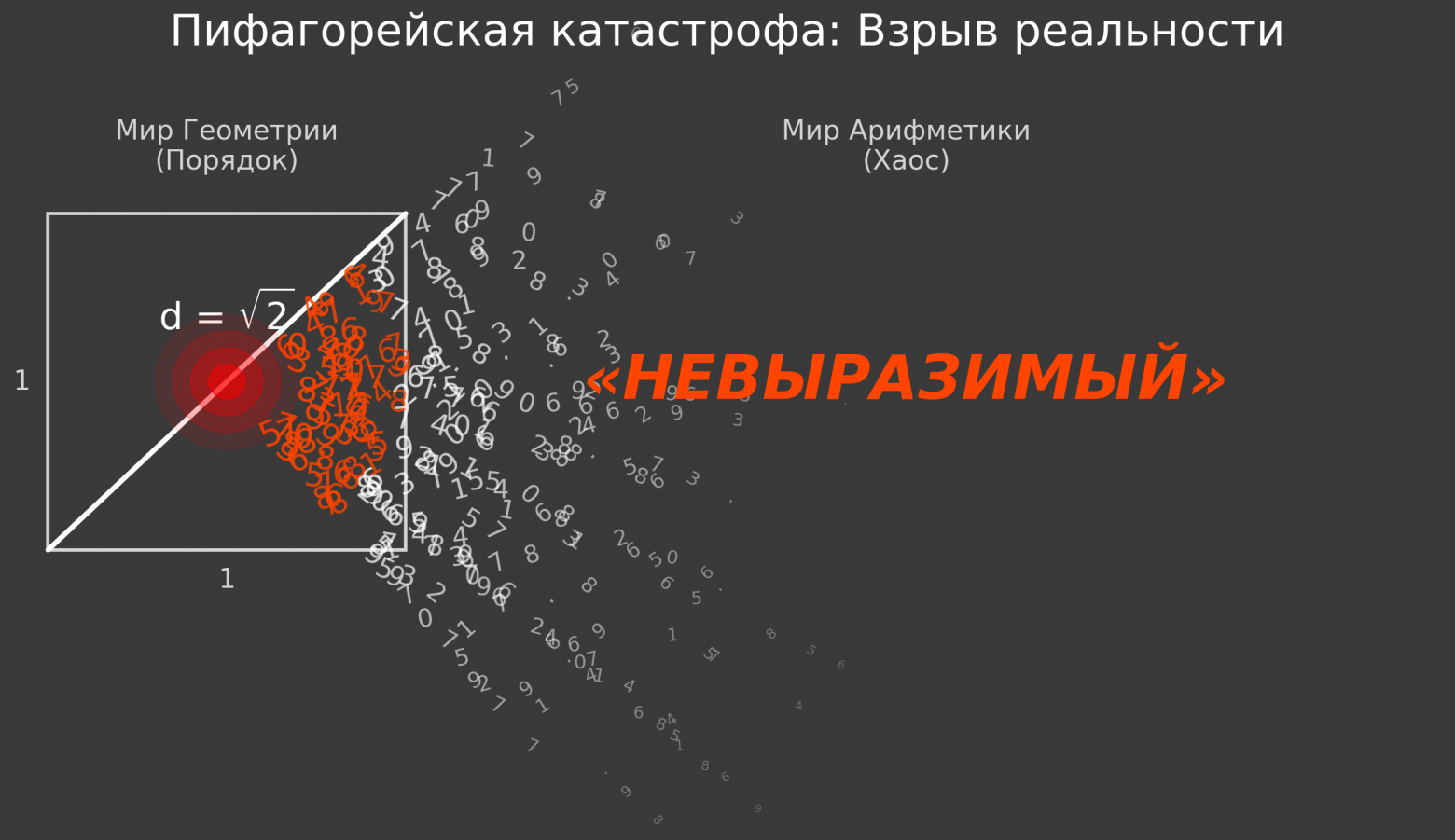
The Pythagoreans believed "all is number" — that every quantity could be expressed as a ratio of whole numbers. The discovery that the diagonal of a unit square (√2) is irrational shattered this worldview. Here was a perfectly concrete geometric length that no fraction could capture.
This was the first encounter with the discrete-continuous divide: whole numbers and their ratios (discrete) couldn't capture geometric reality (continuous).
Zeno's Paradoxes
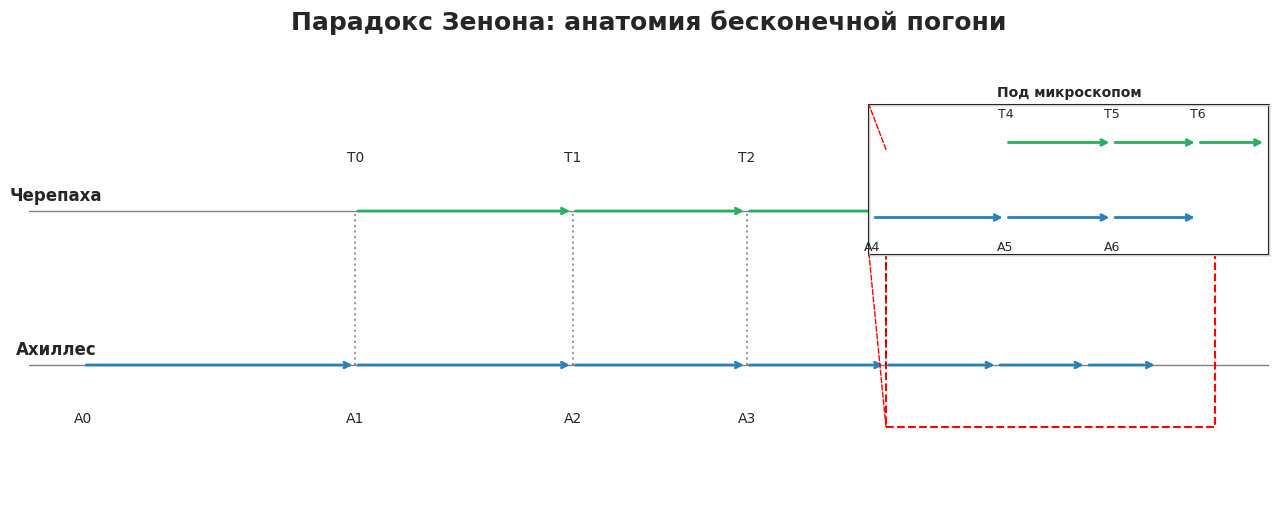
Zeno of Elea attacked the very concept of motion with logical paradoxes. In "Achilles and the Tortoise," Achilles can never overtake the tortoise because he must first reach the tortoise's starting point, by which time the tortoise has moved further, and so on infinitely. In "The Arrow," a flying arrow is motionless at each instant, so when does it move?
These paradoxes reveal that discrete steps cannot describe continuous motion. Summing infinitely many intervals to get a finite result requires a concept of infinity that the Greeks lacked.
Aristotle's Ban on Actual Infinity
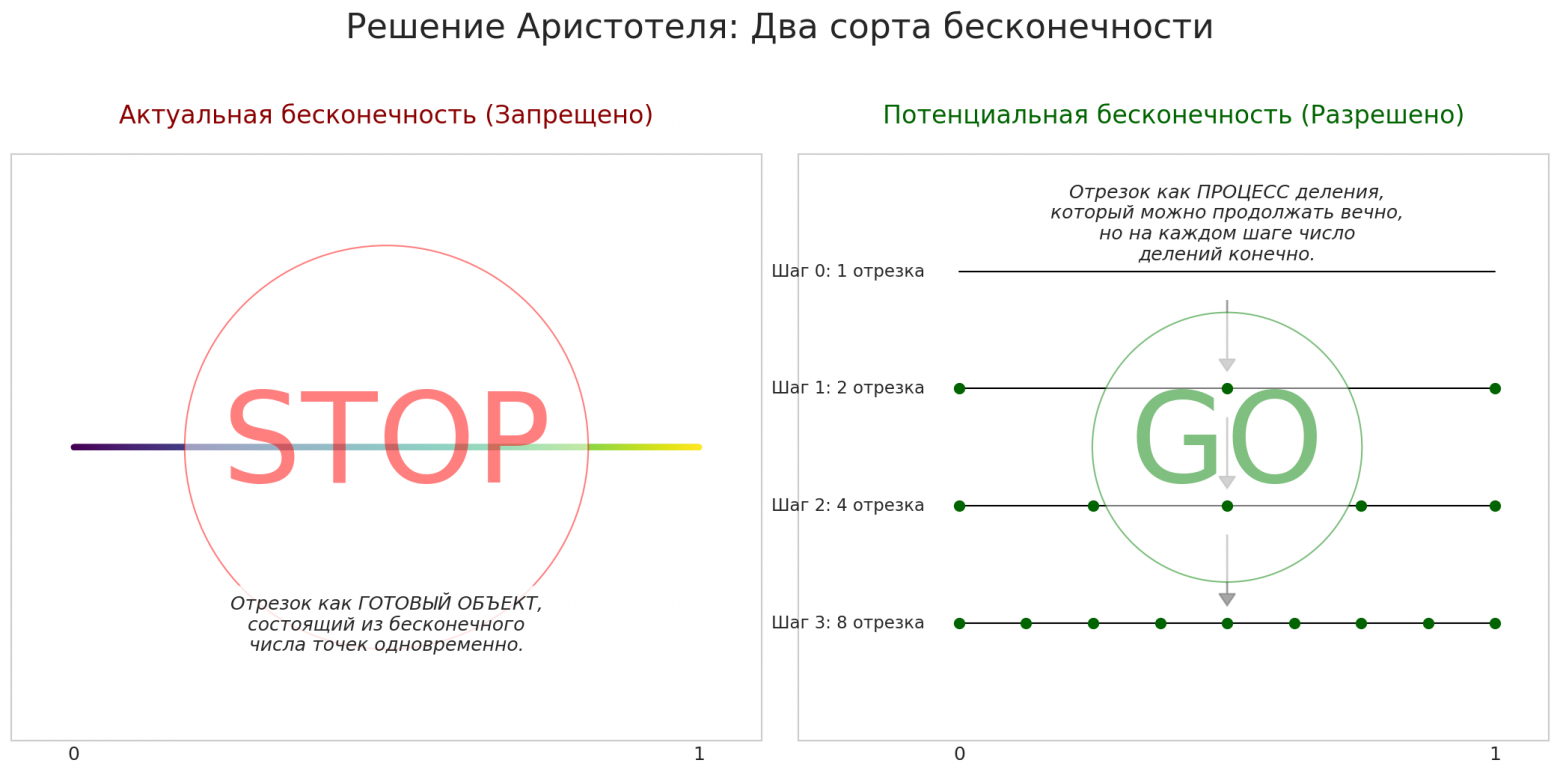
Aristotle's solution was philosophical: he distinguished between potential infinity (a process that can continue indefinitely) and actual infinity (a completed infinite totality). He permitted the former and banned the latter. You could always divide a line segment further, but you could never contemplate all the divisions at once.
This ban held for nearly two millennia, shaping mathematical thought throughout the medieval period.
Medieval and Renaissance Rehabilitation
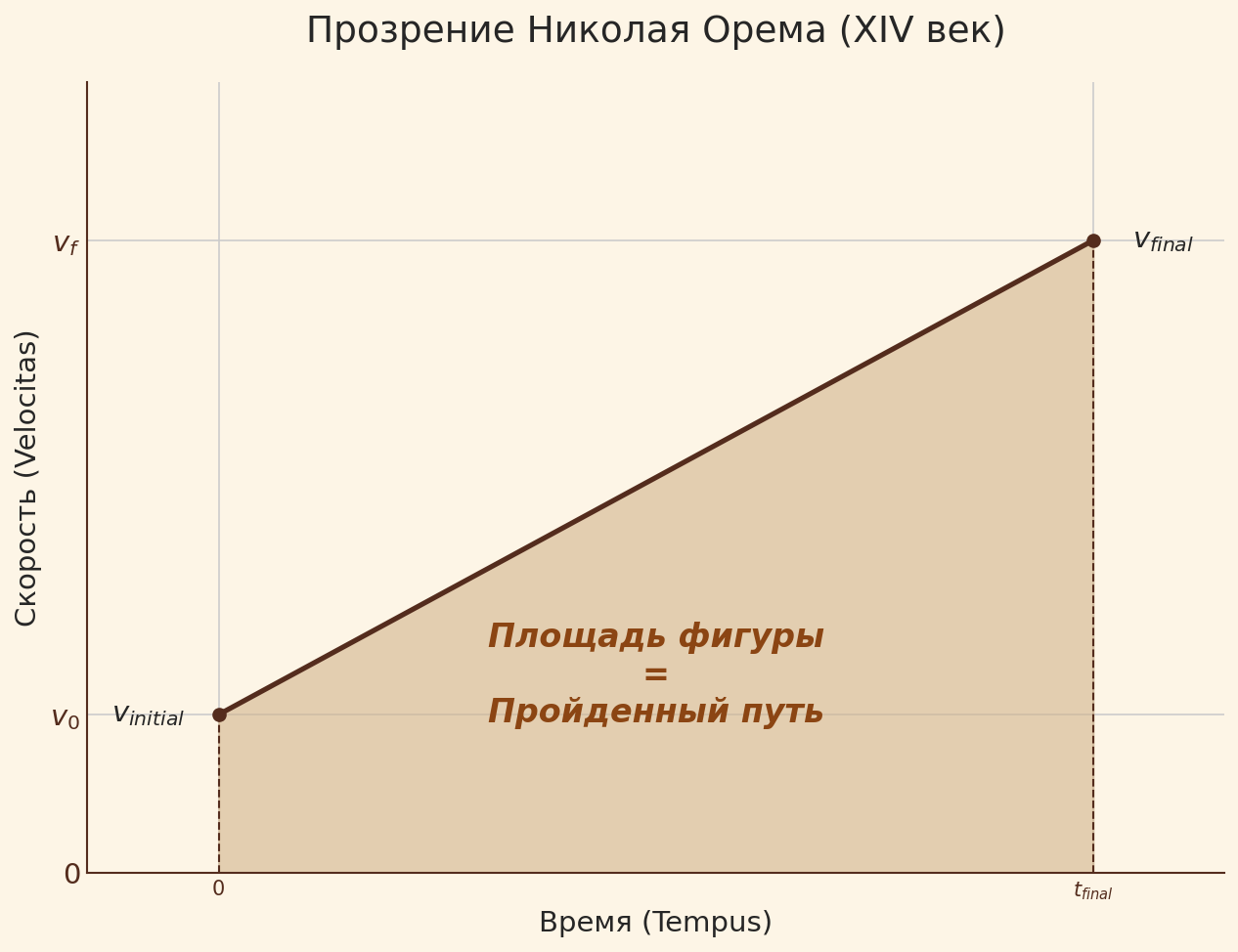
Nicole Oresme (14th century) made a crucial advance: he represented changing quantities as graphs, plotting velocity against time. This geometric representation of change planted seeds for calculus.
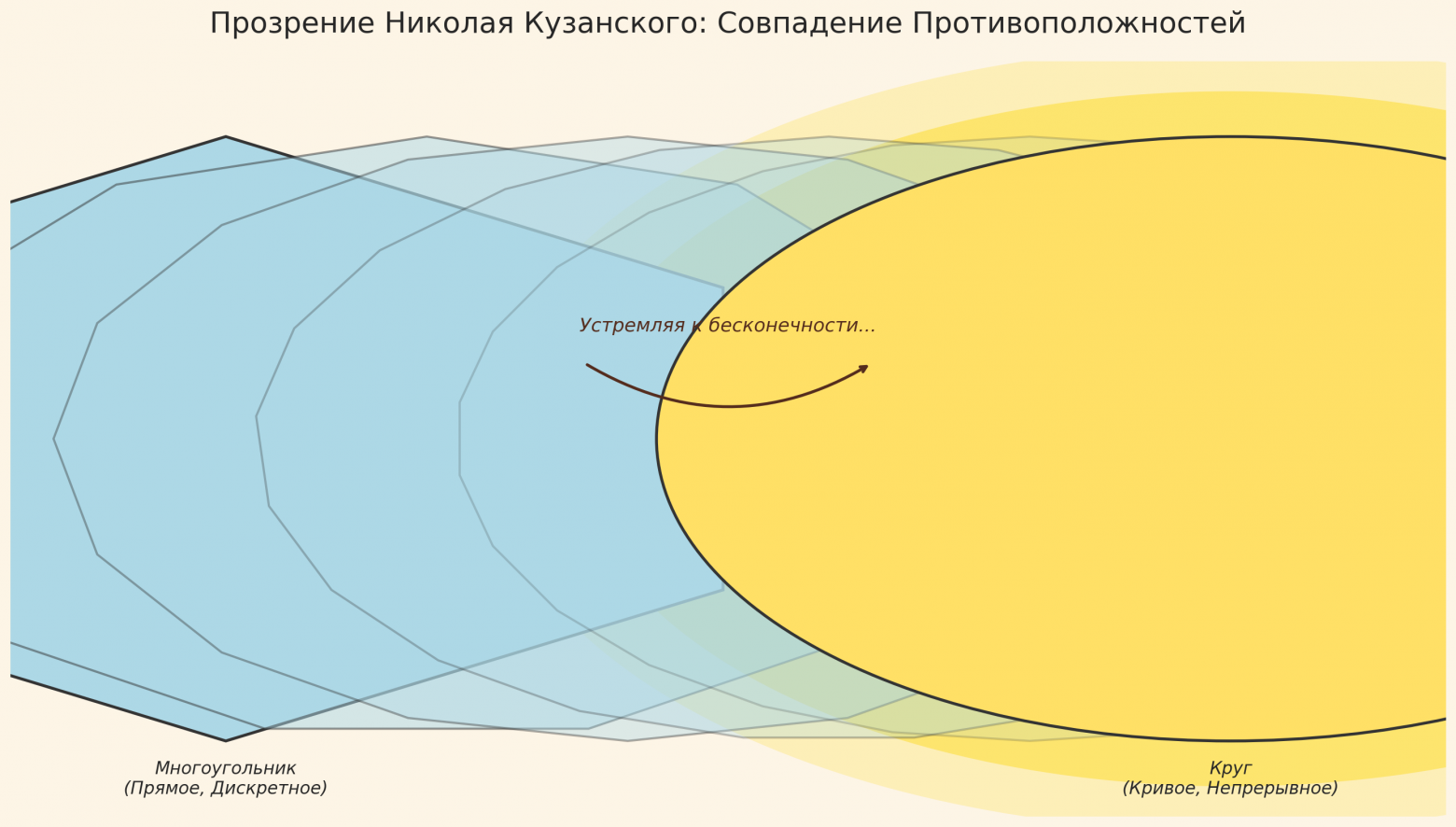
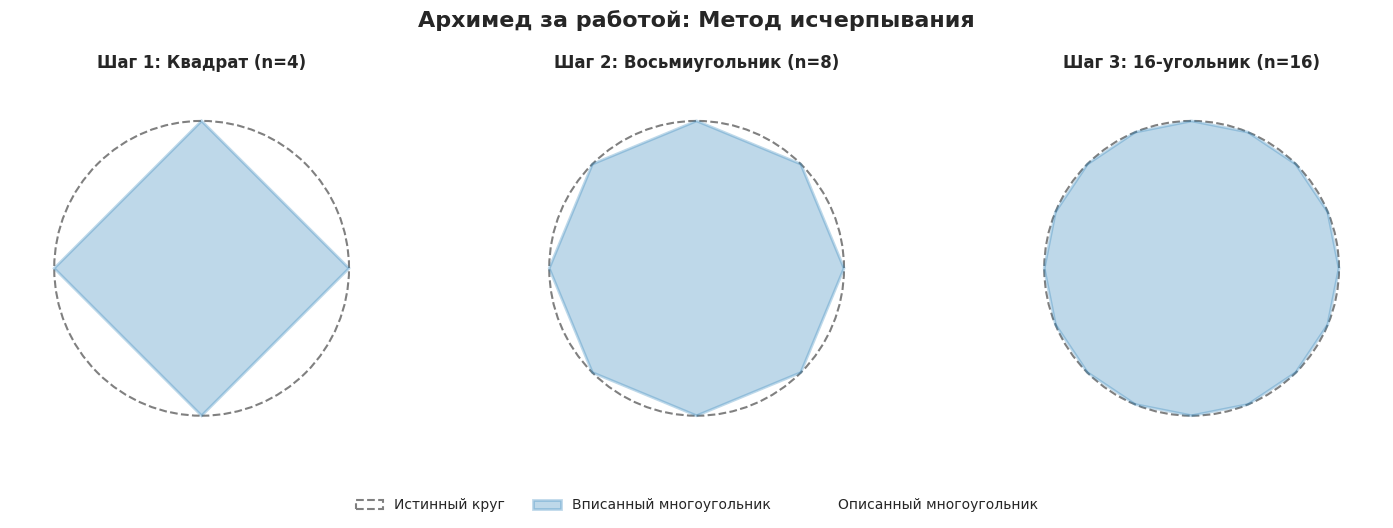
Nicholas of Cusa (15th century) philosophically rehabilitated infinity, arguing that God represents actual infinity and that human reason can approach divine truth through infinite approximation. A circle is a polygon with infinitely many sides — the first explicit use of a limit-like argument.
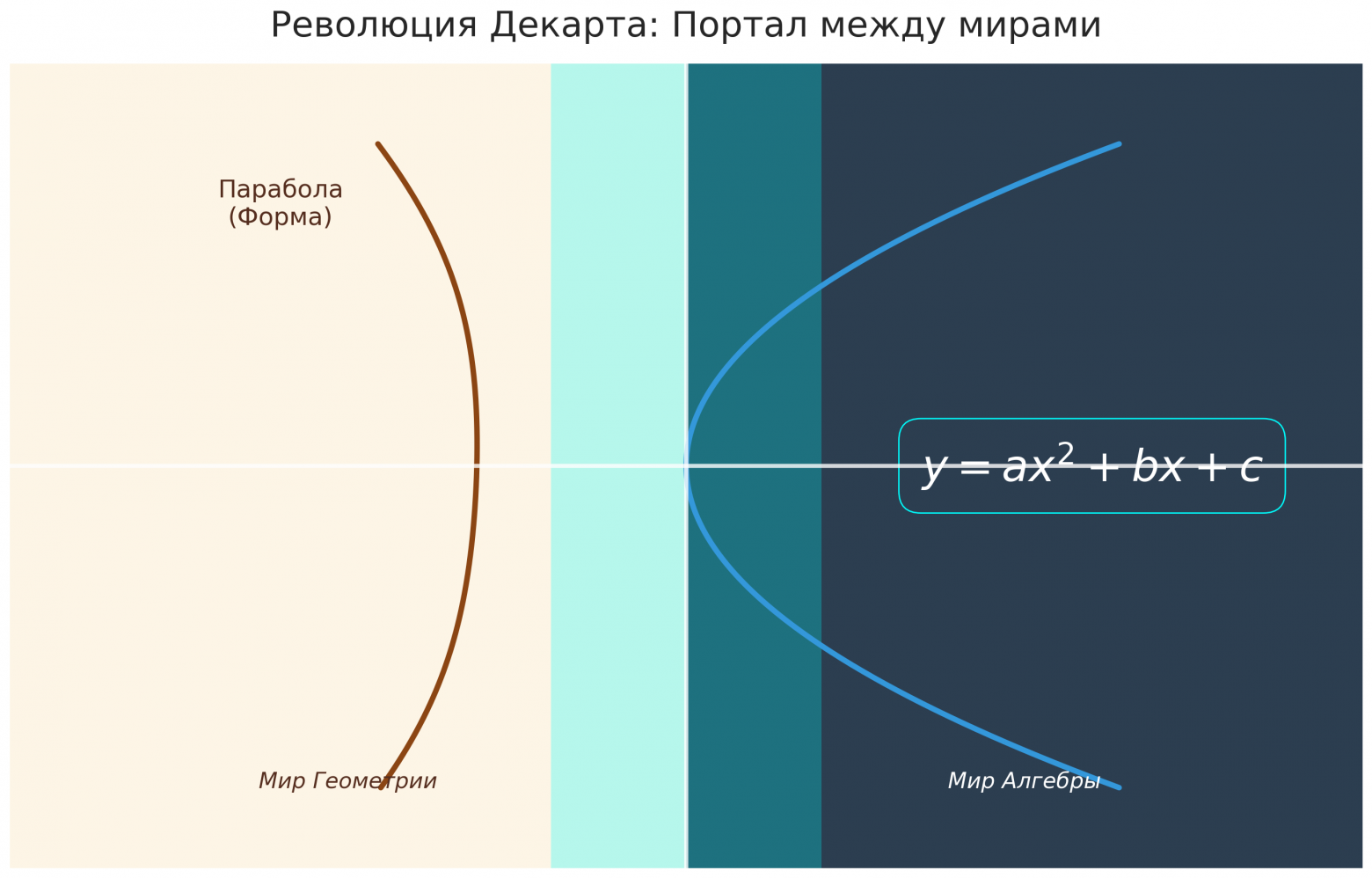
René Descartes created the coordinate system, merging algebra and geometry. Now curves could be described by equations, and geometric problems became algebraic ones. This was the essential prerequisite for calculus.
Newton and Leibniz: The Faustian Bargain
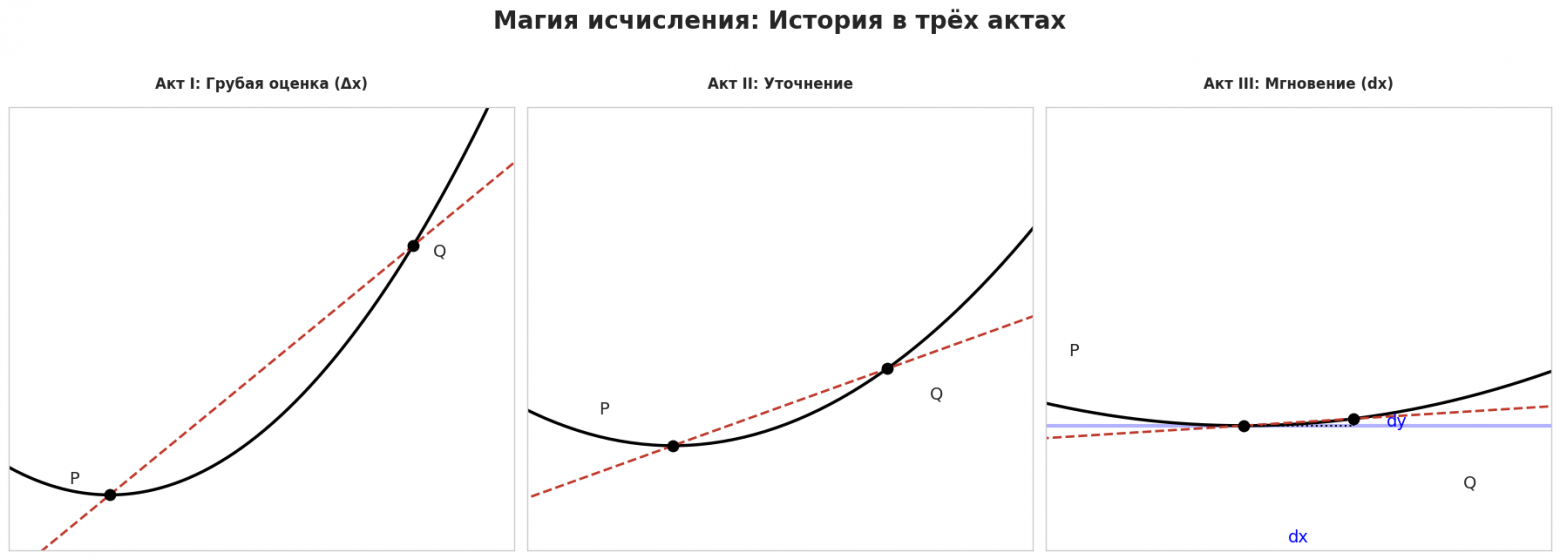
Newton and Leibniz independently developed calculus in the late 17th century. Their methods achieved extraordinary computational power — they could calculate areas, tangent lines, rates of change, and solve differential equations. But the logical foundation was troubling.
Leibniz's infinitesimals (dx, dy) were quantities that were simultaneously nonzero (you could divide by them) and zero (they vanished in final results). Newton's "fluxions" were rates of change that relied on intuitive notions of motion through time.
Bishop Berkeley famously mocked these as "ghosts of departed quantities." The Faustian bargain: immense computational power purchased at the cost of logical coherence.
The 19th-Century Resolution: Cauchy, Weierstrass, Dedekind, Cantor
The resolution came through rigorous redefinition. Cauchy introduced the epsilon-delta definition of limits, replacing vague notions of "approaching" with precise quantitative conditions. Weierstrass made this fully rigorous, eliminating all appeals to intuition or motion.
Dedekind constructed the real numbers through "cuts" — partitions of the rationals into two sets. Cantor developed set theory, showing that different infinities have different sizes (the reals are uncountably infinite while the rationals are countable).
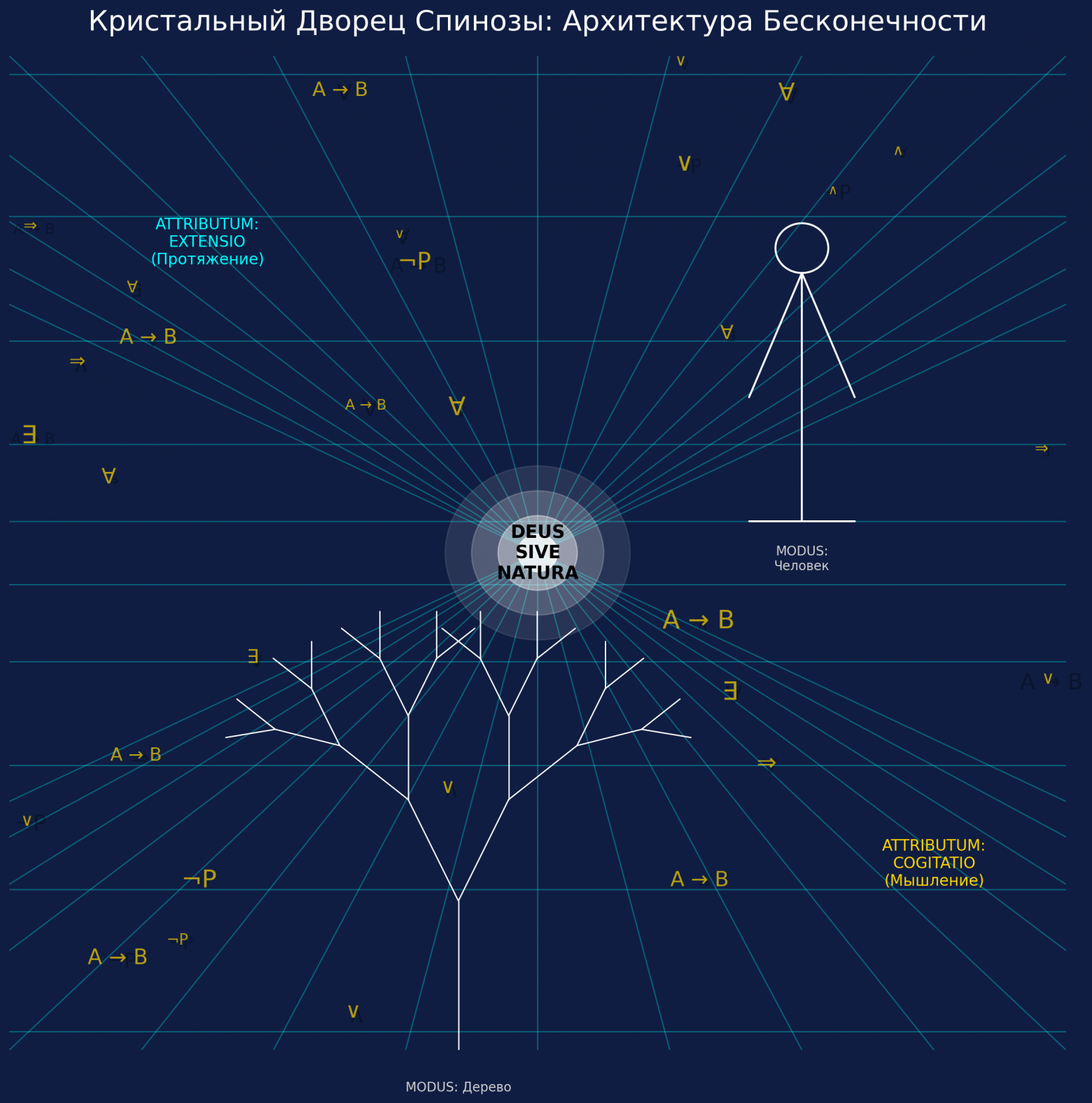
The 19th-century mathematicians chose Spinoza's path over Hegel's: absolute rigor through axiomatics rather than preserving dialectical "living contradiction" in mathematical objects.
Three Philosophical Positions
The article traces three philosophical positions that shaped mathematical foundations:
- Spinoza's dream: A unified, deterministic system where everything follows from clear axioms with mathematical certainty.
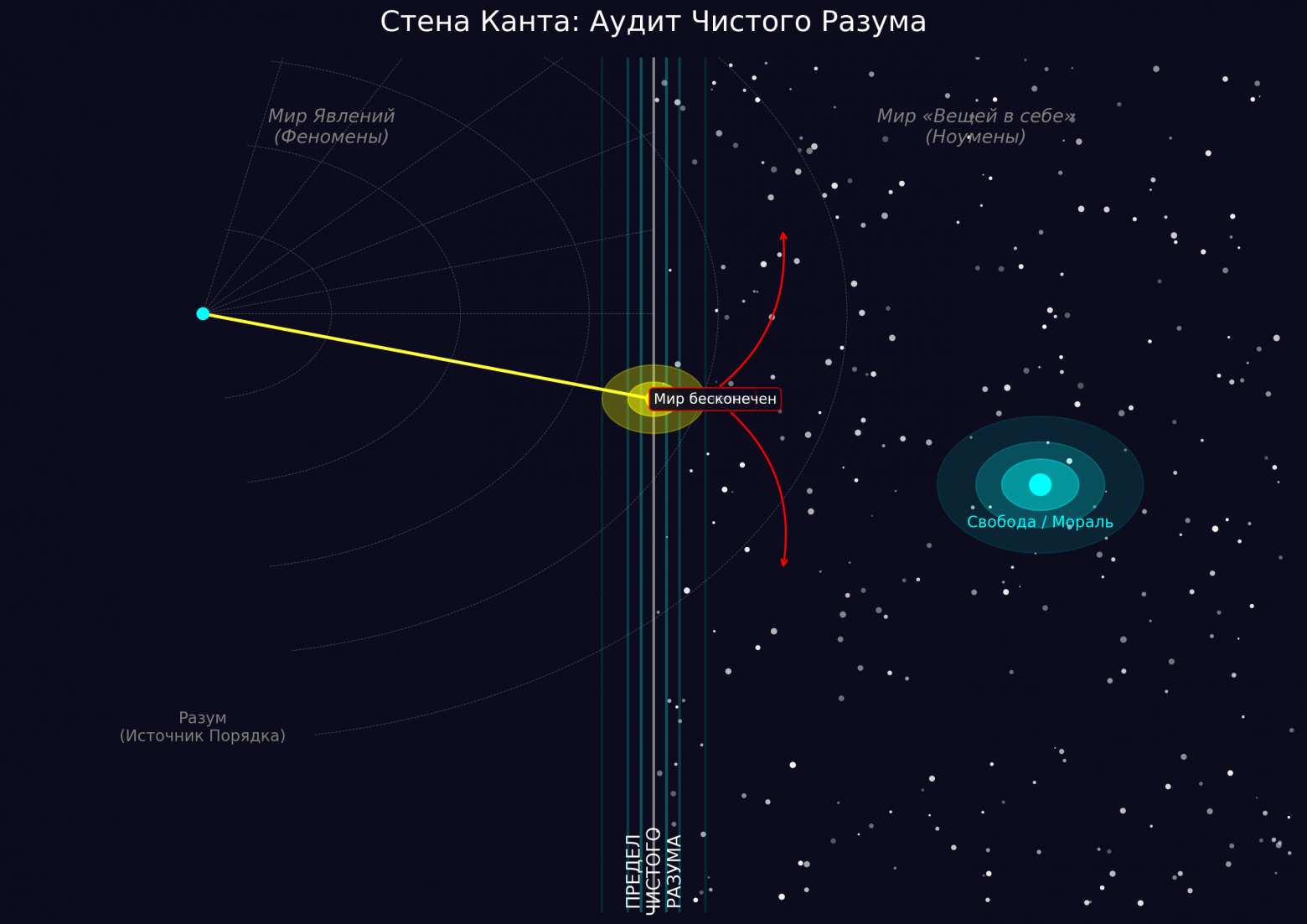
- Kant's critique: Reason has built-in limits. True infinity remains unknowable; we can only work with phenomena accessible to our forms of intuition (space and time).
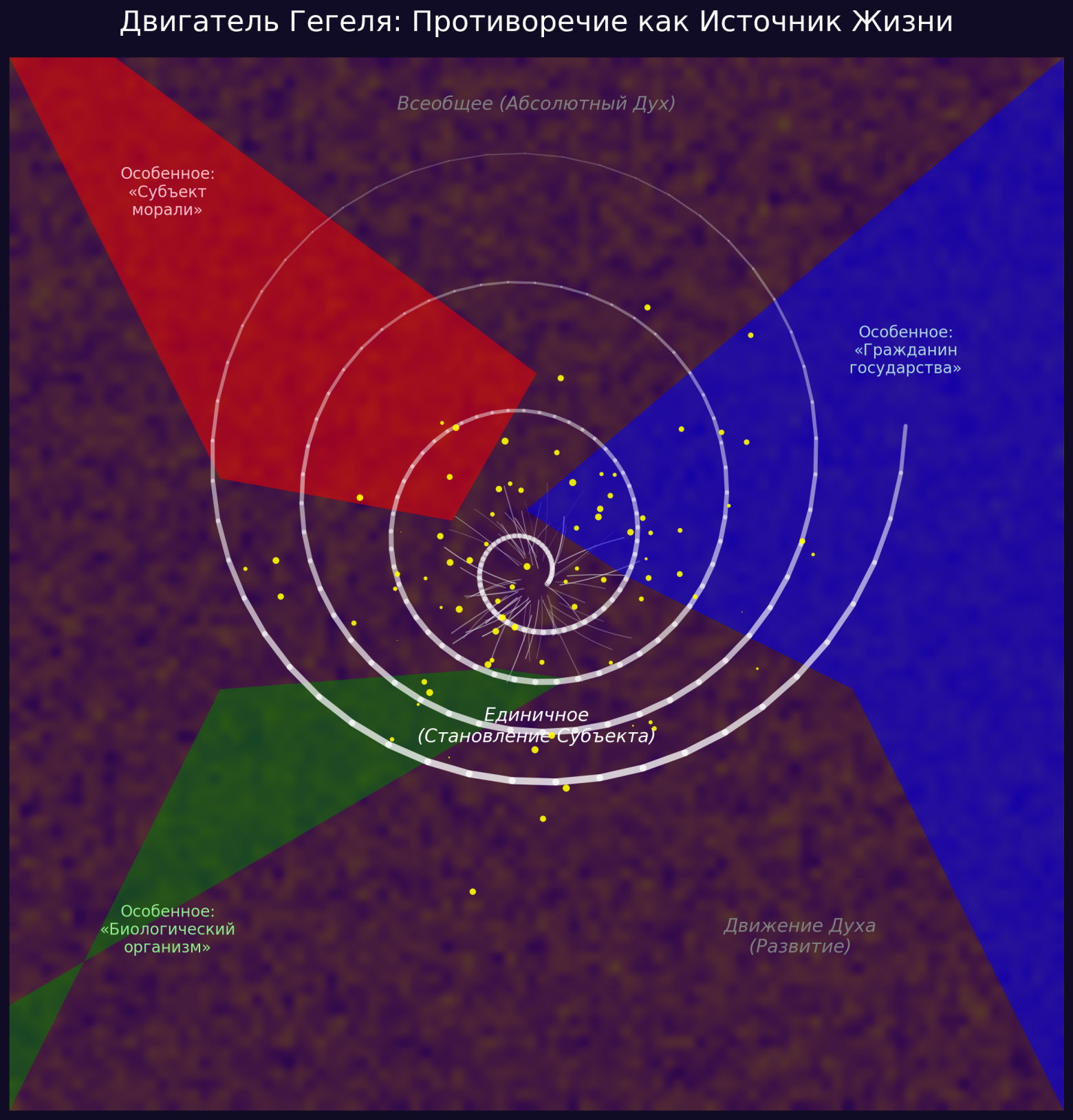
- Hegel's dialectics: Contradiction drives development. The infinite is not opposed to the finite but emerges from it through dialectical negation.
Building Mathematics: The Construction Strategy
The author proposes building analysis through three key mechanisms:
1. Axiomatic Systems
Rules defining structure. You declare primitives and state which properties they must satisfy, without specifying what they "are."
2. Constructive Models
Concrete implementations of axiomatic systems. Given axioms for natural numbers, you build a specific model satisfying them.
3. Equivalence Relations: The Art of "Gluing"
The most powerful tool: identifying different objects as "the same" for specific purposes. An equivalence relation on a set S is a relation ~ that is:
- Reflexive: a ~ a for all a
- Symmetric: if a ~ b then b ~ a
- Transitive: if a ~ b and b ~ c then a ~ c
This "gluing" mechanism is how we construct each number system from the previous one: integers from pairs of naturals, rationals from pairs of integers, reals from sequences of rationals.
The Peano Axioms
The Peano axioms provide the formal foundation for natural numbers:
- 0 is a natural number
- Every natural number n has a successor S(n)
- 0 is not the successor of any natural number
- If S(m) = S(n), then m = n (successor is injective)
- Axiom of Induction: If a property holds for 0, and whenever it holds for n it also holds for S(n), then it holds for all natural numbers
Construction of Natural Numbers
From the Peano axioms, addition is defined recursively:
- n + 0 = n
- n + S(m) = S(n + m)
The article proceeds to prove properties of addition using mathematical induction:
Commutativity of addition: For all natural numbers m and n, m + n = n + m.
Proof: By induction on n. Base case: m + 0 = m = 0 + m (the latter requires a separate lemma). Inductive step: assume m + n = n + m, prove m + S(n) = S(n) + m.
Associativity of addition: For all natural numbers a, b, c: (a + b) + c = a + (b + c).
Proof: By induction on c. Base case: (a + b) + 0 = a + b = a + (b + 0). Inductive step: assume (a + b) + c = a + (b + c), prove (a + b) + S(c) = a + (b + S(c)).
Left side: (a + b) + S(c) = S((a + b) + c) = S(a + (b + c)) by inductive hypothesis.
Right side: a + (b + S(c)) = a + S(b + c) = S(a + (b + c)).
Both sides equal, completing the proof.
From Natural Numbers to Integers
The construction proceeds by defining integers as equivalence classes of pairs of natural numbers (a, b), where (a, b) represents the "intended difference" a - b. Two pairs (a, b) and (c, d) are equivalent when a + d = b + c.
This is the "gluing" mechanism in action: infinitely many pairs all represent the same integer. The pair (3, 0) and (5, 2) and (100, 97) all represent +3.
From Integers to Rationals
Similarly, rationals are equivalence classes of pairs (a, b) of integers where b ≠ 0, with (a, b) ~ (c, d) when a · d = b · c. Each equivalence class is a rational number, and operations are defined through representatives.
From Rationals to Reals
The final and most crucial construction: real numbers as equivalence classes of Cauchy sequences of rationals. A sequence (q_n) is Cauchy if its terms eventually become arbitrarily close to each other. Two Cauchy sequences are equivalent if their difference converges to zero.
This construction finally captures √2 as a legitimate number — the equivalence class of any sequence of rationals converging to it (such as successive decimal approximations: 1, 1.4, 1.41, 1.414, ...).
Conclusion
The article ends with a forward-looking promise: this foundational apparatus — axioms, constructions, equivalence relations — will serve as the substrate for building analysis itself. Limits, continuity, differentiation, and integration will emerge not as mysterious formal manipulations but as natural consequences of carefully constructed number systems.
The author's ambition is nothing less than making rigorous mathematics accessible without sacrificing rigor: showing that formal precision and intuitive understanding are not opposed but complementary.