Inside Look: LED Bulbs
A detailed teardown and spectral analysis of three LED bulbs — a Chinese no-name, Russian Optogan, and SvetaLED — comparing their driver circuits, LED chips under electron microscopy, and spectral characteristics against incandescent and fluorescent alternatives.
Preface
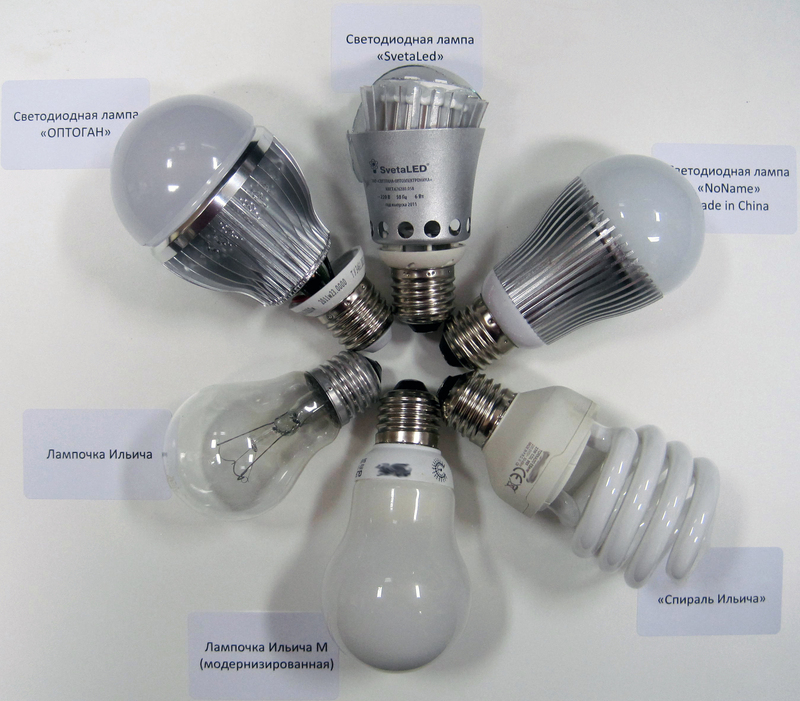
I managed to get my hands on early samples of LED bulbs, including units from Optogan (a Russian manufacturer), SvetaLED, and a Chinese no-name brand. This article documents a detailed teardown comparing these three lighting solutions alongside traditional incandescent and mercury-vapor (fluorescent) bulbs.
A Bit of Theory
Traditional incandescent bulbs waste a significant portion of their energy as infrared radiation (wavelengths above 700-800nm) rather than visible light (300-700nm range). LED and fluorescent alternatives consume substantially less power for equivalent illumination measured in lux.
How LEDs Work
The physics behind LED technology starts with the concept of photoconductivity — how illuminated semiconductors exhibit reduced resistance. P-n junctions create the foundation for both solar cells and LEDs through charge carrier movement across the bandgap.
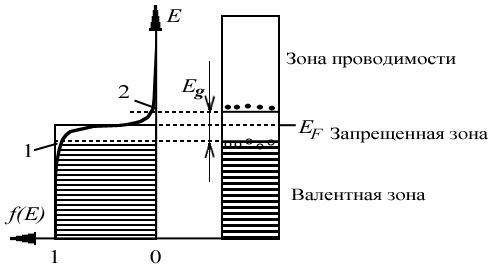
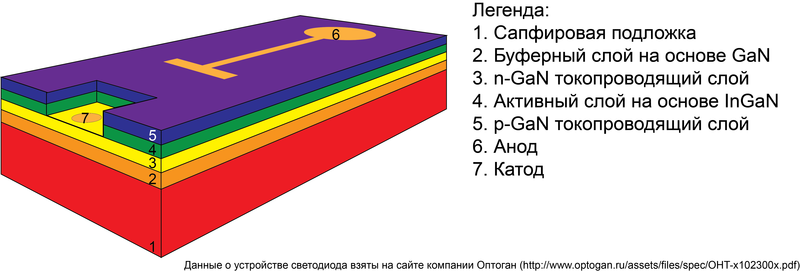
An important distinction lies in the type of semiconductor material. Direct bandgap semiconductors (such as GaAs and GaN) enable visible light emission, unlike indirect-gap materials (Si, Ge). Modern LED manufacturing employs MOCVD (metal-organic chemical vapor deposition) to create active layers just 10-15nm thick.
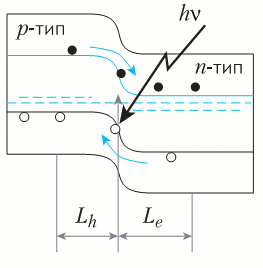
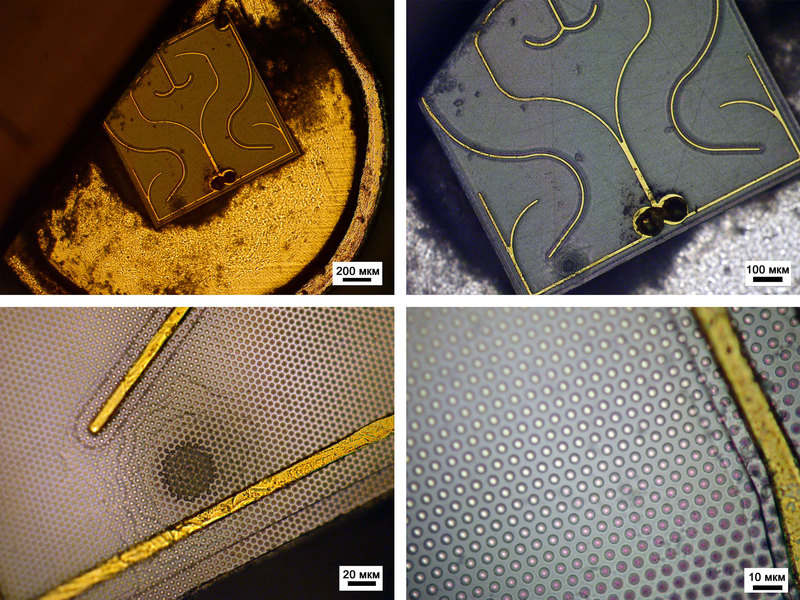
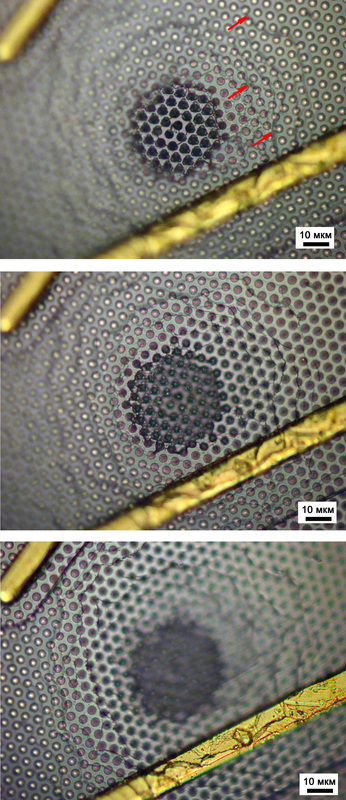
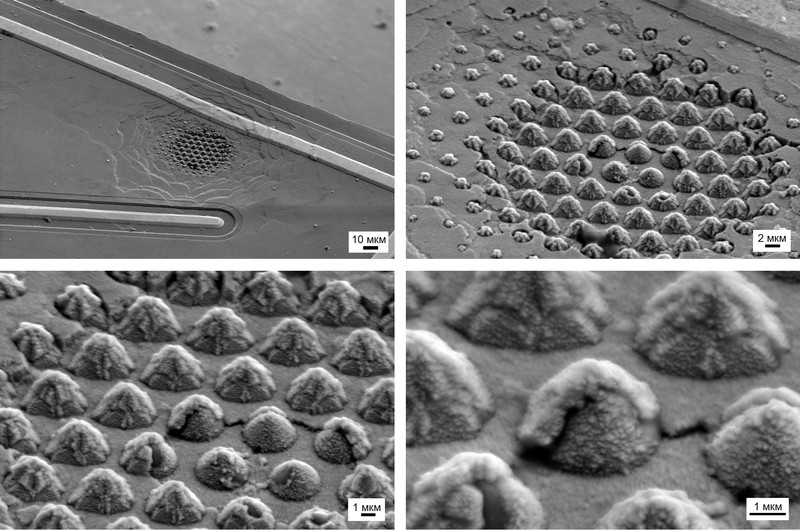
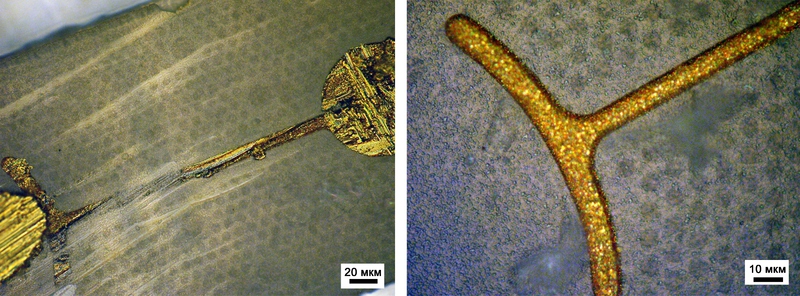
One major challenge in LED efficiency is internal reflection. Photons generated inside the crystal structure can get trapped due to total internal reflection at the crystal-air boundary. To combat this, manufacturers use microstructured sapphire substrates that break up the flat surface and help more photons escape — dramatically improving light extraction efficiency.
Measurement Methodology
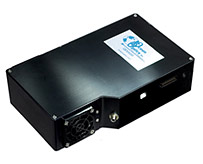
Spectral measurements were performed using an Ocean Optics QE65000 spectrometer in a fully darkened environment. For each bulb type, 10 measurements were taken, background noise was subtracted, and results were normalized to 100%.
Spectral Comparisons
Incandescent bulb: Produces a continuous broadband thermal spectrum — smooth and even across the visible range with strong emphasis on the red and infrared portions.
Mercury-vapor (fluorescent) bulb: Shows discrete spectral lines — a blue peak around 420nm, green around 550nm, and red above 600nm. The gaps between these peaks explain why colors can look "off" under fluorescent lighting.
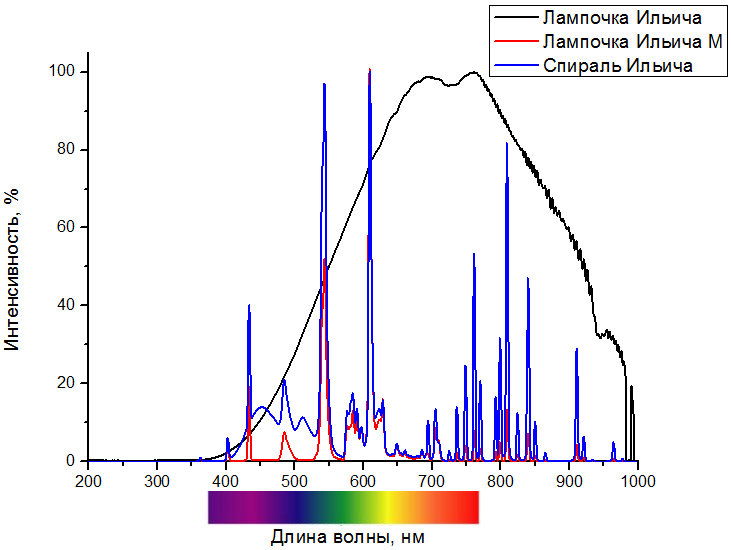
LED units: All exhibit a sharp blue peak (from the GaN/InGaN LED chip itself) combined with a broader phosphor-converted emission band in the yellow-orange region. The specific phosphor compounds used determine the color temperature characteristics. Optogan uses a proprietary phosphor formulation, while the Chinese and SvetaLED bulbs share a similar yellow-orange phosphor.
The Chinese No-Name Lamp (~$14 USD)
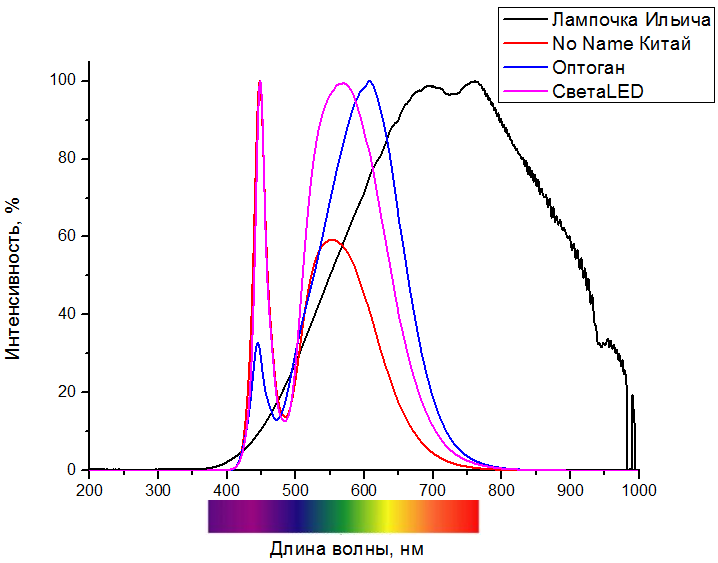
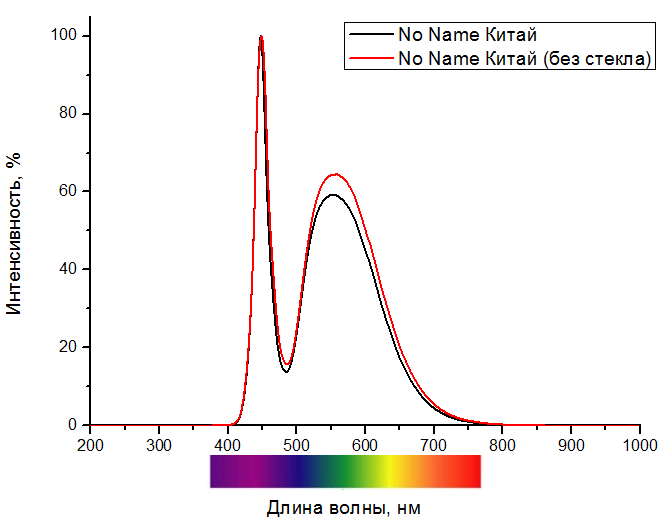
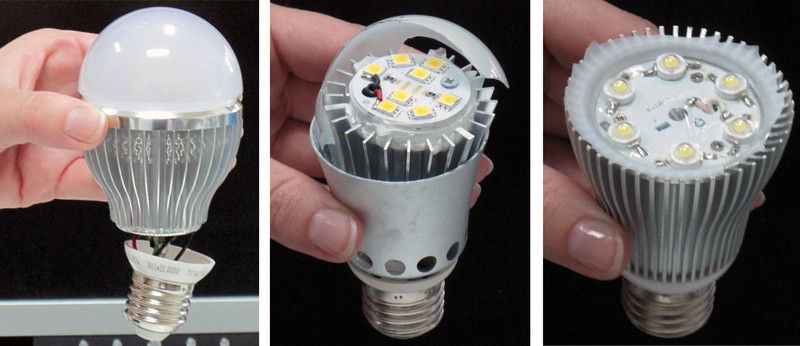
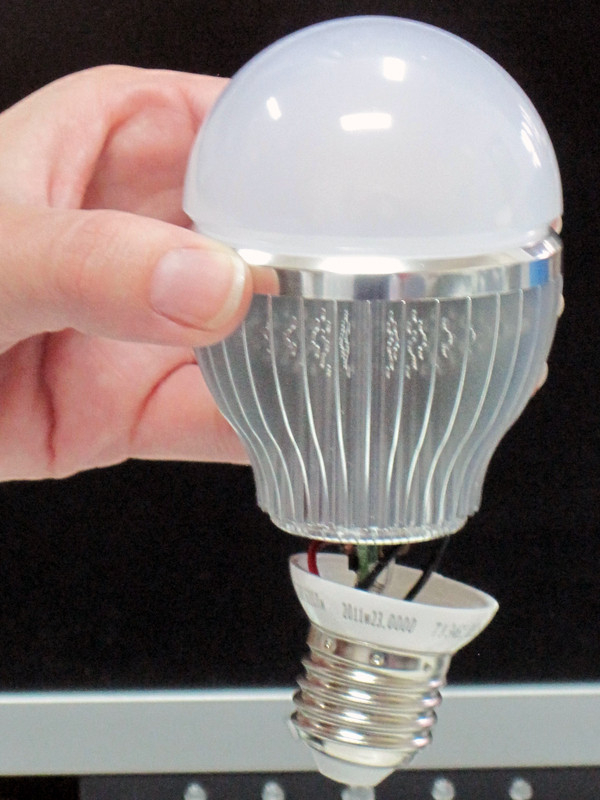
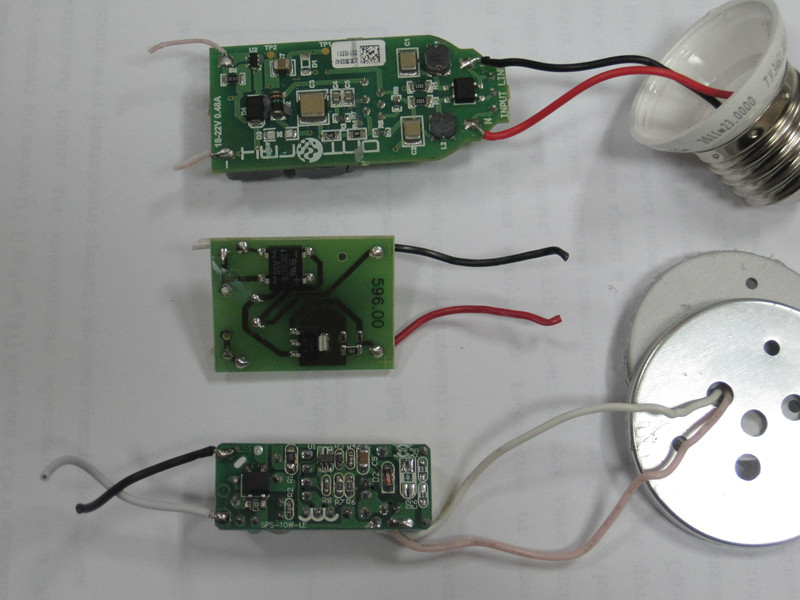
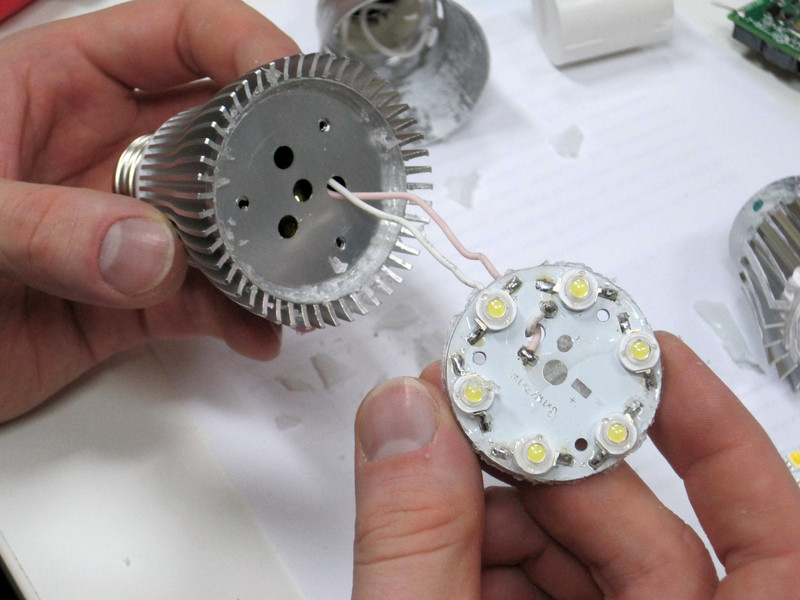
Color temperature: 5000-6000K (cool white). Luminous efficacy: 70-90 lumens/watt. It features a simple switching power supply with a minimal component count. Notably, it has long connecting wires between the driver board and the LED module, which makes repair and repurposing easy. The construction is modular, with discrete LED packages mounted on a separate substrate with adjustment screws.
The Optogan Lamp (995 rubles)
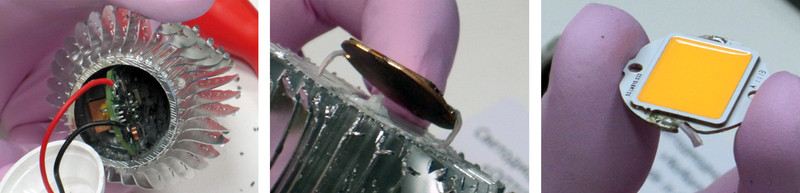
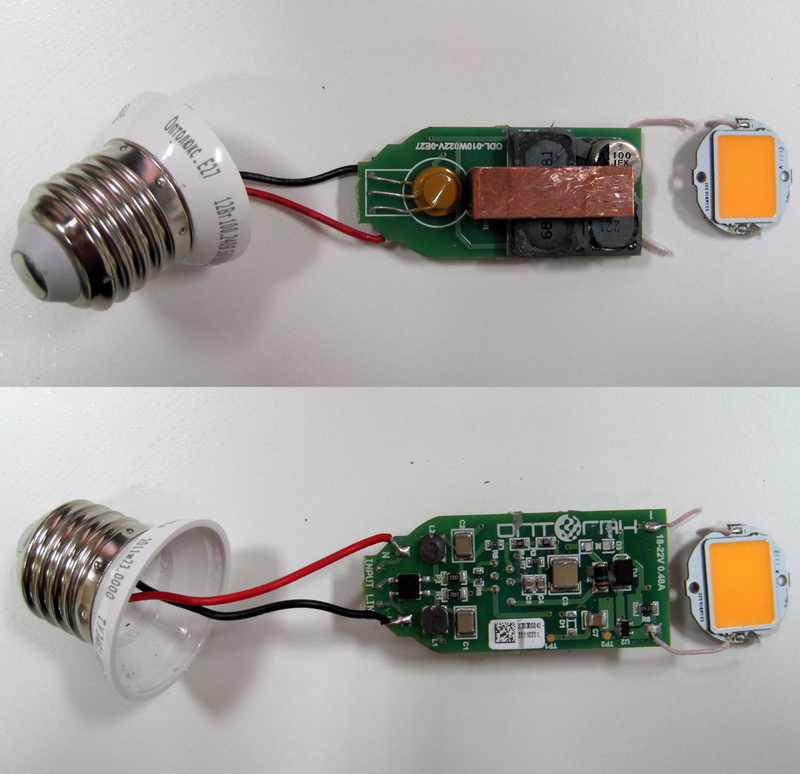
Color temperature: 3050K (warm and pleasant). Luminous efficacy: 65 lumens/watt. Features an expensive polycarbonate and aluminum construction with a design by Artemiy Lebedev's studio. The driver is complex, using solid-state capacitors and a proper switching-mode power supply — representing the company's core intellectual property and occupying a disproportionate share of the lamp's volume.
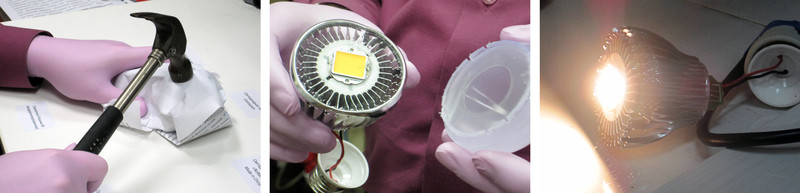
The LED module is monolithic. However, there are quality issues: the fragile threaded socket connection fails after just 2-3 insertions. The form factor is also oversized compared to a standard bulb.
The SvetaLED Lamp (planned 450-500 rubles)
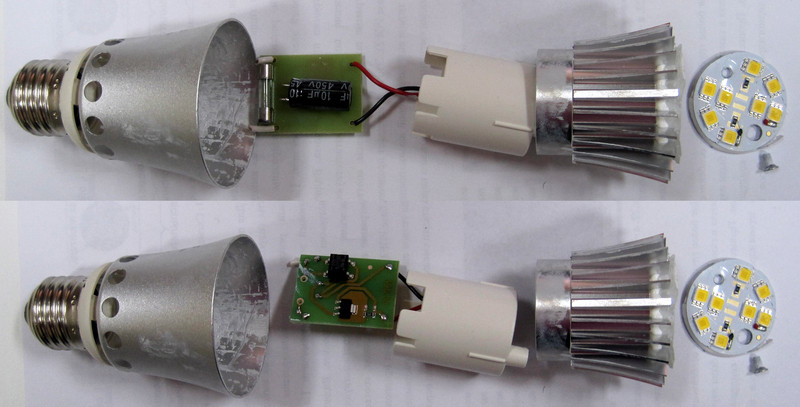
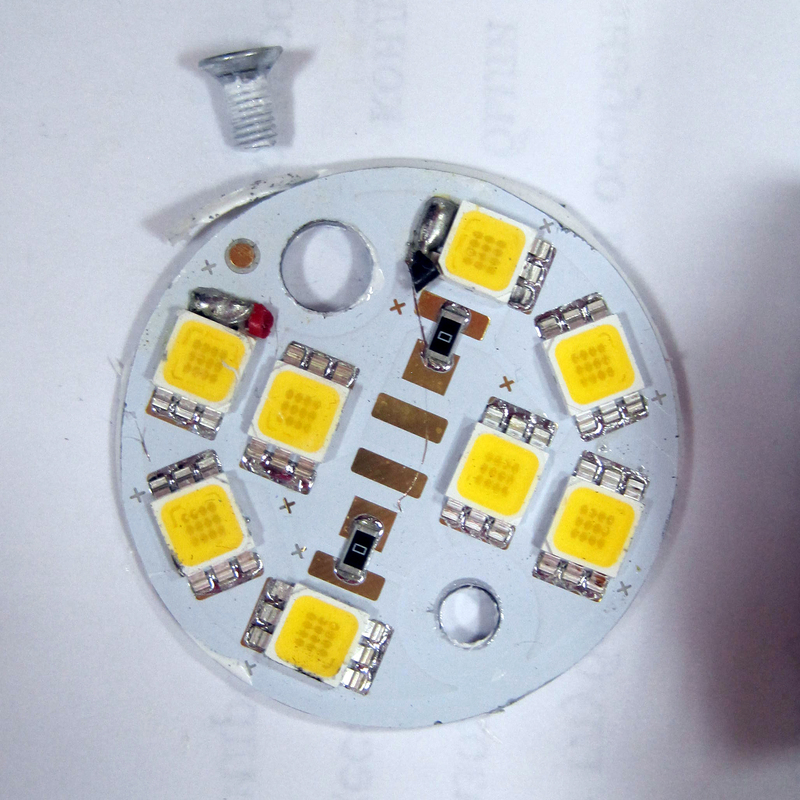
Color temperature range: 3500-4500K (a vague specification). Luminous efficacy: 75 lumens/watt. Features minimal driver circuitry — essentially a diode bridge, a large capacitor, and a load switch. The aluminum heatsink is heavily coated with thermal paste. The LEDs are connected in series, meaning a single LED failure disables the entire module.
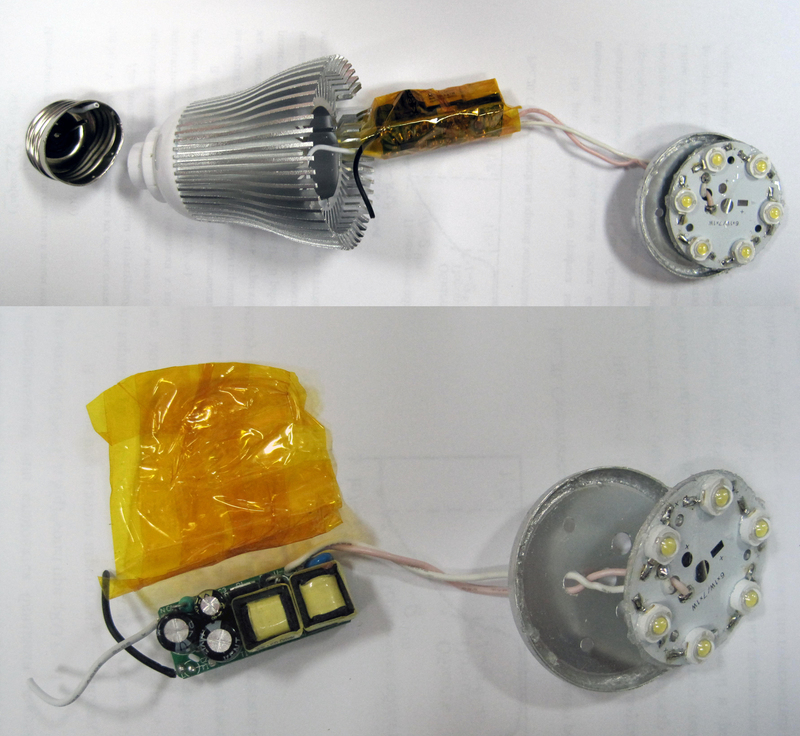
The hand-assembled appearance (marker-labeled substrate) suggests a "military-grade over-engineering" philosophy. One interesting feature: the massive 10uF/450V capacitor provides approximately 1.5 minutes of emergency illumination after power loss. The phosphor's natural time constant prevents visible 50Hz flicker despite the absence of sophisticated smoothing electronics.
LED Chip Examination Under the Microscope
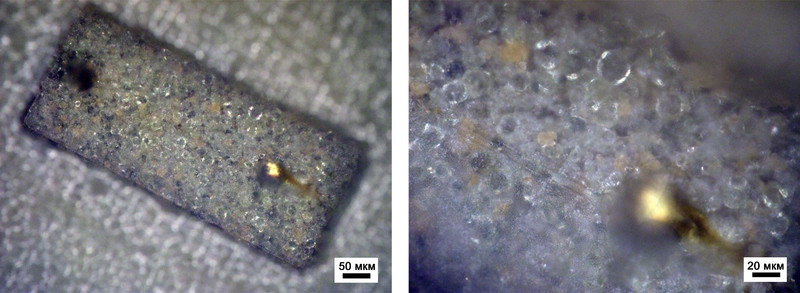
Chinese LED
The sapphire substrate shows a microstructured surface designed to improve light extraction. The chip has 4+ polymer protective layers — a phosphor layer, soft polymers, and a hard optical lens. Multiple active layers are visible in cross-sections. Evenly distributed current-spreading contacts cover the surface. The crystal clarity is remarkable, allowing observation of contacts through the backside of the chip.
Optogan Module
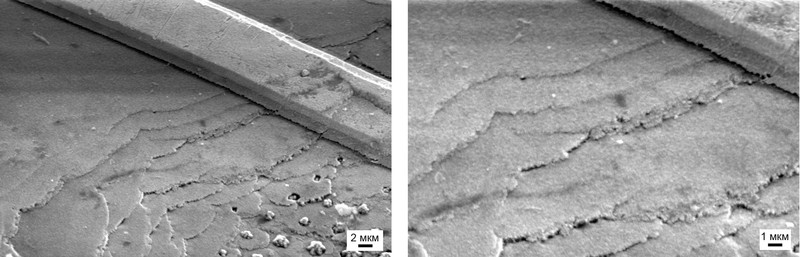
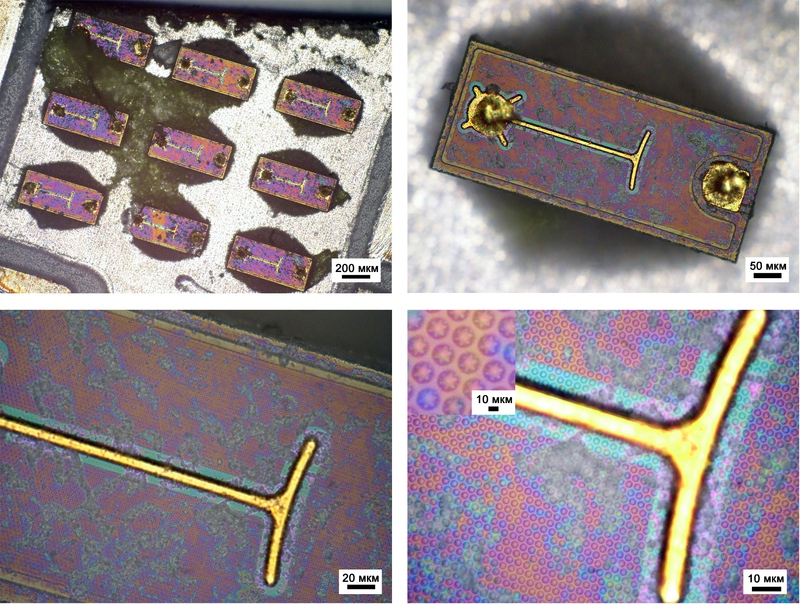
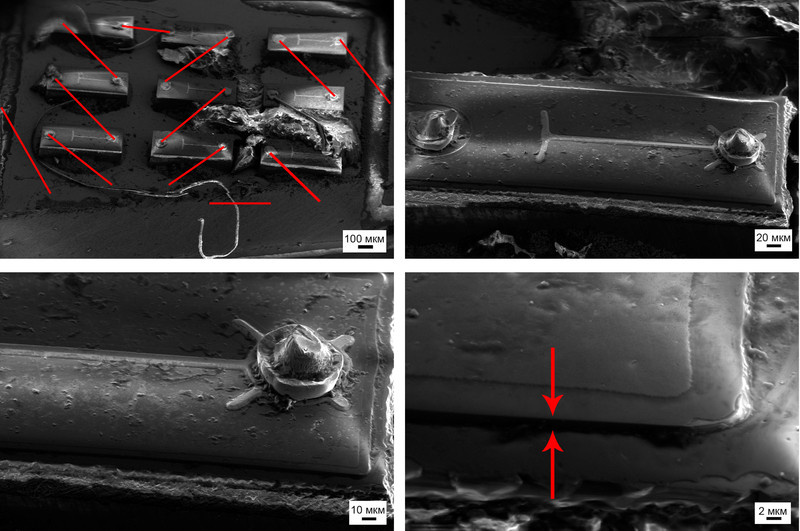
Individual dice are mounted in a staggered pattern on a copper substrate. The phosphor layer exhibits an unusual structure with 10um sphere-like particles. A thin polymer residue remains after mechanical removal. SEM imaging reveals the active quantum-well region with a distinctive buffer layer texture. The contact design shows higher geometric precision compared to the Chinese chip.
SvetaLED Module
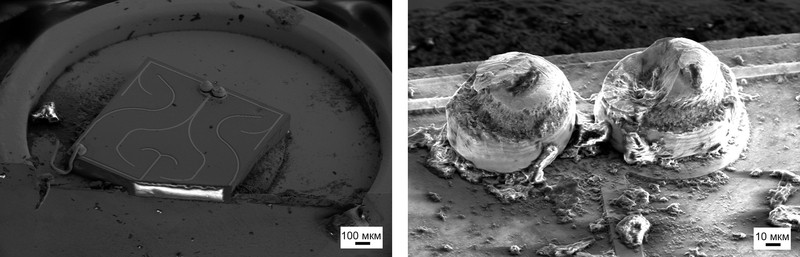
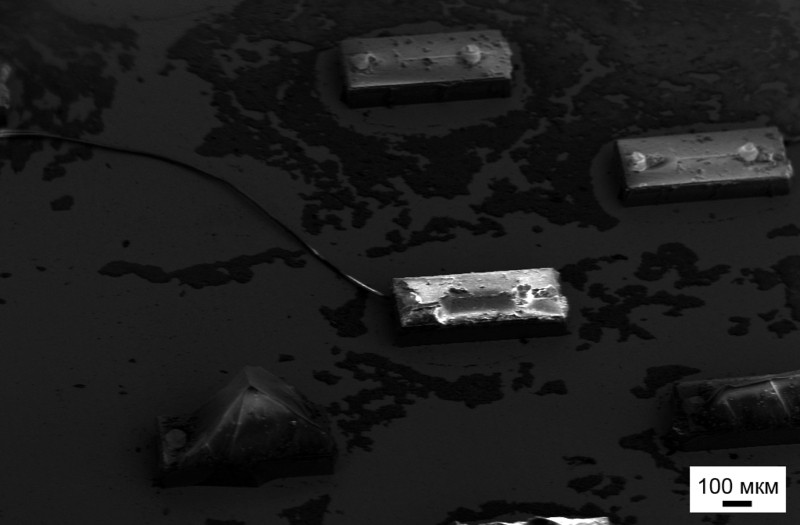
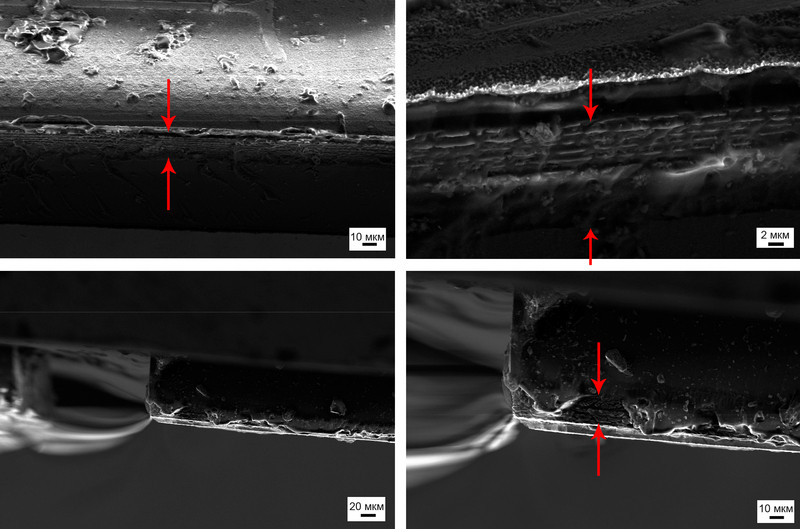
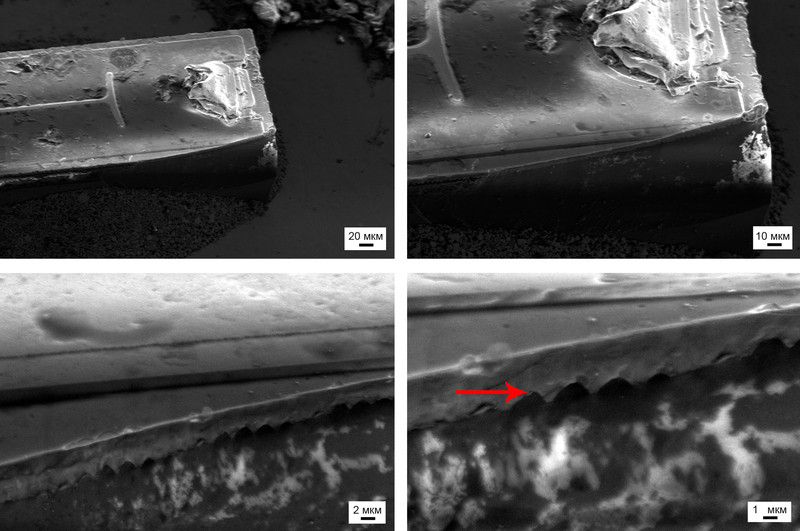
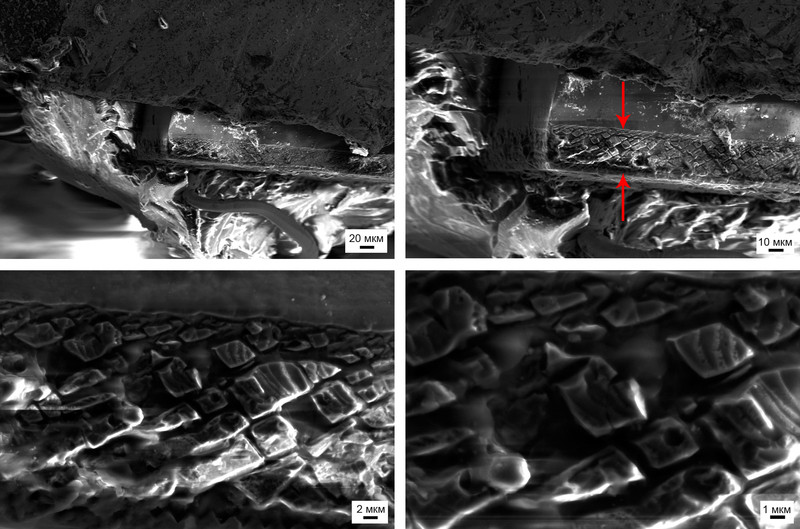
Uses a sequential connection topology (4x3 dice arrangement). A single device failure reduces output by 12.5%. The microstructured sapphire substrate is identical to competitors. The buffer layer morphology under SEM matches physics-grade standards. Hand-mounted appearance with solder inconsistencies is evident.
Striking Similarities
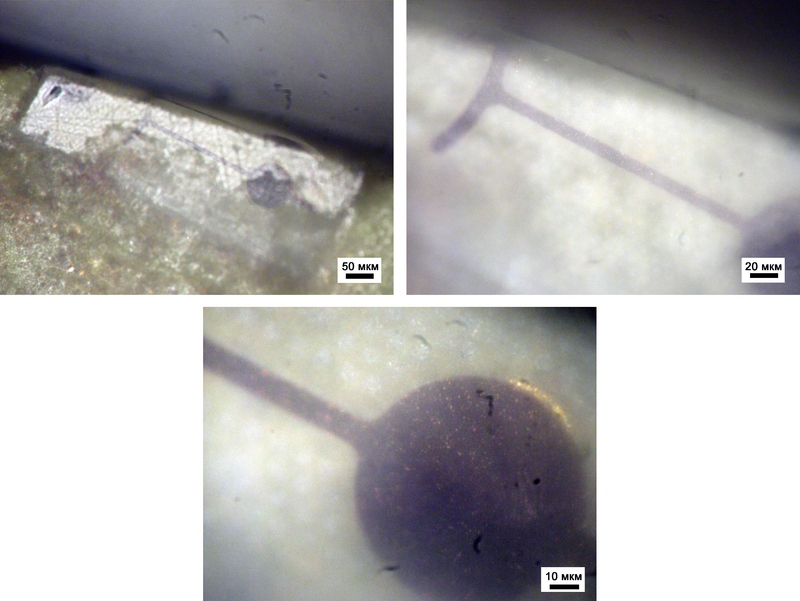
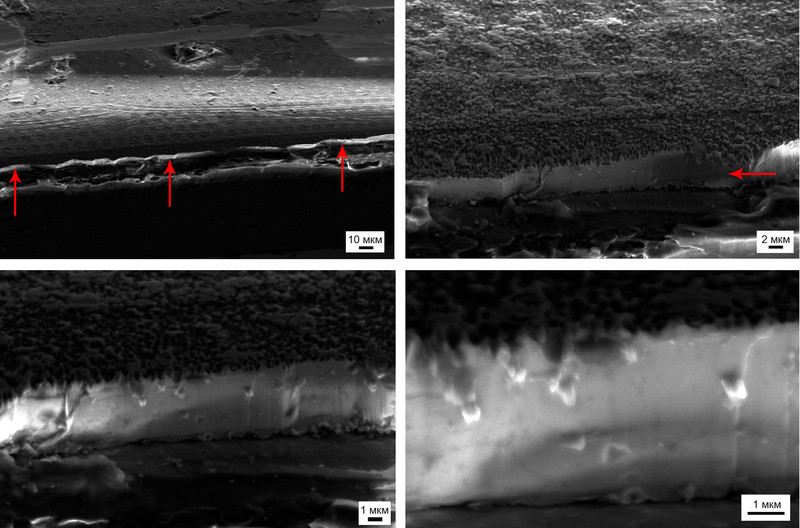
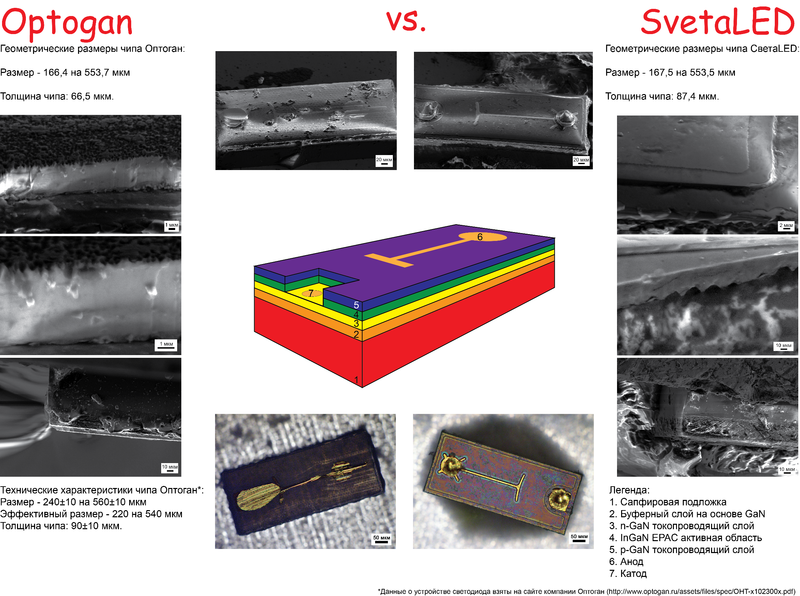
Despite claims of independent development, the LED chips from Optogan and SvetaLED show striking geometric similarities. The dice dimensions, contact patterns, substrate treatments, and buffer layer structures all appear to have been manufactured on comparable equipment — possibly from the same Taiwanese supplier, just from different equipment generations.
Color Rendering Comparison
The spectral quality ranking by color rendering index (CRI/Ra):
- Incandescent: Ra=96 (highest color rendering)
- Fluorescent: Ra=82-85
- Optogan LED: Ra=80
- Chinese LED: Ra=70
- SvetaLED: Ra=68
Conclusions
The Chinese bulb represents the optimal engineering economy — no frills, but effective. It delivers reasonable performance without pretending to be something it's not.
SvetaLED's oversimplified driver design contradicts its mid-range price positioning. For the price, one would expect at least proper current regulation rather than a bare-bones rectifier with a capacitor.
Optogan possesses clearly superior circuit design and the best color rendering among the LEDs tested. However, it desperately needs a complete redesign: a smaller form factor, cheaper materials (glass replacing polycarbonate), multiple modest chips replacing a single monolithic die, and an optimized driver to achieve market competitiveness.
This article aims to present facts and measurements rather than endorse any particular manufacturer. The reader is left to draw their own conclusions based on the data.