I recommend playing: Cats and the Other Lives
Cats and the Other Lives is a pixelated point-and-click adventure game in which the player is asked to be an old ginger cat living in a huge mansion. The owner of the mansion dies in his bed from old age, and all the relatives come to the house, loving each other tenderly so that
Editor's Context
This article is an English adaptation with additional editorial framing for an international audience.
- Terminology and structure were localized for clarity.
- Examples were rewritten for practical readability.
- Technical claims were preserved with source attribution.
Source: original publication
Cats and the Other Lives is a pixelated point-and-click adventure game in which the player is asked to be an old ginger cat living in a huge mansion. The owner of the mansion dies in his bed from old age, and all the relatives come to the house, loving each other tenderly so that their teeth ache. Some of them haven't seen each other for years, and now they have to bury the old man and decide what to do with the house. In recent years, the owner has been broke, the mansion has become dilapidated and requires significant investment, and each of the characters has enough problems of their own. The cat, who is already sixteen years old, unwittingly witnesses family squabbles - and even influences them a lot.
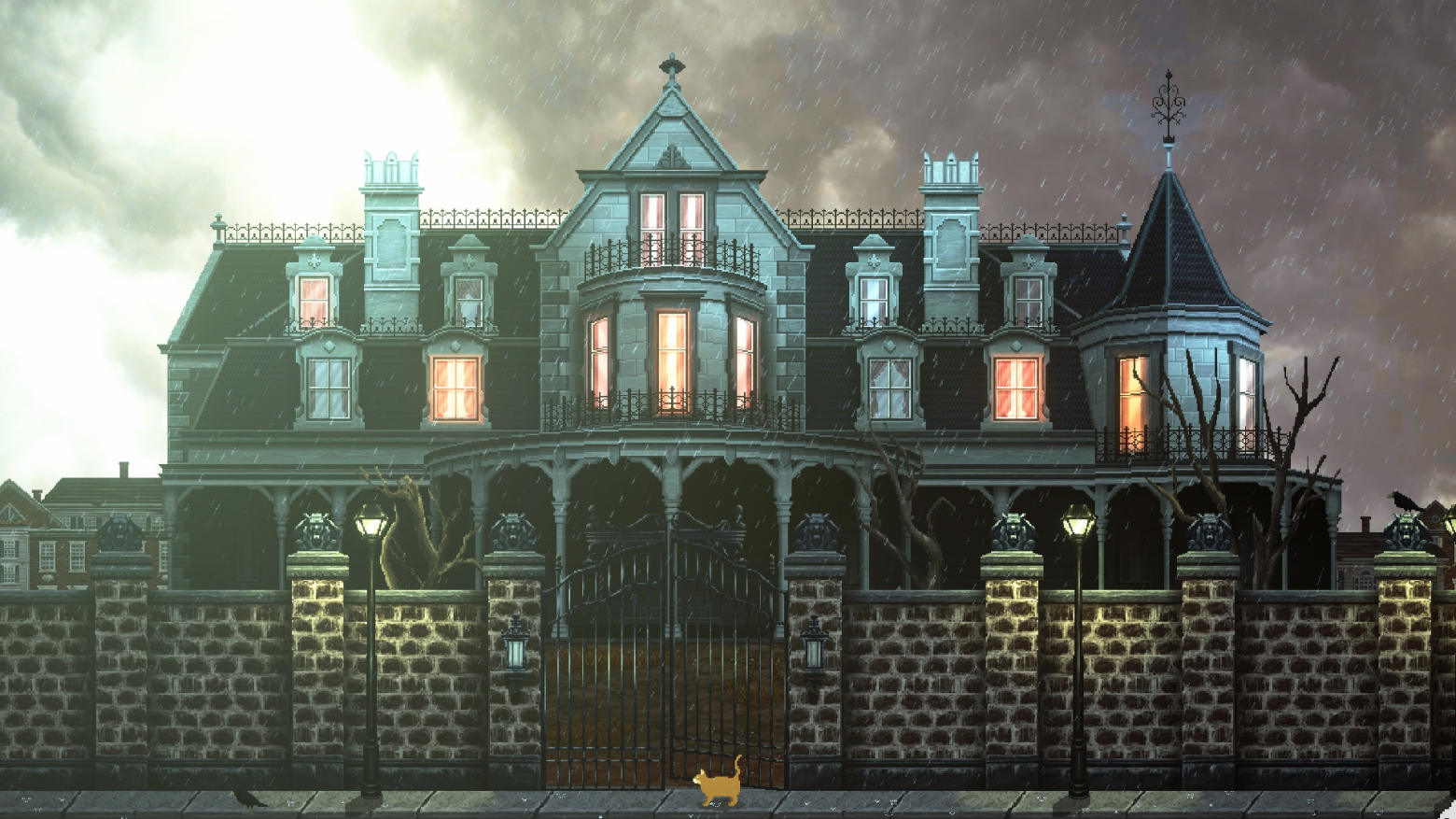
The game was created and released in November 2022 by Cultic Games, which in 2019 loudly announced itself with its first project - Stygian: Reign of the Old Ones. And although there were many complaints about that game, it still remains a unique RPG of its kind in the Lovecraftian setting, original and atmospheric.
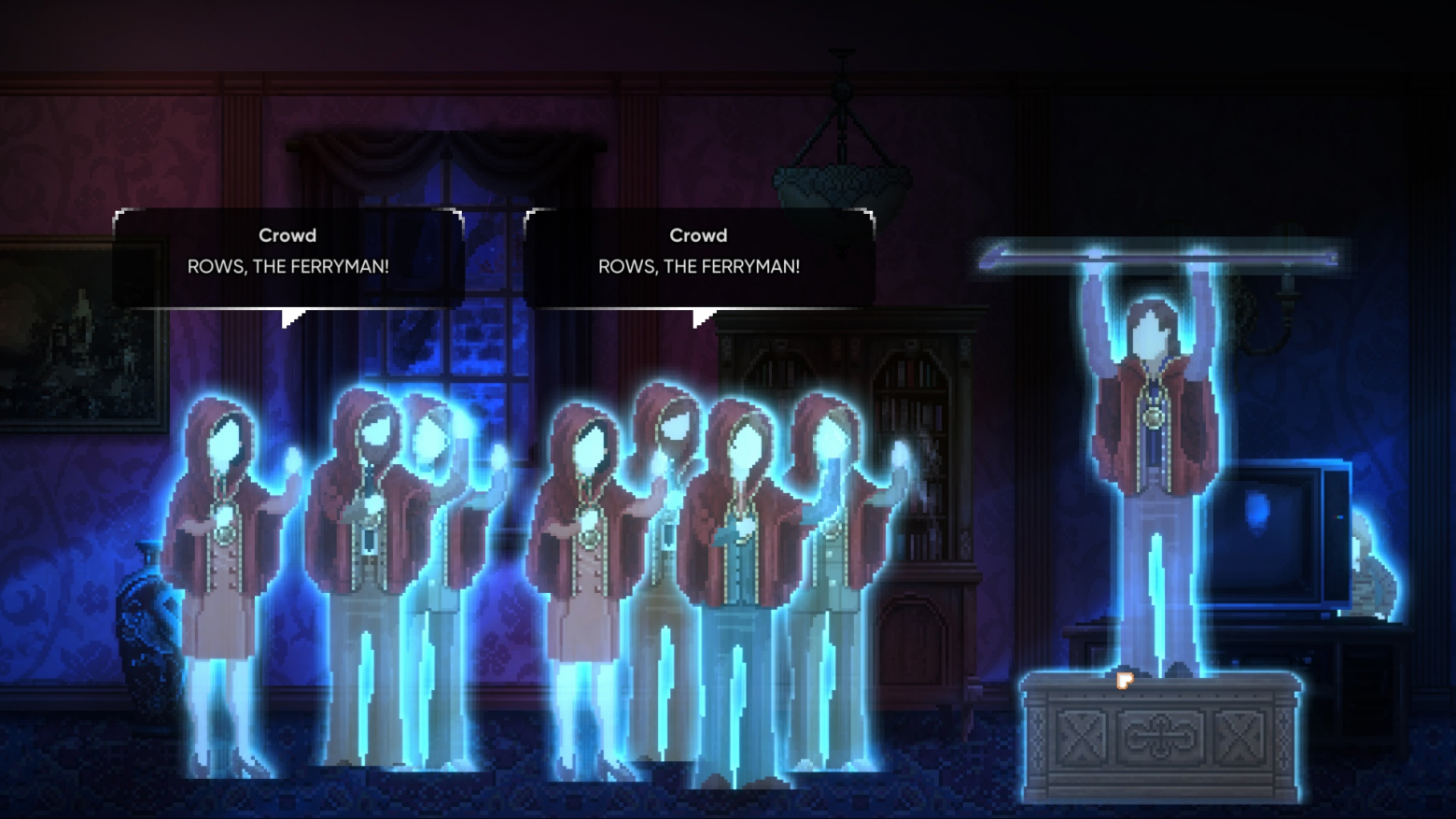
Cats and the Other Lives initially leads the player by the nose, hinting at mysticism: the cat seems to see ghosts, the mansion seems to be created for committing murders or unholy rituals, the old woman constantly babbles about some kind of city for the dead, figures in robes can be seen in the windows, etc. However, gradually everything that happens (or almost everything) is explained by completely prosaic reasons, which, however, are no less curious than mysticism.
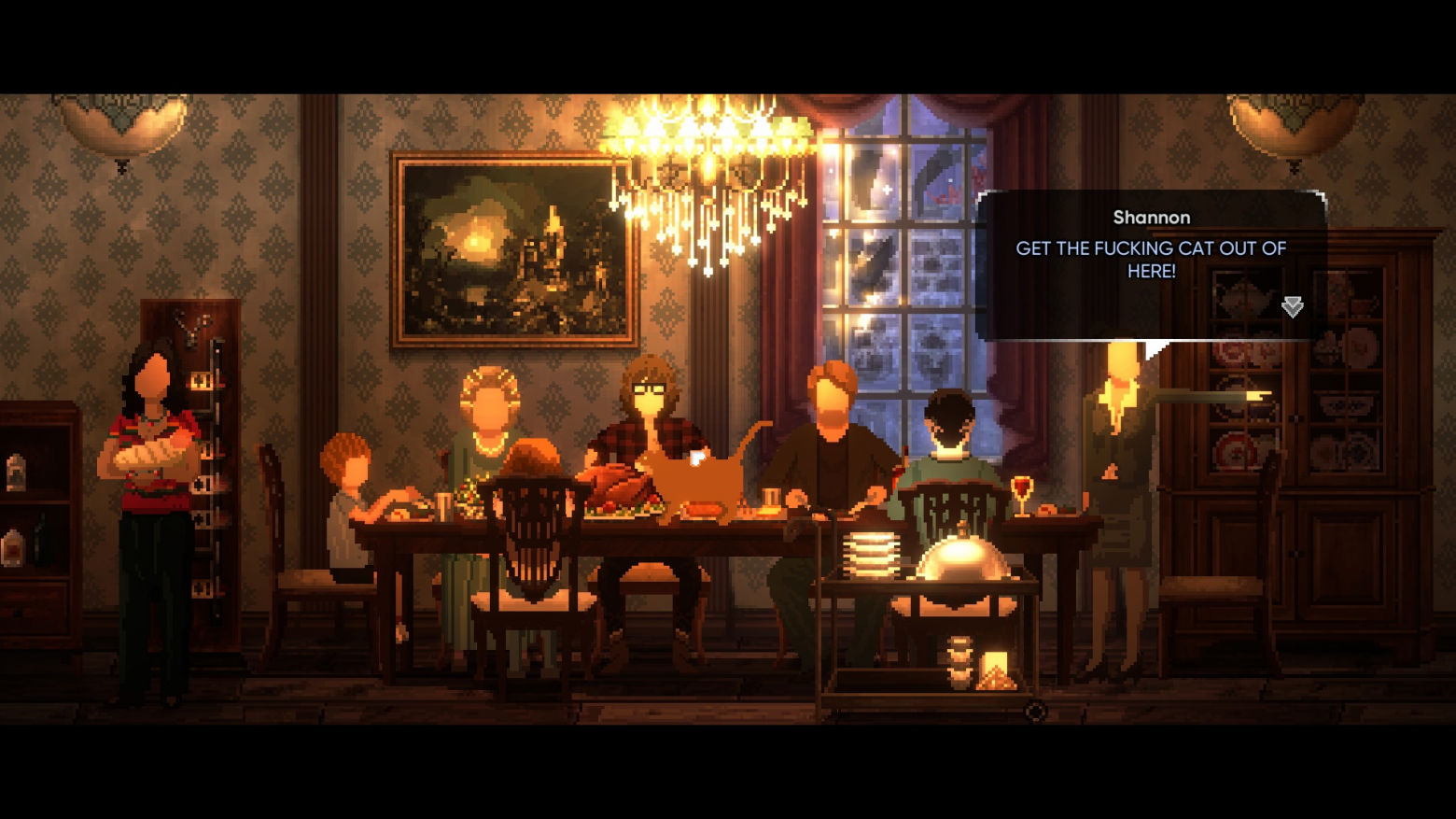
In total, twelve people accumulated in the house: the elderly wife of the deceased, who had fallen into dementia, his three children, their spouses, children, as well as a maid and a carpenter hired by the previous owner, and an old friend. Each of them has a short but interesting story. The characters came out very alive, which is generally rare for games, and even more so for short indie projects, where there is simply no time to reveal the characters. The feelings that the owners of the mansion evoke are constantly different: either they show us the negative traits of the character, or they explain why they arose - and you involuntarily begin to sympathize with the person, and as soon as you relax, the character will again do something stupid. The labels that you immediately want to stick on everyone involuntarily fall away. These people are sometimes good and sometimes bad, smart in some ways, but ungodly stupid in others, they have both advantages and disadvantages - everything is like real, living people. And the more you believe in them, the more you delve into the story.
The plot as a whole is simple, but not at all stupid. A cat named Aspen (literally Aspen is translated as “Aspen”, and this name was not chosen by chance) sees not ghosts, but scenes from the past. He himself witnessed something, and something happened even before his birth. To understand why the characters behave this way, you need to look at the history of several generations that lived in this house.
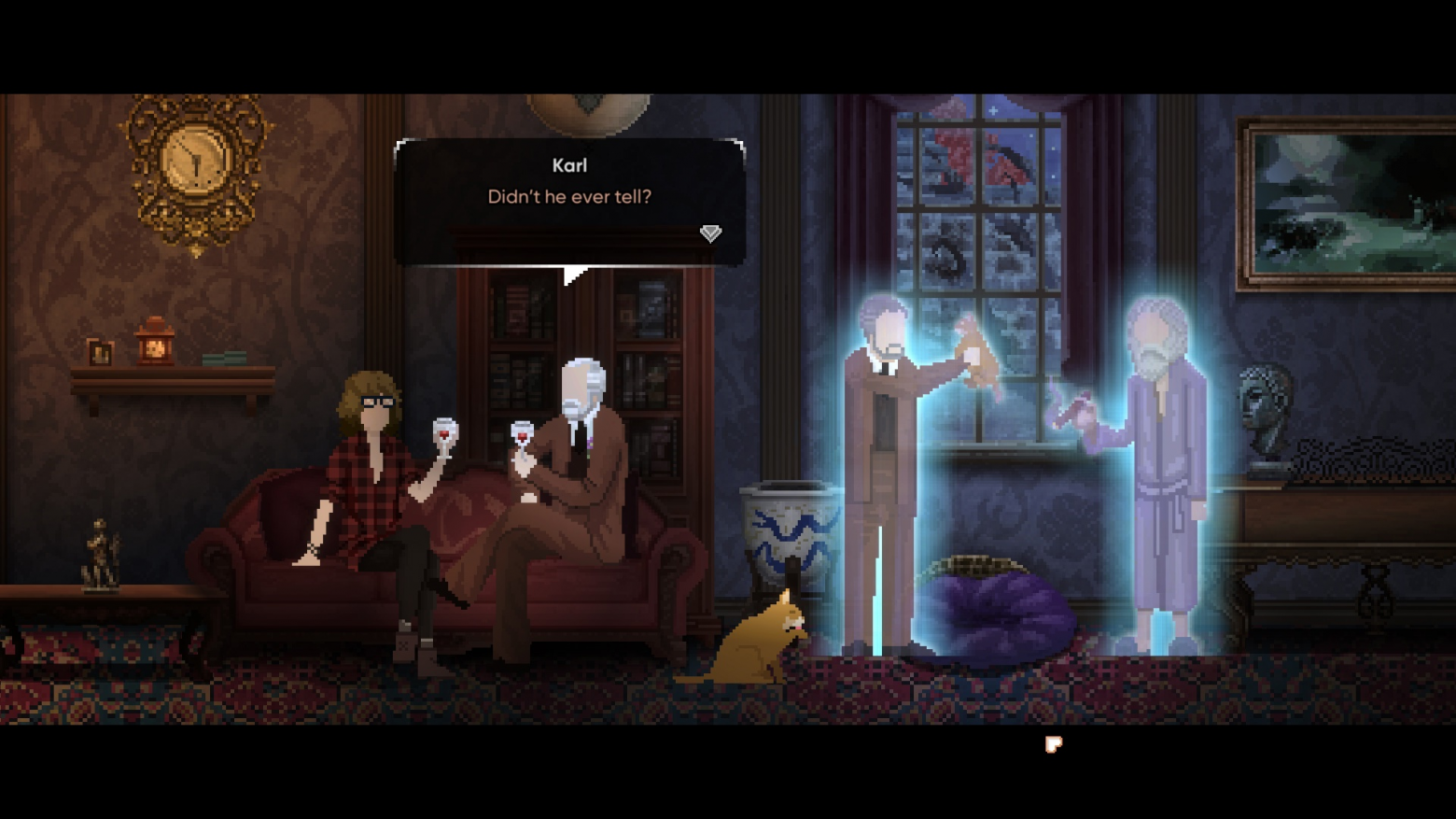
The conflicts that arise between the characters feel natural and believable because they happen not because of the machinations of evil individuals, but because of stupid, immature decisions. Each of the family members wanted to make the right choice, but in the end this did not lead to the results they expected. One of them didn’t have a good life, because from the very beginning he put everything on the wrong card, and now, after a couple of decades, he understands that he has become a pathetic loser. Another blames herself all her life for a childhood misdeed, and is now trying to cope with OCD. No one wanted to harm anyone - but life pushed everyone together and rewarded everyone with the same invaluable experience that no one wanted.
Serious topics, which pleases, are diluted with good, good humor. But God be with him, with the plot - what about the cat?
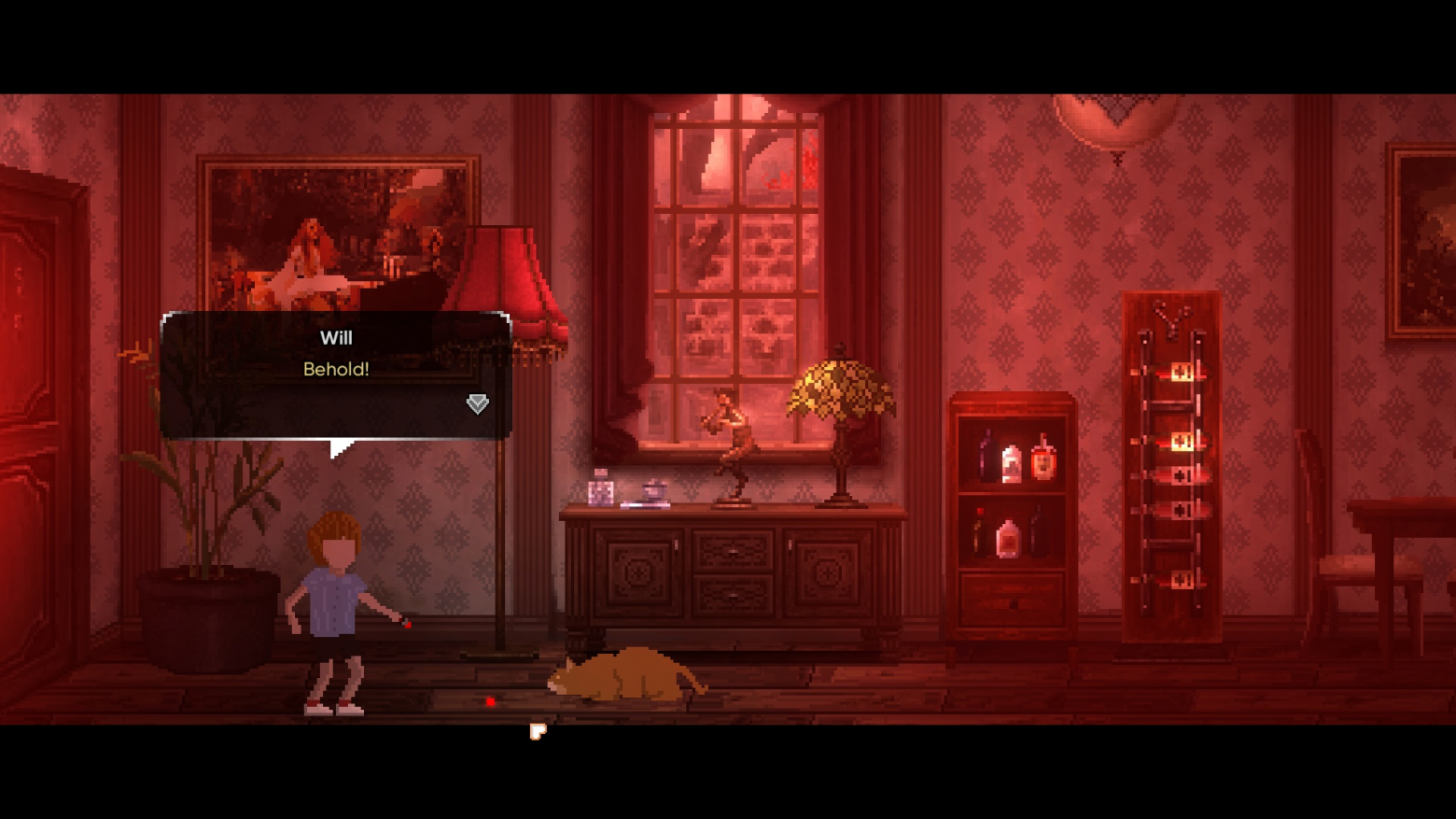
Despite the linearity, with the exception of a couple of choices that have little impact, the game shows cat behavior better than Stray. Probably due to the fact that the cat lives here with people, and does not wander around the trash heaps in the company of a robot. Aspen will have to run after the red dot, and escape from the vacuum cleaner, and be afraid of the cucumber lying behind him, and steal food from the table, and chase the rat, and so on.
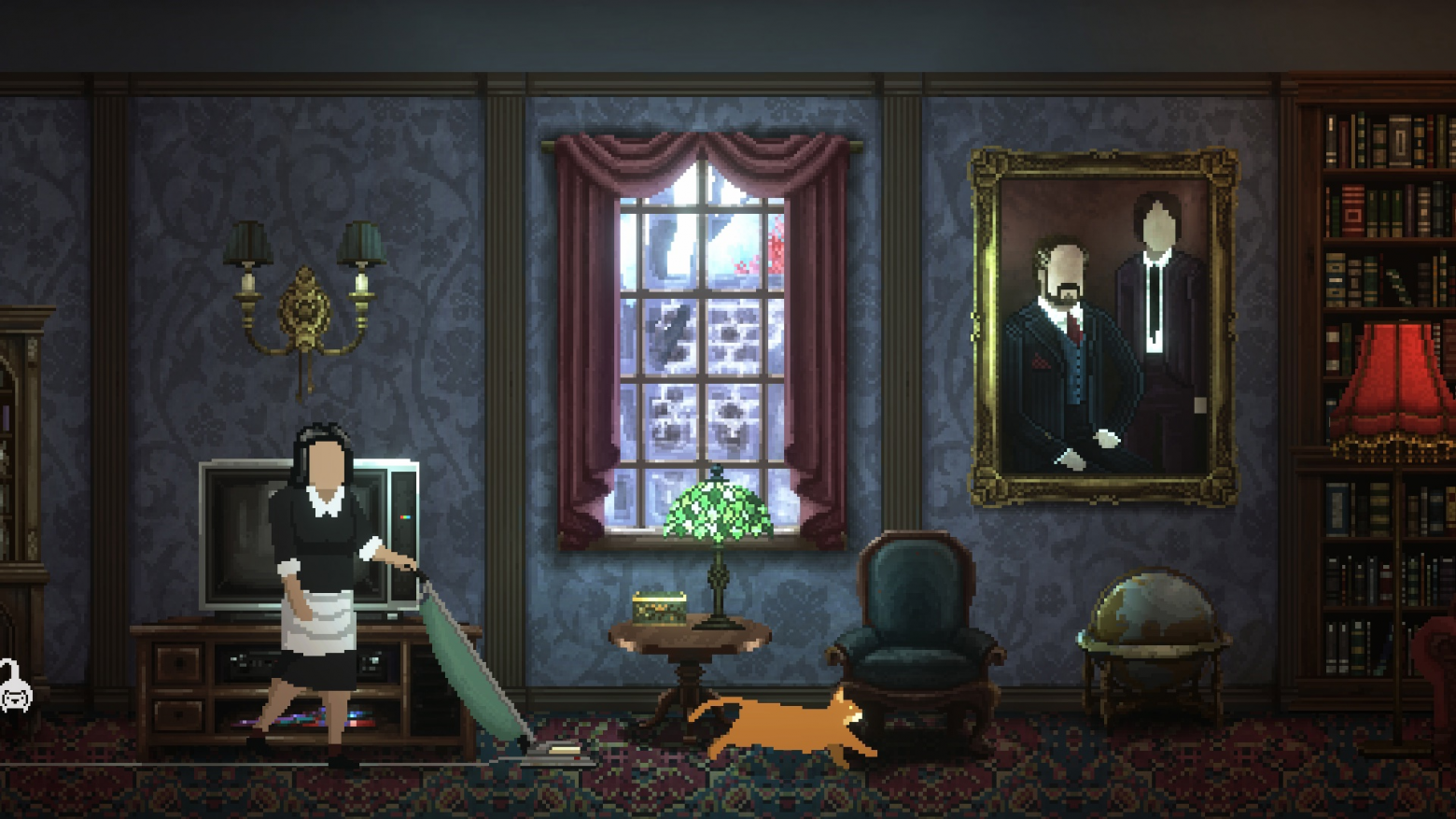
My favorite is to climb through the window into the toilet of a person who cannot get off the toilet, and yell at the door to let him out. It was also great when the lights went out in the whole house, Aspen was running across the piano keys, and the family was almost baptized in fear.
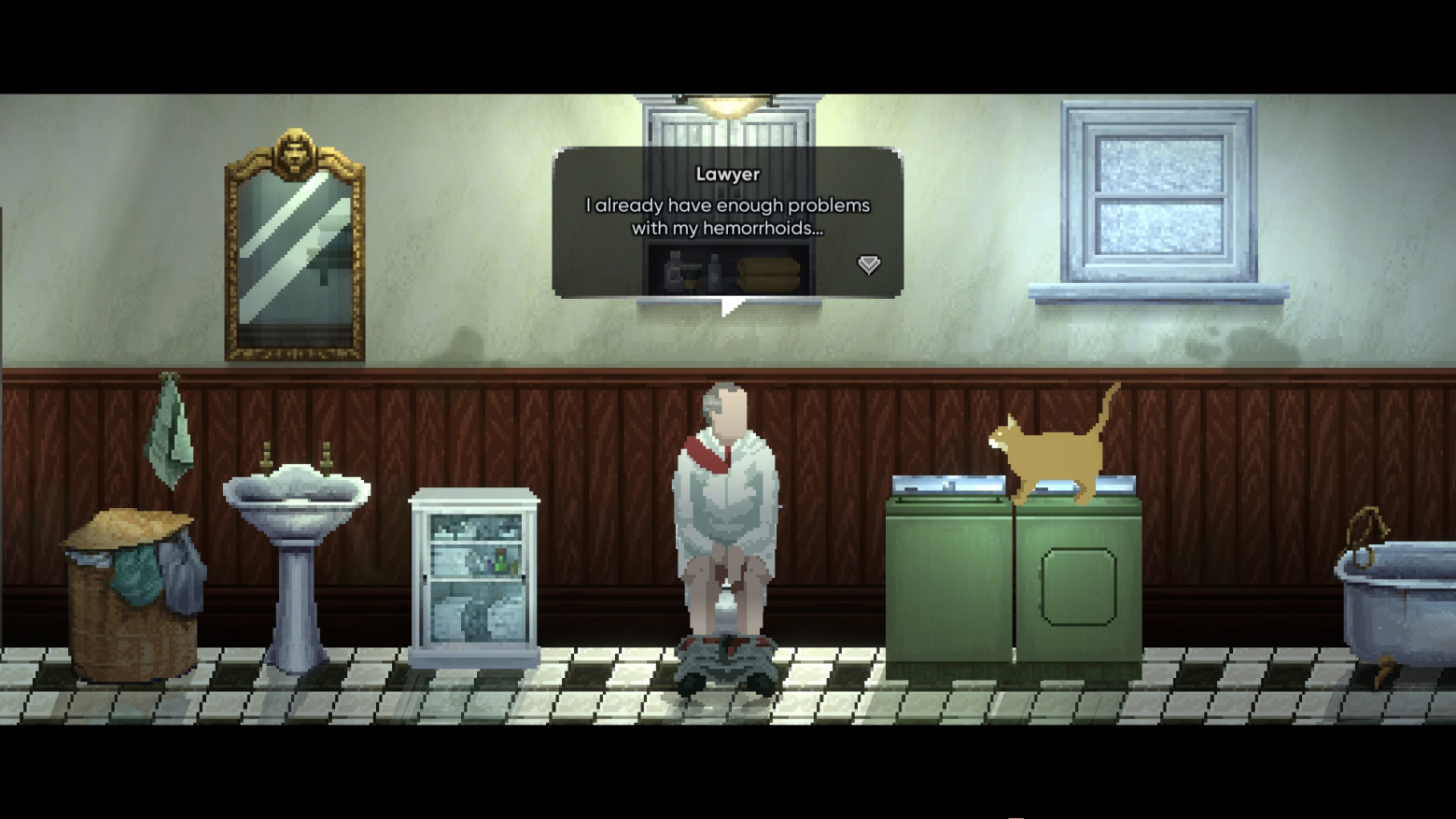
It's clear that the game was made by people who really know and love cats. Their habits, both annoying and those for which we love animals, are perfectly conveyed: you can climb into the lap of a depressed person and purr to calm his nerves. Or defuse the situation with funny behavior. Aspen is not only an observer - he will play a decisive role in events, even if not always intentionally. The creators of the game openly admit their love for cats and seem to say: we understand how much you do for us.
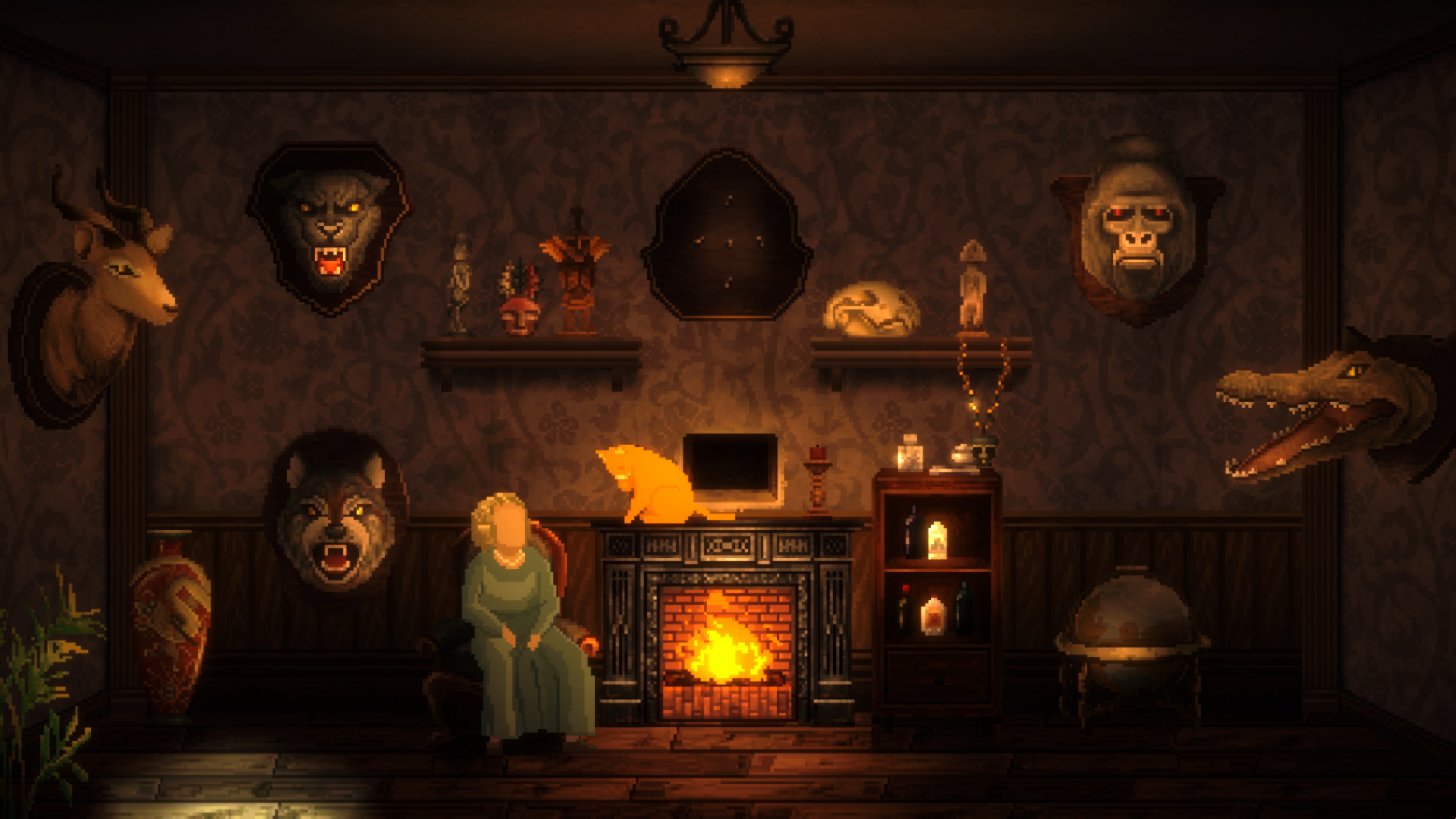
A leisurely passage took me ten and a half hours - a lot for a game like this, but in principle, you can go through it faster. From time to time there are mini-games or easy riddles, and if the player thinks for too long, an on-screen reminder appears that you can always turn on hints in the menu. It is also worth mentioning that the game does not have a Russian localization, but the English is simple and a high level of knowledge is not required.
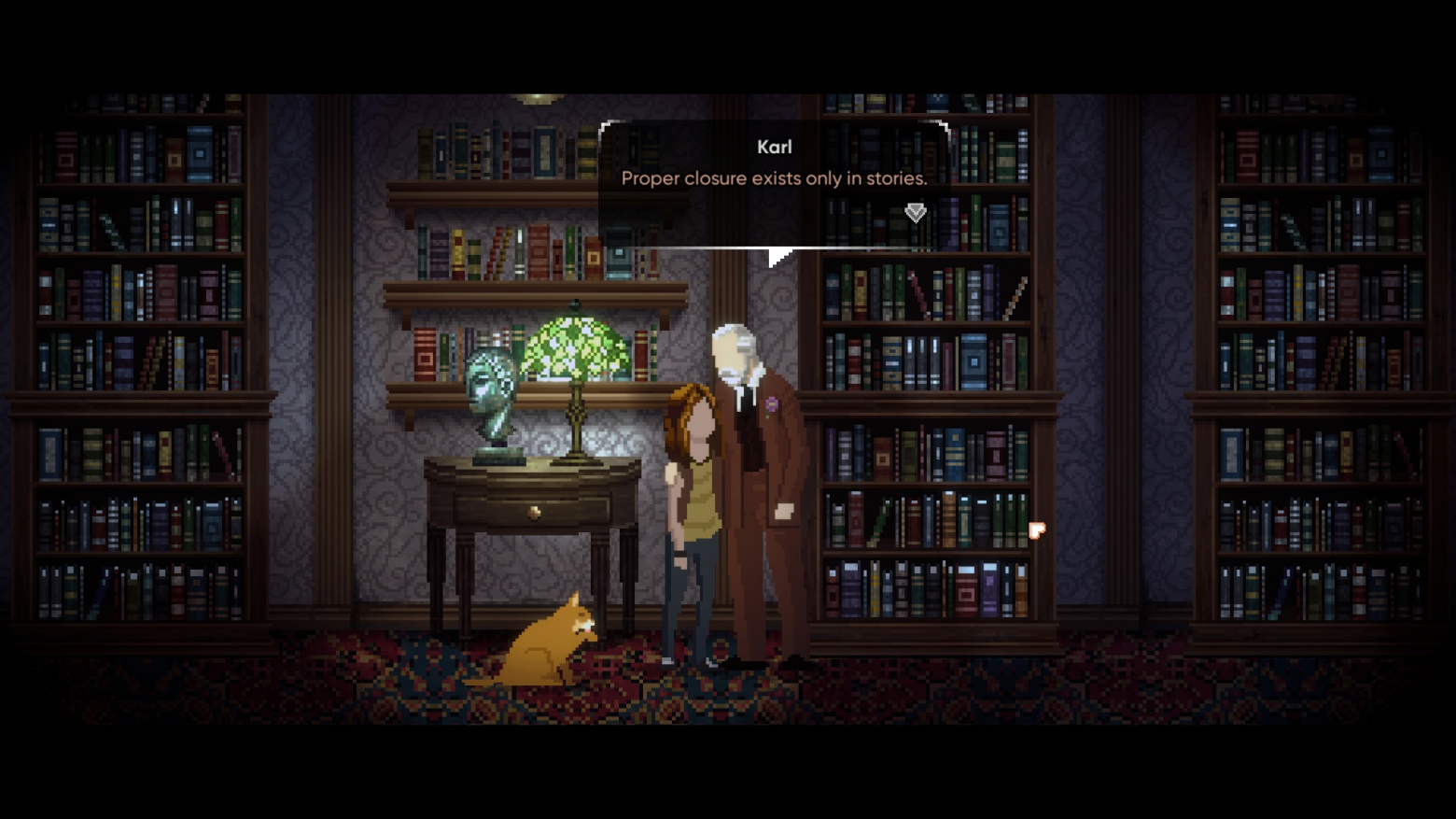
Reviews on Steam for the game are “Very Positive,” and for good reason. I recommend Cats and the Other Lives to all fans of indie projects with a good plot and cozy pixel graphics, as well as fans of the autumn atmosphere and, of course, cats.
Author of the text: Mikhail Grechannikov. Written with support Timeweb Cloud especially for CatGeek and readers.
Develop and develop your game (and more) with the help cloud hosting for GameDev ↩

🎲 Read also:
➤ I recommend playing: Deponia;
➤ "RoboCop 3": more dead than alive;
➤ How the Riddick anthology was created;
➤ Their Place in the Museum: Indiana Jones Games;
➤ Rogue Trader is the best game to understand Wahoo.
Why This Matters In Practice
Beyond the original publication, I recommend playing: Cats and the Other Lives matters because teams need reusable decision patterns, not one-off anecdotes. Cats and the Other Lives is a pixelated point-and-click adventure game in which the player is asked to be an old ginger cat living in a huge...
Operational Takeaways
- Separate core principles from context-specific details before implementation.
- Define measurable success criteria before adopting the approach.
- Validate assumptions on a small scope, then scale based on evidence.
Quick Applicability Checklist
- Can this be reproduced with your current team and constraints?
- Do you have observable signals to confirm improvement?
- What trade-off (speed, cost, complexity, risk) are you accepting?
FAQ
What is this article about in one sentence?
This article explains the core idea in practical terms and focuses on what you can apply in real work.
Who is this article for?
It is written for engineers, technical leaders, and curious readers who want a clear, implementation-focused explanation.
What should I read next?
Use the related articles below to continue with closely connected topics and concrete examples.