I Ditched Windows 11 in Favor of Linux
A personal account of switching from Windows 11 to Artix Linux, covering the frustrations with telemetry and instability that prompted the move, the distro selection process, technical challenges encountered, and unexpected benefits discovered along the way.
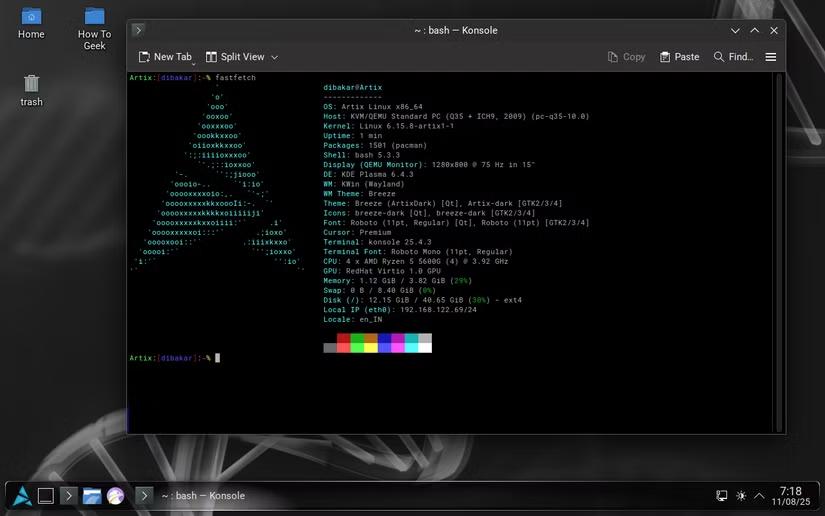
This is a translated article by Sam Medley, originally published on NotebookCheck. It describes the author's experience switching from Windows 11 to Linux on multiple machines — and why he's not going back.
Why I Left Windows
Two things finally pushed me over the edge with Windows 11.
First: telemetry and data collection. Each new Windows update brings more features that collect user data — Copilot, activity history, diagnostic data, advertising IDs. Disabling them requires navigating through multiple settings panels, registry edits, and group policies. And even then, you're never entirely sure everything is actually off. It felt like fighting my own operating system.
Second: instability. Despite running on capable hardware — AMD Ryzen 7 6800H, 32 GB RAM, NVMe SSD — my Windows 11 system experienced frequent crashes, freezes, and graphical glitches. Multiple times per week, monitors would disconnect or the entire system would become unresponsive. Each subsequent update seemed to bring more bugs than fixes.

I'm not a Linux evangelist by nature. I'd been a Windows user for over 20 years. But when your operating system actively works against you, it's time to look at alternatives.
The Distro Selection Journey
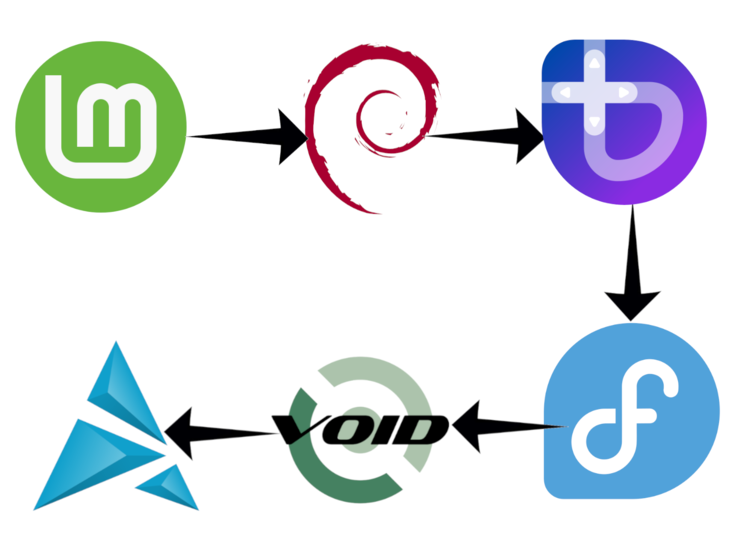
I didn't jump straight to my final choice. I tested several options over weeks:
macOS: I tried using my old 2014 MacBook Air as a daily driver. The OS itself is polished, but the hardware limitations (4 GB RAM, aging CPU) made it impractical. Apple's restrictive software policies also felt constraining after years of Windows flexibility.
Linux Mint: The classic recommendation for Windows refugees. It's stable and familiar, but it felt bloated to me — too many pre-installed applications I'd never use, and the Cinnamon desktop felt heavy.

Debian, Bazzite, Fedora, Void: Each had merits but also deal-breakers — compatibility issues with my hardware, package management quirks, or missing drivers.
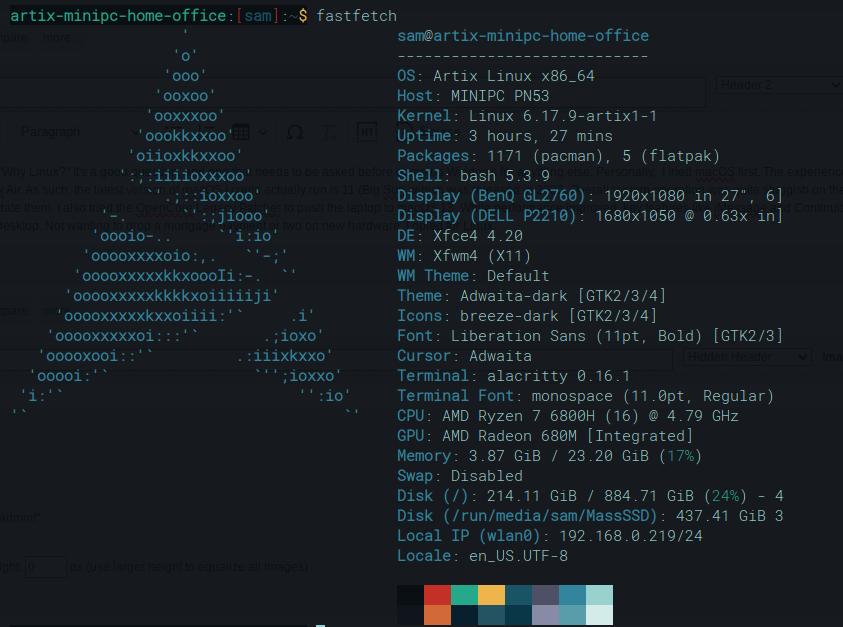
Artix Linux: This is where I landed. Artix is essentially Arch Linux without systemd, using alternative init systems (I chose OpenRC). It's lightweight, highly configurable, and gives you complete control over what runs on your system. The trade-off is that it requires significant post-installation configuration — this is not a "install and go" distribution.
Technical Challenges
WiFi Driver Headaches
Installing Artix on my MacBook Air was immediately complicated by WiFi. The Broadcom wireless chip required proprietary drivers that aren't included in the base installation. I had to connect via USB-to-Ethernet adapter, install the drivers manually, and configure the wireless interface. It was an annoying obstacle, but solvable with patience and forum posts.
Desktop Environment Wrestling
Installing KDE Plasma on Artix caused immediate visual problems — white text on white backgrounds in certain applications, missing network indicators in the system tray, and rendering artifacts in menus. Resolving these issues took about 45 minutes of manual configuration, theme tweaking, and forum research. Not tragic, but not the smooth experience you'd get on Windows or macOS.
Software Compatibility
Most of my daily software works fine on Linux — browsers, text editors, development tools. Gaming was more complicated. Steam runs well through Proton for most titles, but some games have issues. Civilization III Complete, for instance, displayed completely black maps until I launched it through Lutris with specific Wine configurations. Some professional Windows applications simply have no Linux equivalent.
Unexpected Advantages
iPhone Integration (Surprisingly Good)
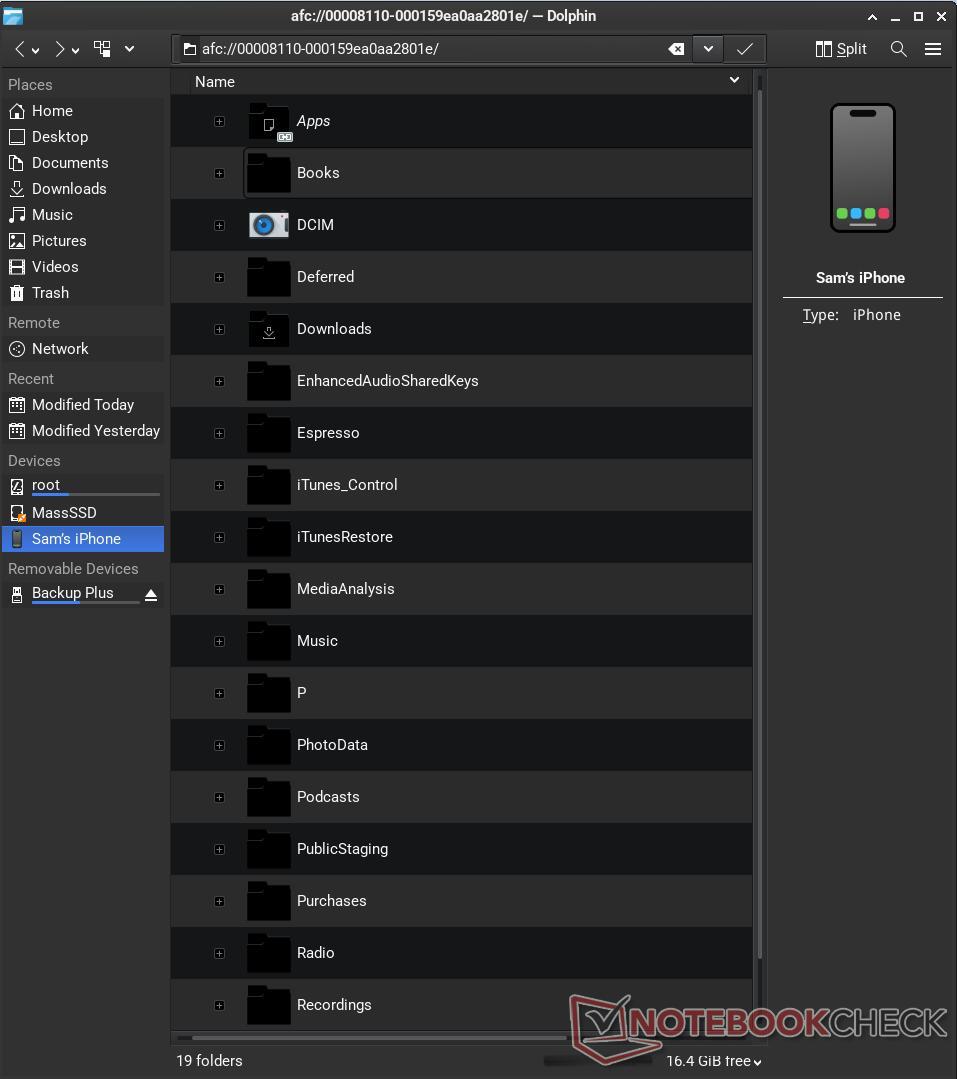
One thing I absolutely didn't expect: connecting my iPhone to Linux was easier than on Windows. The Dolphin file manager detected the iPhone immediately and provided full file access — photos, videos, documents — without requiring iTunes or any additional software. On Windows, this same operation required installing iTunes, dealing with its auto-update prompts, and navigating its clunky interface. On Linux, it just worked.

System Stability
After months of daily use, my Artix installation has experienced exactly zero crashes. Zero. The system boots in under ten seconds, the fan stays quiet, and everything remains responsive even under heavy workloads. Compared to the multiple weekly freezes on Windows 11, this alone justified the switch.

Control and Transparency
The fundamental difference is philosophical. On Linux, when something goes wrong, I can trace the problem, read the logs, and fix it. The problems I encounter mostly arise from my own actions — a misconfigured file, a missing dependency — rather than from opaque system decisions I can't understand or reverse. On Windows, most issues stemmed from the system itself doing things I didn't ask for and couldn't prevent.
The Learning Curve Is Real
I won't pretend this was effortless. Linux requires learning — terminal commands, configuration files, package management, troubleshooting without a "Fix it" button. The first two weeks involved a lot of forum reading and trial-and-error.
But there's a difference between frustrating complexity and rewarding complexity. Windows frustrated me because problems were opaque and solutions were out of my control. Linux challenges me with problems that are transparent and solutions that teach me something. One feels like fighting; the other feels like learning.
Should You Switch?
If you're happy with Windows, probably not — the switching cost is real. But if you're experiencing the same frustrations I did — instability, telemetry overreach, loss of control — Linux is a genuinely viable alternative in 2025. Hardware support has improved dramatically, software compatibility through Proton and Wine covers most use cases, and the community provides support for nearly every problem you'll encounter.
I'm not going back to Windows. And every month that passes, I'm more confident in that decision.