How to Leave IT and Become a Factory Worker: My Attempt at Downshifting [Part 1/5]
An IT professional documents his attempt to leave the tech industry for a blue-collar factory job in Belarus, encountering broken job platforms, absurd HR practices, and a janitor position that pays 30% more than a system programmer role.
I decided to leave IT. Not because of burnout (although there's plenty of that), not because of some midlife crisis, but simply because I wanted to try something different. Something tangible. Something where you can see and touch the result of your work at the end of the day.
This is Part 1 of a 5-part series documenting my downshifting experiment. In this installment: the job search and the interview from hell.

The Job Search
I started looking for work on two platforms:
- rabota.by (the local HeadHunter branch) — turned out to be riddled with scams. Bots would respond to applications and redirect you to sales funnels. A wonderful experience.
- The state employment service website — had a different problem: listings that hadn't been updated in years. Positions would remain posted long after they'd been filled.
After wading through the noise, I found two real positions:
- State Executive Committee: System programmer — 900 rubles/month
- Meat-processing plant: Janitor — 1,200 rubles/month
Read that again. The janitor position paid 30% more than the system programmer position. Welcome to the real economy.
The state job had one small catch: it required Belarusian citizenship. I'm a foreign worker. Despite the fact that the country has a critical shortage of IT specialists and the position had been unfilled for months, bureaucracy is bureaucracy.
The Interview
So I went with the meat-processing plant. I called HR, explained my situation, asked about schedule flexibility because I have a young child and the 7:00 AM start time would be challenging. "No problem," they assured me. "We have lots of positions, we're very flexible."
They sent me a confirmation email:
"Good afternoon. An interview has been scheduled for 02.05.2025 at 11:00. You can view our vacancies on our website."
That was the entire email. No company name. No department. No contact person. No building number. Just an industrial zone address and a time.
The Wait
I arrived an hour early to scope out the location — a sprawling industrial zone with multiple buildings and zero signage indicating which one housed HR.
At 11:00 AM sharp, I found the right building and announced myself. The response: "The manager is currently unavailable."
I waited in the corridor for 20 minutes.
At 11:20, someone appeared and directed me to a different building.
At 11:35, I found the conference room in the second building. It was locked.
I was then redirected to a third location — a dark hallway with plastic chairs and a single paid coffee machine. No water cooler. No restroom signs. Just the hallway and the sound of industrial machinery somewhere in the distance.
The Five-Minute Interview
At 12:30 — a full hour and a half after my scheduled time — an HR representative finally appeared. The interview lasted approximately five minutes.
The recruiter opened with: "Our company places special emphasis on punctuality."
I let that sink in for a moment before responding.
She then explained that the janitor shift was fixed at 7:00 AM with absolutely no flexibility. When I mentioned that their own HR had promised flexibility on the phone, she shrugged.
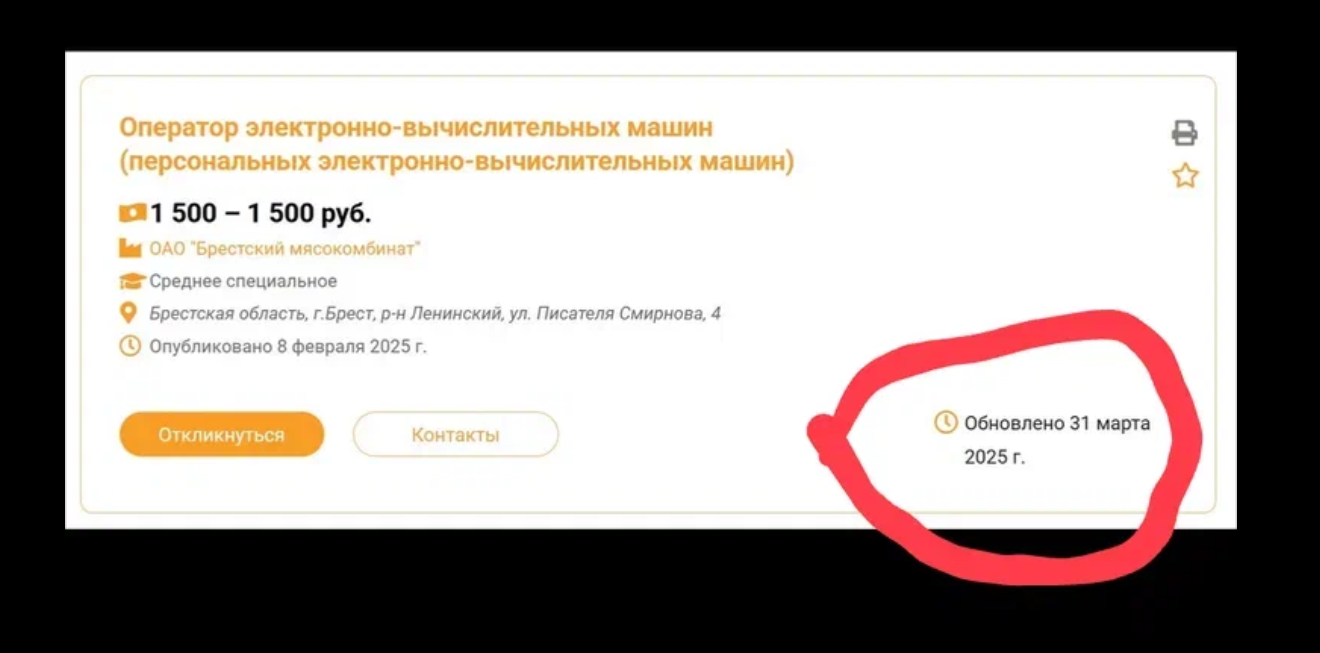
I asked about the "EVM Operator" position I'd seen listed on the state employment service — it had been updated within the past month. Her response: "That position was closed in 2021. It's archived."
So the state employment website was showing a position as active that had been filled four years ago. And HR at the plant knew about it but hadn't bothered to request its removal.
The Promised Positions
Remember the "many available positions" and "flexibility" they promised over the phone? Zero alternatives were offered. The recruiter said she would "call back if something comes up" — she never did.
To her credit, the deputy director called the next day to apologize for the wait and the disorganized process. But no actual job materialized from that either.

Observations
This experience revealed several things:
- State employment databases are poorly maintained. Positions from 2021 appear as current listings. Nobody audits, nobody cleans up.
- Factory HR measures success by interview count, not placements. Getting people through the door is the metric. Whether they actually get hired is apparently someone else's problem.
- The salary inversion is real. A janitor at a factory earns more than a system programmer at a state institution. The market has spoken, but the institutions haven't listened.
- Foreign workers face extra barriers. Even for unskilled positions where there are critical staff shortages, citizenship requirements block otherwise willing workers.
What Happened Next
I abandoned the meat plant opportunity. But the story doesn't end here — shortly after, I received unexpected recruitment interest from a factory that had manufactured the nation's first computers. That led to something far more interesting than a janitor position, and it's coming in Part 2.
Coming Up
This is a 5-part series. Future installments cover:
- Part 2: Medical clearance procedures (spoiler: it's an adventure)
- Part 3: Immigration service interactions during foreign hiring
- Part 4: The bureaucratic labyrinth
- Part 5: Factory security protocols and the first day
Stay tuned.
FAQ
What is this article about in one sentence?
This article explains the core idea in practical terms and focuses on what you can apply in real work.
Who is this article for?
It is written for engineers, technical leaders, and curious readers who want a clear, implementation-focused explanation.
What should I read next?
Use the related articles below to continue with closely connected topics and concrete examples.