How Not to Go Insane at a Smart Job: A Mental Health Guide for IT Professionals
A personal account of how an IT professional overcame chronic burnout by discovering that desk workers need physical, hands-on hobbies with tangible results to truly recover from mental fatigue.

Introduction
Like many tech professionals, I spend eight hours a day working on a computer with minimal physical interaction. For the longest time, despite vacations and lifestyle changes, I experienced persistent burnout and a complete loss of motivation. When I started talking to colleagues about it, I discovered this was incredibly widespread -- almost everyone I knew in IT was dealing with the same thing.
The Problem with Rest
My initial attempts at recovery followed the conventional playbook: streaming shows, reading books, playing video games, socializing with friends. These provided temporary relief, but their effectiveness faded within months. I'd feel recharged for a few weeks, then slide right back into the same exhausted state.

I even tried more dramatic changes -- switching to more stimulating work, relocating to a larger city. The initial boost of novelty was real, but within six months the fatigue always returned.
If you had asked me before what the solution was, I would have answered confidently: "A change of activity." Present-day me agrees with that answer, but the devil is in the details. The question is: what kind of change of activity actually works?
The Turning Point
The breakthrough came from an unexpected place: observing my father. He works from home, but he regularly maintains a garden. I started noticing a pattern among the people in my circle who seemed to have found sustained happiness and satisfaction with life. They all engaged in hands-on activities:
- Fishing
- Mushroom gathering
- Gardening and farm work
- Home construction and renovation projects
- Working on vehicles in the garage
The common element? Tangible, visible results from working with physical objects. Not another spreadsheet, not another deployed feature -- something you could touch, see, and point to.
The Solution
When I finally purchased a garage, everything changed. Every Sunday, I go there and work on maintenance tasks -- painting, insulating walls, making repairs, building shelves. It's not glamorous work. I get dirty. I get tired in a completely different way than desk work makes me tired.
And that's exactly the point.
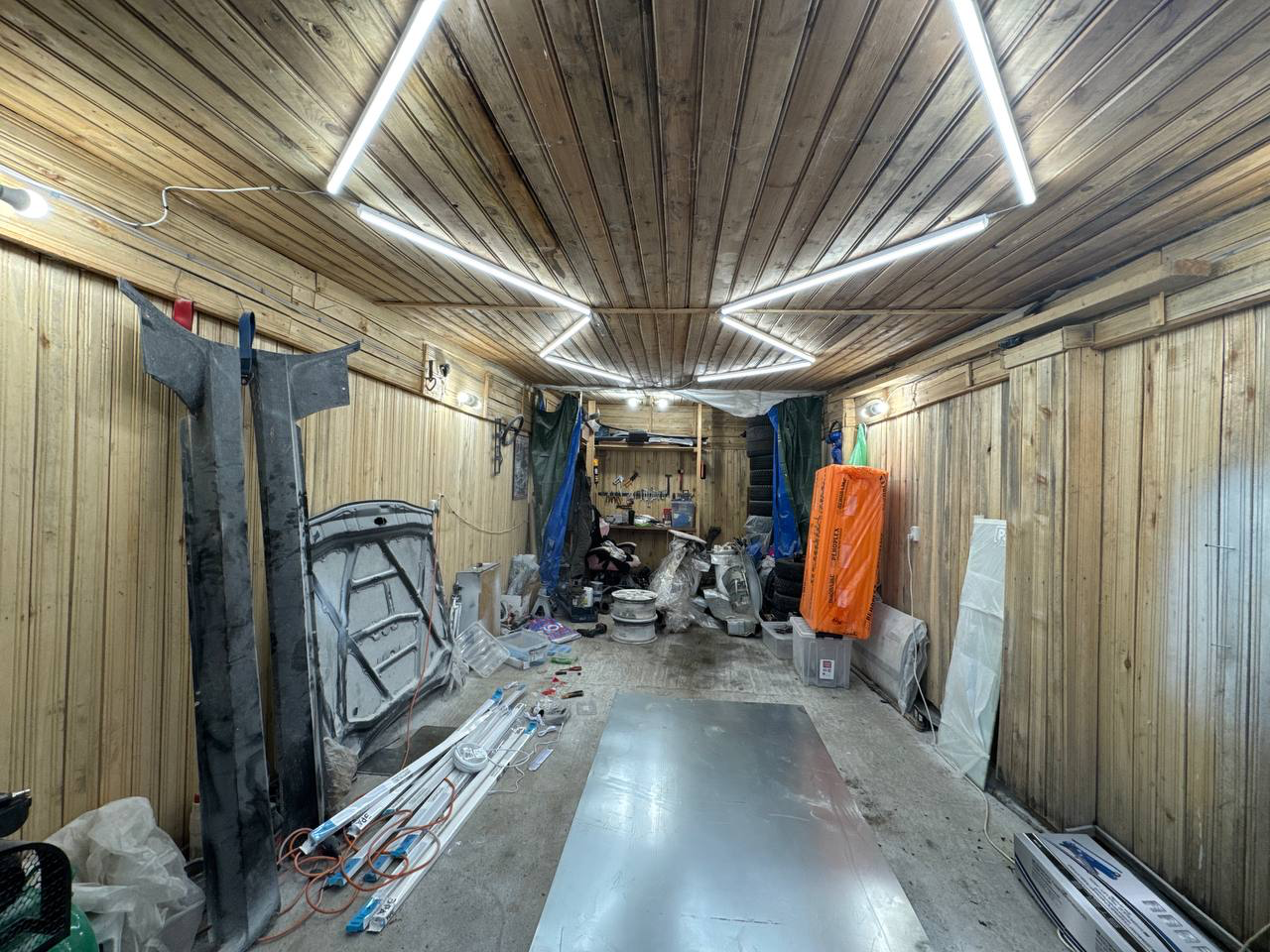
The author's garage -- "the sponsor of my psychological health"
I discovered that to truly rest your head, you need to leave home, get dirty, and do something with your hands. The mental fatigue from programming, debugging, and attending meetings can only be counteracted by a fundamentally different type of engagement -- not more screen time, not passive consumption, but active physical creation.
The Universal Principle
After eighteen months of this routine, I can report a genuine transformation. I wake up on Monday mornings with actual enthusiasm for work, rather than crawling to the morning video call feeling like I never had a weekend at all.
My conclusion challenges the conventional wisdom about work-life balance. For desk workers, effective recovery requires what I call "radical activity switching." And here's the interesting thing -- the principle works in both directions. I've noticed that people who work in factories and do physical labor all day find their restoration in intangible pursuits: gaming, cinema, pub quizzes, reading.
The pattern is remarkably consistent among long-term satisfied people: programmers build houses in villages and dig holes in gardens, while factory workers play games, go to movies, and attend quiz nights.
If you're a desk worker struggling with chronic burnout, here's my recommendation: incorporate a physical hobby with visible, tangible results into your regular weekly schedule. It doesn't have to be a garage -- it could be woodworking, pottery, gardening, home renovation, or even just regular vigorous exercise. The key is that it should be hands-on, produce something you can see and touch, and be as different from your day job as possible.
And don't underestimate the importance of physical activity for dopamine production. Your brain needs movement to function properly -- no amount of Netflix can substitute for that.
FAQ
What is this article about in one sentence?
This article explains the core idea in practical terms and focuses on what you can apply in real work.
Who is this article for?
It is written for engineers, technical leaders, and curious readers who want a clear, implementation-focused explanation.
What should I read next?
Use the related articles below to continue with closely connected topics and concrete examples.