How I Built a Decent Audio System from Discarded Speakers
A story about finding massive three-way wooden speakers at a Spanish dumpster and transforming them into a high-quality audio system by replacing a cheap Chinese amplifier with an SMSL AO200 — proving that one right component upgrade can unlock hidden potential.
I never considered myself an audiophile. I didn't collect vinyl records, compare speaker sound quality, or search for that mythical cable supposedly capable of making sound "warmer." My goals were simple: play favorite music or films and enjoy them without getting lost in technical audio details.
For years, any speakers within reach satisfied me — from cheap plastic "squeakers" to laptop built-in speakers. But everything changed once I realized that even old, randomly discovered speakers could deliver excellent sound. This story describes how I assembled an audio system that brings daily joy without audiophile extremes or massive expenses. Fair warning: this article contains no special technical secrets. Let's begin!
Discovery at the Dumpster: The Beginning
I live in Spain. Spanish residents often leave unwanted items by trash containers — appliances, electronics, and miscellaneous items. One evening, returning home, I spotted two massive wooden boxes. Initially, they seemed like ordinary discarded junk. But curiosity won, and I examined them closer. Turns out they weren't boxes at all, but genuine three-way speakers. They featured a tweeter for high frequencies, a midrange driver, and a substantial woofer for bass. The wooden enclosures, thick and solid, showed dust and cracked paint, yet appeared substantial and well-constructed.
Unfortunately, I couldn't identify the manufacturer — the rear panel labels had long deteriorated.
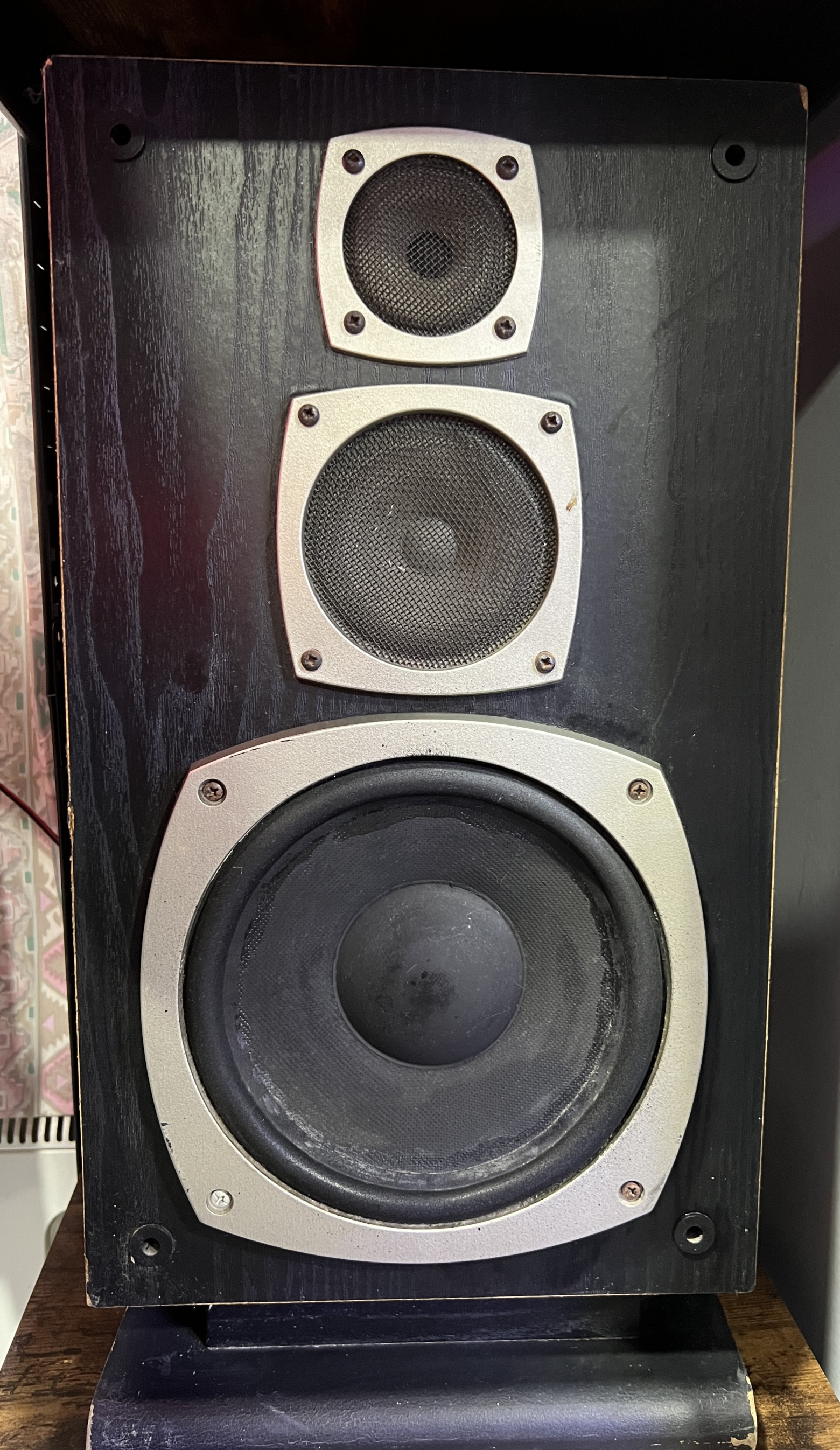
I couldn't resist and took the speakers home. At home, I cleaned and polished the enclosures until they gleamed, then connected them to an amplifier sitting unused.
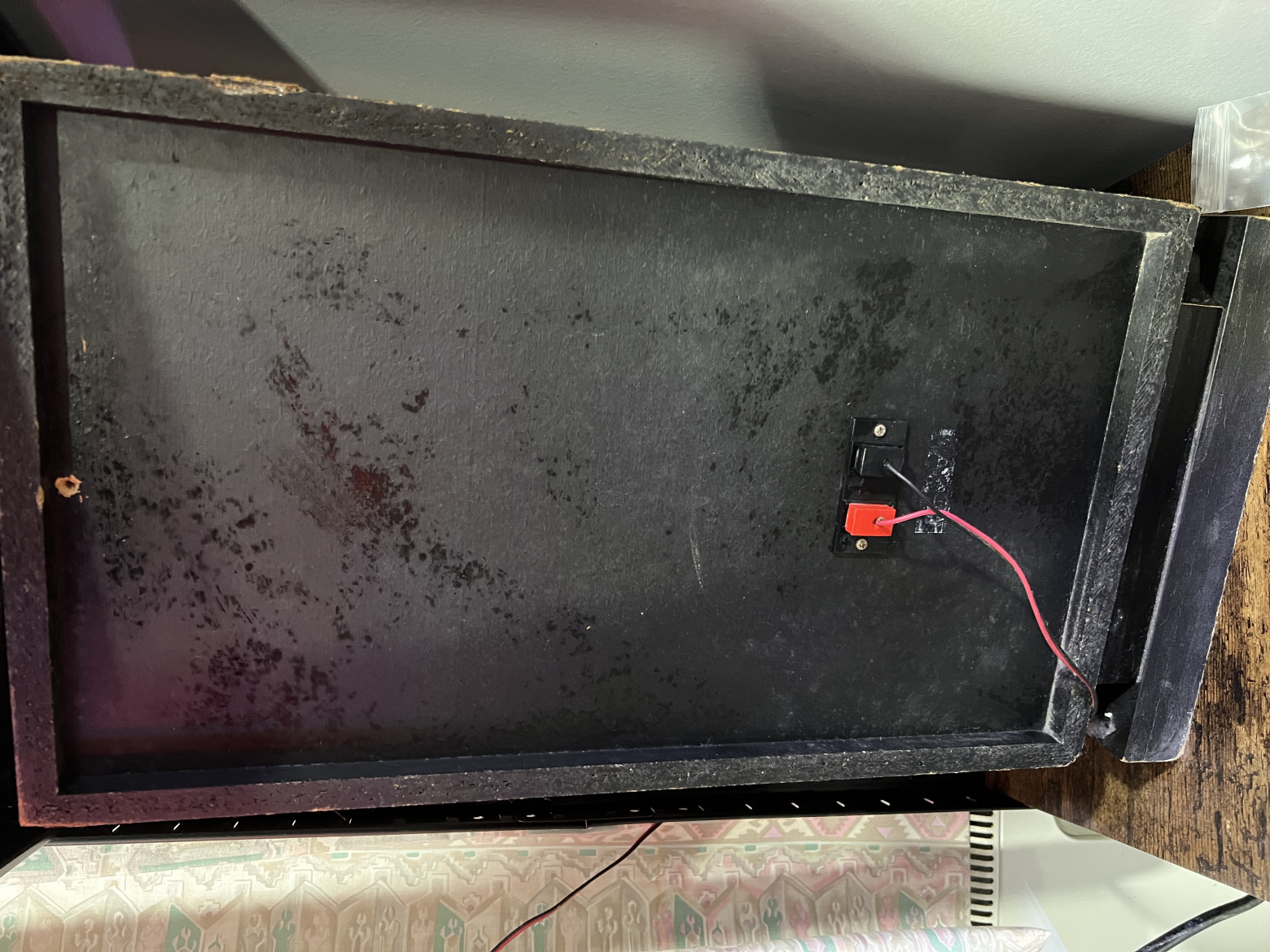
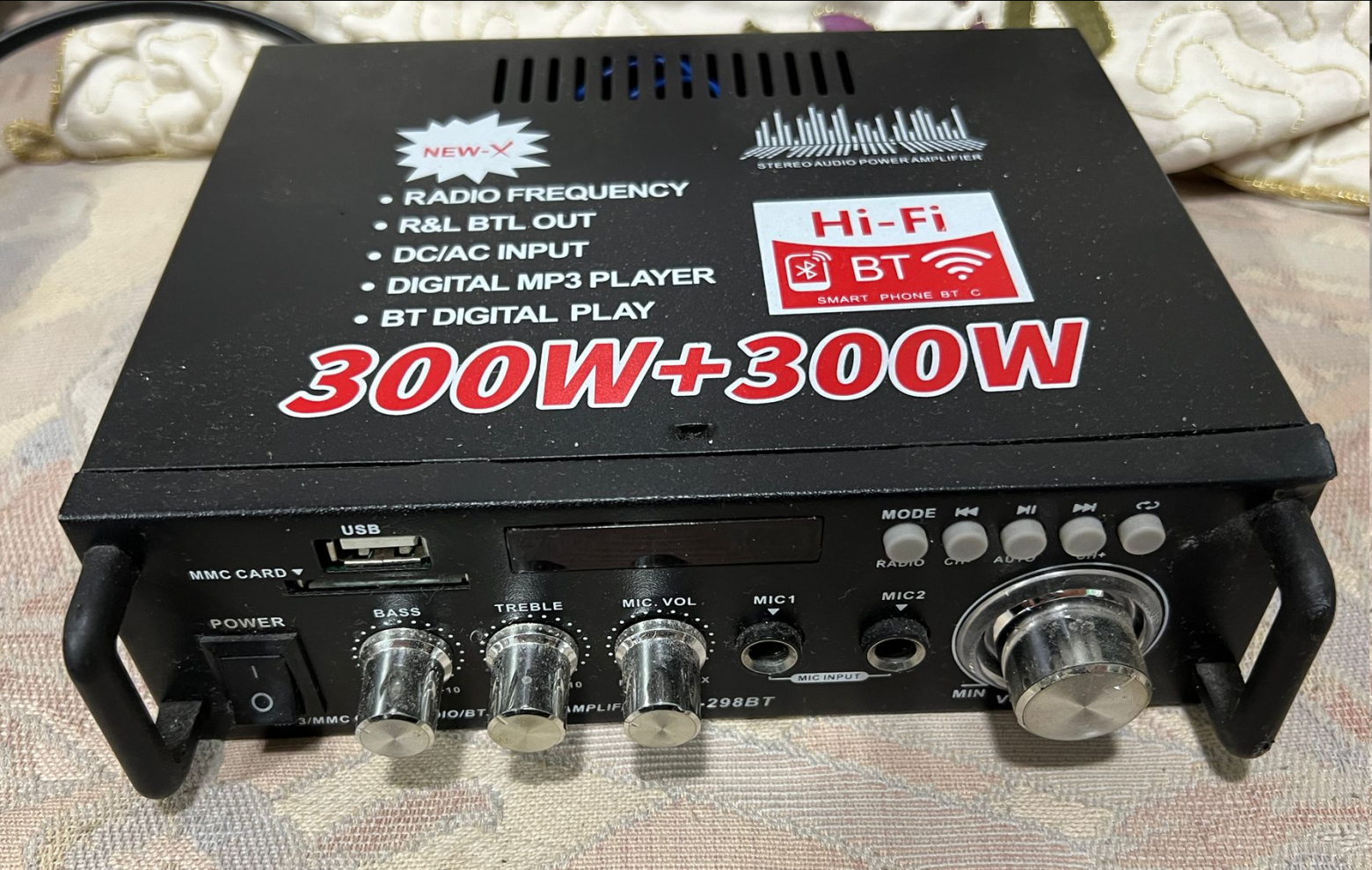
Years earlier, I'd ordered a small "miracle amplifier" from AliExpress for 30 euros — a Nobsound/Douk Audio style model boasting "600W Hi-Fi Digital Amplifier." The packaging promised incredible power, Hi-Fi support, and "clean sound without distortion."
Reality proved humbler: inside sat a simple Class D microchip delivering roughly 10–15 watts per channel at 4 ohms. No "600 watts" existed, naturally — classic marketing tricks familiar to anyone buying tech from Ali. Nevertheless, the amplifier functioned, offering RCA inputs and even Bluetooth, serving kitchen or office duty reasonably well.
I connected my found speakers to it, fed computer audio through the onboard Realtek card — and it played. Sound remained smooth, distortion-free, superior to any plastic "squeakers" I'd owned. Testing with various audio frequencies and tones confirmed everything functioned perfectly — no crackling, dropouts, or issues.
I listened to music and watched films, thinking I'd achieved "quite a decent system." Later, I'd discover these hefty wooden boxes possessed untapped potential. Everything changed after one conversation that forced me to reconsider my approach.
A knowledgeable friend visited who understands audio far better than I do. His home features serious receiver equipment and modern speakers, so I valued his opinion. We discussed something, then I played a couple of tracks. I noticed him listening intently. After a few minutes, he remarked: "Your speakers aren't bad, but that amplifier's clearly limiting them. Upgrade to something serious — you'll be amazed how they perform."
Initially, I dismissed it. Why change if everything sounds fine? Yet his words stuck. What if he was right? What if these speakers could achieve more, but my weak amplifier prevented them from flourishing? I explored forums, read reviews, and considered system improvements without descending into audiophile extremes with astronomical prices.
The more I researched, the clearer it became: the amplifier represents the audio system's heart. Those "600 watts" from Ali constituted the weak link, unable to unlock my speakers' potential. The Realtek onboard sound card added limitations — noise, weak detail, restricted dynamic range. I decided to upgrade, finding an amplifier that would revitalize my acoustics. After extensive searching, my choice settled on SMSL AO200 — a device promising to elevate sound to new heights affordably.
SMSL AO200: The Amplifier That Changed Everything
After studying reviews and Amazon listings, I chose SMSL AO200 — a compact Class D amplifier built on Infineon MA12070 chips. It's not a bulky audiophile monster, but an elegant device fitting desktop space while delivering serious power. Critically, it includes a built-in DAC (digital-to-analog converter), allowing direct USB computer connection, bypassing integrated sound card limitations. Essentially, it's both external sound card and amplifier.
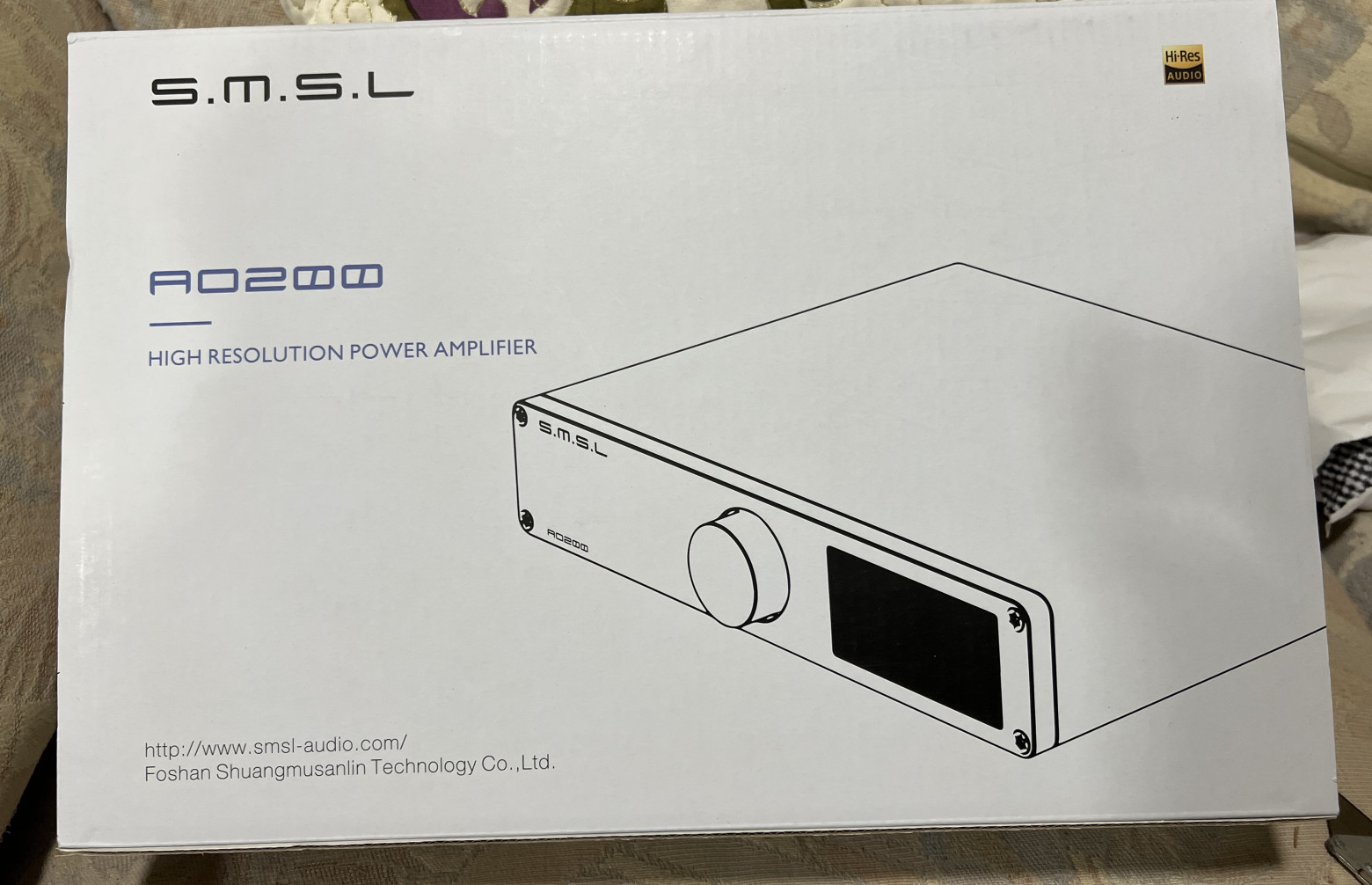
Key SMSL AO200 specifications:
- Power: 90 watts per channel at 4 ohms (approximately 70 watts at 8 ohms)
- Amplification chips: Dual Infineon MA12070, providing high efficiency and minimal distortion (THD+N < 0.003%)
- Built-in DAC: XMOS XU208 chip, supporting PCM to 32-bit/768 kHz and DSD through DSD512
- Inputs: USB, Bluetooth 5.0 (with aptX HD support), optical, coaxial, and analog RCA
- Frequency range: 20 Hz–20 kHz (±0.5 dB), guaranteeing accurate spectrum reproduction
- Signal-to-noise ratio: >110 dB, virtually eliminating background noise
- Compactness: 210 x 175 x 40 mm dimensions, weighing just 1.6 kg — perfect for small desks
- Energy efficiency: Class D design consumes minimal power, never overheating during extended operation (the Chinese amplifier, by contrast, ran hot)
Upon arrival, I eagerly unpacked the box. Design proved minimalist: aluminum chassis, understated buttons, and a display showing volume levels. I carefully connected speaker cables, plugged the USB into my computer, and pressed power. First revelation: absolute silence. No background hum, hiss, or noise — issues occasionally piercing through the Chinese amplifier.
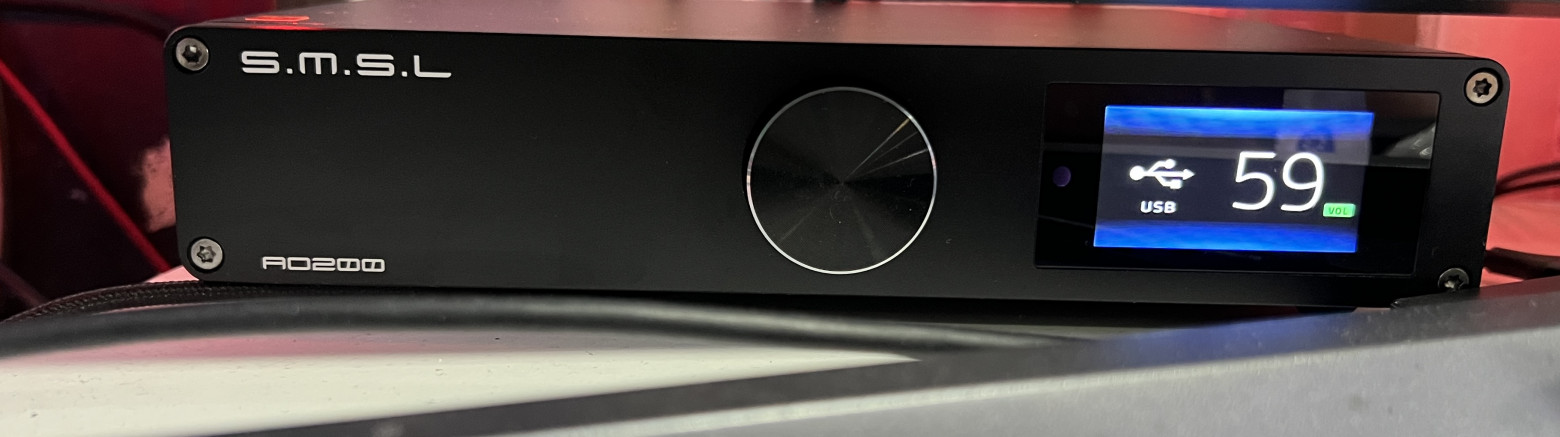
I launched a test track, and immediately understood: this represented a different level. Sound deepened, expanded, creating a clear soundstage. Voices centered, instruments spread across space, and bass gained texture and punch. In films, atmosphere became lifelike: footsteps, rustles, background music sounded as though I inhabited the scene. Most surprisingly — I wanted to replay familiar tracks. Details previously buried in murk now emerged clearly: subtle guitar passages, vocalist breathing, cymbal sparkle. Same speakers I found at the dumpster!
Technically, SMSL AO200 delivered what was missing: sufficient power to drive the speakers and a clean signal via built-in DAC. USB connection eliminated Realtek noise, while the XMOS chip enabled high-quality audio format support (facts I'd later research, knowing nothing initially). Bluetooth 5.0 proved pleasant — streaming music from my phone without quality sacrifice.
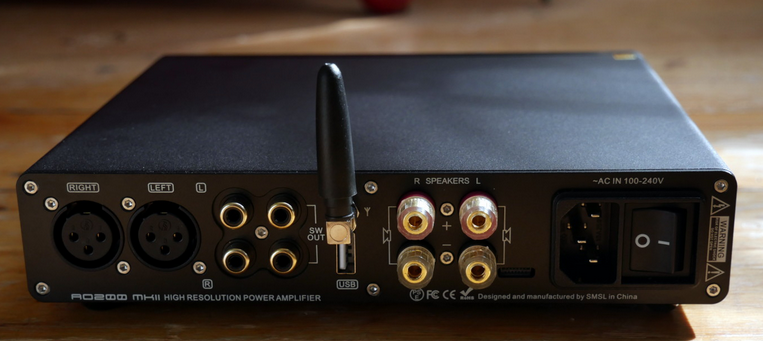
This amplifier became the perfect link connecting old speakers and computer into a complete audio system. Forgot to mention: normal cost runs approximately 250 euros, but I purchased a damaged-box unit from Amazon for 160 euros. Total system cost, speakers included — 160 euros.
What Else
Following the upgrade, I contemplated: add an external DAC for enhanced purity? Invest in a subwoofer for stronger bass? Replace speakers entirely with premium modern models? Upon reflection, I realized my system already satisfied me completely. Bass sufficed — my three-way "wooden boxes" handled low frequencies excellently. An external DAC might bring improvements, but I'd likely never notice with YouTube music I typically stream.
Ultimately, this story concerns neither expensive audiophile components nor chasing perfect sound. Rather, it demonstrates how old speakers, modest curiosity, and a single right amplifier can transform everything. Sometimes replacing one weak link allows music and films to sound as they deserve.
FAQ
What is this article about in one sentence?
This article explains the core idea in practical terms and focuses on what you can apply in real work.
Who is this article for?
It is written for engineers, technical leaders, and curious readers who want a clear, implementation-focused explanation.
What should I read next?
Use the related articles below to continue with closely connected topics and concrete examples.