From competitive play to mobile legend. Snake's story
The Year of the Snake has arrived. It would be a sin not to remember the miracle of Finnish gaming thought, its brothers-in-arms, its origins, to be sad for Nokia and halls with slot machines. Let's start with the fact that Snake , in fact, not just a game, but a whole genre. No
Editor's Context
This article is an English adaptation with additional editorial framing for an international audience.
- Terminology and structure were localized for clarity.
- Examples were rewritten for practical readability.
- Technical claims were preserved with source attribution.
Source: original publication
The Year of the Snake has arrived. It would be a sin not to remember the miracle of Finnish gaming thought, its brothers-in-arms, its origins, to be sad for Nokia and halls with slot machines.
Let's start with the fact that Snake, in fact, not just a game, but a whole genre. No one says so openly, but it’s clear that the name was given to it by the same game from push-button phones Nokia. In general, the same story as with diabloids or, more recently, soulslices.
Although before Snakes the genre was named after the film/game Throne. There was also an option Light cycles, in honor of the franchise's iconic vehicles. So before we talk about the Finnish breakthrough, we need to remember the times that delighted gamers before it. After all, the genre has its roots in the curly seventies.
🐍 Origins
By his appearance proto-Snake indebted to Lane Hauck. A friend became interested in computer games even before he learned the beauty of a growing belly and hair loss on his head. Moreover, he liked not only to play, but also to make them. For these purposes, he acquired almost the first commercial mini-computer. Mini, of course, nowadays only players of the Serbian national basketball team can call him.
The PDP-8 is the bandura on the left. A little man to understand his size. And this small computer came out in the mid-60s.
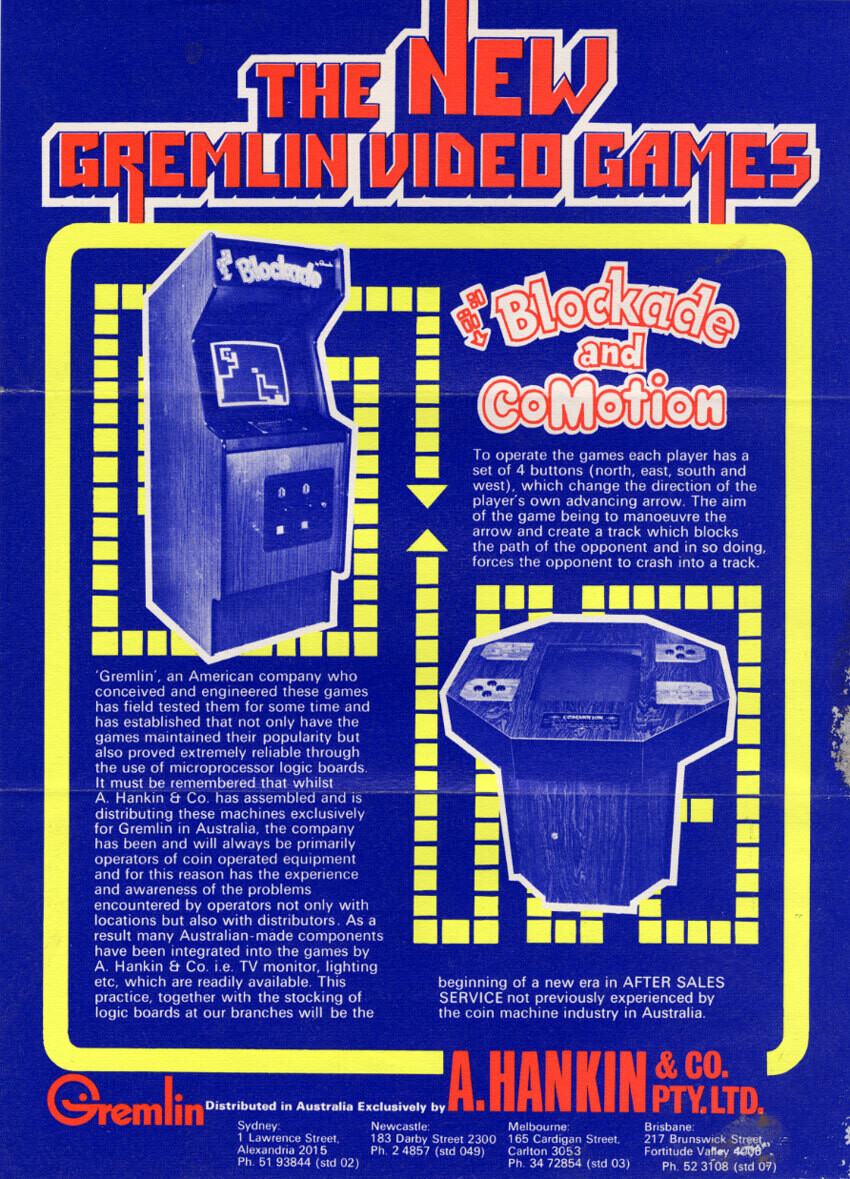
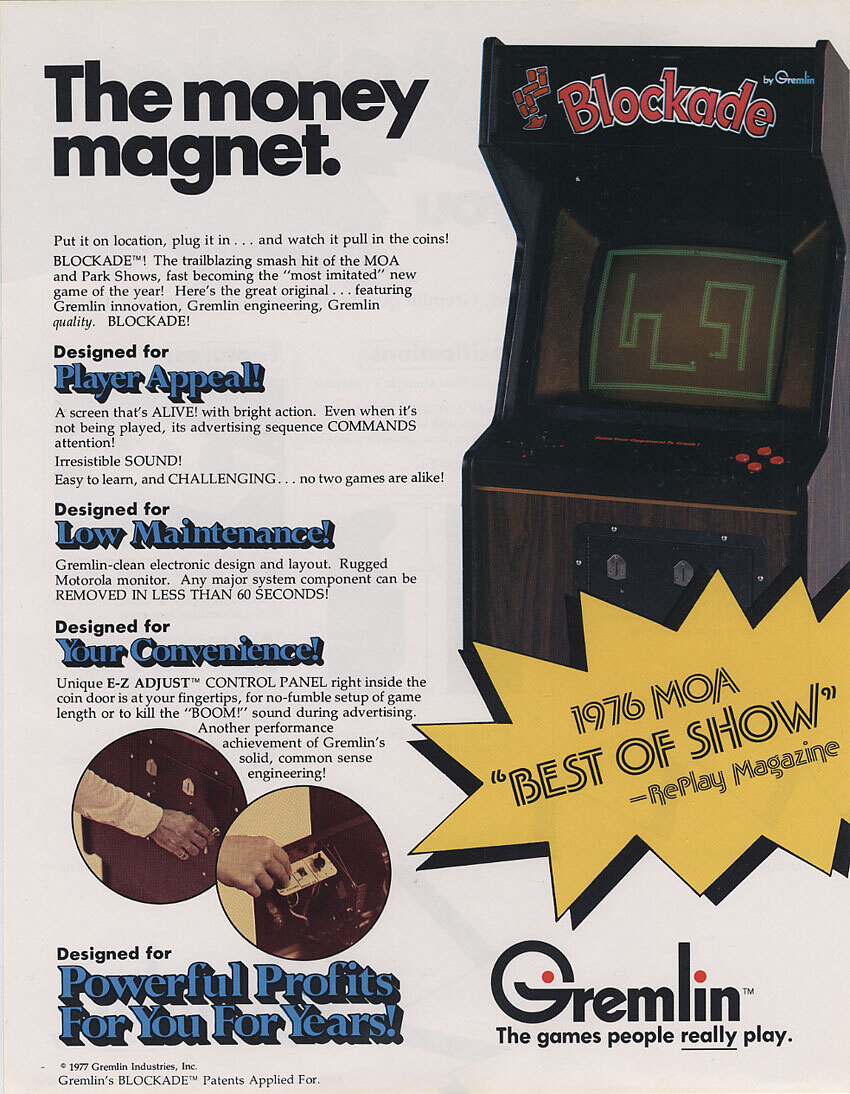
On his life's journey, Hauk encountered gremlins. Gremlin Industries were just about to enter the arcade market. And they needed a designer for their future hits. Lane Hauck decided the role was right for him. And he got down to business. A carefree resident of America, which is north of the south, decided that it would be interesting to get something out of the concept of “The Drunk and the Lamp Post”. This is a physical puzzle where you had to predict where a tipsy friend would meet an unsuspecting piece of urban architecture.
After fiddling with the idea a bit, Hauk decided it was somehow boring. Therefore, he also forced the pillar to move towards the drunkard. He also made it so that they could not return to the previous point. This is how we got ever-lengthening bodies moving towards each other. Hauk realized that each could be controlled by one player. It was with this concept that he ran to the bosses Gremlin Industries. I liked the idea. The game was named Blockade.
Blockade 1976.
We took the idea to a specialized exhibition under the non-core name Music Operators of America Expo. Everyone liked the game. Especially to competitors. And still inexperienced Gremlin Industries tried to set up production, a decent number of clones poured into the market. For example, the well-known Atari released Dominos with the same principle.
Dominos of 1977 differed from Blockade in the color and animation of the dominoes.
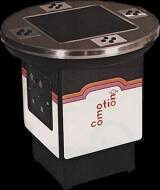
The Gremlins ran to patent their brainchild and sue, but the train had already left. Blockade no one really needed it anymore. The company attempted to release a version for four people, calling it Сomotion.
In 1977, the game received, so to speak, a sequel. It was already called Hustle. The principle with an elongating body remained, but bonuses appeared that players could pick up on the playing field. Whoever reached them first received extra points. Plus, you could play alone.
Hustle 1977. Single player mode.
But also Hustle did not bring much success to the company, and already in 1978 it became part of the ubiquitous SEGA. But despite the financial failure, Blockade became the first in a new genre. The popularity of which was dispersed by followers and clones.
🐍 Dash to oblivion
Arcade machines are, of course, good, but you can’t put them in every home. But consoles are welcome. With a motto like this Atari broke into the nascent console market. And at the start with her Atari 2600 you could just buy the game Surround. Exact arcade clone Blockade. So proto-Snake for the first time made its way into the homes of gamers.
Surround from 1977 for the Atari 2600.
Where there are consoles, there are their eternal friends/rivals - home computers. Already in 1978 (according to another version a year later) on TRS-80 dropped by the game Worm. You can play its ports on Apple II, and on PET. In general, it’s easy to find TRS-80 emulators and the TRS-80 itself on the Internet. Worm, but I’m not that excited, so here are screenshots of the game.
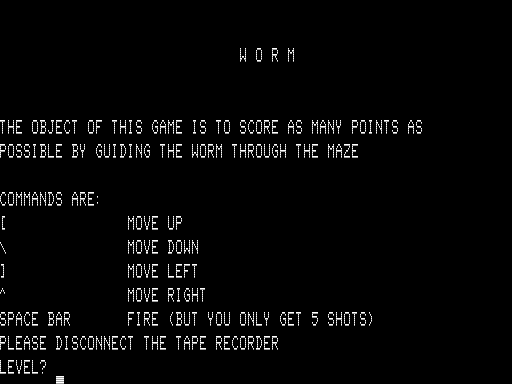
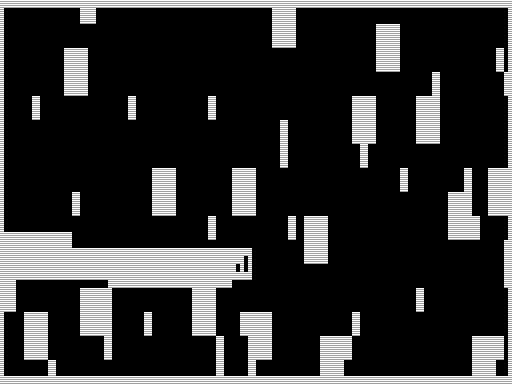
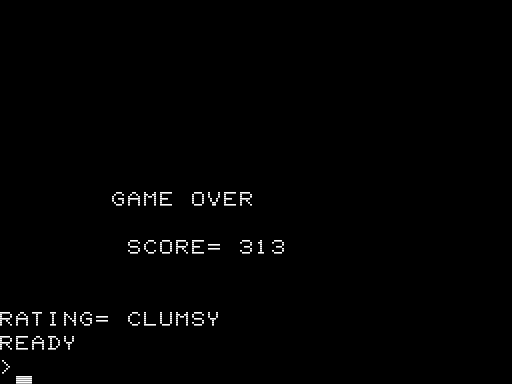
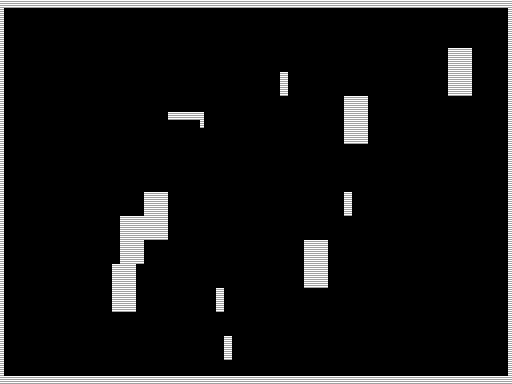
In different types Snake appeared on most well-known gaming systems at the turn of the 70s and 80s. It was painfully simple to implement, but at the same time remained wildly addictive. I would roughly divide the genre into two directions. Competitiveness, which was developed by followers and clones Blockade. And now classic Snake, where our pet grew up devouring something on the level. As I understand it, such mechanics first appeared in Worm.
It was also developed by such games as Snake Byte And Nibbler. Both came out in 1982. The first one was released on computers and consoles of those years. The player has a snake. The task is to eat ten apples in the level. I fed the fruit to the slimy creature, and the exit from the level opens. With each stage there are more and more obstacles on the screen. Classic.
Snake Byte 1982 for Apple II. I still don’t understand what the Arkanoid ball is doing there.
Nibbler this is not a miracle Futurama, a popular slot machine game to this day. Popular due to the mechanics of points. Until now, players around the world are setting world records. It looks like a mixture Pac-man'a and Snakes. Just like the Japanese bun, you wander through the maze, eat apples, and the body grows in the process of eating them. The task is to gobble up everything on the level.
Nibbler from 1982 on an arcade machine.
In the same year, a game was released in arcade machines that would take all the glory of the genre for a long time. And at the same time he will name this genre in his honor. We're talking about a live-action adaptation of a Disney film. Tron. It would have been a sin not to release a game based on it. The mouse kingdom quickly resolved this issue.
1982 film Tron. Scene with light cycles. The source of inspiration, I think, is clear.
The slot machine was by no means simple. It had as many as four mini-games. We are, of course, interested in Light cycles. The meaning is the same as in Blockade. Only there can be more than one opponent on the screen.
Tron 1982. Mini-game about light cycles.
The growth of the home gaming industry led to the fading (but not oblivion) of arcade halls, so the genre Snakes I began to slowly switch to computers and consoles. But the games there became more and more difficult, and such a casual thing didn’t feel very good there. Microsoft, due to its status as a monopolist of operating systems for home computers, decided to first make Snake an example of the wonders of its programming language QBasic.
Nibbles from 1991, cooked up in QBasic.
And then I completely decided that Snake It will feel very good on the computers of office workers. And included it under the name Rattler Race to your collection of casual games under the brand Microsoft Entertainment Pack.
Rattler Race 1992.
The genre would have languished on office computers, but the age of mobile communications broke out. AND Snake became a legend.
🐍 Legend from Finland
Northern Europe is now a calm place. Local guys are now splashing out their bloodthirstiness on the pages of books, on TV screens and monitors. And the remaining energy is spent not on aggressive assimilation with other peoples, but on creation. True story.
The Finns, as permanent neighbors of the Vikings, once had to experience all this bloodthirstiness. Mostly Swedish. But thanks to this, we began to enjoy watching the matches between Suomi and Tre Krunur. For any sport.
What am I even talking about? Finns are also great creators. After all, they are the ones who are famous for the creators of mobile phones. And it's not about Nokia, although it already existed in those days, but about a simple inventor Erik Tigerstedt. As we understand from his first and last name, in the comrade’s pedigree one can find Swedish neighbors.
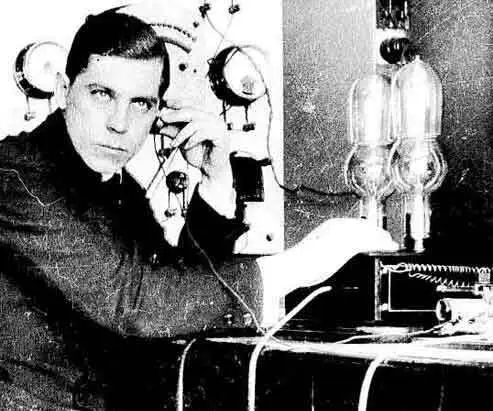
Eric, of course, can be called a citizen of the world, because he has been everywhere, but the patent for something similar to the first mobile phone belongs to him. And he filed it in 1917. Although a certain Albert Yang said back in 1908 that he had invented a wireless telephone, he did not think of filing documents for a patent.
Although the first cell phone banged, of course, Motorola. Only in 1973. According to tradition, the Japanese joined the race, and in the early eighties they also joined Nokia. And she overtook everyone. During their period of greatness (its peak was in 2007), the Finns occupied 51 percent of the market. More than half! For comparison, in the first quarter of 2024, telephone numbers Samsung occupy 20.8 percent, Apple – 17,3.
Is greatness related? Nokia those years with games? Undoubtedly. Already in the nineties, the Finns tried to make not just communication devices, but multifunctional devices that would make people’s lives easier. True, the idea for games was picked up by the Danes. On the Hagenuk MT-2000 already in 1994 it was possible to play something similar Tetris.
Hagenuk MT-2000 from 1994 and Tetris.
Therefore, it was decided to equip the new model, Nokia 6110, with some kind of game. Who will do it? The HR department looked at who actually works in the company and what they can do. It turned out that a certain T. Armanto managed to make a couple of small games. And he worked in the user interface department at the factory Nokia in the city of Salo.
Taneli Armanto somewhere in 2014. Creator of Snake for Nokia mobile phones.
When the big guys came to Mr. Armanto with an offer, he didn’t understand what they wanted from him, but he didn’t show it. It turned out he had never made any games. This activity was carried out by his younger cousin, who has exactly the same initials as him. So there was confusion. But Armanto did not dissuade anyone. Therefore, I asked my colleagues to work on a calendar and a calculator for the phone, and I myself began to develop a game.
At all, Snake in Finland it was possible to drive it back in 1978 on local computers Telmac 1800. It is not known who developed it, whether it is a Finnish game at all (officially, the first game developed in Finland was released in 1979), but theoretically Armanto transferred it to phones Nokia just her. This is just my guess, if anything.
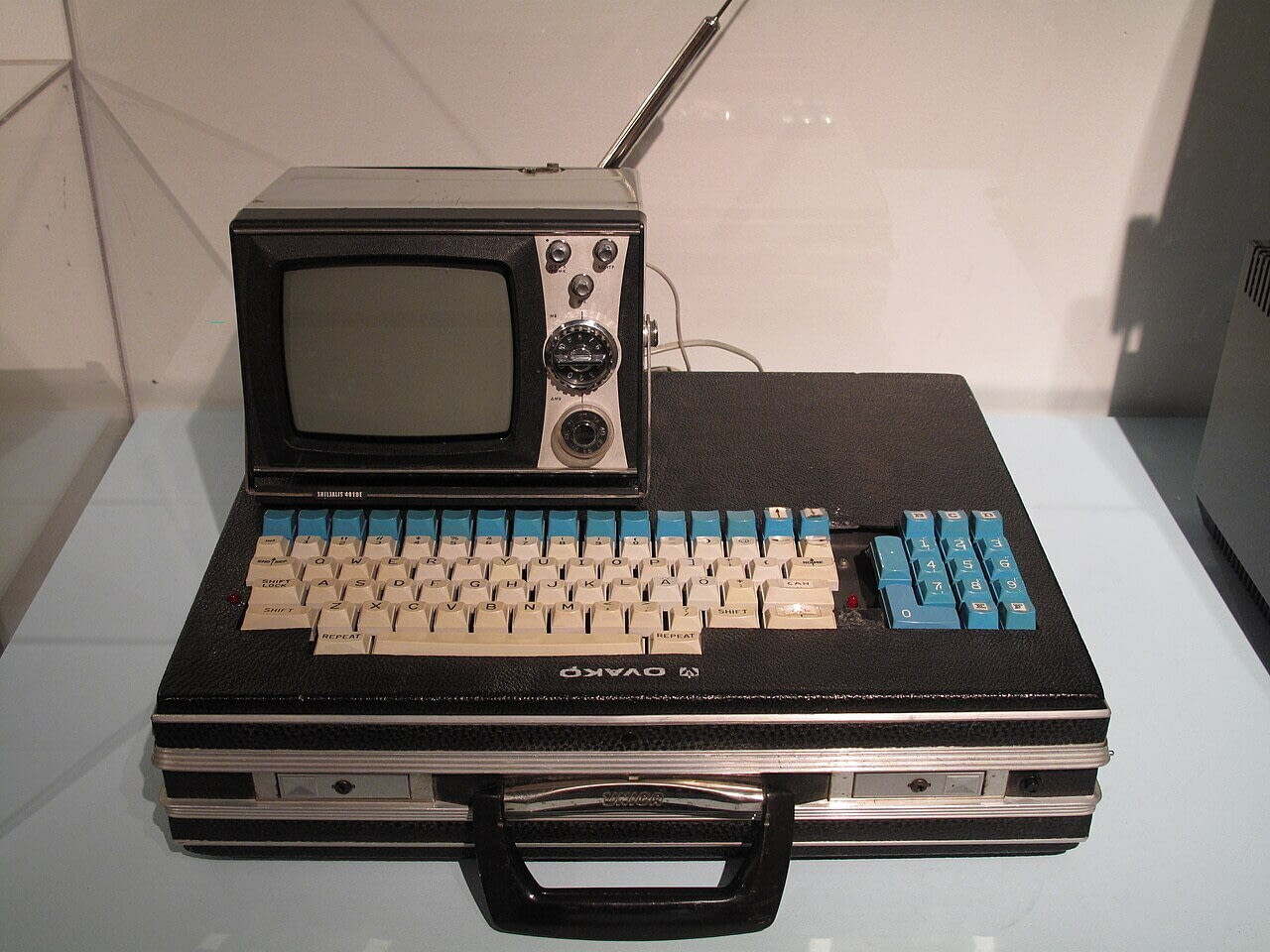
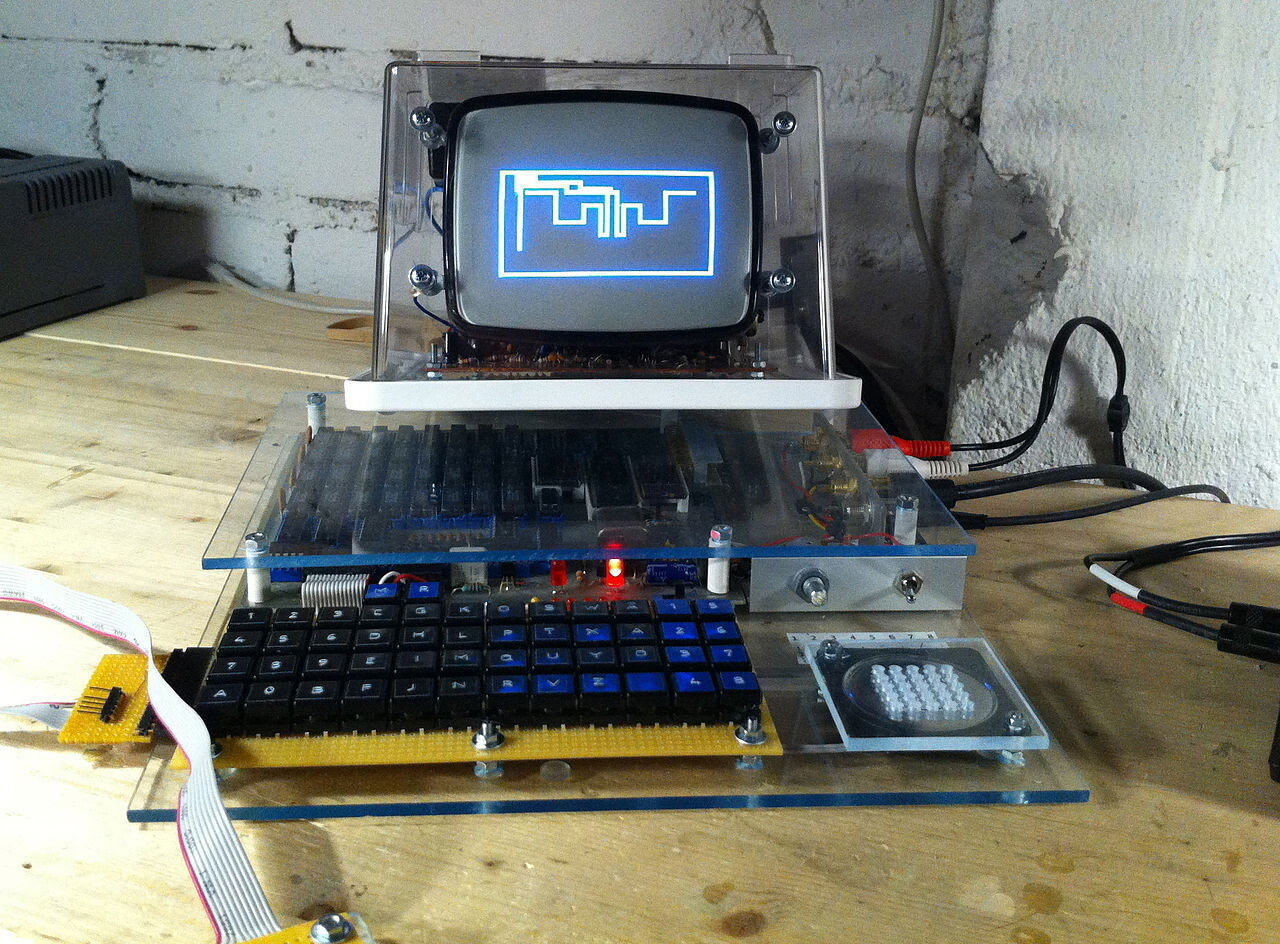
Gameplay, I think, there is no point in explaining. Snake, apples, calf growth. Everyone knows, everyone played. Armanto's main task was to cram all this into a phone that was not intended for games. It was necessary to compress the program, make it work with a small display, and force it not to slow down. It was a success. Nokia 6110 was released in Finland in 1997 and Snake conquered the country.
Snake from 1997 on Nokia 6110.
Interestingly, in Finland it is called Game of worms. Or about worms. In short, the name contains the words “game” and “worm”. Matopeli. There is no snake in the title. But someone in Nokia still thought that Snake will sound better to an international audience. All over the world it is known by this name. Although I believe that our diminutive Snake sounds even better.
Many American sources write that Snake born in 1998. Of course, this is not true. The Finns will confirm. The fact is that Nokia 6110 reached the shores of America only in 1998. There it received the name Nokia 6190 and lost its infrared port. Why does he need it? As we know Snake was born as a competitive game. So here it is. Its first mobile version could be played by two people on two phones Nokia. But the Americans were deprived of this option.
Nokia 6190 for the American market.
The game became so popular in Finland that tournaments were held there. Some Finnish media believe that it is Snake gave impetus to the development of the local esports scene. So much for mobile games.
By the way, Snake could fall into the shadow of another great game from a neighboring country. Tetris. It is her in Nokia originally wanted to add it to their phones. But Pajitnov (creator Tetris, if anyone suddenly doesn’t know) then he finally founded The Tetris Company. And the rights to the brand returned to him. That's why Nokia, unlike the Danes with their Hagenuk MT-2000, they could no longer just add a game to their phones. Negotiations were needed. According to rumors The Tetris Company they asked for a percentage (what it is, it’s unclear) from each phone sold. Nokia refused.
Of course, with new phones Nokia released sequels Snakes. There were seven of them in total. There were 3D versions and special editions for the platform N-gage. Throughout their rise, the Finns have never forgotten their main mobile game.
Snakes from 2005 for Nokia N-gage.
Armanto, by the way, did not participate in the development of any of the sequels. As we know, he is not a game designer; he was not particularly interested in this area at all. But it is he who is considered the creator of the success of the main mobile game in the history of Finland (and there were quite a few of them there) and the person who showed that a mobile phone can be a gaming platform. So if you're annoyed by the dominance of the mobile gaming market over the traditional one, you know who to blame.
🐍 Back to basics
Since the release of the first mobile Snakes Hundreds, if not thousands of her imitators came out. Most likely, something is coming out right now, as you read these lines. Even joined in the general madness Google, which is its Snake rolled out in 2013. Just in time for the Year of the Snake. Almost 12 years ago.
Snake from Google. You can at least play now.
But, as we remember, Snake, originally a competitive genre. And developers couldn't help but take advantage of the growth of online games. Especially casual ones. And in 2016, probably the most famous and popular online version of Snake comes out - Slither.io.
It's a mixture Agari.io, where players control balls that devour each other, and, in fact, Snakes. There were, of course, a million free games before Agari.io, but the developer Slither.io Stephen House was inspired by her. You eat other smaller snakes, you dodge larger snakes. Simply clever.
Slither.io 2016. We play in the browser.
I'm sure I've seen similar gameplay in single-player projects. I don’t remember the names, but I think it’s clear that it’s unique in Slither.io it is her online success. But something else is interesting. In 2019, the game suddenly came out in arcade form. That is, the genre has come full circle. He returned to the gaming halls, filled with the noise of children, the swearing of teenagers, and the surprised exclamations of adults. Beer, however, was replaced with milkshakes.
Sure, Snake easily adapts to the next successful gaming platform. Its formula is simple, understandable to both a child and a grandmother over ninety. The gaming session will not take much time, and the influx of endorphins is guaranteed. So we are waiting for the next coming of the legend, but this time using new and still crazy inventions of mankind.
Postponed on and published on the Timeweb Cloud blog with the permission of the author, KaNormu.
Develop and develop your game (and more) with the help cloud hosting for GameDev ↩

🎲 Read also:
➤ Tetris: the story of one game
➤ "Corsairs". Additions and modifications
➤ Useful Engines: An Introduction to Railway Modeling
➤ Dark Souls, Project Dark: Die seven times, kill once
➤ What does my mom play while I sleep?
Why This Matters In Practice
Beyond the original publication, From competitive play to mobile legend. Snake's story matters because teams need reusable decision patterns, not one-off anecdotes. The Year of the Snake has arrived. It would be a sin not to remember the miracle of Finnish gaming thought, its brothers-in-arms, its origin...
Operational Takeaways
- Separate core principles from context-specific details before implementation.
- Define measurable success criteria before adopting the approach.
- Validate assumptions on a small scope, then scale based on evidence.
Quick Applicability Checklist
- Can this be reproduced with your current team and constraints?
- Do you have observable signals to confirm improvement?
- What trade-off (speed, cost, complexity, risk) are you accepting?
FAQ
What is this article about in one sentence?
This article explains the core idea in practical terms and focuses on what you can apply in real work.
Who is this article for?
It is written for engineers, technical leaders, and curious readers who want a clear, implementation-focused explanation.
What should I read next?
Use the related articles below to continue with closely connected topics and concrete examples.