My Electrical Panel Manufacturing Brings in 40 Million a Year: Thanks to Neural Networks and Soviet Engineering School
An anonymous entrepreneur shares how he built a 1,700 sq.m. electrical panel manufacturing operation generating 40 million rubles monthly, powered by neural networks for cost estimation and Soviet-era engineering methodology for training unskilled workers.
By education I'm a math teacher, but I'm passionate about manufacturing processes. Our electrical panel production occupies 1,700 square meters and ships 500 million rubles worth of products annually, with a plan to reach one billion in revenue.
Electrical Basics 101
Before diving into the business, let's understand what electrical panels actually do in the power distribution chain:
- Power generation — hydroelectric, thermal, and nuclear power plants produce electricity
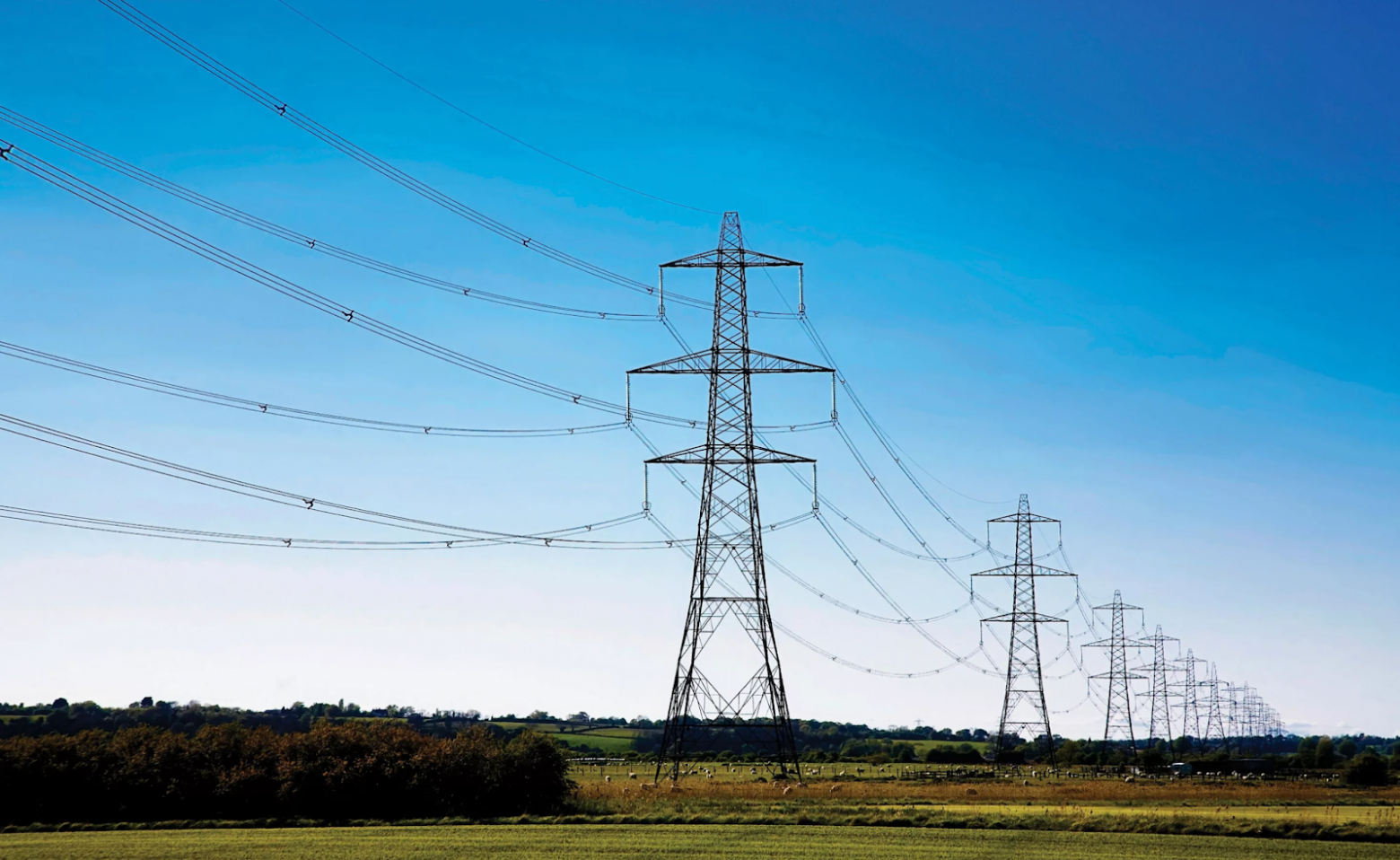
- Transmission — high-voltage power lines deliver energy to cities
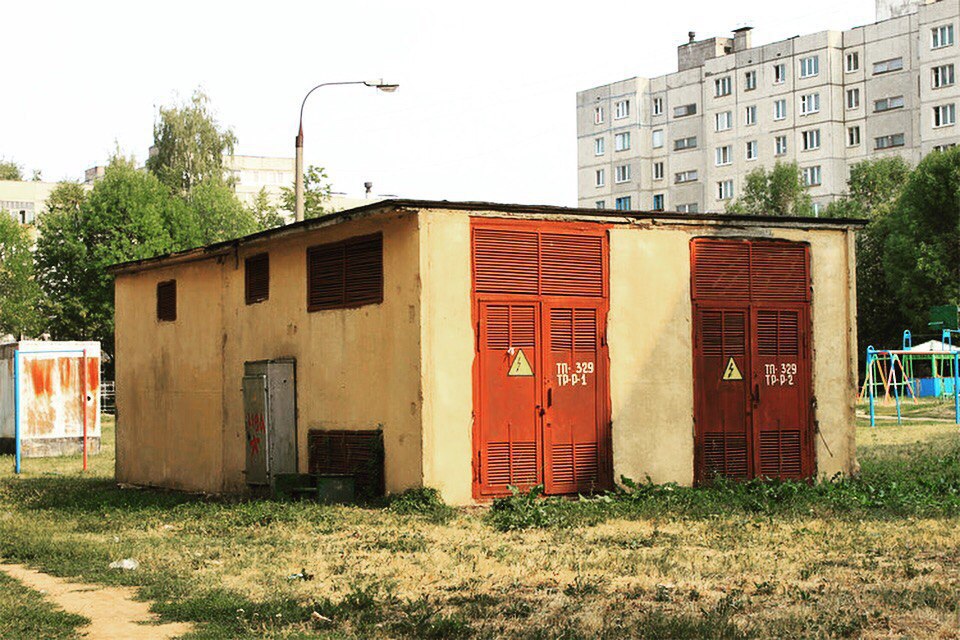
- Voltage reduction — transformer substations step down voltage from 10-35 kV to 400 V
- Distribution — electrical panels distribute energy to consumers
Types of electrical panels include:
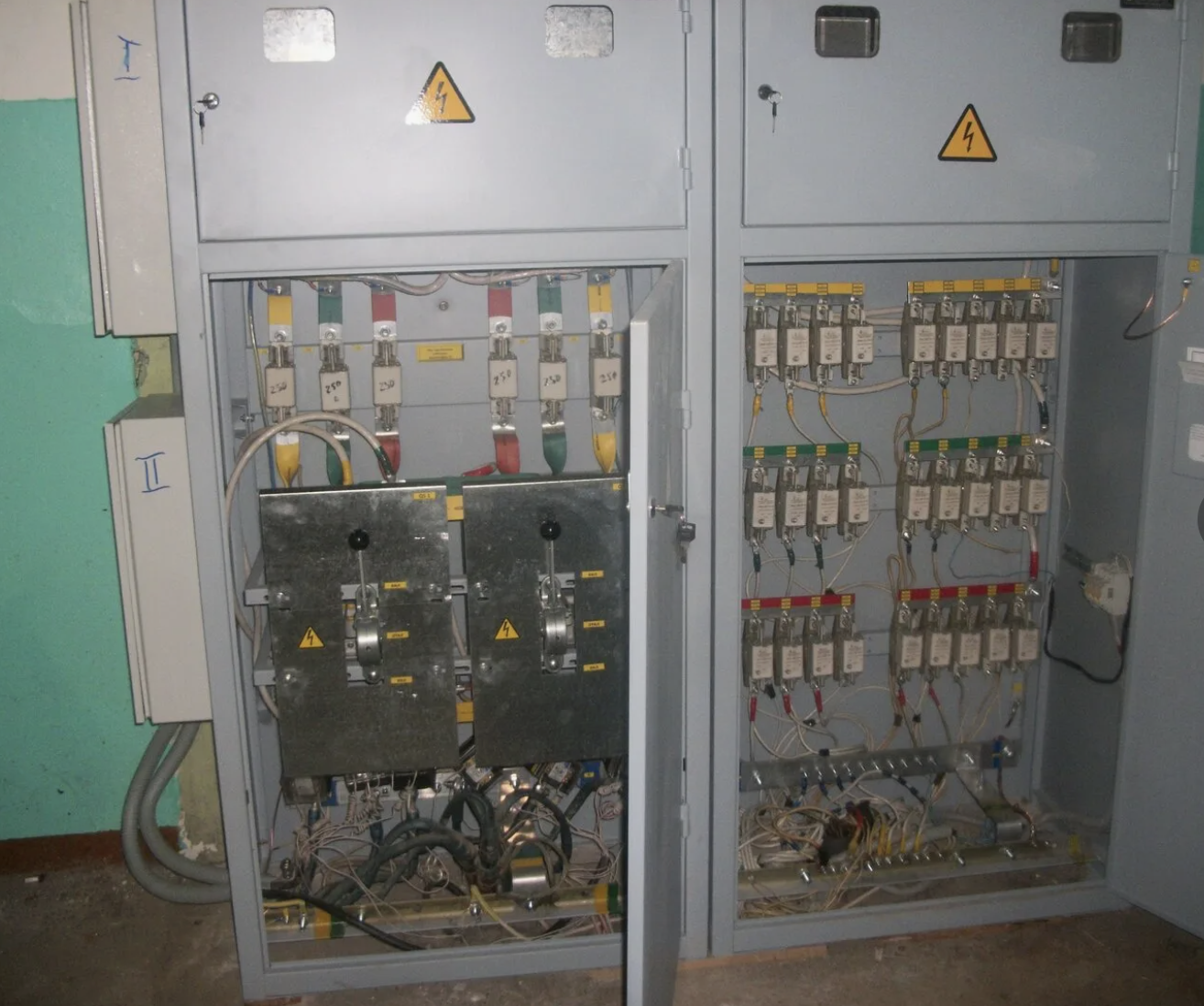
- Main distribution panels (GRShch) — located in building entrances
- Floor panels — on staircase landings
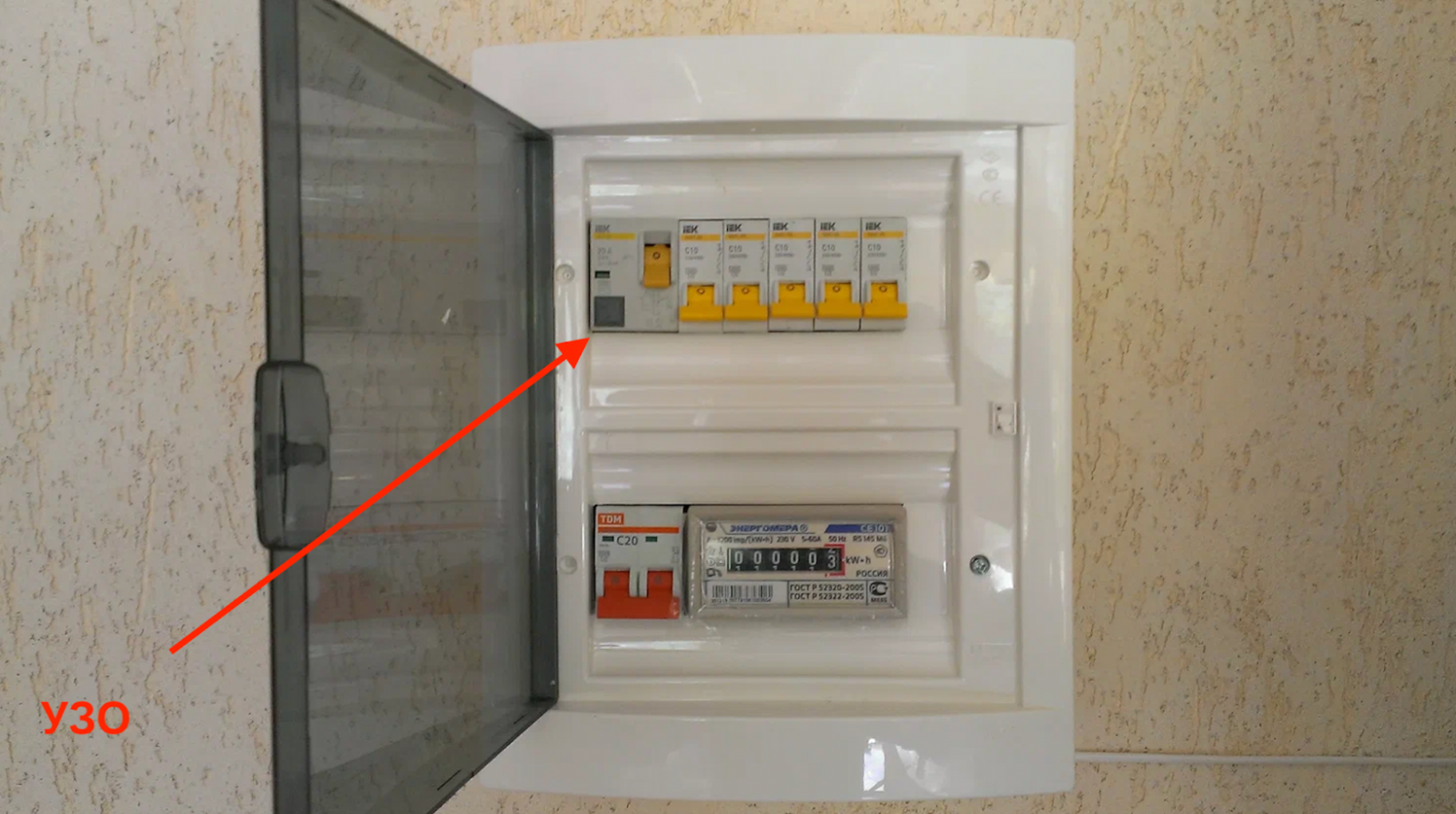
- Apartment panels — with circuit breakers and RCDs (residual current devices)
An RCD protects against electric shock by tripping when it detects current leakage in less than half a second.
Starting a Panel Manufacturing Business from Scratch
Initial investment: 200,000–300,000 rubles
What you need:
- A space of 20–30 square meters
- Tools: angle grinder, wrenches, wire cutters
- A legal entity, website, and accounting software
- Later: a busbar bending machine for processing metal busbars
The market is not monopolized — it consists of small companies that constantly appear and disappear.
The Bankruptcy Story
My first attempt ended with a loss of 11 million rubles. We received an order for four substations worth 70 million and got a 30% advance. Most of our costs were components purchased on credit. When the client delayed payment, we couldn't pay our suppliers, and the business ground to a halt.
Key lesson: "Processes and algorithms win in the end."
The Production Process
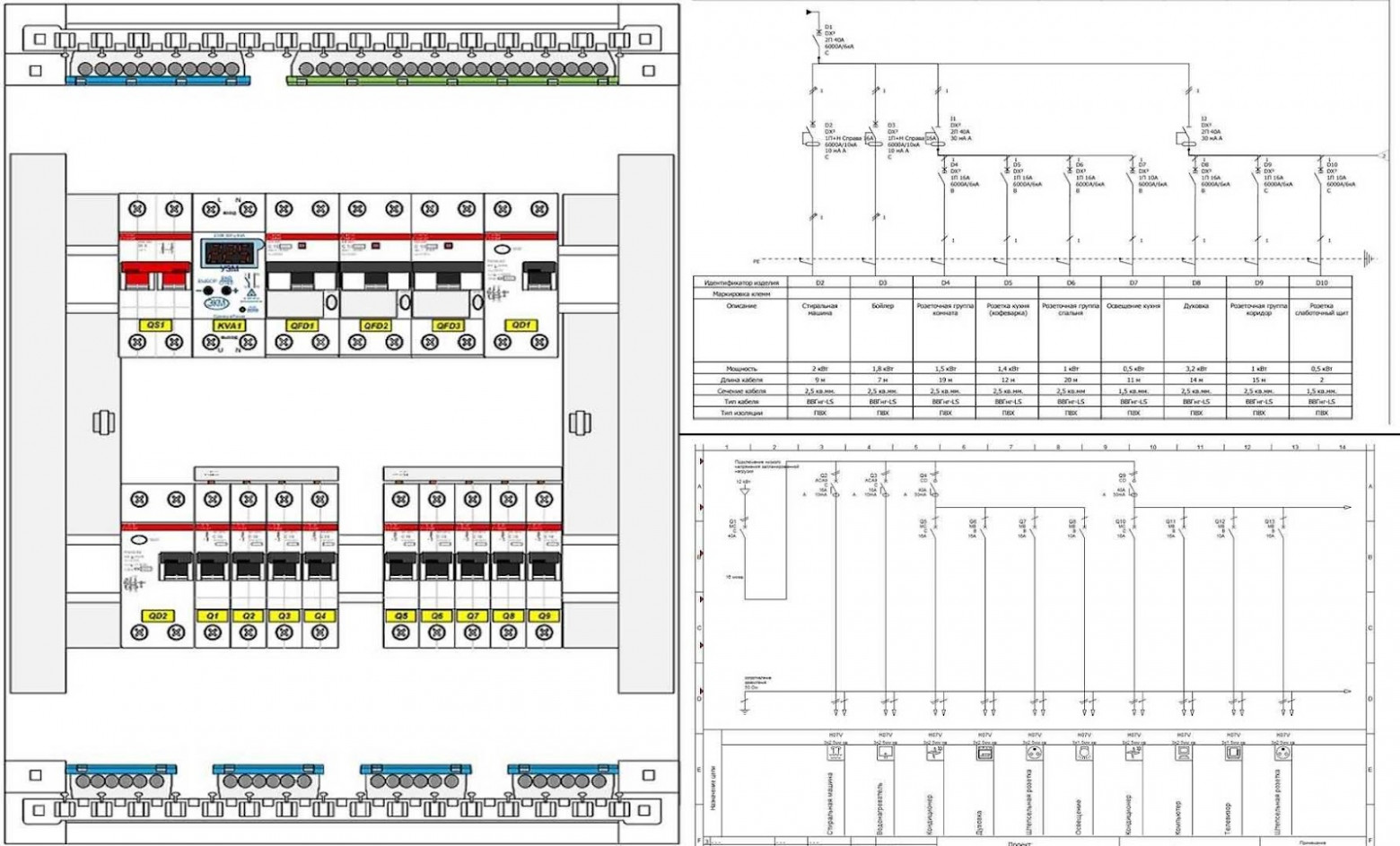
- Receiving the request — the client brings a schematic (even hand-drawn ones work)
- Cost estimation with AI — our neural network works with a database of 400,000 product items
- Engineering documentation — engineers prepare technical drawings
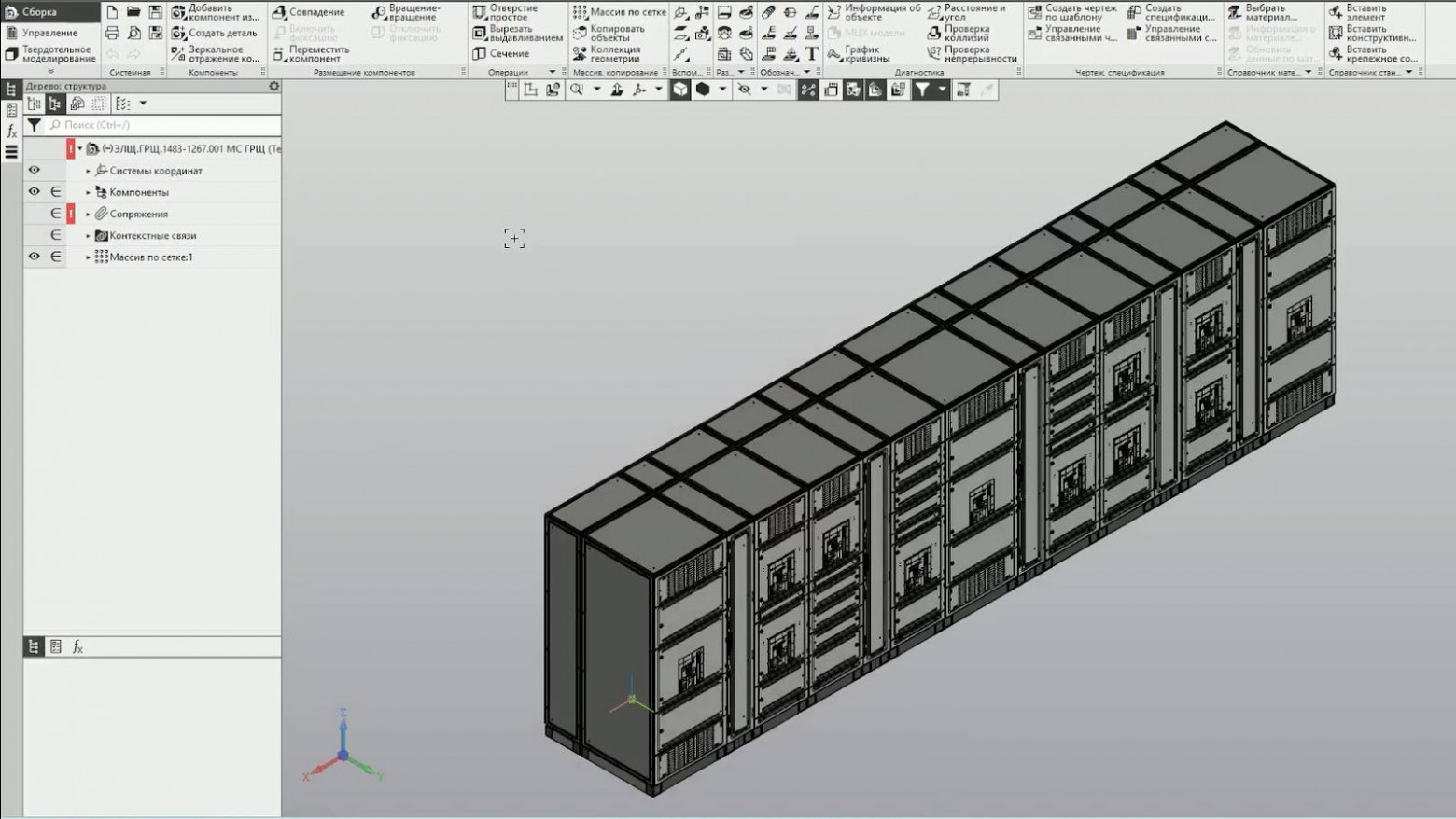
- 3D modeling — visualization of the future product helps newcomers understand the assembly
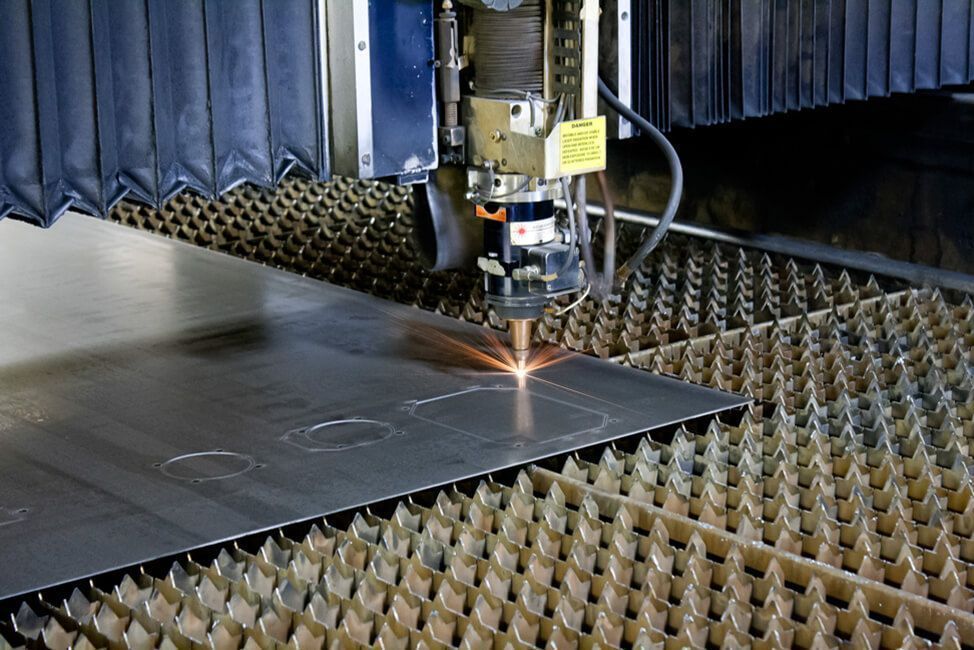
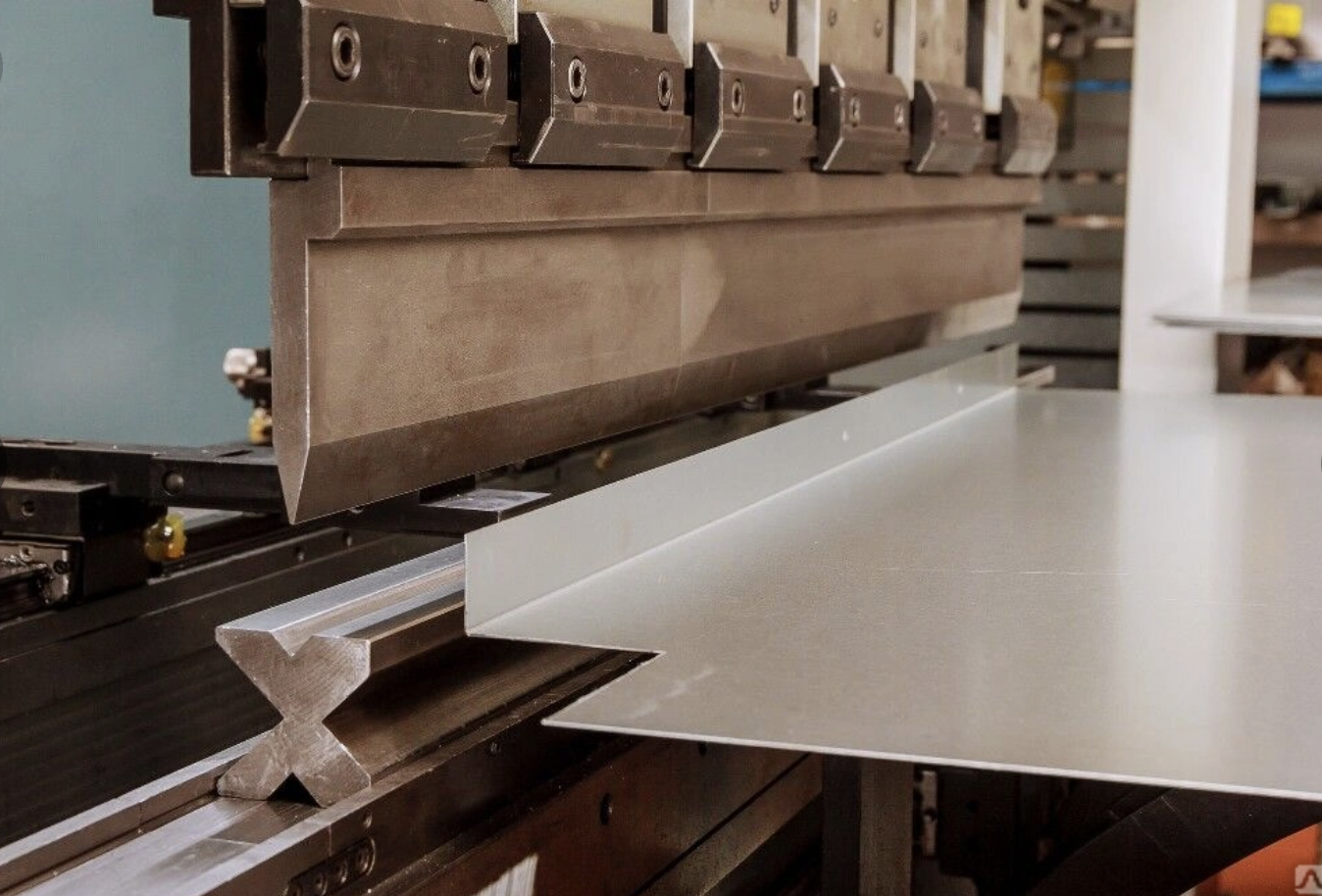
- Metal processing — laser cutting and bending of enclosure components
- Marking — applying identification data and QR codes
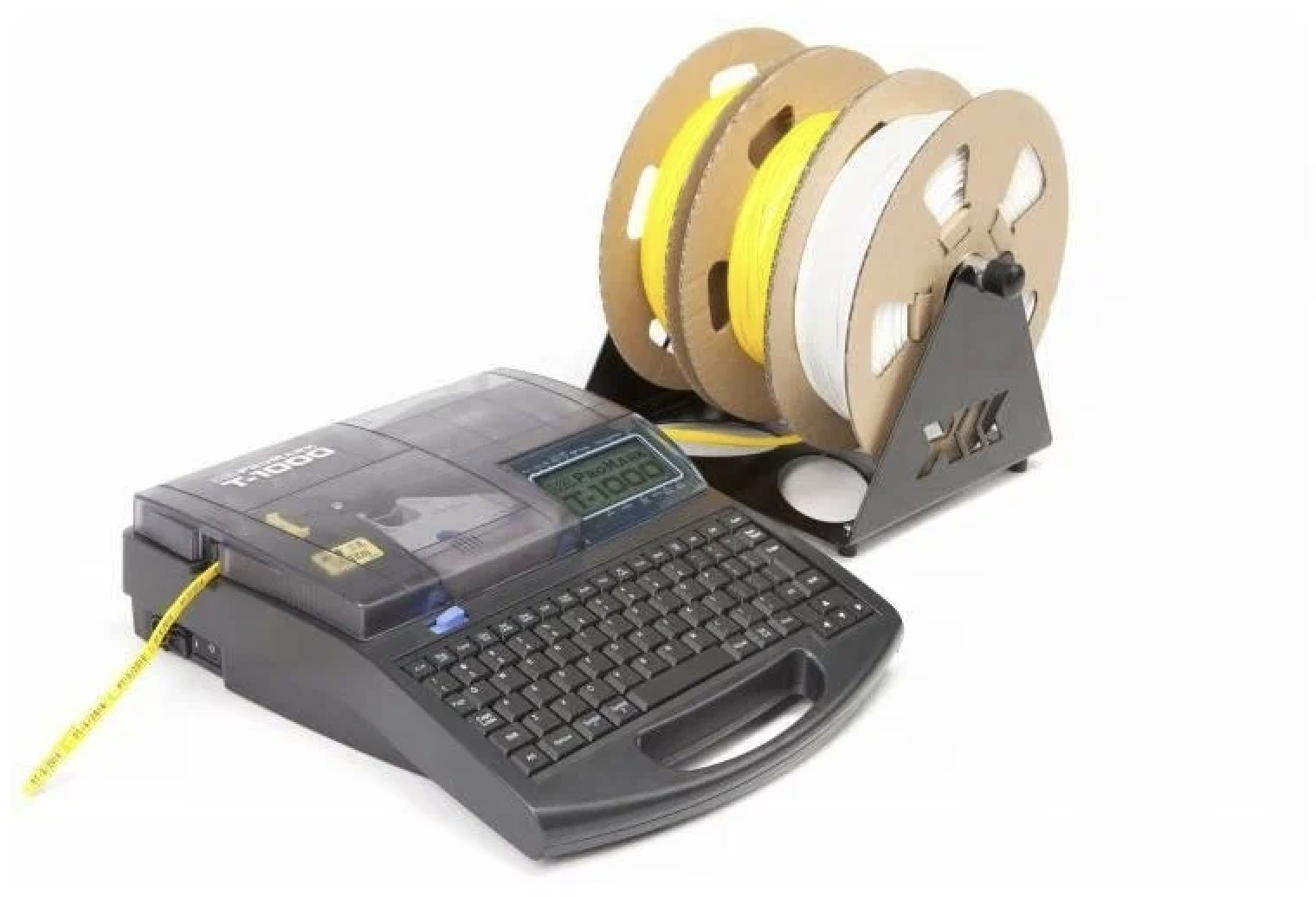
- Wire label printing — simplifies both assembly and future maintenance
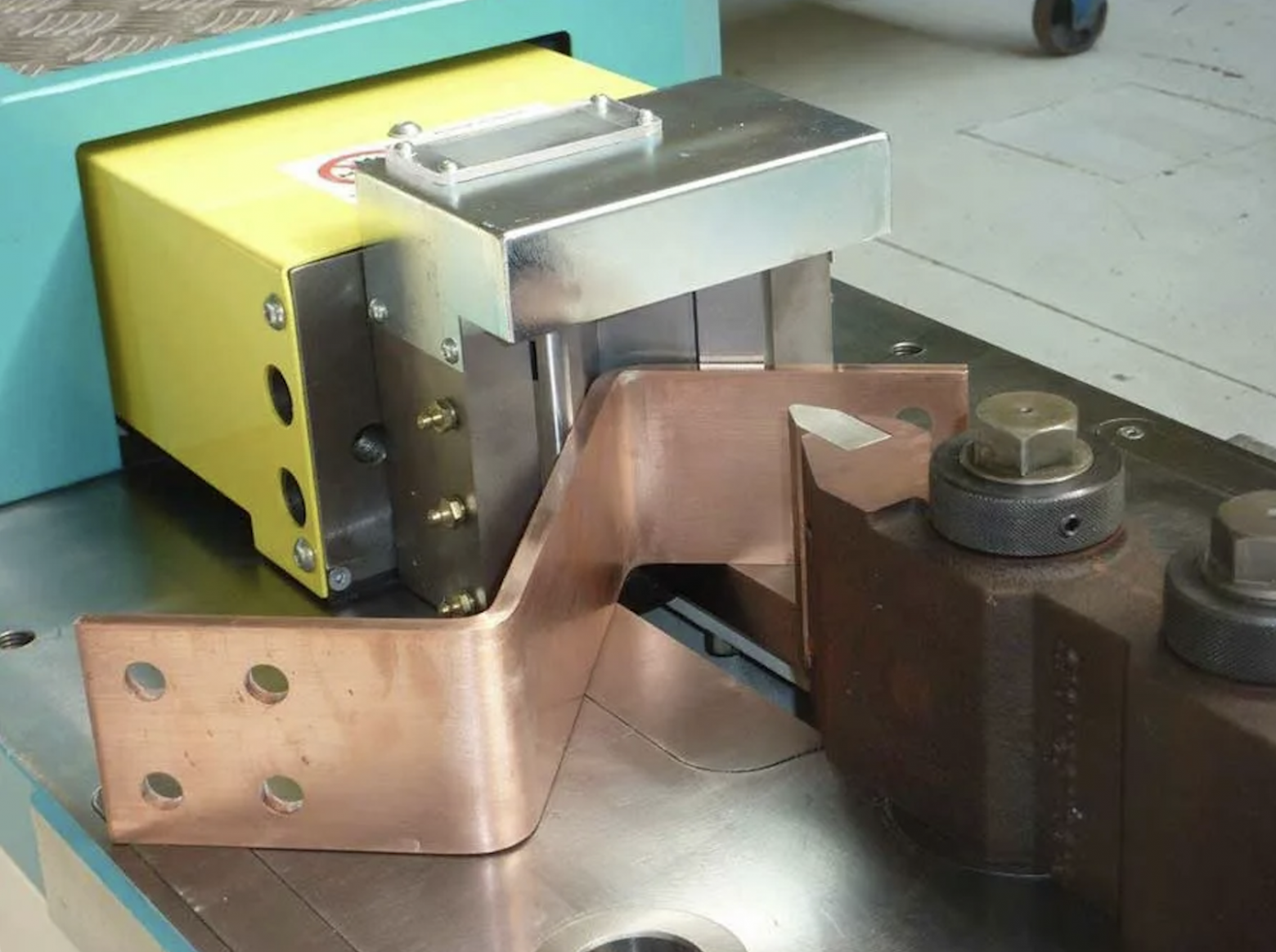
- Busbar fabrication — copper or aluminum conductors shaped on a busbar bending machine
- Assembly — mounting components according to technical specification sheets
- Quality control — final inspection of the finished product
Neural Networks in Action
Our neural network has been trained to:
- Recognize and classify electrical equipment
- Break down components by categories and specifications
- Understand the semantics of product names (circuit breaker, differential breaker, RCD)
- Decode nomenclature codes from different manufacturers
The future goal is to have the neural network recognize and generate electrical schematics automatically.
Investment in Production
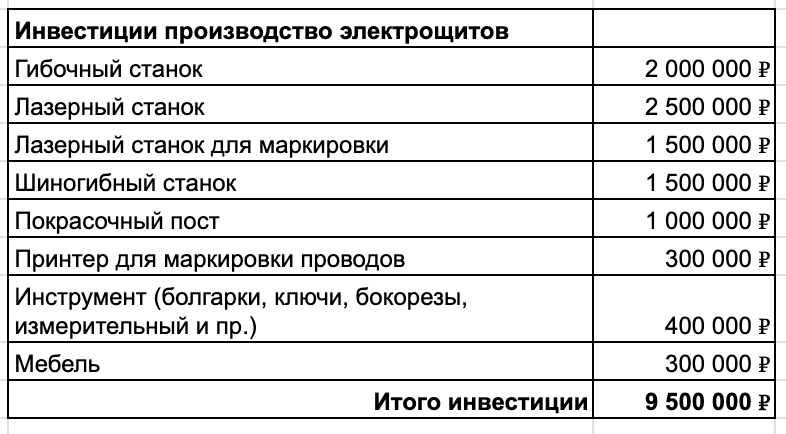
For a 1,700 sq.m. facility, you need at least 9.5 million rubles:
| Item | Cost |
|---|---|
| Laser cutting machine | 2.5 million rubles |
| Bending machine | 1.8 million rubles |
| Busbar bending machine | 1.2 million rubles |
| Assembly equipment | 1.8 million rubles |
| Other | 2.4 million rubles |
The key insight: "The most expensive thing I have is my processes."

Training Workers Without Experience
A woman from a beauty salon assembled her first electrical box on her very first day. Our training system works like this:
- Video instructions for each skill
- Verification by a quality control engineer
- Dynamic task assignment based on acquired competencies
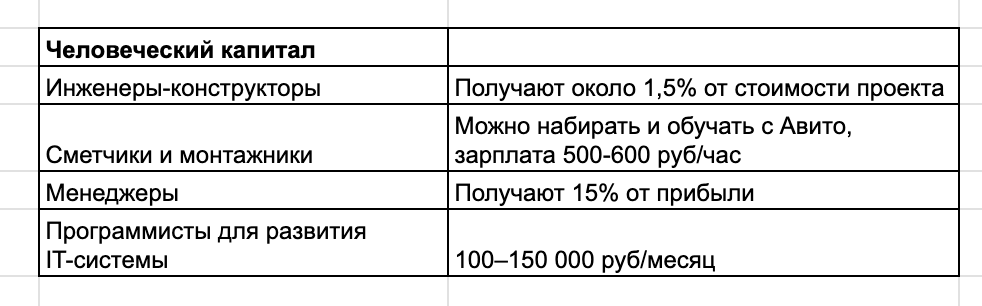
Cost estimators specialize in one direction and can be trained in two days, instead of searching for experienced candidates who are hard to find.
Technical Specification Sheets: The Soviet Method
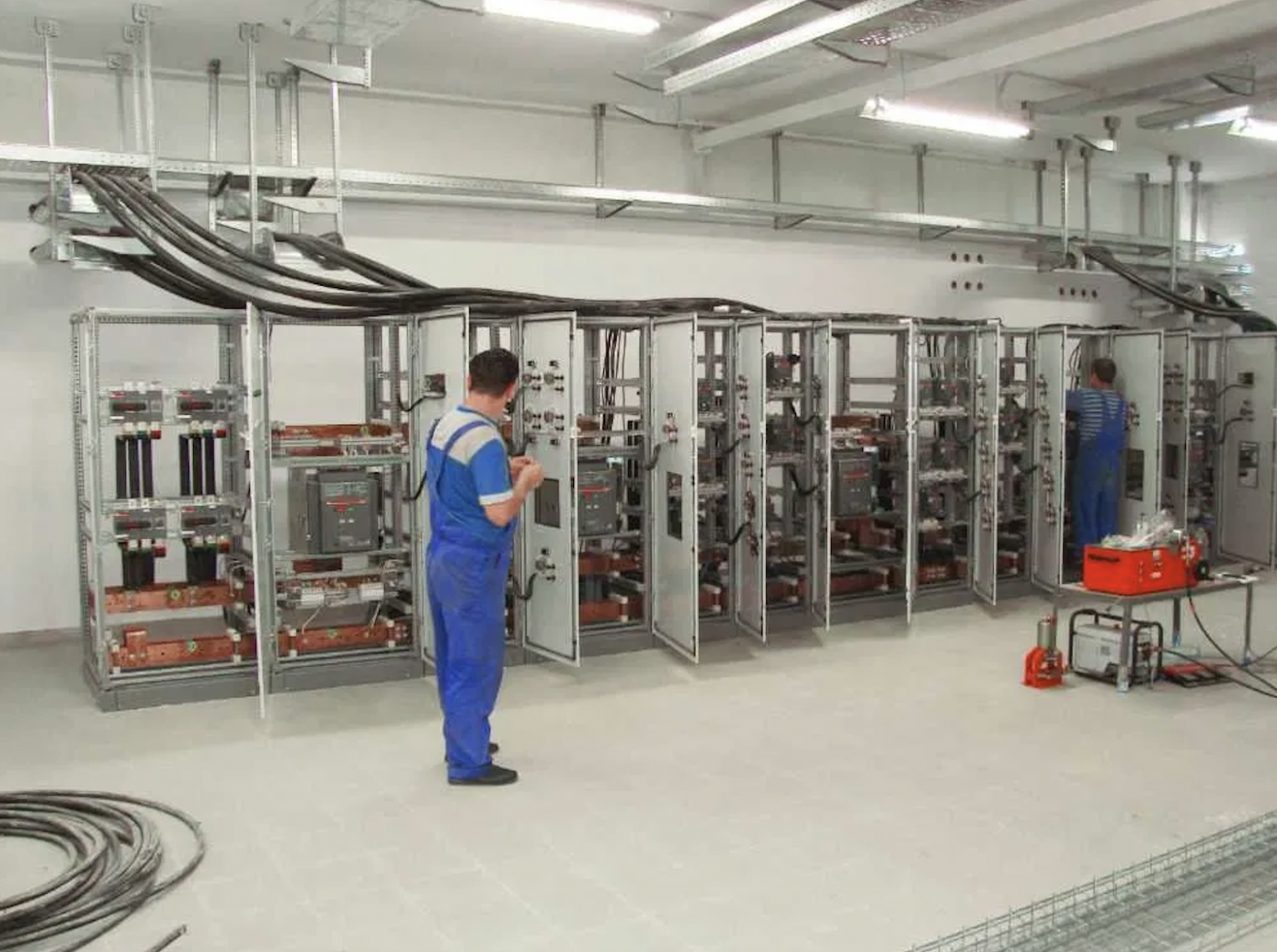
The Soviet approach to manufacturing was built on detailed technical specification sheets (tekhnologicheskie karty) — comprehensive step-by-step instructions that eliminate the need to rely on experienced "Uncle Vasyas" who carry all the knowledge in their heads. Welders with no prior production experience successfully retrained for panel assembly in two weeks of theory plus one month of practice.
Metal Marking System
The problem: when cutting multiple orders on a single laser sheet, parts get mixed up.
The solution: every single part is marked with identification data for sorting and distribution across work stations. This provides flexibility — multiple orders can be cut from the same sheet of metal without confusion.
The Long Code System
Our coding system allows each department (logistics, warehouse, assembly) to work with just the digits relevant to them, without needing to memorize the entire code. This eliminates confusion and enables seamless handoffs between departments.
Minimizing Questions
A single production question costs at least 1,000 rubles. The chain of distraction — assembler asks the foreman, who asks the warehouse keeper, who asks the procurement specialist — destroys productivity. The solution: clear processes and coding systems that enable frictionless communication.
Financial Model
Profit Calculation on a Single Product
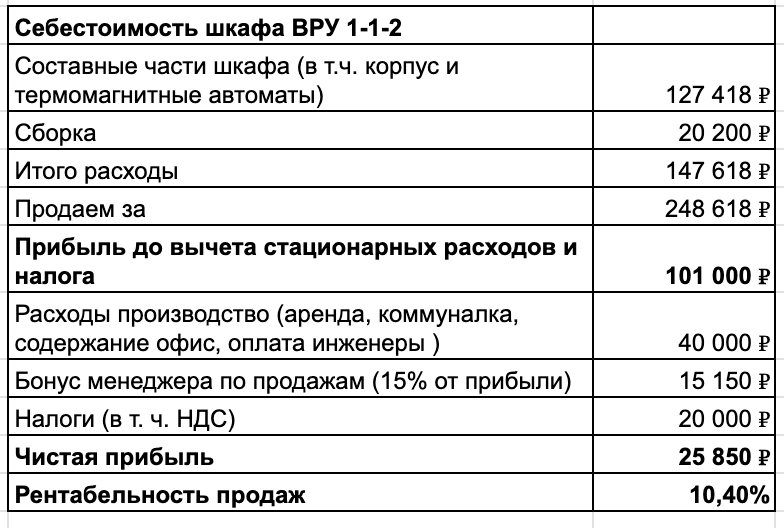
Selling price: 248,618 rubles
Cost breakdown:
- Components: 127,418 rubles
- Assembly labor (wages): 20,200 rubles
- Gross margin: 101,000 rubles
Deductions from gross margin:
- Sales manager bonus (15%): 15,150 rubles
- Facility maintenance: 40,000 rubles
- Engineering work (1.5%): ~10,000 rubles
- Taxes (VAT): 20,000 rubles
Net profit: 25,850 rubles
Critical Ratios
- An assembler's time must be sold at 5x their cost
- Total overhead must not exceed 2x the assembler's labor cost
- This structure yields roughly 10% profit for the owner
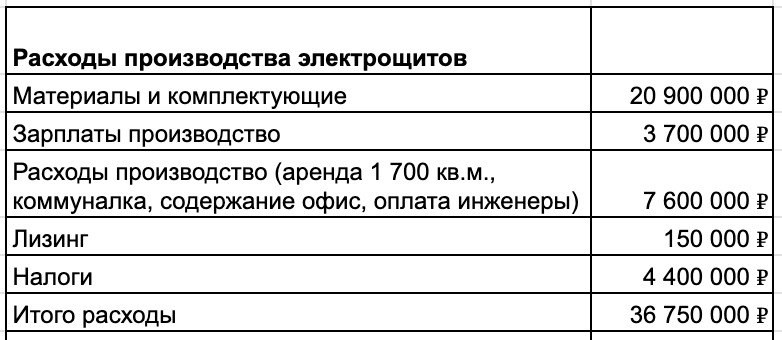
Monthly Numbers (at 40 Million Revenue)
Expenses:
- Materials and components: 20.9 million rubles
- Production wages: 3.7 million rubles
- Fixed costs: 7.6 million rubles
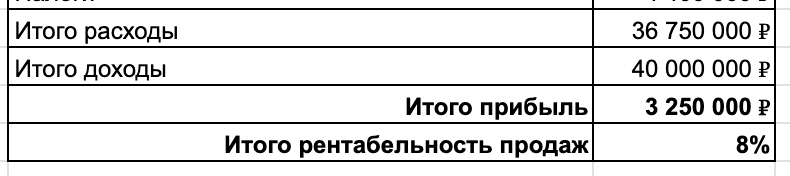
- Total: 36.75 million rubles
Monthly profit: 3.25 million rubles
Important caveat: when scaling 2x, not all profit gets reinvested. With orders worth 200 million in the pipeline, only 50 million in advances received, and component costs of 130 million, you still need an additional 80 million to fulfill the orders.
Sales and Marketing
Team: 6 sales managers
Sales funnel: 100 calls lead to 50 estimates, which lead to 20 commercial proposals, converting at 10–15% into orders.
Thanks to automated cost estimation, our managers can make 1,000 calls instead of 100, dramatically increasing sales volume.
Client base: approximately 90% are electrical installation companies that win construction tenders.
Deliberate limitations:
- We don't work with large corporate clients (they require a separate bureaucratic infrastructure)
- We don't work with major developers (they aggressively squeeze prices down)
Sales compensation: 15% of project profit (not revenue), which motivates managers to negotiate better margins.
Competitive Advantage
Competition is limited because the barrier to entry is genuinely high — you need:
- Electrical engineering knowledge
- Process management skills
- Technological equipment
- A systematic approach to everything
Conclusion
Current growth is 2x year-over-year, powered by:
- In-house metal processing (ensuring reliable delivery timelines)
- Well-built processes (minimizing errors)
"What I enjoy is creating the management system for this whole operation" — it's not the panels themselves that drive me, but the systems for producing them.
The market is currently in crisis, and only companies with efficient processes survive.
A note of gratitude: I'm thankful to the Soviet Union for creating the standards (GOST, PUE, ESKD) that allow engineers to understand each other, and for the concept of technical specification sheets that enable training unskilled workers into productive assemblers.
FAQ
What is this article about in one sentence?
This article explains the core idea in practical terms and focuses on what you can apply in real work.
Who is this article for?
It is written for engineers, technical leaders, and curious readers who want a clear, implementation-focused explanation.
What should I read next?
Use the related articles below to continue with closely connected topics and concrete examples.