"Dot, Dot, Comma": How Modern Punctuation Marks Appeared and What Venice Has to Do with It
The history of punctuation from ancient writing systems to the modern era, revealing how Venetian printers -- especially Aldus Manutius -- created the commas, semicolons, and exclamation marks we use today.
We use punctuation marks every day without a second thought. But where did commas, periods, question marks, and semicolons actually come from? The answer leads us on a fascinating journey through thousands of years of writing history -- with a surprising detour through Renaissance Venice.
Ancient Foundations: Writing Without Punctuation
The earliest writing systems -- Egyptian hieroglyphics and cuneiform -- lacked punctuation entirely. Text was written as a continuous stream of characters with no breaks whatsoever.
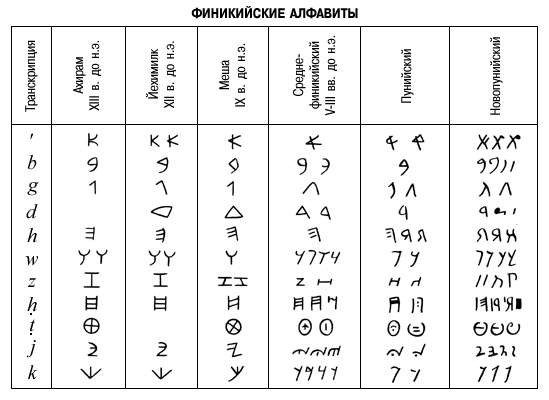
The Phoenicians were the first to introduce word separators, using dots or vertical lines rather than spaces. This wasn't an aesthetic choice but a practical necessity: ambiguities in contracts and financial documents could literally prove very costly.
Greek and Roman Developments
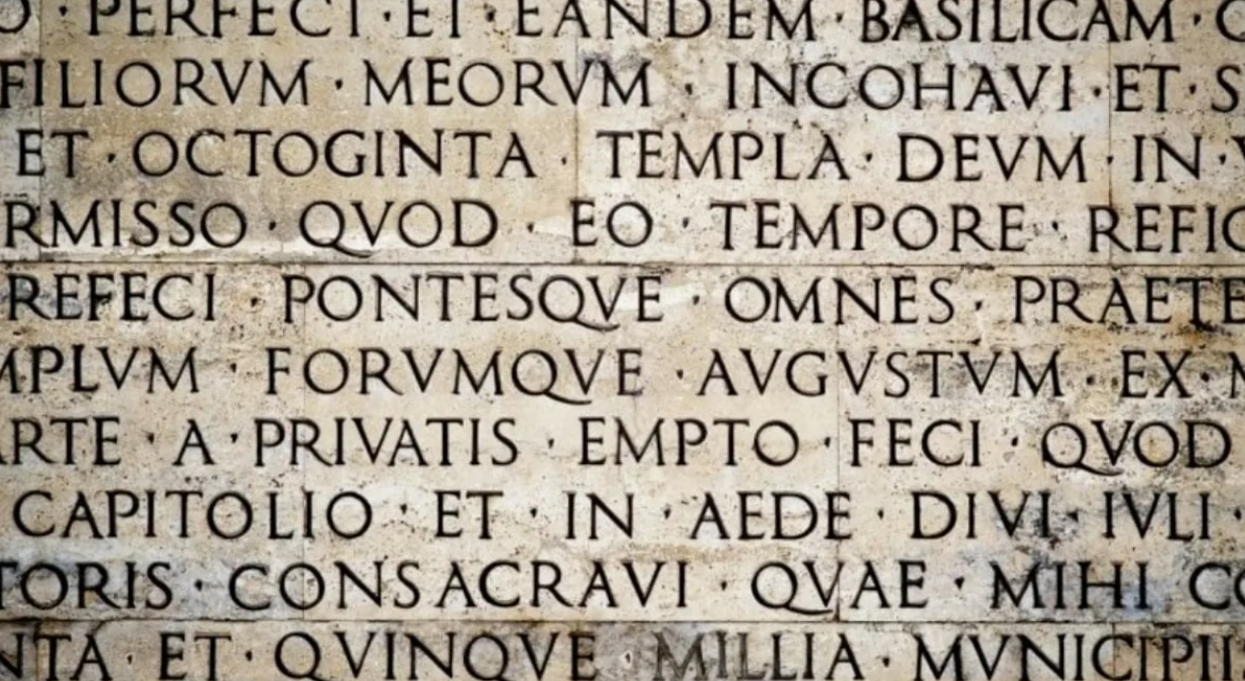
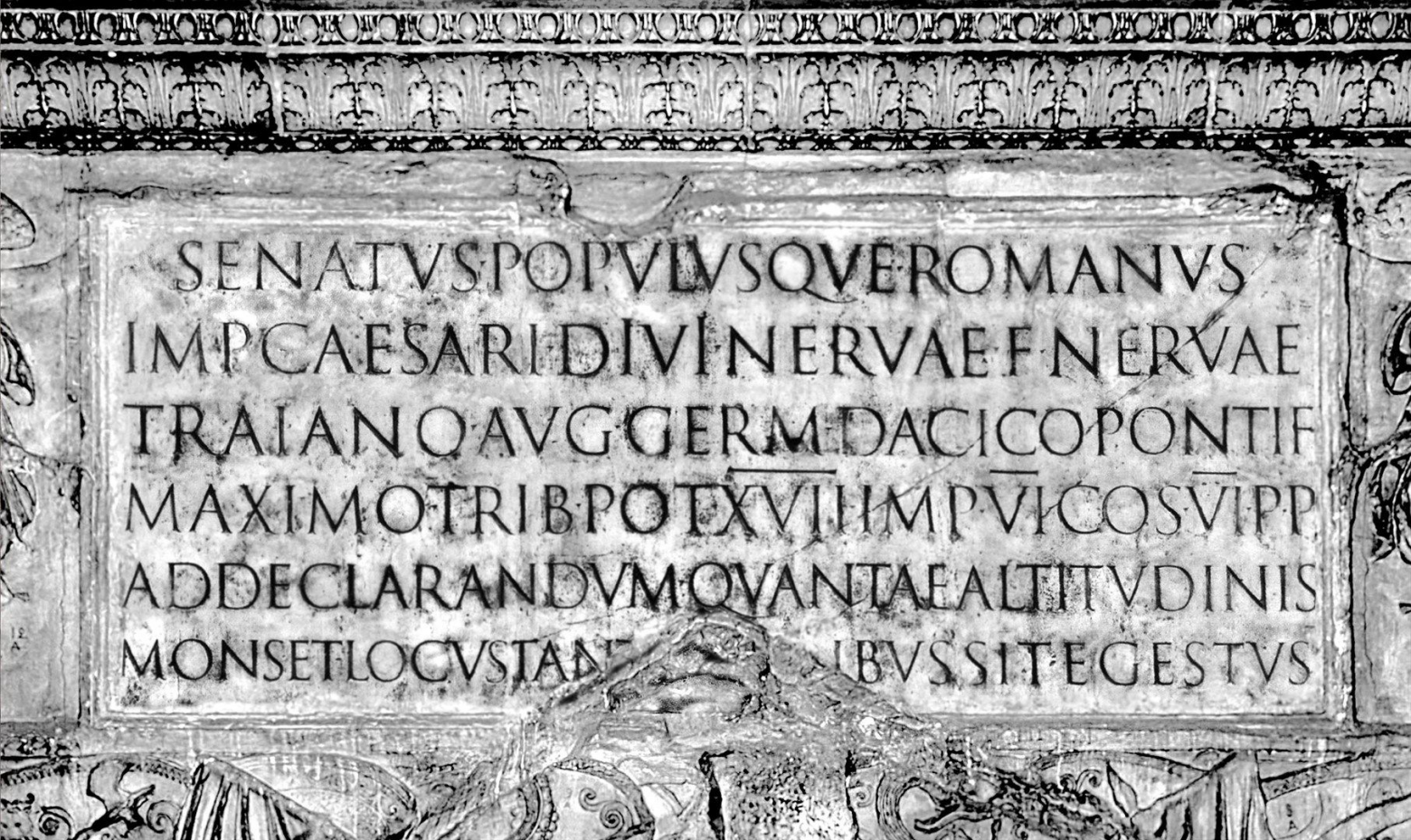
The ancient Greeks developed interpuncts -- centered dots placed between words. The Romans initially adopted this practice, but then a peculiar thing happened: prestigious mimicry of Greek continuous writing (scriptio continua) made texts significantly harder to parse.
This created real problems. The Latin phrase "COLLECTAMEXILIOPUBEM" could mean either "people assembled from Troy" or "people assembled for exile" -- a rather important distinction that continuous writing obscured entirely.
Alexandria's Contribution
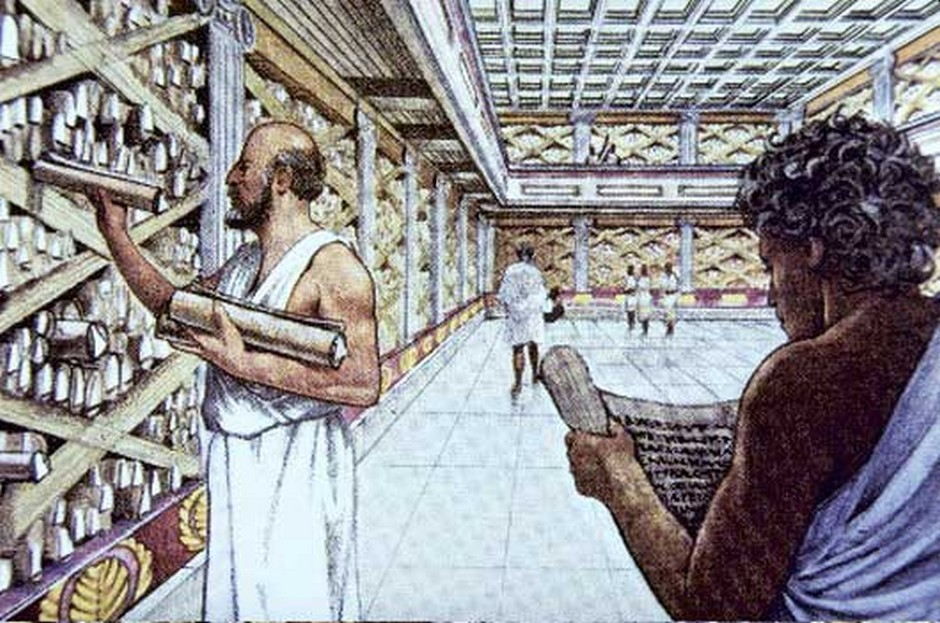
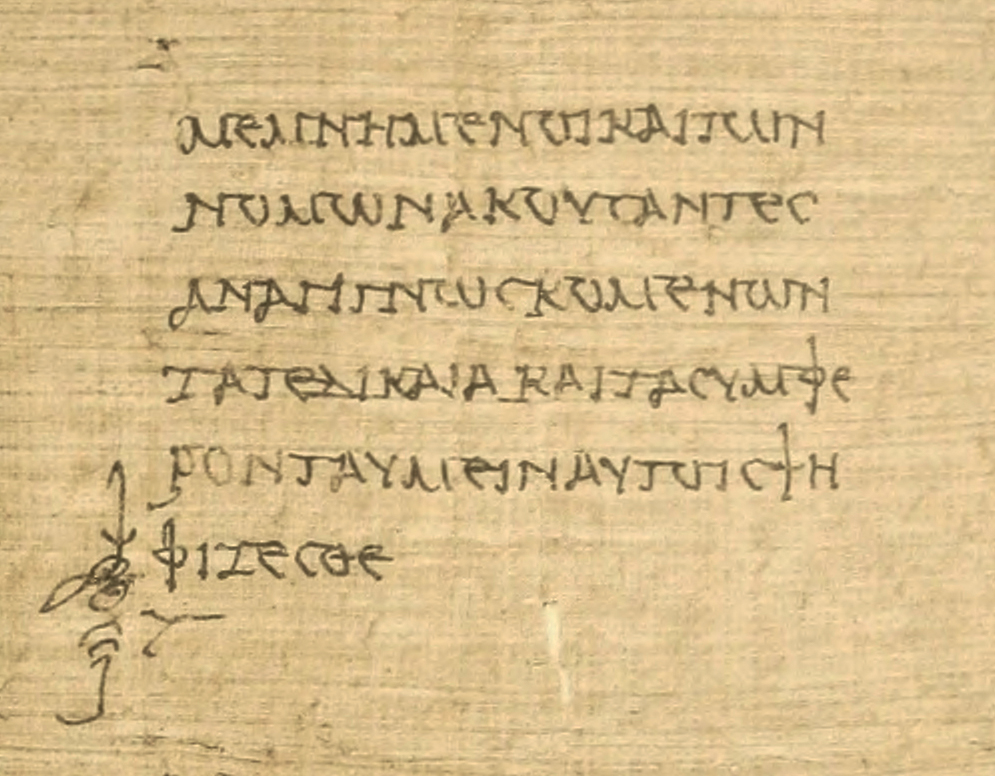
At the famous Library of Alexandria, scholars created the first genuine punctuation system. Aristophanes of Byzantium (2nd century BCE) introduced a system of three dots placed at different heights, representing breathing pauses of varying lengths during oral recitation. These dots were placed at the bottom (comma/short pause), middle (colon/medium pause), and top (period/long pause) of the line -- essentially creating the predecessors to our modern commas, semicolons, and periods.
Medieval Evolution: Monks to the Rescue
Irish monks in the 7th-8th centuries made a revolutionary contribution: they invented word spacing. This seemingly simple innovation transformed the readability of written text. The practice spread through the Carolingian minuscule script, but it faced resistance from conservatives who felt that "the wise ancients wrote continuously" and saw no reason to change.
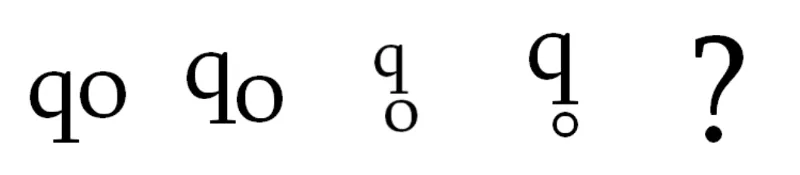
By the 13th century, Boncompagno da Signa, an Italian rhetorician, proposed using diagonal slashes as commas. The question mark also emerged during this period as an abbreviation -- qo (from the Latin quaestio, meaning "question") -- which gradually evolved into its modern form by the 16th century.
The Venetian Revolution
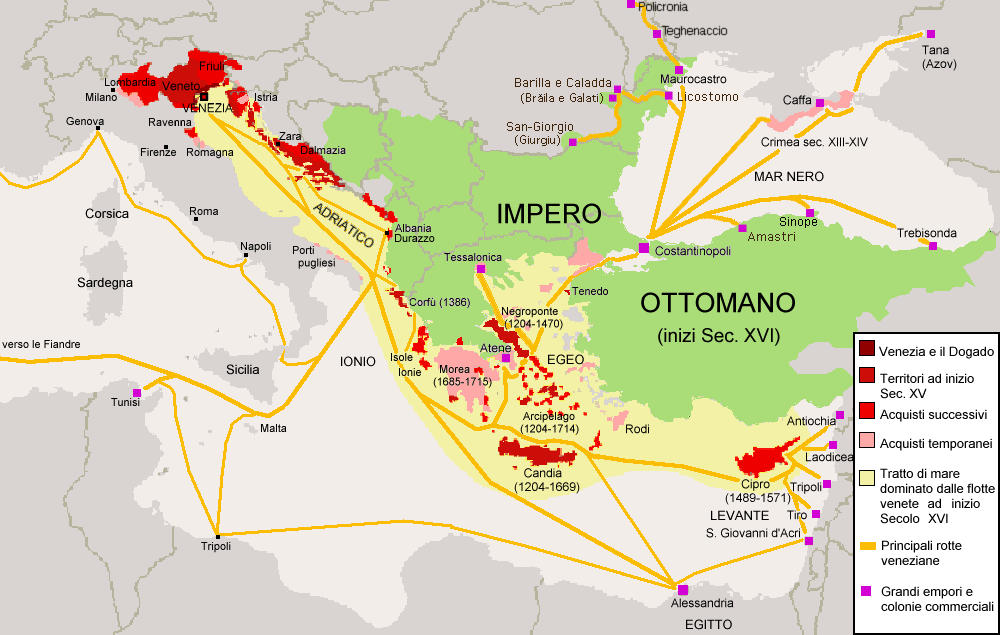
But why Venice? The answer lies in economics. The Ottoman Empire's expansion in the 15th century strangled Venice's traditional Eastern Mediterranean trade routes. The Republic desperately needed new investment outlets, and printing offered explosive growth potential.
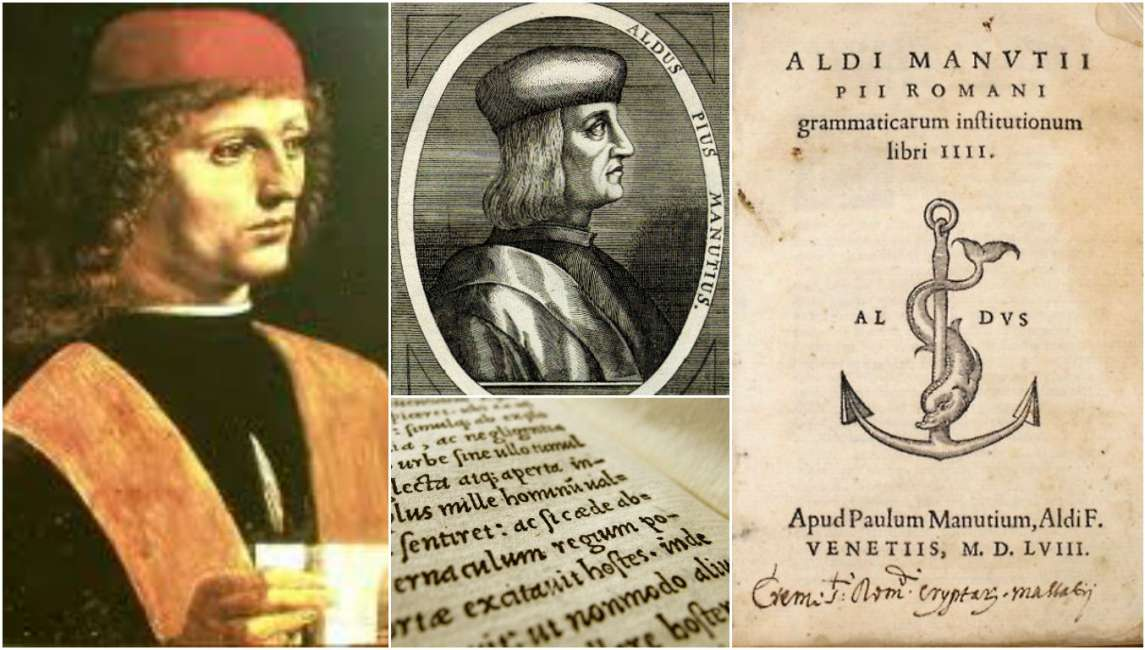
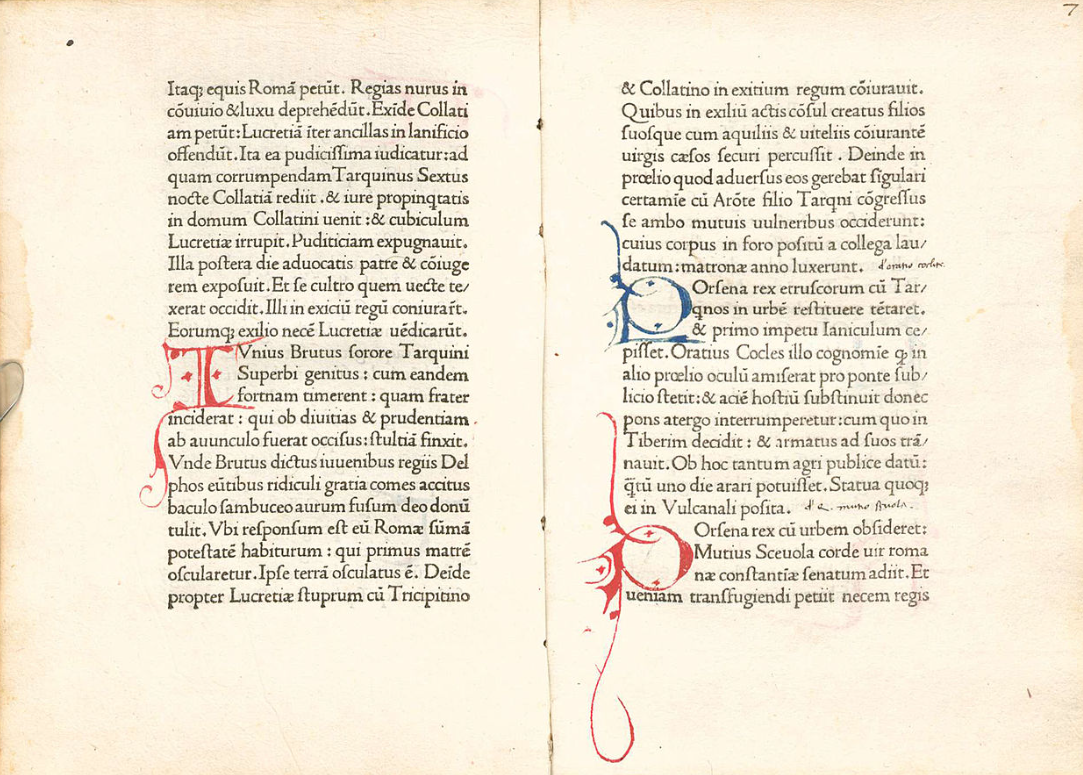
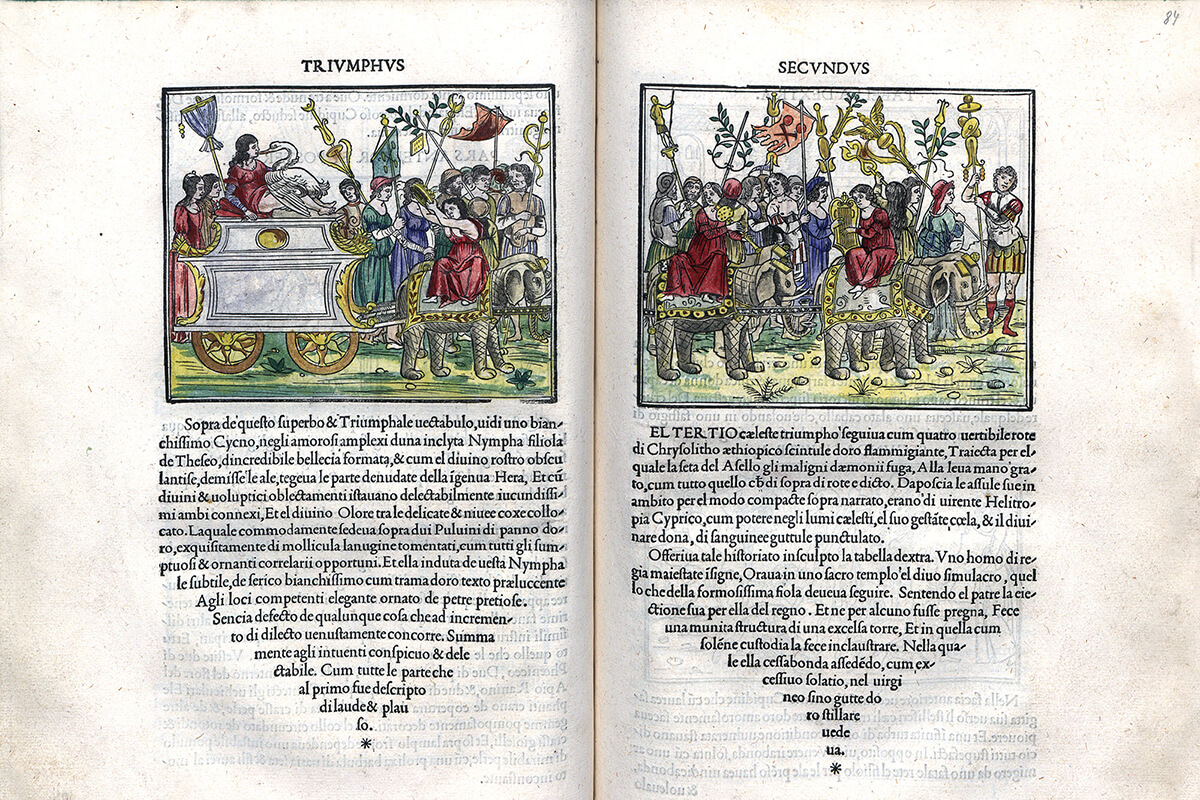
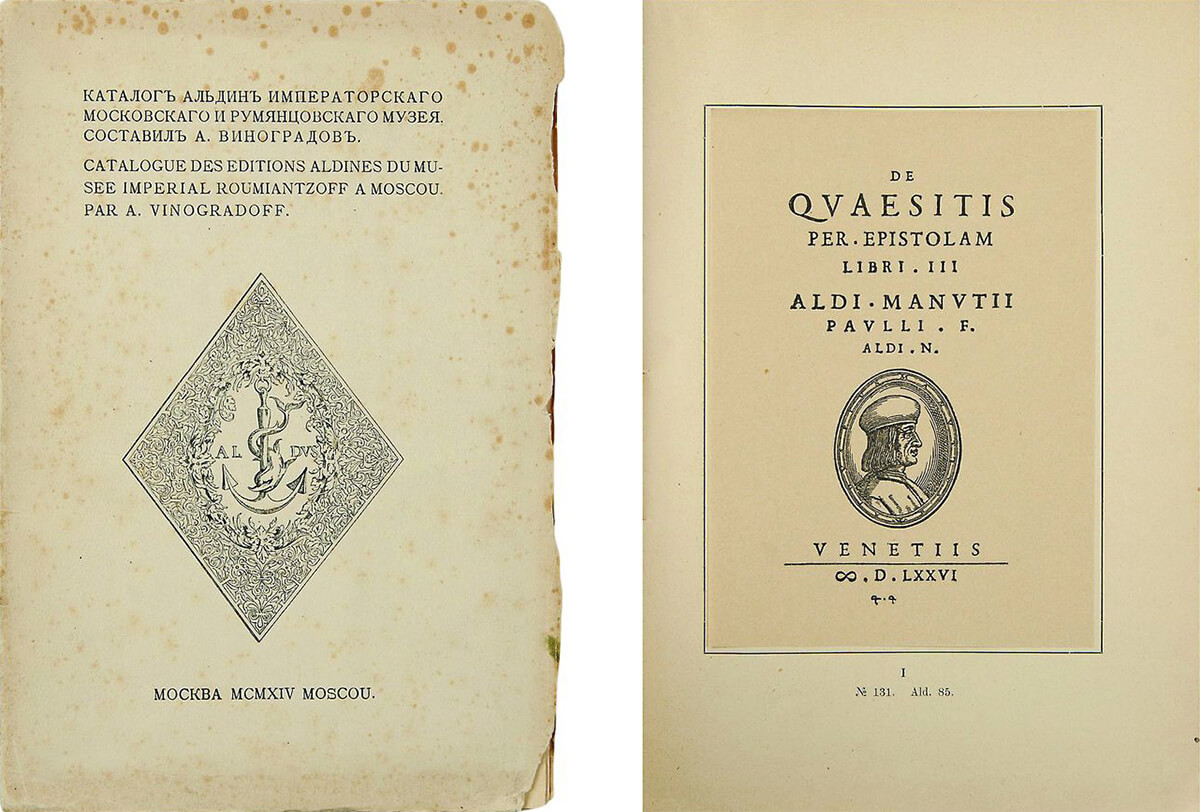
Venice quickly became the printing capital of Europe. And it was here that the most important figure in the history of punctuation emerged: Aldus Manutius (c. 1450-1515).
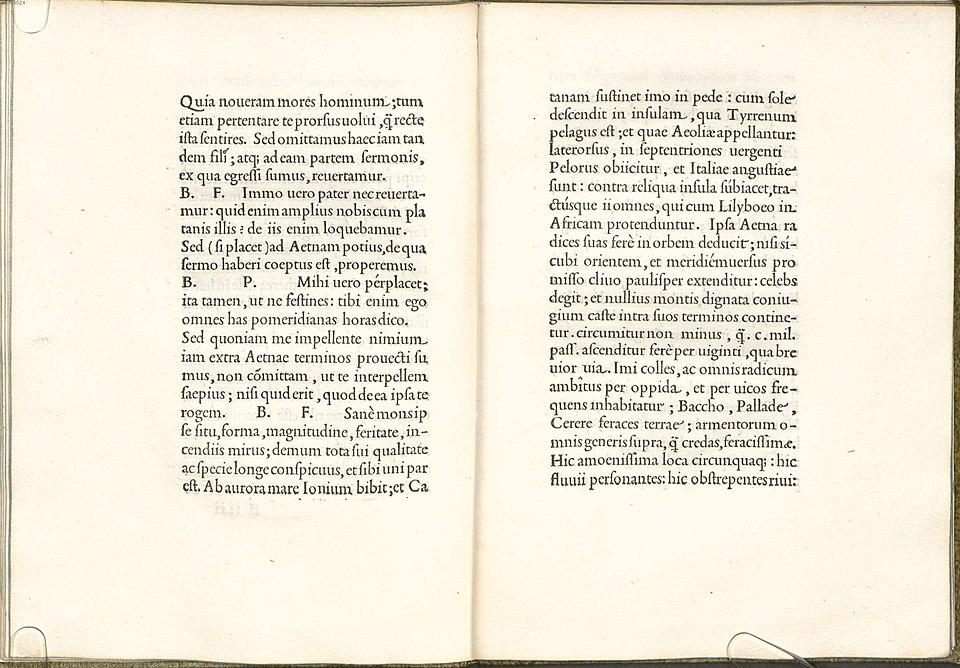
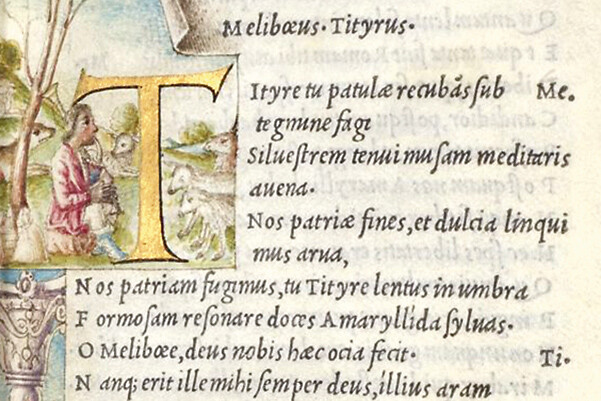
Manutius founded the Aldine Press, which established many modern book conventions that we still use today: title pages, page numbers, tables of contents, and -- most crucially for our story -- a systematic punctuation system.
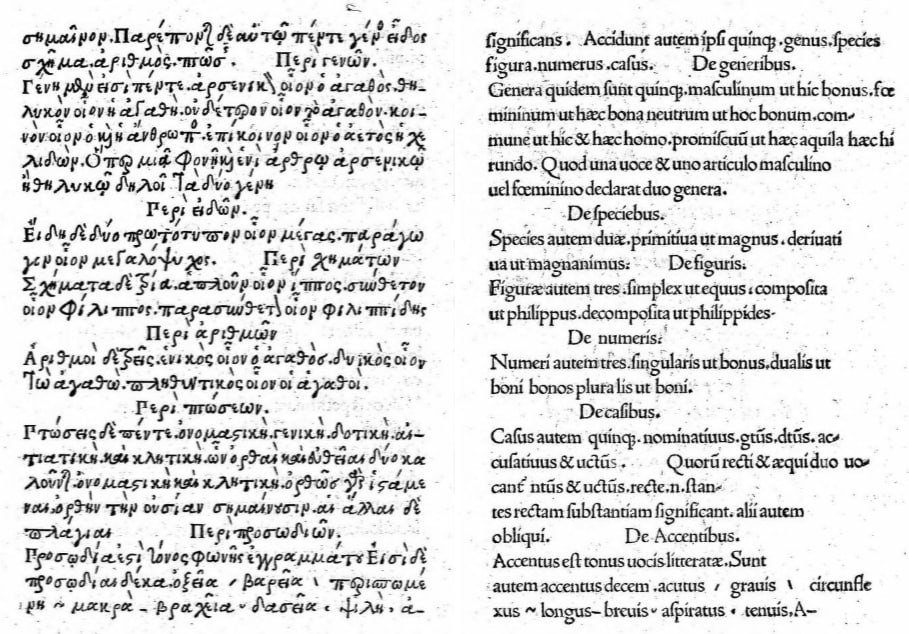
He created the comma (,) by modifying the Greek hypodiastole mark. He introduced the semicolon (;), the colon (:), and the exclamation mark (!) to complement the existing question mark.
In his Latin grammatical treatise, Manutius explained his system: a point next to the last letter with an overlaid curved line indicated a question, while a straight line indicated strong emotion. This gave us the ? and ! marks as we know them.
Manutius also worked closely with the punchcutter Francesco Griffo to develop compact italic typefaces that made books more portable and affordable -- further accelerating the spread of his punctuation system.
From Venice to the World
By the 17th century, the Aldine punctuation system had become the European standard. But its influence didn't stop there. In the 19th century, as Western literary traditions spread globally, the punctuation marks pioneered in Venice were adopted by Chinese, Japanese, and other writing systems that had previously managed without them.
The story of punctuation is ultimately a story about the democratization of reading. What began as practical marks to help priests read aloud evolved into tools that made silent reading possible for everyone. And at the center of that revolution was a Venetian printer who believed that books should be clear, compact, and accessible to all.