The Attempt to Domesticate a Fox — And It Worked
Starting in 1959, Soviet scientist Dmitry Belyaev selectively bred foxes for friendliness alone. Within just a few generations, the animals began wagging their tails, developing floppy ears, and seeking human affection — rewriting our understanding of domestication and genetics.
There is a critical distinction between taming and domestication. You can tame an individual wild animal — raise it from infancy and it may tolerate humans. But true domestication is something different: it means that an animal is minimally aggressive throughout its entire life, and its offspring inherit that reduced aggression. Domestication allows humans to manage animals without weapons. Cattle are domesticated even though they are not always docile. Zebras and wildebeest cannot be herded like dogs. Wolves or foxes taken from the wild may seem gentle at first, but their wildness eventually emerges — biting, howling, self-harm.
Belyaev's Experiment Begins
Dmitry Belyaev began his fox domestication experiment in 1959. By 1985, he had achieved significant behavioral changes, though challenges remained: fur quality had declined, and while he had originally hoped foxes might reproduce twice a year like dogs, wild foxes breed strictly once annually and this proved difficult to change. Modern genetics has nearly resolved these issues in the three decades since the 1980s — though not completely.
Belyaev had access to resources that no Western scientist could match. An Estonian fox farm spanning 60 hectares housed 1,500 black foxes. The Soviet Union's fur export economy funded the research. Moscow's Fur Institute (1929–1954) underscored the commercial importance of the industry. The USSR's commitment to long-term science without profit requirements enabled what no capitalist system could sustain.
The Mink Precedent (1929–1959)
Thirty years before the fox experiments, Soviet researchers had already domesticated minks. Wild minks displayed uniform dark-brown coloring, but captive populations spontaneously produced light-brown, silver-gray, and white variants. Belyaev recognized these as not new mutations but the activation of existing, dormant genetic material. In the wild, natural selection suppressed alternative coat colors because they made animals more visible to predators. In captivity, that pressure vanished.
This was a key insight. Genes occupy chromosomes in fixed sequences unique to each species. Thirty years is far too short for entirely new genes to arise through mutation. Instead, genes that had always been present but were suppressed by the demands of wild survival became expressed in the protected environment of captivity.
The Novosibirsk Breeding Program
A forest research facility in Novosibirsk became the permanent base, eventually housing thousands of adult foxes and tens of thousands of kits. The initial selection from Estonian farms identified only 12 relatively docile individuals out of hundreds tested, despite daily feeding and gentle handling. These less aggressive foxes were interbred.
The results came faster than anyone expected. Within six generations, very friendly kits emerged that actively welcomed human contact.
- Generation 10: 18% of kits displayed friendliness toward humans
- Generation 20: 35% of kits were friendly
- By 2025: 60% of foxes are born friendly
The entire lineage traces back to Belyaev's original 60–70 selected foxes.
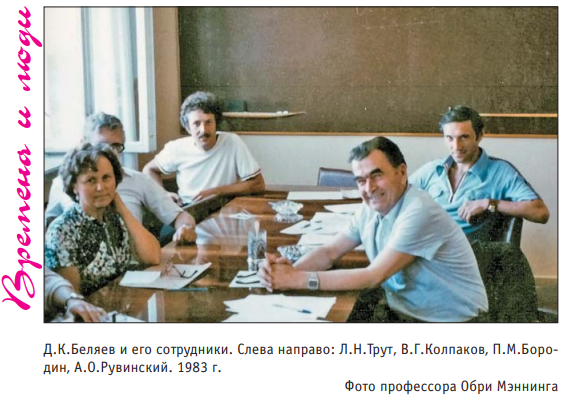
Ugolok — The First Tail-Wagger (1963)
In 1963, a kit they named Ugolok did something unprecedented: it actively wagged its tail when it saw humans. Female foxes' reproductive windows expanded by several days, occurring earlier than in wild foxes. By generation 6 (1965), foxes were requesting belly scratches, nuzzling human hands, and licking faces.
Generation 8: Physical Changes
The changes went beyond behavior:
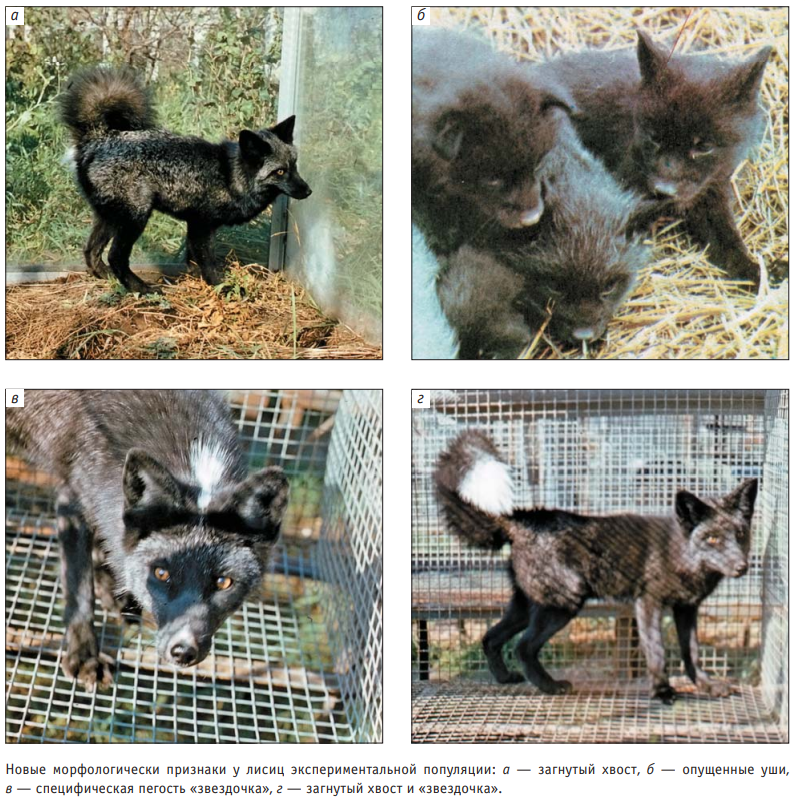
- Tails began curling into rings, like huskies
- Kits could hear sounds 2 days earlier than wild counterparts
- Eyes opened 1 day earlier
- The childhood period extended from 45 days (wild) to 3 months
- Post-infancy aggression remained absent
In the wild, foxes face predation from jackals, wolves, bears, and large birds, making docility a death sentence. Under human protection, friendliness became the advantageous trait.
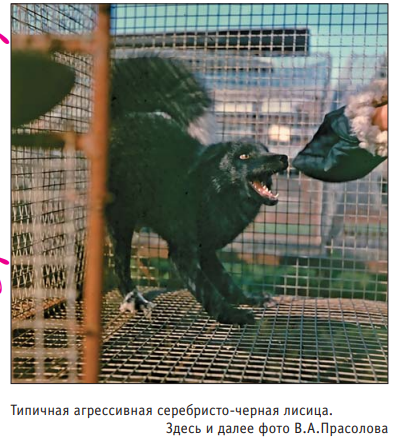
Destabilizing Selection
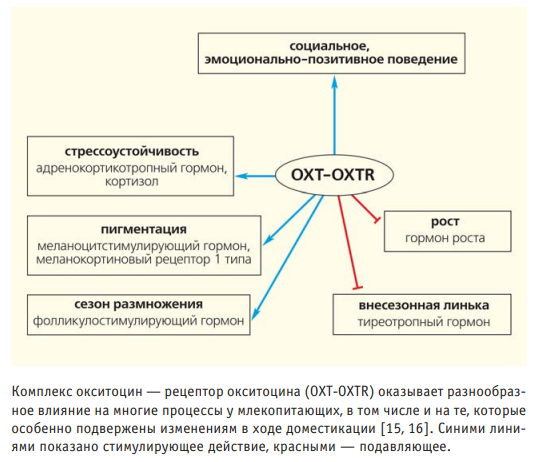
Belyaev coined the concept of "destabilizing selection" — when previously essential traits (such as aggression toward all creatures) become unnecessary. The foxes transitioned from universal hostility to human trust. His theory was that character and appearance both reflect hormone regulation linked to genetic expression. When hormonal balance shifts, the effects cascade through the animal's entire biochemistry, affecting dozens of internal and external processes simultaneously.
An Early Glimpse of Epigenetics
Within 6–8 generations, chromosomal gene repositioning seemed impossible on such a short timescale. Belyaev hypothesized instead that genes could be activated, deactivated, or have their expression strength altered — what we now recognize as the fundamental principle of epigenetics. The genetic sequences themselves remain unchanged; it is the regulatory settings that respond to survival conditions.
The 1967 Dedicated Facility
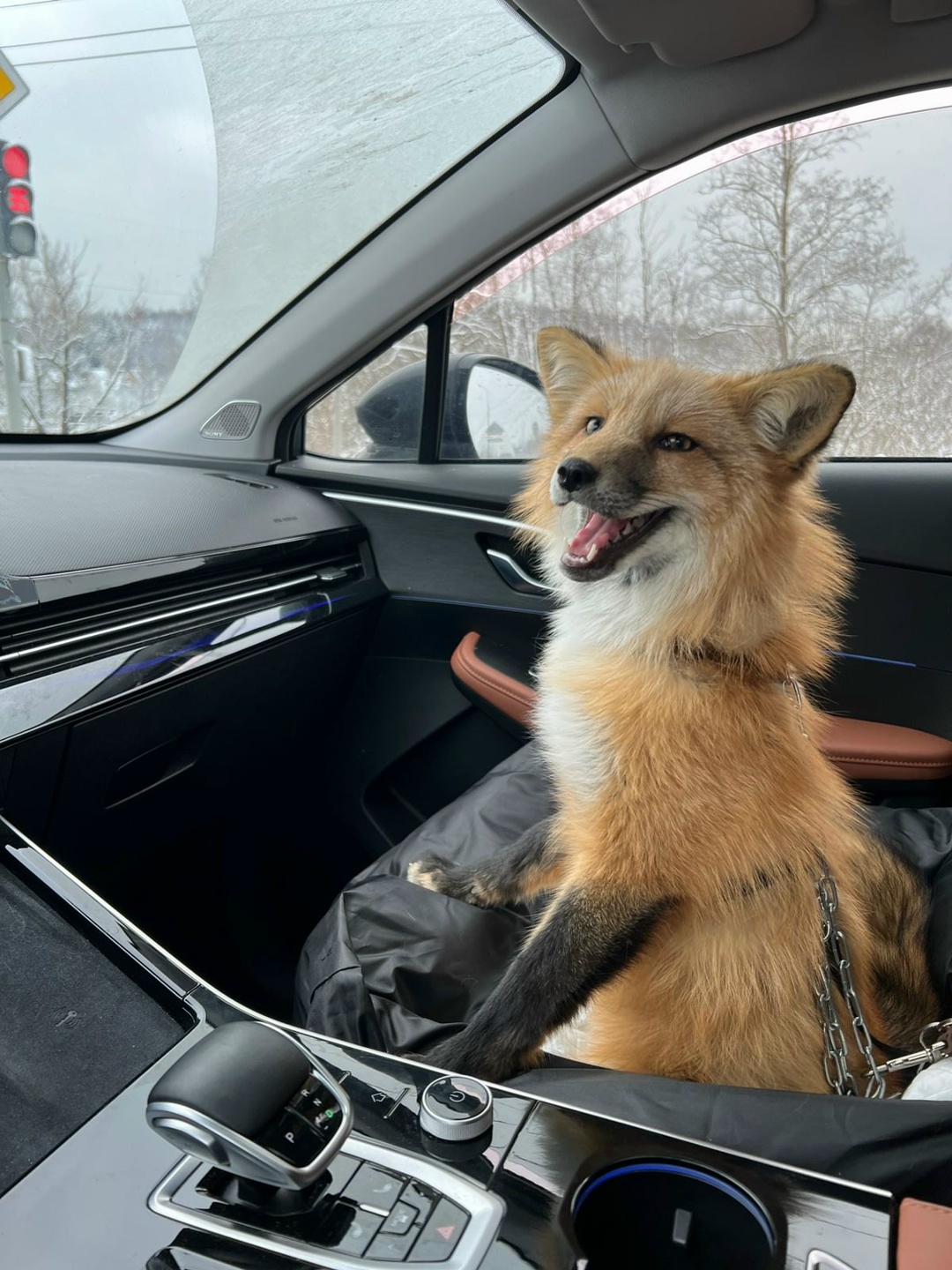
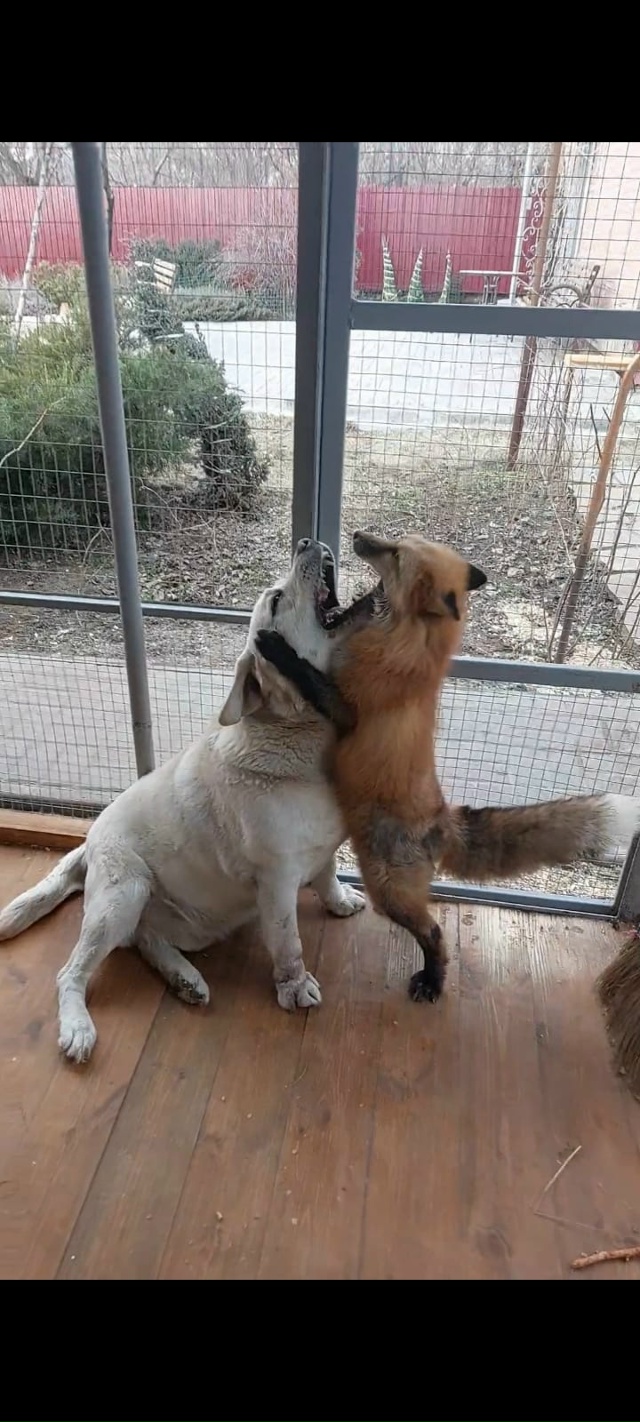
A specialized domestication farm was established near Novosibirsk, housing 140 foxes. Ten percent already exhibited dog-like friendliness, playfulness, and affection. Separate play areas were developed. The foxes acquired the capacity for direct human eye contact — a remarkable shift, since wild foxes interpret face-to-face gazing as aggression, while dogs interpret it as bonding.
Critically, all behavioral and physical changes resulted solely from selection for friendliness. No other breeding criterion was applied. Friendly females paired with friendly males, and the genetic modifications accumulated through cascading effects.
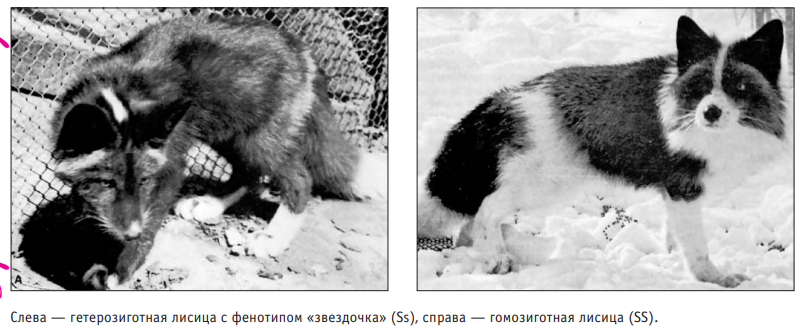
1969: Floppy Ears and White Stars
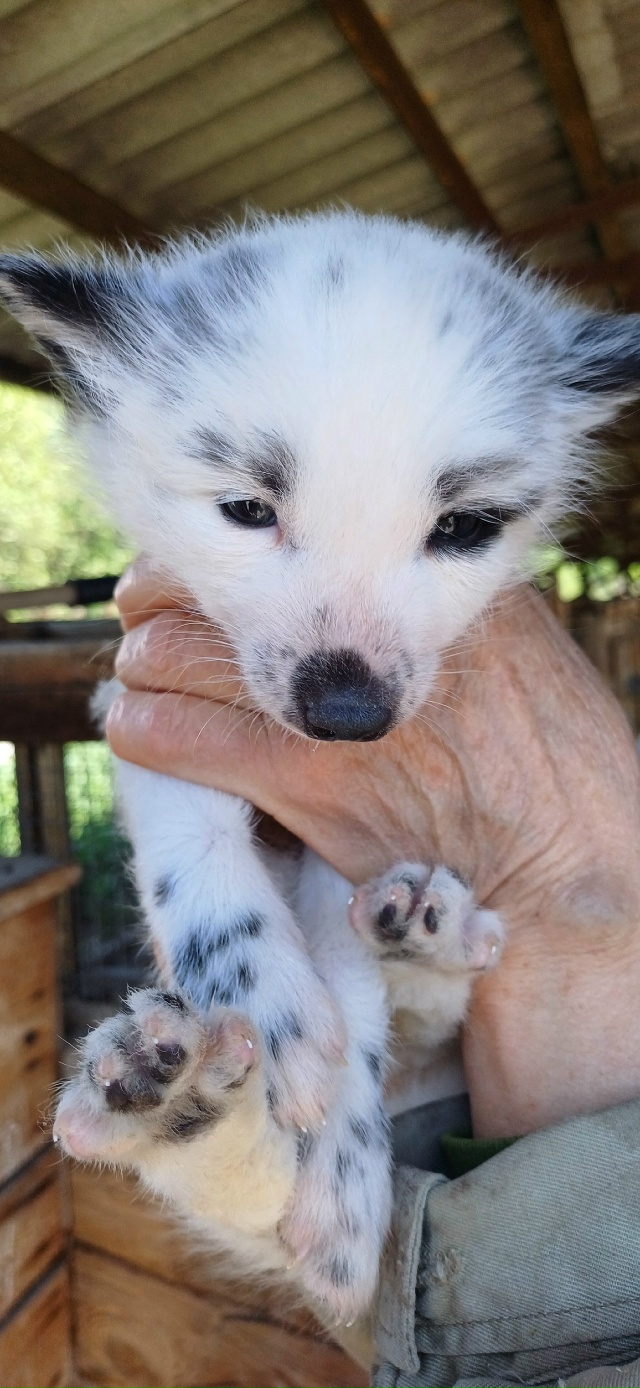
A female named Mechta ("Dream") retained floppy ears permanently — unprecedented, as all previous generations' ears had straightened within two weeks. Simultaneously, a kit displayed a white facial star, a marking common in cattle, horses, and dogs but absent in wild foxes. Dappled and white patches appeared on paws, tails, and bellies across the breeding line.
The genetic explanation was striking: genes positioned near each other on chromosomes can simultaneously affect coat color and aggression. Selection for reduced aggression activated shared genetic cascades that paralleled changes seen in completely unrelated domesticated species. Mendelian inheritance laws governed these color patterns, applying equally to foxes.
Confirmation Through Rats (1969)
Scientist Pavel Borodin established two rat lines — one selected for human-friendliness, another for aggression. Rats were captured from pigsties and segregated by temperament. Within five generations, a distinctly friendly rat line emerged, confirming that the phenomenon was not unique to foxes.
Stress Hormones (1970–1975)
Belyaev initiated a separate aggressive fox line for comparative study. The results were clear: friendly-line foxes exhibited 50% lower stress hormone levels during sexual maturation compared to aggressive and control lines.
Cross-fostering experiments proved that genetics, not maternal behavior, determined temperament. Friendly kits raised by aggressive mothers retained their friendliness — they still approached humans and wagged their tails despite maternal rejection. Aggressive kits showed indifference and hiding behavior regardless of who raised them. However, adult foxes could learn certain dog-like behaviors such as hiding food and seeking human protection from other dogs.
Scale and Significance
By 1978, Belyaev managed a farm with 500 breeding females, 150 males, and 2,000 kits. No comparable long-term research was economically feasible in Western capitalism. The USSR's willingness to fund decades-long experiments without profit expectations proved unique. The article notes the USSR's dual nature: it destroyed geneticist Nikolai Vavilov (a tragedy) while sustaining this massive domestication research (a redemption).
Post-Soviet Collapse
Following 1987 funding cuts and the 1991 economic collapse, most foxes were slaughtered for pelts to feed the remaining breeding stock. The control lines — essential for scientific comparison — were lost entirely. By 1991, minimal scientific funding remained. Approximately 100 females and 30 males survived near-extinction.
The DNA Era (2003 Onward)
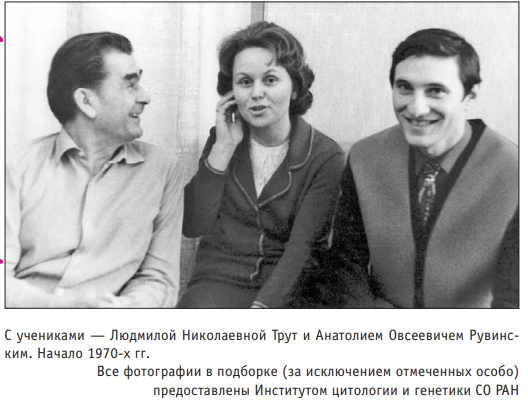
With restored funding, Lyudmila Trut — Belyaev's primary collaborator — began DNA analysis. 286 animals underwent genetic screening. By 2003, the population had increased measurably. Initial resources permitted studying 16 somatic and 1 sex chromosome (X), mapping 320 genes. US funding supported further work, including a $25,000 X-ray scanner for skeletal proportion analysis.
US researcher Lyark's team identified that domesticated foxes had identical bone length-to-width ratios as dogs — short, broad limbs with short, broad, rounded muzzles. The hypothesis: wild fox development involves age-related body proportion changes that maximize survival (longer limbs for predation and evasion, pointed muzzles for foraging). Farm-living foxes, free from selection pressure, retained juvenile proportions into adulthood — a phenomenon known as neoteny.
Genetic Complexity (2010s–2025)
By 2010, researchers had mapped 13,524 genes. Of these, 335 strongly influence behavioral and physical traits. However, the complete interactions between even these 335 genes remain incompletely understood. Each gene encodes multiple proteins; each protein influences others produced by different genes. The genome functions like a giant synthesizer where pressing each key affects all the others.
The identified functions of these 335 genes include regulation of hormones, vascular development, immunity, skin and hair formation, and vitamin and mineral synthesis. Only 3% of the fox genome had been studied, yet the cascading complexity was already enormous. Selection for friendliness activated genes that increased docile hormones, which influenced hundreds of additional genes, modifying every body system from skin to immunity.
Modern Domesticated Foxes
Lyudmila Trut began officially selling kits as pets. As of September 1, 2025, Russian law prohibits keeping wild foxes. However, Belyaev's domesticated line qualifies for legal ownership — these are not genuinely wild animals. True domesticated foxes exist exclusively from Novosibirsk's Institute of Cytology and Genetics; secondary sources sometimes resell institute-bred foxes, while others fraudulently offer wild, temporarily docile animals that revert to aggression after about two months.
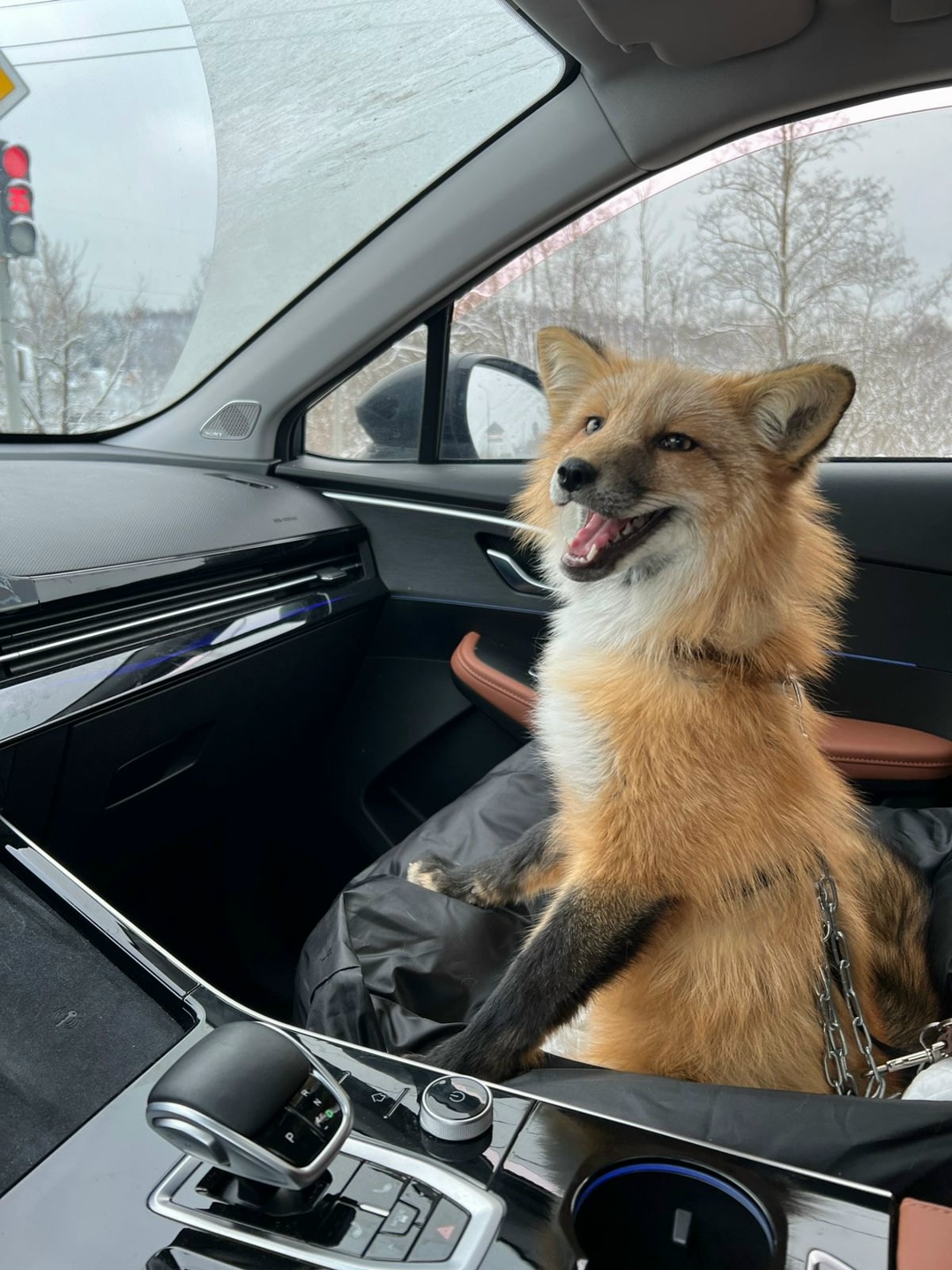
Domesticated foxes consume quality dog food. Crucially, they cannot tolerate collars — their necks proved fragile, and straining against a leash can cause fatal self-injury. Only harnesses (small dog-sized) are safe.
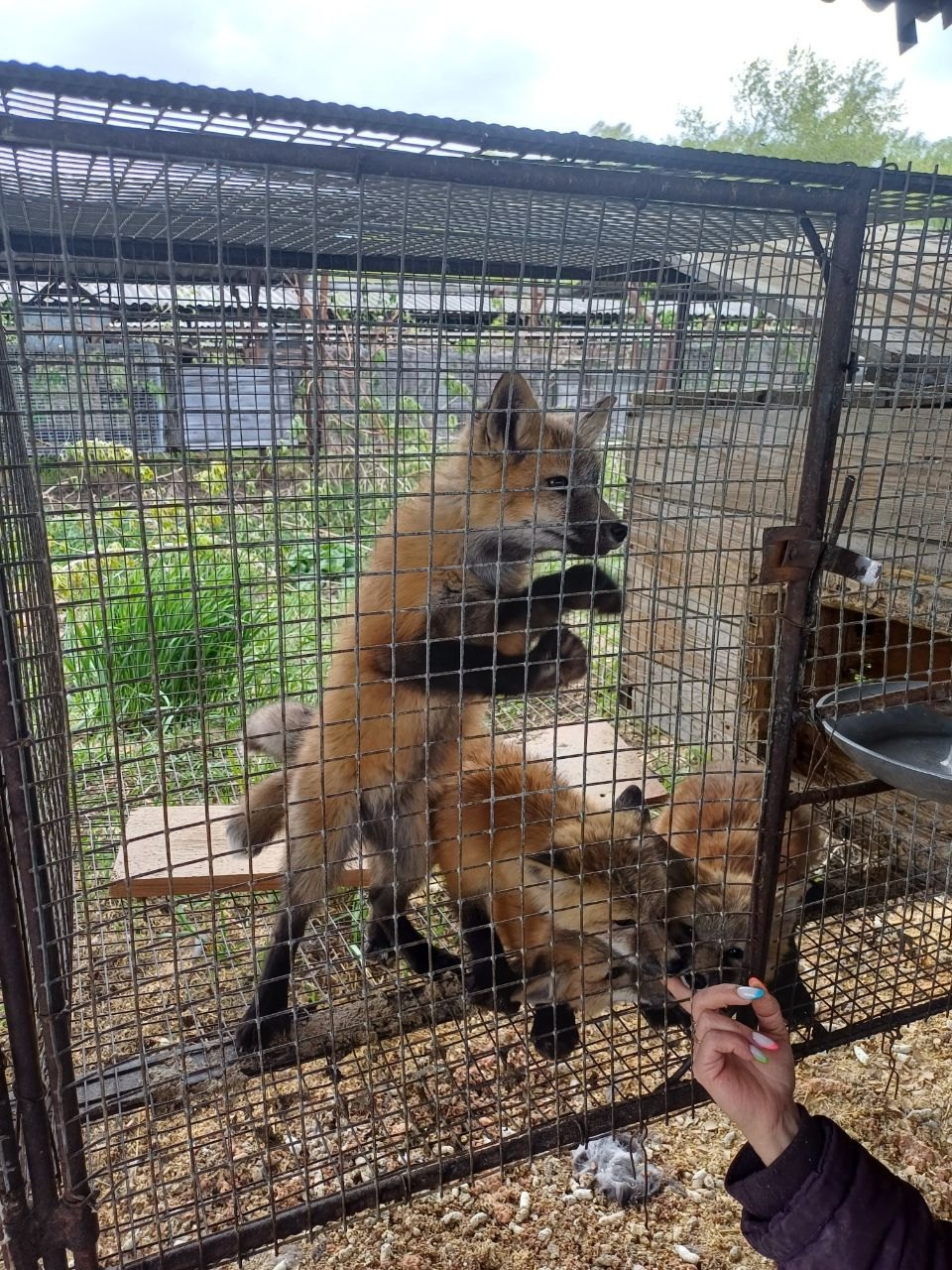
Contemporary friendly lines display improved fur quality compared to Belyaev's era — no longer appearing mangy. Tails remain straight without rings. Selective breeding incorporating modern genetics has refined coat coloring and trait inheritance models far beyond the Mendelian tables used in the 1950s.