DIY Package Tracking, or There and Back Again
What really happens to international parcels in transit? The author sent a cheap phone inside a package to track its 48-day, 7000-kilometer journey — when the direct distance was only 1300 km.
The Idea
What happens to packages from the moment they leave the sender to the moment they arrive at the recipient? In what otherworldly dimension do they sometimes spend months traveling? Official tracking systems provide a few checkpoints at best, but the real journey remains a mystery.
I decided to find out by sending a device inside a package that could report its coordinates. The plan was simple: put a tracking device into an international parcel traveling from Ukraine to Moscow and follow its actual route.
Implementation Options
Several tracking device options were considered:
- Smartphone — Pros: programmable, precise GPS positioning. Cons: insufficient battery life for a month-long journey without external power.
- Custom-built tracker — Pros: could be optimized for long battery life and hidden inside the package. Cons: significant development time and cost.
- Commercial GPS tracker — Pros: ready-made solution. Cons: expensive, and there was no guarantee the package would arrive at all.
- Cheap phone with cell tower positioning — Pros: long battery life, low cost, easy to implement. Cons: lower precision than GPS.
The optimal solution turned out to be cell tower positioning rather than GPS. It consumes far less power, and for tracking a package across a country, kilometer-level accuracy is perfectly sufficient.
Ready, Set, Go
The choice fell on a Philips E102 — a budget "hiking" phone with a 650 mAh battery and one rare but crucial feature: the ability to schedule automatic power on/off cycles up to four times per day. This meant the phone could wake up, report its position, and go back to sleep — all without any human intervention.
The phone was configured as follows:
- Power on at 7:50 AM and 7:50 PM
- Power off at 8:05 AM and 8:05 PM
- Minimum screen brightness
- All unnecessary features disabled
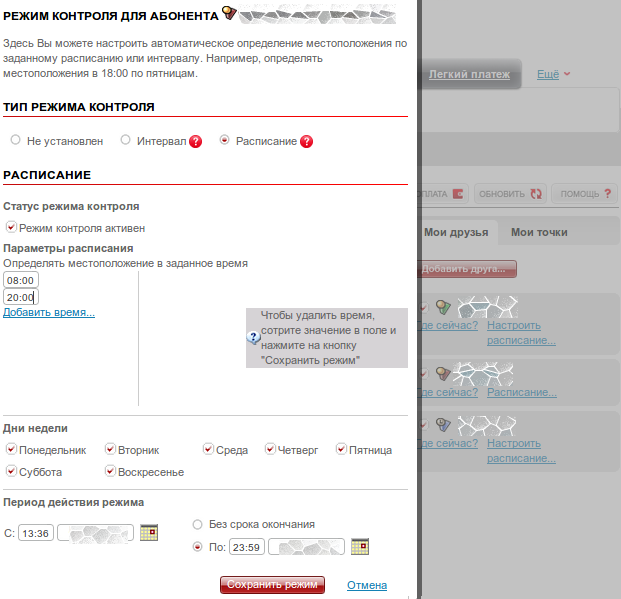
For positioning, I used the MTS-Locator service, which can determine a subscriber's location on a schedule — exactly what this project needed. During each 15-minute window, the service would capture the phone's approximate location based on nearby cell towers.
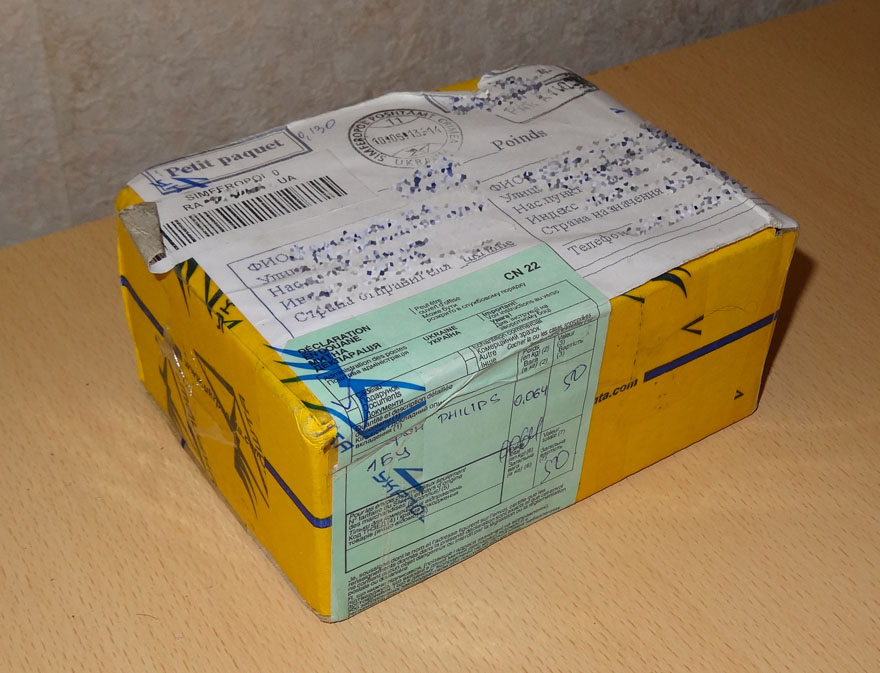
The phone was wrapped up and placed inside the parcel alongside the actual contents, and the package was sent on its way.
The Journey
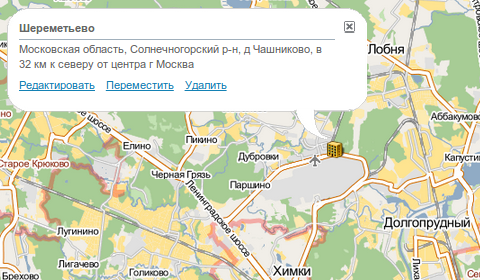
Day 3
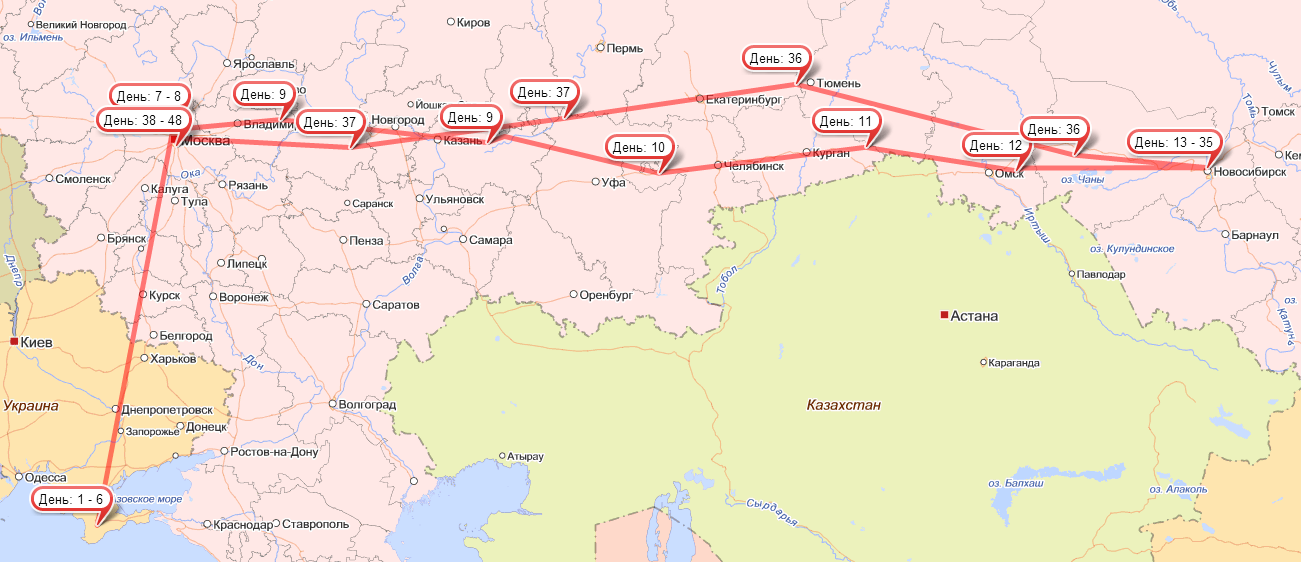
The package disappeared from the Ukrainian tracking system and surfaced at Sheremetyevo Airport in Moscow. So far, so good — everything was going according to plan.
Days 9–13
But then something unexpected happened. Instead of heading to the Moscow sorting center, the package moved away from Moscow — toward Vladimir. This was the first sign that the journey would be anything but straightforward.
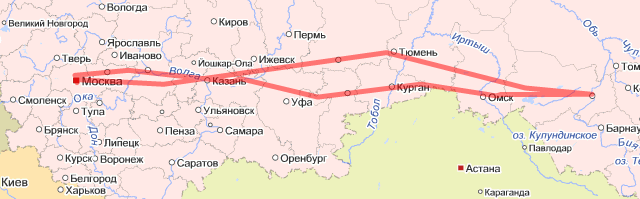
Days 13–29
The detour continued in spectacular fashion. The package traveled all the way to Novosibirsk — over 3,000 kilometers from Moscow in the opposite direction! It sat there for nearly a week.
Day 30
The package finally cleared Russian customs — in Novosibirsk, thousands of kilometers from its destination.
Days 35–40
After customs clearance, the package began its long journey back toward Moscow, apparently by rail. The tracking showed it slowly crawling westward across Siberia.
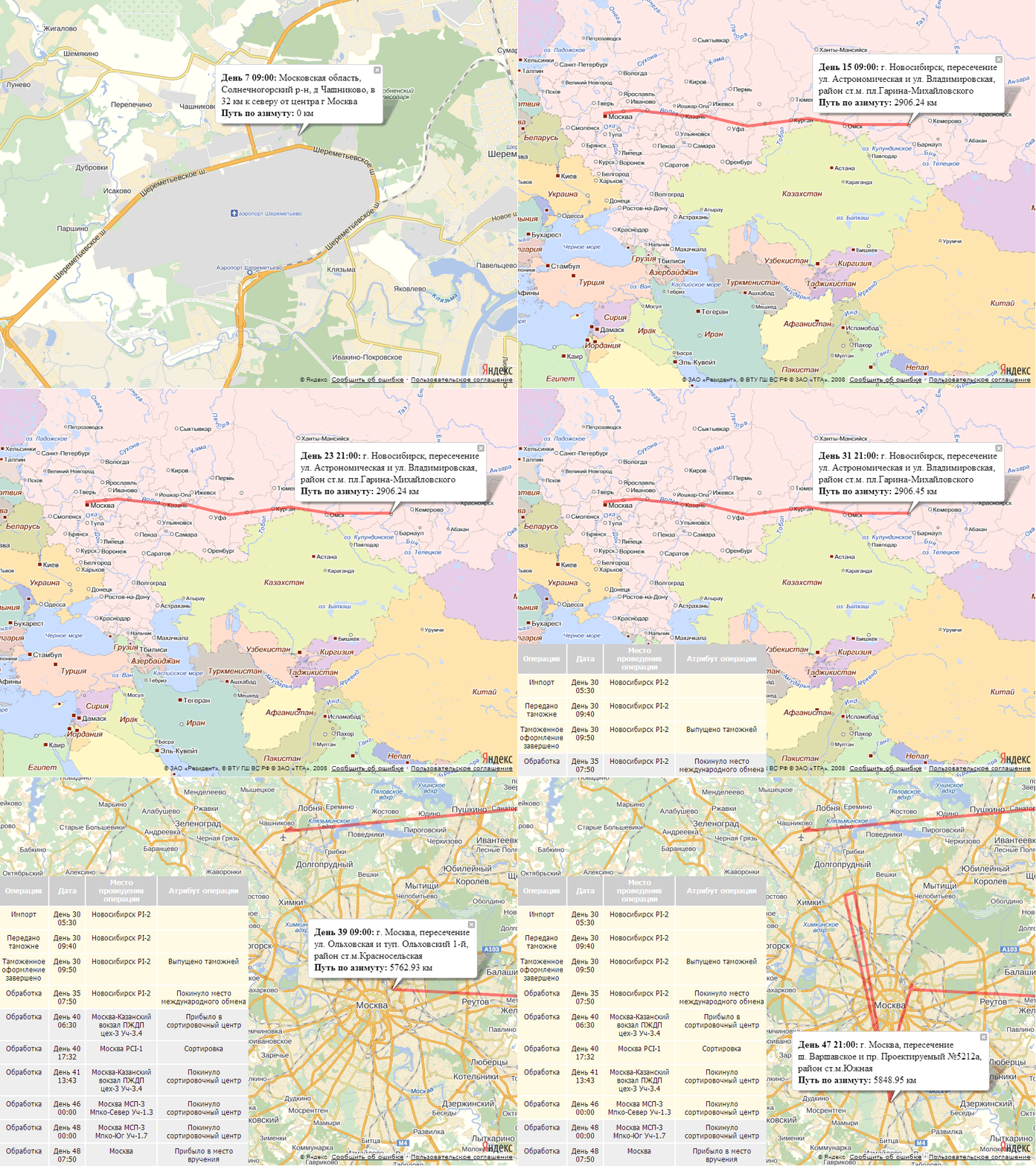
Days 40–47
Back in Moscow at last, but the adventure wasn't over. The phone showed the package bouncing between two sorting centers — Yuzhnaya (South) and Altufyevo (North) — for an entire week. It was as if the postal carrier had fallen asleep on the metro and kept riding back and forth.
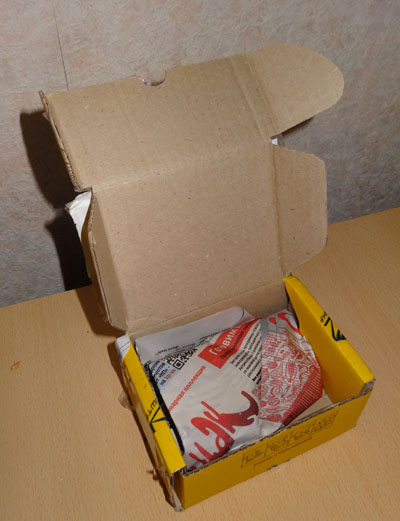
Day 48
Final delivery. The package arrived at its destination after 48 days and roughly 7,000 kilometers of travel — for a direct distance of just 1,300 km.
The Explanation
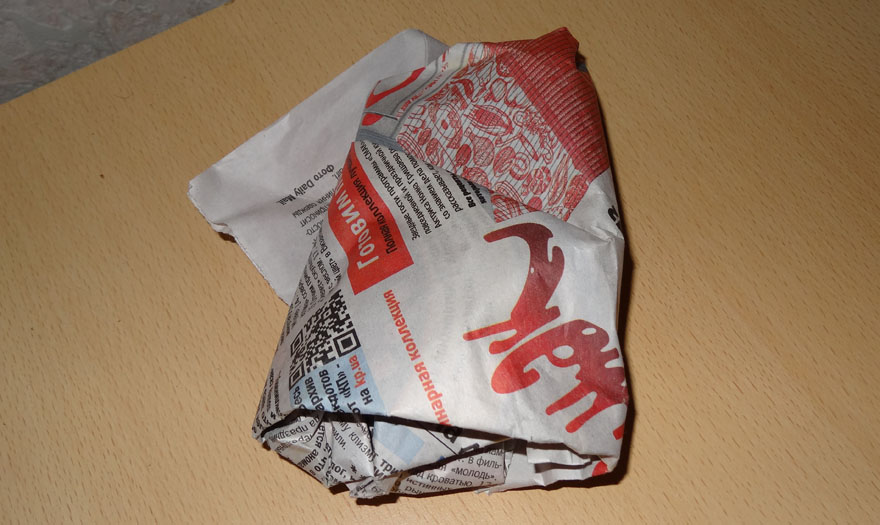
When the recipient picked up the package, the postal staff offered an explanation: recent changes to the customs processing system had overwhelmed Moscow's capacity. To cope, parcels were being routed to distant cities — including Novosibirsk — for temporary storage and customs processing, then shipped back. This created absurd routing where packages traveled thousands of extra kilometers just to be processed.
The Phone's Condition
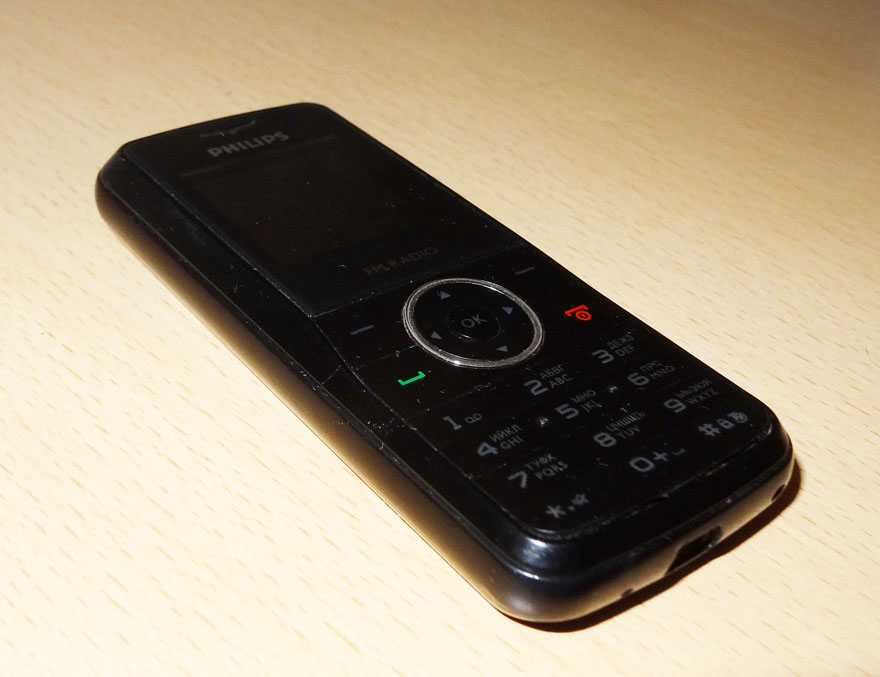
After 48 days, the Philips E102 was still operational. The battery, despite powering on twice daily for 15 minutes each time over the course of a month and a half, still had charge remaining. A thousand-ruble phone maintained connectivity for one and a half months — proving that cheap, low-power devices can provide tracking functionality superior to official postal systems.
Results
- Total journey time: 48 days
- Distance traveled: ~7,000 km
- Direct distance: ~1,300 km
- Overshoot factor: ~5.4x
Costs
| Item | Cost |
|---|---|
| Philips E102 phone | 1,120 rubles (recovered after) |
| SIM card with balance | 300 rubles (250 returned) |
| Shipping | 200 rubles |
| MTS-Locator service | 200 rubles |
| Net cost of the experiment | 450 rubles (~$15 USD) |
Conclusions
The experiment demonstrated that:
- International packages can take absurdly circuitous routes, traveling many times the direct distance.
- A cheap phone with scheduled power cycling and cell tower positioning can serve as an effective long-duration tracker.
- Official tracking systems only tell a fraction of the real story.
- For roughly $15, anyone can replicate this experiment and see exactly where their packages travel.