Diving into Pixels: Discovering the ZX Spectrum
A personal memoir of growing up in the late Soviet era and discovering the magic of computers through a ZX Spectrum clone — six games that changed everything.
In an era overflowing with AI-generated lukewarm stories, personally lived experience acquires special value. This is the story of how a chance encounter with a ZX Spectrum clone in 1990 set the course for an entire career in IT.
The Origins
My fascination with electronics began long before I ever saw a computer. As a child growing up in the late Soviet Union, I was drawn to anything that had wires, buttons, or blinking lights. Radio kits, soldering irons, and electronics magazines were my constant companions.
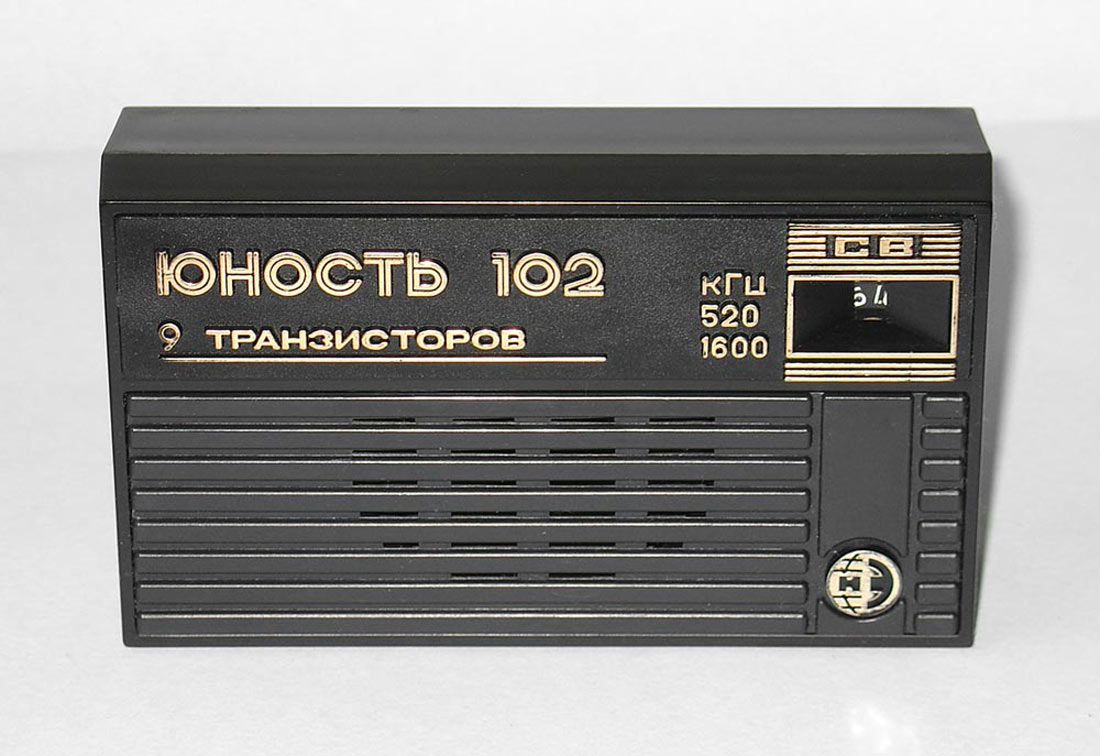
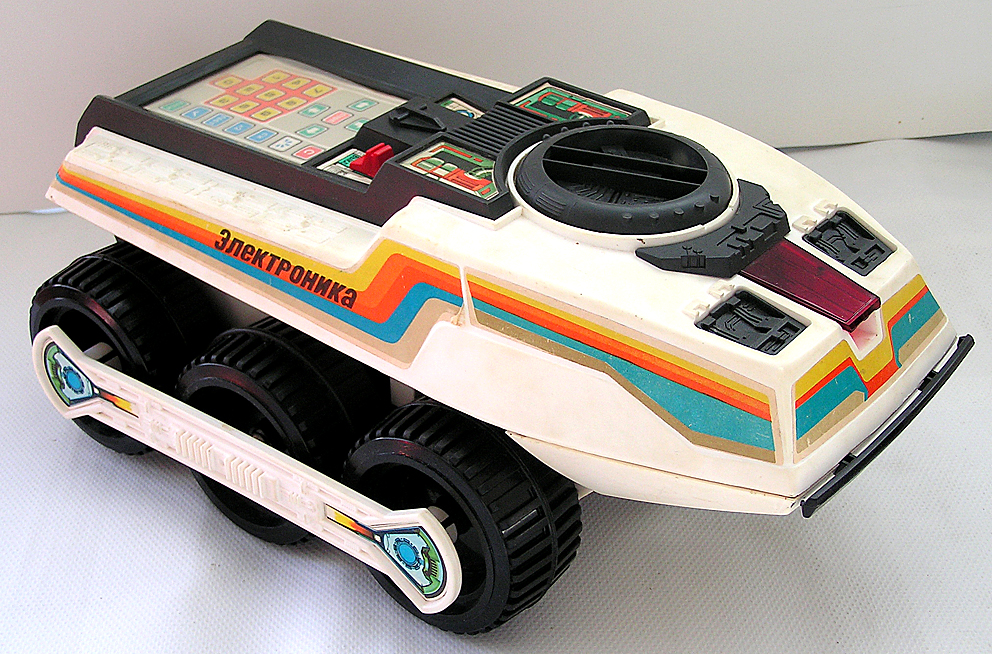
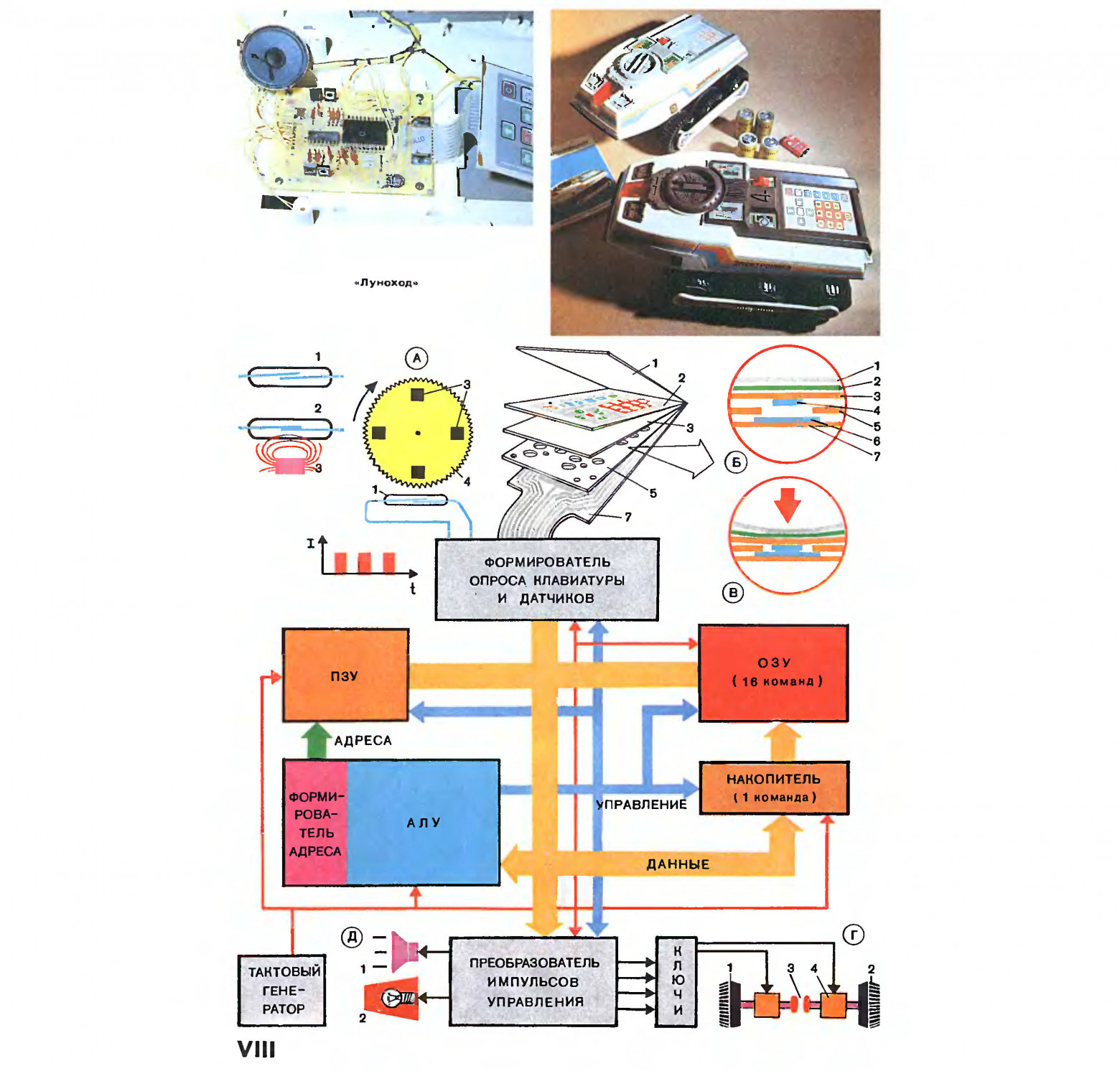
One of the pivotal early gifts was a toy called "Planetokhod" (Planet Rover) — a programmable vehicle that could execute a sequence of commands. You would press buttons to program a route, and the little rover would follow it. This was, in essence, my first encounter with the concept of programming, even though I didn't know the word yet.
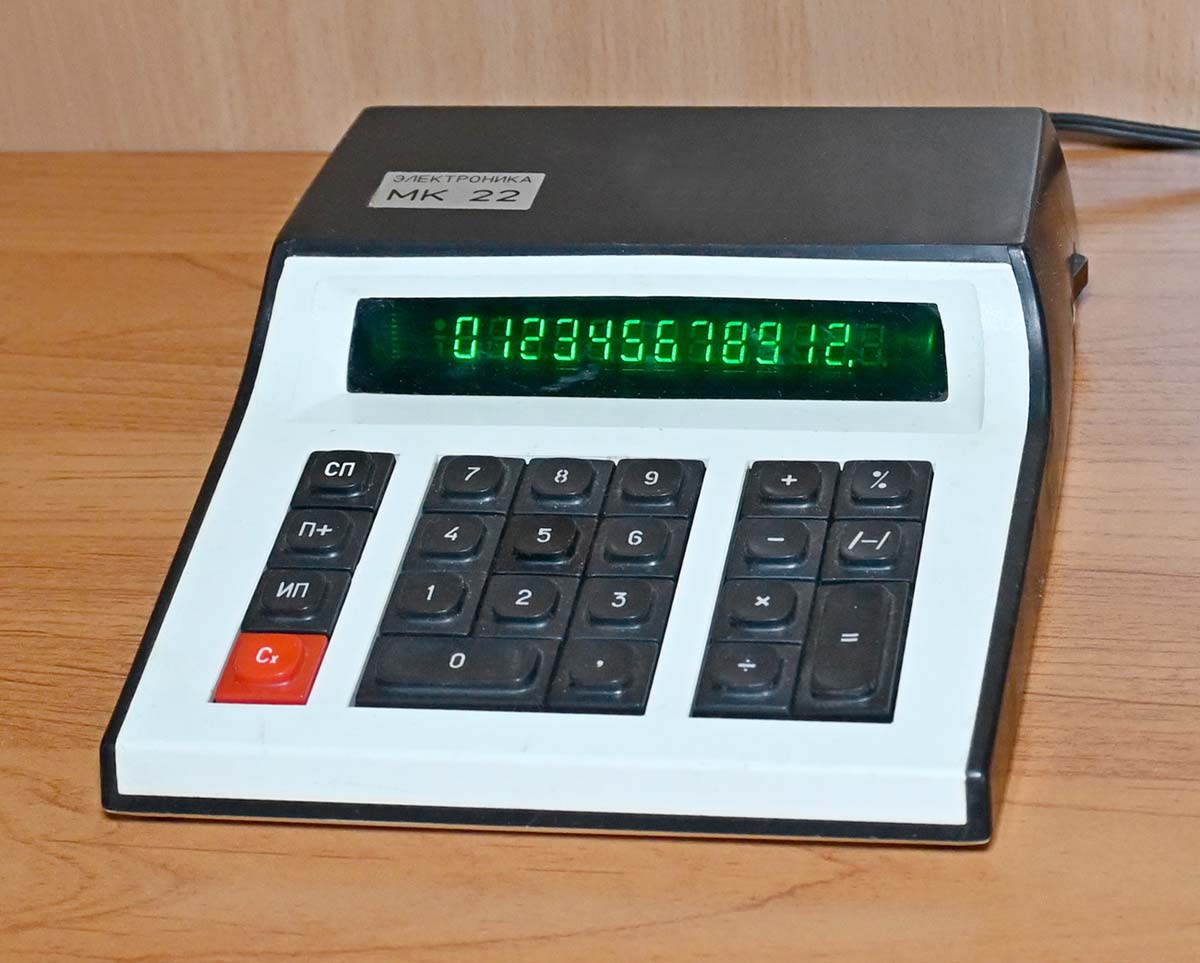
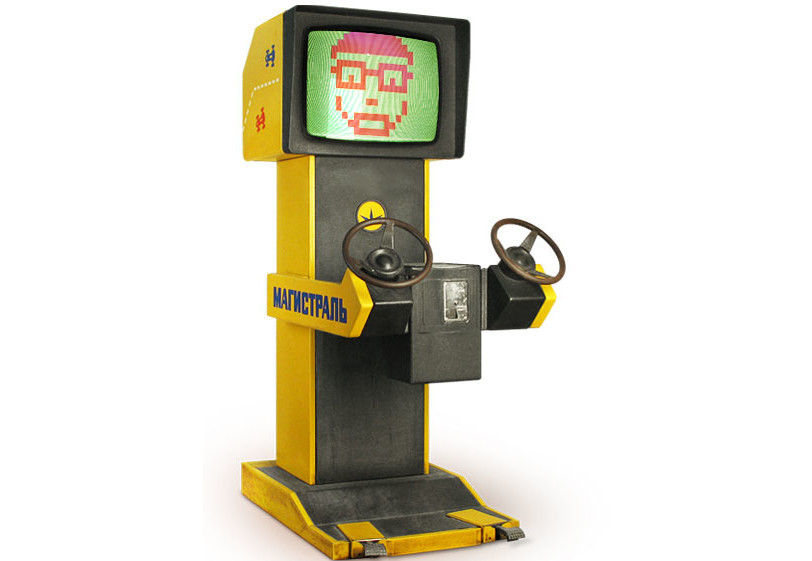
Then came the arcade halls. Soviet arcade machines — "Morskoi Boi" (Sea Battle), "Snezhnaya Koroleva" (Snow Queen), "Gorodki" — these were primitive by any standard, but they were magical to a child of the 1980s. Each machine cost 15 kopecks per play, and the experience was mesmerizing.
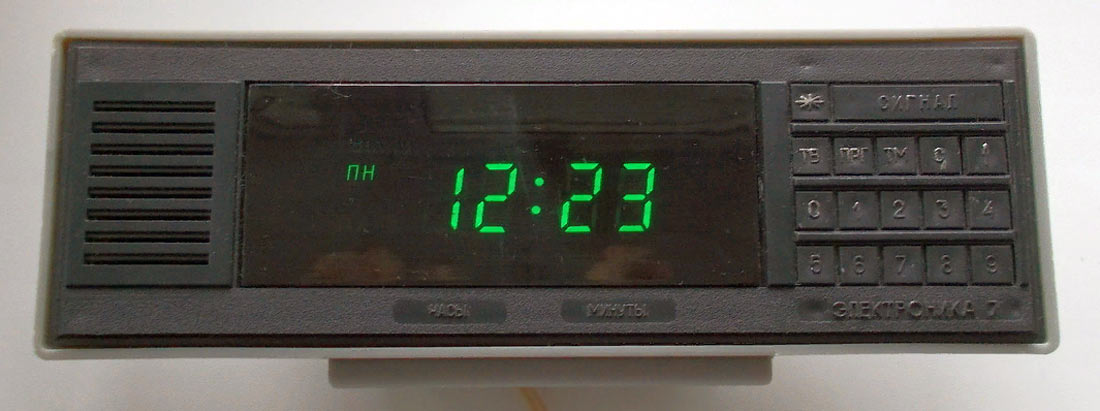
Later, computer game salons appeared — rooms filled with television sets connected to various home computers, where you could pay to play for a set time. These were the Soviet equivalent of internet cafes, years before the internet arrived.
The Spectrum
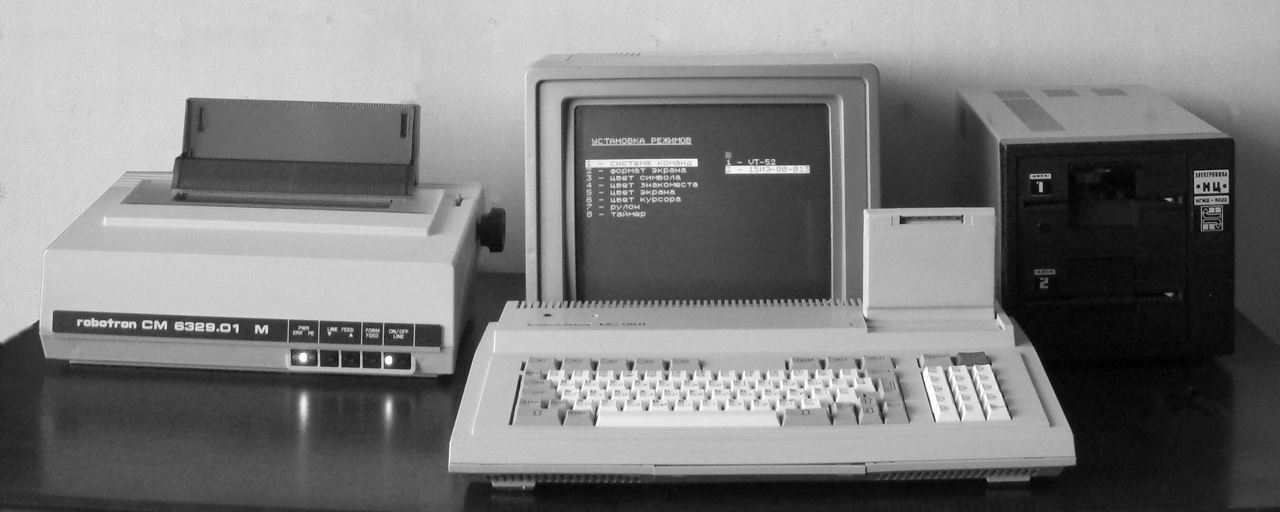
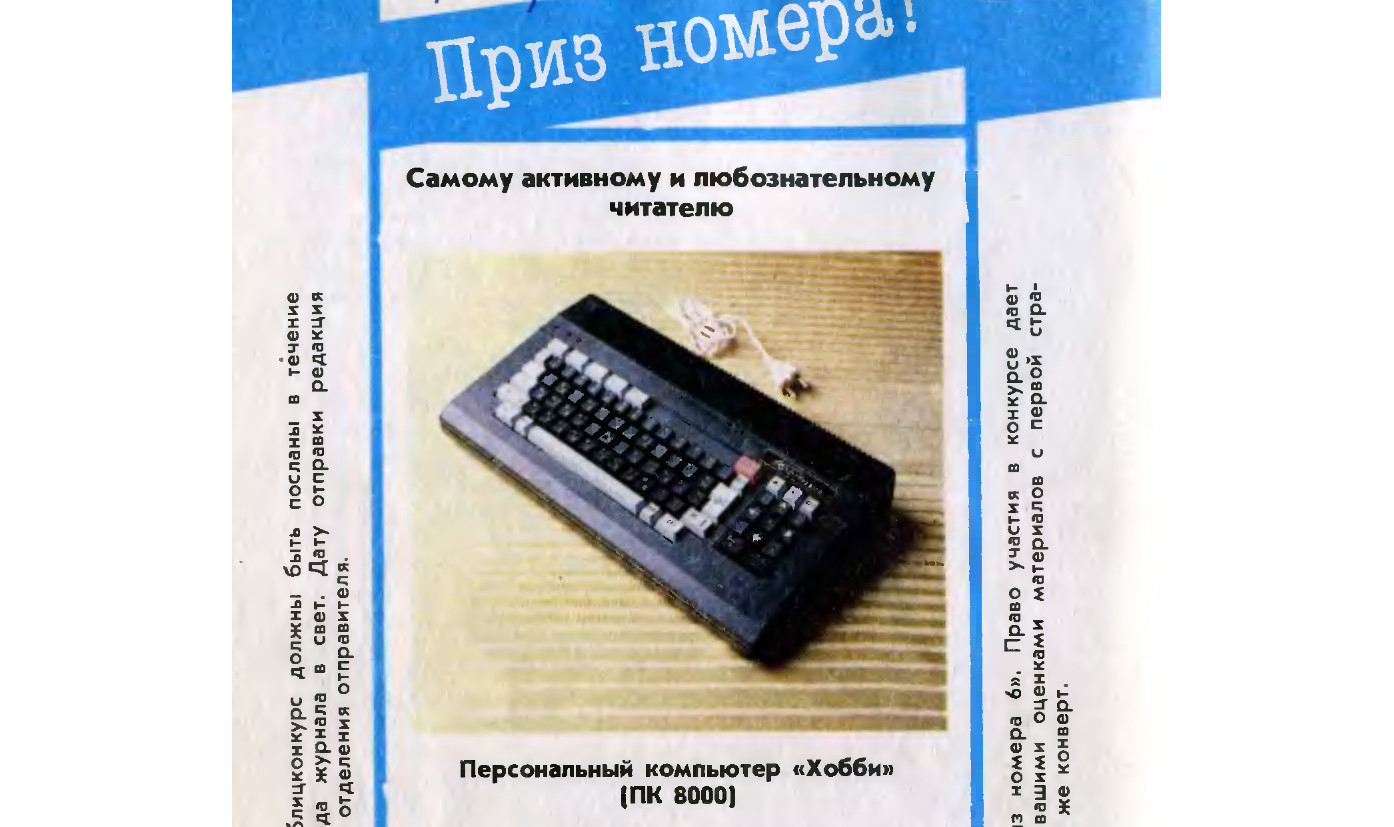
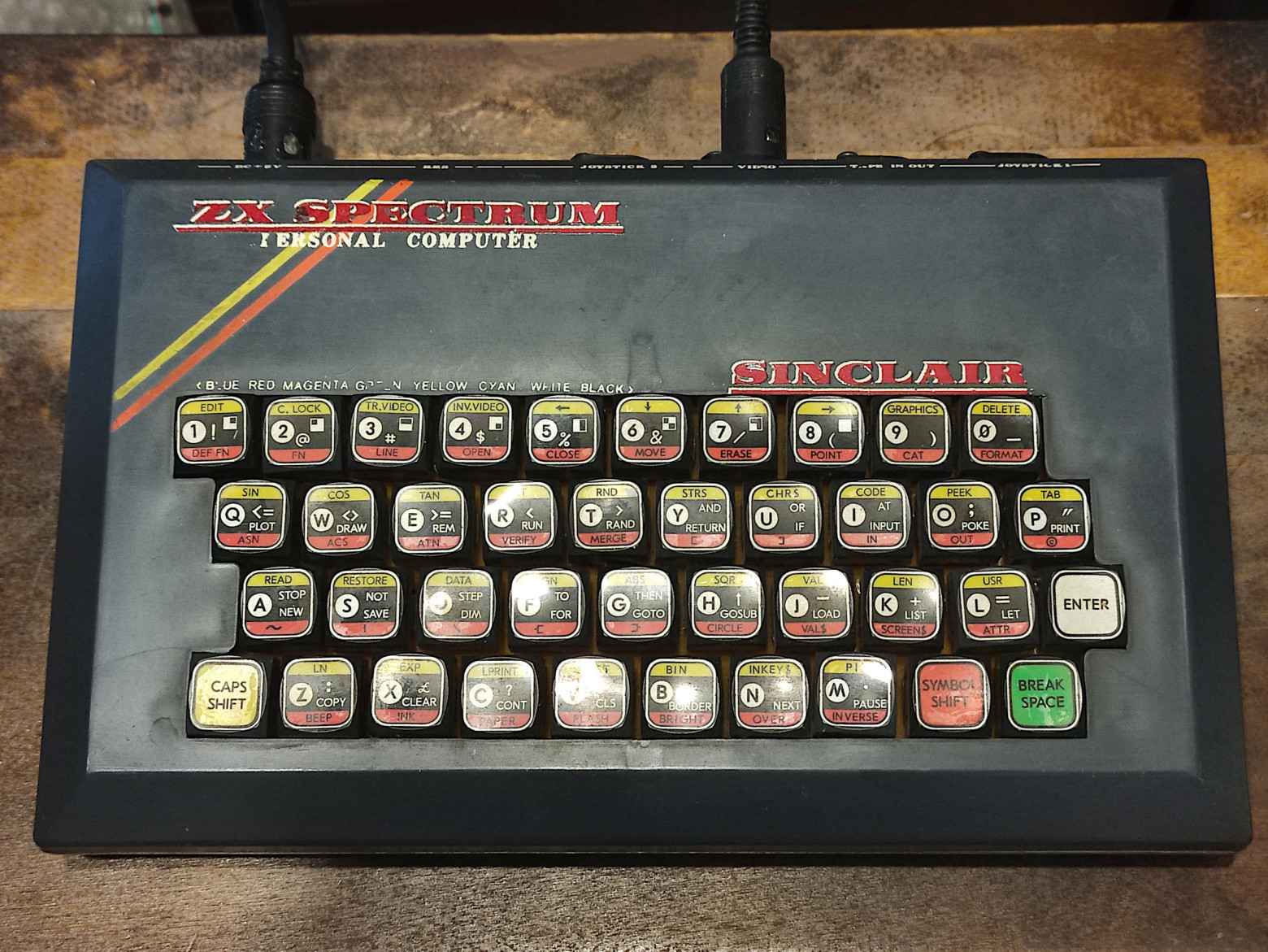
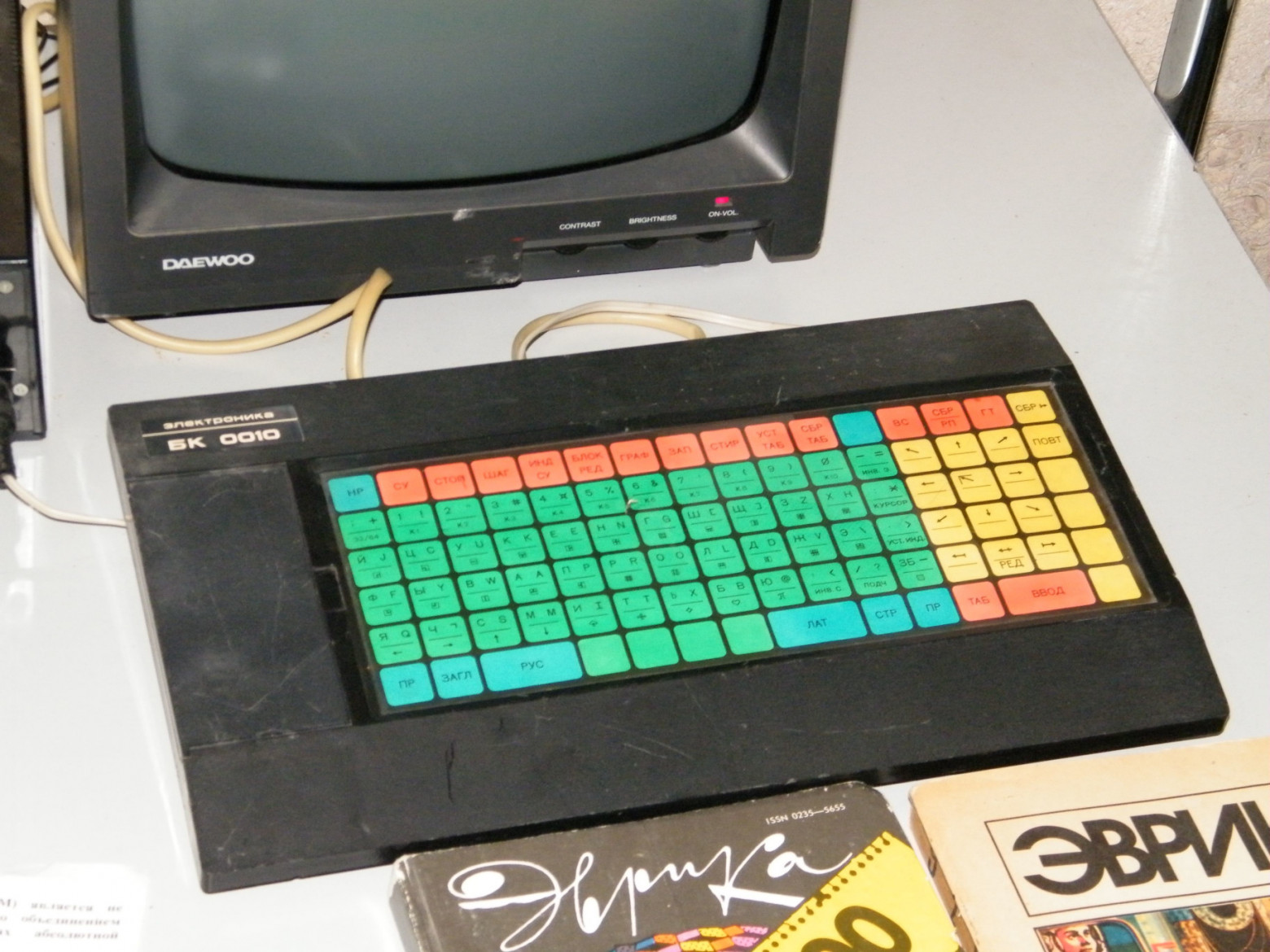
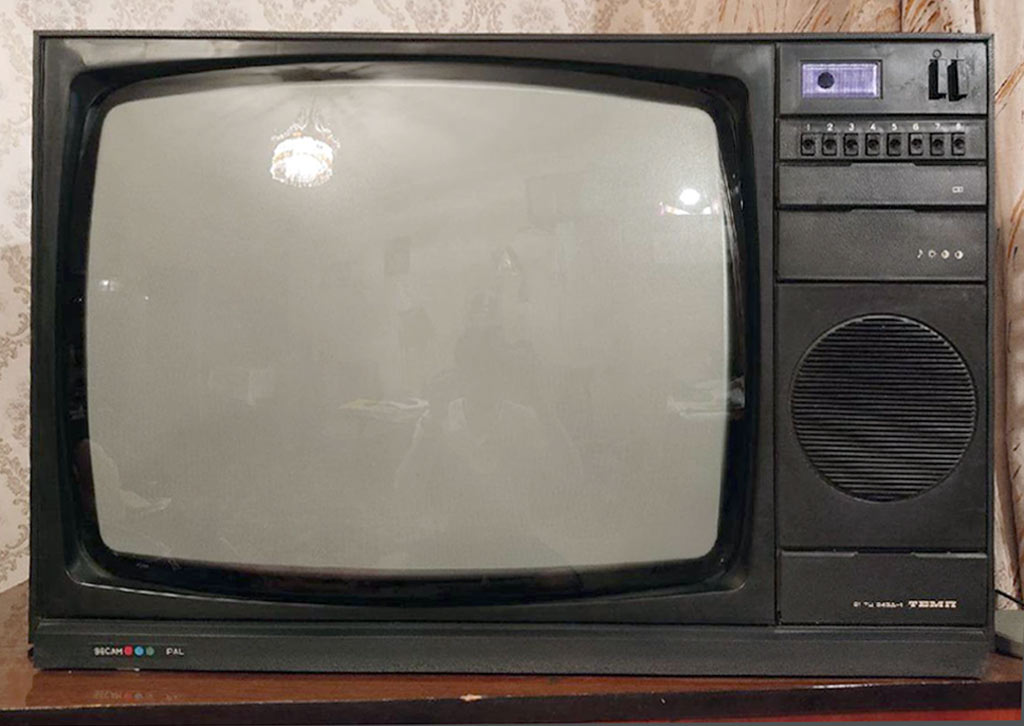
The real turning point came in 1990, during a visit to relatives in Novokosino, a Moscow suburb. There, connected to an ordinary Soviet television set and a cassette tape recorder, sat a ZX Spectrum clone.
The ritual of loading a game was an experience in itself. You pressed play on the cassette recorder, and the TV screen erupted with flickering colored stripes while the speaker emitted an otherworldly symphony of screeches and warbles. Minutes would pass — sometimes five, sometimes ten — before the loading screen appeared, if it appeared at all. Failed loads were common, requiring you to rewind and try again.
But when a game finally loaded, it was pure magic. The 256×192 pixel screen, with its limited but vivid color palette, opened a window into entirely new worlds.
Six Games
That first session with the Spectrum introduced me to six games that left an indelible impression.
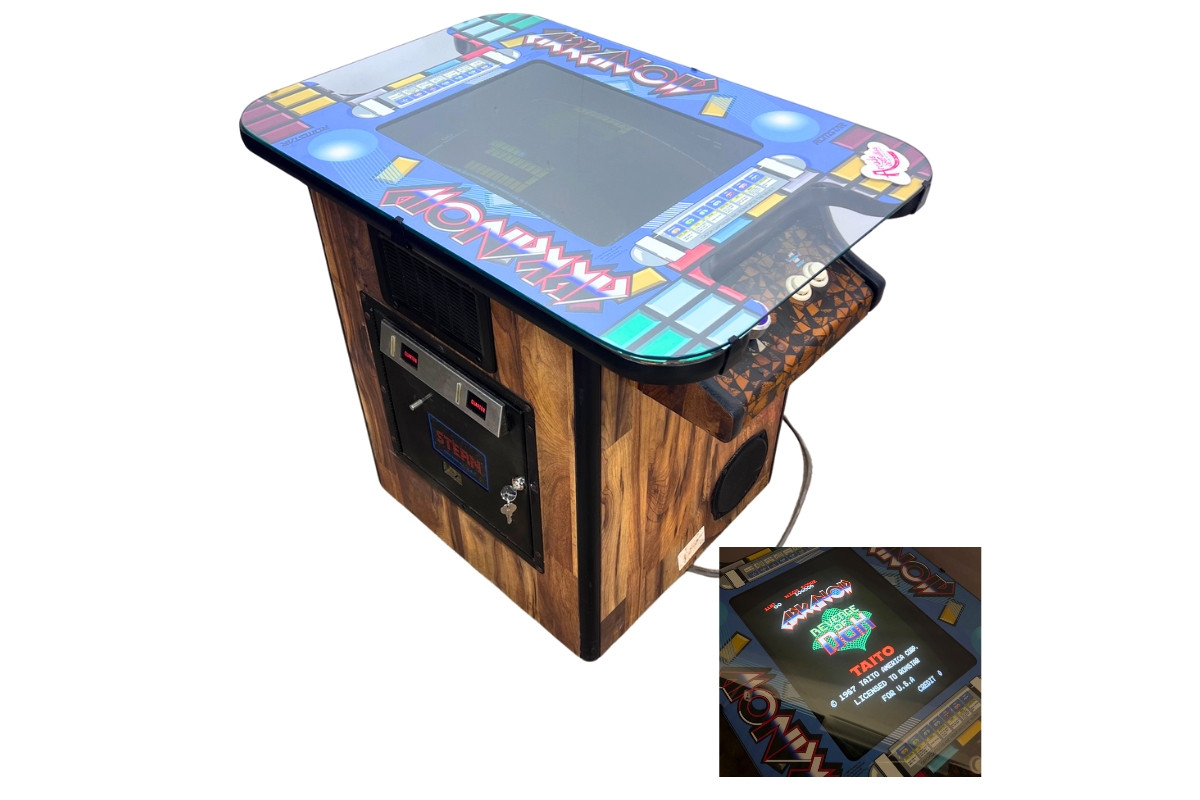
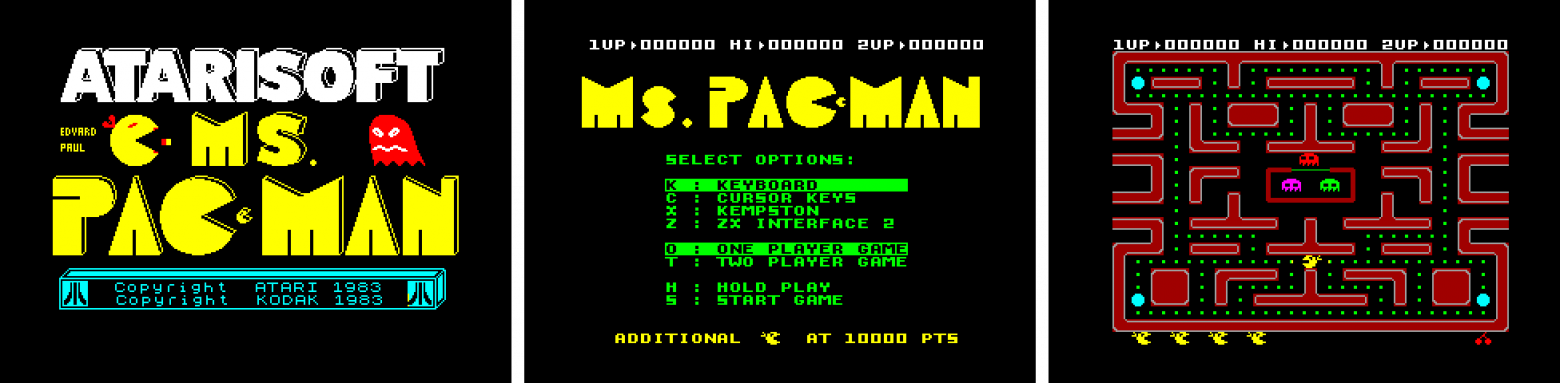
Ms. Pac-Man (1984)
The classic maze game needed no introduction even then. Guide the yellow character through a maze, eat dots, avoid ghosts. Simple in concept, addictive in practice. The Spectrum version was faithful to the arcade original, with smooth movement and responsive controls despite the hardware limitations.
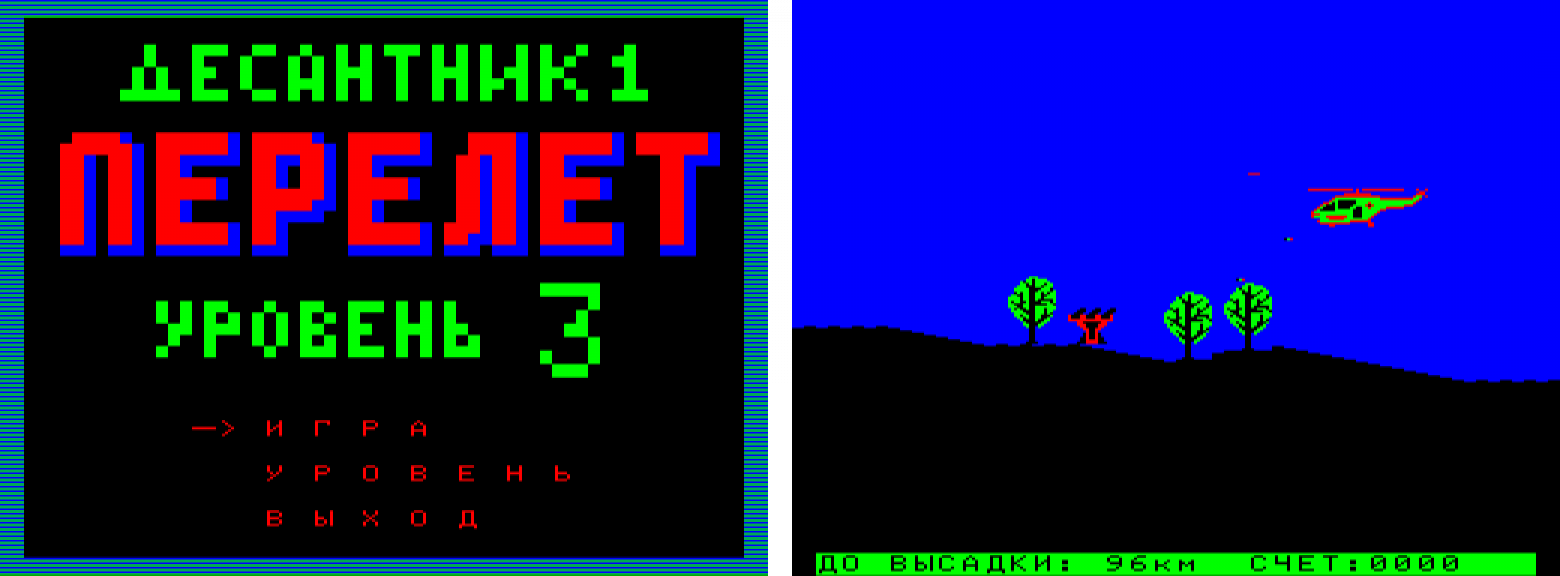
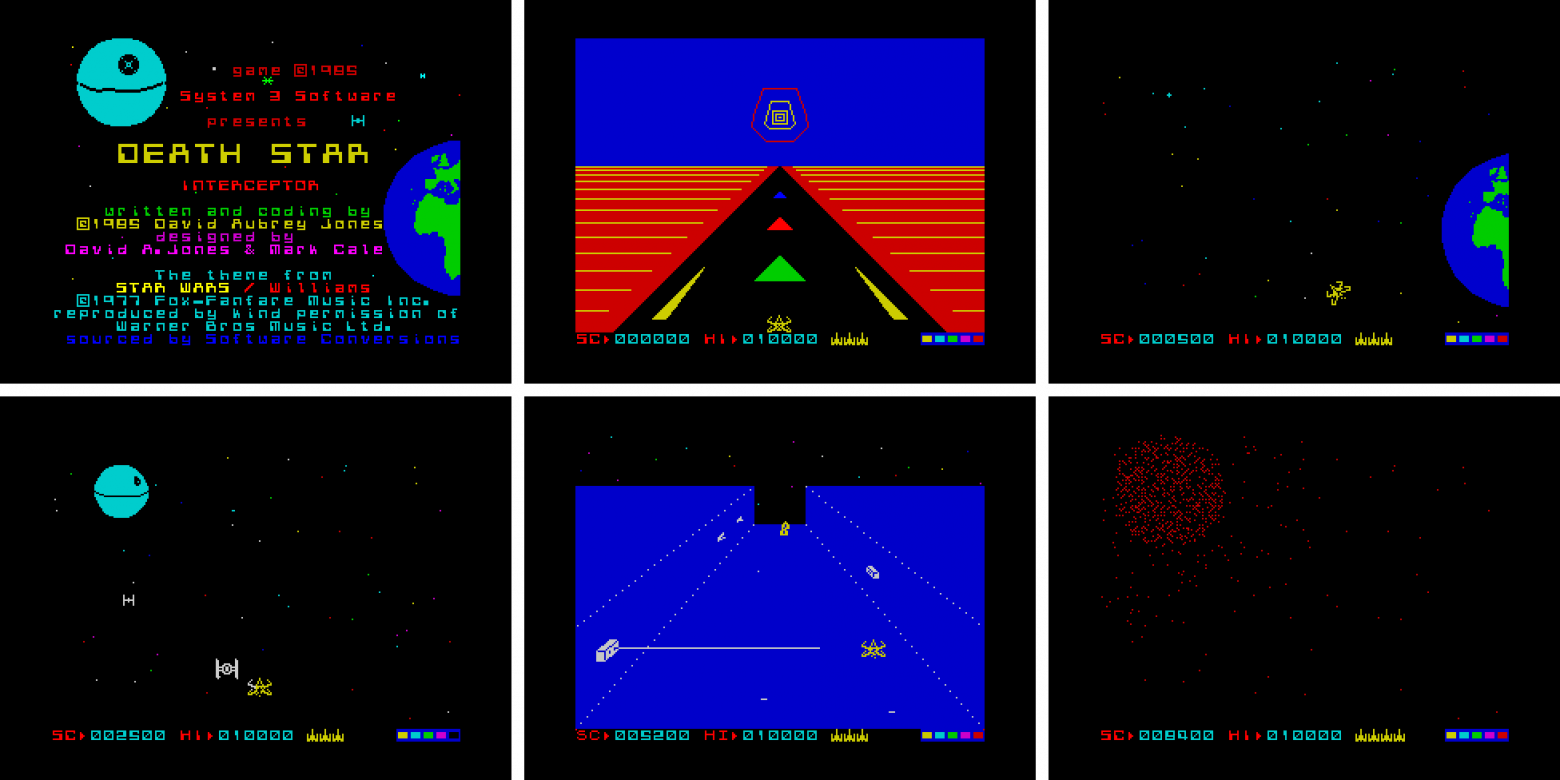
Death Star Interceptor (1985)
A Star Wars-inspired space shooter that put you in the cockpit of a fighter approaching the Death Star. The game featured multiple stages — space combat, a trench run, and the final assault on the exhaust port. The pseudo-3D graphics were impressive for the era, creating a genuine sense of speed and depth.
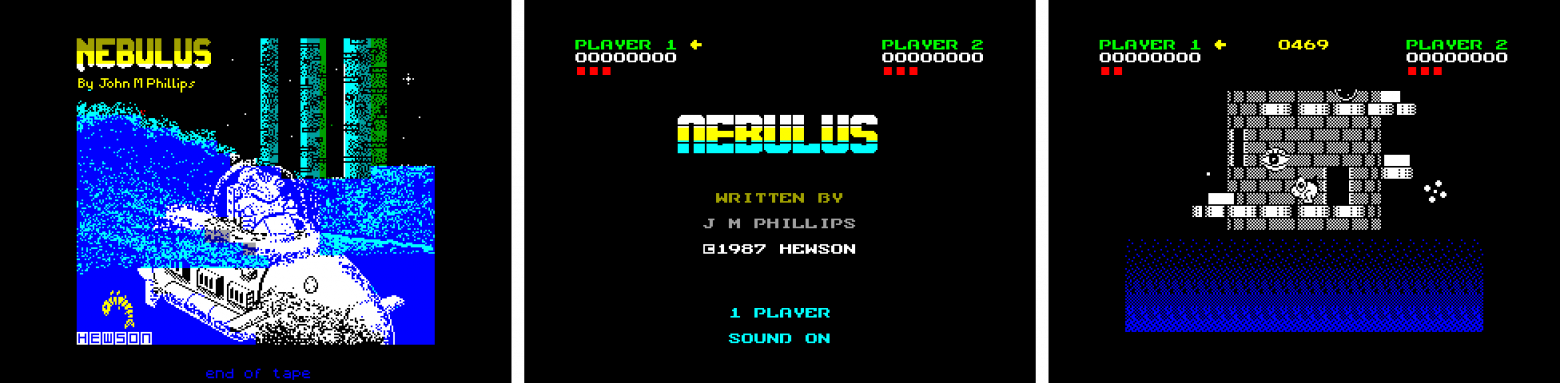
Nebulus (1987)
Perhaps the most technically impressive game of the bunch. You controlled a small green creature climbing a rotating cylindrical tower, jumping between platforms and avoiding obstacles. The tower's smooth rotation effect was remarkable — it genuinely appeared three-dimensional, which was a stunning achievement on 8-bit hardware.
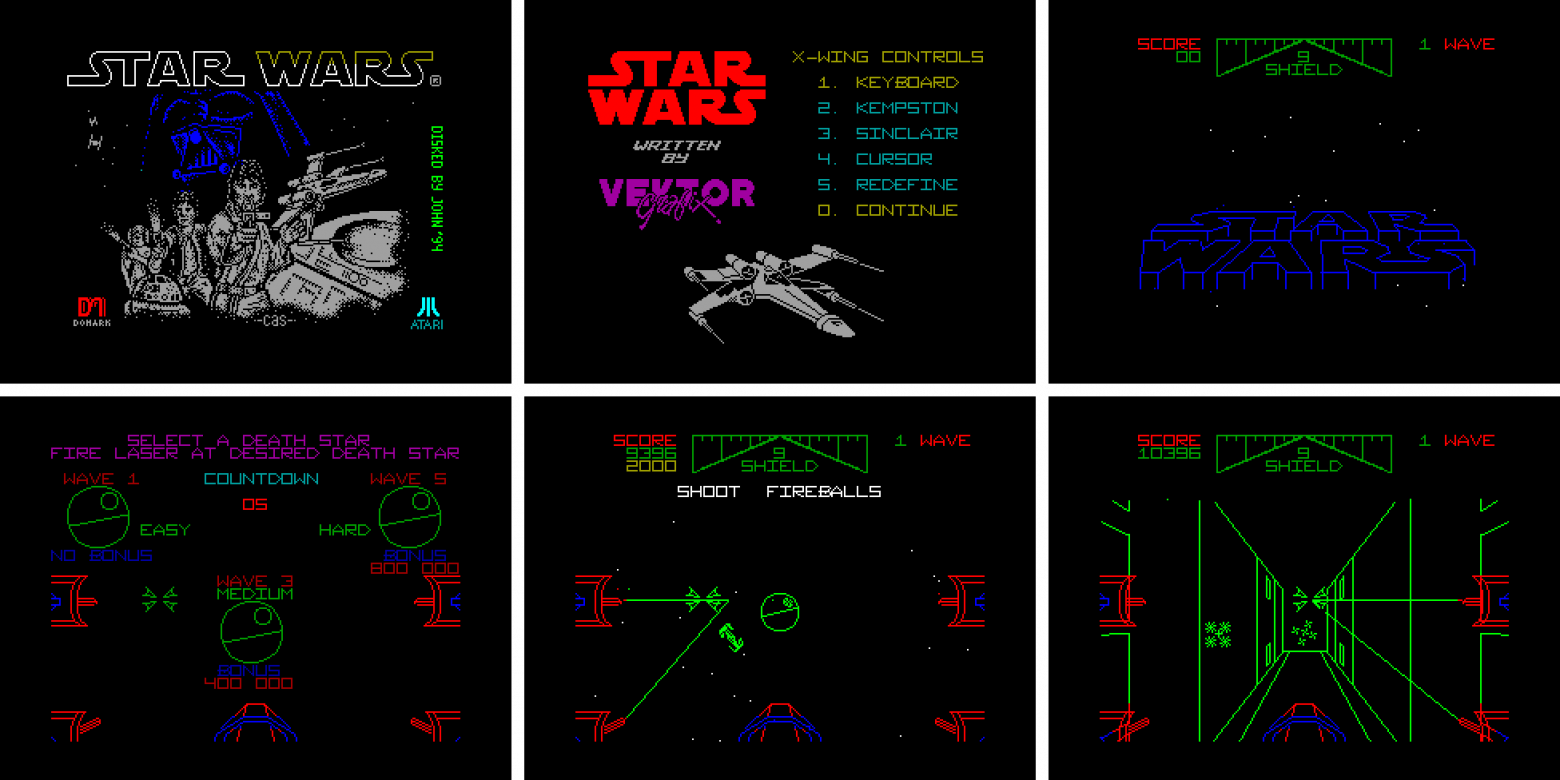
Star Wars (1987)
Another Star Wars title, this one a vector-graphics arcade conversion. Wire-frame TIE fighters swooped toward you, and you had to blast them with your X-wing's laser cannons. The vector graphics gave it a clean, distinctive look that set it apart from other Spectrum games.
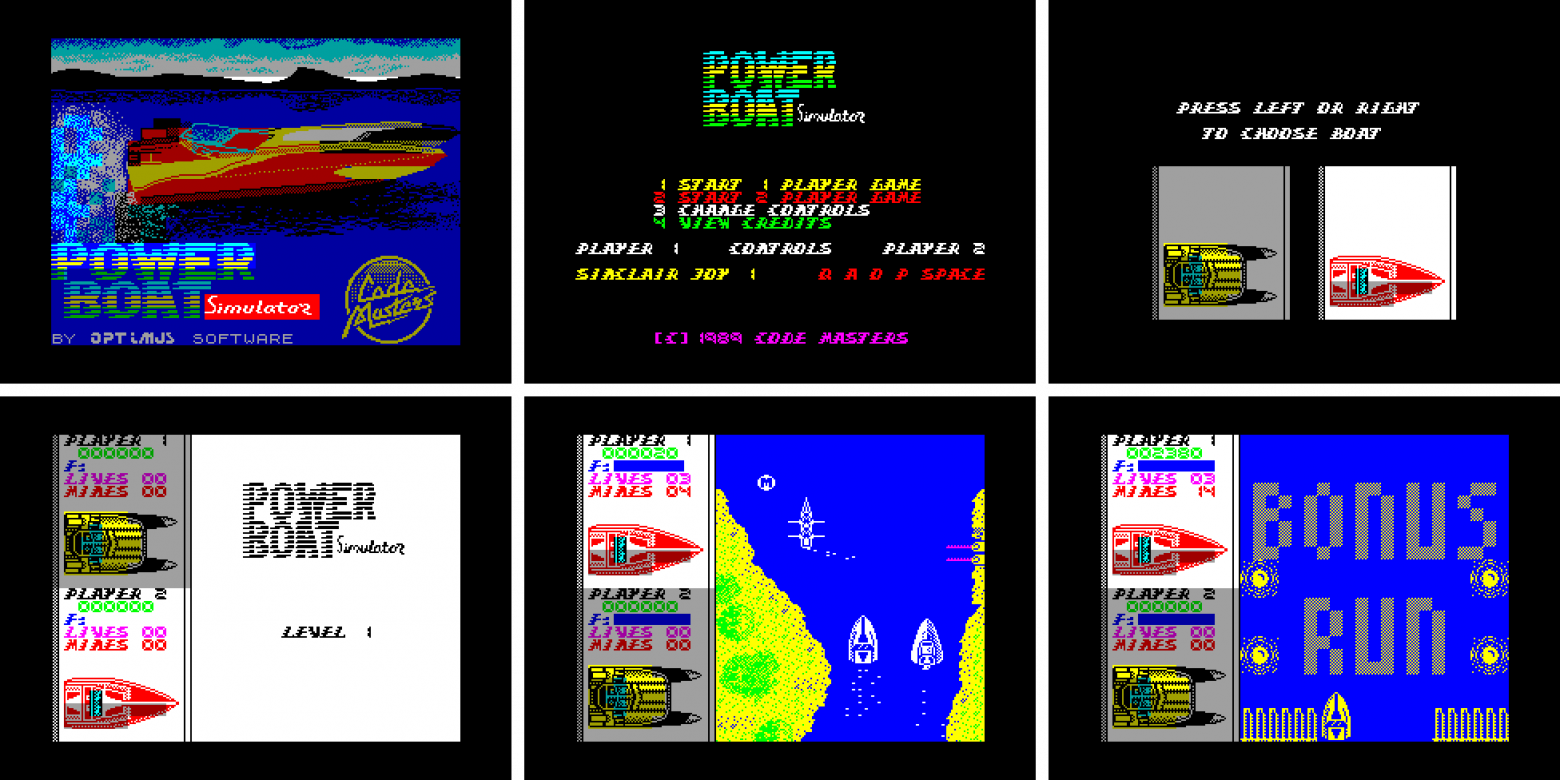
Power Boat Simulator (1989)
A racing game featuring powerboats. You viewed the action from behind your boat as it skipped across waves, dodging obstacles and competing against the clock. The water effects were surprisingly convincing, with waves that actually seemed to move beneath you.
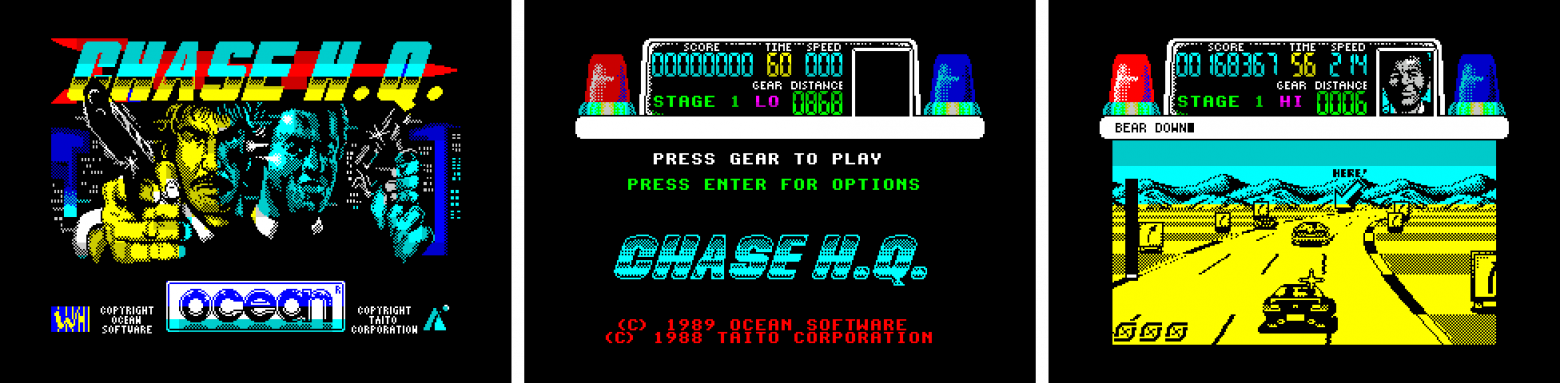
Chase H.Q. (1989)
An arcade racing game where you played as an undercover cop chasing criminals in a sports car. Each level began with a briefing about the suspect, followed by a high-speed pursuit through traffic. When you caught up with the criminal's car, you had to ram it repeatedly until it stopped. The sense of speed was exhilarating, and the gameplay loop of chase-and-crash was enormously satisfying.

The Aftermath
That single afternoon with the Spectrum planted a seed. For the next few years, life moved on — school, other interests, the usual distractions of adolescence. But the seed was there, waiting.
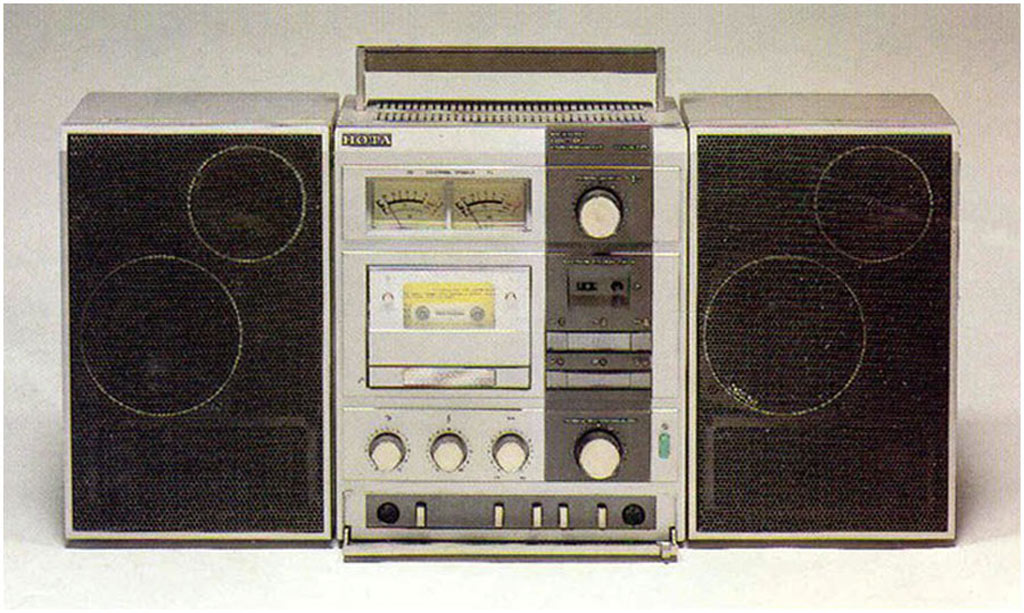
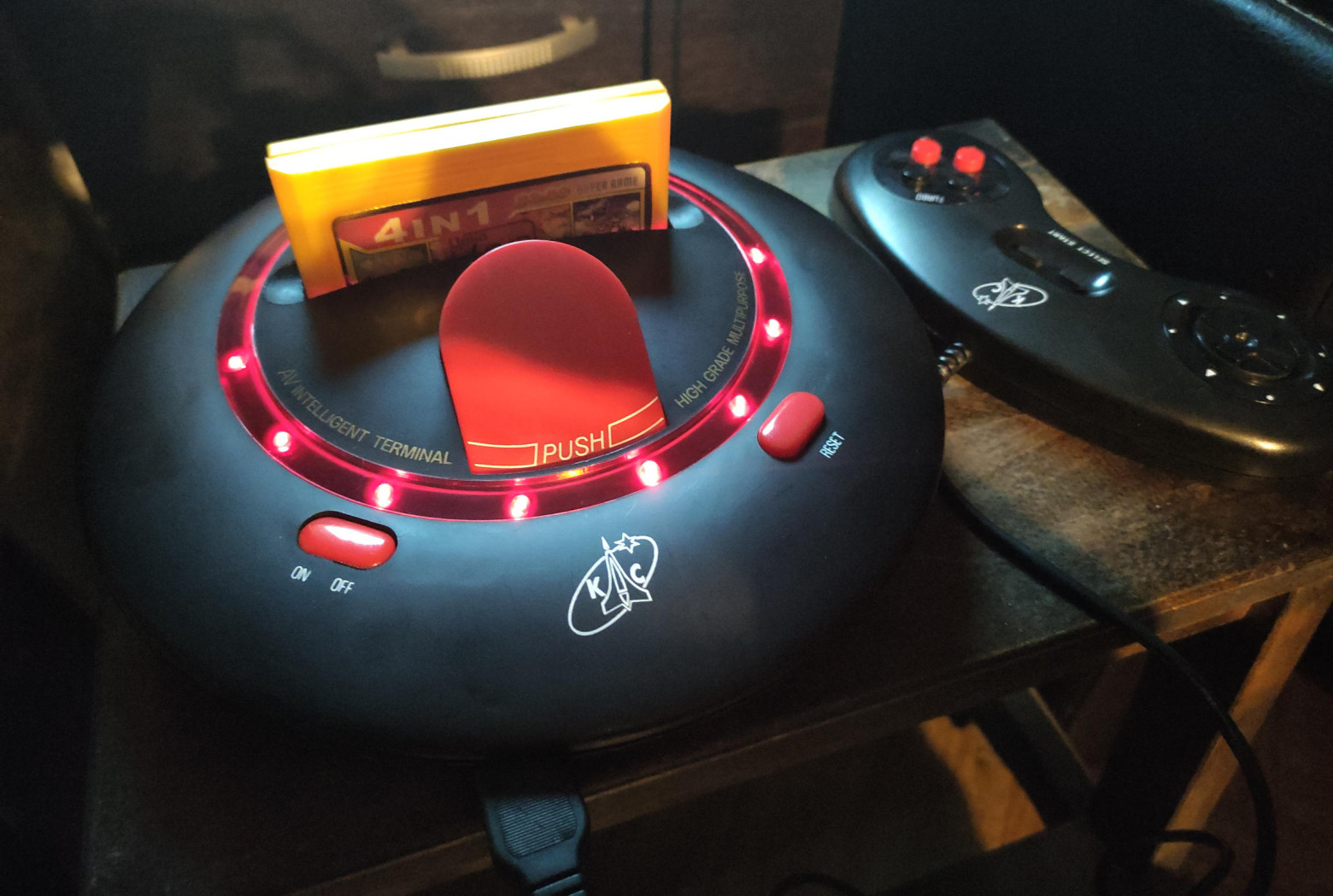
In 1993, the Dendy console arrived and reignited everything. Suddenly, video games were everywhere — on TV, in stores, in every kid's apartment. But the Dendy wasn't just a gaming device for me. It was a reminder of that afternoon in Novokosino, and it triggered a deeper question: how are these games made?
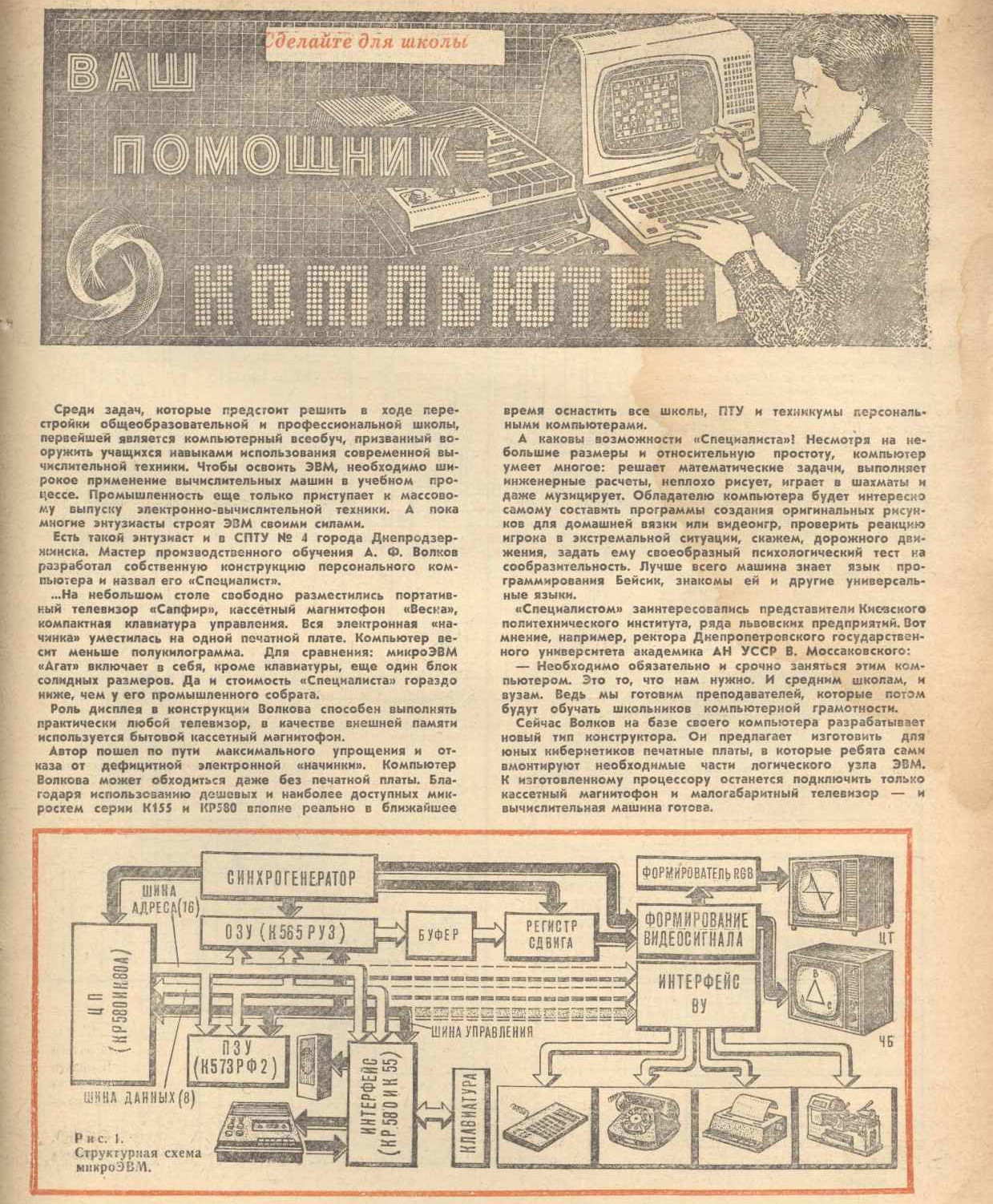
That question led to learning BASIC, then assembler, then C, then university, then a career in software development. The path from that first Spectrum session to professional programming was neither straight nor quick, but the starting point was unmistakable.
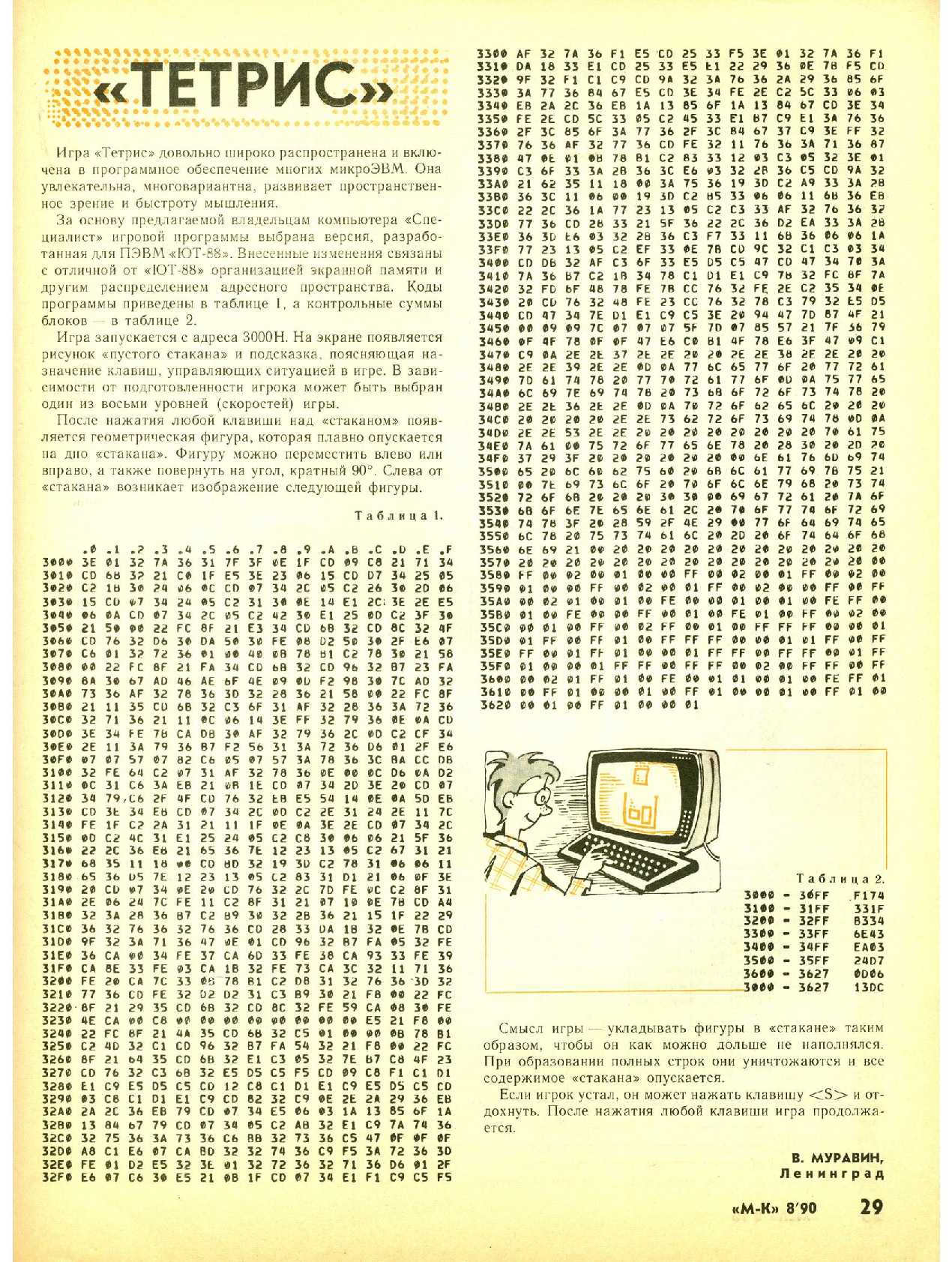
Looking back, what strikes me most is not the games themselves — primitive as they were — but the feeling they created. The sense that inside this box of chips and wires lived entire worlds, waiting to be explored. That feeling has never left.