The Story of an Arduino That Worked for 11 Years
A case study of an Arduino Mega-based water management system deployed in a remote Russian forest location in 2014 that ran continuously for 11 years with minimal maintenance, replacing two unreliable computers.
In the Beginning There Was RDP
In 2014, in a small settlement, water wells were managed remotely via an RDP connection. The system operated around the clock but required a stable internet connection. The control computer was located in a forest, where the signal was unstable.
The network was built on two directional Wi-Fi antennas — one on a water tower, the other on a forest mast. The problem appeared when a factory was built between the wells and the water intake, blocking the signal.
The author tried to create a C# script for automatic rebooting when the network was lost, but the script triggered too quickly (after 30 seconds), causing endless reboot loops.
We'll Go a Different Way
A 3G modem with a signal amplifier was installed. The solution helped temporarily, until neighboring organizations started using mobile networks, degrading the connection quality.
The Problems Were Just Beginning
The USB controller would freeze from pump interference. "Neither foil nor grounding helped — the controller would reliably freeze" whenever the nearby well pump was started.
The building on the edge of the forest attracted insects. The solution was extravagant: the computer was submerged in transformer oil along with its wires, with only the power supply left outside.
But We Can Do It, Right?
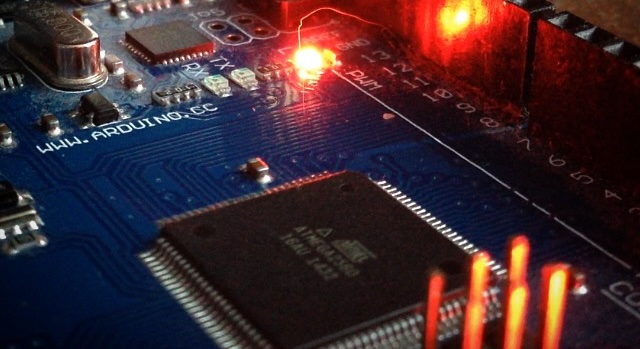
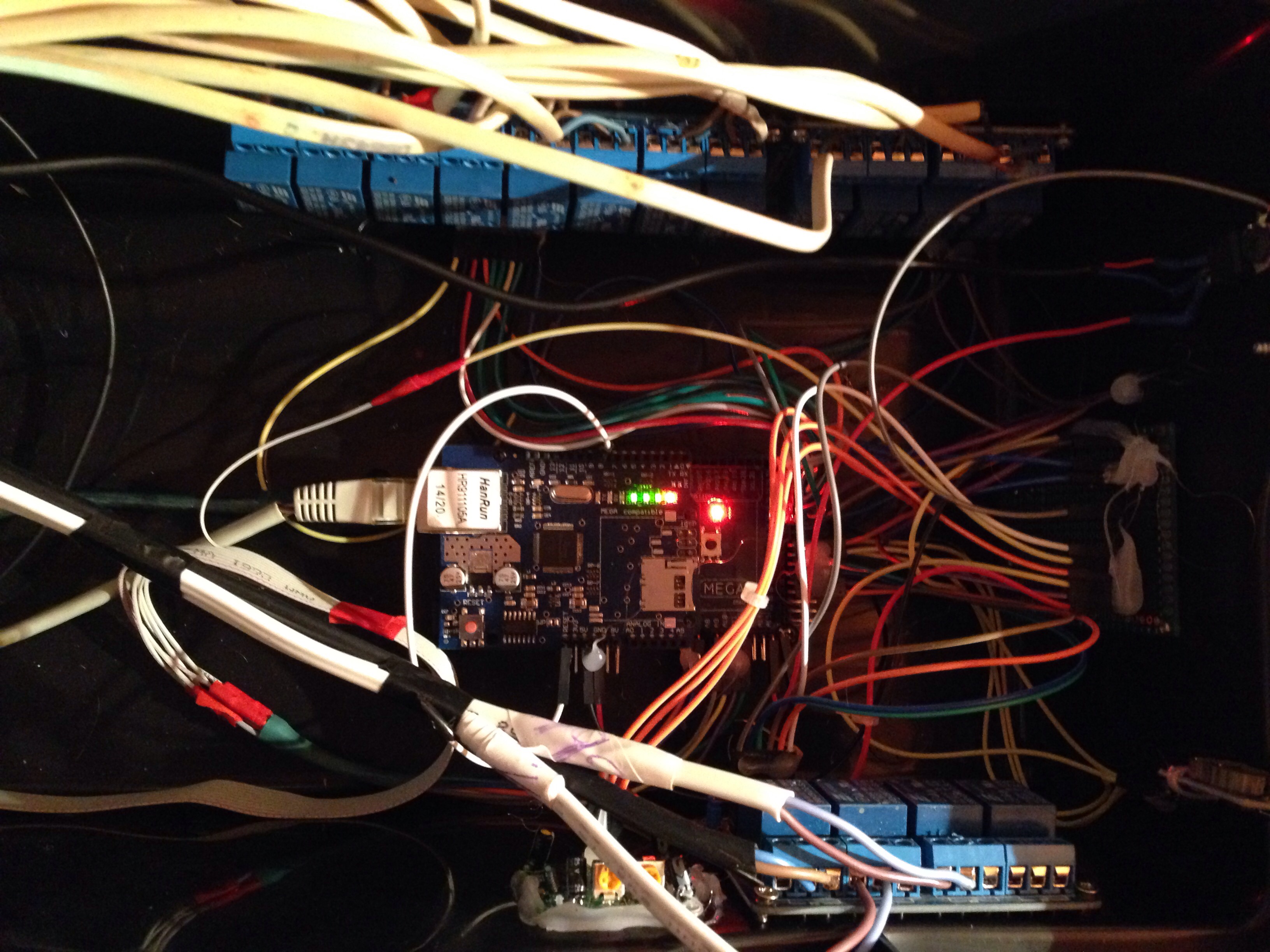
At the end of the year, the author's brother suggested completely redesigning the system. They chose an Arduino Mega with an Ethernet Shield instead of computers.
The brother soldered 5V voltage regulators from power supply units to protect the Arduino's analog inputs. It turned out that incorrectly mounting the Ethernet Shield shorts contacts to the USB port.
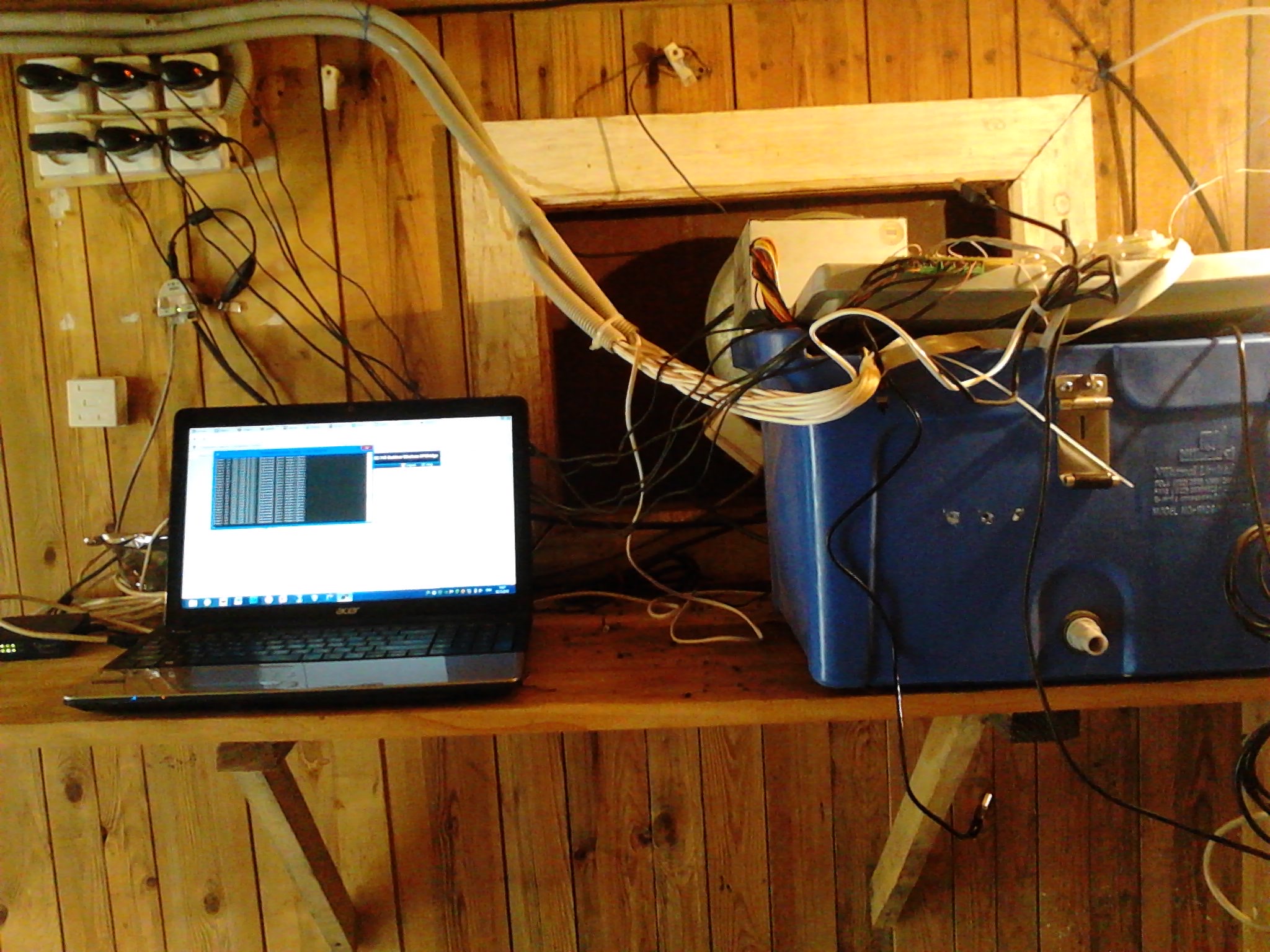
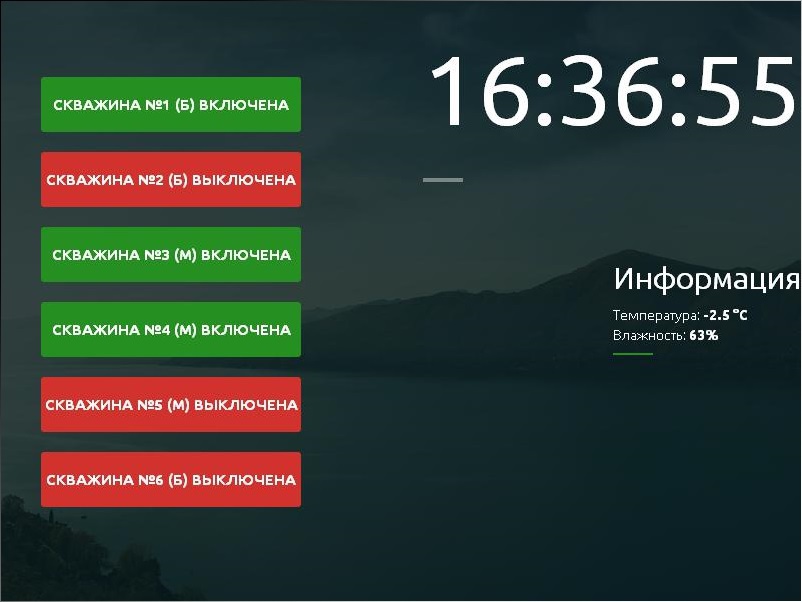
The author implemented a JSON server for control and wrote a simple web panel. A single Arduino replaced two computers.
They added a motion sensor, temperature sensor, and display. The temperature sensor proved useful: when it exceeded 30°C, a relay would activate a ventilation fan.
Looks Secure
The system used the modem's public IP with a non-standard port (28572) and a router firewall that restricted access to specific IP addresses.
Additional protection included a unique hash in requests and no API documentation whatsoever — security through obscurity.
The Result
The system worked for 11 years. During the first year, maintenance was needed — usually consisting of removing water and insects from the enclosure.
On the last visit, they drilled drainage holes and mounted the Arduino on motherboard standoffs.
The plan is to replace the system with an ESP32 with an analog multiplexer for relay expansion.
FAQ
What is this article about in one sentence?
This article explains the core idea in practical terms and focuses on what you can apply in real work.
Who is this article for?
It is written for engineers, technical leaders, and curious readers who want a clear, implementation-focused explanation.
What should I read next?
Use the related articles below to continue with closely connected topics and concrete examples.